
7 Best Nitrogen Generation Systems for Global Buyers?

Time:2026-09-22 Author:Mason
0%

Choosing among the 7 Best Nitrogen Generation Systems for Global Buyers is rarely a simple ranking exercise. Each site has different pressure requirements, flow rates, purity targets, and operating conditions. A food-packaging plant may need dependable nitrogen at several points every minute. A laboratory may require lower flow but tighter purity control. Offshore facilities face different maintenance and weather challenges.

The main technologies include pressure swing adsorption, membrane separation, and cryogenic production. Each option has strengths. PSA systems often suit variable industrial demand. Membrane units can offer compact installation and simpler operation. Cryogenic systems may support very large volumes and high purity. However, purchase price alone can mislead buyers. Energy use, compressor efficiency, replacement parts, service access, and downtime deserve equal attention.

Dr. Richard W. Baker, a leading membrane-separation researcher, stated, “Membrane technology is the future of gas separation.” His view remains useful, but it should not become a universal rule. Real projects need measured data. Buyers should compare purity stability, recovery rates, noise, footprint, and five-year operating costs. Site trials can reveal problems that brochures hide. Sometimes the technically impressive system is not the practical choice.

This guide examines seven leading Nitrogen Generation systems for international buyers. It considers industrial experience, supplier credibility, safety documentation, and regional support. Certification requirements can vary between markets. So can electricity prices and service response times. The final decision may still involve compromise. That is normal. A reliable nitrogen supply matters more than a perfect-looking specification sheet.
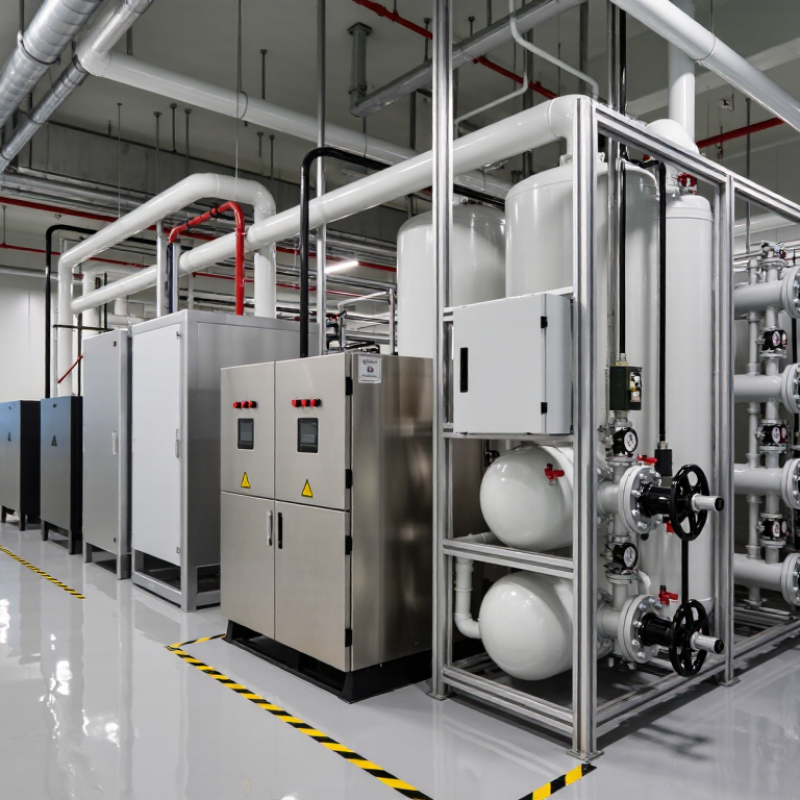
7 Best Nitrogen Generation Systems for Global Buyers?

What Nitrogen Generation Systems Are and How They Work

Nitrogen generation systems produce nitrogen on site from ordinary compressed air. The principle is simple. Air is the feedstock. A compressor raises its pressure, while filters remove oil, water, and particles. The system then separates nitrogen from oxygen and other gases. Storage tanks balance demand and protect pressure during sudden use.

Pressure swing adsorption, or PSA, passes air through carbon molecular sieves. These materials retain oxygen more readily than nitrogen. Valves switch between adsorption and regeneration vessels, creating a continuous supply. Membrane systems use hollow fibers and pressure differences. Oxygen, water vapor, and other fast gases pass through the membrane first. Nitrogen exits as the product stream. Cryogenic systems cool and distill air, producing very high purity, but they require more equipment and energy.

In practical installations, purity, flow rate, pressure, and operating hours should guide selection. A food-packaging line may need stable nitrogen at moderate purity, while electronics production can require stricter oxygen control. Feed-air quality matters greatly. A wet filter can damage performance. A neglected oxygen analyzer can also create false confidence. No system is perfect. Operators should record dew point, outlet pressure, purity, and maintenance intervals. I would also check peak demand rather than average demand. Undersizing often causes pressure drops during busy shifts. Oversizing wastes energy and increases purchase costs. The best design is not always the largest one; it is the system that matches the application, site conditions, and verified safety requirements.

The Main Types of Nitrogen Generation Systems Compared

7 Best Nitrogen Generation Systems for Global Buyers?

The Main Types of Nitrogen Generation Systems Compared

Nitrogen systems differ mainly by separation method, purity range, flow rate, and operating cost. Pressure swing adsorption uses carbon molecular sieves to remove oxygen from compressed air. It suits food packaging, metal processing, and electronics applications. PSA systems can deliver stable purity, often from 95% to 99.999%, when air quality is controlled. They need dryers, filters, and regular sieve inspections.

Membrane systems separate gases through hollow fibers. They are compact, quiet, and simple to start. They work well for tire filling, laser cutting, and tank blanketing. However, higher purity usually reduces flow. Cryogenic distillation handles very large volumes and produces exceptionally pure nitrogen. It demands significant capital, skilled operation, and careful energy planning. Small users may find it excessive.

Vacuum-assisted adsorption can improve efficiency in selected high-flow installations. Compact PSA units fit laboratories and smaller production lines. Skid-mounted PSA systems support modular expansion, while hybrid systems combine membrane and adsorption stages. Each option has a different risk profile. No system wins every test.

In plant assessments, I compare nitrogen demand by hourly peaks, not average consumption. That detail changes equipment sizing. Buyers should also check dew point, outlet pressure, oxygen residuals, noise, maintenance access, and local service capability. A low purchase price can hide compressor costs and replacement parts. Some specifications look impressive on paper. Real performance may vary with humidity, inlet temperature, and operator discipline.

Seven Leading Nitrogen Generation Systems for Global Buyers

Seven Leading Nitrogen Generation Systems for Global Buyers

Global buyers usually compare seven practical nitrogen system types: PSA, membrane, cryogenic, VPSA, modular PSA, containerized units, and hybrid systems with storage. Each design fits a different operating reality. PSA systems suit factories needing high purity and steady flow. Membrane units are compact and often simpler to maintain. Cryogenic plants serve very large users requiring liquid or extremely pure nitrogen. VPSA can reduce energy demand in selected high-flow applications.

Modular PSA systems help buyers expand production without replacing the entire plant. Containerized systems support remote sites, temporary projects, and difficult installation conditions. Hybrid systems combine on-site generation with storage tanks for demand peaks or maintenance periods.

That backup matters.

A short pressure drop can disrupt packaging, metal treatment, or laboratory work.

From practical evaluations, I check purity, flow, pressure, feed-air quality, altitude, ambient temperature, and local service access. A system rated for 1,000 Nm³/h may perform differently when the air compressor is undersized or poorly filtered. Operators should request performance data at real conditions, not only laboratory figures.

Sensors, oxygen analyzers, dryers, and alarms also deserve careful review. A low purchase price can hide higher energy costs, difficult spare-part logistics, or frequent membrane replacement.

I have seen buyers overestimate future demand and install oversized equipment. That choice looks safe, but it can waste power. A staged design may be wiser, although it requires more planning and disciplined monitoring.

Key Performance, Cost, and Maintenance Factors to Evaluate

When comparing seven nitrogen generation systems, start with the required purity, flow, and outlet pressure. Membrane units suit steady, moderate-demand applications with limited floor space. PSA systems usually provide higher purity and better control for packaging, electronics, and metal processing. Cryogenic systems deliver very large volumes, but their capital cost, safety controls, and operating complexity can be substantial. VPSA may reduce energy use at high flow rates, though performance depends heavily on site conditions.

Look beyond the purchase price. Compare energy consumption per cubic meter, compressor efficiency, installation work, and backup requirements. A low-cost unit can become expensive if it needs oversized air treatment or frequent filter replacement. Ask suppliers for test data at your actual inlet temperature, humidity, and pressure. Laboratory figures can look excellent. Real plants are less forgiving.

Maintenance often decides long-term value. Check access to valves, sensors, desiccant beds, membranes, and replacement filters. Review service intervals and the availability of trained technicians in your region. Remote monitoring helps, but it cannot repair a failed compressor. Keep critical spares on site. That matters. Also examine noise, heat rejection, drainage, and compressed-air quality. Buyers sometimes focus on purity alone and overlook unstable flow during demand changes. This is a common mistake. Independent validation, clear warranties, and documented performance records make the final choice more reliable.

Global Purchasing, Certification, Installation, and Support Requirements

Choosing among the seven best nitrogen generation systems requires more than comparing purity percentages. Global buyers should match membrane, PSA, or cryogenic technology to flow, pressure, duty cycle, and local utilities. A food plant may need documented food-contact controls, while a laboratory needs stable purity and low oxygen alarms. Start with a written gas specification. Keep it measurable.

International purchasing also depends on reliable evidence. Ask for test reports, electrical conformity documents, pressure-vessel records, material certificates, and a traceable factory acceptance test. Certification names vary by destination, so verify current requirements with an accredited local body. A translated manual helps, but it is not enough. Check customs codes, voltage, frequency, emissions limits, and spare-parts availability before signing. I have seen projects delayed because a correctly sized generator arrived with the wrong control-panel voltage.

Installation should include air-quality testing, dryer validation, ventilation, safe relief routing, and commissioning under real load. Require operator training and a remote-support plan with clear response times. Measure purity, dew point, pressure stability, noise, and energy use during handover. Support promises can remain vague. Put them in the contract. No system is ideal. A compact unit may save space but limit future expansion. Redundant compressors improve resilience but increase maintenance. Recheck assumptions yearly as demand, regulations, and production schedules change. That discipline protects performance after the purchase order is forgotten.

FAQS

How do nitrogen generation systems mainly differ?

They differ by separation method, purity, flow rate, pressure, and operating cost. Common options include PSA, membrane, cryogenic, and hybrid systems. No single system wins every application.

When is a PSA nitrogen system suitable?

PSA systems suit food packaging, metal processing, electronics, laboratories, and production lines. They can provide roughly 95% to 99.999% purity. Stable results require clean, dry compressed air.

What maintenance does a PSA system require?

Maintenance includes dryer checks, filter replacement, sieve inspections, and compressor servicing. Humidity can reduce performance. Operator discipline matters more than many brochures admit.

What are the main advantages of membrane systems?

Membrane systems are compact, quiet, and easy to start. They work well for tire filling, laser cutting, and tank blanketing. Higher purity usually means lower gas flow.

When might cryogenic nitrogen generation be excessive?

Cryogenic systems suit very large nitrogen volumes and exceptionally high purity. They require major investment, energy planning, and skilled operators. Small facilities may pay for capacity they never use.

How should buyers calculate nitrogen capacity?

Measure hourly peak demand instead of average consumption. A short production surge can determine the correct generator size. My initial estimate could still be wrong.

Which technical details should buyers verify?

Check dew point, outlet pressure, oxygen residuals, noise, maintenance access, and energy use. Also confirm inlet temperature and humidity limits. Paper specifications are not the factory floor.

What documents are important for international purchases?

Request test reports, electrical conformity documents, pressure records, material certificates, and factory acceptance results. Verify local certification requirements with an accredited authority. Confirm voltage and frequency before shipment.

What should installation and commissioning include?

Installation should include air testing, dryer validation, ventilation, and safe relief routing. Commission the system under real operating loads. Measure purity, dew point, pressure stability, noise, and energy consumption.

How can buyers reduce support and expansion risks?

Put training, spare parts, remote support, and response times into the contract. Consider future demand, not only today’s footprint. Compact equipment saves space. It may limit expansion.

Conclusion

Nitrogen Generation systems produce high-purity nitrogen from compressed air by separating nitrogen from oxygen and other gases. The main technologies include membrane separation, pressure swing adsorption, and cryogenic systems, each offering different advantages in purity, flow capacity, energy use, and operating flexibility. This article compares seven leading system approaches for global buyers, helping readers understand which solution may best match industrial, food packaging, laboratory, electronics, or other controlled-atmosphere applications.

The evaluation focuses on essential purchasing factors such as nitrogen purity, output capacity, energy efficiency, installation space, equipment cost, maintenance requirements, and expected service life. It also explains the importance of supplier qualifications, international certifications, shipping considerations, local installation support, operator training, spare parts availability, and after-sales service. By reviewing technical performance, total ownership costs, and regional compliance requirements together, buyers can make a practical and informed decision when selecting a reliable Nitrogen Generation system for long-term operation.

Mason

Mason

Mason is a seasoned marketing professional with a deep expertise in the company's offerings and a passion for driving brand awareness. With a strong background in digital marketing strategies, he has an innate ability to connect with diverse audiences and effectively communicate product benefits.......