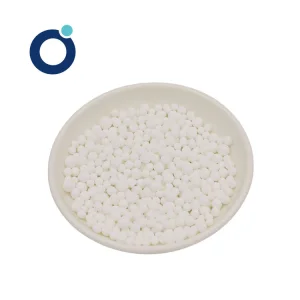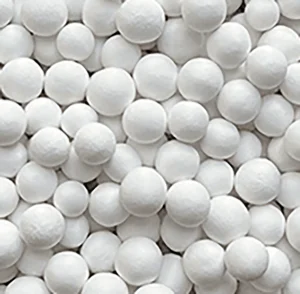
Engineered catalysts, desiccants, and molecular sieves providing trace impurity elimination and optimal dew points.
The global purification and separation industry is undergoing a structural paradigm shift driven by stricter emissions mandates, decarbonization goals, and the rise of ultra-pure chemical standards in microelectronics and clean hydrogen generation. Adsorbents like molecular sieves and activated alumina are no longer treated as simple bulk commodities. Today, they serve as high-performance catalysts and separation agents critical to ensuring modern process efficiency.
From petrochemical operations and compressed air drying systems to heavy industries, the demand for targeted contaminants removal (such as CO2, volatile organic compounds, sulfur derivatives, and water vapor) has skyrocketed. To remain competitive, modern processing facilities must source purifying media characterized by robust hydrothermal stability, precise pore distributions, and exceptional mechanical crushing strength.
Advanced molecular sieves enable carbon capture, utilization, and storage (CCUS) processes to run efficiently by selectively screening CO2 molecules out of complex flue gas matrices.
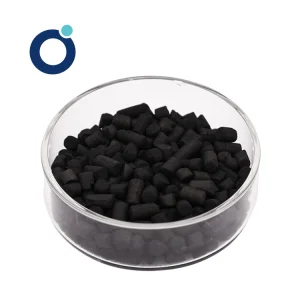
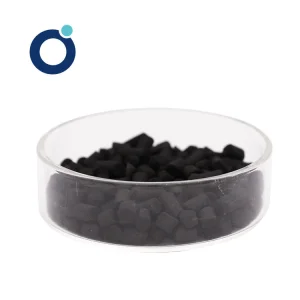
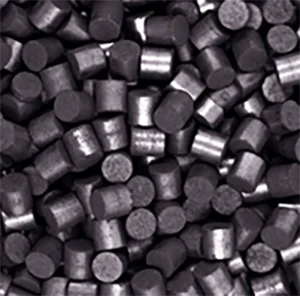
Ultra-pure hydrogen production requires pressure swing adsorption (PSA) technologies utilizing custom molecular sieves and carbon media to eliminate nitrogen, carbon oxides, and moisture down to parts-per-billion (ppb) thresholds.
Combining world-class production capacity, automated control loops, and direct access to primary raw material supplies.
Our domestic operations leverage highly integrated supply ecosystems. This guarantees stable pricing and access to pure silicates, aluminates, and structural binders, shielding international partners from raw material market shocks.
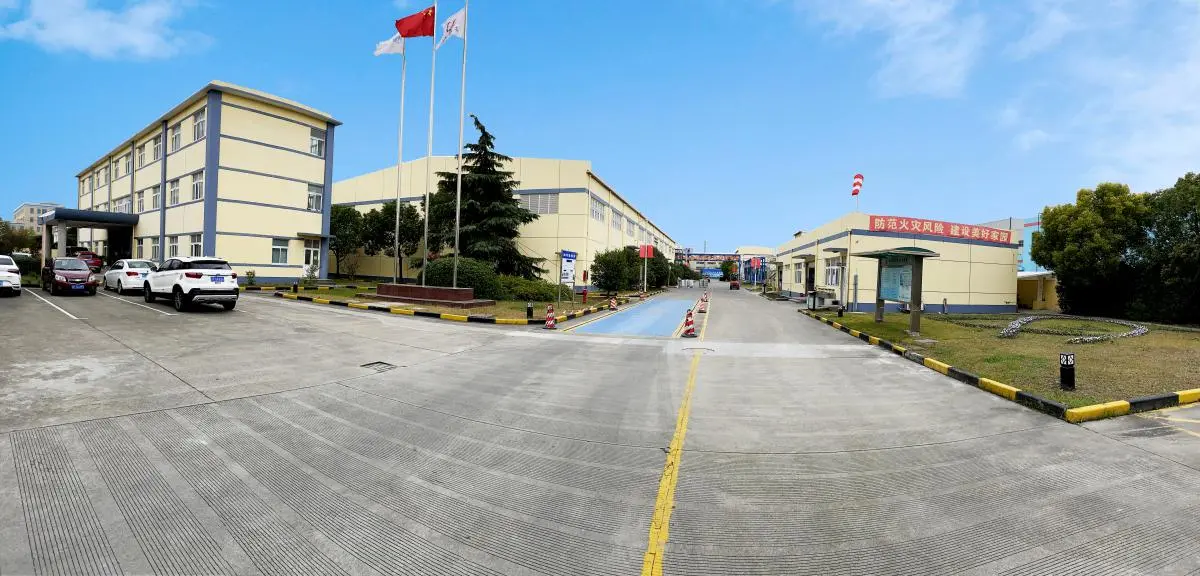
Equipped with advanced rotary kilns, automated spray granulation systems, and in-line crystalline purity controls, our plants in Shanghai and Wuxi maintain consistent batch-to-batch structural integrity.
We do not just meet regulatory standards; we define them. Shanghai Jiuzhou Chemical is a recognized key contributor to formulating national and industry regulations (including HG/T 3927 and JB/T 10532).
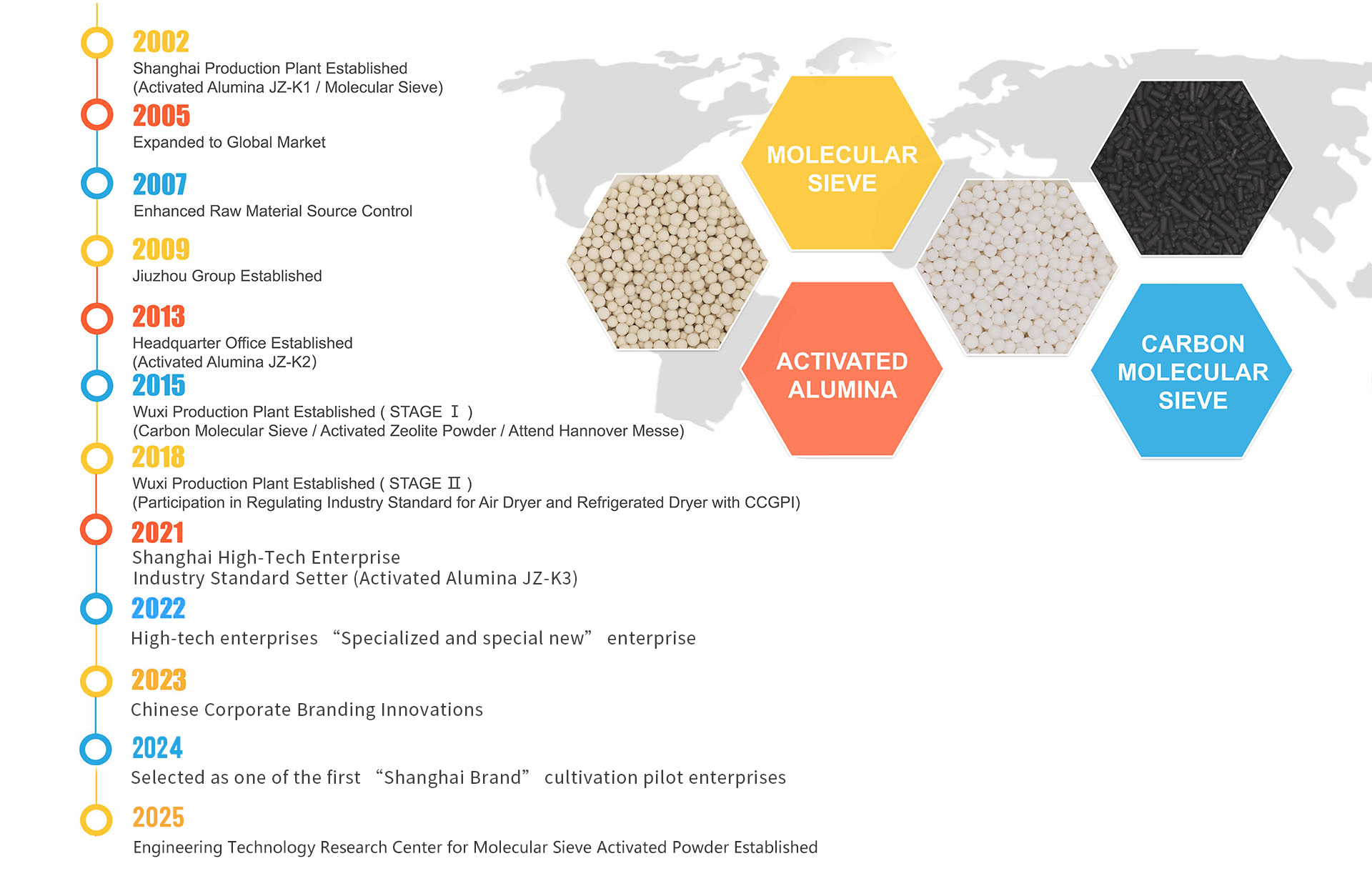
Established in 1994, Shanghai Jiuzhou Chemicals Co., Ltd. is positioned in Shanghai, China's economic and technological hub. Over the past three decades, Jiuzhou has consistently adhered to the core philosophies of "Quality Control & Innovation", committing itself to the development, manufacturing, and servicing of high-grade chemical adsorbents and engineering catalysts.
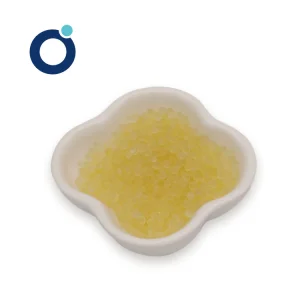
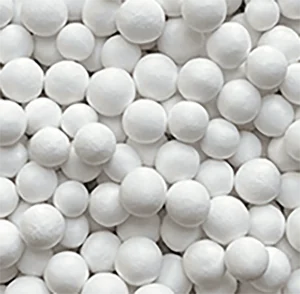
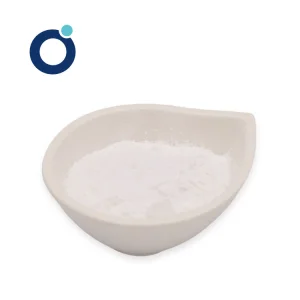
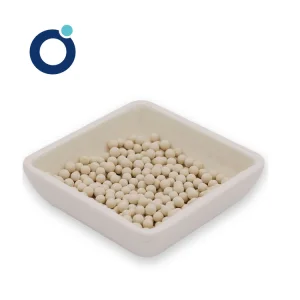
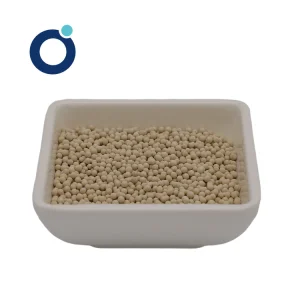
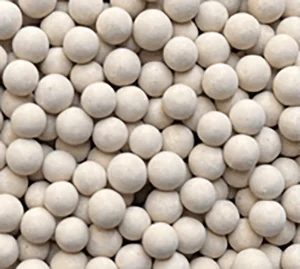
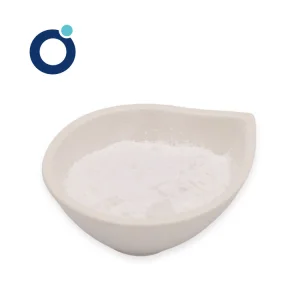
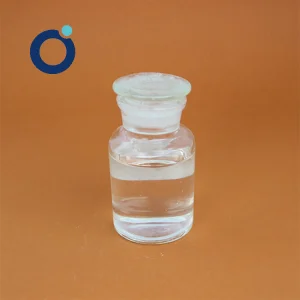
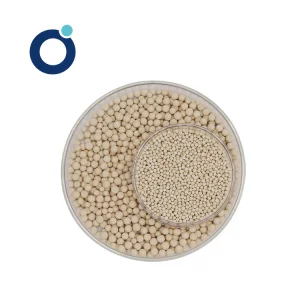
Our product portfolio ranges from specialized molecular sieve powders and formed zeolites to activated alumina, alumina-based catalysts, liquid/powder sodium silicates, and ceramic structural packings. Adhering to strict international standards, all Jiuzhou products carry ISO 9001:2008, TUV, and SGS certifications, validating our reliability for crucial industrial projects.
Supported by a comprehensive central laboratory and dynamic performance test-beds, our team of chemical engineers collaborates with downstream partners globally, exporting custom adsorption solutions to over 80 countries and territories.
Our dual-manufacturing footprints in Shanghai and Wuxi provide robust risk management and supply security. If one facility undergoes routine maintenance, the other scale-ups production dynamically to protect client timelines.
Providing custom material attributes tailored for specific, high-stress engineering environments.
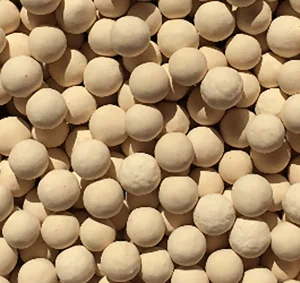
In cryogenic air separation units (ASUs), moisture and carbon dioxide must be removed prior to liquification to prevent process line freezing. Our 13X and 3A molecular sieves provide high-efficiency dynamic capacity limits, keeping operations online safely.
Water presence in cracked gas streams (ethylene, propylene) can lead to catalyst poisoning and downstream hydrate formation. Specialized molecular sieves with exact crystallographic structures selectively dehydrate these streams without co-adsorbing light hydrocarbons.
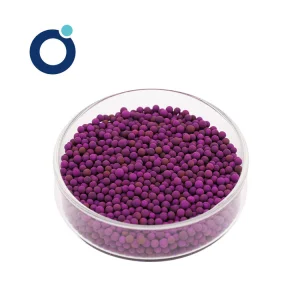
For high-pressure instrument air systems, activated alumina (like the JZ-M1 carry potassium permanganate formulation) delivers consistent dew points down to -70°C, actively absorbing acidic impurities and harmful trace gases.
Industrial performance should not come at the expense of our environment. Shanghai Jiuzhou Chemical is committed to cleaner manufacturing processes and developing advanced adsorption materials that directly reduce industrial footprint impacts.
Through our dedicated R&D programs, we optimize the regeneration efficiency of our molecular sieves. By lowering the required desorption temperatures, we help plant operators reduce energy consumption and cut operational carbon footprints.
Ensuring operational reliability through alignment with global standards and active participation in defining Chinese national chemical regulations.
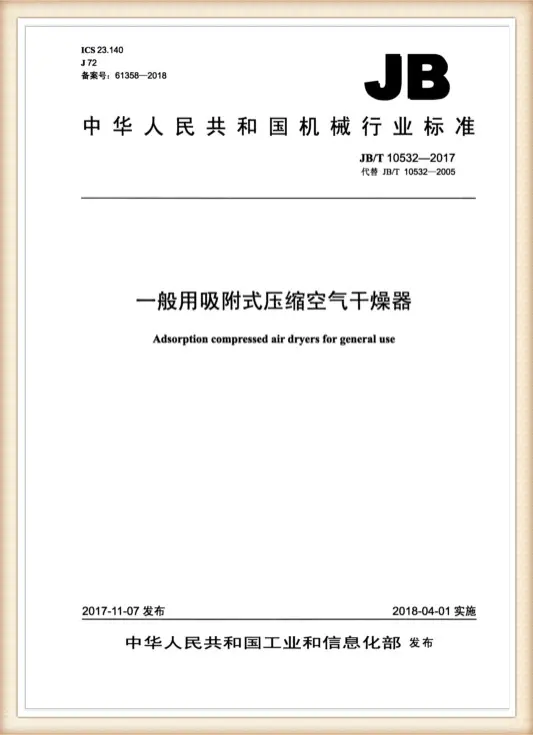
JB / T 10532-2017
Compressed Air Dryers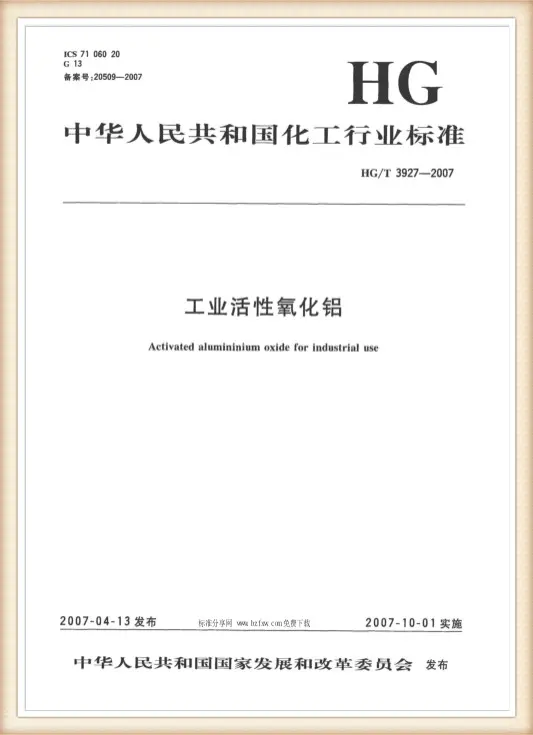
HG / T 3927-2007
Industrial Activated Alumina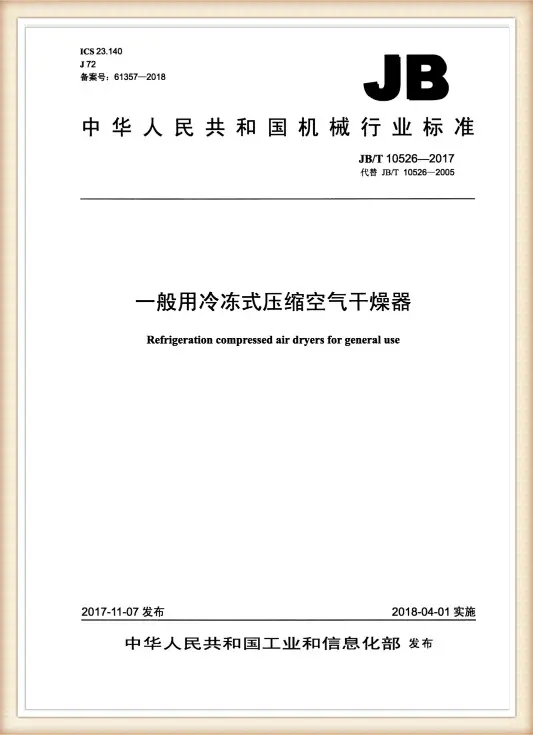
JB / T 10526-2017
Refrigeration Dryers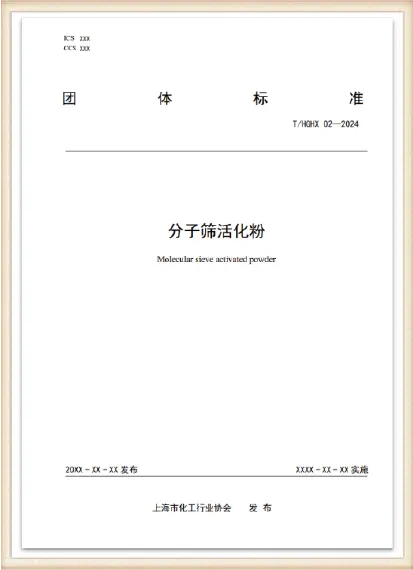
T/CGMA1201-2024
General Machinery Stds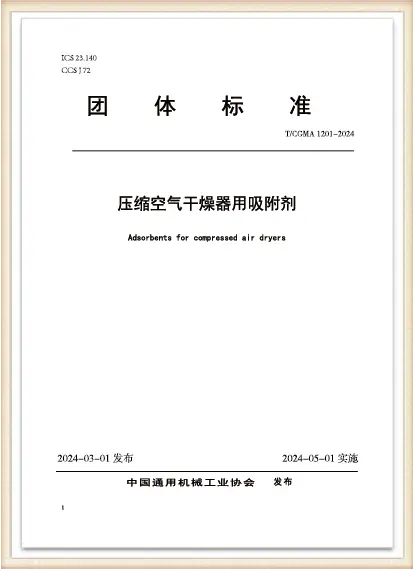
T/HGHX 02—2024
Chemical Industry Stds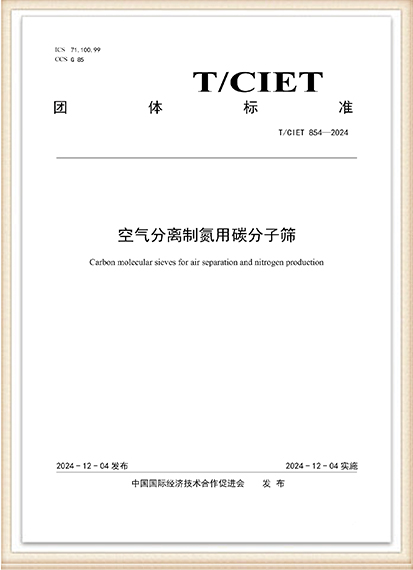
T/CIET 854-2024
Eco-Industrial MaterialsThe industry is moving toward high-selectivity, low-energy molecular sieves. Traditional thermal regeneration cycles can be energy-intensive, pushing search queries and design intents toward low-desorption temperature matrix materials. Additionally, the integration of composite frameworks—where molecular sieves are hybridized with metallic matrices or carbon molecular sieves—is unlocking new efficiency thresholds in gas-phase separation.
Environmental policies are also increasing scrutiny on industrial effluent and chemical bypasses. Consequently, manufacturers are seeking raw materials produced via closed-loop processes with minimal volatile metal waste outputs, a standard our Shanghai and Wuxi operations proudly prioritize.
When engineering procurement directors evaluate global purifying material suppliers, key performance indicators must include more than just initial price quotes. Critical assessment protocols should focus on:
Addressing the technical, operational, and procurement queries raised by chemical engineers and supply chain partners.
Activated Alumina is primarily chosen for high moisture loading applications, acidic gas adsorption, and achieving dew points down to -40°C. In contrast, Molecular Sieves are designed for deep dehydration (dew points down to -70°C or below), precise co-adsorption control, and selective separation of gases based on molecular sizes (e.g., separating nitrogen from oxygen using 13X or 3A frameworks).
Potassium permanganate acts as a strong oxidizing agent. When impregnated into the pore matrices of activated alumina (as in JZ-M1), it chemically reacts with and neutralizes polar gas impurities like hydrogen sulfide (H2S), sulfur dioxide (SO2), formaldehyde, and various volatile organic compounds (VOCs), rendering them inert.
Our complete range of products meets strict global frameworks. Our manufacturing sites are certified under ISO 9001:2008 Quality Management, and our chemical grades carry independent material test verifications from international agencies like TUV and SGS.
Yes. Supported by our central laboratory and automated manufacturing facilities, we can adjust binder formulas, kiln activation conditions, and crystalline configurations to manufacture custom molecular sieves and active alumina variants tailored to specific gas speeds and operating pressures.
Explore our industrial range of molecular sieves, silicate solutions, and specialty catalysts.
Have questions about technical product specifications or bulk quotes? Our team of chemical engineers responds to all requests within 24 hours.