
China’s gas separation equipment market is expanding beyond traditional nitrogen generators and oxygen plants. It now includes membrane systems, pressure swing adsorption units, cryogenic facilities, and hybrid purification lines. These technologies support steel production, petrochemicals, food packaging, medical oxygen, hydrogen recovery, and carbon dioxide control.
This guide examines China’s top ten gas separation equipment manufacturers through practical criteria. These include technical experience, product range, process stability, energy consumption, certifications, customization, after-sales service, and documented project performance. A reliable supplier should explain feed-gas conditions clearly. Pressure, temperature, moisture, impurities, flow rate, and required purity all matter. A polished brochure cannot replace operating data.
Professor Richard W. Baker, a widely recognized membrane-separation expert, has emphasized, “Membranes are not a panacea.” That warning deserves attention. Gas Separation equipment must match the process, not merely the budget. Some systems look efficient on paper but perform poorly when gas composition changes. Others offer strong purity but consume excessive energy. Small details matter, such as valve response, adsorbent replacement intervals, analyzer calibration, and drainage design.
The ranking should therefore be viewed as a practical starting point, not an absolute verdict. Manufacturing capability can vary between projects. Public information may also be incomplete. Buyers should request references, factory evidence, test reports, and lifecycle cost estimates before making a final decision. A careful comparison may take longer. It usually prevents expensive surprises later.
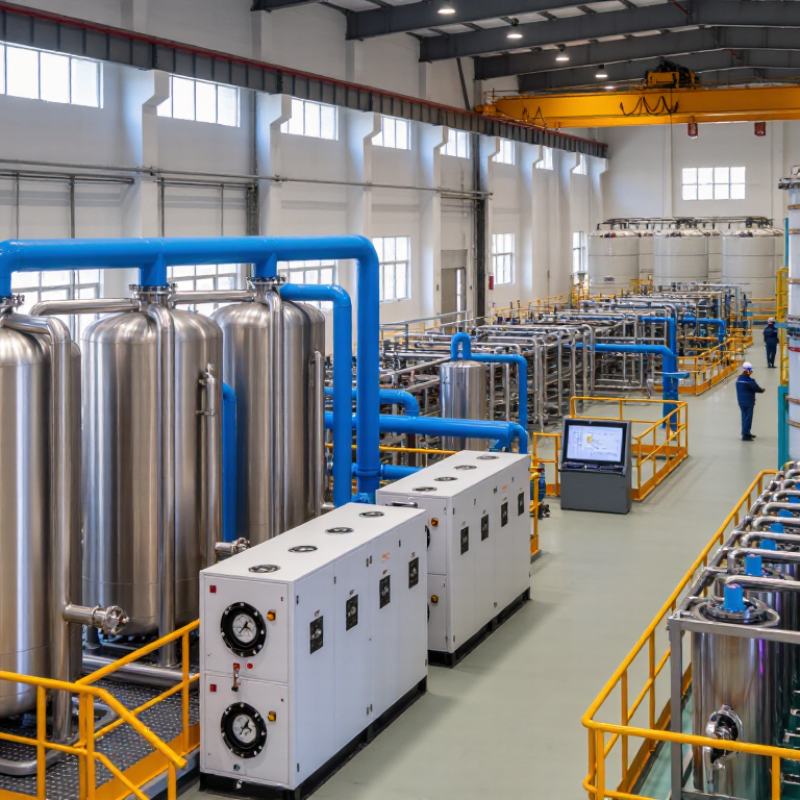
Gas Separation Equipment: Definition, Principles, and Applications
Gas separation equipment removes selected components from a mixed gas stream. It uses differences in molecular size, boiling point, solubility, or chemical affinity. Common systems include membranes, pressure swing adsorption units, cryogenic columns, and absorption towers. Membranes allow certain molecules to pass faster than others. Adsorbents capture gases under pressure and release them during regeneration. Cryogenic systems cool gases until their components separate by boiling point. No separator performs perfectly. Real efficiency depends on feed quality, pressure, temperature, and maintenance.
Tips: Check the feed composition before choosing equipment. Small amounts of oil, water, or dust can reduce performance. Ask for tested recovery rates, energy data, and impurity limits. Inspect valves, seals, sensors, and adsorbent beds regularly. A clear maintenance record supports reliable operation and safer decisions. Do not rely on catalog values alone.
These systems support oxygen and nitrogen production, biogas upgrading, hydrogen purification, carbon dioxide removal, and natural gas processing. In a hospital, oxygen separation requires stable purity and dependable alarms. In a factory, nitrogen may protect sensitive materials from oxidation. In energy facilities, membrane units can reduce equipment size and installation time. However, compact designs may sacrifice recovery or increase pretreatment needs. Engineers should compare lifecycle cost, operating pressure, waste streams, and local compliance requirements. Field data may challenge the original design assumptions. Rechecking them is worthwhile.
| No. | Equipment Category | Primary Separation Principle | Typical Feed / Product | Common Purity Range | Typical Capacity Range | Main Applications | Key Operating Considerations |
|---|---|---|---|---|---|---|---|
| 1 | Pressure Swing Adsorption (PSA) | Selective adsorption of impurities at elevated pressure, followed by regeneration at lower pressure. | Compressed air to nitrogen or oxygen; hydrogen-rich gas to purified hydrogen. | Nitrogen: commonly 95–99.999%; hydrogen: commonly 99.9% or higher. | From small packaged units to several thousand Nm³/h. | Metal processing, electronics, hydrogen purification, chemical production. | Feed cleanliness, adsorbent selection, cycle timing, and pressure equalization affect performance. |
| 2 | Vacuum Pressure Swing Adsorption (VPSA) | Adsorption at moderate pressure with vacuum-assisted regeneration. | Air to oxygen-enriched product. | Typically about 90–95% oxygen, depending on design and feed conditions. | Often hundreds to tens of thousands Nm³/h of oxygen. | Steelmaking, glass production, wastewater treatment, and combustion enhancement. | Vacuum-pump power, adsorbent aging, and product oxygen concentration must be controlled. |
| 3 | Membrane Gas Separation | Different gases permeate through a selective membrane at different rates. | Natural gas, biogas, hydrogen-rich gas, or compressed air. | Product purity varies widely; multiple stages may be required for high purity. | From compact skid systems to large continuous processing plants. | Carbon dioxide removal, hydrogen recovery, nitrogen generation, and biogas upgrading. | Pressure ratio, membrane selectivity, plasticization, contaminants, and stage-cut are important. |
| 4 | Cryogenic Air Separation | Liquefaction and fractional distillation based on different boiling points. | Atmospheric air to oxygen, nitrogen, and argon. | High-purity products, commonly above 99%, subject to plant configuration. | Usually selected for large-scale, continuous production. | Steel, chemicals, refining, medical gases, and industrial gas supply. | High capital cost, extensive pretreatment, refrigeration, and long start-up times are typical. |
| 5 | Temperature Swing Adsorption (TSA) | Adsorbent regeneration through controlled heating and cooling. | Compressed gas containing water vapor, carbon dioxide, or hydrocarbons. | Dry-gas and impurity specifications depend on adsorbent and cycle design. | Common in continuous industrial gas-treatment systems. | Natural-gas pretreatment, hydrogen purification, and bulk gas drying. | Regeneration heat, thermal cycling, adsorbent life, and cooling time influence operating cost. |
| 6 | Biogas Upgrading System | Removal of carbon dioxide, water, hydrogen sulfide, and other contaminants. | Raw biogas to biomethane or renewable natural gas. | Biomethane commonly reaches about 95–99% methane, depending on local standards. | Typically sized from small agricultural plants to municipal facilities. | Landfills, wastewater plants, anaerobic digesters, and renewable-gas projects. | H₂S protection, siloxane removal, methane slip, moisture control, and gas-grid specifications matter. |
| 7 | Hydrogen Purification Unit | Usually PSA, membrane separation, or a combination of both to remove carbon oxides, methane, and nitrogen. | Reforming, refinery, or chemical off-gas to purified hydrogen. | Commonly 99.9–99.9999%, depending on end use. | Designed for laboratory, distributed, and large industrial hydrogen streams. | Fuel-cell supply, ammonia production, refineries, and hydrogen recycling. | Recovery rate, product pressure, impurity limits, and feed variability determine the process selection. |
| 8 | Carbon Dioxide Removal Unit | Absorption, adsorption, membranes, or cryogenic separation selectively removes CO₂. | Natural gas, biogas, syngas, or flue gas to a lower-CO₂ gas stream. | The required CO₂ level depends on pipeline, storage, or process specifications. | Available in modular systems and large process installations. | Gas sweetening, carbon capture, biogas upgrading, and enhanced oil recovery. | Water, H₂S, heavy hydrocarbons, solvent degradation, and CO₂ compression affect total cost. |
| 9 | Nitrogen Generation Package | PSA or membrane separation preferentially retains or permeates oxygen and other air components. | Compressed air to nitrogen-rich gas. | Approximately 95–99.999% nitrogen, depending on technology and flow rate. | From low-flow laboratory units to high-flow industrial skids. | Food packaging, inerting, electronics, oil and gas, and chemical storage. | Required purity, pressure, dew point, compressor efficiency, and oxygen monitoring should be specified. |
| 10 | Gas Drying and Purification Skid | Adsorption, cooling, coalescing, filtration, or chemical treatment removes moisture and trace contaminants. | Compressed air, natural gas, hydrogen, nitrogen, or process gas. | Dew point and contaminant levels are engineered to the end-use specification. | Suitable for packaged equipment and integrated plant pretreatment. | Pipeline protection, instrument air, cryogenic pretreatment, and specialty-gas preparation. | Correct filtration, condensate drainage, regeneration method, and maintenance intervals are essential. |
Note: Capacity and purity figures are indicative engineering ranges. Actual performance depends on feed composition, pressure, temperature, pretreatment, product specification, and system design.
It removes selected gases from a mixed stream. It uses differences in molecular size, boiling point, solubility, or chemical affinity. Common systems include membranes, adsorption units, cryogenic columns, and absorption towers.
Membranes let some molecules pass faster than others. They can reduce equipment size and installation time. However, compact designs may lower recovery or require stronger pretreatment.
Adsorbent beds capture gases under pressure. Regeneration then releases the captured gases. Performance depends on pressure, feed quality, temperature, and bed condition.
They support oxygen and nitrogen production, biogas upgrading, and hydrogen purification. They also help remove carbon dioxide and process natural gas. A hospital may need stable oxygen purity and dependable alarms.
Check feed composition, pressure, flow rate, temperature, and required purity. Small amounts of oil, water, or dust can reduce performance. Ask for recovery rates, energy data, and impurity limits.
Review similar projects, factory testing, service capacity, and technical documentation. Ask for measured purity, recovery, energy use, and maintenance records. A polished catalog is not enough.
Ask whether purity remains stable during peak demand. Ask what happens when pressure or feed composition changes. Confirm spare-part availability, operator training, and local service response times.
Purchase price does not show total ownership cost. Compare energy use, maintenance, replacement parts, waste streams, and operating pressure. A cheaper system may become expensive later.
Certifications support credibility, but they cannot replace practical verification. Inspect testing instruments, assembly areas, labels, valves, seals, and sensors. One reference project proves very little.
Private project data is often unavailable, so rankings remain imperfect. Laboratory results may not match field conditions. Humidity, unstable power, and changing feed pressure can reduce performance. I would still verify every important claim.
This article provides a practical overview of Gas Separation equipment, explaining its basic definition, operating principles, and applications across industries such as energy, chemicals, environmental protection, food processing, and healthcare. It also examines the development of China’s gas separation industry, including market demand, manufacturing capacity, engineering expertise, and the growing ability of domestic suppliers to serve both standard and customized projects.
The article introduces major technologies used by Chinese manufacturers, including membrane separation, pressure swing adsorption, cryogenic separation, and adsorption-based purification. It also presents clear criteria for evaluating leading suppliers, such as product performance, process design capability, quality control, delivery reliability, after-sales service, safety management, and industry experience. Finally, the top 10 Chinese manufacturers are compared by product range, technical strengths, project experience, and market reach, helping readers identify suitable partners for different gas production, purification, and recovery requirements.
