
China Top 10 Hydrogen Generation Equipment Manufacturers

Time:2026-09-27 Author:Amelia
0%

China Top 10 Hydrogen Generation Equipment Manufacturers offers a practical view of a rapidly developing industrial field. Hydrogen Generation is moving from pilot projects toward larger chemical, mobility, and renewable energy applications. China has become a major manufacturing base for electrolyzers, hydrogen purification systems, compressors, and related balance-of-plant equipment.

As Fatih Birol, Executive Director of the International Energy Agency, observed, “Hydrogen is currently enjoying unprecedented political and business momentum.” His statement reflects the market’s energy, but not every project delivers the same results. Equipment performance depends on electricity quality, water treatment, operating pressure, maintenance, and local technical support. Small details matter. A clogged filter can reduce output. Poor installation can shorten stack life.

This overview examines ten influential Chinese manufacturers through practical indicators. These include alkaline and PEM electrolyzer technology, production capacity, hydrogen purity, efficiency claims, automation, certifications, delivery experience, and after-sales service. Public information does not always use identical testing conditions. Comparisons can therefore be imperfect. That limitation deserves attention.

The companies discussed may differ in scale, specialization, and commercial maturity. Some focus on large alkaline systems for industrial hydrogen production. Others develop compact PEM units for fluctuating renewable power. A few provide integrated solutions, including rectifiers, gas-liquid separation, drying, compression, and monitoring software. Buyers should verify operating data through technical documents, reference projects, factory audits, and independent testing.

This list is not a permanent verdict. Technology changes quickly. Supplier reliability should be judged over time, not through advertising alone.
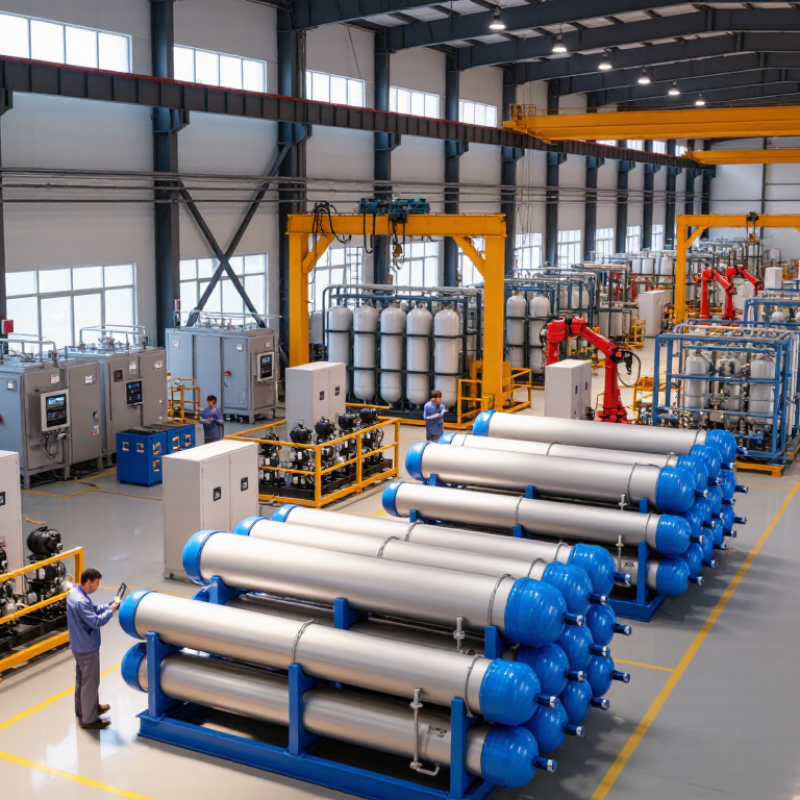
China Top 10 Hydrogen Generation Equipment Manufacturers

Hydrogen Generation Equipment: Definition, Types, and Applications

Hydrogen generation equipment produces hydrogen from water or hydrocarbon feedstocks for use in industrial and energy systems. Its design depends on the required output, purity, pressure, and available utilities. An electrolyzer uses electricity to split water into hydrogen and oxygen. Steam reforming equipment uses heat and steam to convert natural gas into hydrogen-rich gas, which then requires purification. Other configurations process suitable biomass or waste-derived feedstocks.

The equipment typically includes a reactor or cell stack, water or feedstock treatment, gas separation, cooling, controls, and safety monitoring. Small systems may fit in a utility room; large plants require extensive piping and process controls. Output is not the whole story. Electricity sources and feedstocks affect emissions, while maintenance and water quality influence reliable operation. No setup is perfect.

Applications include refining, chemical manufacturing, metals processing, laboratory supply, and hydrogen-fueling infrastructure. Some industrial users need a steady stream of high-purity gas; others need storage and compression alongside production. Buyers should compare operating conditions, efficiency, service access, and verified performance data, not just rated capacity. A specification sheet cannot reveal every site constraint, so engineering review matters before installation. Even a well-sized unit can underperform if its utilities or downstream equipment are mismatched.

Criteria for Ranking China’s Leading Hydrogen Equipment Manufacturers

Ranking China’s hydrogen generation equipment manufacturers requires more than comparing advertised output. Nameplate capacity is useful, but it does not show how a unit performs during changing loads or routine maintenance. Reviewers should compare equipment under similar feedstock, pressure, and operating conditions. Purity, conversion efficiency, water or power use, and start-up time also deserve attention. Numbers need context. A test result from a controlled facility may not reflect a busy industrial site.

Operational reliability should be judged through documented run hours, failure records, and the availability of replacement parts. Maintenance intervals matter too; a system that needs frequent specialist attention may be less practical than its specifications suggest. Safety design, process monitoring, and clear operating instructions are important evidence of engineering maturity. Independent test reports and traceable quality records can strengthen confidence, though documentation varies between suppliers. No ranking is perfectly clean: public data may be incomplete, and some figures are difficult to compare directly. I would flag those gaps rather than fill them with assumptions. That uncertainty matters. A fair assessment should explain its weighting, distinguish verified results from claims, and revisit scores when better field data becomes available.

China Top 10 Hydrogen Generation Equipment Manufacturers

Suggested criteria for evaluating leading hydrogen equipment manufacturers in China

The chart presents an illustrative 100-point evaluation framework, not audited company scores or an official ranking. Criteria reflect common considerations in hydrogen equipment procurement, including technical performance, manufacturing capability, safety, project experience, service, innovation, and certifications.

Profiles of China’s Top 10 Hydrogen Generation Equipment Manufacturers

Profiles of China’s top hydrogen generation equipment manufacturers are most useful when they show what each company actually builds. Some focus on alkaline electrolysis systems for steady, larger-scale production. Others develop compact proton-exchange membrane units designed to respond quickly to changing power. A manufacturer may supply the electrolyzer alone, while another integrates water treatment, gas separation, purification, and control systems. These differences shape installation needs and operating costs. Details matter.

A careful profile should examine documented output, hydrogen purity, energy consumption, operating range, and maintenance support. It should also distinguish factory claims from results reported at operating sites. Ask whether performance figures refer to a complete system or only the stack. That distinction matters. Photos of clean equipment rooms can be helpful, but they do not prove long-term reliability.

Public information is uneven, and this comparison has limits; sometimes even a well-organized profile leaves questions unanswered. Buyers can use these profiles to identify what to verify through technical documents, reference projects, and service arrangements.

Key Technologies and Product Strengths of the Top Manufacturers

China’s leading hydrogen generation equipment manufacturers compete through electrolyser design, stack durability, and factory-scale production. The IEA’s Global Hydrogen Review 2024 estimates that China accounts for about 60% of global electrolyser manufacturing capacity. That figure describes production capability, not actual sales or operating performance. A useful comparison therefore looks beyond nameplate output. Alkaline systems suit steady, large-scale production, while proton-exchange membrane systems can respond more quickly to changing renewable power. Stack efficiency matters. So does service access.

Product strengths also depend on the details around the stack: power conversion, water treatment, gas purification, and control software. A well-integrated package can reduce installation work and simplify operation. Yet published efficiency figures are not always directly comparable; test conditions, pressure, and system boundaries differ. This is a real limitation in manufacturer comparisons. Buyers should check guaranteed energy use, operating range, degradation data, and maintenance intervals against project conditions. For variable wind or solar supply, ramping performance deserves close scrutiny. For continuous operation, uptime and replacement planning may matter more. The market is moving quickly, and product claims can outpace independently verified field data. That gap deserves attention.

How to Compare and Select a Chinese Hydrogen Equipment Supplier

China Top 10 Hydrogen Generation Equipment Manufacturers: How to Compare and Select a Chinese Hydrogen Equipment Supplier

Choosing among Chinese hydrogen equipment suppliers starts with your operating needs, not a brochure. Define output, hydrogen purity, delivery pressure, operating hours, and how often demand changes. An electrolyzer sized for steady production may struggle when a plant needs frequent ramping. Small details matter. Ask suppliers to match their proposed system to your actual operating profile.

Compare stack technology, power consumption, water-treatment needs, cooling load, and maintenance intervals on the same basis. Request performance curves, factory acceptance test procedures, and sample reports showing output and purity at different load points. Check what is included: rectifier, gas-liquid separation, drying, controls, installation support, and commissioning. Specifications can look similar while scope differs. That gap may affect cost and delivery schedules. Speak with customers running comparable capacities, and ask about spare-part response times and troubleshooting support. One reference call may not tell the whole story.

Tips: Send every bidder the same duty-cycle sheet. Request written exclusions, warranty limits, and service arrangements. Review a factory test when possible. Keep unresolved questions visible; supplier claims deserve verification, not automatic trust.

FAQS

What does hydrogen generation equipment do?

It produces hydrogen from water, natural gas, or suitable biomass and waste-derived feedstocks. Output, purity, pressure, and available utilities shape the design.

What are the main types of hydrogen generation equipment?

Electrolyzers split water using electricity. Steam reforming systems use heat and steam to process natural gas. Other systems can use suitable biomass or waste-derived feedstocks.

What components are commonly included?

A system may include a cell stack or reactor, feedstock treatment, gas separation, cooling, controls, and safety monitoring. Large plants also need extensive piping.

Where is hydrogen generation equipment used?

Applications include refining, chemical manufacturing, metals processing, laboratories, and fueling infrastructure. Some sites need steady high-purity gas; others also need storage and compression.

What should buyers compare when choosing equipment?

Compare purity, efficiency, water or power use, start-up time, and performance under similar operating conditions. Nameplate capacity alone is not enough.

How can reliability be assessed?

Review documented operating hours, failure records, maintenance intervals, and replacement-part availability. Frequent specialist visits may make a system less practical.

What evidence supports a manufacturer’s performance claims?

Independent test reports and traceable quality records can help. Controlled-facility results may not match a busy industrial site. Numbers need context.

Why does site engineering review matter?

Water quality, power supply, piping, and downstream equipment can affect performance. A well-sized unit may still underperform if these are mismatched. Some site constraints are easy to miss.

How should manufacturers be ranked fairly?

Use comparable operating conditions, explain how each measure is weighted, and separate verified results from claims. Public data may be incomplete, so scores should be revisited when better field evidence appears.

Conclusion

This article explores the role of Hydrogen Generation equipment in supporting industrial, energy, and other applications. It explains the main equipment types and how they work, then outlines the criteria used to assess leading manufacturers in China, including technical capability, product quality, reliability, and service support. The profiles provide an overview of ten manufacturers without focusing on brand promotion.

The article also compares key technologies and product strengths, helping readers understand how different equipment solutions may suit different operational needs. Its final section offers practical guidance for evaluating Chinese suppliers, from reviewing system performance and safety features to considering customization, maintenance, delivery, and long-term support. Together, these topics provide a clear framework for understanding the market and selecting equipment that aligns with project requirements.

Amelia

Amelia

Amelia is a seasoned marketing professional with a wealth of expertise in our company’s core offerings. With an unwavering passion for driving growth and innovation, she plays a pivotal role in shaping our marketing strategies and enhancing brand visibility. A key aspect of her responsibilities......