
Choosing the right Gas Purification system begins with understanding the gas, not browsing equipment catalogs. A system that removes moisture may fail against oxygen, hydrocarbons, sulfur compounds, or fine particles. The wrong media can increase pressure drop, shorten equipment life, and contaminate an expensive production line.
Dr. James R. Fair, a respected chemical engineer in industrial gas treatment, once stated, “Purification performance depends on matching the contaminant to the removal mechanism.” That principle remains practical today. A molecular sieve, activated carbon bed, membrane, catalytic purifier, or cryogenic unit each solves a different problem. The choice should reflect gas composition, flow rate, pressure, temperature, purity targets, and allowable operating cost.
Small details matter. A stainless-steel pipeline may still deliver poor gas if seals release particles. A purifier may meet laboratory specifications but struggle during flow surges. Maintenance access also deserves attention. Operators need clear indicators for saturation, pressure loss, and media replacement.
There is no universal solution.
A reliable selection process combines operating data, supplier documentation, and hands-on experience. It should also question its own assumptions. Gas composition can change. Future capacity may be underestimated. Even a technically sound design can become inefficient when monitoring is ignored. This guide explains how to compare purification technologies, assess lifecycle costs, and avoid common specification mistakes. The goal is not simply cleaner gas. It is stable performance, measurable purity, safer operation, and a system that remains practical after installation.
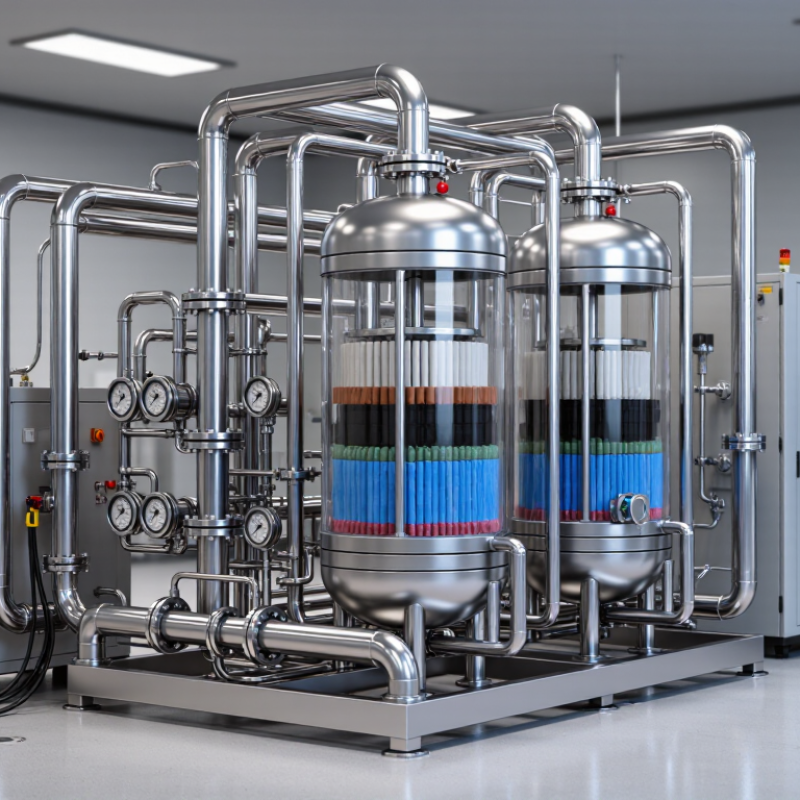
A purification system should begin with the process, not the equipment catalogue. Define the target gas, contaminants, flow rate, pressure, temperature, and delivery pattern. A semiconductor process may require parts-per-billion control, while welding may tolerate much higher impurity levels. The difference is substantial.
The International Energy Agency reported global hydrogen demand of about 97 million tonnes in 2023. It also noted that low-emissions hydrogen remained below 1% of supply. These figures show why application conditions matter. Hydrogen used in fuel-cell testing needs tighter control than hydrogen used for some heat-treatment operations. ISO 14687 provides useful hydrogen quality limits, but the operating environment still determines the practical specification.
A single purity percentage can mislead. Measure critical impurities separately, such as moisture, oxygen, hydrocarbons, particles, and carbon monoxide. Consider whether the gas enters a dry chamber, heated reactor, analytical instrument, or outdoor pipeline. Pressure swings can also reduce purifier performance.
The first specification is rarely complete.
Use actual operating data when possible. Record peak flow, start-up surges, cylinder changes, and maintenance intervals. ISO 8573-1, widely used for compressed-gas cleanliness, separates particles, water, and oil instead of hiding them inside one number. That approach is more reliable. Still, sampling errors remain common, especially at very low concentrations. A qualified laboratory and a documented sampling method are essential before selecting adsorbers, membranes, catalysts, or filters.
Choosing a gas purification system starts with a contaminant map, not a catalog. List moisture, oxygen, hydrocarbons, particles, corrosive compounds, and trace metals. Their sources may differ: cylinder valves, compressors, pipe walls, seals, or ambient leaks. A single “high-purity” label is insufficient. Measure the inlet gas during startup, normal flow, and cylinder changeover.
Required removal levels must match the process risk. ISO 14644-1:2015 sets a Class 5 limit of 3,520 particles per cubic meter at 0.5 micrometers or larger. That figure concerns airborne particles, not oxygen or moisture. For moisture-sensitive reactions, a dew point near −70°C may still be too high. Semiconductor and laboratory processes often specify impurity limits in parts per million or parts per billion, depending on yield and sensitivity. NIST reference data can help verify adsorption and condensation behavior, but real gas testing remains essential.
ISO 14644-1:2015 sets a Class 5 limit of 3,520 particles per cubic meter at 0.5 micrometers or larger. That figure concerns airborne particles, not oxygen or moisture. For moisture-sensitive reactions, a dew point near −70°C may still be too high.
Select media by chemistry and capacity. Molecular sieves remove water effectively, while activated carbon targets many hydrocarbons. Reactive getters can reduce oxygen, but they may introduce capacity loss without warning. I have seen designs focus on outlet purity and ignore pressure drop. That is a costly mistake. Confirm recovery time, alarm thresholds, replacement intervals, and analytical detection limits. Reports and standards provide useful benchmarks, yet they cannot replace sampling at the actual point of use. A perfect specification on paper can fail beside a leaking fitting.
Choosing a gas purification system starts with the impurity profile, not the equipment catalogue. Measure moisture, oxygen, hydrocarbons, particles, and corrosive compounds at the inlet. The IEA’s Global Hydrogen Review 2024 reported global hydrogen demand near 97 million tonnes in 2023. That scale increases pressure on reliable purification and monitoring.
Adsorption systems, including pressure swing and temperature swing units, suit variable contaminants and high flow rates. They can require substantial regeneration energy. Membrane systems offer compact layouts and continuous operation, but selectivity may decline when feed pressure changes. Cryogenic separation handles large flows and high-purity requirements, although its complexity demands careful maintenance. Catalytic deoxygenation and molecular-sieve polishing can protect sensitive downstream processes. For fuel-cell applications, U.S. Department of Energy targets reference hydrogen purity of 99.97%, while SAE J2719 specifies limits for individual contaminants.
Configuration matters as much as technology. A central system simplifies maintenance and quality control, but one failure can interrupt every user. Point-of-use purification reduces distribution risk and supports different purity grades. Parallel trains provide redundancy, yet they add valves, sensors, and failure points. Install online dew-point and oxygen analysers after the final purifier. Keep sampling ports accessible.
Small details matter. A bypass valve left slightly open can defeat an expensive purifier. Oversizing is not always safer; low loading may reduce adsorption performance. ISO 8573-1 classification helps define compressed-gas cleanliness, but it does not replace application-specific testing. Recheck the design after six months of operating data. Real gas behaviour often challenges the original spreadsheet.
Comparison of common gas purification technologies and their typical suitability for key purification requirements
The chart uses a representative engineering suitability score from 1 to 5, where 5 indicates strong suitability for the stated requirement. Molecular sieves are particularly effective for moisture removal, activated carbon is widely used for hydrocarbons and organic vapors, catalytic systems are suitable for oxygen removal, and getter systems provide very deep purification at lower flow rates.
For system configuration, a single-stage system is suitable for stable and moderate impurity loads. A two-stage system combines different purification mechanisms for higher purity, while parallel redundant units are preferred when continuous operation and maintenance without shutdown are required. Final selection should consider gas composition, flow rate, pressure, target impurity level, regeneration method, and allowable downtime.
How to Choose the Right Gas Purification System?
Evaluate Capacity, Maintenance Needs, Safety, and Operating Costs
Choosing a gas purification system starts with actual demand, not the equipment catalogue. Record normal flow, peak flow, pressure, purity targets, and daily operating hours. Then allow realistic headroom. Too little capacity can cause early breakthrough and unstable purity. Too much capacity may increase footprint, energy use, and replacement costs. Check whether the system can handle short production surges without damaging purification media.
Maintenance needs deserve equal attention. I once treated maintenance as a minor line item. That was a costly assumption. Review media replacement intervals, sensor calibration, filter access, and inspection procedures. Operators should reach service points without awkward lifting or exposure risks. Keep spare parts and clear maintenance records onsite. A system that looks efficient may become expensive during an unplanned shutdown.
Safety must guide every technical decision. Confirm material compatibility with the gases, operating pressure, temperature, and moisture levels. Include suitable relief protection, leak detection, ventilation, alarms, and emergency isolation. Staff need practical training, not just a manual. Operating costs include electricity, consumables, labor, calibration, waste handling, and lost production. Request measured performance data from suppliers, and question unclear claims. Independent verification may cost more initially, but assumptions can cost even more later.
Choosing the right gas purification system begins with the gas, not the equipment catalogue. Define the gas composition, flow rate, pressure, temperature, and required outlet purity. Identify moisture, oxygen, hydrocarbons, particles, or other reactive impurities. Small errors matter. A system designed for laboratory-scale flow may fail under continuous production conditions. Review process drawings, sampling records, and maintenance history before making a selection.
Validation should use measurable acceptance criteria. Test the purifier at normal flow, pressure, and temperature. Then examine performance during peak demand. Use calibrated instruments to verify outlet purity, pressure drop, moisture levels, and breakthrough time. Request material specifications, operating limits, test methods, and traceable certificates. Independent testing can strengthen confidence, especially when the gas feeds sensitive analytical or manufacturing equipment. Do not rely on a single reading. Test it twice.
Practical operation often reveals weaknesses that specifications hide. Check how easily technicians can replace cartridges, inspect seals, and identify exhausted media. Confirm that alarms are visible and records are simple to maintain. Include realistic start-up and shutdown conditions in the validation plan. I have seen systems perform well during short trials but struggle after extended use. That result deserves investigation, not excuses. Leave room for uncertainty, document every assumption, and revise the selection when field data challenges the original decision.
Define the gas, contaminants, flow rate, pressure, temperature, and delivery pattern. Peak flow matters. Startup surges can briefly overload the purifier. The first specification is rarely complete.
One percentage can hide dangerous levels of moisture, oxygen, hydrocarbons, particles, or carbon monoxide. Measure each critical impurity separately. A gas may look pure but still damage a sensitive process.
Check cylinder valves, compressors, pipe walls, seals, and possible ambient leaks. Sample during startup, steady operation, and cylinder changes. Small leaks matter. The inlet gas may change more than expected.
Semiconductor and laboratory processes often need parts-per-million or parts-per-billion control. Some heat-treatment operations may accept higher impurity levels. Fuel-cell testing usually requires tighter control than general heating. The application decides the limit.
Molecular sieves commonly remove moisture. Activated carbon targets many hydrocarbons. Reactive materials can reduce oxygen. However, their capacity may fall without an obvious warning. Check performance before trusting the outlet reading.
Adsorption suits changing contaminants and high flow rates, but regeneration can consume substantial energy. Membranes support compact, continuous operation. Their selectivity may change when feed pressure shifts. Cryogenic systems handle large flows but require complex maintenance.
Central systems simplify maintenance and quality control. One failure can interrupt every user. Point-of-use units reduce distribution risks and allow different purity grades. Parallel trains add backup capacity, but also add valves and failure points.
Install moisture and oxygen analysers after the final purifier. Keep sampling ports easy to reach. Record pressure drop, recovery time, alarms, and replacement intervals. A slightly open bypass valve can defeat expensive equipment. That mistake is easy to miss.
Review actual operating data after several months. Compare flow peaks, pressure changes, cylinder replacements, and impurity results. Do not assume the original spreadsheet was correct. Real gas behaviour can disagree with the design. Recheck the assumptions.
Choosing the right Gas Purification system begins with clearly defining the required gas purity, flow rate, pressure, temperature, and operating environment. These conditions determine the system’s performance requirements and help ensure compatibility with the intended application. It is also essential to identify the specific contaminants present, such as moisture, oxygen, hydrocarbons, particles, or other impurities, and establish the removal levels needed for reliable results.
Next, compare suitable purification technologies and system configurations according to efficiency, selectivity, capacity, and scalability. Consider not only initial investment, but also maintenance frequency, replacement requirements, safety features, energy consumption, and long-term operating costs. The selected system should be practical to operate and capable of maintaining stable performance under expected conditions. Before final installation, validate the choice through technical evaluations, testing, and performance monitoring. This structured approach helps users select a safe, efficient, and cost-effective Gas Purification solution that meets both current requirements and future operational needs.
