
Choosing the right industrial desiccant is crucial for preserving product integrity. John Stevenson, a leading expert in moisture control technology, once stated, “Selecting the appropriate desiccant can make or break your product’s quality.” This insight underlines the importance of informed decision-making in the industrial desiccant industry.
Various types of desiccants exist, each with unique properties and applications. For instance, silica gel is popular for its effectiveness in small, enclosed spaces. However, it may not be suitable for all environments. Additionally, there are alternatives like activated alumina and molecular sieves. Each option presents different advantages and drawbacks. Understanding these differences is essential for optimal choices.
Selecting an industrial desiccant requires evaluating factors such as humidity levels and the materials being protected. Businesses must reflect on their specific needs and challenges. The perfect match is not always obvious. Poor decisions could lead to significant losses. Thus, careful consideration and expert guidance can lead to better results.
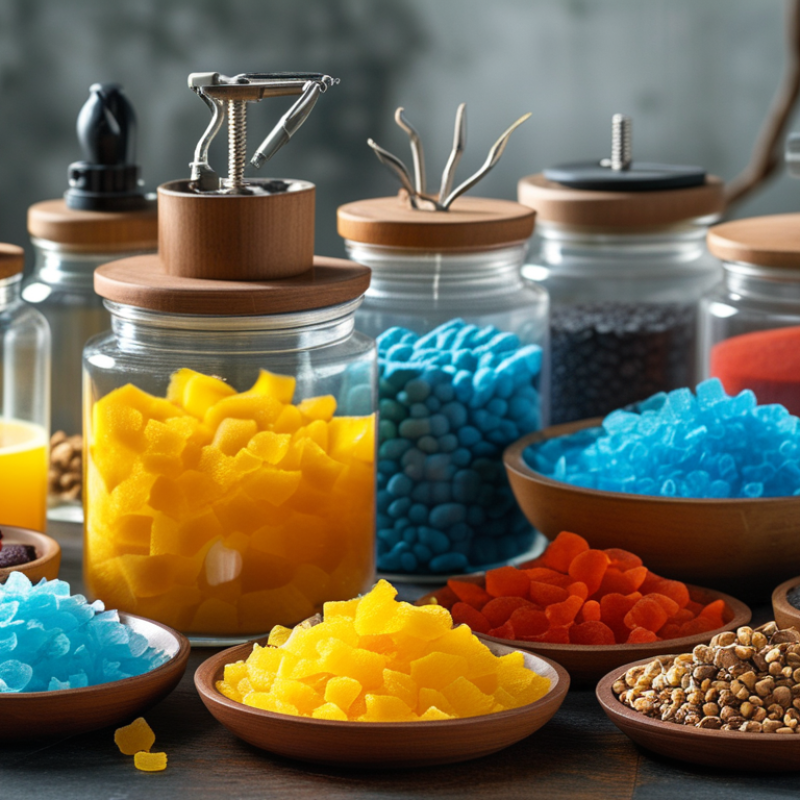
Industrial desiccants play a crucial role in moisture control. They absorb humidity from the air, protecting products from damage. Understanding their basics helps you make better choices.
Different types of desiccants function uniquely. For instance, silica gel, a common option, is effective at low humidity levels. Clay desiccants are natural and work well in various environments. Each type has its strengths and weaknesses. Evaluating your specific needs is important.
Not all desiccants are equally potent. Some lose effectiveness over time. It’s crucial to check the saturation level regularly. You may encounter unexpected challenges, like incompatible materials or excessive temperatures. Consider these factors when selecting a desiccant. Always prioritize safety and reliability to ensure optimal performance in your applications.
When selecting an industrial desiccant, understanding different types is crucial. Silica gel is widely used due to its effectiveness in moisture absorption. It's ideal for packaging, preventing mold in food products, and protecting electronic items. Activated alumina is another option. It works well in air and gas drying applications.
Molecular sieves are excellent for applications requiring specific moisture levels. They can separate particles based on size, making them useful in various industrial processes. For large-scale operations, calcium chloride is often preferred. It can absorb a substantial amount of moisture, making it suitable for storage and transportation.
It’s important to assess your specific needs. Consider your environment's humidity levels. Evaluate how much moisture your items can tolerate. Testing different desiccants in small batches may provide insight. There's no one-size-fits-all solution.
Using the right desiccant can prevent costly damage. However, even the best desiccants have limitations. Be prepared for scenarios where they might fail. Regular inspection and replacement are necessary. Consider your options carefully to ensure optimal performance over time.
When choosing the right industrial desiccant, several factors come into play. Understanding the environment where it will be used is crucial. For example, high humidity areas may require stronger absorption capabilities. Some desiccants are more effective at low temperatures, while others work best in warmer conditions. Identify the specific needs of your application before selecting a product.
The type of material being protected is also significant. Sensitive items like electronics and pharmaceuticals require gentler desiccants. More robust alternatives might be needed for industrial materials. Consider how much moisture the desiccant must remove over time. Some may operate effectively for short periods, but others are designed for long-term use.
Additionally, the reactivation process is essential to know. Some desiccants can be reused, while others are single-use. This affects both the cost and environmental impact. Analyze your needs carefully to make an informed decision. There is always room for improvement in understanding how to balance cost, effectiveness, and sustainability in your choices.
When assessing moisture control requirements, industry-specific factors must be considered. Different sectors, such as pharmaceuticals and food processing, demand varied humidity levels. For instance, the pharmaceutical industry typically functions optimally at relative humidity levels below 30%, as excess moisture can destabilize active ingredients. According to a report by the Global Desiccant Market, maintaining precise humidity is essential to ensure product integrity and compliance standards.
One critical factor to evaluate is the typical moisture content in your environment. Industrial settings with high humidity may require stronger desiccants, such as silica gel or activated clay, which can absorb significant amounts of moisture. Conversely, less humid environments might benefit from less aggressive solutions, reducing operational costs. An industry study indicated that optimizing moisture control can improve product lifespan by up to 50%.
Tips for selecting the right desiccant include understanding the specific moisture levels your products can tolerate. Regularly monitor your storage conditions to adapt your desiccant choice accordingly. Also, consider the ease of replacement and disposal methods for your desiccants, as some materials can pose environmental concerns. Making informed decisions can greatly enhance moisture control and operational efficacy.
When choosing an industrial desiccant, cost-effectiveness and longevity are paramount. Desiccants vary widely in price and effectiveness. Some may seem cheaper but require frequent replacement, inflating long-term costs. Understanding your specific needs can help identify the right balance between upfront expenses and sustaining performance.
Consider the environment where the desiccant will be used. For example, high humidity levels may necessitate a more robust solution, even if it costs more initially. Evaluate the desiccant’s moisture absorption capacity. Some industrial materials have limited longevity, absorbing moisture quickly and becoming less effective. Others may last longer but may not fit every application.
Reflect on the total cost of ownership, which includes both the purchase price and maintenance costs over time. Sometimes, a higher initial investment can lead to better value through increased longevity. Each application is unique, and what works for one may not work for another. Establishing a system of evaluation can help isolate the best options for your needs. This approach fosters a more thoughtful decision-making process, ensuring you select a desiccant that aligns with your operational requirements.
: Common types include silica gel, activated alumina, molecular sieves, and calcium chloride.
Silica gel absorbs moisture effectively, making it ideal for packaging and protecting items from mold.
Activated alumina is best for air and gas drying applications. It has strong moisture absorption capabilities.
Assess humidity levels and the specific needs of your items. Not all desiccants are suitable for every environment.
Some desiccants can be reactivated for reuse, while others are single-use, impacting cost and environmental factors.
Consider both the purchase price and long-term maintenance costs to determine overall value for your application.
Yes, even effective desiccants can fail. Regular inspection and timely replacement are necessary for optimal performance.
Humidity levels and moisture absorption capacity significantly impact how long a desiccant remains effective.
No, each application is unique. Testing different options can help identify the best fit for your needs.
Analyze your application’s moisture levels and consider investing in higher quality options for better long-term performance.
When selecting the right industrial desiccant for specific needs, it is essential to understand the fundamentals of these moisture-absorbing agents and the various types available, each suited for different applications. Common types include silica gel, clay, molecular sieves, and calcium chloride, each offering unique properties that cater to diverse industrial requirements.
Additionally, several factors must be assessed when choosing an industrial desiccant, such as the moisture control needs of your particular industry and the overall cost-effectiveness and longevity of the selected desiccant. By carefully evaluating these considerations, one can ensure optimal performance and efficiency while effectively managing humidity levels in various settings.