
Industrial gases often leave compressors, separators, or process vessels carrying unwanted moisture. Even small water levels can cause corrosion, hydrate formation, product contamination, and unstable downstream performance. Gas Drying therefore supports safety, efficiency, and consistent production across chemical, energy, food, pharmaceutical, and manufacturing facilities.
This introduction examines leading industrial methods, including refrigerated dryers, desiccant systems, membrane separation, and absorption-based technologies. Each method responds differently to pressure, temperature, flow rate, gas composition, and required dew point. A refrigerated dryer may suit general plant air, while molecular sieves can support much drier gas streams. Membranes may reduce equipment size, but their performance depends strongly on feed conditions and maintenance quality.
Real plants rarely match textbook assumptions. Operators must inspect inlet filters, monitor pressure drop, and verify dew point readings with calibrated instruments. Small details matter. A neglected drain can undermine an otherwise advanced system. Experience also shows that energy consumption, regeneration requirements, installation space, and maintenance skills can matter as much as drying capacity. No single technology is universally best.
The sections ahead compare practical strengths, limitations, operating costs, and selection criteria for major gas drying methods. They also consider how engineers validate performance during commissioning and routine operation. Reliable decisions require measured data, manufacturer guidance, and site-specific risk assessment. This approach helps readers connect technical theory with the visible realities of industrial equipment, from frost on a cold exchanger to changing desiccant color inside an active vessel.
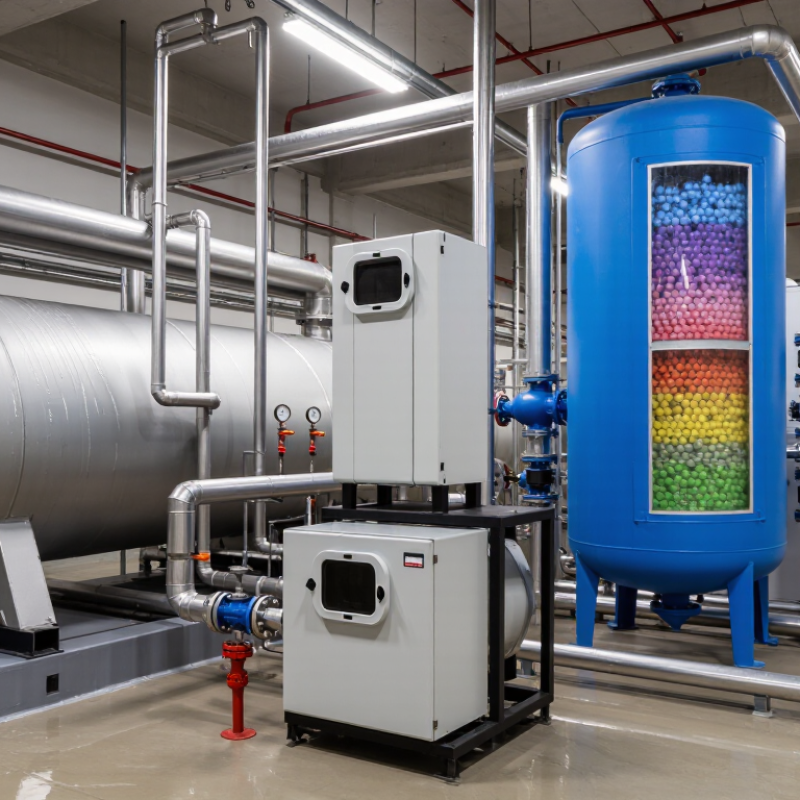
Industrial gas drying protects pipelines, valves, instruments, and product quality from unwanted moisture. Wet gas can cause corrosion, hydrate formation, freezing, and unstable process readings. Moisture is rarely harmless. The required dryness depends on gas composition, pressure, temperature, and the final application.
Refrigeration lowers gas temperature and removes condensed water in a separator. It suits moderate dew-point requirements and steady flow conditions. Adsorption uses solid desiccants to capture water at very low concentrations. It supports demanding dew points, but regeneration consumes heat or dry purge gas. Membrane systems separate water vapor through selective permeation and can reduce equipment space. Each method has limits. A compact system may still struggle with oil aerosols or sudden liquid carryover.
Reliable design starts with a clear water-load calculation. Engineers should measure inlet temperature, pressure, flow variation, and contaminant levels. A small upstream coalescing filter often protects the dryer from liquid damage. Dew-point sensors should be installed where readings represent actual process conditions, not warm sample lines. Maintenance teams also need access to drains, filters, valves, and desiccant beds. In plant assessments, overlooked bypass leakage is a common problem. It can quietly raise outlet moisture. Energy use deserves equal attention. A dryer may meet specifications while wasting excessive regeneration gas. That is not a perfect design. Field data should challenge the original assumptions, especially during startup, shutdown, and seasonal temperature changes.
Comparative reference table for selecting a gas-drying method according to moisture load, required pressure dew point, gas composition, operating pressure, energy availability, and downstream process requirements.
| Drying Method | Operating Principle | Typical Pressure Dew Point Range* | Primary Moisture-Removal Mechanism | Typical Industrial Applications | Key Advantages | Main Limitations and Risks | Key Design Requirements |
|---|---|---|---|---|---|---|---|
| Refrigeration / Cooling Dryer | Compressed or process gas is cooled below its water-vapor saturation temperature. Condensed liquid water is separated and drained before the gas is reheated or distributed. | Approximately +3 to +10 °C | Cooling, condensation, and mechanical liquid separation. | General compressed air Plant utilities Instrument air with moderate dryness | Low operating complexity; suitable for continuous service; generally lower energy use than deep-drying systems; effective for bulk water removal. | Cannot normally provide very low dew points; condensed water can cause corrosion or freezing if the gas later expands or enters a colder environment. | Reliable condensate drains; adequate heat-exchanger capacity; protection from oil fouling and particulate contamination; operating temperature must remain above the required downstream minimum. |
| Heated or Heatless Desiccant Adsorption | Water vapor adheres to the internal surface of a porous solid desiccant. Multiple vessels are commonly used so one vessel dries the gas while another is regenerated. | Approximately −20 to −40 °C; down to about −70 °C with suitable design | Physical adsorption onto activated alumina, silica gel, molecular sieve, or similar porous media. | Instrument air Pneumatic controls Gas processing Low-temperature service | Produces substantially drier gas than refrigeration; suitable for preventing ice formation and protecting moisture-sensitive processes. | Pressure drop increases as the bed loads; desiccant can be damaged by liquid water, oil, or aerosols; regeneration requires purge gas, heat, or both; performance depends strongly on inlet conditions. | Install upstream coalescing and particulate filtration; size beds for flow, pressure, inlet temperature, and water load; provide switching valves, regeneration controls, and dew-point monitoring. |
| Membrane Dryer | A selective membrane allows water vapor to permeate faster than the main gas. A small purge or sweep stream carries the permeated moisture away from the membrane module. | Typically about −20 to −40 °C, depending on pressure ratio and purge flow | Selective permeation driven by a partial-pressure difference. | Point-of-use compressed air Remote installations Low-to-medium flow systems | No moving parts; compact; low maintenance; no refrigeration circuit or desiccant switching system; can operate continuously. | Drying capacity is sensitive to inlet pressure, temperature, flow, and humidity; part of the product gas may be consumed as purge; membranes may be damaged by oil or liquid carryover. | Use clean, oil-controlled feed gas; maintain the specified pressure ratio; provide appropriate filtration and drainage; account for purge losses and membrane selectivity during capacity calculations. |
| Absorption with Liquid Desiccant | Gas contacts a hygroscopic liquid in a packed or tray column. Water transfers from the gas into the liquid, which is then regenerated or replaced. | Commonly around −10 to −30 °C, depending on solvent and circulation conditions | Mass transfer and dissolution of water into a hygroscopic liquid. | Large gas flows Natural gas treatment Process gas conditioning | Can handle high gas throughput; continuous operation is possible; liquid circulation can provide stable moisture removal when properly controlled. | Liquid carryover may contaminate the gas; some solvents are corrosive or hazardous; regeneration can require significant heat; foaming and solvent degradation may reduce performance. | Provide demisters, corrosion-resistant materials, solvent-quality control, foaming control, regeneration equipment, and safeguards against solvent entrainment. |
| Deliquescent Desiccant Dryer | A solid hygroscopic chemical absorbs water vapor and gradually dissolves into a liquid brine. The concentrated solution is collected and removed from the vessel. | Typically about +10 to −20 °C | Chemical absorption accompanied by deliquescence. | Small utility systems Temporary installations Low-maintenance applications | Simple construction; no electrical power is normally required; low initial complexity; useful where moderate drying is acceptable. | Desiccant is consumed and must be replenished; outlet dew point varies with temperature and chemical condition; brine carryover and limited drying depth can be concerns. | Install effective liquid separation; select compatible desiccant chemistry; provide safe disposal or collection of spent solution; protect the unit from excessive liquid water and high inlet temperatures. |
| Gas Expansion / Joule–Thomson Cooling | Gas pressure is reduced through a valve or expander, lowering its temperature. Water may condense and is removed in a separator; the method is often combined with upstream cooling or dehydration. | Highly application-dependent; usually used for bulk water removal rather than final drying | Pressure reduction, temperature drop, condensation, and phase separation. | Natural gas processing High-pressure gas systems Bulk condensate removal | Can use an existing pressure drop; may reduce gas temperature and remove free water without a dedicated desiccant bed. | Does not remove all water vapor; hydrate formation may occur in natural-gas service; pressure loss can reduce process efficiency; performance varies with gas composition and pressure. | Calculate phase behavior and hydrate risk; install separators and drains; consider hydrate inhibitors or heat management; verify that the downstream dew point meets the pipeline or process specification. |
| Hybrid Drying System | Two or more technologies are combined, such as refrigeration for bulk water removal followed by adsorption for deep drying. | Approximately +3 to below −70 °C, depending on the selected combination | Sequential condensation, separation, adsorption, absorption, or membrane permeation. | Critical process gas High-flow gas plants Very low moisture specifications | Balances energy consumption and drying performance; reduces the moisture load on the final polishing stage; can improve reliability and desiccant life. | Higher capital cost and control complexity; more equipment requires maintenance; poor integration can create unnecessary pressure drop and operating expense. | Define duty for each stage; install separators between stages; coordinate controls and alarms; monitor pressure dew point, liquid carryover, differential pressure, and regeneration performance. |
* Dew-point values are representative engineering ranges, not guaranteed ratings. Actual performance depends on gas composition, inlet pressure, inlet temperature, flow rate, moisture loading, contaminants, equipment configuration, and operating conditions.
Before selecting a gas dryer, operators should measure flow rate, pressure, temperature, water content, and contaminant loading. Gas composition can change during startup, shutdown, or seasonal production. A single laboratory sample may not represent these conditions. That weakness deserves attention.
Free liquids must be removed before adsorption or membrane drying. Install an inlet separator, correctly sized drains, and a coalescing filter upstream. GPSA Engineering Data Book guidance emphasizes separating bulk liquids and solids before contacting the drying media. Liquid carryover can damage desiccant beds and increase pressure drop. Small details matter. Check drain operation under real flow, not only during commissioning.
Filtration should match the gas chemistry. Oil aerosols, compressor carryover, glycol mist, rust, and pipe scale require different control strategies. ISO 8573-1:2010 defines particle, water, and oil purity classes for compressed gas systems, giving engineers measurable acceptance targets. The U.S. Department of Energy reports that compressed-air leaks can waste 20–30% of compressor output, so leak testing also protects stable dryer performance. For natural gas service, many pipeline specifications limit water content near 7 pounds per million standard cubic feet, although contracts and downstream equipment may require less. Verify the actual specification. Over-drying wastes energy; under-drying invites corrosion and hydrate formation. A practical review should include filters, drains, sampling points, and alarms before dryer sizing begins.
Industrial gas drying usually relies on four common methods: refrigeration, adsorption, absorption, and membranes. Refrigeration cools compressed gas until water condenses, often producing pressure dew points near 3°C. It suits general plant air and moderate moisture control. Adsorption uses desiccant beds and can reach about -40°C or lower, which supports instrument air, pipeline protection, and low-temperature processes. Regeneration consumes energy, however, and operators sometimes underestimate this cost.
Absorption systems use liquid chemicals to capture water vapor. They are practical for selected process gases, but chemical handling and disposal require strict control. Membrane dryers separate water vapor through selective permeation. They have compact footprints and few moving parts, yet feed quality and flow losses affect performance. The U.S. Department of Energy’s compressed-air sourcebook reports that compressed air can consume roughly 10% of industrial electricity, while leakage may waste 20–30% of output. Drying equipment therefore deserves an energy review, not only a dew-point check.
Field technicians often install a moisture separator before the dryer and drain condensate at low points. ISO 8573-1 helps define required pressure dew points, particle limits, and oil classes. GPSA engineering guidance also stresses gas temperature, pressure, and flow when sizing dehydration equipment. A common mistake is selecting a dryer from peak flow alone. That can increase pressure drop. The calculation should include seasonal humidity, regeneration demand, future capacity, and actual downstream sensitivity. Some plants still trust a single dew-point reading. That is risky. Sensors drift, and wet pipelines can remain contaminated after the dryer performs normally.
Industrial gas drying is not simply a moisture-removal problem. It is a balance between dew point, flow stability, energy demand, and maintenance labor. Adsorption dryers usually achieve the lowest pressure dew points, often below -40°C. They suit sensitive processes, but regeneration consumes energy and purge gas. Heated regeneration reduces purge losses, yet adds heater power and control complexity.
Refrigeration dryers normally use less energy than adsorption systems. They can support steady production when moderate dryness is acceptable. Their performance weakens when inlet gas becomes unusually hot or wet. Drain failures may also return liquid water to the pipeline. Membrane dryers have compact designs and limited moving parts. They consume little electrical power, but require a continuous sweep stream and careful sizing. A small unit can become expensive when gas losses continue around the clock.
Operating cost depends heavily on the duty cycle. A dryer running twenty-four hours daily may justify efficient regeneration, even with higher purchase costs. A backup system with irregular demand may favor simple equipment and low maintenance. Field audits often uncover oversized dryers operating below half load. That wastes energy without improving gas quality. Measuring inlet temperature, flow, pressure, and dew point for several weeks gives more reliable data than a single commissioning test. I have found that operators sometimes optimize energy use while ignoring filter replacement intervals. That choice looks efficient on paper, but pressure drop quietly increases compressor power.
Selecting a gas drying method starts with the operating conditions, not the equipment catalogue. Adsorption dryers suit very low dew points, especially in pneumatic controls and gas processing. Refrigeration dryers work well when moderate moisture control is acceptable. Membrane systems can reduce footprint, but they may sacrifice part of the gas stream.
Pressure, temperature, flow rate, and contaminants all affect performance. The U.S. Department of Energy reports that compressed-air systems can use about 10% of industrial electricity. It also estimates that leaks may waste 20–30% of compressor output. Drying therefore affects more than product quality. Regeneration energy, pressure loss, and maintenance must enter the calculation. A dryer that performs well in a laboratory may underperform beside a hot compressor room. That is easy to overlook.
Tips: Define the required pressure dew point first. Measure seasonal inlet temperatures. Check oil, dust, and liquid carryover before choosing adsorption media. Compare total energy use, not only purchase price. ISO 8573-1 can help specify air purity classes. Keep records after installation. Real plant data often challenges the original design. I would also review the choice after several months, because flow patterns rarely remain constant.
It limits corrosion, freezing, hydrate formation, and unstable instrument readings. Wet gas is rarely harmless.
Adsorption usually performs best for very low dew points. It uses solid desiccants and needs regeneration.
Refrigeration suits moderate dew-point requirements and steady gas flow. It cools gas, condenses water, and separates the liquid.
Membranes can reduce equipment space and separate water vapor selectively. They may also sacrifice part of the gas stream.
Measure pressure, temperature, flow changes, water load, and contaminants. Seasonal data matters. Laboratory assumptions may fail.
A coalescing filter can remove liquid droplets and protect internal components. It helps, but it cannot solve every contamination problem.
Install sensors where readings represent actual process conditions. Warm sample lines can create misleading moisture readings.
Regeneration may consume excessive heat or dry purge gas. Pressure loss and leaks also increase operating costs. Good specifications are not enough.
Technicians need clear access to drains, filters, valves, and desiccant beds. Bypass leakage deserves regular inspection. It can quietly raise outlet moisture.
Review it after startup, shutdown periods, and seasonal temperature changes. Flow patterns change. I would not trust the original design forever.
Industrial Gas Drying is essential for removing moisture from process gases, protecting equipment, maintaining product quality, and preventing corrosion, condensation, and operational instability. An effective drying system begins with pre-treatment, such as filtering solid particles, separating oil or liquid droplets, cooling the gas when appropriate, and controlling contaminants that could reduce dryer performance. These preparation steps help improve reliability and extend the service life of downstream equipment.
Common Gas Drying methods include adsorption, absorption, refrigeration, membrane separation, and condensation-based systems. Each method offers different advantages in terms of drying capacity, energy consumption, maintenance needs, and operating cost. Adsorption can achieve very low moisture levels, while refrigeration is often practical for moderate drying requirements. The best choice depends on gas composition, flow rate, pressure, temperature, required dew point, site conditions, and available utilities. A balanced evaluation of performance, lifecycle cost, safety, and operational flexibility allows industries to select a drying solution that meets both current demands and future production needs.
