
The demand for Activated Alumina is rapidly growing, driven by its diverse applications. According to recent market research, the global Activated Alumina market is projected to reach USD 3.5 billion by 2026, expanding at a CAGR of 6% from 2021. This growth is fueled by its use in industries such as water treatment, air purification, and as a catalyst.
Activated Alumina serves multiple functions which enhance its appeal to various sectors. For instance, it is recognized for its excellent adsorption properties. In addition, its capacity to remove fluoride and arsenic from water makes it a critical component in water purification systems. The ongoing global emphasis on clean water access further propels its market attractiveness.
However, sourcing quality Activated Alumina can pose challenges. Not all suppliers maintain consistent standards. Buyers must navigate through various options and ensure their chosen suppliers meet industrial regulations. Uncertainties in supplier reliability can affect production processes and end-product quality. Therefore, a careful selection process is essential for global buyers aiming to optimize their supply chains.
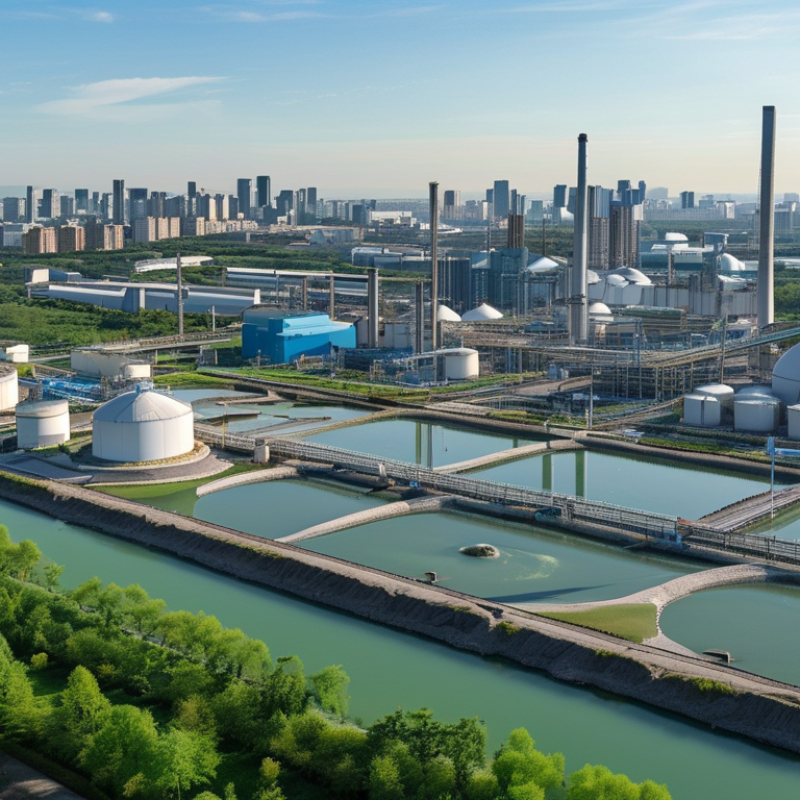
Activated alumina is a highly porous form of aluminum oxide, known for its excellent adsorption properties. This material is widely used in various industries. Its applications include water purification, gas drying, and as a catalyst support. Activated alumina effectively removes fluoride, arsenic, and other impurities from water. Many consumers prefer it because it is environmentally friendly.
In gas treatment processes, activated alumina plays a crucial role. It captures moisture, preventing corrosion in pipelines and equipment. Its high surface area allows it to absorb substantial amounts of contaminants. However, the effectiveness depends on the specific application. Not all formulations meet every industry need. Some may require adjustments for optimal performance.
Despite its benefits, activated alumina might not suit all conditions. For instance, its performance can diminish in extreme temperatures or humidity. This aspect requires careful evaluation. Users should assess their requirements diligently. Ensuring proper use is vital for achieving desired outcomes. It’s important to remain aware of the limitations of activated alumina to maximize its potential benefits.
When selecting activated alumina suppliers, buyers must consider several key factors. Quality assurance is paramount. Activated alumina affects various industries, including water treatment and pharmaceuticals. According to a recent market analysis, the global activated alumina market is expected to reach USD 1.5 billion by 2026, reflecting significant demand.
Another critical element is supplier reliability. Investigate production capabilities and past performance. Industry reports indicate that reputable suppliers often maintain a consistent delivery schedule and meet quality standards. Trust in your supplier can save costs and time.
Pricing also plays an essential role. While low prices may seem attractive, they can often lead to compromised quality. A balance between cost and quality should be sought. Additionally, reviewing customer feedback and service support can provide insights into the supplier's dependability. This holistic approach ensures buyers choose suppliers who align with their quality and operational requirements.
| Supplier Location | Annual Production Capacity (Tons) | Certifications | Market Reach | Customer Service Rating |
|---|---|---|---|---|
| North America | 50,000 | ISO 9001, REACH | Global | 4.8/5 |
| Europe | 30,000 | ISO 14001, CE | Europe, Asia | 4.5/5 |
| Asia | 70,000 | ISO 9001, OHSAS 18001 | Asia, North America | 4.7/5 |
| South America | 15,000 | ISO 9001 | Local | 4.3/5 |
| Middle East | 25,000 | ISO 9001, GMP | Middle East, Africa | 4.6/5 |
In 2026, the activated alumina market is evolving rapidly. Companies are striving to improve their offerings. Many suppliers focus on sustainability and eco-friendly practices. This shift is essential for meeting global demands. Suppliers are also enhancing their production methods. They aim for better quality and cost efficiency.
Some suppliers emphasize innovation in their formulations. They explore various applications for activated alumina, such as water purification and catalyst support. Each company faces unique challenges in meeting customer expectations. Some may struggle with scalability, while others may lack sufficient technical expertise. It's crucial for buyers to consider these factors when selecting a supplier.
Additionally, transparency is vital for building trust. Suppliers should provide detailed information about their products. Buyers benefit from knowing the sourcing and production processes. Quality certifications can also serve as strong indicators of reliability. Understanding these elements helps buyers make informed decisions in a competitive landscape. Thus, the profile of top suppliers will continue to evolve, with a strong emphasis on integrity and performance.
The global activated alumina market is witnessing significant growth. According to recent industry reports, the market is expected to reach approximately $1.5 billion by 2026. This surge indicates a compound annual growth rate (CAGR) of around 6.5%. Factors driving this growth include increasing demand for water treatment and air purification solutions. Activated alumina's efficiency in adsorption makes it a vital component for various industrial applications.
The regional analysis shows that North America and Asia-Pacific dominate the market. North America accounts for a significant share, largely due to stringent environmental regulations. In contrast, the Asia-Pacific region is expanding rapidly, fueled by industrialization and urbanization. Many manufacturers are adapting their strategies to cater to this evolving landscape. However, the reliance on imported raw materials raises concerns about supply chain disruptions.
Tips: For those considering investing in active alumina, assess suppliers based on their innovation and sustainability practices. Look for companies that prioritize both performance and environmental impact. Additionally, conducting a comprehensive market analysis can provide insights into potential risks and opportunities. Emphasizing research and reliable partnerships can lead to better outcomes in this competitive market.
This chart represents the comparative analysis of the production volume of activated alumina across different regions in 2026. The data reflects various market trends and regional contributions to the overall supply.
Activated alumina has a significant role in various industries. As we approach 2026, understanding supply chains is essential. The global market is witnessing a shift towards sustainability and efficiency. Suppliers are focusing on eco-friendly methods of production. Innovations in processing techniques are coming to the forefront. These advancements aim to reduce waste and improve product quality.
Investments in technology are becoming common. Automation in production enhances speed and precision. However, there are challenges. Not all suppliers are adapting quickly enough. Some are still reliant on outdated methods. This can affect competitiveness. Disruptions in supply chains are also a concern. Global events can lead to unexpected shortages.
Looking ahead, transparency in sourcing will be crucial. Buyers will seek suppliers who adhere to ethical practices. Tracking the lifecycle of products will gain importance. This ensures sustainability and builds trust. Despite the challenges, the future for activated alumina suppliers looks promising. Embracing innovation and sustainability can lead to growth and resilience in the market.
: Buyers must prioritize quality assurance and supplier reliability for effective selection.
Activated alumina is essential for water treatment and pharmaceuticals, among others.
Reliable suppliers meet quality standards and maintain timely delivery, saving costs and time.
Pricing matters, but low costs may compromise quality. A balance is necessary.
Many suppliers now focus on eco-friendly practices to meet global demands.
Some suppliers struggle with scalability and lack sufficient technical expertise.
Detailed product information and quality certifications build trust and enable informed choices.
Suppliers are exploring new applications and improving processing methods to enhance quality.
A shift towards sustainability and investments in technology will shape future supply chains.
Outdated production methods and supply chain disruptions can affect competitiveness negatively.
Activated Alumina is a versatile material commonly used in various applications, including water purification, catalyst support, and desiccants. This summary explores the critical factors that global buyers should consider when selecting suppliers of Activated Alumina, emphasizing quality, certifications, and supply reliability.
The analysis introduces the top Activated Alumina suppliers projected for 2026 and examines the comparative landscape of global markets, highlighting regional trends and demand drivers. Additionally, the article discusses future innovations within Activated Alumina supply chains, suggesting that technological advancements and sustainable practices will shape the market's evolution, increasing efficiency and enhancing product applicability.
