
China Top Desiccant Dryer Manufacturers and Suppliers

Time:2026-10-17 Author:Madeline
0%

China has become a major sourcing base for industrial moisture-control equipment. Its Desiccant Dryer manufacturers serve compressed-air users in plastics, electronics, food processing, pharmaceuticals, and metalworking. However, a polished catalogue does not prove dependable performance. Buyers need evidence.

As compressed-air specialist John Brodie explains, “Dry air protects the process, not merely the compressor.” This practical view matters when comparing Chinese suppliers. A suitable dryer should match the required flow rate, inlet temperature, working pressure, and pressure dew point. A laboratory using sensitive instruments may need −40°C pressure dew point performance. A general workshop may require less demanding protection.

Look beyond the advertised capacity. Ask for test data, desiccant specifications, valve-cycle information, and energy-consumption figures. Confirm whether the supplier measures performance under realistic operating conditions. Some dryers appear efficient on paper, yet consume excessive purge air during partial-load operation. That detail can increase costs every hour.

Reliable manufacturers usually provide clear manuals, traceable components, remote support, and replacement desiccant availability. They should also explain maintenance intervals in practical terms. How quickly can a blocked filter be replaced? Is the control system easy to understand? Small answers reveal large differences.

This guide examines China’s leading Desiccant Dryer manufacturers and suppliers through technical capability, customization, quality control, service coverage, and value. No supplier is perfect. Even strong companies may have uneven export support or limited experience in specialized applications. Careful comparison remains necessary. A dryer is not simply a metal vessel with desiccant. It is part of a moisture-control system, and its real value appears after installation.
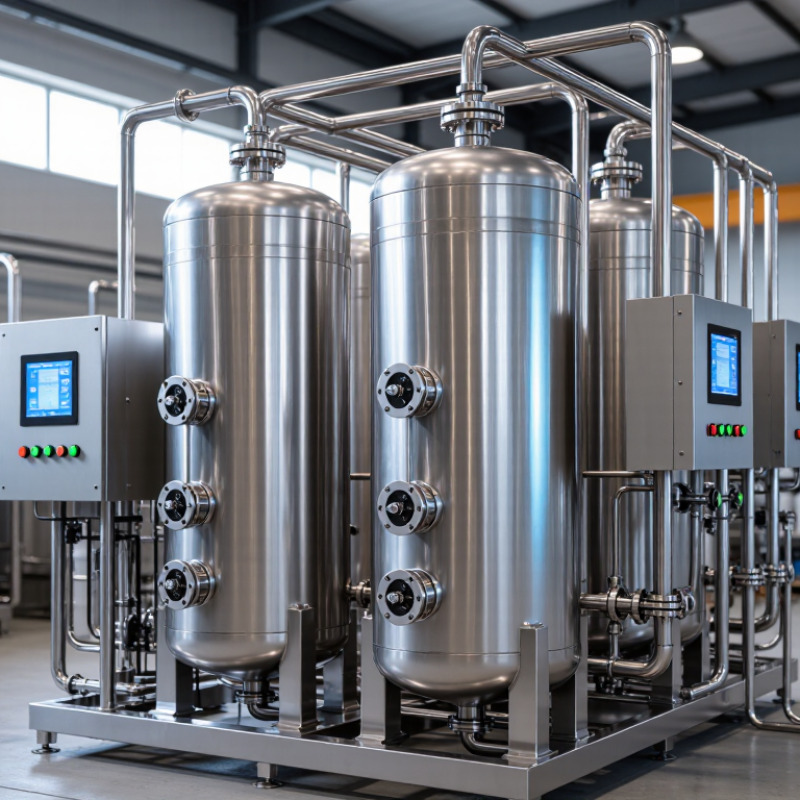
China Top Desiccant Dryer Manufacturers and Suppliers

Types of Desiccant Dryers Available in China

China’s desiccant dryer market serves electronics, pharmaceuticals, food processing, and precision manufacturing. Common types include heatless, heated purge, blower purge, and heat-of-compression dryers. Membrane dryers also appear in smaller, specialized installations.

Heatless models use dried compressed air for regeneration. CAGI’s Compressed Air and Gas Handbook reports typical purge consumption near 15–20% of rated dryer flow. They suit intermittent production and moderate flow rates, but their energy cost can become significant. Heated purge models reduce purge loss by using external heaters. Blower purge units use a separate blower, which can protect valuable compressed air. Heat-of-compression dryers recover compressor heat, but they require suitable oil-free compressor operation and stable load conditions.

The U.S. Department of Energy reports that compressed air may consume 10–15% of industrial electricity. This makes dryer selection an energy decision, not only a dew-point decision. In China, suppliers commonly offer pressure dew points of -20°C, -40°C, and -70°C. A -40°C specification is often sufficient for factory air lines, while instrument air may demand tighter control. Flow changes matter. An oversized dryer wastes power, while an undersized unit may release moisture during humid summer conditions. The choice is less tidy than catalog tables suggest. Site measurements should include inlet temperature, pressure, flow, and regeneration demand. Some published savings look optimistic. Independent testing remains necessary.

China Desiccant Dryer Types: Typical Regeneration Temperature

The chart compares representative regeneration temperatures used by common desiccant dryer configurations available in China. Heatless dryers regenerate with compressed purge air rather than an external heater, while heated, blower purge, and heat-of-compression systems use thermal regeneration. Actual values vary according to desiccant type, inlet conditions, pressure dew point, and system design.

Key Features of Leading Chinese Desiccant Dryer Manufacturers

Leading Chinese desiccant dryer manufacturers focus on stable dew points, efficient regeneration, and practical maintenance. In factory evaluations, buyers should inspect drying performance under changing inlet temperatures and airflow. A reliable unit should maintain consistent outlet air quality, not only perform well in showroom tests.

Key features include twin-tower operation, durable desiccant beds, and automatic switching controls. Advanced PLC systems can adjust cycle timing according to pressure and moisture conditions. Proper pre-filters protect the desiccant from oil, dust, and liquid water. Small details matter. Accessible valves and clear pressure gauges reduce service delays.

Experienced suppliers usually provide performance charts, material records, wiring diagrams, and commissioning guidance. They should explain purge-air consumption instead of hiding it behind attractive efficiency claims. Remote monitoring can record dew point, valve activity, and alarm history for future troubleshooting. However, no dryer is perfect. A compact model may save floor space but limit airflow during production peaks. A cheaper unit may also require more frequent valve replacement. Buyers should review local climate, operating hours, maintenance skills, and spare-part availability before selecting equipment. Factory testing is useful, but real-site verification remains necessary.

How Chinese Desiccant Dryer Suppliers Ensure Product Quality

Chinese desiccant dryer suppliers are strengthening quality control through measurable, factory-level procedures. Many use ISO 9001-based systems for incoming inspection, welding checks, pressure testing, and final performance verification. ISO 8573-1 defines compressed-air purity classes, including water and oil limits. Suppliers should therefore record pressure dew point, flow rate, regeneration temperature, and outlet air quality for each tested unit.

The U.S. Department of Energy reports that compressed air can consume about 10% of industrial electricity. Its guidance also notes that leaks may waste 20% to 30% of compressor output. This makes dryer efficiency a quality issue, not only a design feature. Chinese manufacturers increasingly inspect desiccant volume, valve switching cycles, insulation thickness, and heater control accuracy. Calibrated sensors create traceable test records. Small details matter.

Quality is not flawless. Some suppliers still provide incomplete calibration files or inconsistent test conditions. Buyers should request third-party inspection, batch numbers, material certificates, and performance data under stated inlet temperatures. Factory visits can reveal practical evidence, such as clean assembly areas, sealed desiccant containers, and clearly labeled pipelines. A reliable supplier welcomes verification. It should also explain what happens when dew point results miss the specification. That answer often shows more professionalism than a polished brochure.

Applications of Desiccant Dryers Across Major Industries

China Top Desiccant Dryer Manufacturers and Suppliers

Desiccant dryers serve industries where compressed air must remain exceptionally dry. In plastics processing, dry air protects resin during storage and molding. Operators can reduce bubbles, brittleness, and inconsistent surface quality. In electronics factories, low-moisture air supports clean assembly and prevents condensation near sensitive components. Small leaks hurt.

Food and beverage plants use desiccant systems for pneumatic valves, packaging equipment, and conveying lines. Dry air helps limit moisture-related contamination and protects powder products from clumping. Pharmaceutical production demands tighter control. Air quality, dew point, filtration, and validation records must match the process requirements. A supplier should provide readable test data, service guidance, and replacement desiccant specifications.

Metal fabrication, chemical processing, and battery manufacturing also depend on stable drying performance. In cold workshops, untreated air can form water inside tools and pipelines. That failure often appears far from the dryer. Practical selection starts with flow demand, inlet temperature, pressure, target pressure dew point, and operating hours. Energy use deserves attention too. Some systems waste excessive purge air. A lower purchase price can become expensive through maintenance and downtime. Real installations are rarely perfect. Dust loading, changing shifts, and neglected filters can weaken performance. Buyers should inspect factory quality controls, leak testing, moisture measurements, and after-sales response before placing an order.

How to Select a Reliable Chinese Desiccant Dryer Supplier

Selecting a reliable Chinese desiccant dryer supplier requires more than comparing prices. The U.S. Department of Energy reports that compressed air can consume 10% of industrial electricity, while system losses may reach 20–30%. Ask suppliers for measured regeneration energy, pressure drop, outlet dew point, and flow rate. These figures should come from factory tests, not only sales brochures.

Check whether the supplier designs equipment against ISO 8573-1 air-quality requirements. Request batch records, calibration certificates, and a sample performance report under your actual inlet temperature and pressure. A dependable manufacturer should explain valve life, desiccant replacement intervals, control logic, and spare-parts availability. Keep it practical. Can the service team respond within 48 hours? Are manuals clear enough for a technician on a night shift?

Market research published in 2024 indicates steady growth in industrial air-treatment demand, with desiccant dryer applications expanding alongside food, pharmaceutical, electronics, and export manufacturing. Growth alone proves nothing. I would audit the factory, inspect assembly areas, and speak with at least two existing users. One weakness remains easy to miss: quoted dew points may be laboratory results, not continuous operating results. Require logged data from a full-load test. Then compare lifecycle cost, because a cheaper dryer can quietly consume more purge air for years.

China Top Desiccant Dryer Manufacturers and Suppliers - How to Select a Reliable Chinese Desiccant Dryer Supplier
Selection Dimension Recommended Specification or Benchmark Why It Matters What to Verify with the Supplier Priority
Dryer Type Heatless, heated, or blower-purge desiccant dryer selected according to flow rate, dew point, and energy budget. Different regeneration methods affect compressed-air loss, power consumption, installation cost, and operating cost. Request the operating principle, regeneration cycle, purge-air percentage, and a complete process schematic. ★★★★★
Pressure Dew Point Common compressed-air requirements include -20°C, -40°C, or -70°C pressure dew point. A lower dew point helps prevent condensation, corrosion, freezing, and moisture-related product defects. Confirm the dew point at the stated inlet pressure, ambient temperature, inlet temperature, and rated flow. ★★★★★
Rated Air Flow Specify the required flow in Nm³/min or scfm, with a safety margin normally based on actual peak demand rather than average demand. An undersized dryer can cause dew-point failure and excessive pressure drop during peak production. Check inlet-flow conditions, correction factors, maximum flow, and whether the rating is based on standard or actual conditions. ★★★★★
Inlet Pressure Many industrial compressed-air systems operate around 7 barg, but the dryer must be selected for the actual working range. Pressure directly affects adsorption capacity, air velocity, and the achievable flow rate. Verify minimum and maximum inlet pressure, design pressure, and performance at the customer’s actual pressure. ★★★★★
Inlet Temperature Aftercooling and water separation should normally be provided upstream; the allowable dryer inlet temperature must be stated clearly. High inlet temperature increases the moisture load and can reduce desiccant performance. Confirm maximum inlet temperature, required aftercooler capacity, liquid-water protection, and recommended pre-filtration. ★★★★★
Pressure Drop A well-selected system should maintain low pressure loss at rated conditions; the supplier should provide a pressure-drop curve. Excessive pressure drop increases compressor energy consumption and may reduce equipment performance. Request pressure-drop data for the complete dryer package, including filters, valves, and silencers. ★★★★☆
Desiccant Type Activated alumina, silica gel, or molecular sieve may be used depending on the target dew point and application. Desiccant selection influences adsorption capacity, service life, regeneration temperature, and resistance to liquid-water damage. Ask for the desiccant grade, particle size, crush strength, dust resistance, filling quantity, and replacement interval. ★★★★★
Valve and Switching System Use industrial-grade switching valves with a defined cycle life and accessible replacement parts. Valves operate repeatedly and are among the components most likely to affect dryer availability. Verify valve material, cycle-life rating, actuator type, seal material, maintenance method, and spare-part availability. ★★★★★
Control System Recommended functions include dew-point monitoring, cycle control, high-temperature protection, alarms, and automatic drain control. Reliable controls help maintain stable air quality and reduce unnecessary regeneration energy. Confirm controller functions, sensor accuracy, alarm outputs, communication interfaces, password levels, and data logging. ★★★★☆
Energy Efficiency Compare purge-air consumption, heater power, blower power, and regeneration strategy at the same operating conditions. Energy consumption is often a major part of the total cost of ownership over the dryer’s service life. Request a written energy-consumption calculation based on the customer’s flow, pressure, operating hours, and electricity price. ★★★★★
Filtration Package Typical systems require upstream particulate and coalescing protection, plus downstream filtration where the application demands it. Oil, liquid water, and particles can contaminate or damage the desiccant and downstream equipment. Check filter grades, rated flow, pressure drop, automatic drains, element life, and the recommended installation sequence. ★★★★★
Tank and Piping Materials Pressure vessels and piping should be manufactured according to applicable pressure-equipment requirements and material specifications. Material quality and fabrication practices influence safety, corrosion resistance, and long-term reliability. Request material certificates, vessel documentation, welding records, pressure-test records, and applicable conformity certificates. ★★★★★
Quality Management A supplier should operate documented quality-control procedures and maintain traceable inspection records. Consistent inspection reduces the risk of leaks, incorrect assembly, and unstable performance between production batches. Review quality certificates, inspection plans, calibration records, production photographs, and final test reports. ★★★★☆
Performance Testing Factory testing should cover leakage, pressure resistance, control operation, flow performance, and dew-point capability where applicable. Testing provides objective evidence that the delivered unit meets the agreed technical requirements. Define test conditions, acceptance criteria, instruments, calibration status, witness options, and the documents supplied after testing. ★★★★★
Customization Capability Common modifications include voltage, frequency, pipe connections, climate protection, enclosure design, communication protocol, and layout. Correct customization helps the dryer integrate safely with the customer’s compressor room and control system. Confirm that changes are documented in approved drawings, bills of materials, manuals, and final inspection records. ★★★★☆
Documentation Essential documents include manuals, wiring diagrams, foundation or installation drawings, spare-parts lists, and maintenance schedules. Complete documentation reduces installation time and supports safe operation and maintenance. Ask for documentation in the required language and confirm that the documents match the exact supplied configuration. ★★★★☆
Warranty and After-Sales Service Evaluate warranty duration, response time, remote troubleshooting, commissioning support, and availability of consumables. Service quality affects downtime, maintenance cost, and the practical value of the equipment. Obtain written warranty terms, exclusions, service contacts, spare-parts lead times, and escalation procedures. ★★★★★
Delivery and Packaging Export packaging should protect the dryer against impact, moisture, corrosion, and improper lifting during transportation. Good packaging reduces the risk of concealed damage before commissioning. Verify packing materials, lifting points, shipping dimensions, gross weight, moisture protection, and marking requirements. ★★★☆☆
Total Cost of Ownership Compare purchase price together with electricity, purge air, desiccant replacement, filters, valves, maintenance, and downtime costs. The lowest purchase price does not necessarily provide the lowest lifetime operating cost. Request a five-year or ten-year cost estimate using identical flow, dew point, pressure, operating hours, and energy assumptions. ★★★★★
Selection Note: Technical performance should be compared under identical inlet pressure, inlet temperature, ambient conditions, required pressure dew point, rated flow, and operating schedule. Actual specifications vary by model and application, so all values should be confirmed in the supplier’s formal quotation and test documentation.

FAQS

How do Chinese desiccant dryer suppliers verify product quality?

They may inspect welding, pressure resistance, valves, insulation, and final drying performance. Each unit should have recorded dew point, flow rate, and regeneration temperature. Small details matter.

Which performance data should buyers request?

Request outlet dew point, flow rate, pressure drop, and regeneration energy. Also ask for results at your actual inlet temperature and pressure. Brochures are not enough.

How can buyers check compressed-air purity?

Ask whether the dryer follows recognized compressed-air purity requirements. The supplier should document water, oil, and particle-related performance where applicable. Clear records reduce uncertainty.

Why are calibration certificates important?

Calibrated sensors make test results traceable. Request calibration dates, instrument numbers, and test conditions for each report. Incomplete files deserve questions.

What factory details can reveal practical quality?

Look for clean assembly areas, sealed desiccant containers, and labeled pipelines. Check whether components carry batch numbers and material certificates. A tidy floor helps, but it proves little alone.

How should buyers evaluate energy efficiency?

Compare purge-air consumption, heater control accuracy, and regeneration energy. Compressed air can use about 10% of industrial electricity. System leaks may waste 20% to 30% of compressor output.

What service questions should buyers ask before purchasing?

Ask about valve life, desiccant replacement intervals, control logic, and spare-parts availability. Confirm whether technicians can respond within 48 hours. Night-shift manuals should be clear.

Is a low purchase price always economical?

No. A cheaper dryer may consume more purge air for years. Compare purchase cost, energy use, maintenance, and replacement parts. I would check the full lifecycle cost.

Conclusion

China has become a major source of reliable desiccant dryer solutions, offering refrigerated, heatless, heated, and blower-purge models for different production requirements. Leading manufacturers typically focus on energy efficiency, stable dew-point performance, durable materials, intelligent control systems, and flexible capacity options. Their equipment is designed to support continuous operation while reducing maintenance needs and overall operating costs.

To ensure product quality, Chinese suppliers commonly apply strict manufacturing procedures, component inspections, performance testing, and system validation before delivery. Desiccant Dryer systems are widely used in food processing, pharmaceuticals, electronics, chemicals, plastics, textiles, and other industries where moisture control is essential. When selecting a dependable supplier, buyers should evaluate technical expertise, customization capabilities, quality management, after-sales service, delivery reliability, and the availability of spare parts. A careful comparison of specifications, operating conditions, and long-term support can help businesses choose an efficient and suitable drying solution.

Madeline

Madeline

Madeline is a dedicated marketing professional with a wealth of expertise in our company's core offerings. With a keen understanding of the industry, she brings a unique perspective to her role, consistently delivering high-quality content that highlights the superior aspects of our products. As......