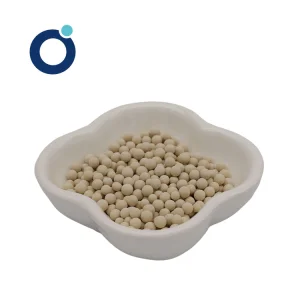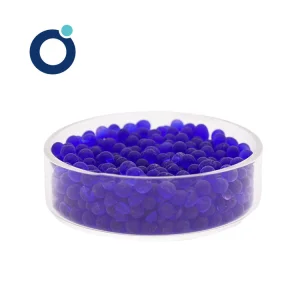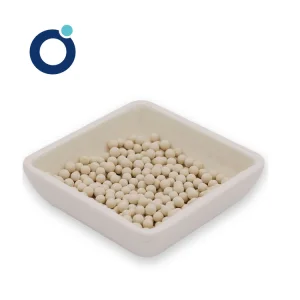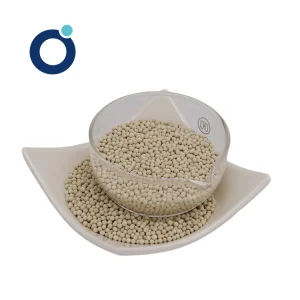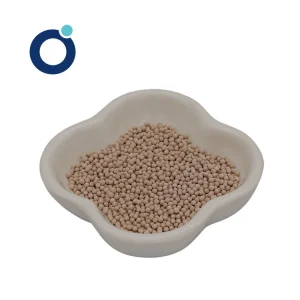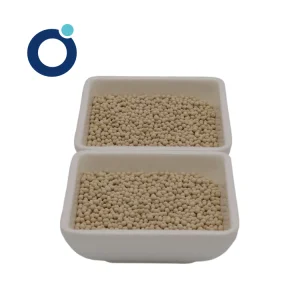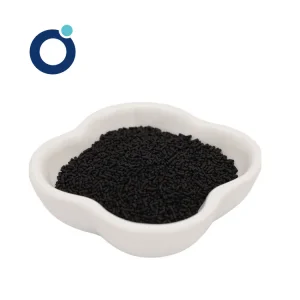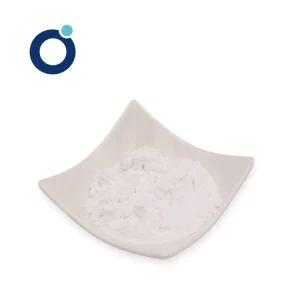
Explore our premium grade molecular sieves, silica gels, and custom desiccants engineered for peak selectivity and capacity.
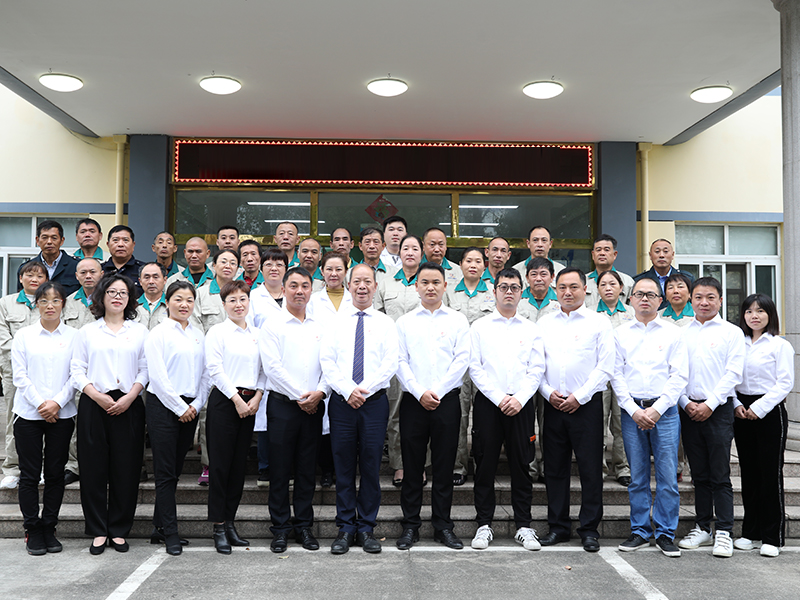
Shanghai Jiuzhou Chemicals Co., Ltd. is located in China's largest economic hub, Shanghai. Over the years, Jiuzhou has consistently adhered to the foundational principles of "Quality Control & Innovation", committing itself to the development, rigorous research, and manufacturing of high-quality, innovative chemical materials.
Our diversified portfolio features key products including premium molecular sieve powders, structured molecular sieves, activated powder, activated alumina, aluminum oxide catalysts, various alumina packings, inert ceramic balls, sodium silicates, aluminum hydroxide, zeolite 4A, sodium carbonates, and SLES. Every product we manufacture conforms strictly to international quality norms and holds certifications such as ISO9001:2008, TUV, and SGS.
With an extensive industrial presence, Jiuzhou has built a comprehensive operational ecosystem that integrates manufacturing, scientific testing, and custom formulation services. Our reach extends to distribution partners in the United States, Europe, Japan, Southeast Asia, South America, and the Middle East, offering high-efficiency and energy-saving adsorption solutions to global process plants.
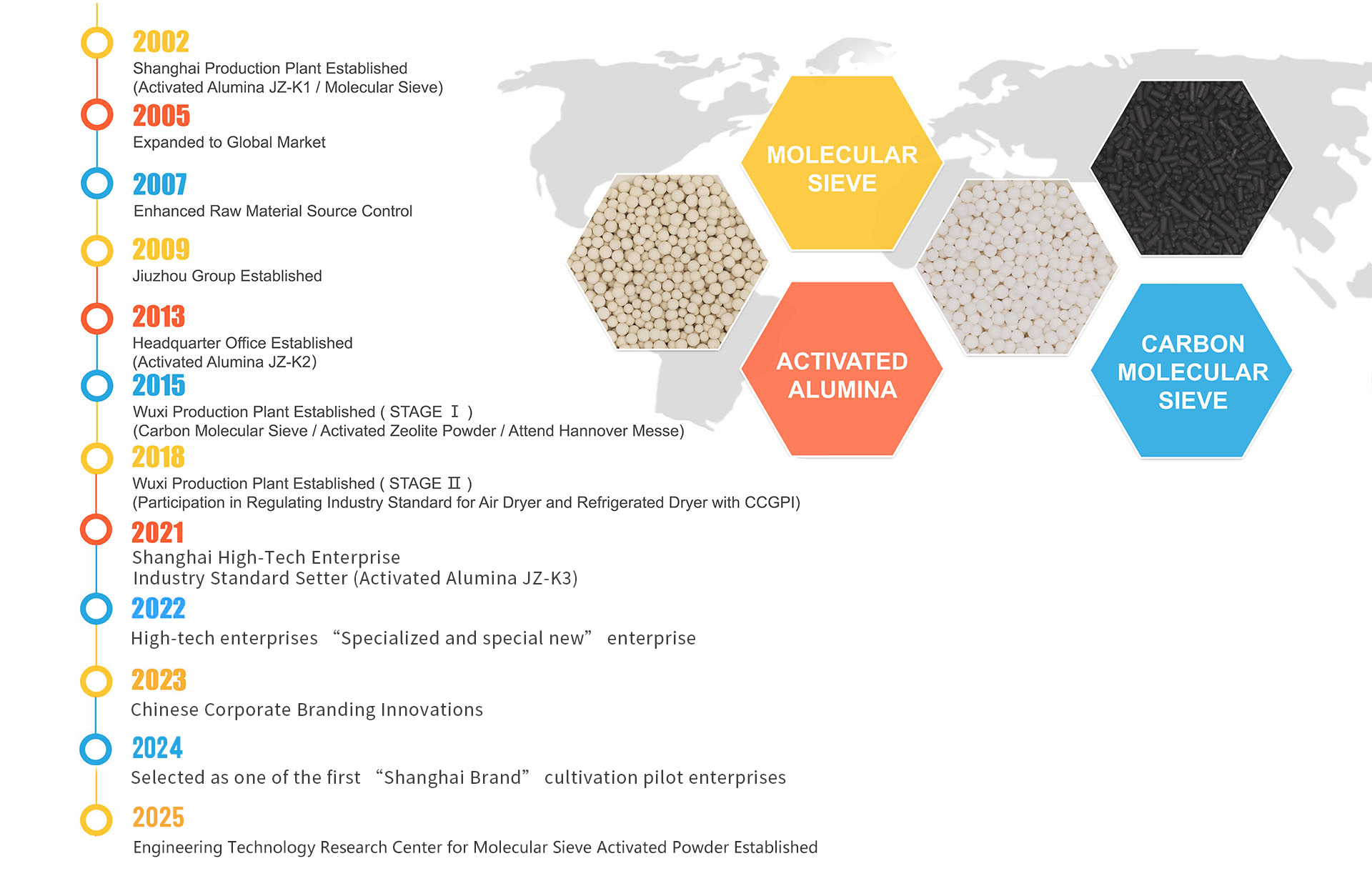
Quantifiable proof of our capacity to scale, innovate, and maintain supply security globally.
Rigid multi-stage quality assurance protocol applied to every batch of molecular sieve pellets.
Continuous investment in pore-structure modeling and novel binder engineering technologies.
Our dual-factory strategy ensures supply security, high output, and robust quality consistency.
Our flagship automated site in Shanghai leads in mass-scale synthesis of zeolite crystallization, dry powder processing, and standard test methodologies. Built to comply with rigorous environmental rules, it supports our high-throughput domestic and export pipelines.
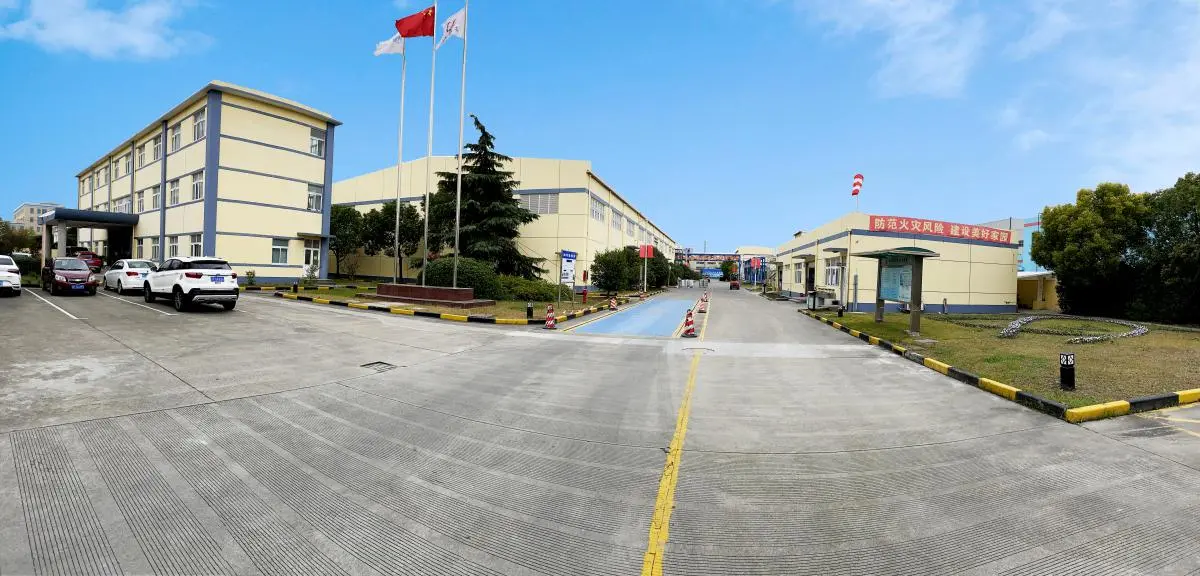
The specialized facility in Wuxi focuses on shaping, curing, calcination, and advanced catalyst customization. It features state-of-the-art dynamic adsorption testing loops designed to simulate industrial flow patterns and gas mixtures under load.

An engineering deep-dive into molecular sieve pellets pore dynamics, mass transfer zones, and selectivity.
Molecular sieve pellets are synthesized aluminosilicates featuring highly structured crystalline geometries. The defining characteristic of these materials is their uniform pore diameter on a sub-nanometer scale. By varying the metal cation within the aluminosilicate matrix (e.g., sodium, potassium, or calcium), the effective pore openings are tuned precisely to 3Å, 4Å, 5Å, or 10Å (13X).
When gases or liquids flow through the molecular sieve bed, molecules smaller than the target pore size enter the internal cavities where they are adsorbed via electrostatic interactions (Lennard-Jones potential curves). Larger molecules bypass the crystal matrix, achieving highly selective molecular sieving.
For example, Zeolite 3A (potassium aluminosilicate) is designed to exclude molecules larger than 3Å, including ethane and ethylene, making it the global standard for dehydrating cracked gas during ethylene production without co-adsorbing valuable hydrocarbons.
Adsorption kinetics depend heavily on the Mass Transfer Zone (MTZ). A narrower MTZ translates to sharper breakthrough curves, maximizing vessel capacity and delaying regeneration cycles for lower energy expenditure.
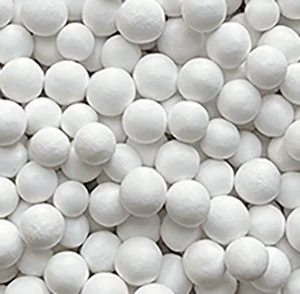
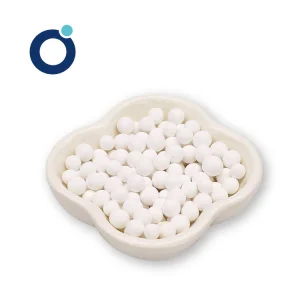
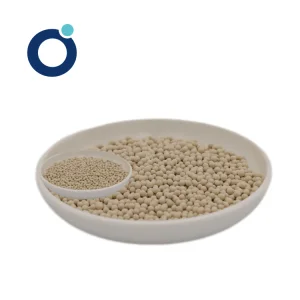
Pure zeolite crystals are fine powders. To form pellets or beads, clay binders must be introduced. Jiuzhou uses high-purity, low-inert binders to ensure crush strength without compromising the active adsorption capacity per unit mass.
Our advanced calcination technology prevents hydrothermal aging of the crystalline framework, allowing our molecular sieves to withstand hundreds of Temperature Swing Adsorption (TSA) regeneration cycles.
Pioneering the next generation of structured adsorbents to support global sustainability targets.
The continuous evolution of chemical separation processes requires molecular sieves that are more energy-efficient and highly resilient under harsh conditions. Jiuzhou’s R&D division has established a roadmap focused on three key areas:
How Jiuzhou's engineered adsorbents solve large-scale gas and liquid purification challenges globally.
Our 3A and 4A molecular sieve pellets dry natural gas to water levels below 0.1 ppmv, preventing hydrates and ice formation in cryogenic cold boxes during Liquefied Natural Gas (LNG) production.
Using customized JZ-404B and JZ-ZMS3 pellets, polymer plants dehydrate feedstocks like ethylene and propylene to prevent catalyst poisoning in downstream polymerization reactors.
In ASU pre-purification systems, our molecular sieves remove trace water, carbon dioxide, and light hydrocarbons. This step protects the main cryogenic distillation columns from blockages.
As global supply chains face increasing disruptions, Jiuzhou has optimized its operations with Industry 4.0 principles to improve supply chain resilience and efficiency.
Our automated synthesis plants feature real-time sensor loops that track critical crystallization parameters (pH, temperature, alumina-silicate ratios). This level of control ensures high batch-to-batch consistency and significantly reduces manufacturing waste.
Additionally, our proximity to the Port of Shanghai simplifies logistics. We maintain raw material strategic safety reserves and use digital warehouse tracking to assure global buyers that orders will ship on time, even during peak shipping seasons.
Key technical specifications that process engineers and procurement agents must evaluate when sourcing molecular sieve pellets.
To ensure long-term stability and prevent premature pressure drop increases inside the reactor, chemical procurement managers should verify the following operational metrics:
Measures the resistance of the pellets to static loads. High crush strength prevents pellet degradation under high gas velocities and bed height weight.
Consistent bulk density is required to design adsorption columns correctly. It ensures the thermal mass of the bed behaves predictably during heating cycles.
Indicates the volume of dust created by movement. Lower attrition rates prevent filter clogging and downstream equipment abrasion.
Shanghai Jiuzhou Chemicals leads standard development for dryer and adsorbent applications in China.
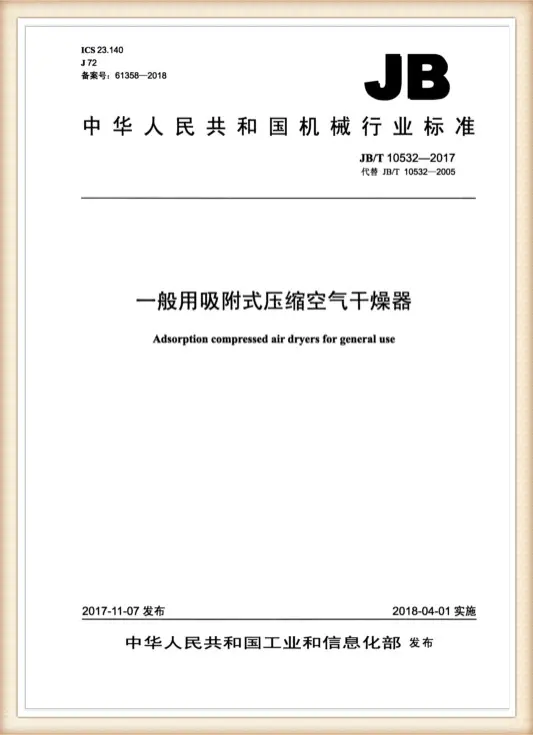
Adsorption compressed air dryers for general use.
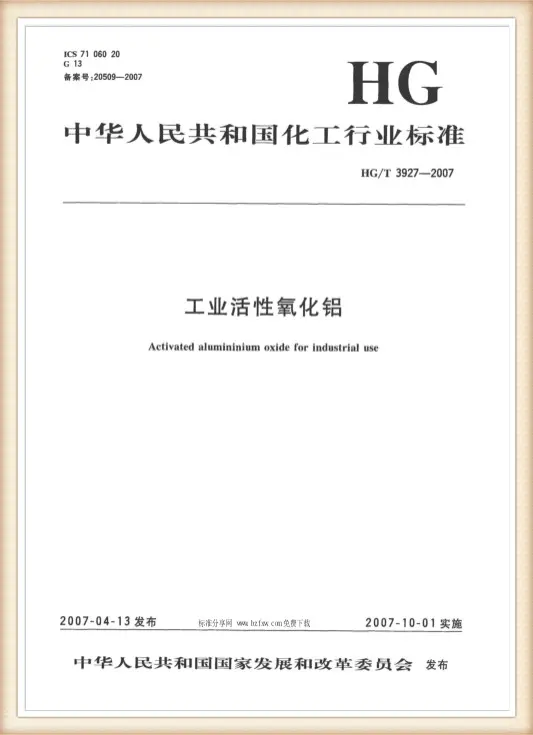
Activated aluminum oxide for industrial use.
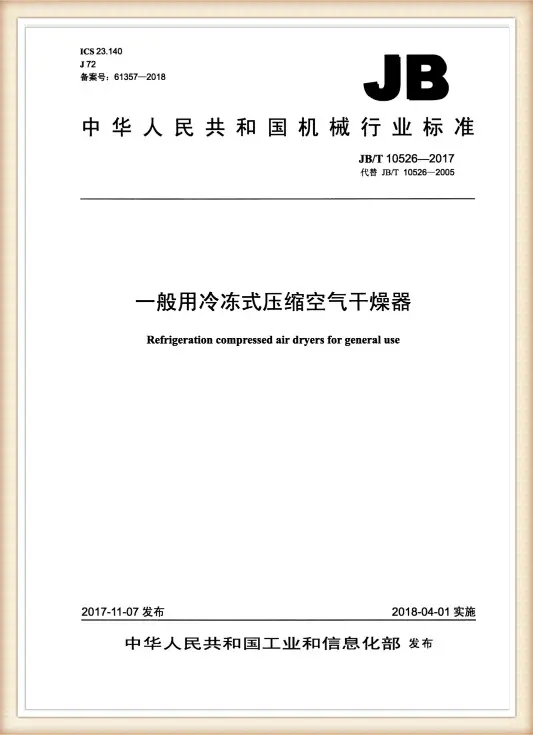
Refrigeration compressed air dryers for general use.
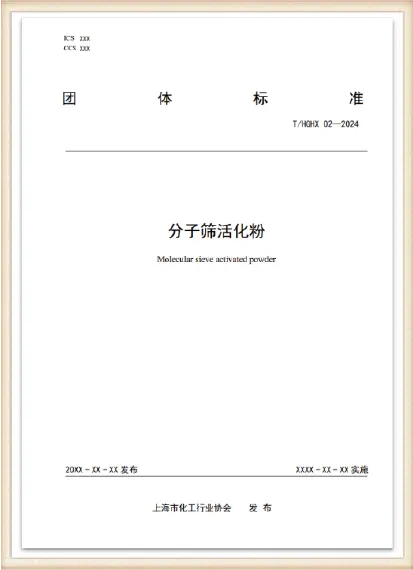
Innovative industrial dryer process standardizations.
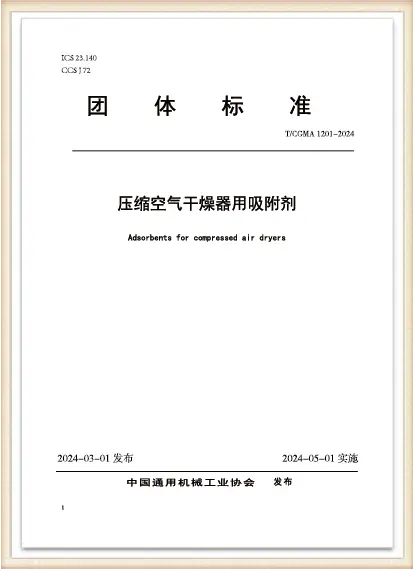
Chemical processing adsorbent application safety norms.
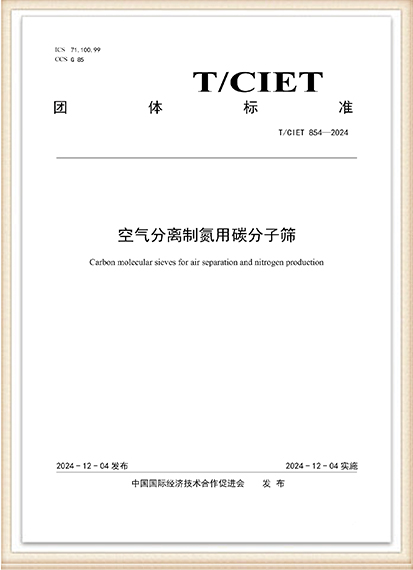
Next-generation chemical green synthesis criteria.
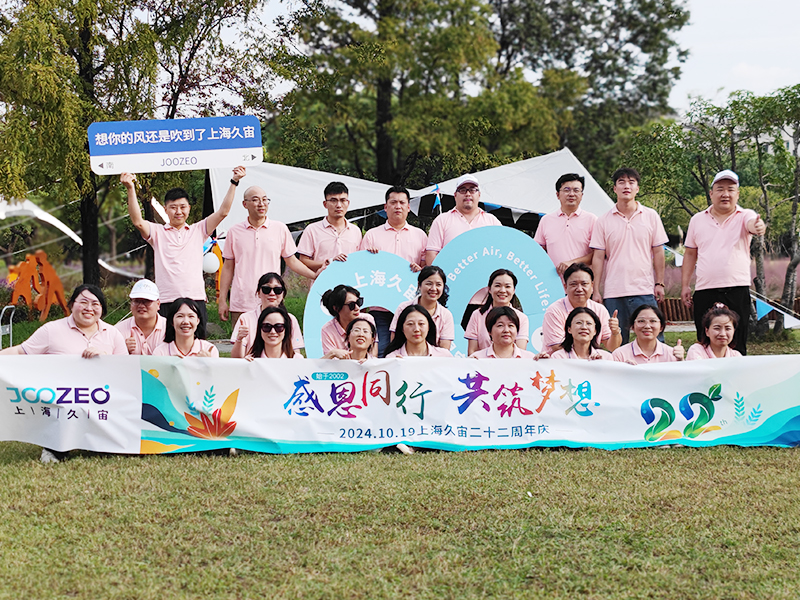
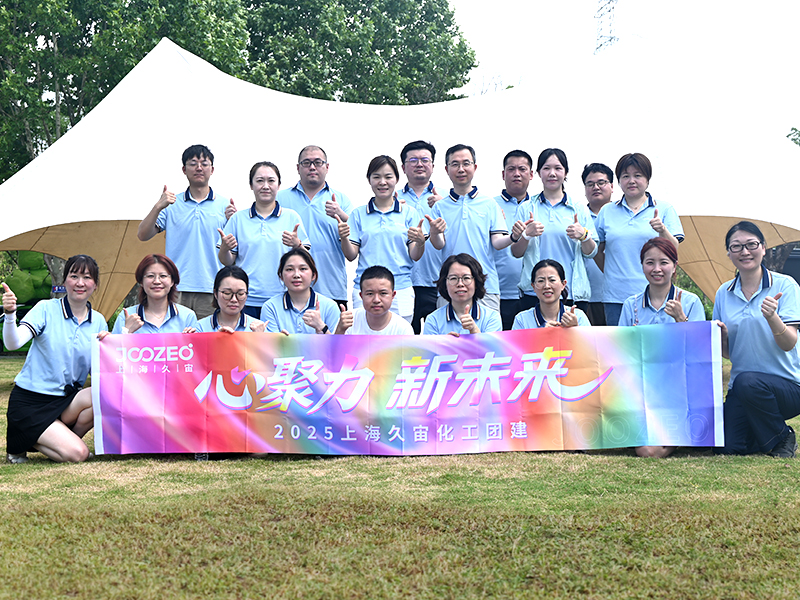
Better air, Better life — Our ongoing environmental commitment through cleaner manufacturing and reduced emissions.
Answers to common dynamic design, cycle lifetime, and regeneration questions from chemical engineers.
Our complete range of molecular sieves, carbon sieves, and activated desiccants for global industrial systems.
Do you have technical questions, or do you need a custom quote for molecular sieve pellets? Our technical team will reply within 24 hours.
Send Request