High-purity crystalline aluminosilicate materials developed for demanding pressure-swing adsorption, gas purification, and liquid-phase drying applications.
The global molecular sieves market has entered a highly transformative phase, driven by stricter environmental standards, energy efficiency demands, and the rapid expansion of modern industrial gas applications. As highly precise crystalline structures of aluminosilicates, synthetic zeolites serve as the foundational backbone for selective adsorption processes. The market is shifting from commodity-grade desiccant supply to engineered, application-specific molecular sieves capable of achieving ultra-low dew points and highly specific separations.
Key market drivers include the rise of green hydrogen production, deep carbon capture systems (CCUS), natural gas processing (LNG liquefaction pre-treatment), and medical-grade oxygen production. Contemporary factories and manufacturers must maintain strict control over pore size distribution (ranging from 3Å to 10Å) and mechanical integrity. A major focus has been placed on improving mass transfer rates and reducing the thermal energy required during the regeneration stage, allowing operators to achieve significant energy savings.
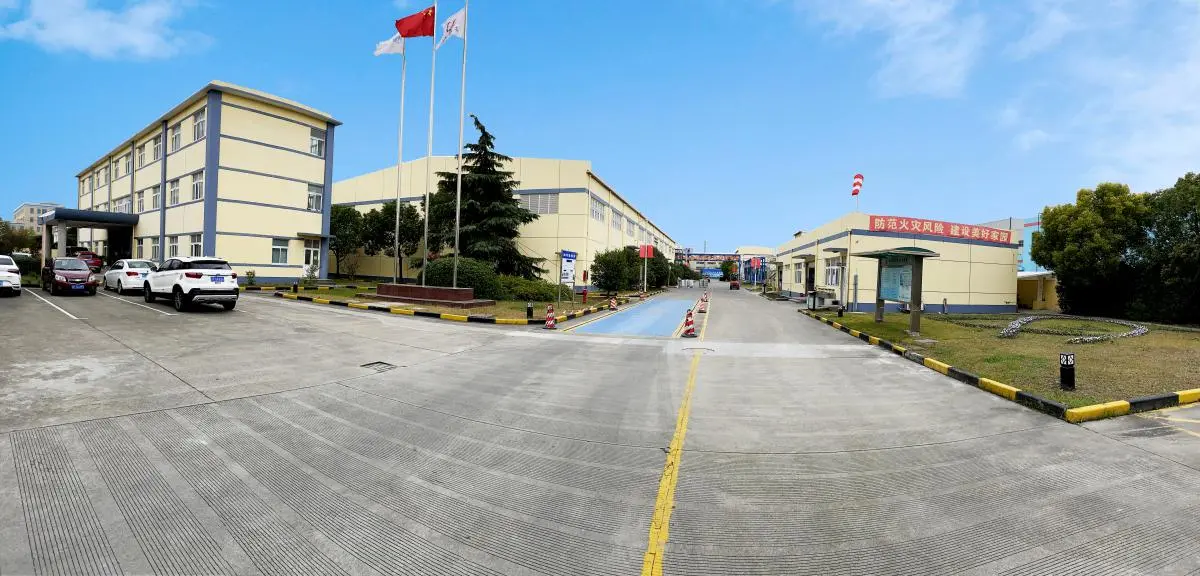
Located in the premier economic development hub of Shanghai, Shanghai Jiuzhou Chemicals Co., Ltd. (Joozeo) has spent decades establishing itself as a global leader in high-performance adsorption technologies. Adhering to our core operating principles of "Quality Control" and "Innovation," we focus on the research, development, and manufacturing of advanced chemical products. Our diverse product portfolio features activated powders, silica gels, molecular sieve powders, activated alumina, catalysts, and alumina packing materials.
All manufacturing processes at our facilities are certified under the ISO9001:2008 Quality Management System, alongside testing and verifications by TUV and SGS. By combining automated production workshops with a fully equipped central laboratory, we provide custom adsorption and purification systems designed for modern industrial operations.
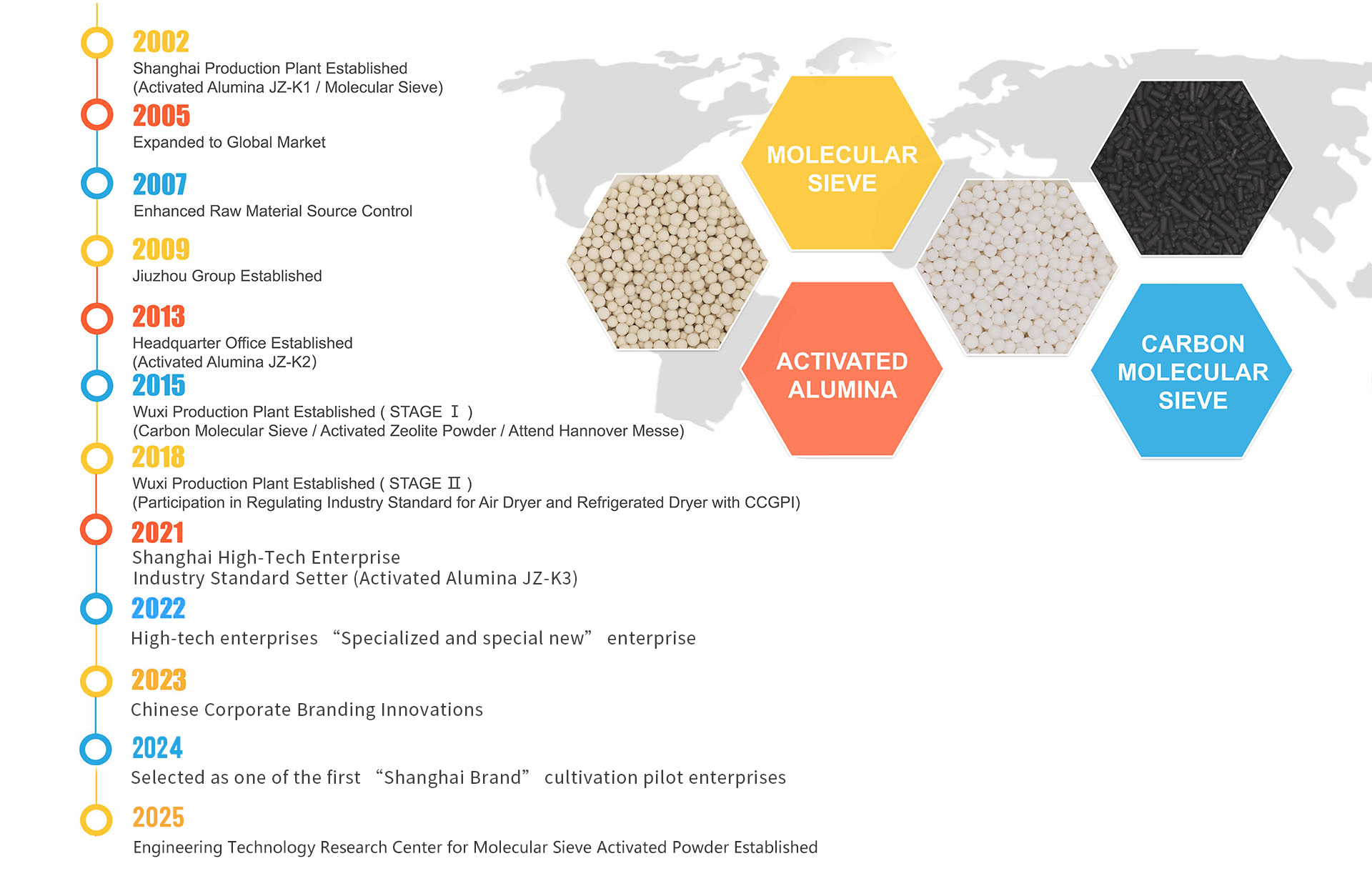
Operating state-of-the-art facilities equipped with advanced chemical processing lines and strict quality assurance protocols.

Critical parameters and quality indicators utilized by procurement departments to evaluate premium molecular sieve shipments.
Optimal bulk density is essential for calculating exact vessel loads, while low attrition rates minimize dust formation and downstream equipment clogging.
Indicates the raw moisture capacity of the zeolite framework at 25°C and 75% relative humidity. Higher capacity extends process cycle run times.
High crush strength ensures the molecular sieve structure does not collapse under extreme gas pressures and thermal regeneration cycles.
Modern chemical processing relies heavily on customized adsorption layouts. Our solutions target specific processing pain points:
JOOZEO contributes actively to setting national and industrial quality standards for adsorption technologies.
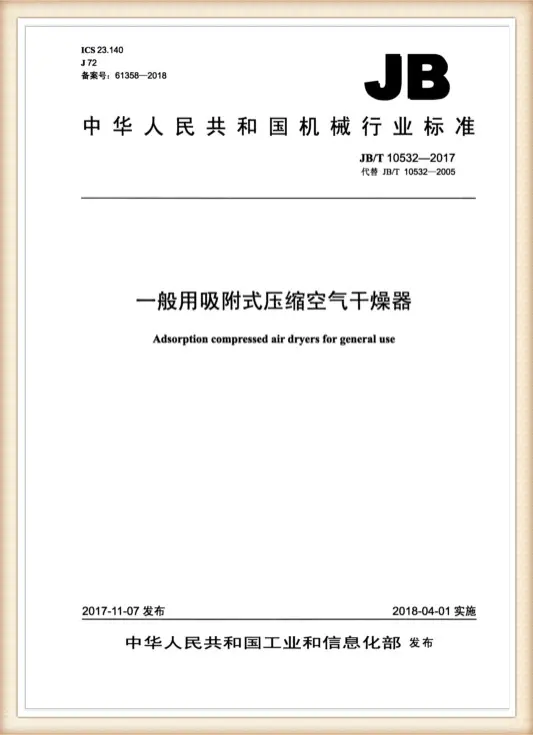
JB / T 10532-2017
Adsorption compressed air dryers for general industrial use
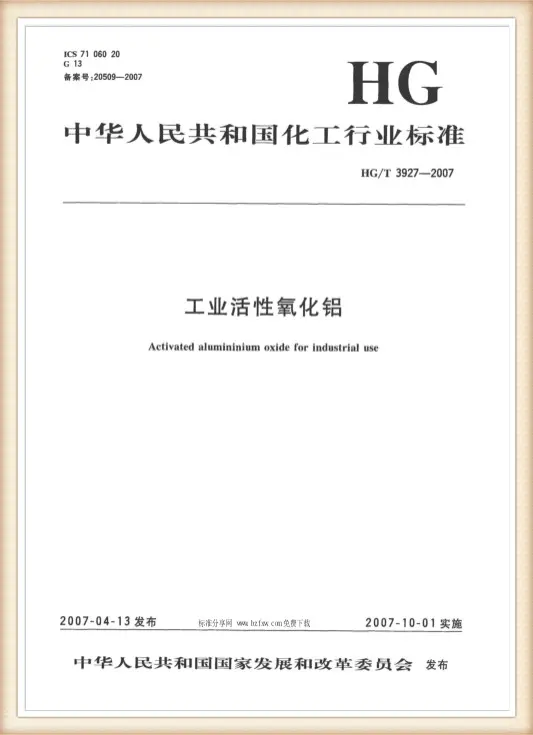
HG / T 3927-2007
Activated aluminium oxide for industrial applications
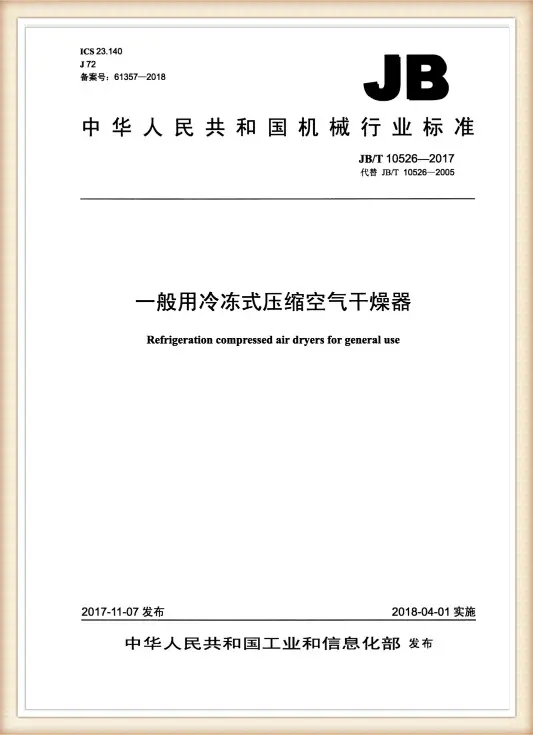
JB / T 10526-2017
Refrigeration compressed air dryers for general industrial use
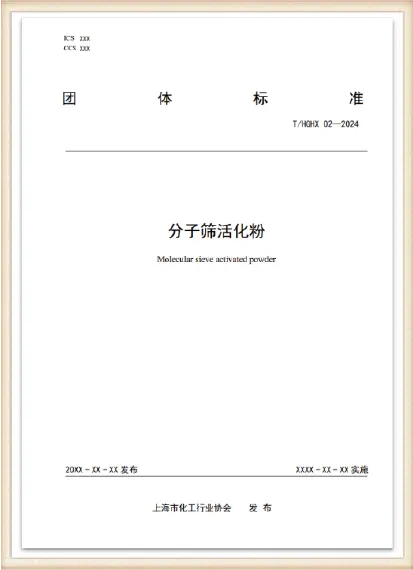
T/CGMA1201-2024
Industrial design standards for gas drying units
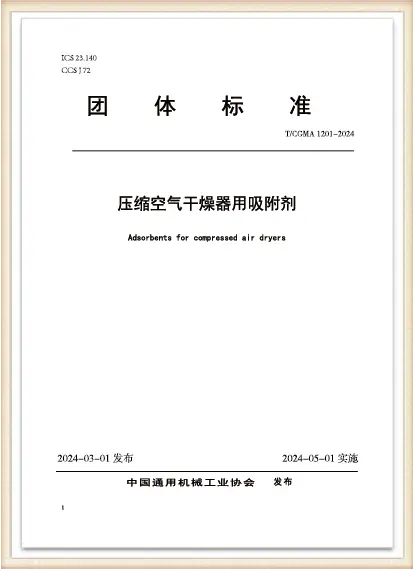
T/HGHX 02—2024
Industrial molecular sieves safety testing frameworks
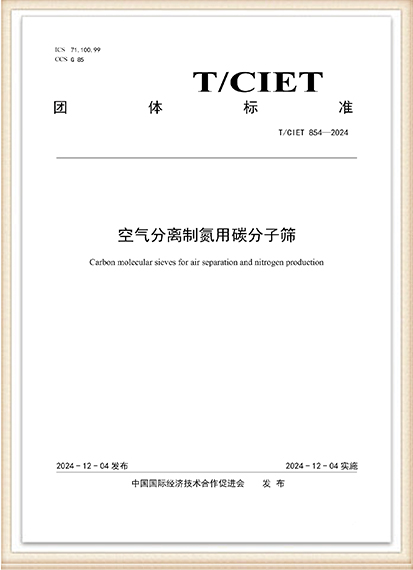
T/CIET 854-2024
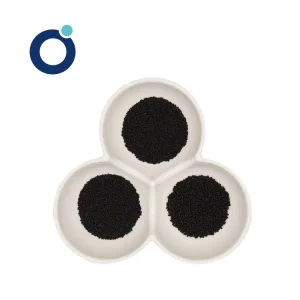
Advanced carbon-molecular sieves evaluation guidelines
We focus on sustainable production practices, carbon reduction programs, and eco-friendly chemical manufacturing technologies.


The roadmap for synthetic molecular sieves is centered on tailoring porosity at sub-angstrom scales. Advancements in synthesis focus on reducing binder content, resulting in high-density active materials that improve volumetric adsorption capacity by up to 20%.
Looking ahead, JOOZEO is investing in green synthesis methods that decrease wastewater output during zeolite crystallization. We are also optimizing carbon molecular sieves (CMS) to achieve higher purity levels in hydrogen and nitrogen recovery systems.
Expert technical answers to common queries regarding industrial molecular sieve applications and operation.
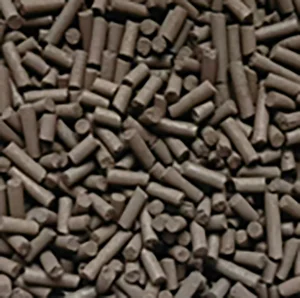
Carbon molecular sieves and targeted catalyst grades designed to support chemical processing operations.
Need assistance with dynamic load modeling, custom pore sizes, or standard-compliant packaging options? Get in touch with our team.
Any issues or questions? Our technical support team responds within 24 hours.
Send Request