Shanghai Jiuzhou Chemicals Co., Ltd. is strategically situated in Shanghai, China's preeminent economic and industrial hub. Over the decades, Jiuzhou has consistently adhered to the core philosophies of "Quality Control & Continuous Innovation". We are dedicated to the synthesis, manufacturing, and applied scientific research of high-performance, innovative chemical products.
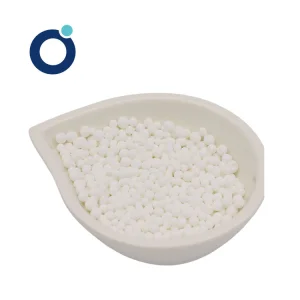
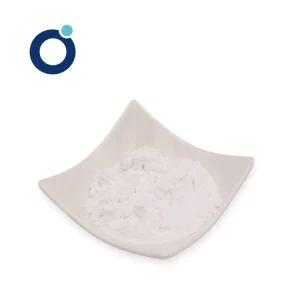
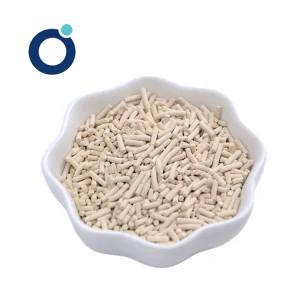
Our core product portfolio includes synthetic zeolite molecular sieve powders, finished molecular sieves, activated powder, activated alumina, aluminum oxide catalysts, various alumina packing materials, inert ceramic support balls, sodium silicates, aluminum hydroxide, zeolite 4A, sodium carbonates, and SLES. All manufacturing pipelines have passed the rigorous ISO9001:2008 Quality Management System Certification and hold authoritative third-party certifications from TUV & SGS.
With an expansive distribution network stretching across the United States, Southeast Asia, Japan, Europe, North and South America, and the Middle East, we deliver tailored chemical engineering solutions that enable more energy-saving, cost-efficient, and environmentally friendly adsorption performance.
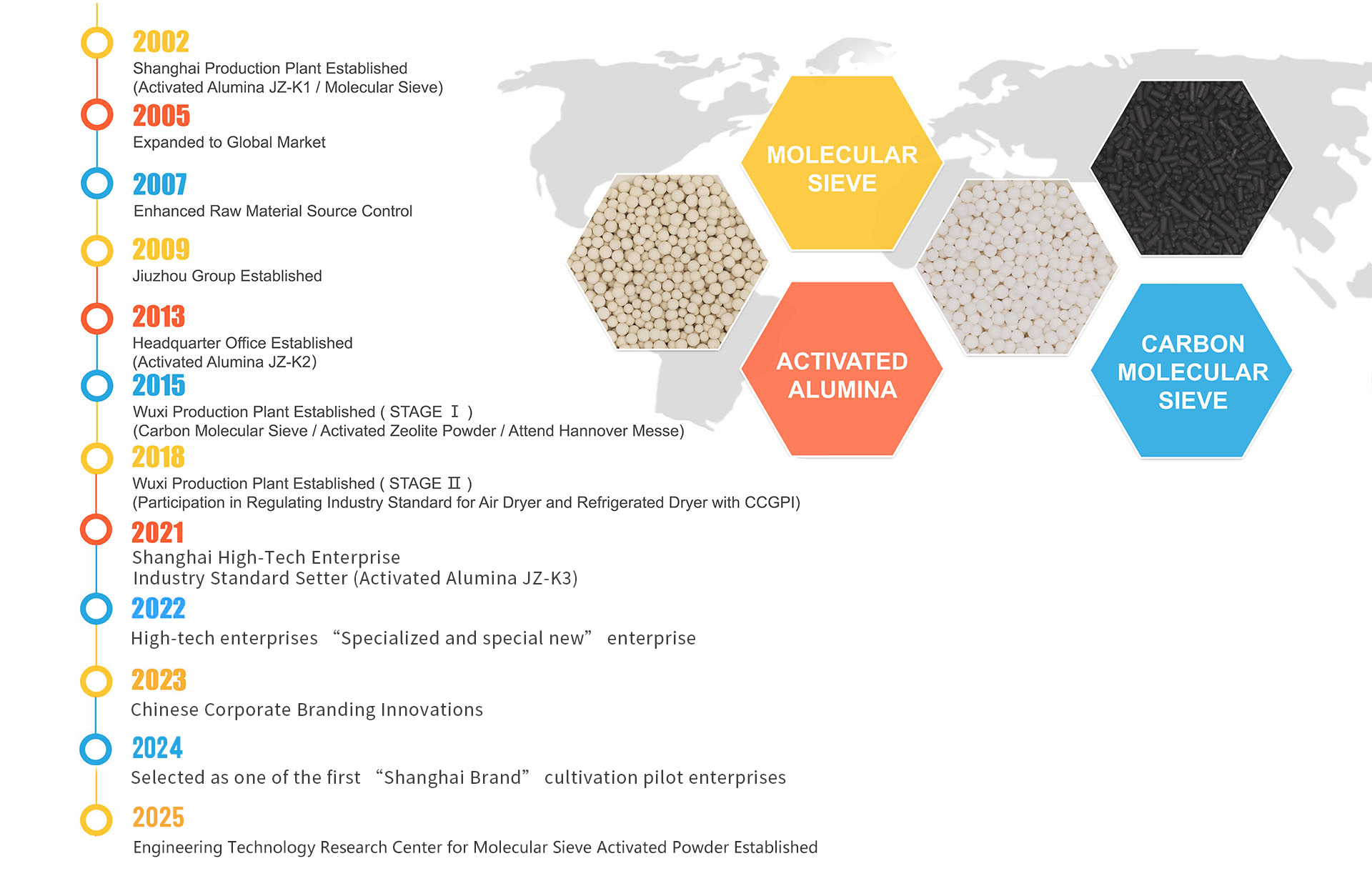
Modern industrial separations require thermodynamic precision and chemical reliability. Jiuzhou’s molecular sieves are optimized at the sub-nanometer scale to meet the most demanding process criteria in gas processing, petrochemical refining, and green energy management.
Uncontrolled moisture in hydrocarbon crack gas and liquid feedstocks results in catalyst deactivation and corrosive acid formation. Our specialized 3A and 4A molecular sieves provide ultra-low water dew points (down to -100°C), protecting downstream operations and high-value precious metal catalyst beds.
Cryogenic air separation units (ASUs) demand absolute removal of carbon dioxide and moisture to prevent thermal blockages within cold boxes. Our high-capacity 13X Molecular Sieves (JZ-ZMS series) offer exceptional dynamic CO2 co-adsorption capacity and rapid regeneration kinetics.
With the global shift toward Net-Zero carbon emissions, carbon capture, utilization, and storage (CCUS) and steam methane reforming (SMR) processes rely on PSA/VPSA technologies. Our advanced adsorbents exhibit high selectivity for nitrogen and carbon oxides, yielding green and blue hydrogen with 99.999% purity.
Unlike standard commercial desiccants, Shanghai Jiuzhou’s formulations undergo rigorous hydrothermal testing. The stability of our crystalline aluminosilicate structures is preserved over hundreds of thermal swing adsorption (TSA) cycles, maintaining high mechanical crush strength (>85 N for spherical beads) and minimizing attrition and dust generation.
Understanding how structural morphology drives selective adsorption. Our products are synthesised to ensure spatial and charge density optimization.
Zeolite molecular sieves are crystalline, hydrated aluminosilicates of alkali and alkaline-earth metals. The structural framework is built from TO4 tetrahedra (T = Si, Al) sharing oxygen atoms. Synthetic processes must regulate the Si/Al ratio to customize both the cation density and the thermal/hydrothermal stability of the crystal lattice.
Type A Zeolites (LTA structure): Features a three-dimensional pore system with a free diameter of approximately 4.2 Å. By executing ion exchange of sodium ions with potassium, the effective pore opening is restricted to 3 Å, optimal for water adsorption while excluding hydrocarbons.
The effectiveness of an industrial molecular sieve depends on its mass transfer rate. In dynamic adsorption beds, the Mass Transfer Zone (MTZ) must be as narrow as possible. Our manufacturing technologies optimize the macropore structure within the binder matrix, ensuring high intraparticle diffusivity without sacrificing bulk density or physical crush strength.
This delicate balance ensures that the gas stream reaches equilibrium rapidly, resulting in shorter bed cycles, smaller adsorber designs, and significantly lower energy expenditures during regeneration sweeps.
Equipped with advanced multi-functional automated production lines, a comprehensive central analytics laboratory, and dynamic process simulators.
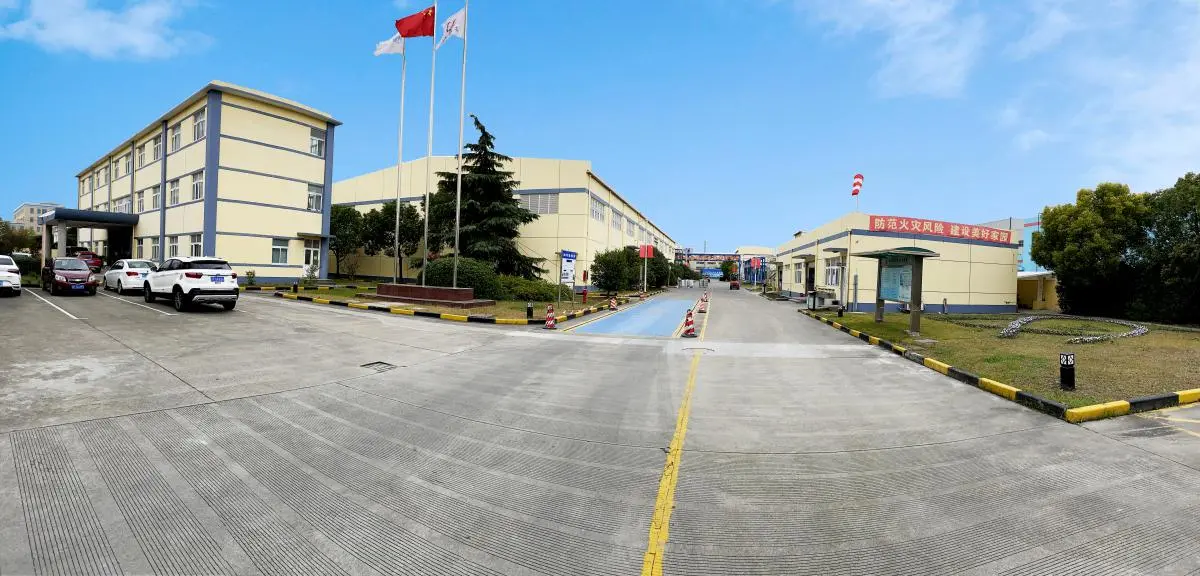
Centrally focused on high-precision chemical engineering, our Shanghai facility houses our primary R&D center. Here, synthesis chemists develop next-generation active crystalline powders and optimize binder matrices to meet emerging environmental and hydrogen purification demands.
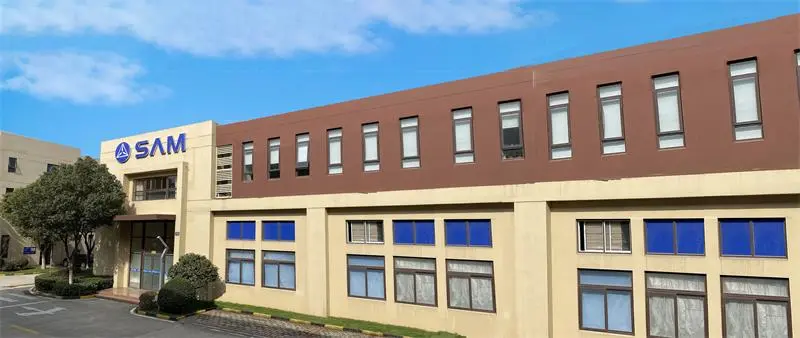
Optimized for high-volume, automated manufacturing, the Wuxi plant manages the bulk sizing, extrusion, and calcination of spherical beads and cylindrical pellets. Our integrated quality system ensures that every batch meets the highest performance criteria prior to packaging.
Batch traceability, raw material inspection, and final performance verification using ASTM/GB standards.
Investment in chemical research, intellectual property, and optimized molecular sieve formulations.
Demonstrating our authority and leadership, Shanghai Jiuzhou is proud to serve as a key contributor to national and industry-wide performance standards for dryers and chemical adsorbents.
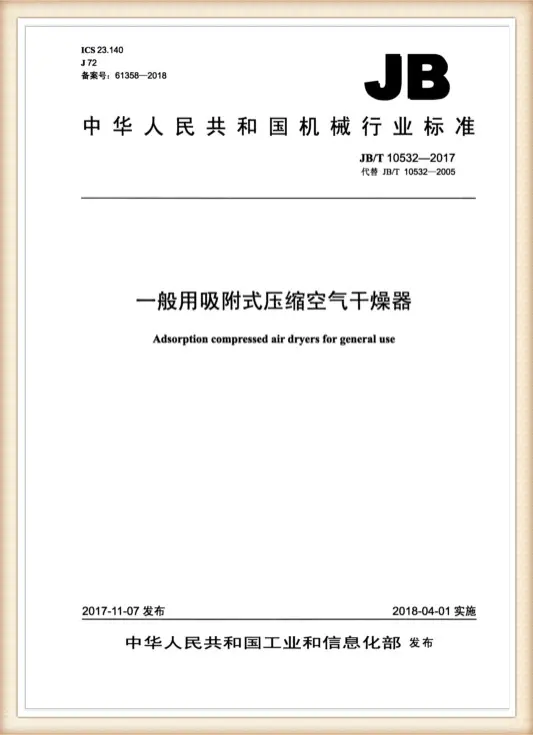
JB / T 10532-2017
Adsorption compressed air dryers for general use
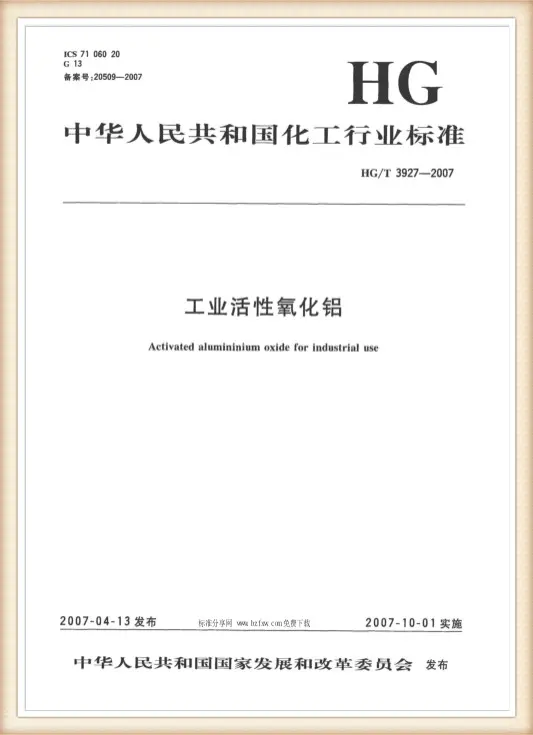
HG / T 3927-2007
Activated aluminium oxide for industrial use
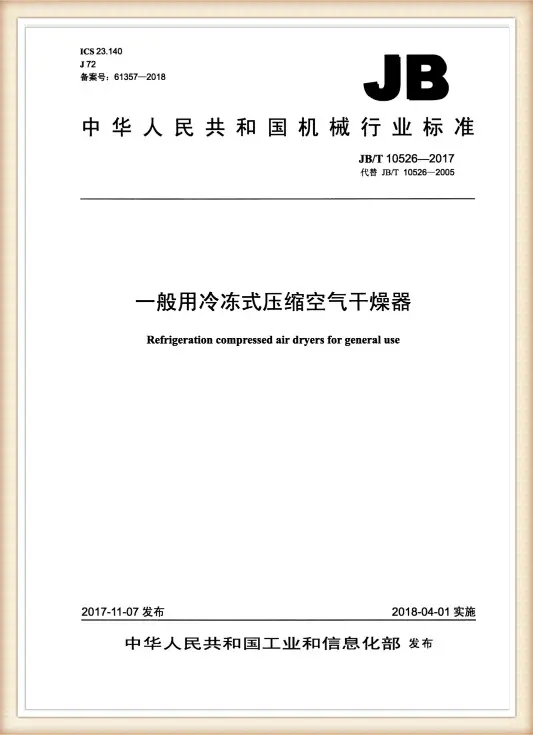
JB / T 10526-2017
Refrigeration compressed air dryers for general use
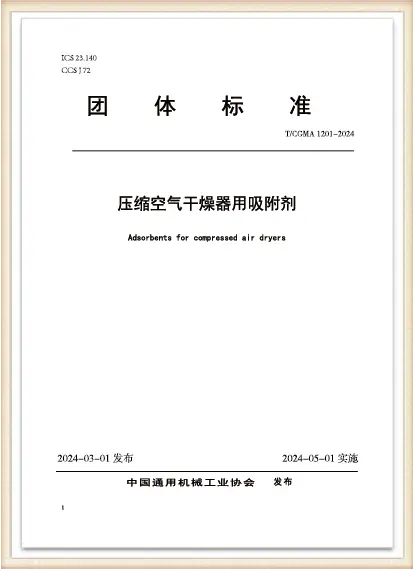
T / CGMA1201-2024
General Machinery Adsorbents Standards
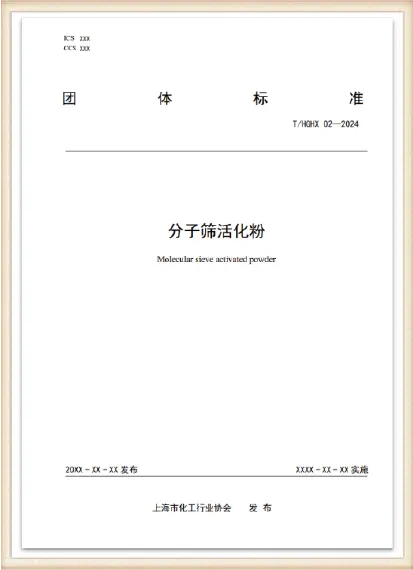
T / HGHX 02—2024
Chemical Industry Association Adsorbent Specifications
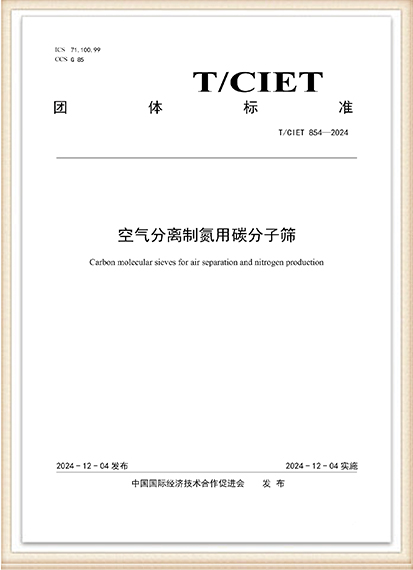
T / CIET 854-2024
Clean Energy Technology & Adsorption Materials
We are deeply committed to environmentally friendly practices. By providing efficient solutions for industrial off-gas purification and carbon reduction, we actively support sustainable global development.
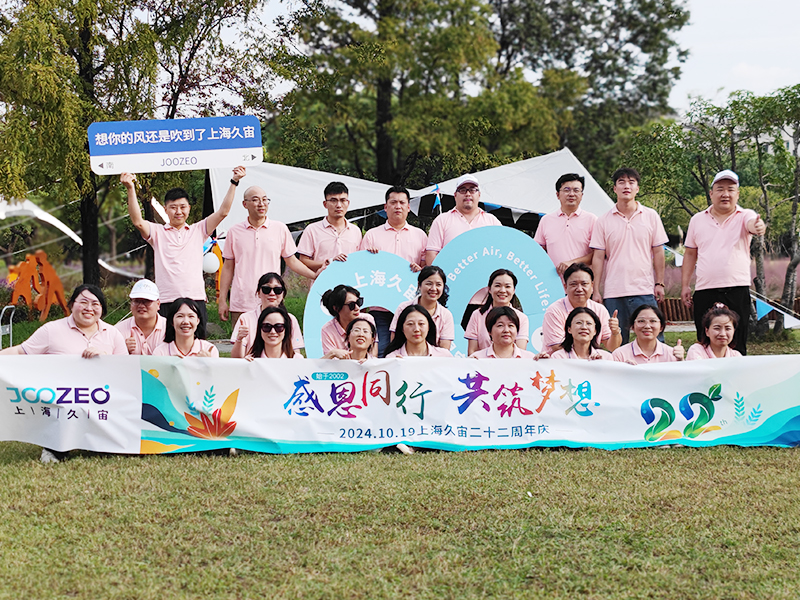
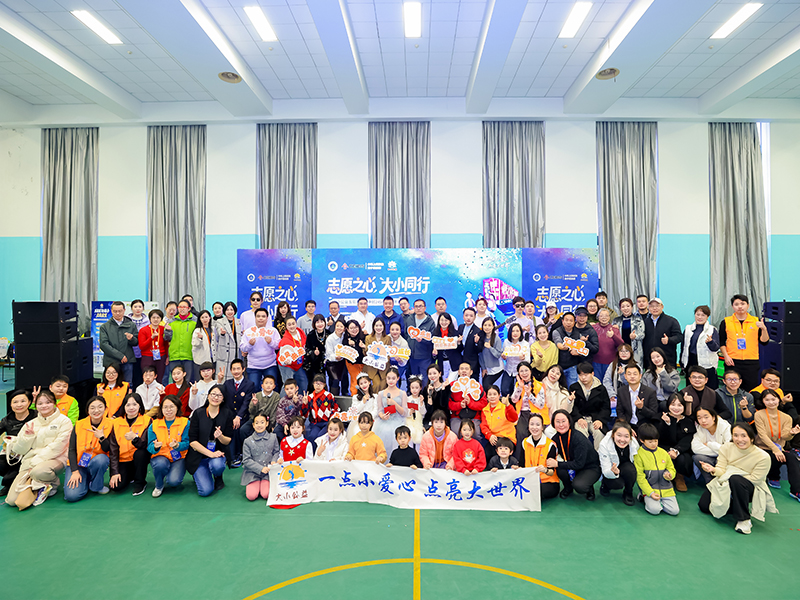
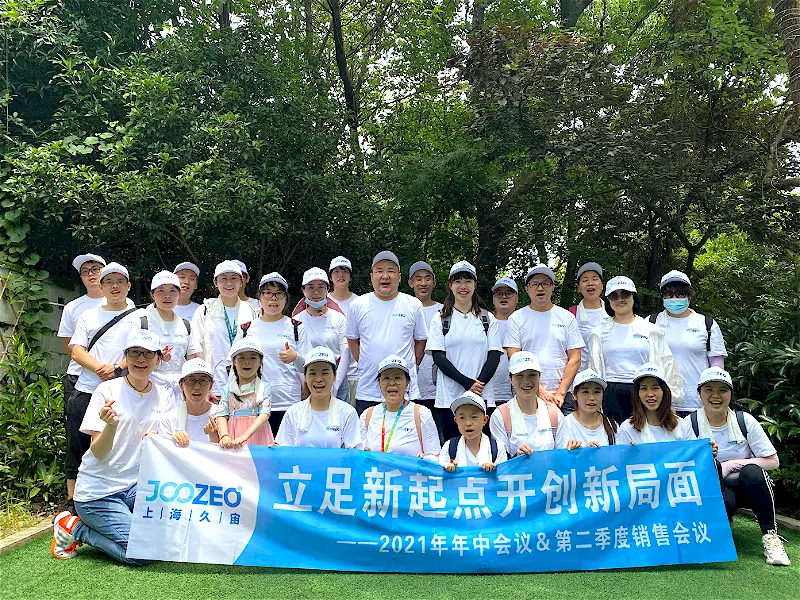
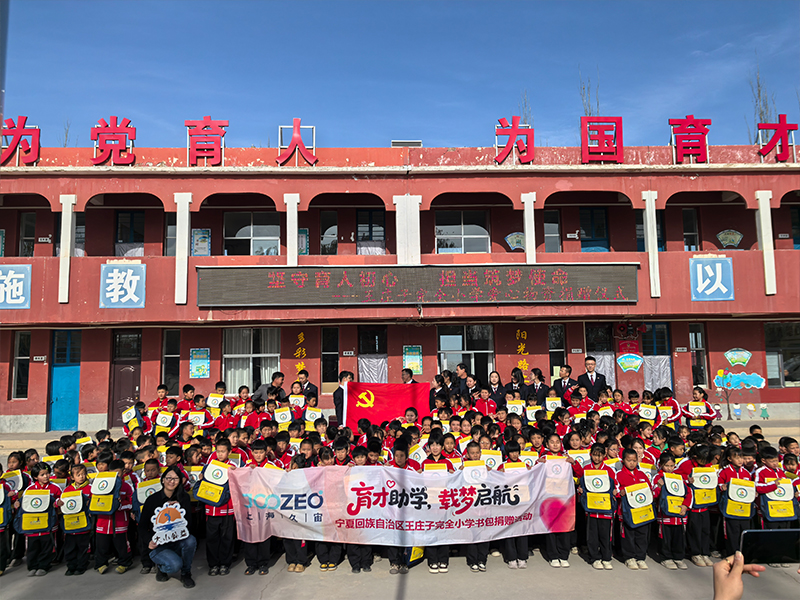
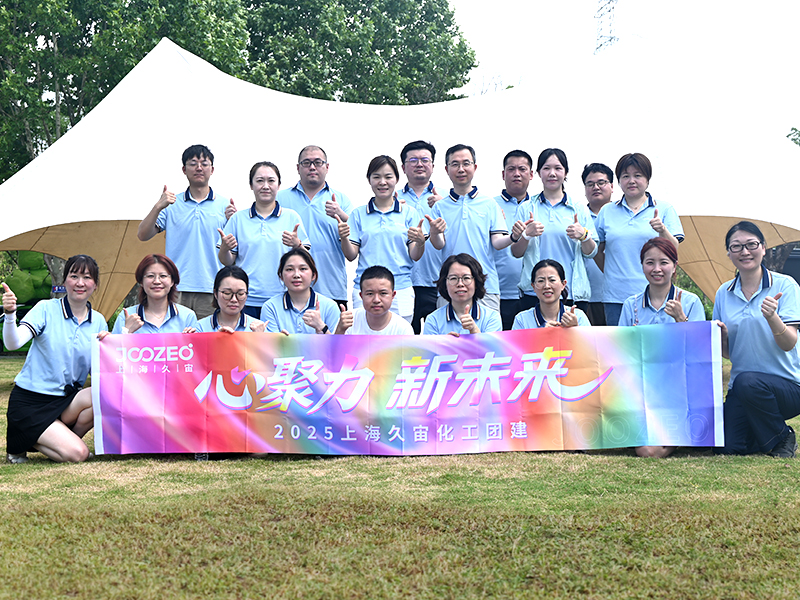
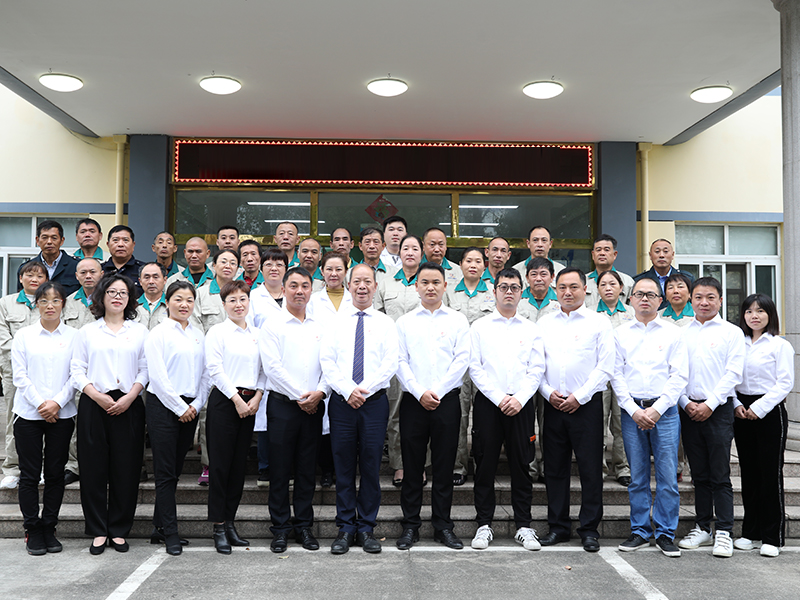
Our R&D efforts are focused on meeting the requirements of modern chemical plants and gas processing facilities.
Traditional zeolite crystallization processes rely on organic template agents that require combustion, releasing greenhouse gases. Jiuzhou is pioneering template-free hydrothermal crystallization techniques to reduce the carbon footprint of our molecular sieve powders.
At high gas linear velocities, molecular sieve beds can suffer from attrition. We have developed inorganic/polymeric composite binder systems that yield higher crush strength and maintain high porosity, mitigating pressure drop risks.
Leveraging computerized molecular modeling, we simulate and predict cation distributions within zeolite cavities. This allows us to optimize gas separation kinetics for high-purity medical oxygen concentrators and industrial PSA units.
Expert insights on selecting, operating, and regenerating synthetic molecular sieves.
Have questions regarding adsorbent sizing, mass transfer dynamics, or custom packaging solutions? Contact our engineering team for technical support. We respond within 24 hours.
Send Request