
High-capacity molecular sieves optimized for the climatic and operational parameters of Southern Cone industrial facilities.
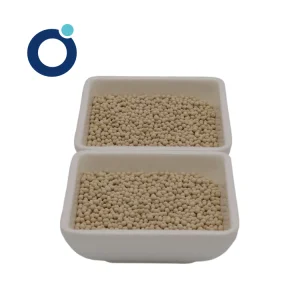
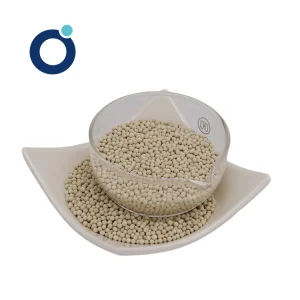
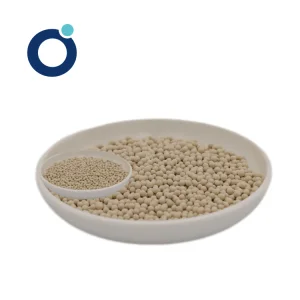
Analyzing local energy transitions, chemical dehydration requirements, and agricultural logistics in South America's most progressive economy.
Uruguay has positioned itself as a Latin American powerhouse in renewable energy and sustainable agricultural exports. With over 97% of its electricity generated from green sources, the nation is actively transitioning its industrial processes toward low-carbon technologies. Key to this transition is the optimization of molecular sieve technology across critical sectors such as bio-ethanol production, biomethane upgrading, industrial gas separation, and temperature-controlled food logistics.
In departments like Paysandú, Rio Negro, and Montevideo, the demand for high-purity industrial gases and dry agricultural air has accelerated. The local agro-industrial model relies on precise moisture controls to maintain product integrity for international markets. Zeolite molecular sieves provide the selective adsorption mechanisms necessary to achieve dew points as low as -70°C, ensuring compliance with global phytosanitary and mechanical guidelines.
Uruguay's geographical profile features a humid subtropical climate (Cfa under the Köppen classification) with high average relative humidity levels exceeding 75% throughout the year. For industrial desiccant air dryers and chemical separation units operating near coastal regions like Montevideo or Punta del Este, this presents a significant engineering challenge. Standard adsorbents can suffer from rapid pre-saturation, leading to early breakthrough and elevated dew points in the process stream.
To mitigate this, JOOZEO's Molecular Sieves are engineered with optimized pore structures and enhanced thermal stability. By choosing our high-density crystalline aluminosilicates, Uruguayan operators benefit from greater dynamic adsorption capacities and lower hydrothermal degradation rates over hundreds of thermal regeneration cycles (TSA). The result is a more resilient production loop, reducing replacement frequency and lowering total operational expenses (OPEX).
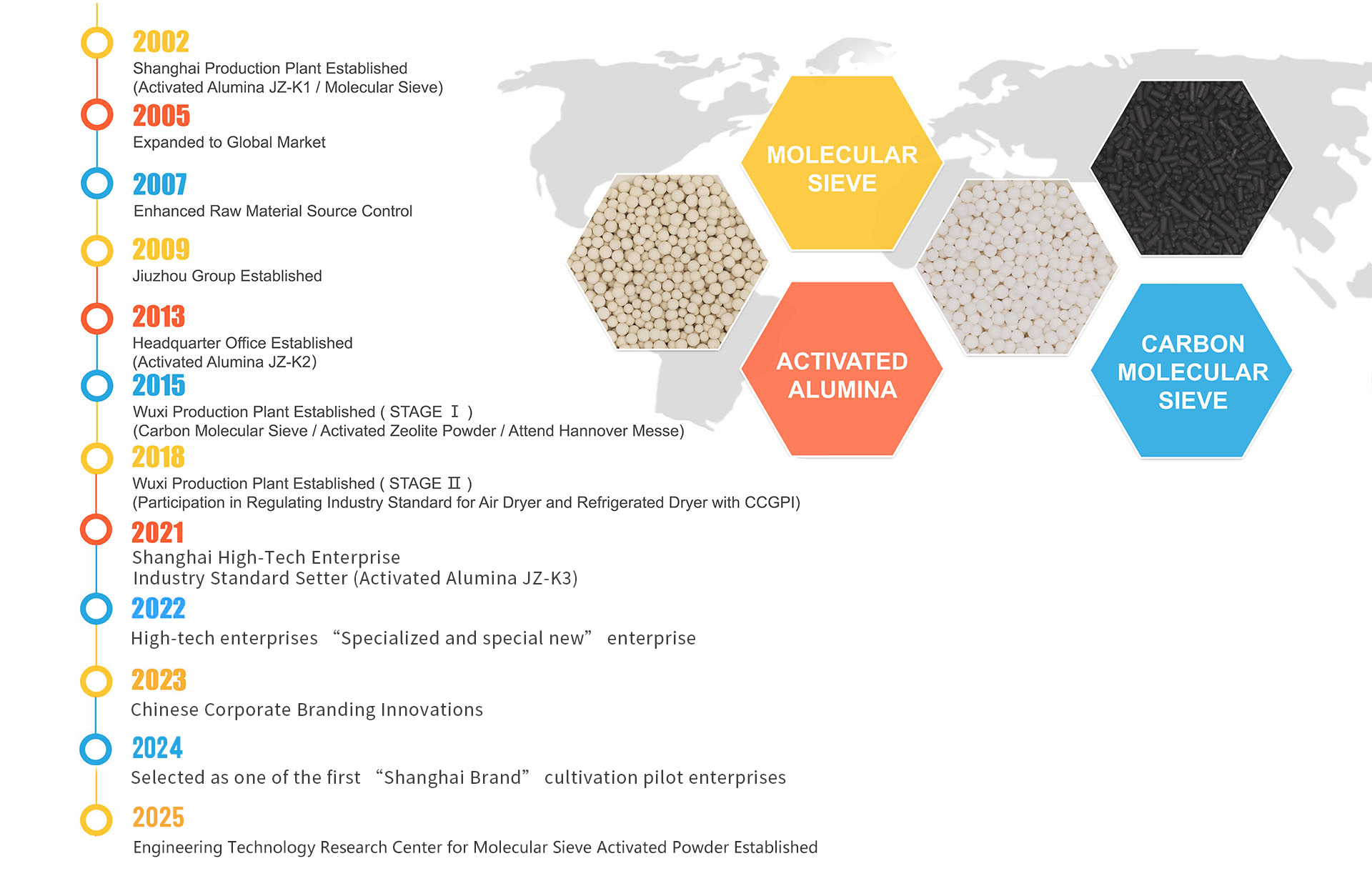
Shanghai Jiuzhou Chemicals Co., Ltd. is located in the major economic development city of Shanghai, China. Over the years, Jiuzhou has consistently adhered to the core principles of "Quality Control & Innovation", committing itself to the research, development, and manufacturing of high-quality, innovative chemical adsorbents and catalysts. Our extensive catalog includes various molecular sieve powders, active molecular sieves, activated alumina, aluminum oxide catalysts, various ceramic packing materials, sodium silicates, and related desiccants.
All our products have successfully passed the ISO9001:2008 quality management system certification, alongside TUV and SGS international audits. We work alongside a world-class engineering team to maintain cutting-edge production lines and laboratories. Our international network extends to North and South America, Europe, the Middle East, and Southeast Asia, offering custom formulations and eco-friendly solutions to partners globally.
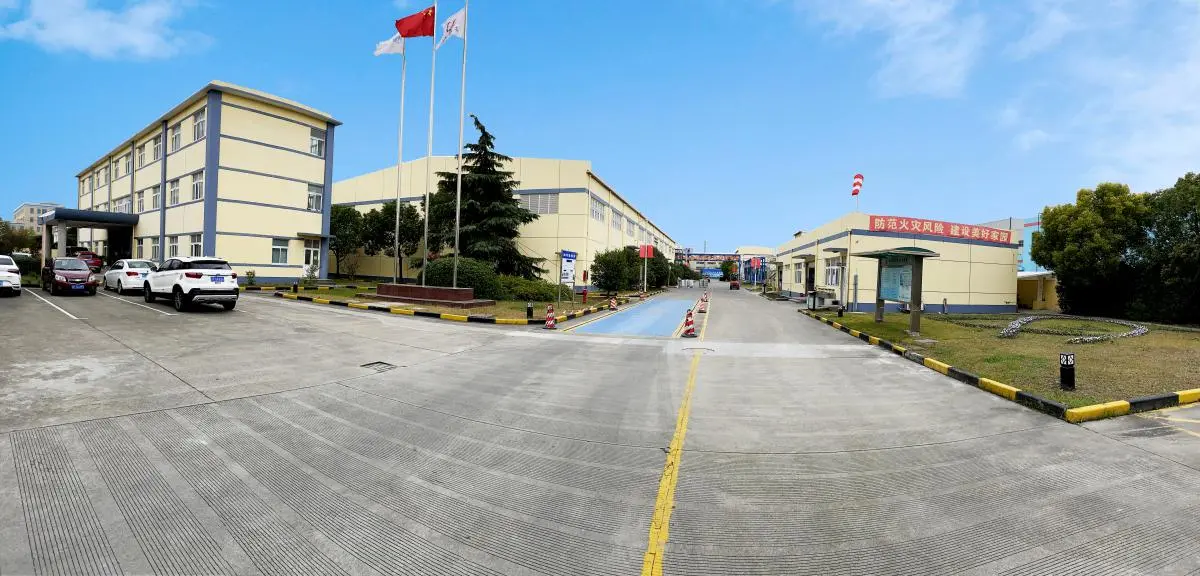
Focuses on advanced synthetic zeolites, custom-engineered molecular sieve powders, and dynamic testing laboratories.

Directs high-capacity rotary kilns, bulk shipping pipelines, and standard mass-production runs for global distribution.
How digital manufacturing pipelines protect Uruguayan procurement from market volatility and logistic delays.
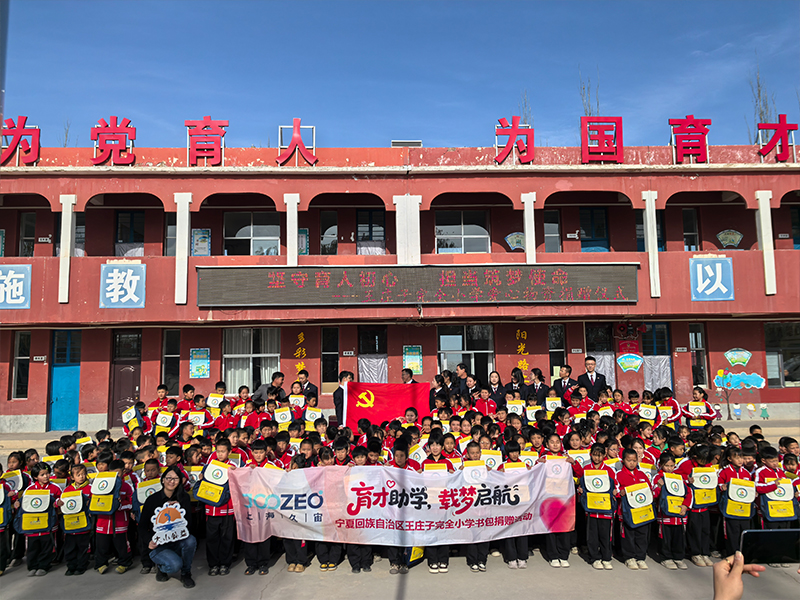
Maintaining a reliable source of bulk chemical consumables is a priority for production managers in Montevideo, Salto, and Paysandú. Any breakdown in the supply chain can lead to unscheduled shutdowns in bioethanol dehydration columns or petrochemical PSA beds, costing companies thousands of USD per day.
JOOZEO addresses this vulnerability by deploying Industry 4.0 practices across our Wuxi and Shanghai production lines. Automated dosing, continuous-monitoring rotary activation furnaces, and online optical sorting machines guarantee that every batch of molecular sieves demonstrates consistent bulk density, high crush strength, and uniform pore distribution. This structural reliability is backstopped by strategic shipping partnerships originating near the Port of Shanghai, facilitating predictable ocean shipping routes directly to the Port of Montevideo.
"By standardizing raw material inputs and integrating automated kiln firing profiles, we limit batch-to-batch deviation to less than 2.5%, ensuring drop-in compatibility for existing PSA/TSA vessel parameters."
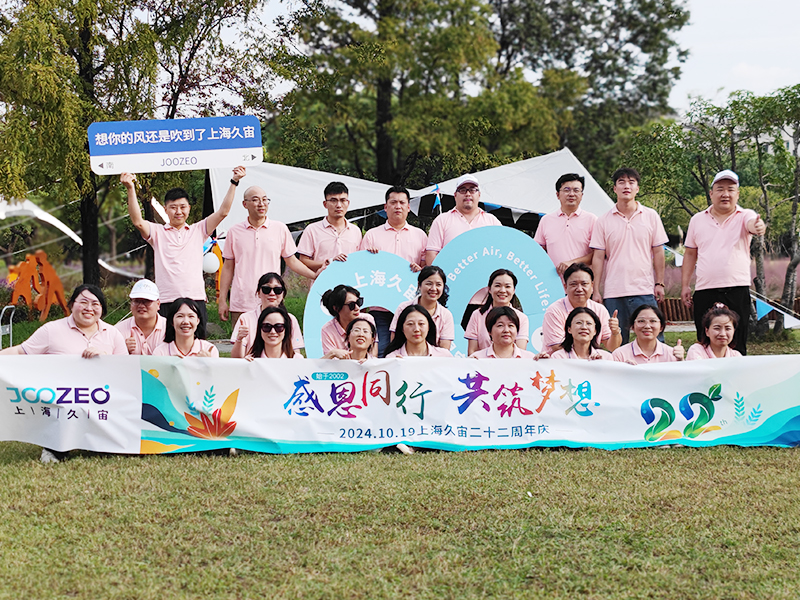
"Better air, Better life" — Committed to low-emission production and environmental safety.
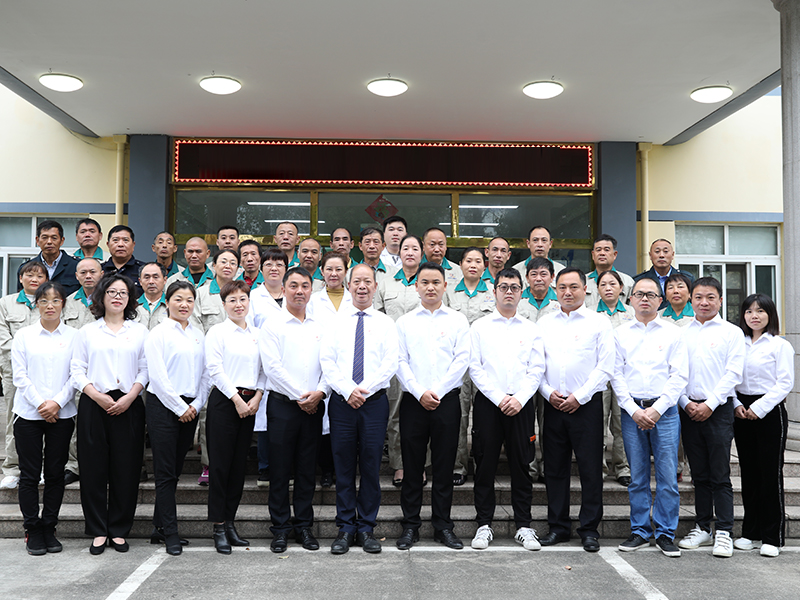
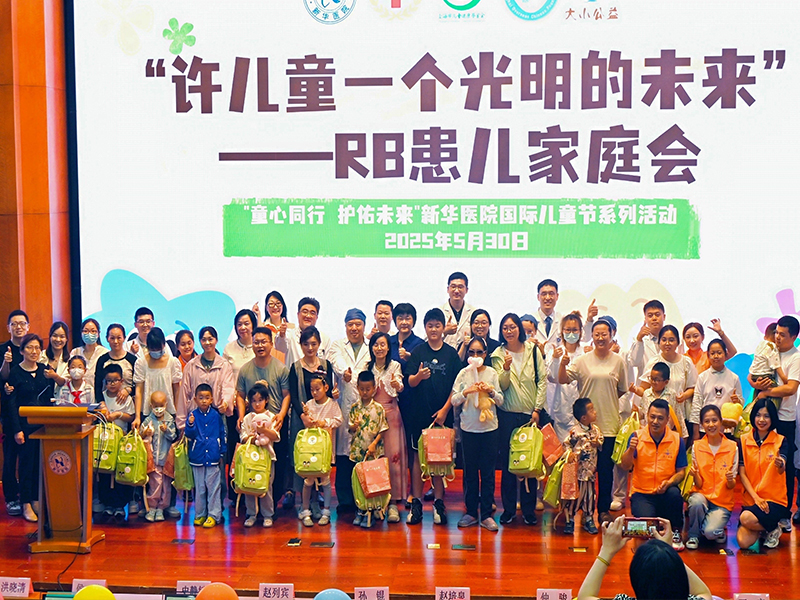
We don't just follow industry regulations — we write them. Direct contribution to national and global standards ensures our quality is undisputed.
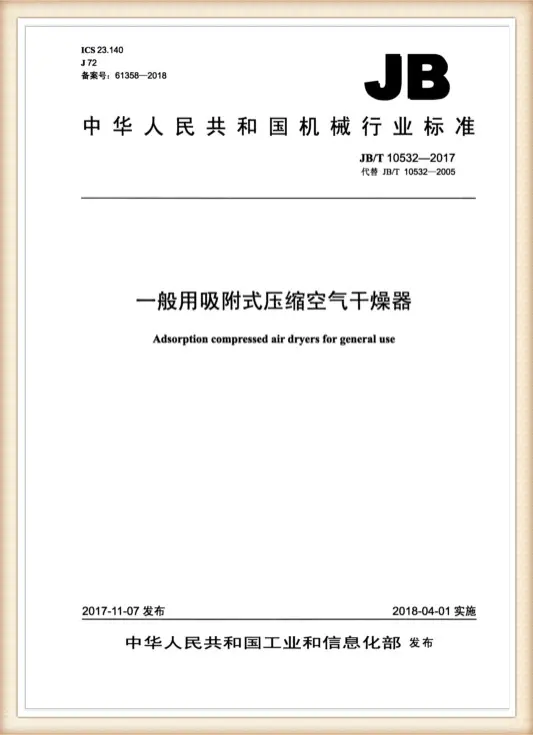
Adsorption compressed air dryers for general industrial applications. Establishes limits for dynamic desiccant performance.
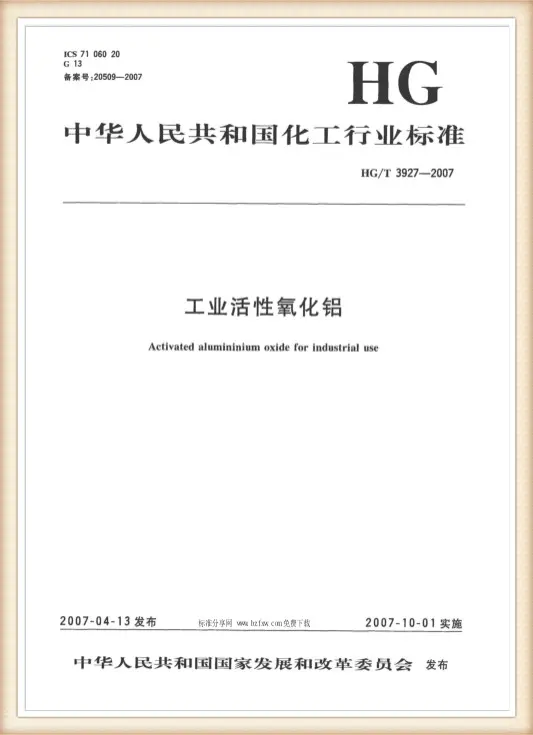
Activated aluminum oxide for industrial desiccant use. Sets structural density, crush strength, and pore volume benchmarks.
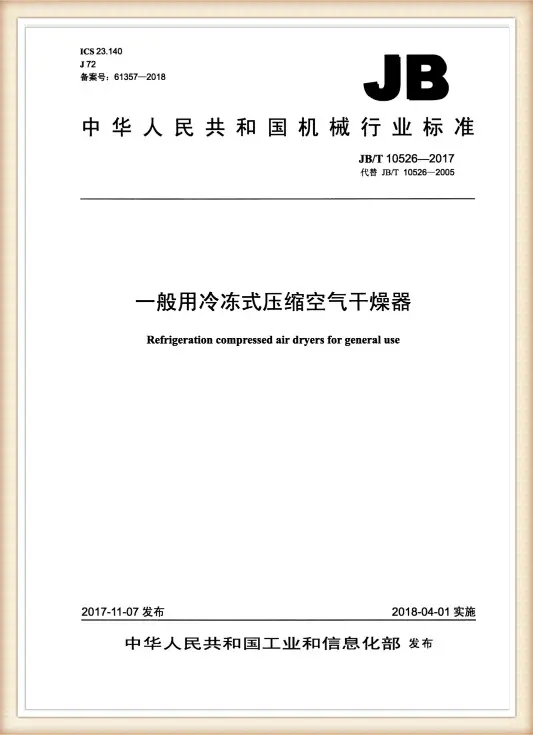
Refrigeration compressed air dryers for general industrial use, protecting auxiliary pneumatic networks.
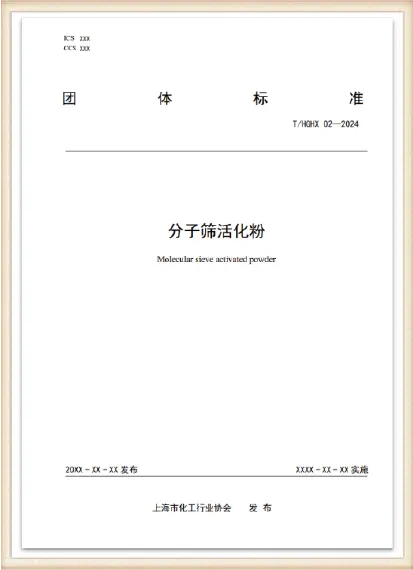
Newest standards for integrated air purification systems, validating operational parameters under varying input pressures.
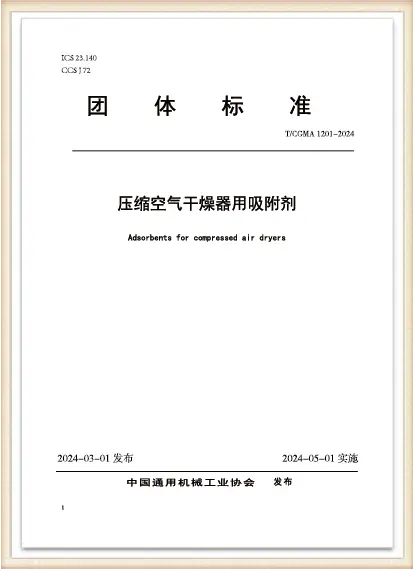
Industry-led formulation metrics defining chemical composition stability limits in dry mineral purification columns.
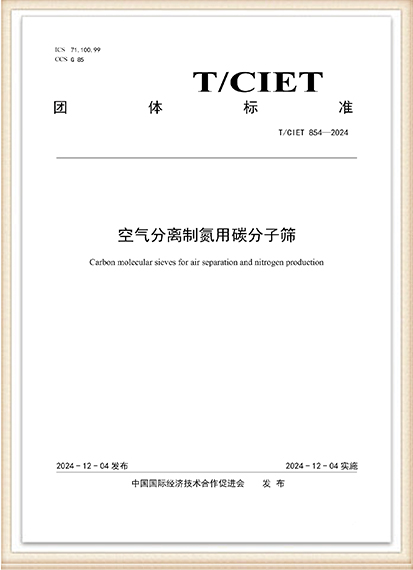
Specifies trace moisture separation indicators, defining the performance limits of high-selectivity zeolites.
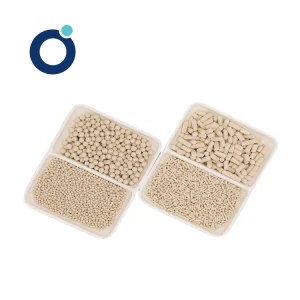
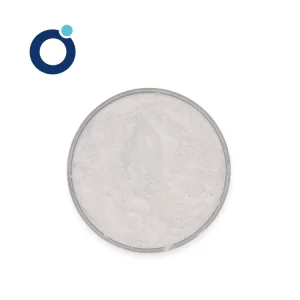
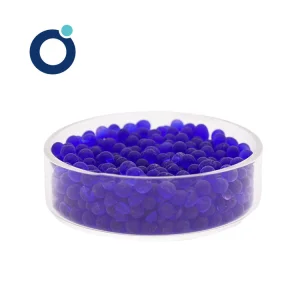
Select the ideal crystalline composition and pore size configuration for your local process application.
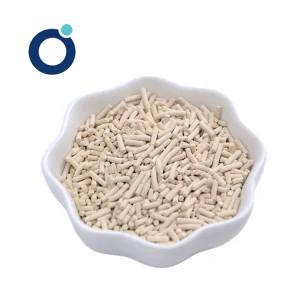
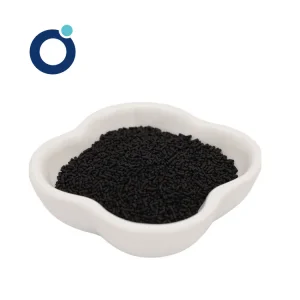
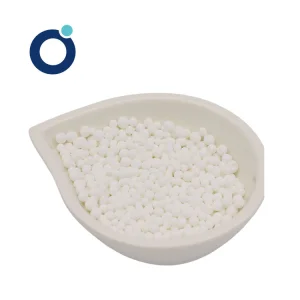
Technical and logistics questions answered by our chemical engineers and supply chain directors.
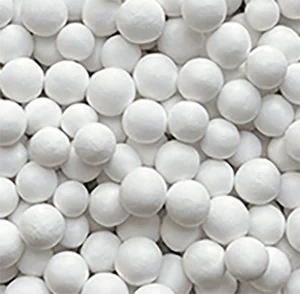
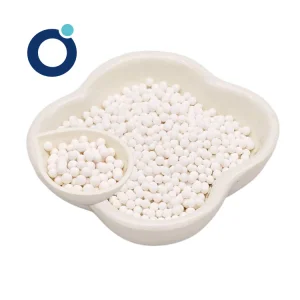
For fuel ethanol plants aiming to break the water-ethanol azeotrope, a 3A zeolite molecular sieve (like our JZ-ZMS3) is the standard requirement. Its nominal pore opening of approximately 3 Ångstroms allows water molecules (diameter ~2.8 Å) to be co-adsorbed while excluding larger ethanol molecules (~4.4 Å), preventing co-adsorption and limiting thermal loss.
We ship directly from the Port of Shanghai. Standard ocean freight to the Port of Montevideo typically takes between 35 to 45 days. To ensure adsorbent integrity during the maritime voyage through varying climate zones, all goods are sealed in heavy-duty airtight steel drums or composite big-bags with moisture-barrier inner liners.
Our products are manufactured according to rigorous standards such as JB/T 10532-2017 and HG/T 3927-2007. We operate ISO 9001:2008 certified quality management lines, and every shipment can be accompanied by an independent certificate of analysis (COA) detailing crush strength, bulk density, static water adsorption, and attrition rate.
Yes, our molecular sieves and activated aluminas are engineered as drop-in replacements. They match or exceed the physical, thermal, and adsorption characteristics of major global brands. Our technical support team can assist you in comparing particle sizes, equilibrium isotherms, and bed packing layouts to ensure seamless operation.
Generally, regeneration is achieved through temperature swing adsorption (TSA) cycles, heating the bed with a dry purge gas to a temperature range of 200°C to 300°C. For pressure swing adsorption (PSA), regeneration is initiated by reducing vessel pressure. Precise parameters depend on feed moisture concentration and mechanical plant configurations.
Contact our engineering sales team for technical consultation, material specifications, and direct factory pricing for Montevideo and broader Uruguay.
