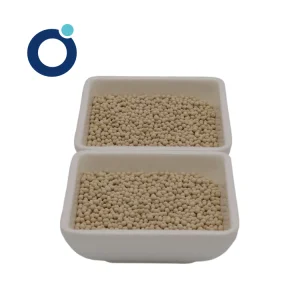
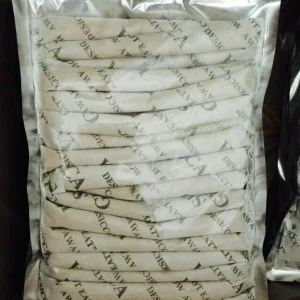
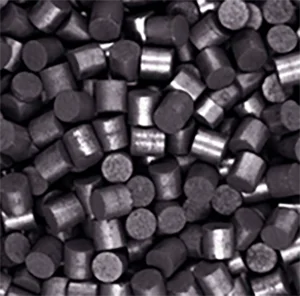
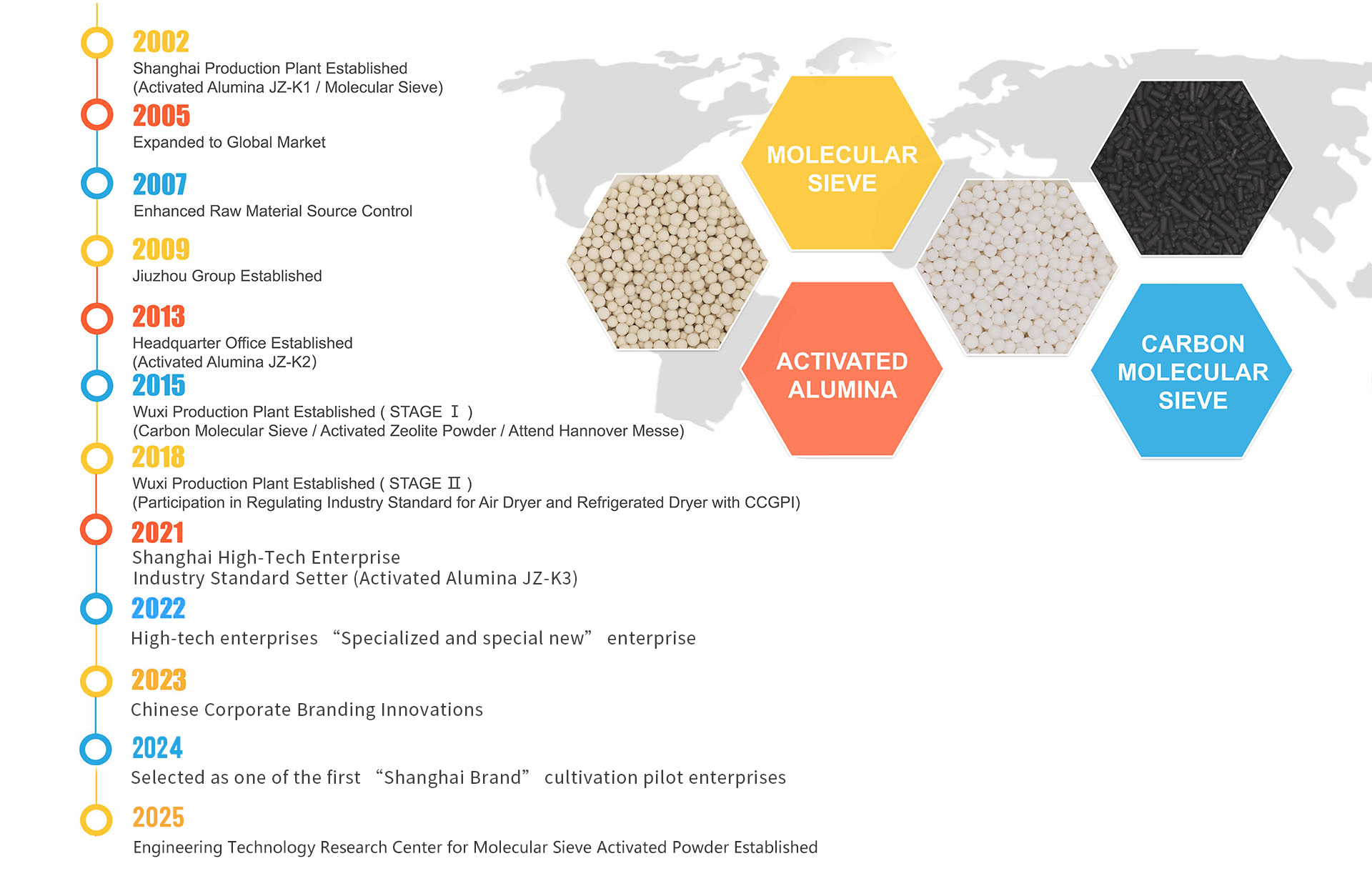
Shanghai Jiuzhou Chemicals Co., Ltd., strategically located in Shanghai, the largest economic development and manufacturing hub in China, has pioneered advanced adsorbent science for nearly three decades. Adhering to our core principle of "Quality Control 100%, Innovation 100%", we specialize in high-caliber molecular sieves, activated alumina, catalyst carriers, and high-purity ceramic balls.
Our expansive global footprint spans over 80 countries, delivering state-of-the-art adsorption solutions engineered to optimize air separation systems, petrochemical processing, water purification, and gas processing. Backed by rigorous international benchmarks including ISO 9001:2008, TUV, and SGS certifications, Joozeo stands as a trusted engineering partner for demanding global supply chains.
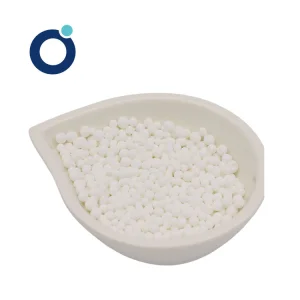
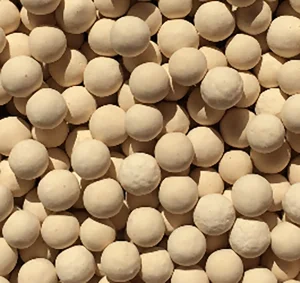
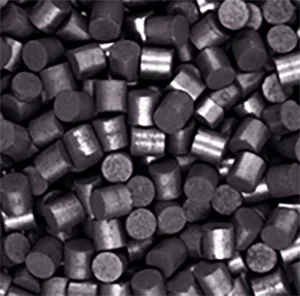
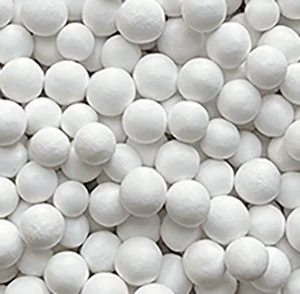
In petrochemical reactors, hydrocrackers, and reformers, chemical processes occur under severe thermal and mechanical stresses. High-purity alumina balls (specifically inert ceramic balls containing 92% to 99.7% α-Al2O3) act as support and covering materials for catalyst beds. They prevent the displacement of precious metal catalyst particles under high gas velocity, distribute flow uniformly across the reactor cross-section, and buffer temperature fluctuations. The primary physical parameters driving procurement decisions are crush strength, thermal shock resistance, and chemical inertness under acidic or basic process streams.
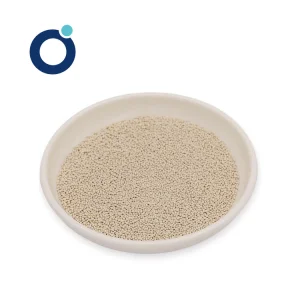
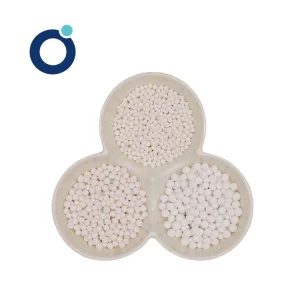
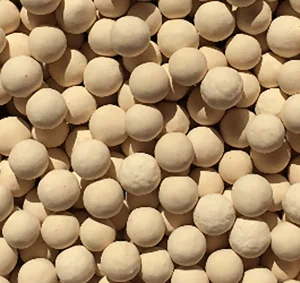
Unlike inert alumina balls, activated alumina balls feature a highly porous structure with transition phases (primarily γ-Al2O3). This structure yields an exceptionally high specific surface area, typically ranging from 250 to 380 m²/g. Activated alumina exhibits strong affinity for polar molecules, making it the premier industry choice for:
High-density alumina grinding balls (typically 92% Al2O3 and above) are used in ball mills to grind glaze, clay, pigment, and high-purity minerals. Their high density (3.60 to 3.80 g/cm³) and superior wear resistance drastically reduce grinding time, conserve energy, and eliminate silica contamination in fine ceramic manufacturing.
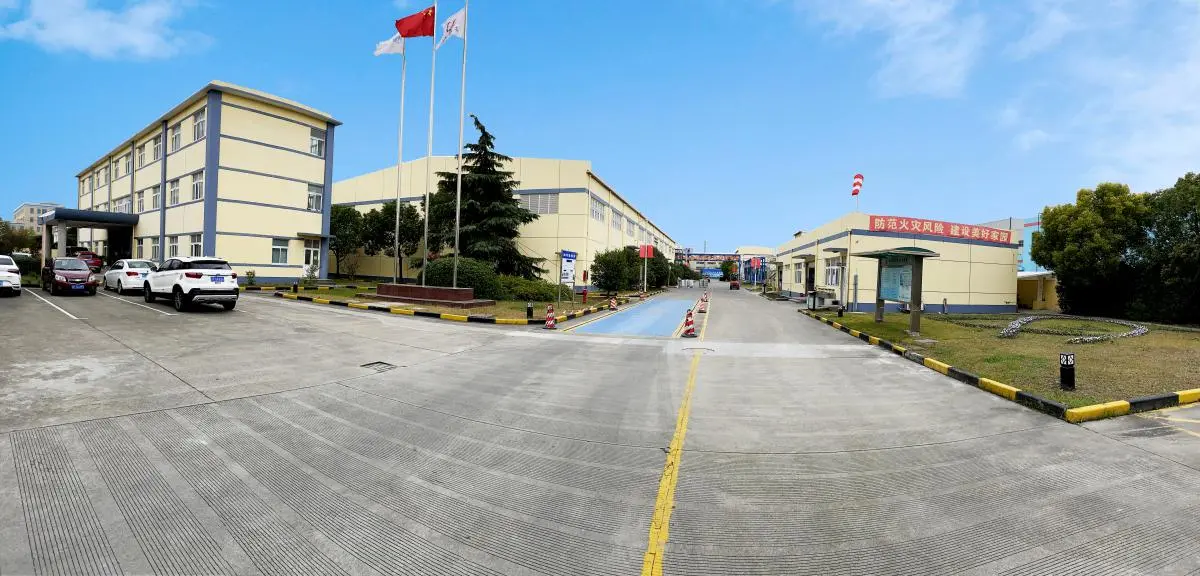
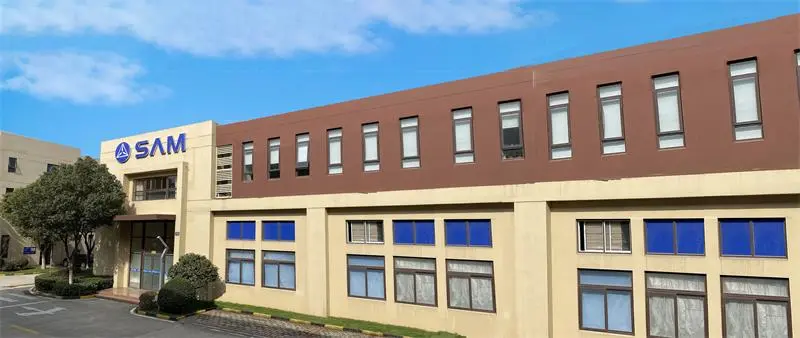
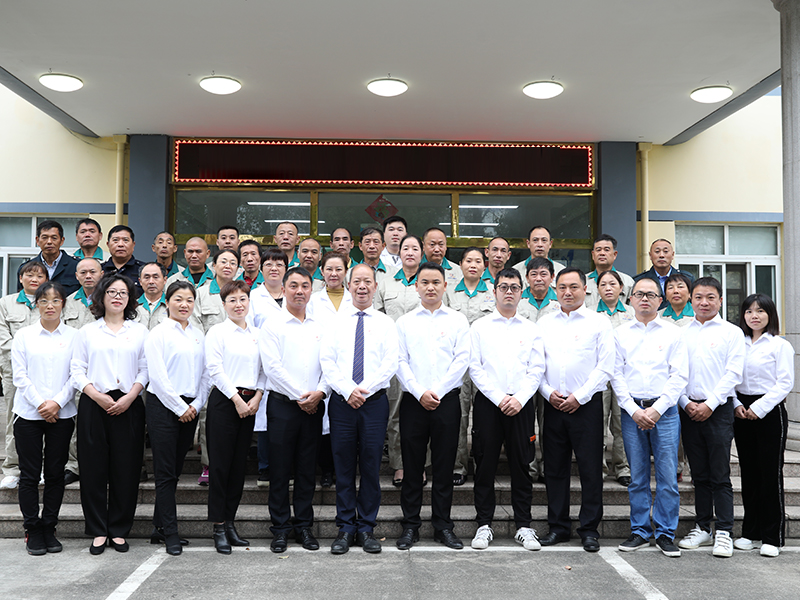
Our manufacturing capacity is split between two state-of-the-art facilities equipped with modern rotational forming systems, computer-controlled calcination kilns, and dynamic adsorption testing laboratories.
JOOZEO does not merely conform to industrial norms; we define them. Our research directors sit on municipal and national committees that formulate industrial guidelines. Our factories operate in strict alignment with several major benchmarks:
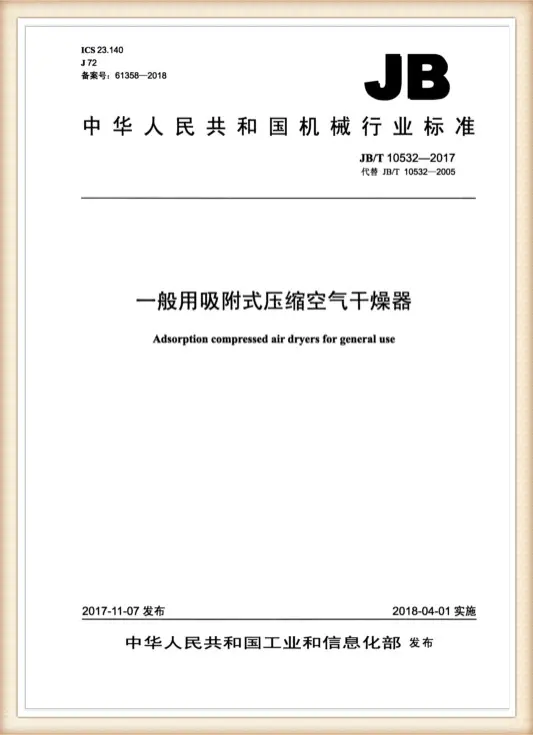
Adsorption compressed air dryers for general industrial applications.
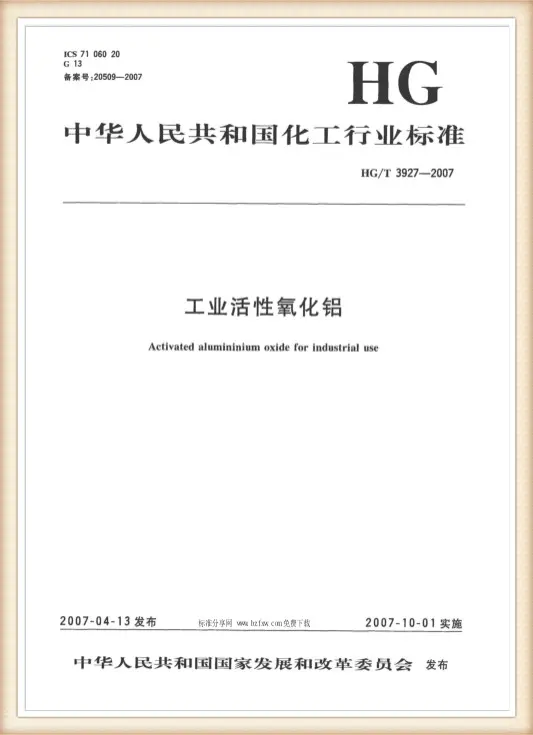
Activated aluminum oxide validation parameters for chemical processing.
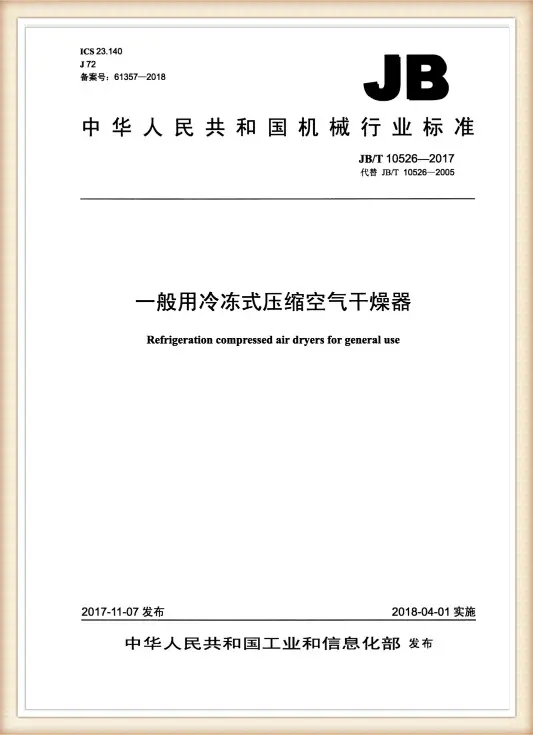
Refrigeration compressed air dryer system standards.
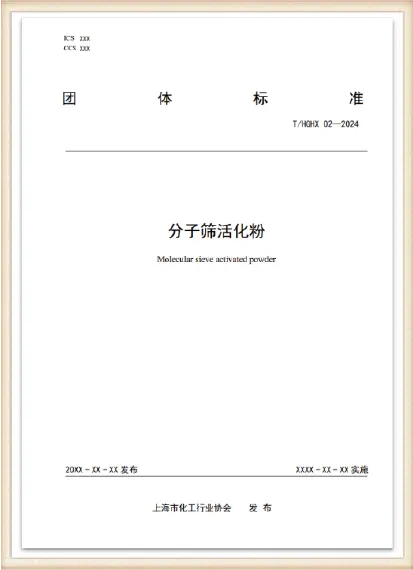
Recent national directive regulating next-gen gas drying and purification.
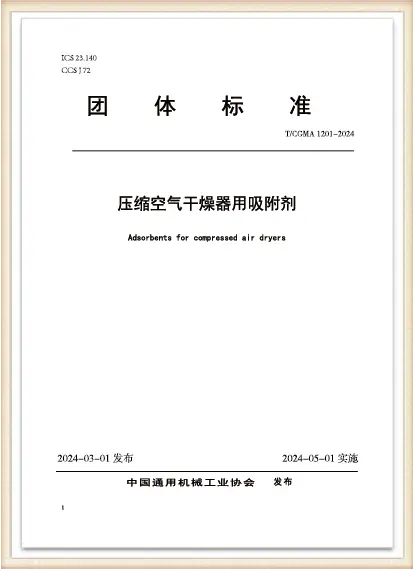
Standardizing testing procedures for thermal mechanical stability.
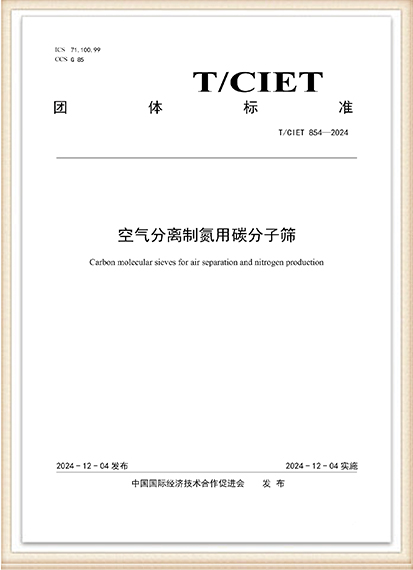
Guidelines for low-carbon manufacturing processes in chemical separation media.
The global alumina ball market is dictated by bauxite feedstock prices, electricity costs (necessary for high-temperature calcination), and maritime logistics. High-density alumina requires precision firing at temperatures exceeding 1600°C. Fluctuations in LNG or coal power costs heavily shift FOB pricing templates in key chemical corridors.
Sophisticated engineering procurement leads shift focus from initial unit price to Total Cost of Ownership (TCO). Selecting low-grade alumina balls often results in accelerated attrition. High attrition causes fines to migrate downstream, blocking catalyst beds, spiking pressure drops (ΔP), and forcing unscheduled shutdowns. By securing high-strength balls with low wear rates (typically <0.01% in wet grinding systems), plants run continuously, offsetting small initial premium costs within months.
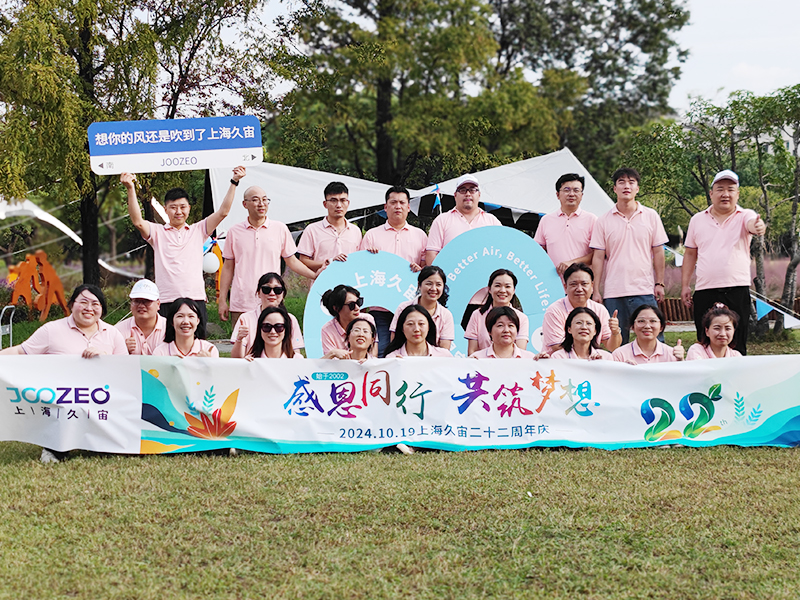
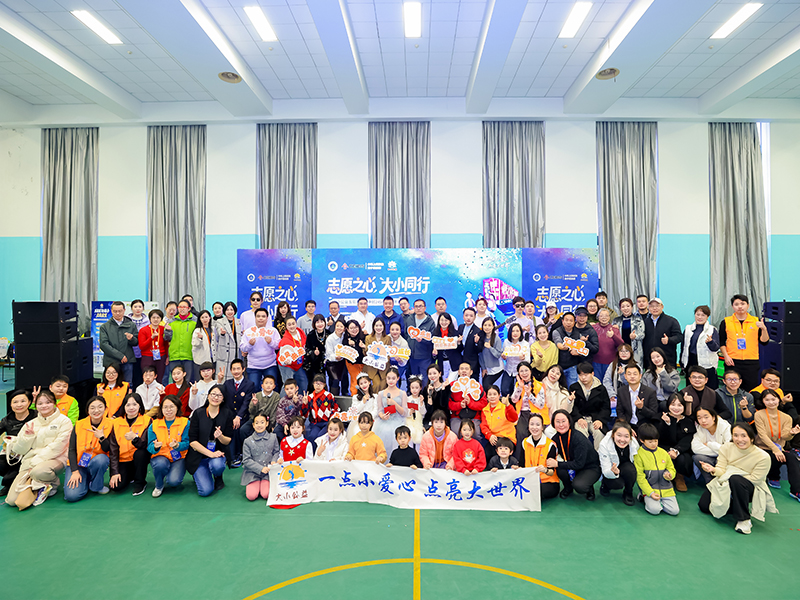
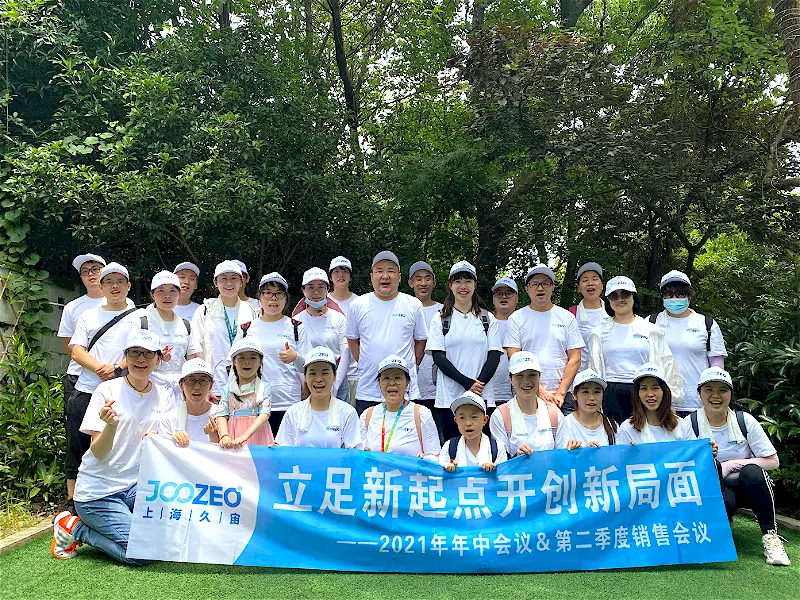
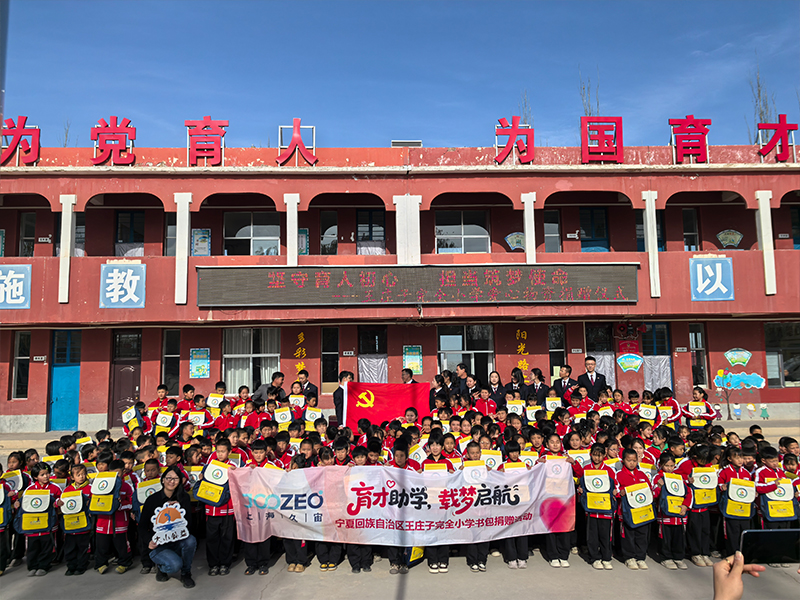
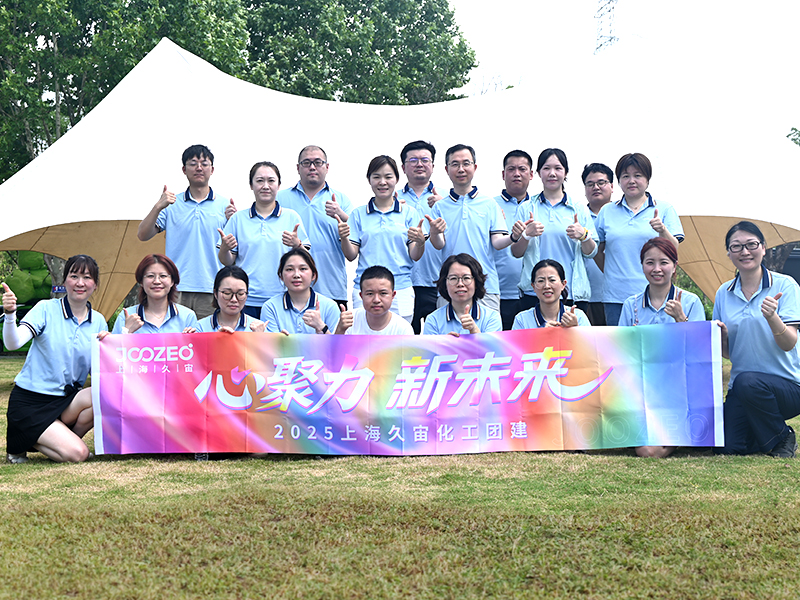
"Better air, Better life" is not just a slogan; it is the cornerstone of JOOZEO's manufacturing roadmap. Under strict green energy directives, our new Wuxi and Shanghai production lines leverage heat-recovery loops to capture exhaust from calciners. This recycled heat powers raw-materials drying, cutting carbon emissions by up to 22% compared to historical baselines.
We work closely with regional distributors in the United States, Southeast Asia, Japan, Europe, and Latin America. This localized approach guarantees that clients receive quick technical support, warehousing solutions, and compliance with REACH, EPA, and local waste disposal standards.
As the chemical and industrial sectors pivot toward carbon neutrality, the demands placed on separation media are evolving. JOOZEO is investing in several future-focused technologies:
Traditional gamma alumina structures undergo phase transitions when exposed to high-pressure steam, causing structural collapse. Our engineering team is currently testing modified theta-phase carriers doped with silica and rare-earth metals to provide reliable long-term stability under severe hydrothermal conditions.
Using advanced organic templates during the extrusion phase, we are designing catalyst carrier substrates with bimodal pore-size distributions. This design optimizes diffusion paths for bulky hydrocarbon feedstocks while maintaining active sites within narrower pore domains.
Next-generation molecular sieves and activated alumina lines will operate at lower regeneration temperatures, decreasing thermal energy consumption during desorbing cycles in major industrial drying systems.
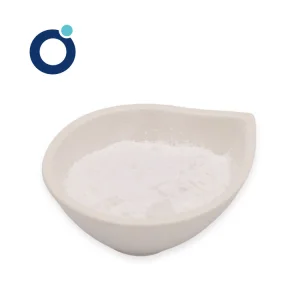
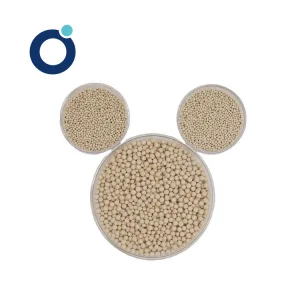
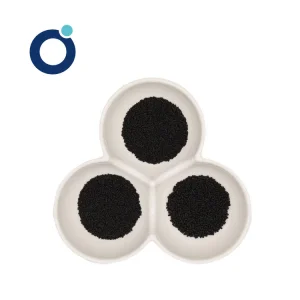
Reach out to our global technical service desks. Our engineering team responds within 24 hours with product pricing, custom formulations, and technical data sheets.
Send Enquiry Request