High-efficiency desiccant and catalyst formulations engineered for global industrial systems
A comprehensive analysis of calcium-exchanged aluminosilicate chemistry and market development
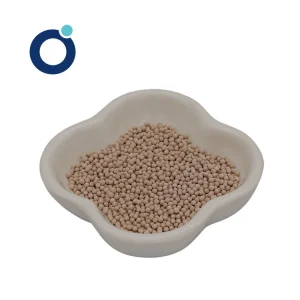
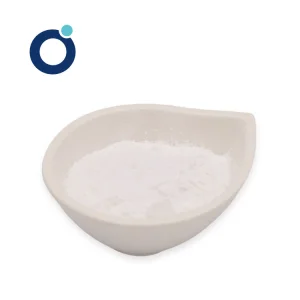
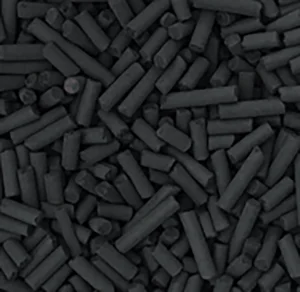
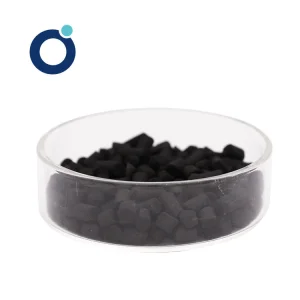
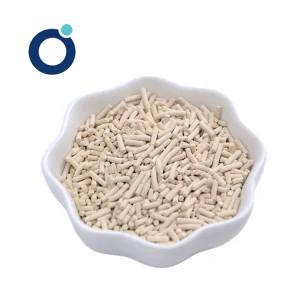
Molecular Sieve 5A is an alkali aluminosilicate crystalline mineral belonging to the synthetic zeolite family, specifically the calcium-exchanged form of the Type A crystal structure. Chemically represented as $0.7\text{CaO} \cdot 0.3\text{Na}_2\text{O} \cdot \text{Al}_2\text{O}_3 \cdot 2\text{SiO}_2 \cdot n\text{H}_2\text{O}$, it features an effective pore opening of approximately 5 Angstroms (0.5 nm). This precise structural geometry allows the molecular sieve to act as a physical filter on a molecular scale. Any compound with a kinetic diameter of less than 5 Angstroms—such as normal (straight-chain) hydrocarbons, alcohols, mercaptans, carbon dioxide, and moisture—can be selectively adsorbed within its inner cavity network, while branched-chain hydrocarbons (iso-paraffins) and cyclic structures are systematically excluded due to steric hindrance.
The underlying thermodynamic and kinetic selectivity of Molecular Sieve 5A makes it an irreplaceable material in petrochemical refineries, air separation units (ASUs), natural gas processing complexes, and medical oxygen production plants. The divalent calcium ions ($Ca^{2+}$) within the framework replace the original monovalent sodium ions ($Na^+$) of the 4A zeolite structure. This ion-exchange process increases the available pore size from 4Å to 5Å and enhances the electrostatic field within the cavities. The strong localized charge density generated by the calcium cations enables the molecular sieve to interact strongly with polar compounds and polarizable molecules, resulting in high affinity even under low partial pressure conditions.
On a global scale, the demand for Molecular Sieve 5A has grown significantly due to tightening environmental regulations, the expansion of the clean energy sector, and the modernization of chemical processing facilities. In North America and Europe, strict natural gas sweetening and biogas upgrading standards require high-capacity, low-attrition molecular sieves to minimize system downtime. The growth of the hydrogen economy has also created substantial demand for 5A molecular sieves in Pressure Swing Adsorption (PSA) systems, where they are used to produce high-purity hydrogen ($>99.999\%$) for fuel cell applications and petroleum hydrocracking processes.
In developing regions, industrialization and the localization of chemical supply chains are driving rapid adoption. Industries are shifting from traditional liquid amine absorption systems to dry-bed zeolite adsorption technologies due to lower operational costs, minimal environmental emissions, and simpler system design. The global market is transitioning from simple commodity purchasing to specialized, application-engineered adsorbents designed to match specific feed gas compositions, moisture profiles, and operating pressures.
Co-adsorption of $H_2S$, $CO_2$, and trace organic sulfur compounds (mercaptans) to protect downstream equipment and prevent pipeline corrosion.
Separation of normal paraffins from iso-paraffins to improve octane ratings in gasoline production or supply pure straight-chain alkanes for detergent synthesis.
Critical nitrogen removal in oxygen concentrators and heavy impurity extraction in hydrogen purifiers, ensuring reliable gas purity levels.
A legacy of innovation, quality control, and global trade relationships since 1994
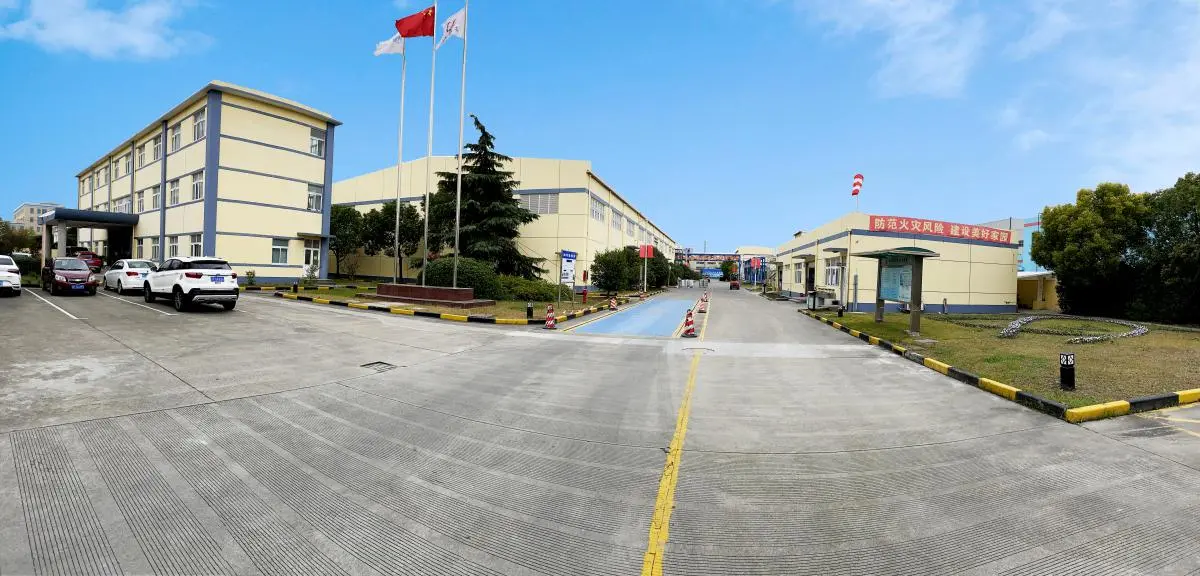
Shanghai Jiuzhou Chemicals Co., Ltd. is located in Shanghai, the largest economic development city in China. Over the years, Jiuzhou has always adhered to the "quality control, innovation" principles, committed to the development, research, and manufacturing of high-quality innovative chemical products. Our main products include various molecular sieve powders, molecular sieves, activated powder, activated alumina, aluminum oxide catalysts, different types of alumina packing and ceramic balls, sodium silicates, aluminum hydroxide, zeolite 4A, sodium carbonates, SLES, etc. All of our products have passed the ISO9001:2008 quality management system certification, as well as TUV & SGS certifications.
The Jiuzhou factory maintains a professional, world-class research team and deep expertise in chemical product resources. We leverage modern international production technology and professional equipment, constructed in line with national standards. Our operations feature large-scale multipurpose plant monitoring and a central laboratory equipped with advanced analytical instruments to ensure every product meets international performance standards.
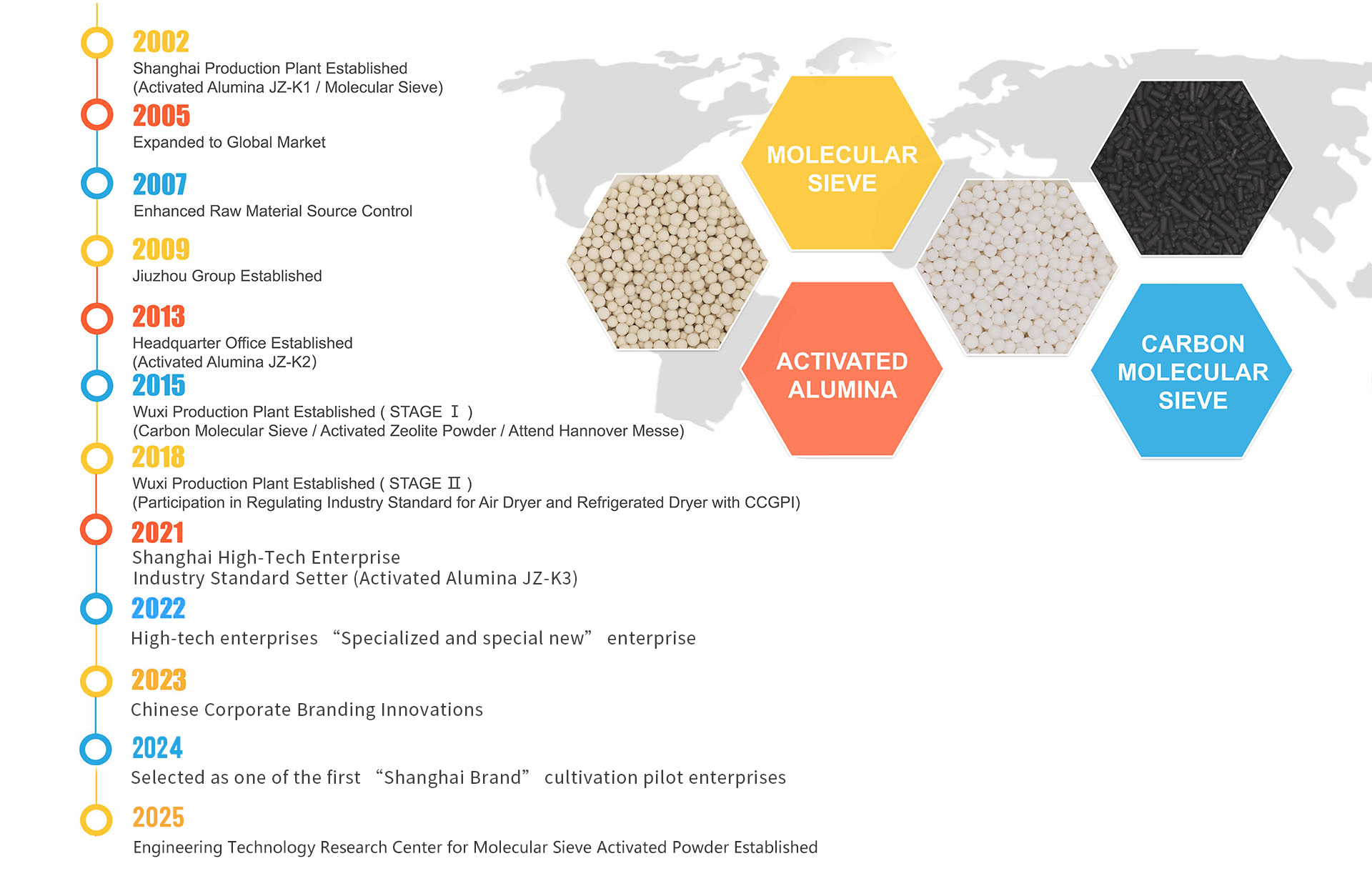
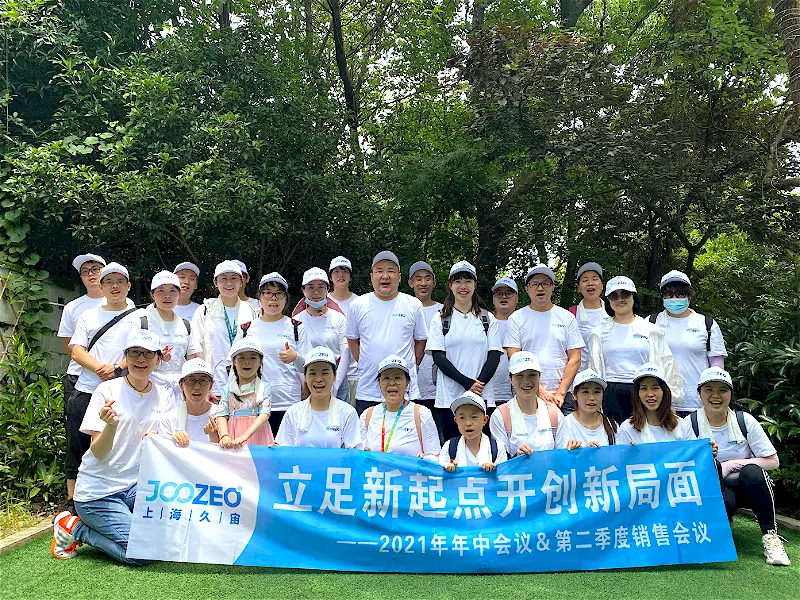
Jiuzhou's technical strength and industry reputation make it a leading manufacturer in the desiccant and adsorbent sector. Supported by senior experts, technical reserves, automated multi-functional production workshops, and a dedicated dynamic testing laboratory, we have established a scientific and comprehensive operating system. Joozeo products are exported globally, with active distribution networks in the United States, Southeast Asia, Japan, Europe, North and South America, the Middle East, and other regions. We provide partners with high-quality products, customized services, and energy-saving, environmentally friendly adsorption solutions.
Strict raw material validation, automated processing parameters, and comprehensive batch tracking guarantee zero-defect performance.
Ongoing R&D investments focus on improving pore geometry, increasing mass transfer rates, and enhancing physical durability.

How automation and local integration secure the global supply chain
The chemical manufacturing sector is undergoing an industrial evolution driven by the integration of IoT, machine learning, and automated process control. Joozeo's manufacturing facilities are engineered around this Factory 4.0 blueprint. By automating raw material mixing, hydrothermal crystallization, extrusion, drying, and calcination phases, we eliminate batch-to-batch variation. Precision temperature monitoring during calcination prevents over-firing, which can collapse zeolite pores, and under-firing, which leaves residual moisture.
This level of control ensures high-grade mechanical integrity. Mechanical degradation of adsorbents within a tower leads to dust generation, pressure drops, channel flow, and reduced gas processing capacity. Our production processes minimize attrition rates (typically $<0.1\text{ wt}\%$) and maintain high crush strength, protecting industrial operations from unplanned shutdowns.
Committed to sustainable chemical production and helping shape regulatory frameworks
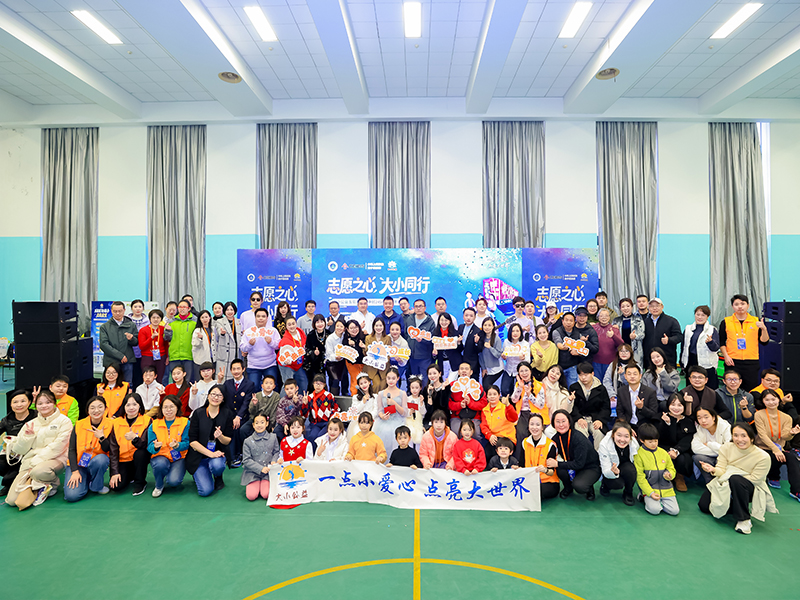
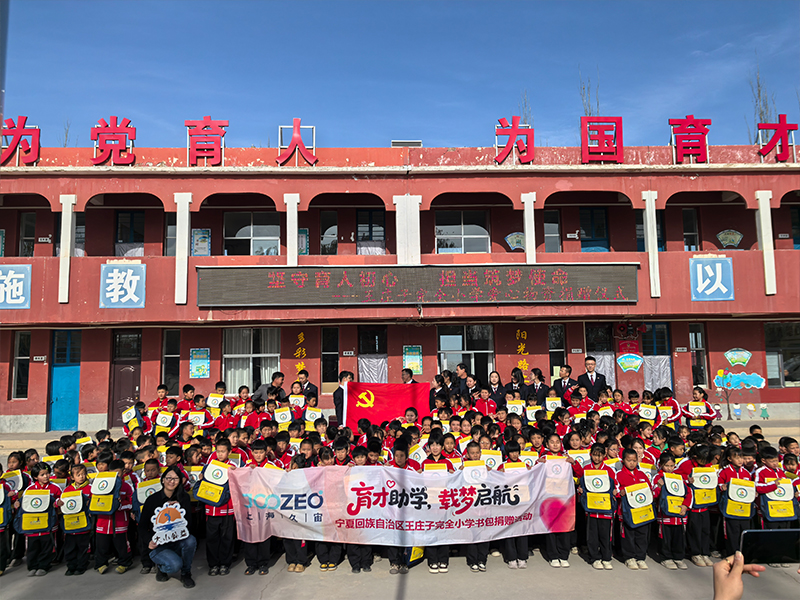
Our environmental, social, and governance (ESG) initiatives focus on reducing energy consumption during the thermal activation of zeolites and maximizing the life cycle of every batch to minimize waste.


Joozeo's active participation in setting national and industry benchmarks
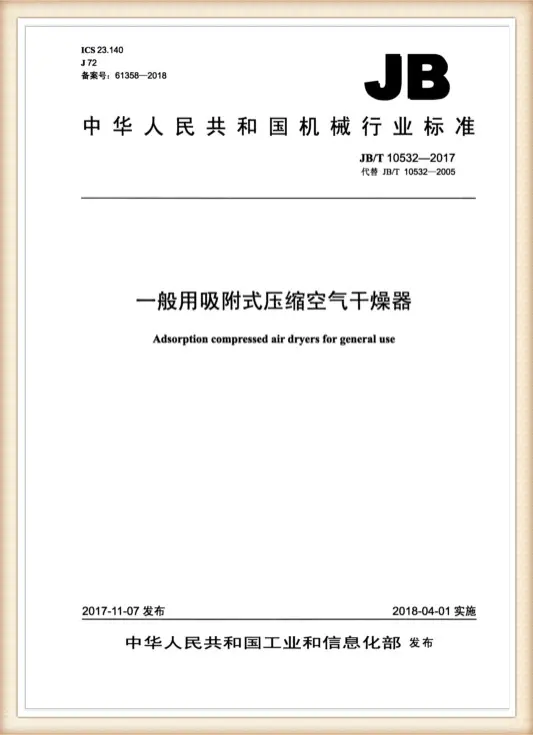
JB / T 10532-2017
Adsorption compressed air dryers for general use
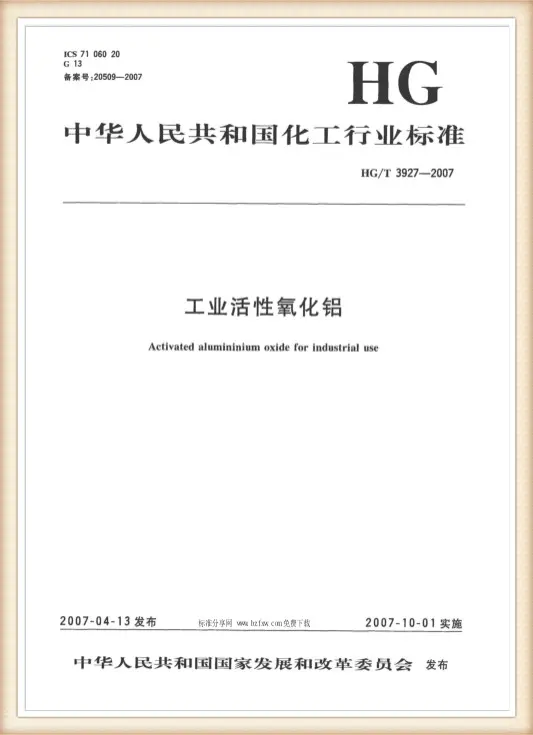
HG / T 3927-2007
Activated aluminium oxide for industrial use
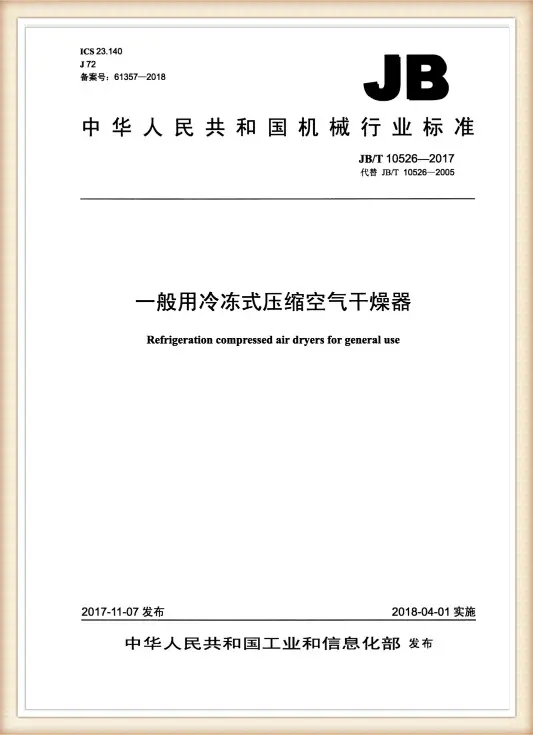
JB / T 10526-2017
Refrigeration compressed air dryers for general use
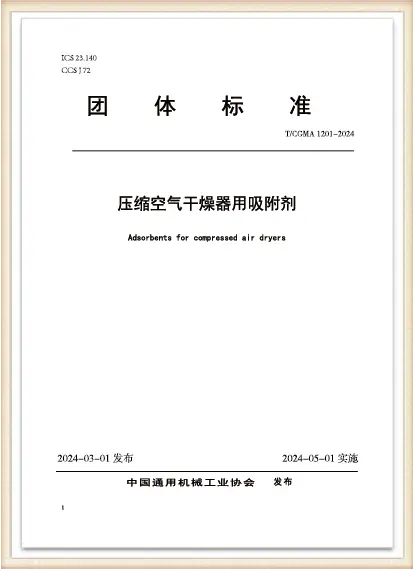
T/CGMA1201-2024
Compressed air system standard certification
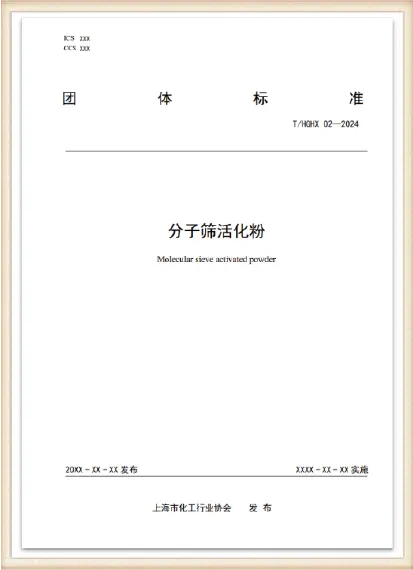
T/HGHX 02—2024
Industrial adsorption materials evaluation criteria
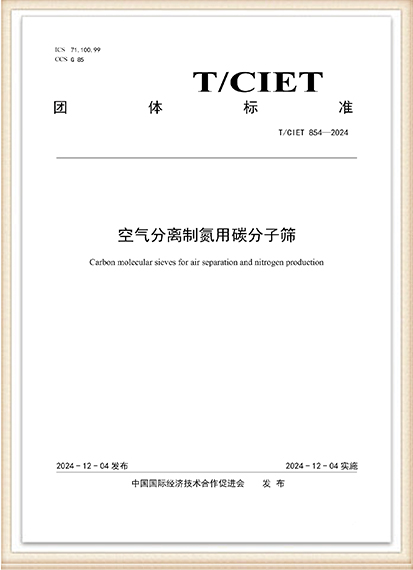
T/CIET 854-2024
Green manufacturing & environmental criteria
Tailored configurations engineered for specific industrial environments
In modern air separation units (ASUs), Molecular Sieve 5A is used to capture trace carbon dioxide, dinitrogen monoxide, and water vapor from ambient air streams before liquefaction. In these configurations, the adsorbent must maintain high dynamic capacity to prevent trace levels of $CO_2$ from freezing inside cryogenic heat exchangers. Selecting a molecular sieve with high thermal conductivity and rapid mass transfer properties reduces regeneration cycles, lowering overall energy usage.
Before natural gas can be liquefied at $-162^\circ\text{C}$, acid gases like $H_2S$ and $CO_2$ must be reduced to less than 4 ppmv and 50 ppmv, respectively. Molecular Sieve 5A provides selective co-adsorption of water and volatile sulfur compounds. Under high-pressure feed conditions ($50–80\text{ bar}$), the binder system within our molecular sieve beads resists breakdown, maintaining stable pressure drops throughout the bed's lifecycle.
In refining, normal paraffins are separated from iso-paraffins to supply straight-chain chemical feedstocks for detergents and plasticizers, while retaining high-octane branched isomers in the fuel pool. Our 5A molecular sieves feature precise 5Å pore apertures and low catalytic activity, which helps prevent olefin polymerization and coke formation within the zeolite cages, extending operating lifespans.
Technical answers to common engineering and procurement queries
Advanced purification media, catalysts, and molecular sieves for industrial gas processing
Any Problem, please feel free to contact us. Respond within 24 hours.
Send Request