Engineered catalysts and high-performance molecular sieves manufactured under strict ISO 9001:2008 quality control protocols.
Analyzing the scientific foundations, global demand matrix, and optimization trends in modern mass transfer technology.
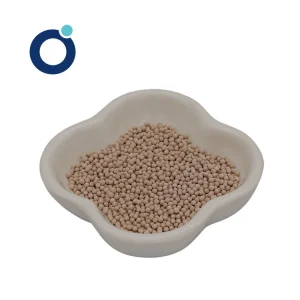
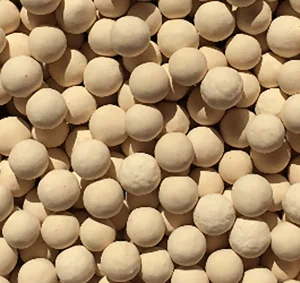
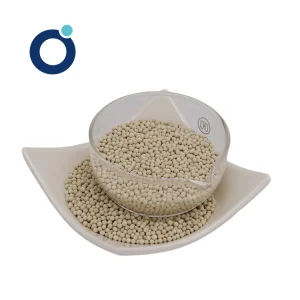
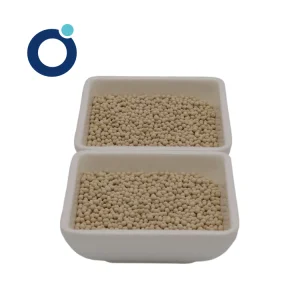
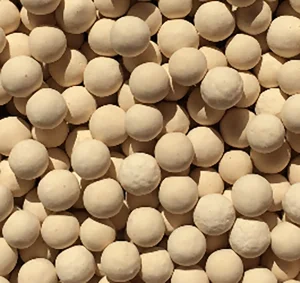
Molecular Sieve 13X is an alkali metal aluminosilicate belonging to the faujasite (FAU) type crystal framework. It is the sodium form of the Type X crystal structure, characterized by a highly defined pore network of 10 Angstroms (1.0 nm). This critical aperture is significantly larger than Type A zeolites (3A, 4A, and 5A), enabling the co-adsorption of larger molecular kinetic diameters.
The basic chemical formula of Zeolite 13X is Na86[(AlO2)86(SiO2)106]·xH2O. The high ratio of aluminum inside its tetrahedral frameworks coordinates with positive sodium ions, generating a dense electrostatic field. This intense local electrostatic charge creates strong physical attraction forces (van der Waals and electrostatic attractions) for highly polar molecules like H2O, CO2, and H2S. It exhibits excellent selectivity for trace impurities in complex gas streams, allowing it to achieve dew points lower than -70°C.
The global requirement for Molecular Sieve 13X is expanding, driven by petrochemical processing upgrades, environmental regulations, and energy security initiatives. Key regional demand centers include:
Driven by natural gas sweetening and ethane recovery. Standard applications demand high physical crush strength to withstand high-pressure cyclic regeneration in Natural Gas Liquid (NGL) facilities.
Strict focus on carbon capture and storage (CCS) systems, biomethane purification, and zero-emission industrial air purification. Low-energy regeneration and binderless sieves are prioritized here.
Driven by industrial growth in China and India. Rapid expansion of cryogenic air separation units (ASUs) to support steel works, chemical synthesis plants, and semiconductor fabrication cleanrooms.
To assist chemical engineers and industrial buyers, we present a comparative breakdown of standard 13X grades versus high-performance variations optimized for air purification (13X-APG) and oxygen generation (VPSA/PSA).
| Property Parameter | Standard Molecular Sieve 13X | Molecular Sieve 13X-APG Grade | High Performance VPSA-O2 Grade |
|---|---|---|---|
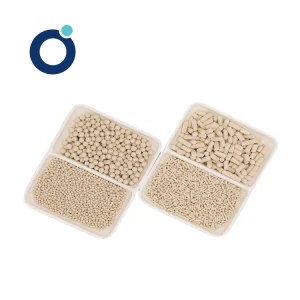
| Primary Bead/Pellet Diameters | 1.6-2.5 mm, 3.0-5.0 mm | 1.6-2.5 mm, 3.0-5.0 mm | 0.4-0.8 mm, 1.6-2.5 mm |
| Static H2O Adsorption Capacity | ≥ 26.0 wt.% (at 25°C, RH 75%) | ≥ 27.0 wt.% (at 25°C, RH 75%) | ≥ 28.5 wt.% (at 25°C, RH 75%) |
| Static CO2 Adsorption Capacity | ≥ 18.0 Nml/g (at 250mmHg, 25°C) | ≥ 19.5 Nml/g (at 250mmHg, 25°C) | ≥ 21.0 Nml/g (at 250mmHg, 25°C) |
| Crush Strength (Beads Ø3-5mm) | ≥ 85 N / particle | ≥ 95 N / particle | ≥ 105 N / particle |
| Bulk Density | 0.62 - 0.68 g/ml | 0.64 - 0.70 g/ml | 0.63 - 0.69 g/ml |
| Attrition Rate (Wear Rate) | ≤ 0.10 wt.% | ≤ 0.05 wt.% | ≤ 0.08 wt.% |
| Residual Water Content (LOI) | ≤ 1.5 wt.% | ≤ 1.0 wt.% | ≤ 0.8 wt.% |
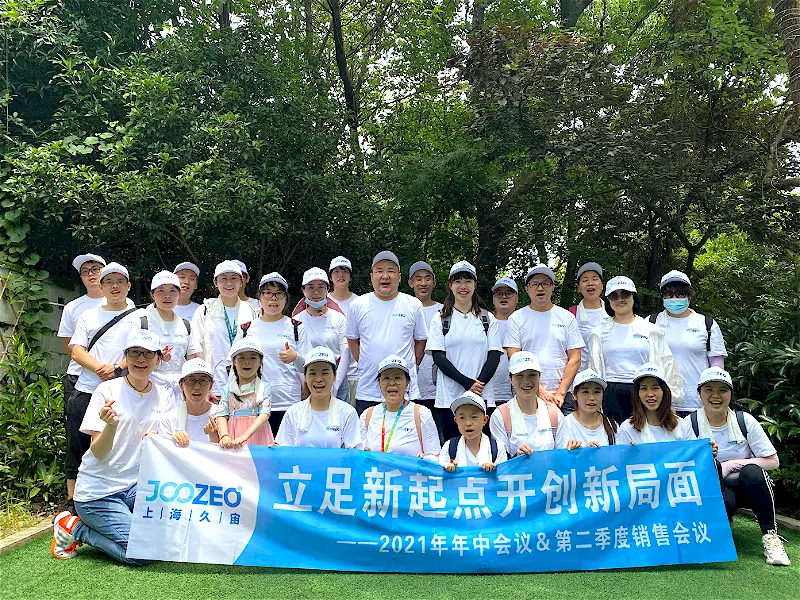
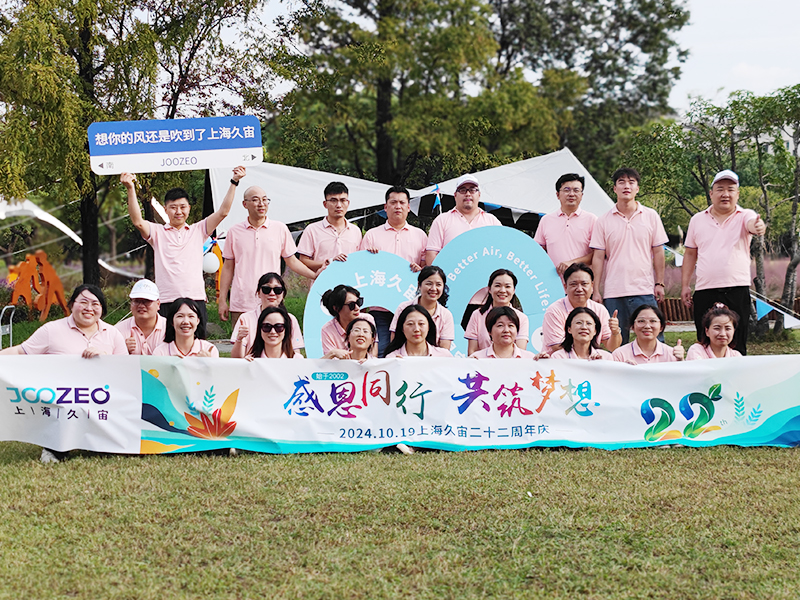
Strategically headquartered in Shanghai, China's financial and trade powerhouse, JOOZEO has focused on the engineering, development, and manufacturing of premium industrial adsorbents and chemical agents for over three decades.
By integrating automated raw material sourcing, hydrothermally controlled batch crystallization, and precision baking processes, we manage a lean supply chain that delivers high efficiency, fast cycle times, and reliable mechanical properties. Our dynamic and analytical laboratories operate with high-spec equipment to audit every batch of molecular sieves before dispatch, ensuring complete conformance with international ISO 9001:2008, TUV, and SGS requirements.
Under our corporate motto "Better air, Better life", JOOZEO provides engineering solutions that reduce power consumption during thermal swing desorption, helping plants lower their carbon footprint globally.
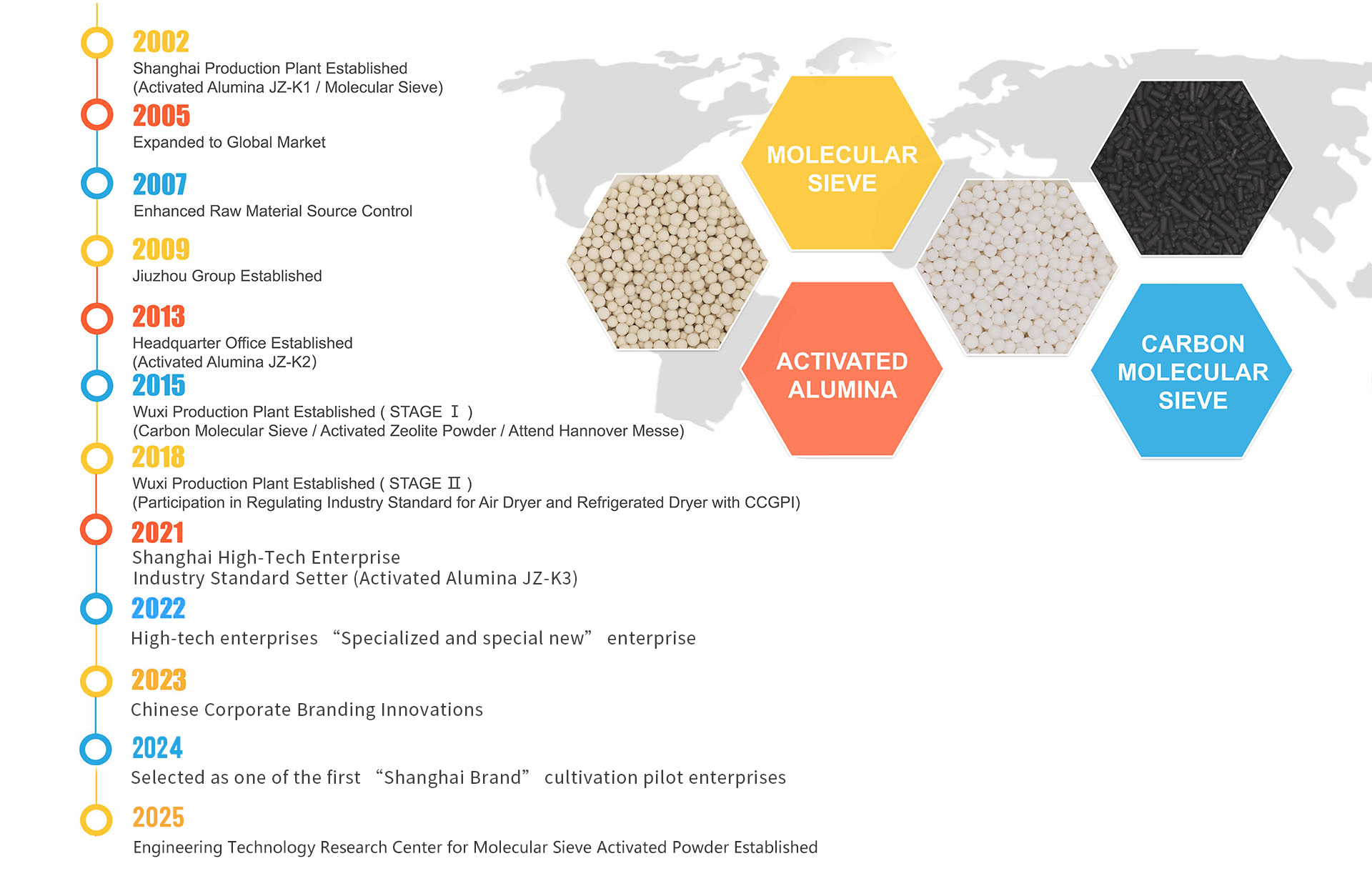
Operating dual chemical facilities optimized for custom molecular sieve syntheses, high thermal stability, and large-scale bulk export.
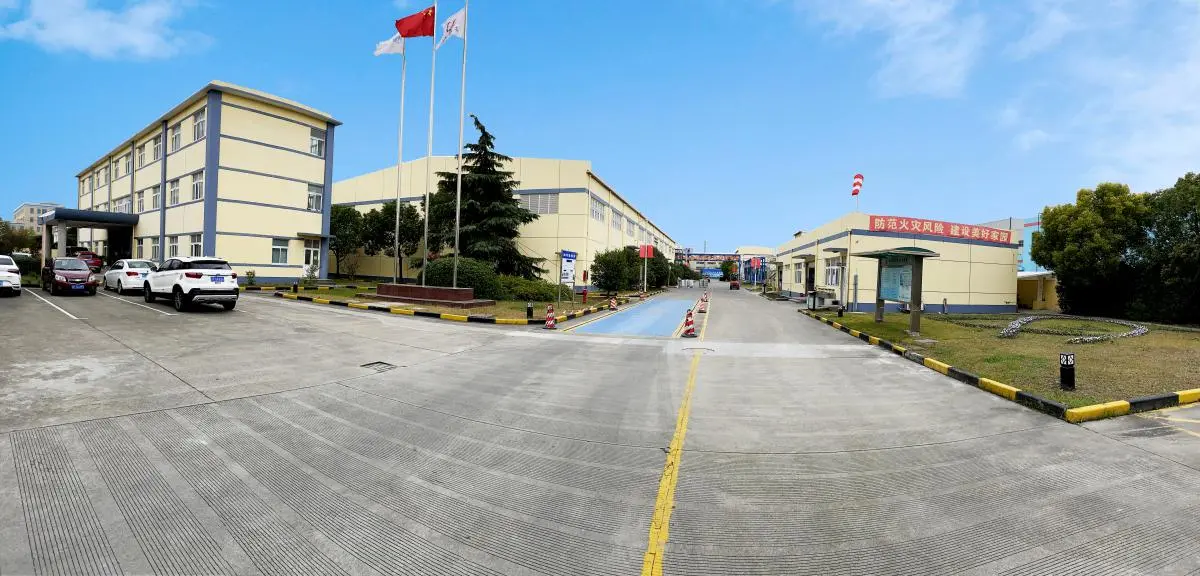
Our primary facility for customized research, product formulation, and global export coordination. It houses a state-of-the-art testing facility that runs real-world simulations of high-pressure mass transfer zones.
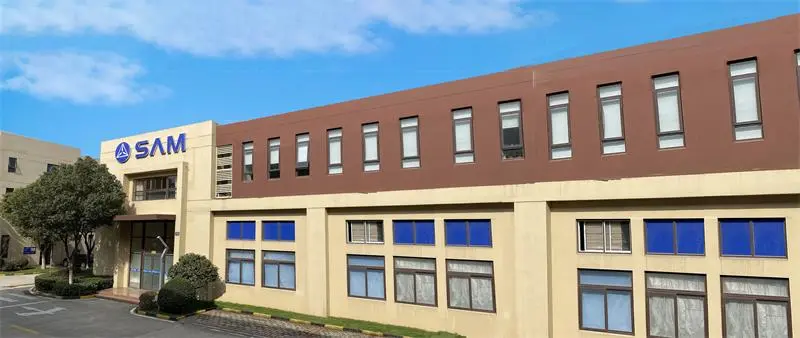
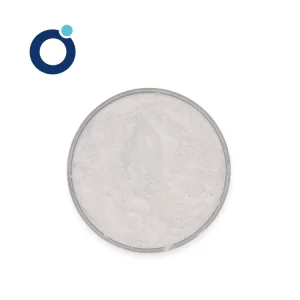
Our heavy manufacturing center, equipped with automated rotary calcination systems and high-capacity pellet extruders. This facility ensures a reliable supply of molecular sieve powders and beads to our international partners.
JOOZEO is not just a commercial manufacturer; we are an active contributor to the standardization of industrial desiccants and dryers in China. We have contributed to the creation and optimization of several chemical standards. These regulations dictate structural specifications, testing metrics, and quality metrics across industrial sectors:
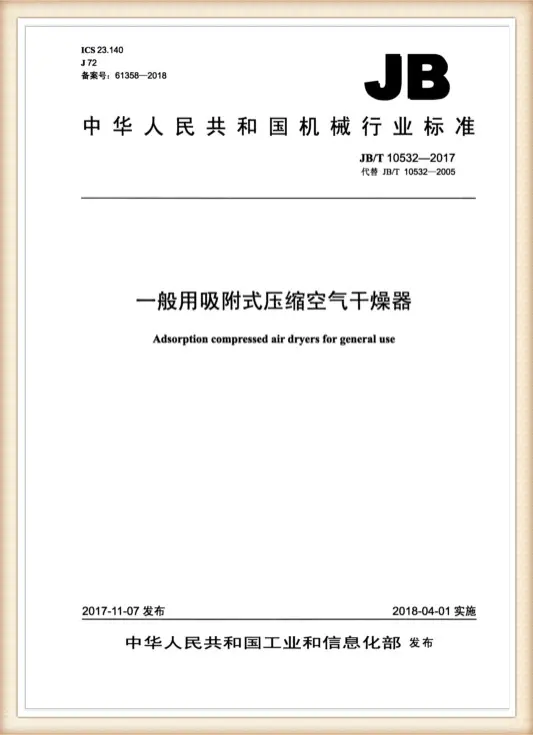 JB/T 10532-2017
Adsorption Dryers
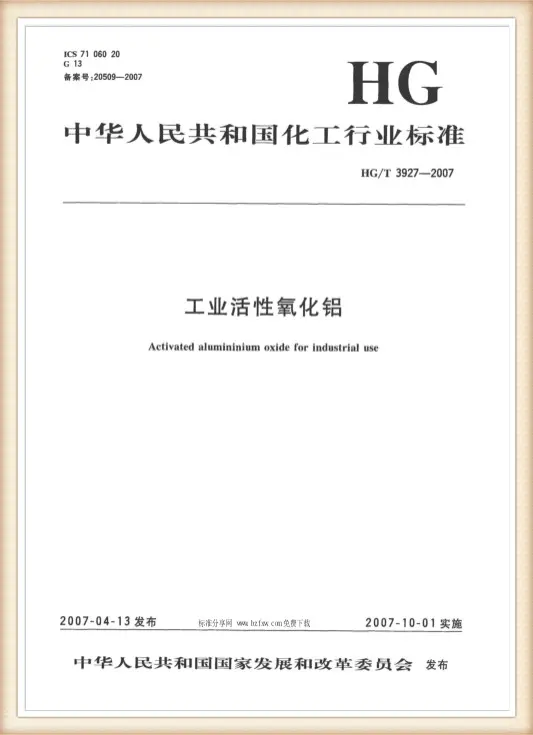 HG/T 3927-2007
Activated Alumina
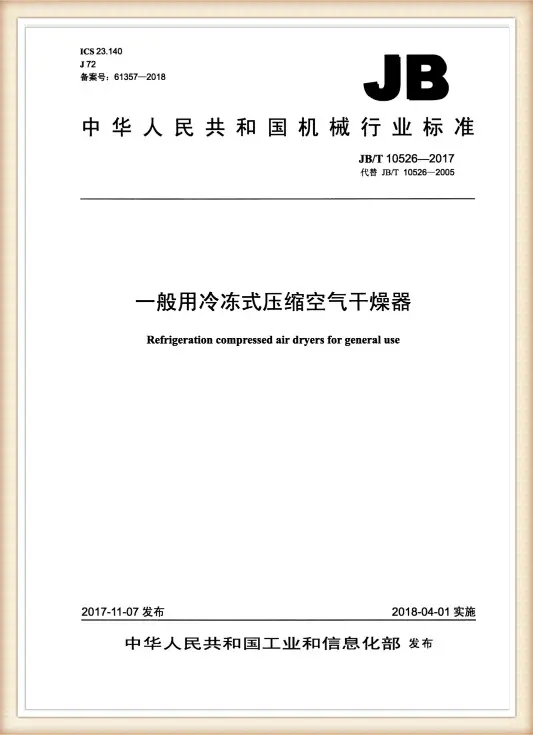 JB/T 10526-2017
Refrig. Dryers
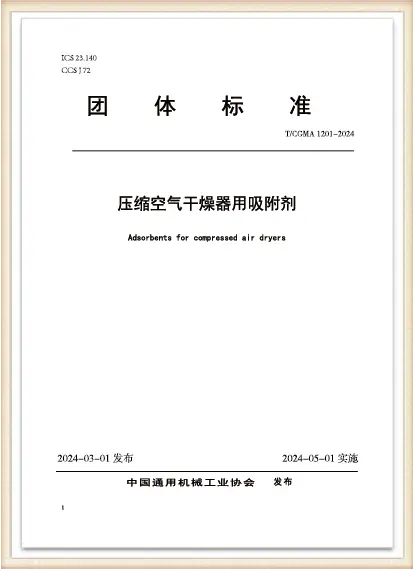
 T/CGMA 1201
Industry Standard
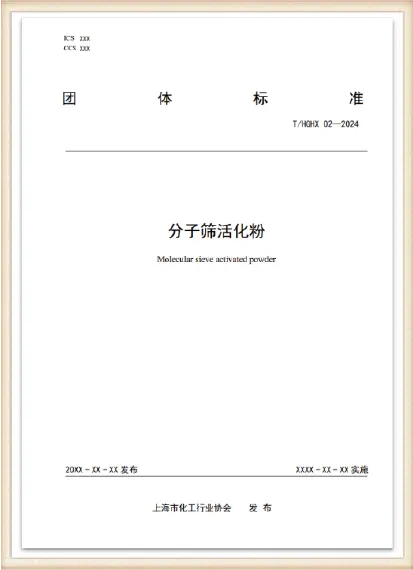
 T/HGHX 02-2024
Chemical Standards
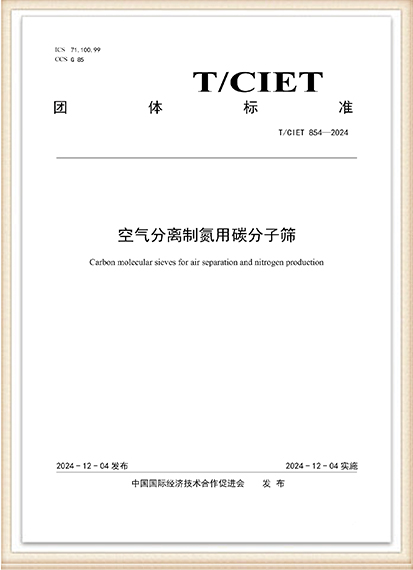 T/CIET 854-2024
Emission Control
Where Molecular Sieve 13X operates as a vital purification material across industrial engineering applications.
In Cryogenic Air Separation Units (ASUs), Molecular Sieve 13X-APG is loaded into pre-purifier units (PPUs). It removes carbon dioxide and trace moisture down to ppb (parts per billion) levels. This prevents the crystallization and freezing of CO2 and ice inside cold boxes, safeguarding downstream processing machinery.
PSA and VPSA systems leverage 13X to selectively adsorb nitrogen over oxygen, producing a concentrated flow of high-purity medical or industrial oxygen (up to 95%+). Specialized lithium-exchanged or high-dynamic-capacity 13X zeolites are preferred here for faster kinetic rates.
13X is used in the sweetening of LPG, propane, and butane. Its pore opening of 10Å allows the passage and subsequent trapping of bulkier sulphur compounds like methyl, ethyl, and propyl mercaptans. This step helps prevent corrosion and meets strict environmental fuel regulations.
How next-generation synthesis techniques are shaping the future of industrial zeolites.
Traditional molecular sieve beads contain 15% to 20% clay binder, which acts as inert mass and does not contribute to the adsorption process. The industry is moving towards binderless 13X technologies. Through post-synthetic crystallization, the inert binder is converted into active zeolite crystals, increasing adsorption capacity by 15-20% and reducing unit weight requirements.
Thermal swing adsorption (TSA) relies on heating the adsorbent bed to temperatures of 250°C to 350°C to desorb impurities. Research is focused on modifying the framework chemistry of the zeolite to reduce the thermal threshold needed for regeneration. This helps industrial operations reduce energy usage and operational downtime.
A strategic handbook for industrial procurement managers and chemical engineering teams.
The properties of Molecular Sieve 13X depend on its silica-to-alumina (SiO2/Al2O3) molar ratio, which is typically kept between 2.3 and 3.0. A lower ratio increases the concentration of active cation sites, boosting the adsorption capacity for polar molecules like H2O and CO2. However, it also lowers hydrothermal stability during cyclic regenerations. Buyers must specify the chemical ratio based on their specific operating cycles to balance performance and longevity.
An oversized Mass Transfer Zone (MTZ) leads to premature breakthrough of impurities in gas separation. Selecting beads with a smaller diameter (e.g., 1.6-2.5 mm instead of 3.0-5.0 mm) shortens the diffusion path, shrinking the MTZ. However, smaller beads increase the pressure drop across the bed, requiring higher feed pressures. Process engineers must balance the dew point target against system pressure capabilities when selecting the bead size.
Friction between beads during transit or operations can generate fine zeolite dust. This dust can block downstream valves and filters, causing operational disruptions. Procurement agreements should require an attrition rate of ≤ 0.10% and dust-free packaging. Safe options include vacuum-sealed steel drums with inner plastic liners to prevent premature hydration from atmospheric moisture.
Expert clarifications on specifications, handling, and operation of Zeolite 13X systems.
Standard 13X is general-purpose, used for gas drying, desulfurization, and solvent dehydration. 13X-APG (Air Purification Grade) is optimized for Cryogenic Air Separation Units. It has a higher adsorption capacity for carbon dioxide and nitrogen, minimizing the risk of trace impurities freezing inside downstream cryogenic systems.
Regeneration is typically performed between 250°C and 320°C in Thermal Swing Adsorption (TSA) systems. The temperature must not exceed 450°C, as high heat can collapse the aluminosilicate crystal structure, permanently reducing the adsorption capacity.
Zeolite 13X has a stronger affinity for water than carbon dioxide. When both are present, water will displace previously adsorbed carbon dioxide, pushing it downstream. Systems must be designed with sufficient bed depth to ensure water is fully adsorbed in the upstream section, leaving the downstream section to handle carbon dioxide.
In clean systems, the adsorbent bed can last between 3 to 5 years. Contamination by heavy hydrocarbons, free water, acid gases, or thermal stress can shorten this window. Regular monitoring of the outlet dew point and pressure drop helps identify when a replacement is needed.
Yes, it is regularly used for the static or dynamic dehydration of liquids like hydrocarbons, LPG, and solvents. The liquid feed must be free of particulate matter and water droplets to prevent premature fouling or fluidization of the bed.
Do you need custom-sized Molecular Sieve 13X beads, technical drawings of mass transfer zones, or bulk pricing? Get in touch with our team for a response within 24 hours.
Send Inquiry RequestPremium synthetic zeolites, carbon adsorbents, activated alumina, and chemical raw materials for industrial operations.