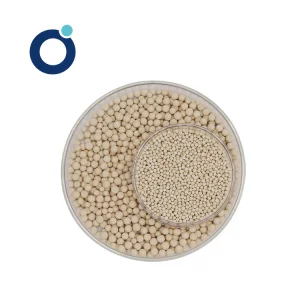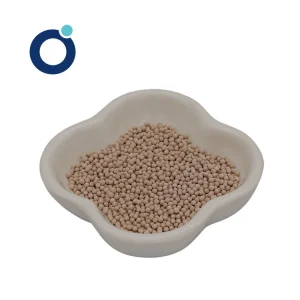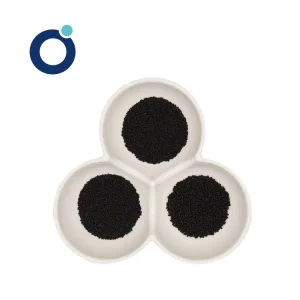
Explore our high-performance molecular sieves, carbon molecular sieves, and custom industrial chemicals manufactured to international standards.
A Global Leader in Mass-Adsorption and Catalyst Engineering
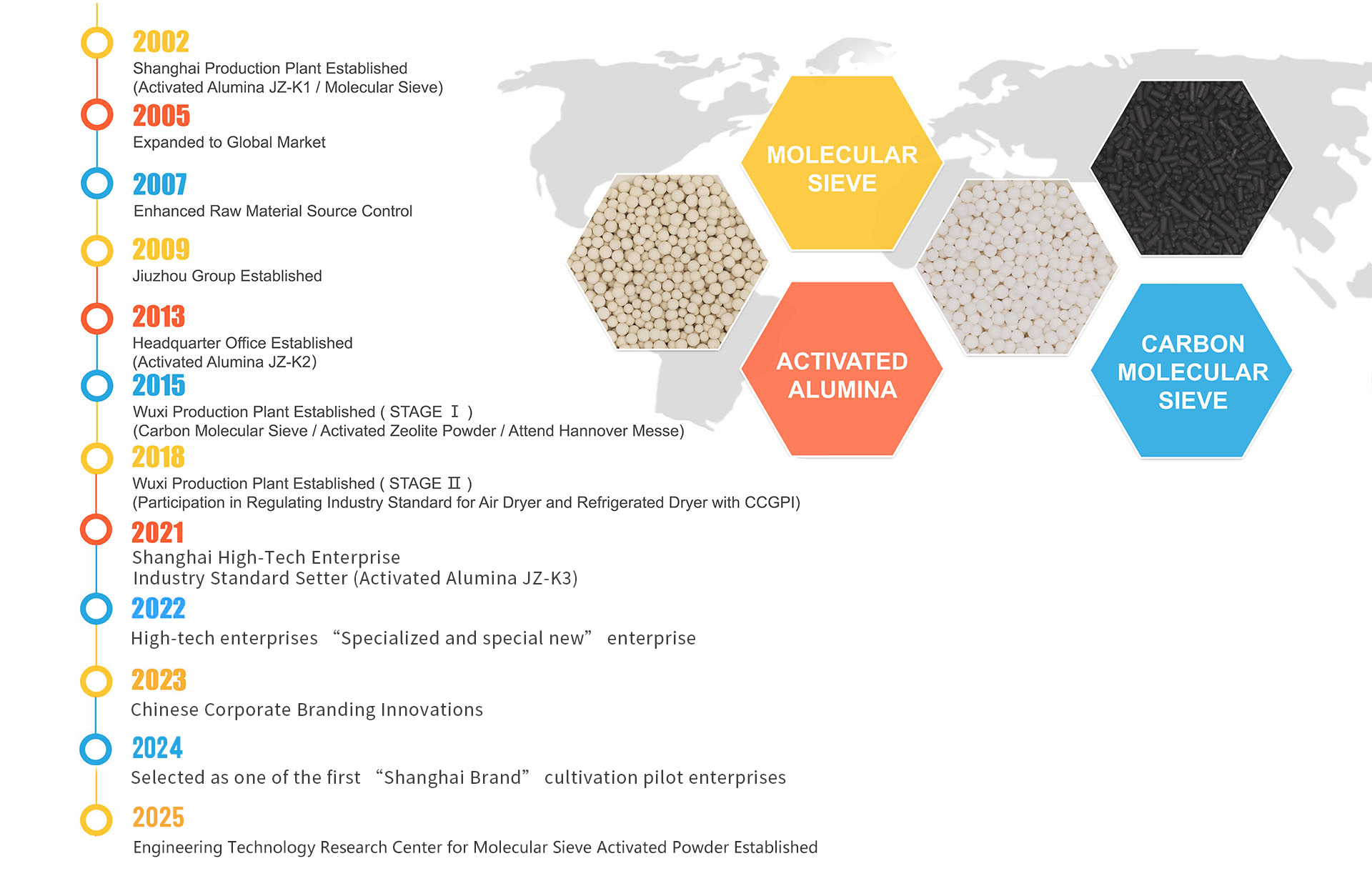
Established in 1994, Shanghai Jiuzhou Chemicals Co., Ltd. is strategically situated in Shanghai, China’s primary economic and industrial development hub. For three decades, our organization has continuously adhered to the core philosophies of "Strict Quality Control and Continuous Technological Innovation." We are relentlessly committed to the research, development, synthesis, and large-scale manufacturing of high-purity, innovative desiccant and chemical products.
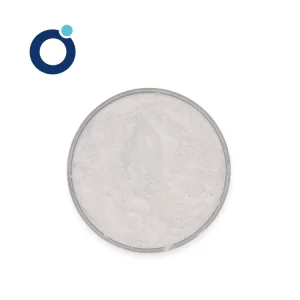
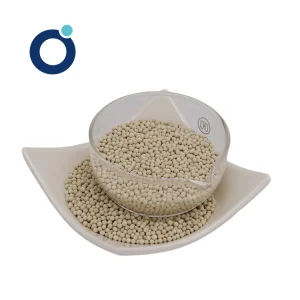
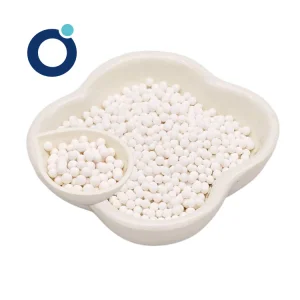
Our diverse industrial catalog features high-capacity silica gel desiccants, custom molecular sieve powders, synthetic molecular sieves, activated powders, activated alumina, specialized aluminum oxide catalysts, various ceramic packaging spheres, sodium silicates, aluminum hydroxide, zeolite 4A, sodium carbonates, and SLES. All Joozeo manufacturing facilities run under rigorous management structures certified by ISO 9001:2008, alongside accredited testing verifications from international agencies such as TUV and SGS.
Our technical strength and reputation as an industry setter are backed by dynamic laboratory units, advanced monitoring equipment, and an elite R&D team consisting of senior chemical engineering PhDs. By leveraging international manufacturing protocols, automated production workshops, and centralized quality validation, we serve partners globally with custom-engineered adsorption solutions.
At Joozeo, we maintain 100% adherence to quality metrics and continuous product optimization to meet strict regulatory boundaries worldwide.
Every batch of silica gel desiccant, molecular sieve, and catalyst undergoes multi-stage chromatographic and physical testing. From moisture capacity to crushing strength, we secure stable parameters prior to shipment.
Continuous R&D investments allow us to develop eco-friendly indicators, dust-free packaging formats, and highly active adsorption matrixes tailored for aerospace, military, and automated packaging lines.
All materials are certified under SGS, TUV, RoHS, and REACH criteria. Our desiccants do not contain harmful cobalt chloride or dimethyl fumarate (DMF), guaranteeing human and environmental safety.
A comprehensive overview of moisture control dynamics, pore-volume distribution, and adsorption isotherm kinetics.
Silica Gel is a highly porous, amorphous form of silicon dioxide ($SiO_2 \cdot nH_2O$). Unlike crystalline zeolites (molecular sieves) which feature fixed, uniform crystallographic cage networks, silica gel possesses a randomly structured, highly interconnected network of microscopic pores. This unique structure grants it an enormous internal surface area—typically ranging from 700 to 800 square meters per gram ($m^2/g$).
The moisture adsorption capability of silica gel operates via physical adsorption (physisorption) rather than chemical absorption. Water molecules in the surrounding atmosphere are pulled into the internal pores through capillary condensation and secured to the hydrophilic surface silanol groups ($Si-OH$) via hydrogen bonding. This ensures that the desiccant remains completely dry and free-flowing even when saturated at maximum capacity.
Classification by Pore Diameter and Relative Humidity Performance:
Our strategically decentralized production bases ensure supply chain stability, high output capacities, and streamlined logistics to major international shipping ports.
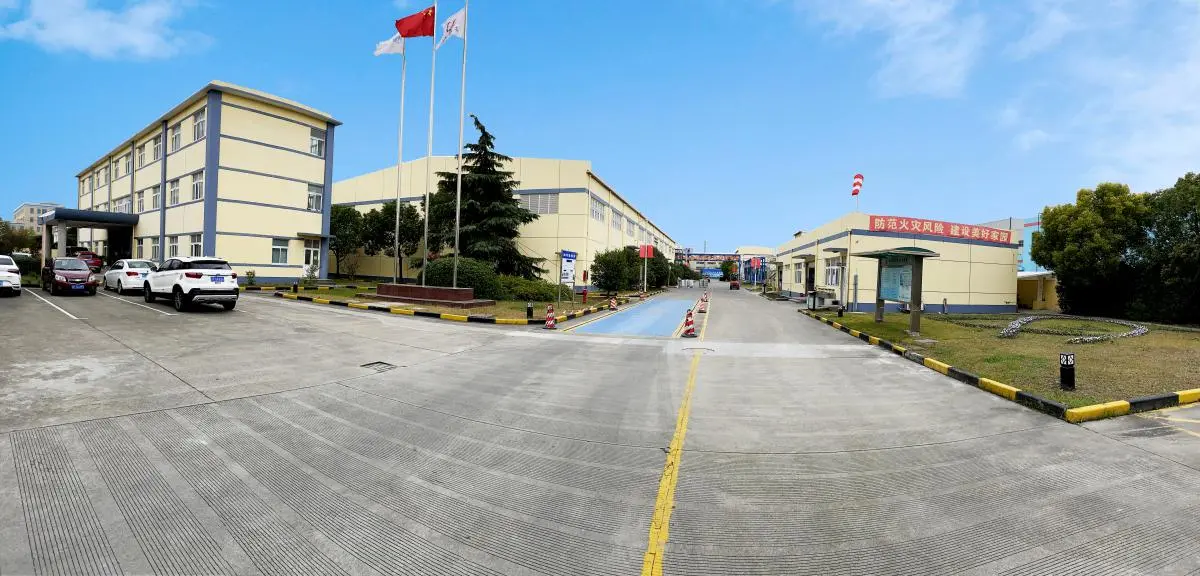
Our primary facility focusing on chemical synthesis, testing, dynamic adsorption research, and direct logistics management. Serving global partners through the Port of Shanghai with unparalleled delivery efficiency.

Equipped with state-of-the-art automated calcination ovens, high-speed vertical packing lines, and raw material processing units. Wuxi ensures scalability and maintains steady outputs for massive industrial projects.
How Shanghai Jiuzhou Chemicals (Joozeo) addresses critical moisture protection requirements across multiple sectors.
Microchip packaging, PCB assemblies, and optic sensors require ultra-dry environments. A tiny drop of condensed moisture during shipping can result in catastrophic micro-cracking during surface-mount soldering (popcorning). Our Type A silica gel packages in Tyvek substrate material prevent relative humidity from climbing past critical levels.
Maintaining active pharmaceutical ingredient (API) stability, oral solids, and diagnostics tests requires zero-dust moisture protection. Joozeo designs cleanroom-manufactured silica gel canisters and packets that comply fully with US FDA DMF, USP, and EP regulations, protecting pills from hydrolytic degradation.
Operating in compliance with standard JB/T 10532-2017, our activated alumina and wide-pore silica gels serve as the desiccating core for heatless and heat-regenerated compressed air dryers. By achieving extremely low dew points (down to -40°C or -70°C), we protect pneumatic pipelines and mechanical instrumentation from water corrosion and freezing.
Advanced electronics and lithium battery modules must remain dry to prevent thermal runaways and electrical leakage. Specialized low-dust silica gel solutions are custom integrated inside automotive headlight assemblies and battery shell seals to maintain low-moisture equilibria over years of operational lifetime.
Preventing "container rain" or cargo sweat during intercontinental shipping. Our large-format cargo desiccant bags, containing high-capacity silica gel blended with natural clay or calcium chloride, protect bulk commodities, machinery, and agricultural shipments from mold and oxidation during long ocean voyages.
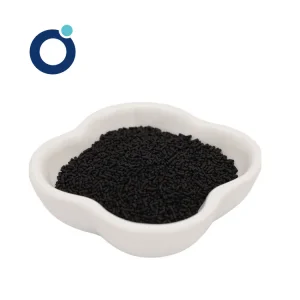
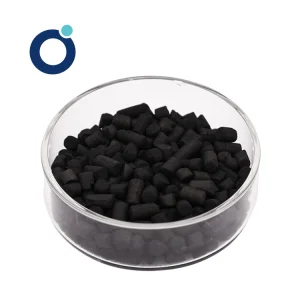
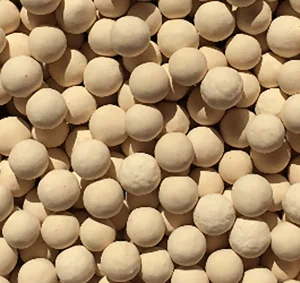
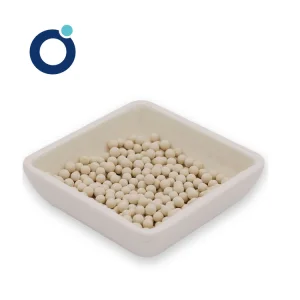
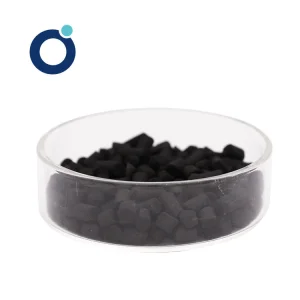
For refinery drying applications, our JZ-CMS Carbon Molecular Sieve and specialized molecular sieve products (3Å, 4Å, 5Å, 13X) extract moisture and trace contaminants from hydrocarbons, natural gas stream loops, and industrial hydrogen feeds with superior kinetic selectivity.
Advancing manufacturing capabilities to achieve high reliability, efficiency, and carbon neutrality.
Joozeo maintains raw sodium silicate and sulfuric acid sourcing agreements that isolate manufacturing lines from supply swings. Direct control over chemical feedstocks ensures consistent purity, low metal content, and competitive pricing for bulk industrial buyers.
We deploy high-speed packaging equipment configured to construct heat-sealed Tyvek, OPP film, composite paper, and non-woven fabric pouches. Every step—from automated volumetric filling to nitrogen purging and hermetic master-carton packaging—prevents exposure to ambient humidity before deployment.
To comply with EU REACH requirements regarding hazardous substances, Joozeo has led the transition from cobalt chloride indicators (blue to pink) to safe organic indicators (orange to green or orange to colorless). These indicators provide visual humidity status without compromising safety standards.
Our Wuxi factory utilizes waste heat recovery loops to preheat dehydration ovens, significantly lowering greenhouse gas emissions per metric ton produced. This alignment with sustainability programs helps our global buyers satisfy scope-3 emission criteria.
"Better air, Better life" - Joozeo is dedicated to promoting clean environments, sustainable resource management, and social contribution.
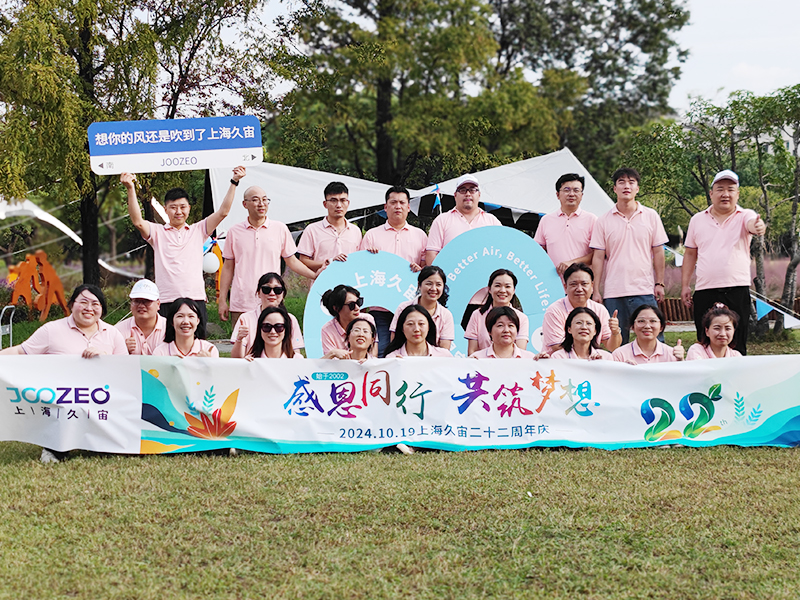
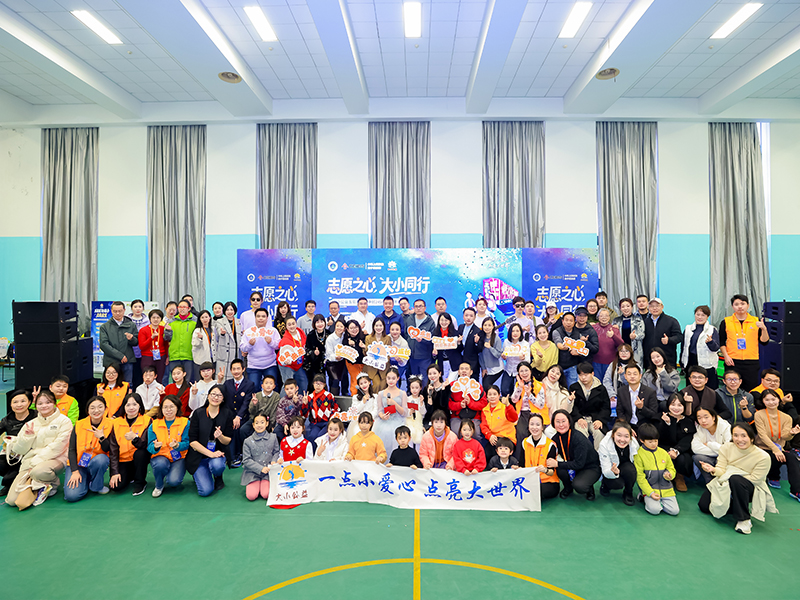
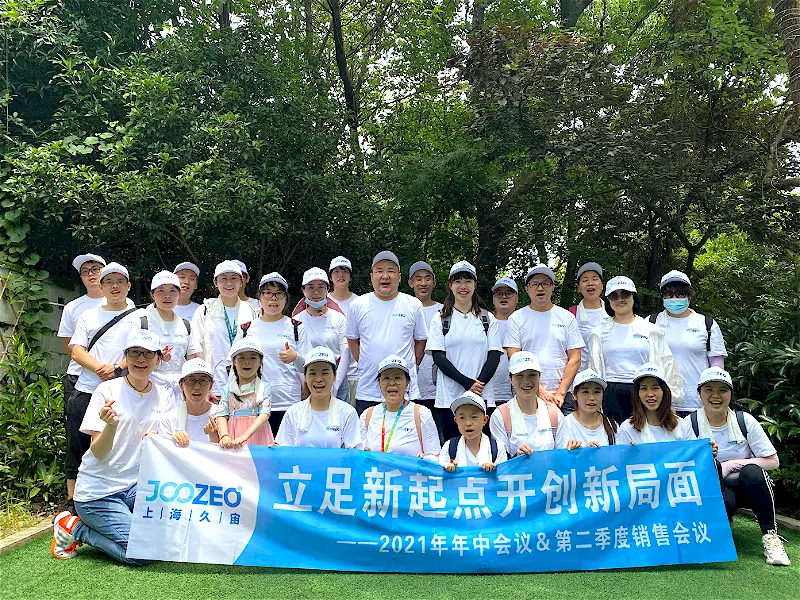
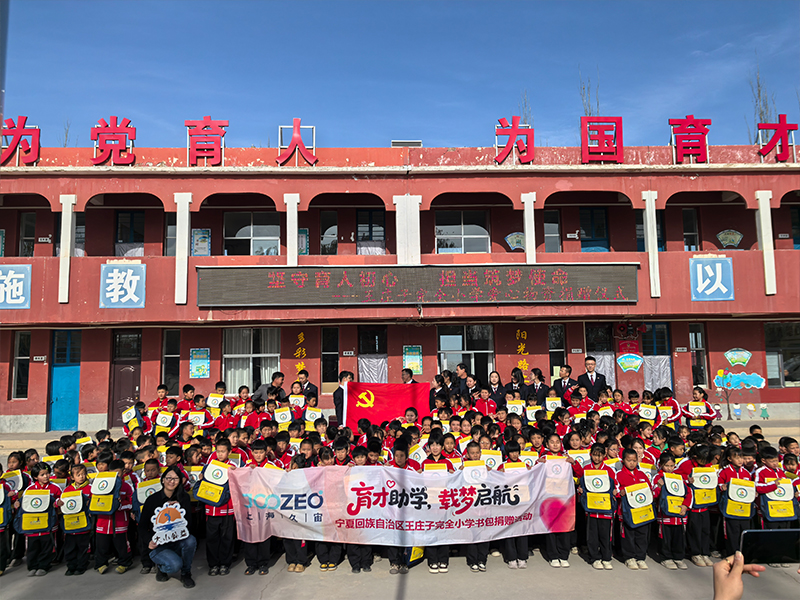
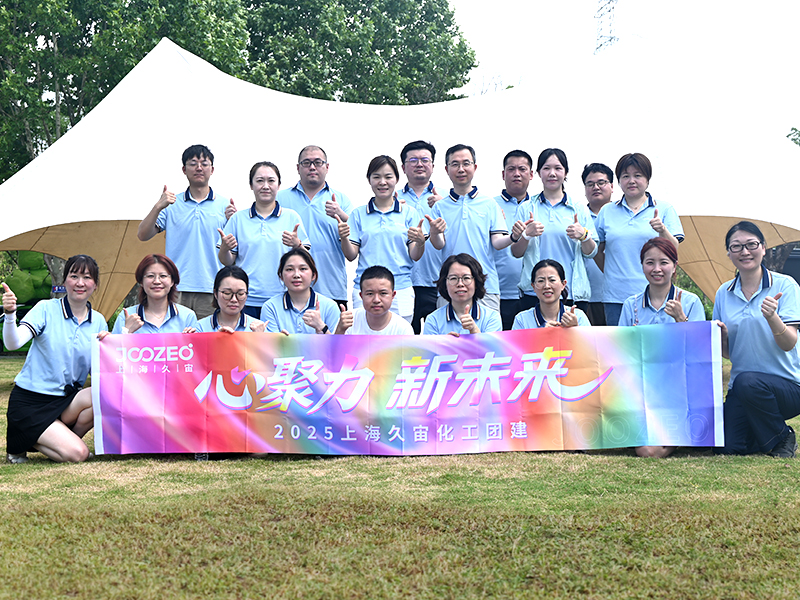
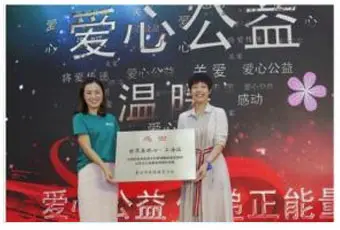
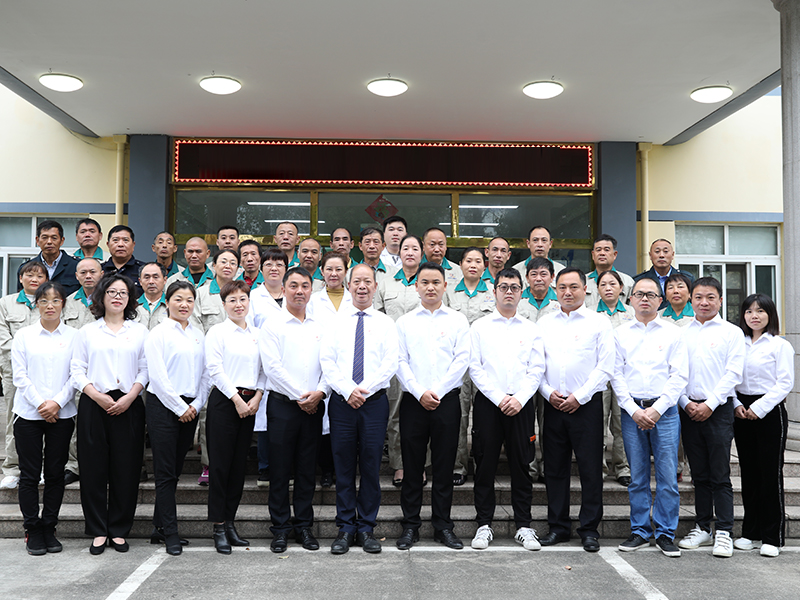
Joozeo plays an active role in defining regional and national chemical and engineering machinery standards in China.
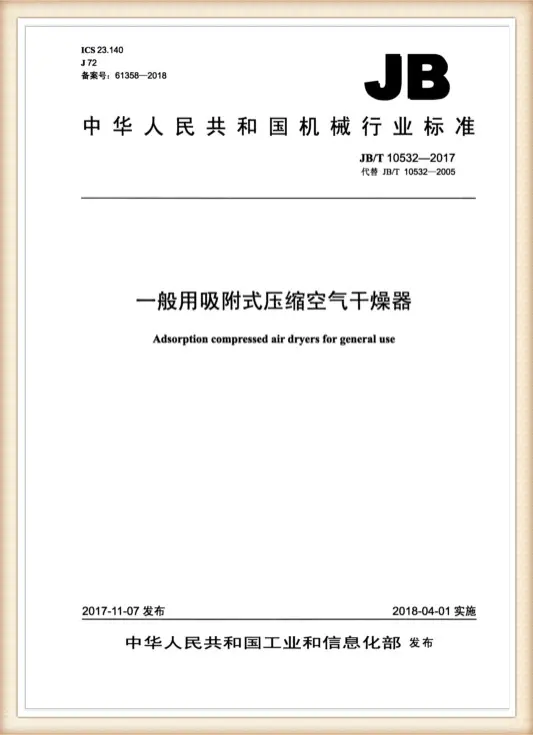
Adsorption compressed air dryers for general use. Standardizing desiccant efficiency and dew point parameters.
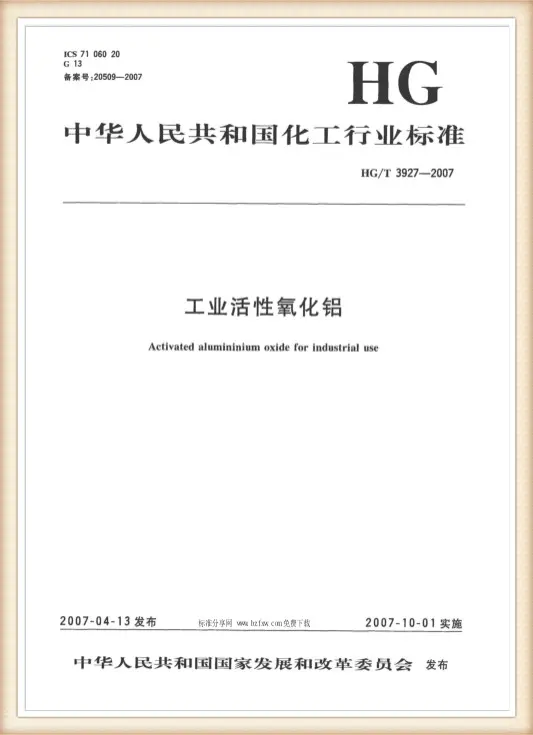
Activated aluminum oxide for industrial use. Specifying porosity, crush strength, and pore volume metrics.
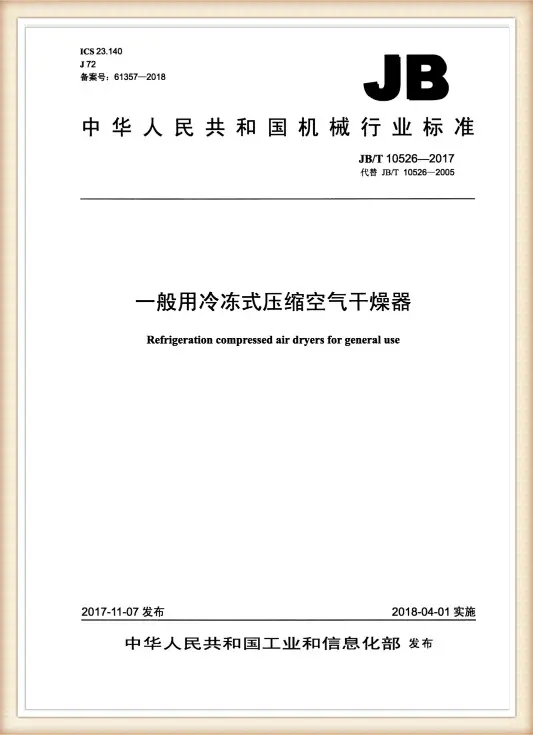
Refrigeration compressed air dryers for general use. Establishing system performance standards.
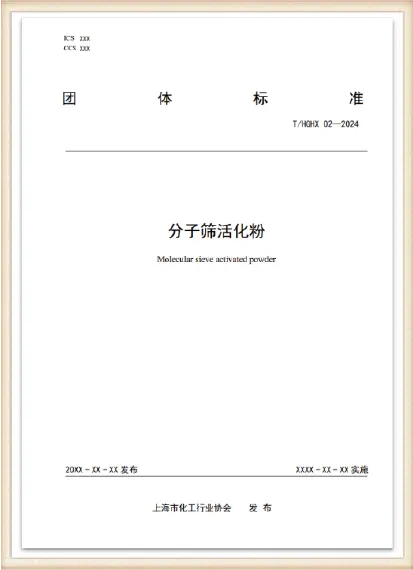
Industry association standard for compressed air and gas purification machinery.
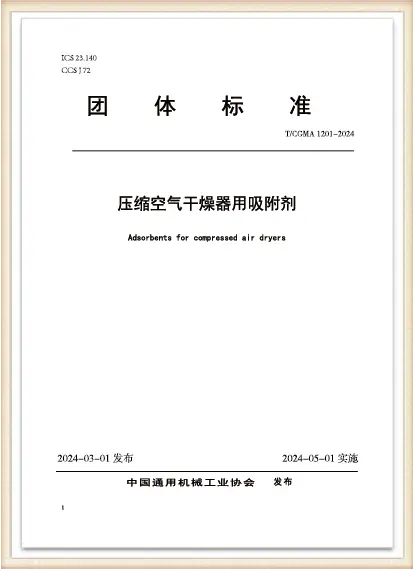
Local chemical engineering standard for advanced porous materials and catalysts.
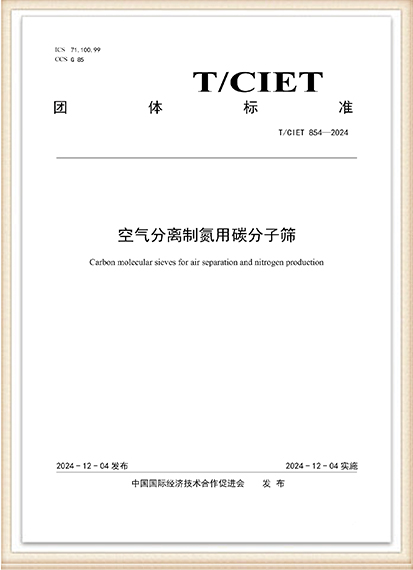
National green manufacturing assessment specification for adsorbent and drying agent industries.
Detailed chemical and logistics insights to assist procurement managers and application engineers.
Explore our active carbon, carbon molecular sieves, and zeolite materials optimized for PSA systems, air separation, and trace moisture scavenging.
Have a question or looking to request a quote? Feel free to contact our engineering support team. We respond within 24 hours.
Send Request