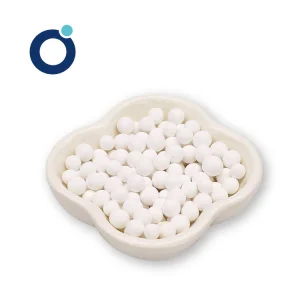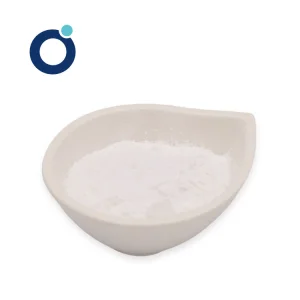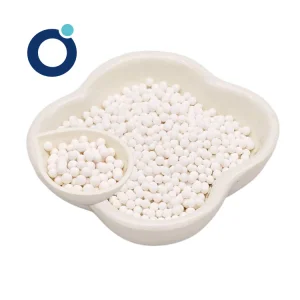
Explore our leading industrial adsorbents, desiccant materials, and chemical formulations manufactured under strict international quality guidelines.
Sodium Carbonate ($Na_2CO_3$), widely known as Soda Ash, is one of the most critical foundational chemical commodities in the world. Classified primarily into two main physical forms—Soda Ash Light and Soda Ash Dense—its bulk density dictates its ultimate downstream industrial applications. While Soda Ash Light is preferred in detergent formulation and municipal water treatments due to its rapid dissolution rates, Soda Ash Dense is the premium choice for heavy industrial manufacturing, particularly glassmaking, metallurgy, and advanced chemical synthesis.
Why does physical form matter? Soda Ash Dense is characterized by its large, coarse particles and high bulk density (typically ranging between 0.9 g/cm³ and 1.2 g/cm³). These characteristics prevent the formation of excessive dust during material handling, reduce raw material transport volumes, and ensure stable, low-volatility reactions in extreme high-temperature environments such as flat-glass and container-glass melting furnaces.
With global glass production demanding cleaner energy transitions and lower particulate emission controls, understanding the technical specifications of Soda Ash Dense has shifted from basic procurement to a highly refined engineering requirement. At Shanghai Jiuzhou Chemicals, we specialize in bridging the gap between raw chemical output and rigorous industrial applications.
Evaluating chemical purity, physical characteristics, and density requirements to optimize downstream performance.
| Chemical/Physical Property | Standard Specification Range | Jiuzhou Premium Grade Value | Test Methods / Standards Reference |
|---|---|---|---|
| Total Alkaline Content (as $Na_2CO_3$ on dry basis) | ≥ 99.2% | 99.5% - 99.8% | GB/T 210.1-2004 / ASTM E359 |
| Sodium Chloride ($NaCl$ content on dry basis) | ≤ 0.70% | ≤ 0.30% | GB/T 210.1 Titration Method |
| Iron Oxide ($Fe_2O_3$ content on dry basis) | ≤ 0.0035% | ≤ 0.0015% (Ultra-low Iron) | Spectrophotometry / ICP-OES |
| Sulfate Content ($SO_4^{2-}$ content) | ≤ 0.03% | ≤ 0.01% | Gravimetric Method |
| Water Insoluble Matter | ≤ 0.03% | ≤ 0.015% | Gravimetric Filtration Method |
| Bulk Density (g/cm³) | 0.90 - 1.20 g/cm³ | 1.00 - 1.15 g/cm³ | ASTM D1895 / Bulk Volumetric Cylinder |
| Particle Size (Retention on 180μm Sieve) | ≥ 85.0% | ≥ 90.0% | Sieve Shaker Analytical Test |
Understanding the technological integration, logistical scale, and structural cost efficiencies that drive China's chemical dominance.
Chinese soda ash production utilizes highly efficient Solvay processes combined with state-of-the-art Hou's joint-manufacturing systems. This integration co-produces ammonium chloride, significantly lowering solid-waste footprints and optimizing material conversions.
Factories are located in resource-rich provinces with direct access to rock salt deposits and synthetic gas lines. Integrated power plants and regional rail networks ensure consistent thermal energy and uninterrupted feedstock inputs.
Driven by strict national carbon neutrality targets, Chinese chemical manufacturers have updated standard furnaces to natural gas and waste-heat recovery units. This guarantees chemical outputs with a substantially smaller carbon footprint.
Adhering to strict Quality Control & continuous Innovation to deliver world-class adsorption and chemical solutions since 1994.
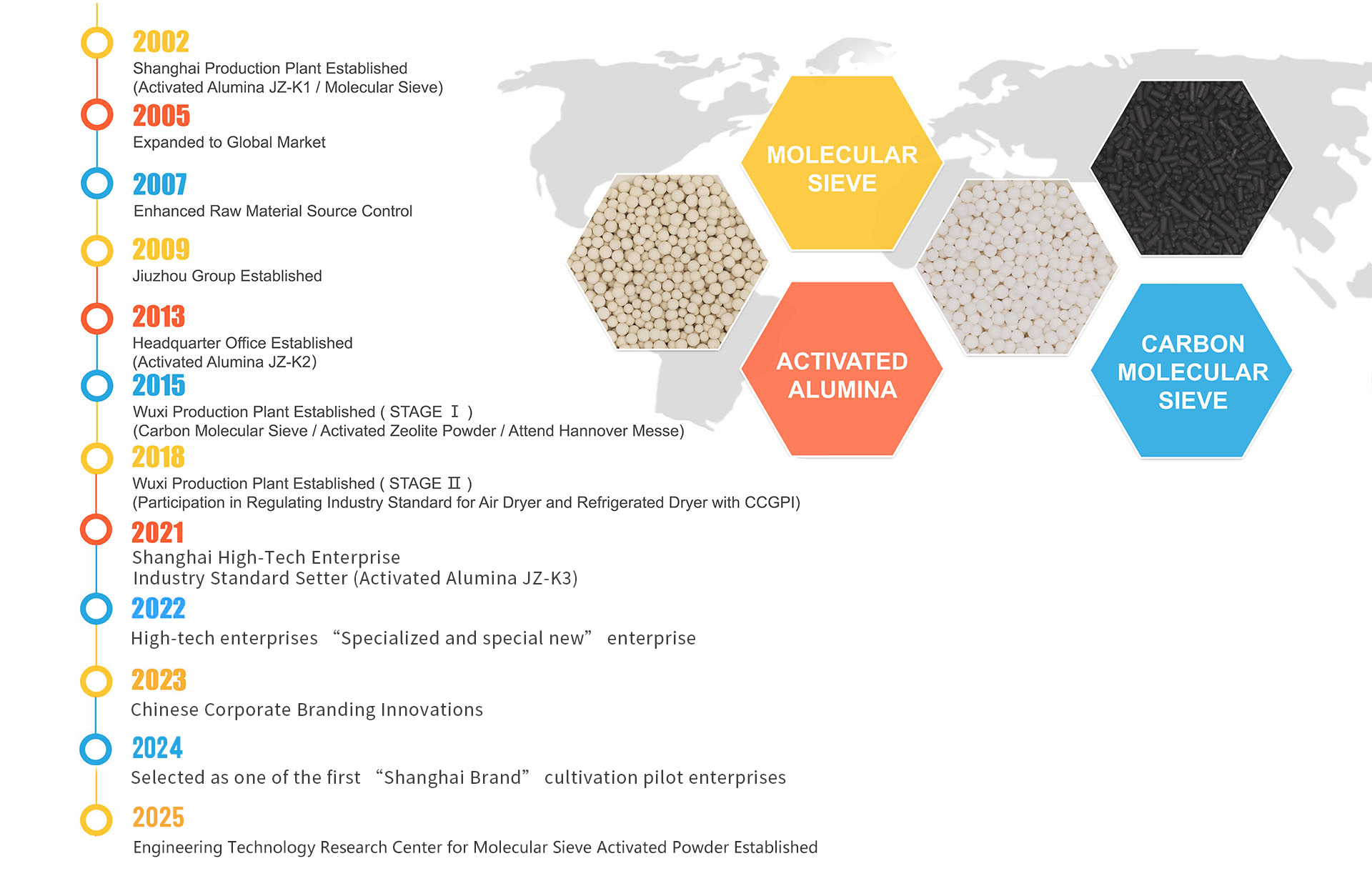
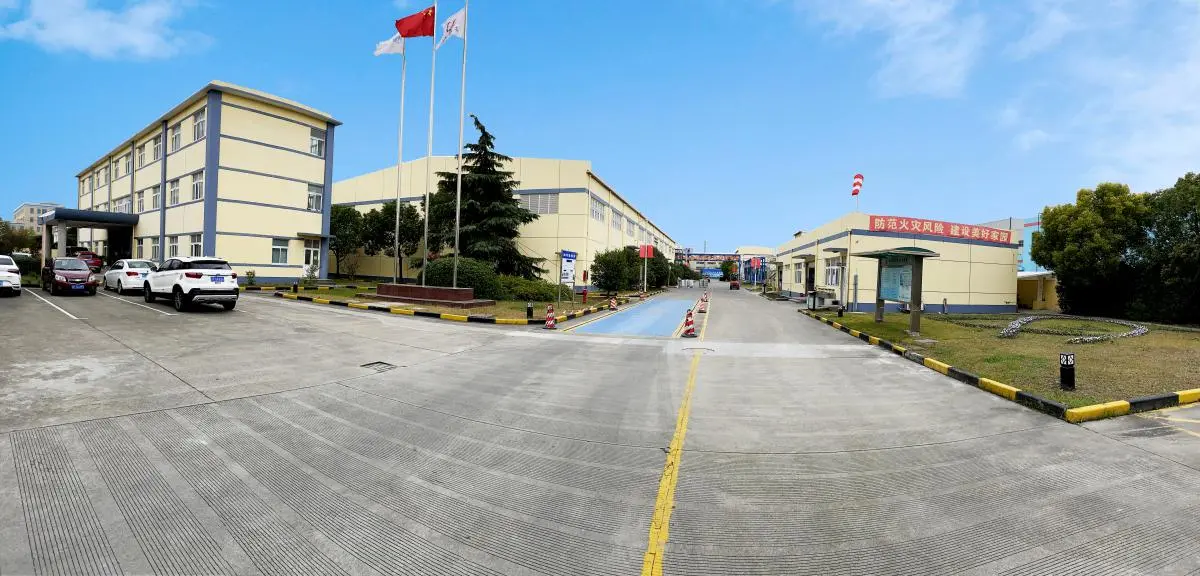
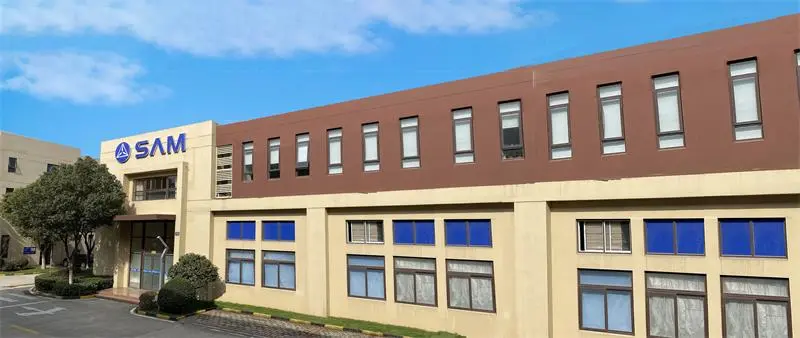
Located in the primary economic hub of Shanghai, Shanghai Jiuzhou Chemicals Co., Ltd. has always prioritized the dual principles of quality control and innovation. Our diversified product portfolio covers molecular sieve powders, active molecular sieves, activated alumina, catalysts, sodium silicate, aluminum hydroxide, zeolite 4A, sodium carbonates (soda ash), and SLES. All products are verified by ISO9001:2008, TUV, and SGS certifications.
Our technical strength is supported by a world-class research team, automated production plants, and a central analytical laboratory equipped with dynamic testing systems. By partnering with global industrial clients, we supply customized packaging, tailored chemistry grades, and highly sustainable chemical formulations.
How Soda Ash Dense is implemented across downstream global supply chains to increase efficiency and product performance.
Acting as a melting flux, Soda Ash Dense lowers the melting point of silica sand batch formulations from ~1700°C to below 1500°C. This lowers the energy required for furnace heating, reduces fuel consumption, and optimizes thermal efficiency.
It is used as a reactive sodium donor in manufacturing sodium silicate (water glass), sodium tripolyphosphate (STPP), and sodium bicarbonate. This ensures clean reactive pathways with predictable gas release profiles.
Used to scrub sulfur dioxide ($SO_2$) emissions in modern steel smelting processes and to extract aluminum from bauxite ores. This helps heavy industries meet regional regulatory emission targets.
The solar PV glass industry requires flat glass sheets with extremely high light transmission. Normal soda ash contains trace iron oxides which create green tints in thick glass, blocking incoming solar radiation. Our customized Soda Ash Dense solutions reduce iron content to less than 15 ppm. When paired with advanced waste-heat capture systems, this solution enables PV glass manufacturers to decrease production costs by 4.2% while increasing solar light transmission parameters.
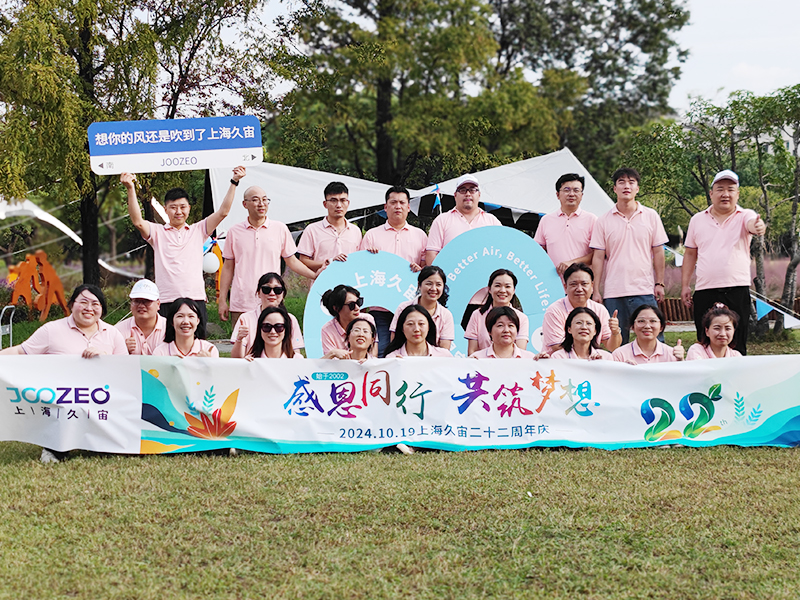
Better air, Better life — Committing to sustainable operational strategies and eco-friendly manufacturing technologies.
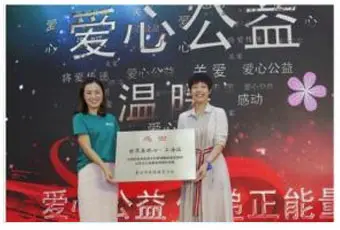
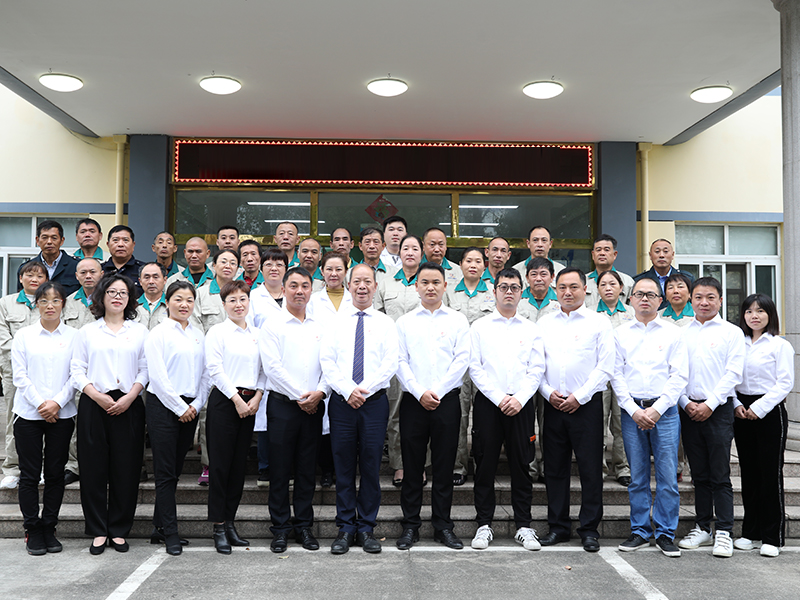
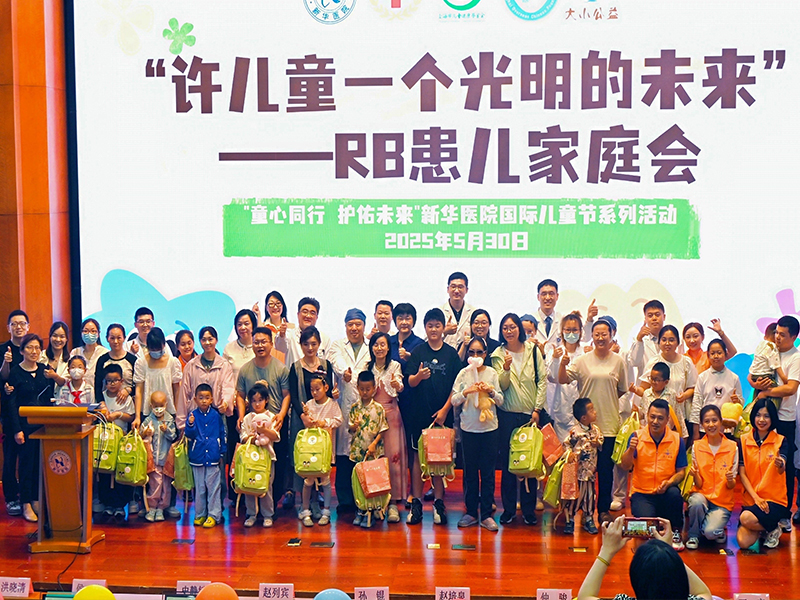
As a leading chemistry developer, Jiuzhou actively participates in setting national and industry benchmarks.
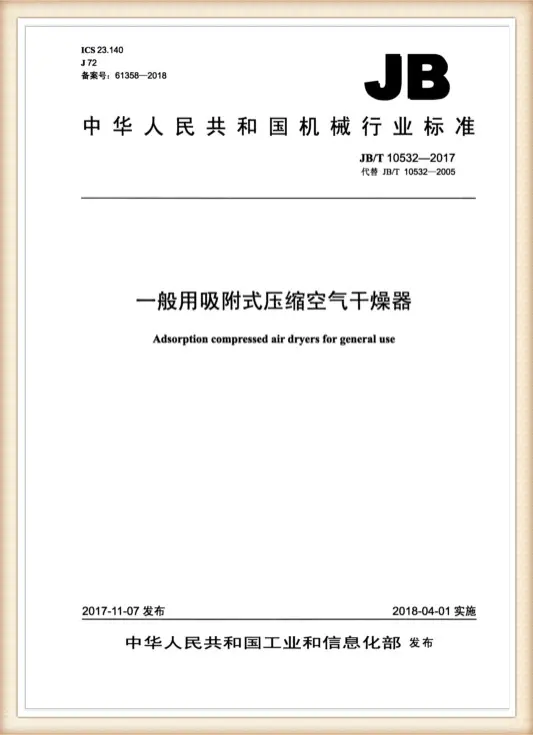
JB / T 10532-2017
Compressed Air Dryers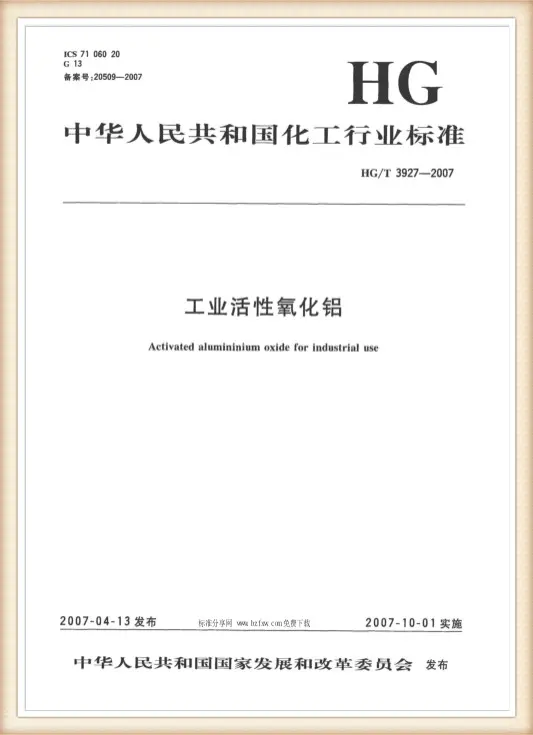
HG / T 3927-2007
Activated Alumina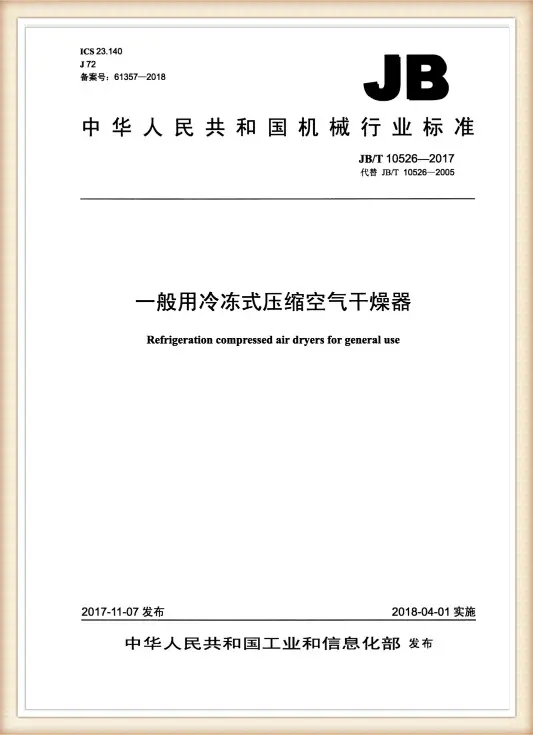
JB / T 10526-2017
Refrigeration Dryers
T/CGMA1201-2024
Group Standards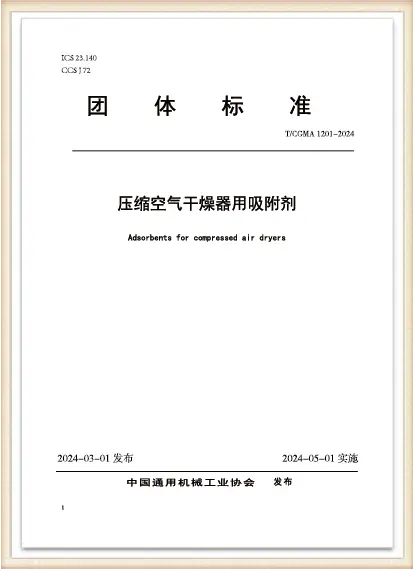
T/HGHX 02—2024
Chemical Specifications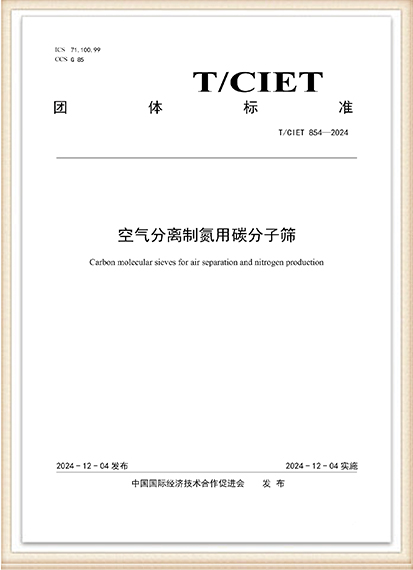
T/CIET 854-2024
Testing ProtocolsAnswering high-intent questions from chemical engineers, sourcing procurement heads, and plant managers.
Browse our selection of high-grade activated aluminas, molecular sieves, and catalysts designed for complex chemical separations.
Have technical questions or need standard price lists? Get in touch with our engineers. We respond within 24 hours.