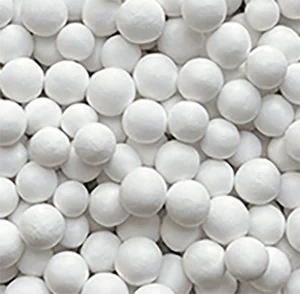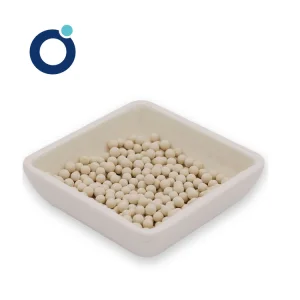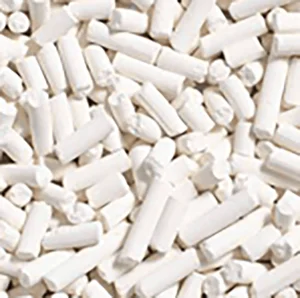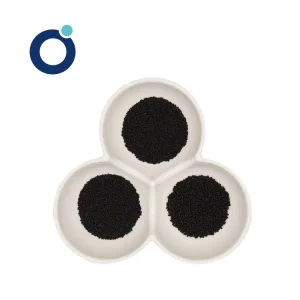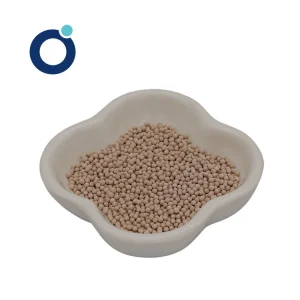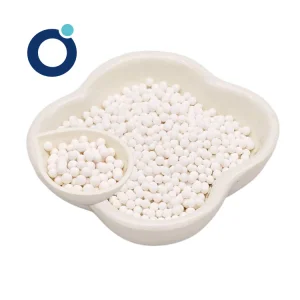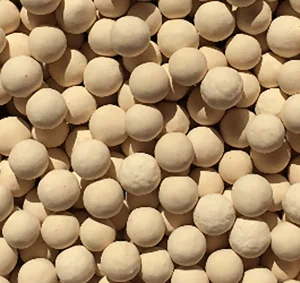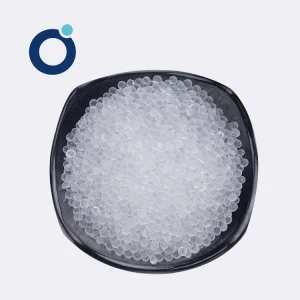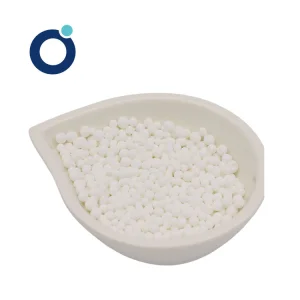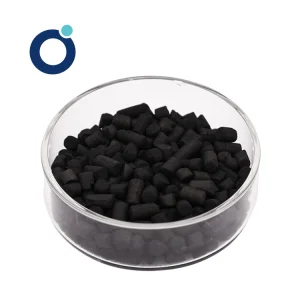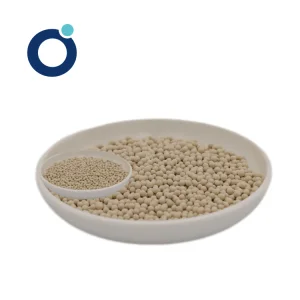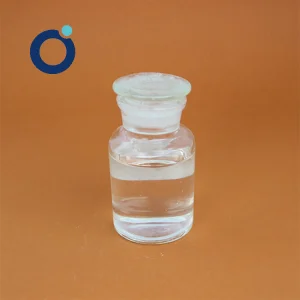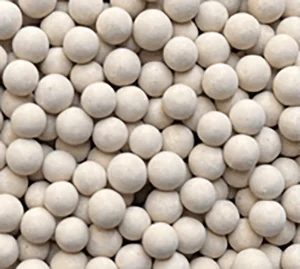
Explore our catalog of high-capacity crystalline aluminosilicates, activated carbon, and specialized catalysts configured for complex industrial drying processes.
A 3A molecular sieve is a potassium-modified crystalline aluminosilicate structure belonging to the LTA (Zeolite A) framework class. The native form of Zeolite A possesses sodium cations, displaying an effective pore opening of roughly 4 Ångströms (4A). By applying highly controlled chemical ion exchange processes, sodium ions are selectively substituted with larger potassium ions. This deliberate steric obstruction narrows the effective kinetic pore opening to precisely 3 Ångströms (3A).
Critical Information Gain: Cation Exchange Stoichiometry & Bulk Exclusion
The efficiency of a 3A molecular sieve lies in the stoichiometry of the K+ exchange rate. If the potassium exchange rate falls below a threshold, regions of the crystal lattice maintain 4A properties. In applications such as ethanol dehydration or cracked gas (ethylene/propylene) drying, a low exchange rate allows target hydrocarbon compounds to co-adsorb into the cavities. This leads to severe hydrocarbon loss, pore-coking, thermal runaways during regeneration cycles, and pre-mature adsorbent degradation.
| Property / Type | Molecular Sieve 3A | Molecular Sieve 4A | Molecular Sieve 5A |
|---|---|---|---|
| Nominal Pore Size | ~3 Å (0.3 nm) | ~4 Å (0.4 nm) | ~5 Å (0.5 nm) |
| Dominant Cation | Potassium (K+) | Sodium (Na+) | Calcium (Ca2+) |
| Target Adsorbate | H2O (2.65 Å) | H2O, CO2, H2S, NH3 | n-Paraffins, Alcohols, Light Mercaptans |
| Excluded Adsorbates | Ethylene, Propylene, Ethanol | Ethane, Propane, Branched Hydrocarbons | Iso-paraffins, Aromatics |
| Primary Application | Cracked Gas Drying, Ethanol Dehydration | Air Separation Unit Pre-purification | PSA Oxygen, Normal/Iso Paraffin Separation |
Through advanced manufacturing controls, JOOZEO ensures that our 3A Molecular Sieve products achieve an optimal, highly uniform potassium exchange, maximizing the kinetic separation factors while maintaining a robust crush strength and high thermal stability during Temperature Swing Adsorption (TSA) configurations.
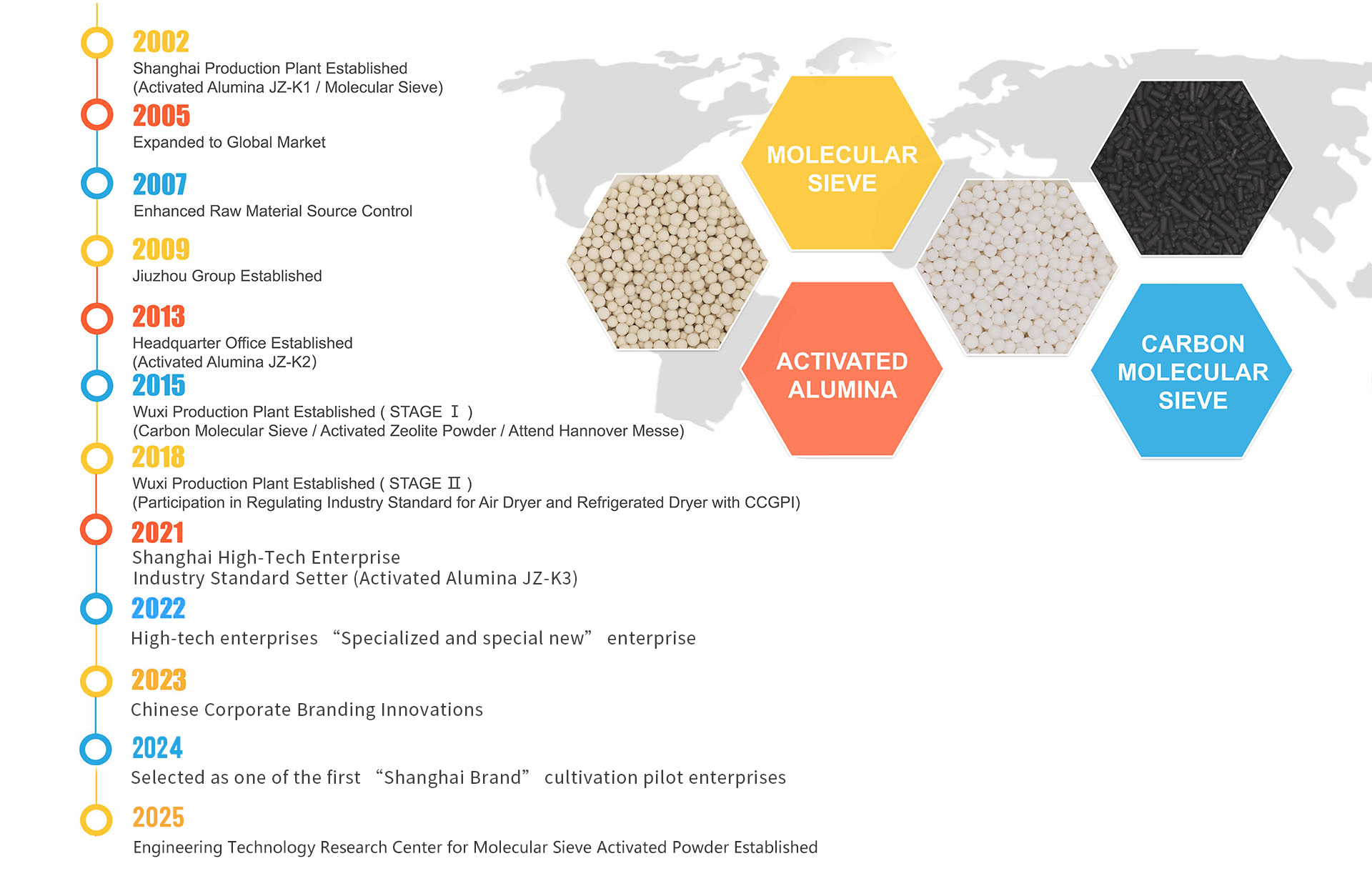
Located in Shanghai, the largest economic development hub of China, Shanghai Jiuzhou Chemicals Co., Ltd. (JOOZEO) has consistently adhered to the core philosophies of strict quality control and scientific innovation. Over three decades of relentless research, we have positioned ourselves as a key standard-setter and a premium manufacturer of advanced chemical adsorbents.
Our comprehensive production facility covers a wide spectrum of functional chemical lines, including molecular sieve powders, active powders, activated alumina, aluminum oxide catalysts, industrial packing ceramics, sodium silicates, aluminum hydroxide, and zeolite matrices. Certified under the ISO9001: 2008 quality management system and verified by international agencies like TUV and SGS, JOOZEO supplies advanced engineering solutions globally.
Automated manufacturing loops and rigorous batch analysis ensure consistent bulk density and low attrition rates.
A world-class dynamic testing laboratory designed to simulate high-pressure, corrosive feed gas configurations.
To ensure supply chain resilience, JOOZEO operates two state-of-the-art production facilities equipped with multi-functional synthesis workshops.
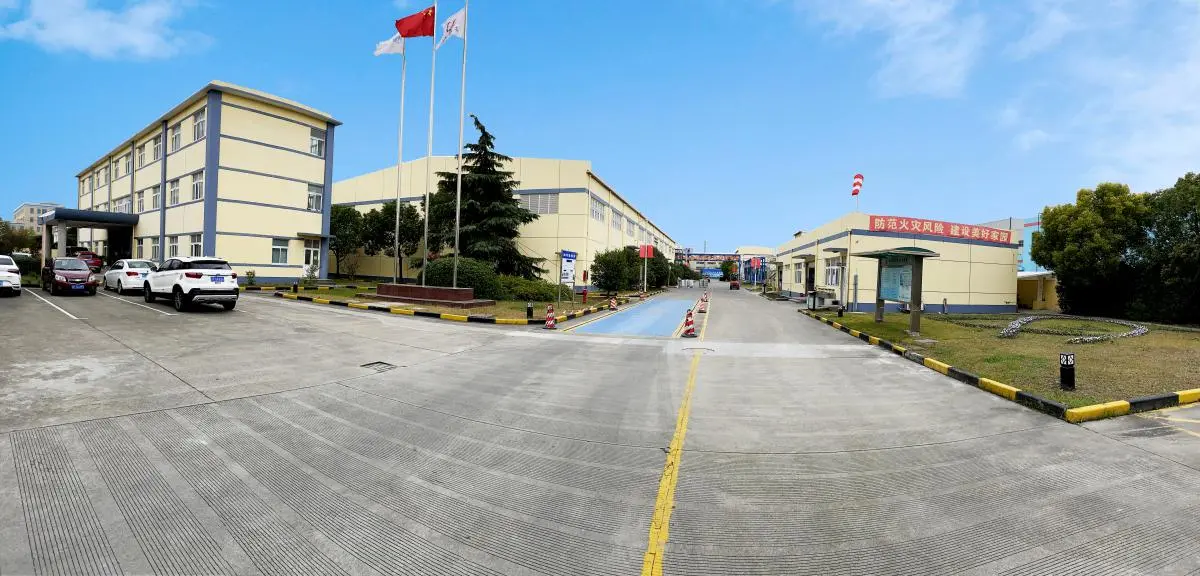
Our Shanghai site centers on core R&D, pilot scaling of specialized zeolites, and complex technical configuration designs. It serves as our central control center for dynamic simulation runs, monitoring molecular sieve characteristics under harsh environments.

Our facility in Wuxi drives large-scale batch manufacturing and optimization of raw silicates and aluminates. Equipped with automated calcination rotary kilns, it delivers high-volume production to support petrochemical demands worldwide.
JOOZEO 3A molecular sieves are engineered for complex mass transfer environments, delivering reliable performance across major global industries.
In cracked gas processing (dehydrating ethylene, propylene, and butadiene), JOOZEO 3A molecular sieves selectively remove moisture down to <1 ppmv. They prevent hydrocarbon co-adsorption and polymerization within the zeolite structure, extending bed run times.
Breaking the ethanol-water azeotropic limit (95.6% ethanol) requires precise pressure swing adsorption (PSA). Our 3A molecular sieves isolate water molecules (2.65 Å) while completely excluding ethanol (4.4 Å), yielding fuel-grade ethanol of >99.9% purity.
Before natural gas enters cryogenic liquefaction (NGL recovery), moisture must be reduced to avoid hydrate formation. JOOZEO 3A molecular sieves provide high mass-transfer rates and low dew points, protecting downstream systems from freezing.
To prevent condensation and fogging in dual-pane windows, JOOZEO 3A molecular sieves adsorb ambient moisture without co-adsorbing nitrogen or oxygen. This avoids deflecting the glass panes under shifting weather conditions.
In mobile and stationary cooling circuits, water can cause acid formation and icing at expansion valves. JOOZEO 3A molecular sieves trap moisture while showing chemical compatibility with modern hydrofluorocarbon (HFC) and hydrofluoroolefin (HFO) refrigerants.
As a recognized pioneer in chemical adsorbents, JOOZEO actively spearheads and co-formulates national industrial standards for China's chemical and mechanical sectors.
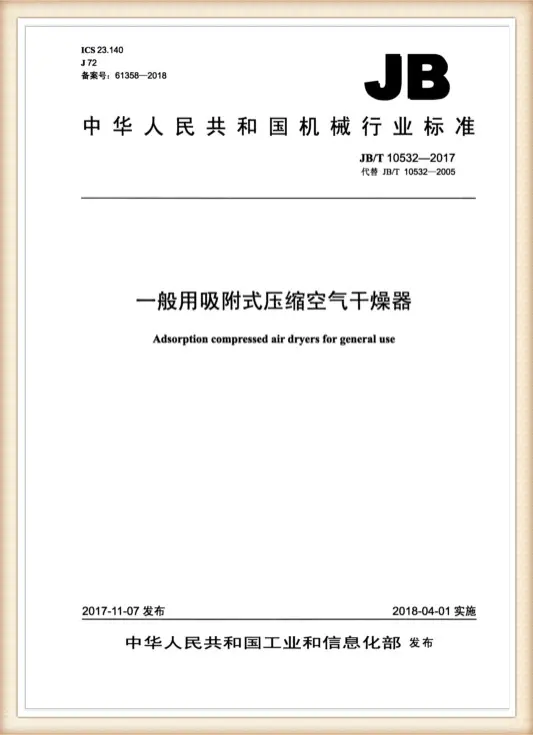
Adsorption compressed air dryers for general use
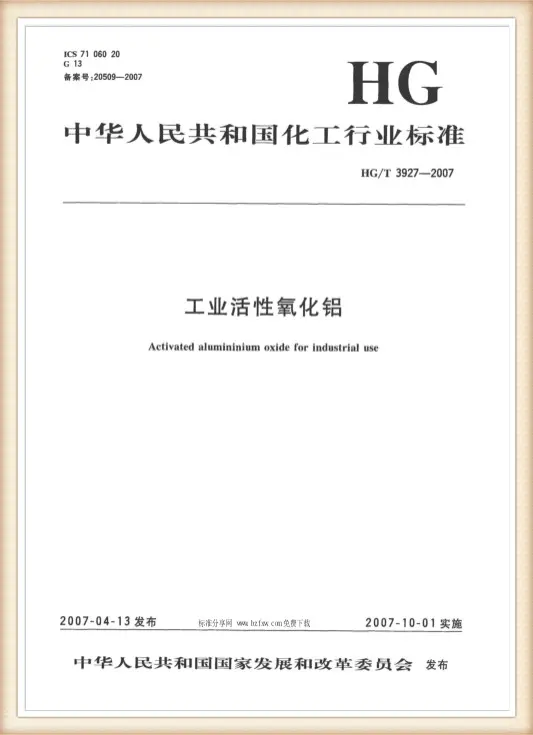
Activated aluminium oxide for industrial use
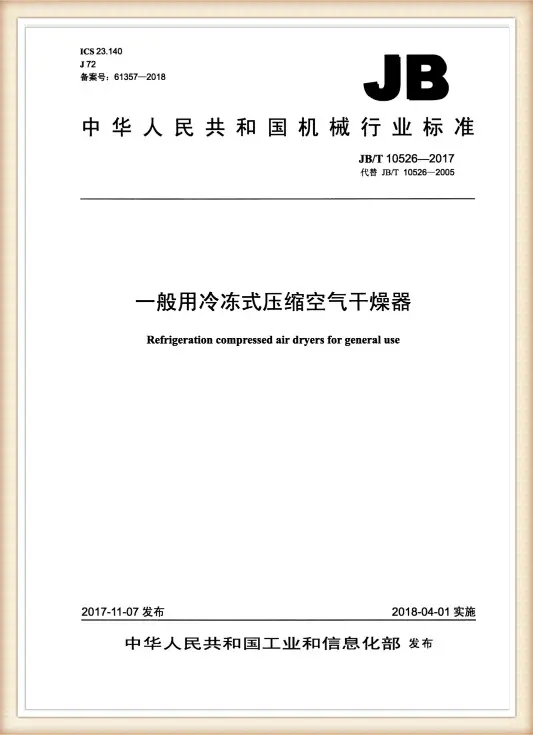
Refrigeration compressed air dryers for general use
Quality Evaluation for Gas Separation Systems
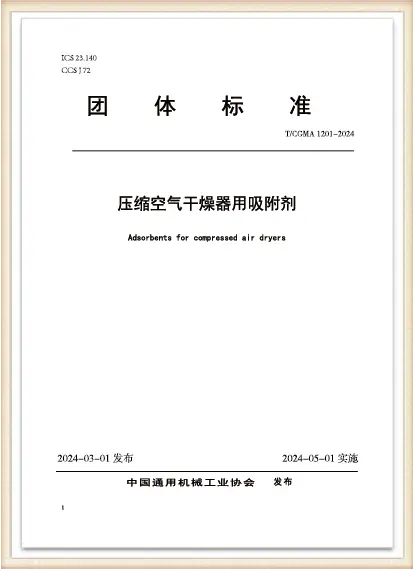
Industrial Zeolite Molecular Sieve Adsorbent Standards
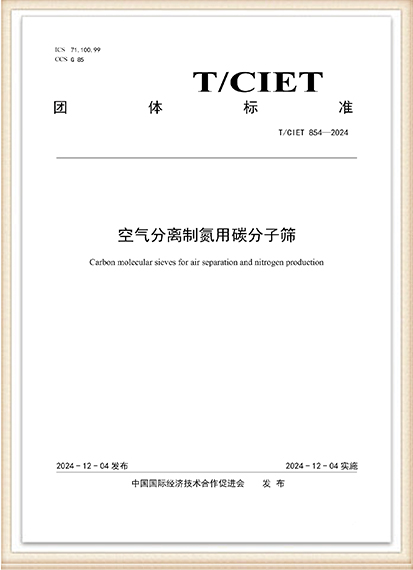
Carbon Emission Standards in Adsorbent Production
"Better air, Better life"
JOOZEO is committed to green manufacturing. From heat recovery systems in our rotary kilns to developing low-temperature regeneration molecular sieves, we help global industries reduce their carbon footprint.




Industrial adsorption technology is shifting towards energy-efficient separation processes. JOOZEO's R&D department is working to commercialize next-generation adsorbent matrices:
Find answers to technical and commercial questions about 3A molecular sieves and adsorbent selection.
Pore size precision is controlled by the potassium-to-sodium ion exchange ratio. A typical 4A molecular sieve has sodium ions in its aluminosilicate cage. By replacing these sodium ions with larger potassium ions, the pore opening is reduced to approximately 3 Ångströms. Precise stoichiometric controls are needed to prevent 4A sites from remaining within the crystal lattice.
Ethylene has a kinetic diameter of approximately 3.9 Å. A 4A molecular sieve (pore size ~4 Å) will co-adsorb ethylene alongside water, leading to hydrocarbon polymerization, carbon deposition (coking) during thermal regeneration, and rapid capacity loss. The smaller pore size of a 3A molecular sieve (~3 Å) excludes ethylene, allowing only water (2.65 Å) to enter.
Pressure drop is usually caused by attrition, dusting, and bead breakage under cyclical high-velocity flows. High crush strength and attrition resistance prevent the beads from breaking down. JOOZEO uses advanced binder systems and calcination methods to ensure our beads resist fracturing under thermal stress and flow variations.
In Temperature Swing Adsorption (TSA) systems, regeneration is typically conducted using a dry gas stream at temperatures between 200°C and 320°C. The heating step is followed by a cooling phase using a dry slip-stream to prepare the bed for the next adsorption cycle.
We provide full documentation, including SDS, REACH certificates, and chemical analysis sheets. Our engineering teams help calculate design parameters, select bed sizes, and optimize regeneration cycles based on feed composition, temperature, and operating pressure.
Choose from our specialized silica gels, activated carbon matrices, and molecular sieves for challenging industrial separation requirements.
Have an engineering challenge or need pricing on raw materials? Get in touch with our technical team. We respond within 24 hours.
Send Request