
Engineered to withstand demanding operating environments, our solutions deliver exceptional thermal stability, precise pore structures, and outstanding durability.

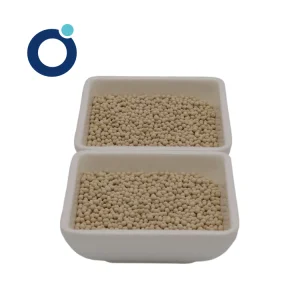
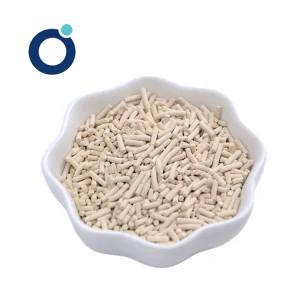
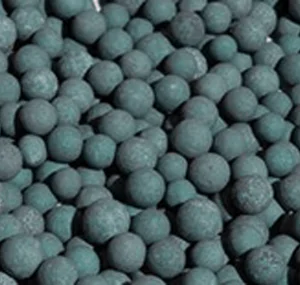
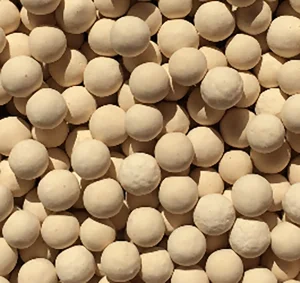
A comprehensive research-grade industry guide detailing global commercial dynamics, molecular structures, and chemical phase performance indicators.
Alumina Silica (or aluminum silicate) is an inorganic chemical compound combining aluminum oxide (Al₂O₃) and silicon dioxide (SiO₂). Depending on the crystalline network structure, pore dimensions, and composition ratios, these compounds form the foundation of high-performance zeolites, catalyst supports, molecular sieves, and raw materials for advanced refractories. Their defining feature is their highly versatile, porous network, which is customizable at the molecular scale.
In modern industrial applications, these synthetic aluminosilicates are structured to optimize either acid catalyst sites (Brønsted and Lewis acid centers) or molecular-sized pore channels. By controlling the synthesis ratio (specifically the Si/Al ratio), chemical engineers can dial in the material's properties—from highly hydrophilic adsorbents designed for traces of water removal to hydrophobic molecular structures designed for volatile organic compound (VOC) removal.
The global demand for synthetic alumina silica and related molecular sieves has grown rapidly, driven by the structural transitions in modern chemical processing and energy supply chains. Key growth areas include:
Industrial applications for alumina silicates vary by region based on local economic and geographic conditions:
North America: Centered on shale gas processing and natural gas liquid (NGL) dehydration. Standard requirements focus on high mechanical strength and reliable cyclic stability to withstand rapid pressure-swing adsorption (PSA) or temperature-swing adsorption (TSA) cycles.
European Union: Driven by energy transition requirements and green chemistry standards. Industrial operations utilize these catalysts to refine biofuels and support carbon capture systems, emphasizing resource efficiency and low greenhouse gas profiles during manufacture.
Asia Pacific: The regional engine for chemical production, metal smelting, and air separation systems. Rapid industrial development and localized air purification mandates fuel high-volume usage of molecular sieves and activated alumina adsorbents.
An Industry Leader Specializing in Advanced Adsorbent R&D and High-Capacity Production.
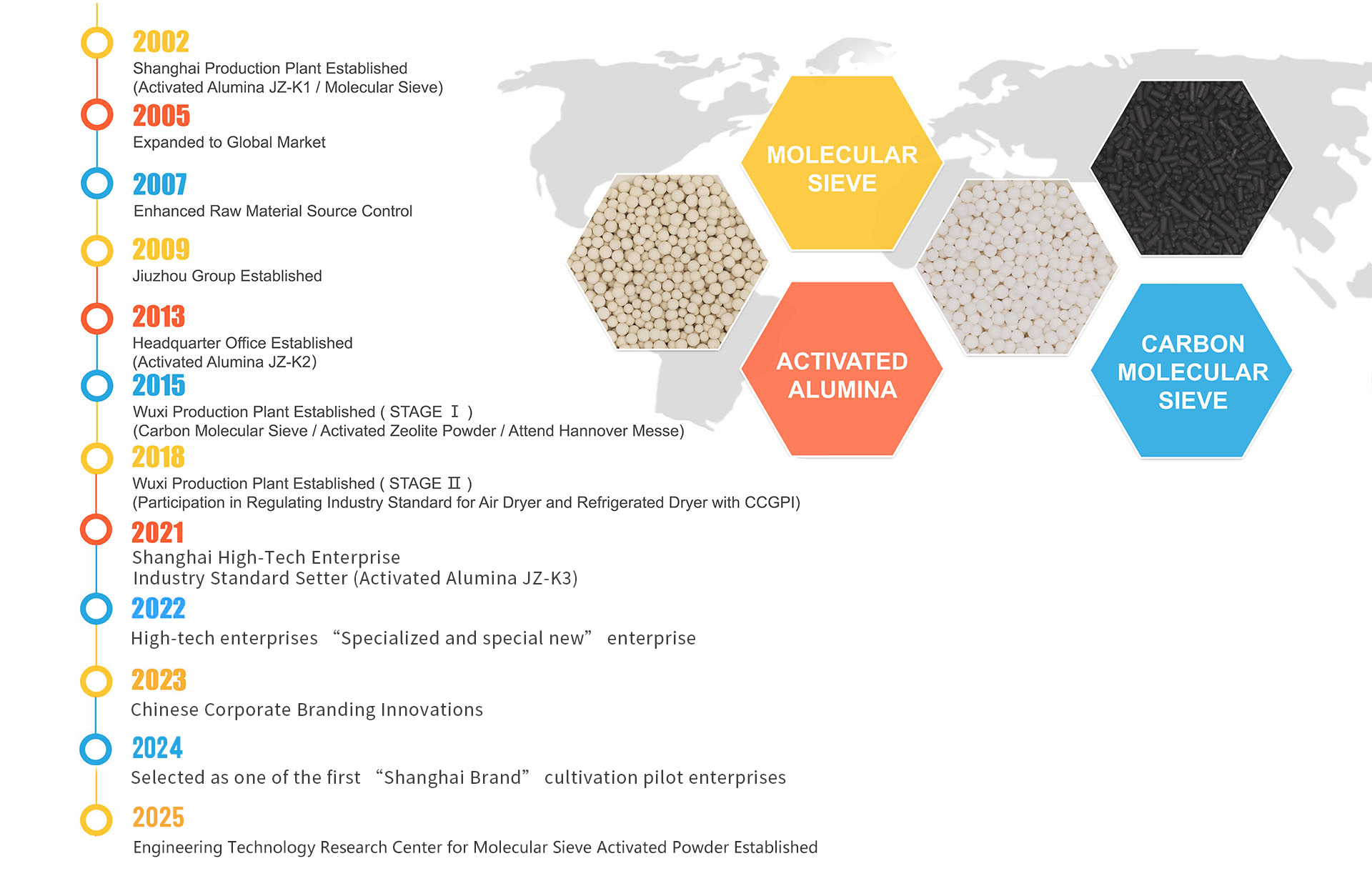
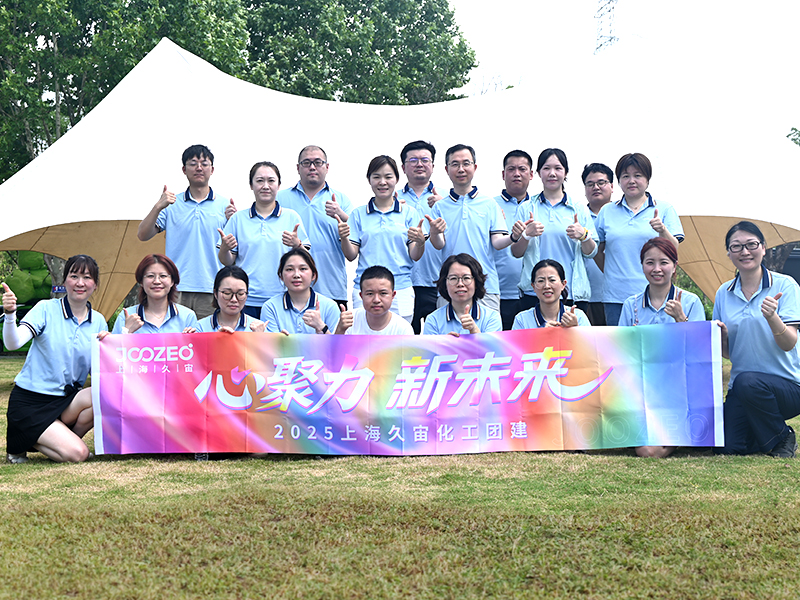
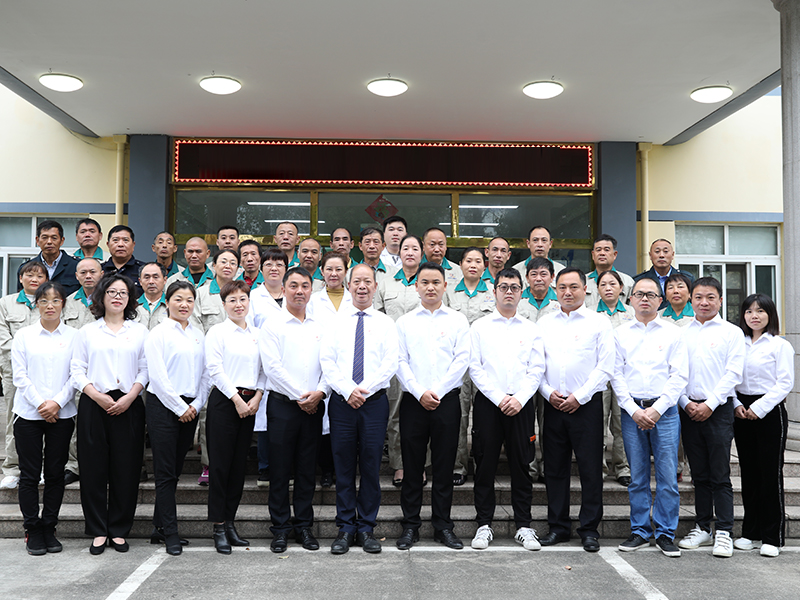
Shanghai Jiuzhou Chemicals Co., Ltd. (JOOZEO) is headquartered in Shanghai, China's largest economic hub. For over three decades, Jiuzhou has prioritized strict quality control and technical innovation, dedicating its resources to the research, development, and manufacturing of high-purity, innovative chemical adsorbents and catalyst systems.
Our comprehensive catalog features diverse molecular sieve powders, synthetic molecular sieves, activated powder, activated alumina, aluminum oxide catalysts, various alumina tower packings, chemical ceramic balls, liquid/solid sodium silicates, aluminum hydroxide, zeolite 4A, and sodium carbonates. To assure international buyers of our manufacturing standards, all operations and products are certified under ISO 9001:2008, TUV, and SGS quality systems.
Operating dual modern manufacturing facilities to maintain supply chain resilience and deliver consistent batch quality.
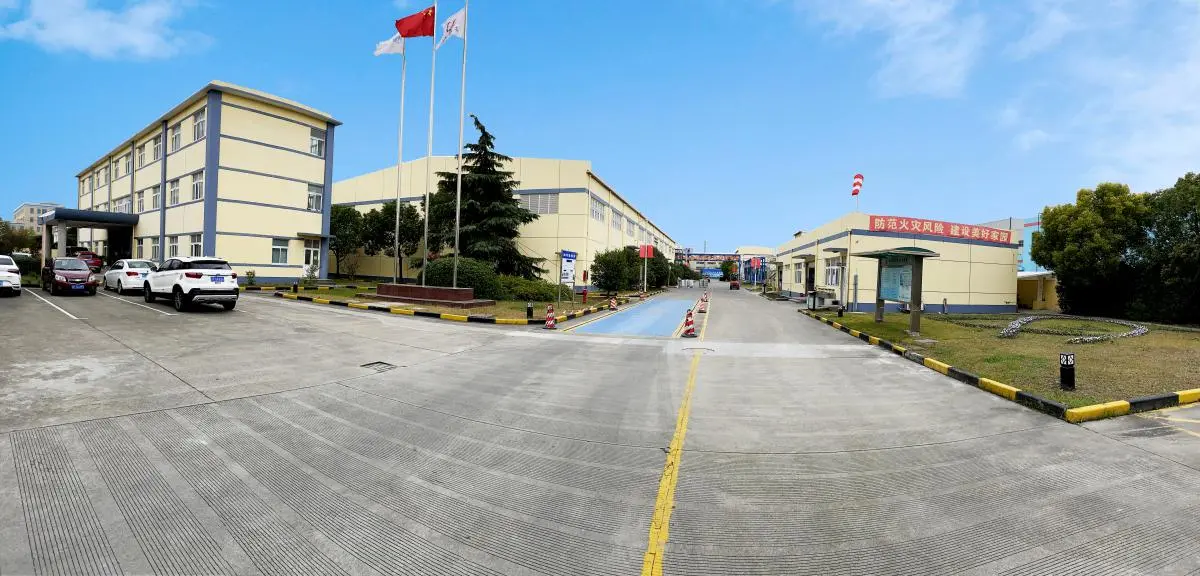
Our main Shanghai production center integrates advanced manufacturing equipment with a central dynamic laboratory. It is engineered to monitor production metrics and run performance tests in real time.

Our Wuxi branch expands our core chemical production and warehousing capabilities. This facility processes high-volume industrial shipments, helping ensure timely logistics for global clients.

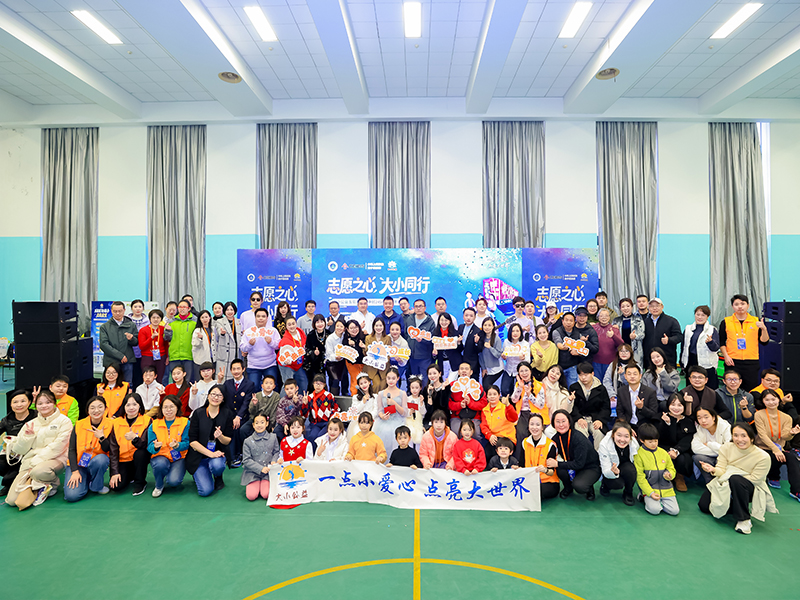
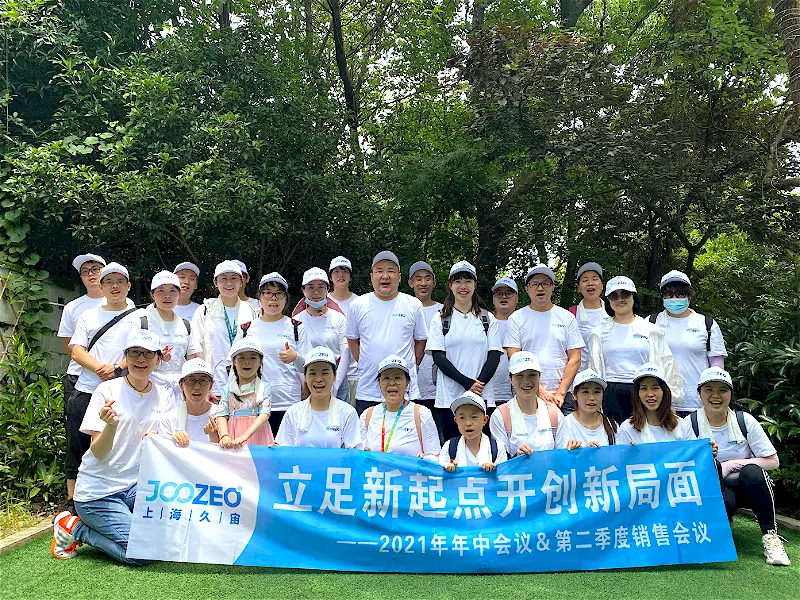
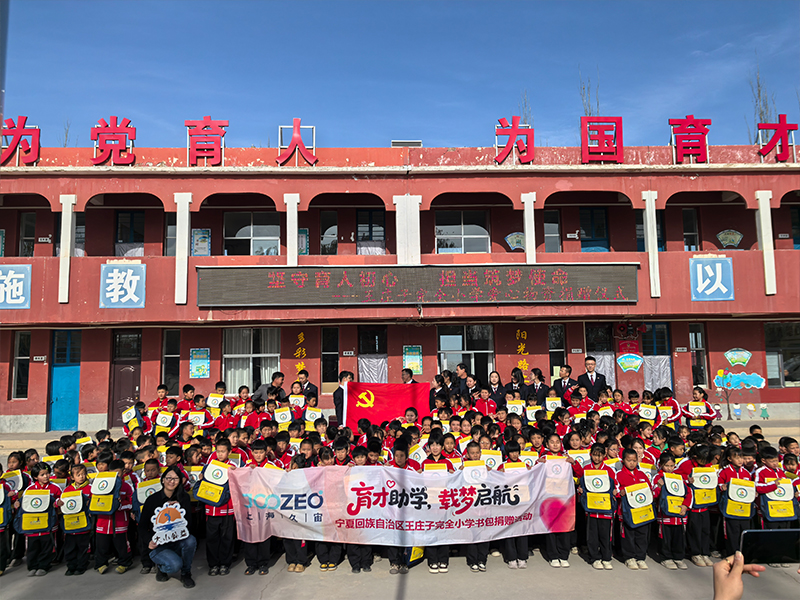
"Better air, Better life" — We design our adsorption technologies to reduce environmental footprints. Our products enable energy-efficient purification and help minimize emissions across global industries.
Demonstrating industry-recognized authority by co-drafting and defining key manufacturing guidelines for adsorbents and compressed dryers.
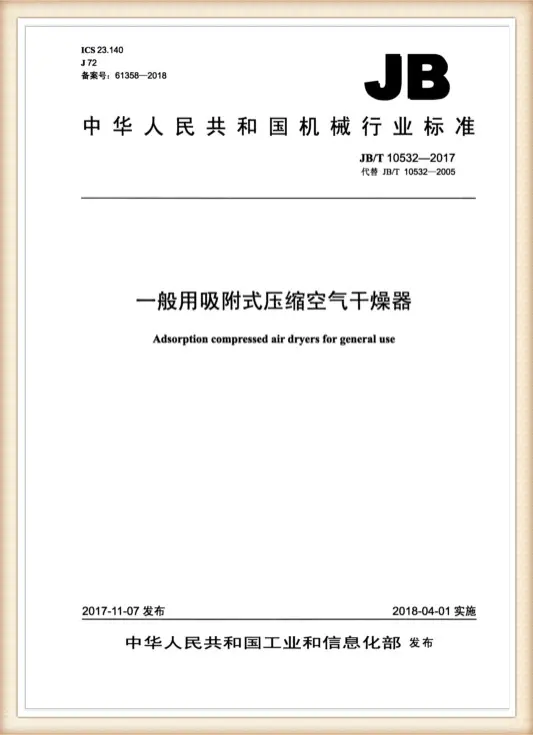
Adsorption compressed air dryers for general use
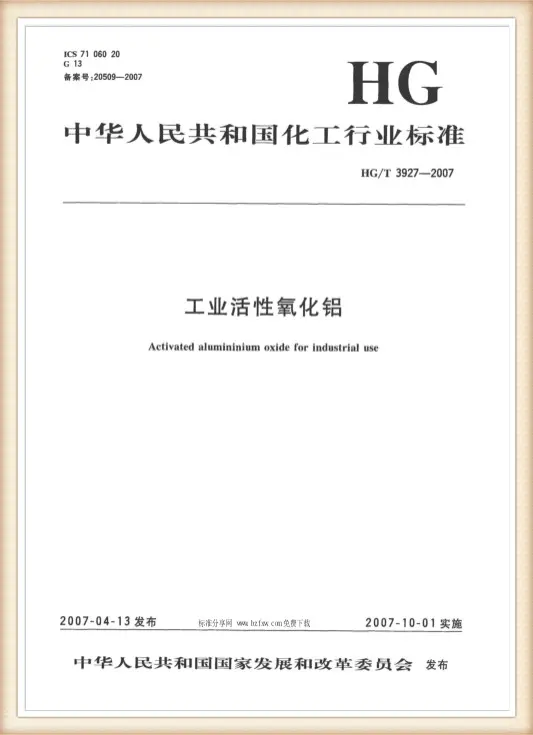
Activated aluminum oxide for industrial use
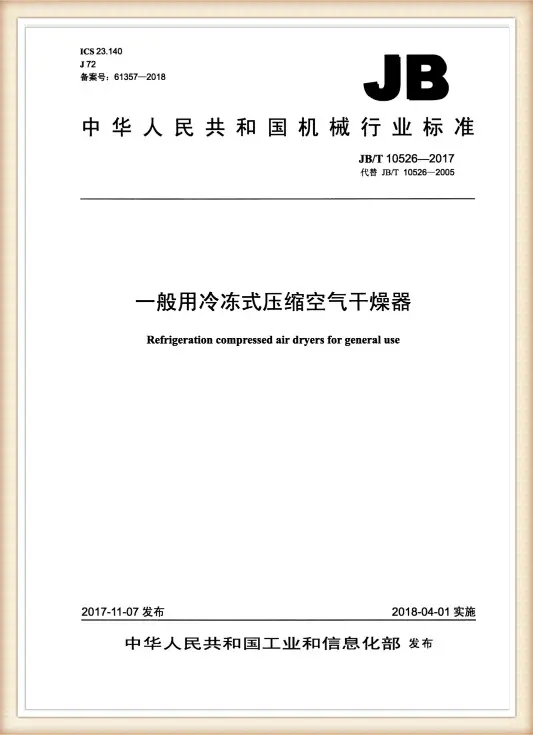
Refrigeration compressed air dryers for general use
Industrial machinery group standard
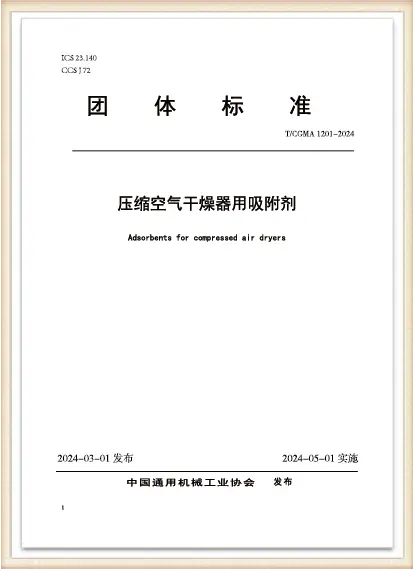
Chemical association technology standards
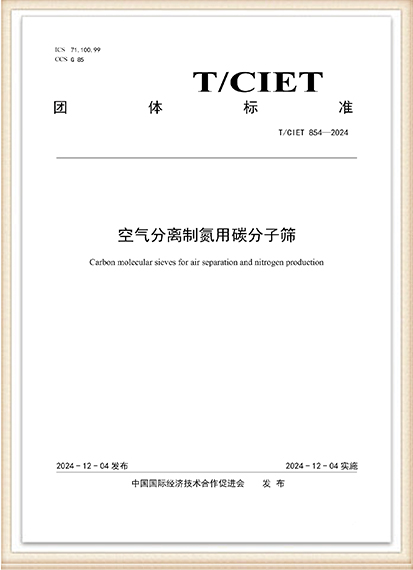
National energy-saving products standard

A continuous development strategy focused on low-carbon synthesis, high selectivity, and extended service life.
By refining the activation temperature profiles of molecular sieves and activated alumina, we help operators lower regeneration temperatures, reducing energy consumption in TSA operations.
Our silica-to-alumina structures are chemically stabilized to prevent premature structure breakdown, maintaining high adsorption capacity even in deep liquid-water contact zones.
Precise control over cation exchange processes ensures consistent pore dimensions, preventing co-adsorption of heavier hydrocarbons and minimizing valuable process stream losses.

Engineered for high selectivity, chemical resistance, and stable operation across industrial gas processing, air drying, and water purification applications.
Technical answers to common engineering questions regarding the application, regeneration, and lifecycle management of molecular sieves.
Do you have a technical question or need a quote for bulk delivery? Contact our chemical engineering team today. We respond within 24 hours.
Send Request