Premium class molecular sieves, highly active carbons, and tailored chemical adsorbents engineered for extreme industrial environments and stringent environmental standards.
Analyzing market dynamics, strict environmental mandates, and the shift toward advanced chemical adsorption systems.
The contemporary industrial landscape is witnessing an unprecedented tightening of environmental regulations worldwide. From the European Union's Net-Zero Industry Act to the United States Environmental Protection Agency's (EPA) Clean Air Act amendments, heavy industries are mandated to eliminate volatile organic compounds (VOCs), sulfur oxides (SOx), nitrogen oxides (NOx), and carbon emissions. Industrial waste gas treatment is no longer merely a regulatory compliance issue; it has evolved into a key measure of operational sustainability and resource recovery.
Traditional treatment methodologies such as direct thermal combustion are increasingly criticized due to high energy consumption and greenhouse gas emissions. Consequently, physical and chemical adsorption systems utilizing molecular sieves, activated carbons, and catalyst carriers have emerged as the industry standard. These materials enable targeted selective capture, allowing corporations to recover valuable organic solvents, purify process gases, and maintain emissions far below traditional thresholds.
"Industrial adsorption technology is at the center of the circular economy. By choosing high-affinity molecular sieves and advanced structured adsorbents, modern plants convert hazardous waste streams into purified process loops or reusable raw materials."
The global market for industrial gas adsorption and waste gas catalysts is primarily driven by three critical industrial vectors:
Removal of trace compounds, sulfur, and moisture from gaseous hydrocarbon streams, preventing catalyst poisoning in downstream processing.
Pre-purification of atmospheric air by capturing carbon dioxide and moisture to prevent dry ice build-up in extreme cold exchangers.
Capturing and concentrating low-concentration solvents from industrial exhaust streams using highly specialized carbon materials.
A premier global industrial manufacturer dedicated to quality control, dynamic innovation, and eco-friendly gas adsorption solutions.
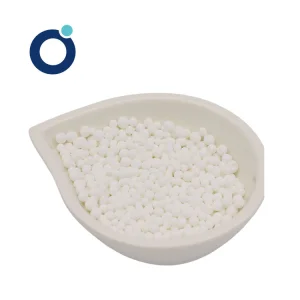
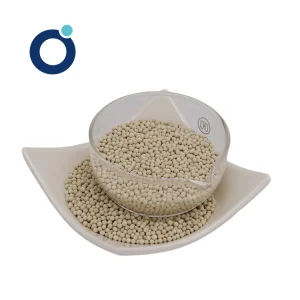
Located in the leading economic development hub, Shanghai Jiuzhou Chemicals Co., Ltd. (JOOZEO) has consistently prioritized "Quality Control & Innovation". We dedicate our resources to the continuous development, research, and manufacture of premium chemical adsorbents. Our expansive product line ranges from active zeolite powders, synthetic molecular sieves, and activated alumina to catalyst carriers, structured ceramic packing, and liquid sodium silicates.
Our entire operation is certified under ISO9001:2008 Quality Management Systems, alongside rigorous verifications by TUV and SGS. Our dynamic central laboratories are equipped with advanced monitoring and analysis instruments, enabling our experienced research teams to engineer highly customizable adsorption matrices that meet and exceed international benchmarks.
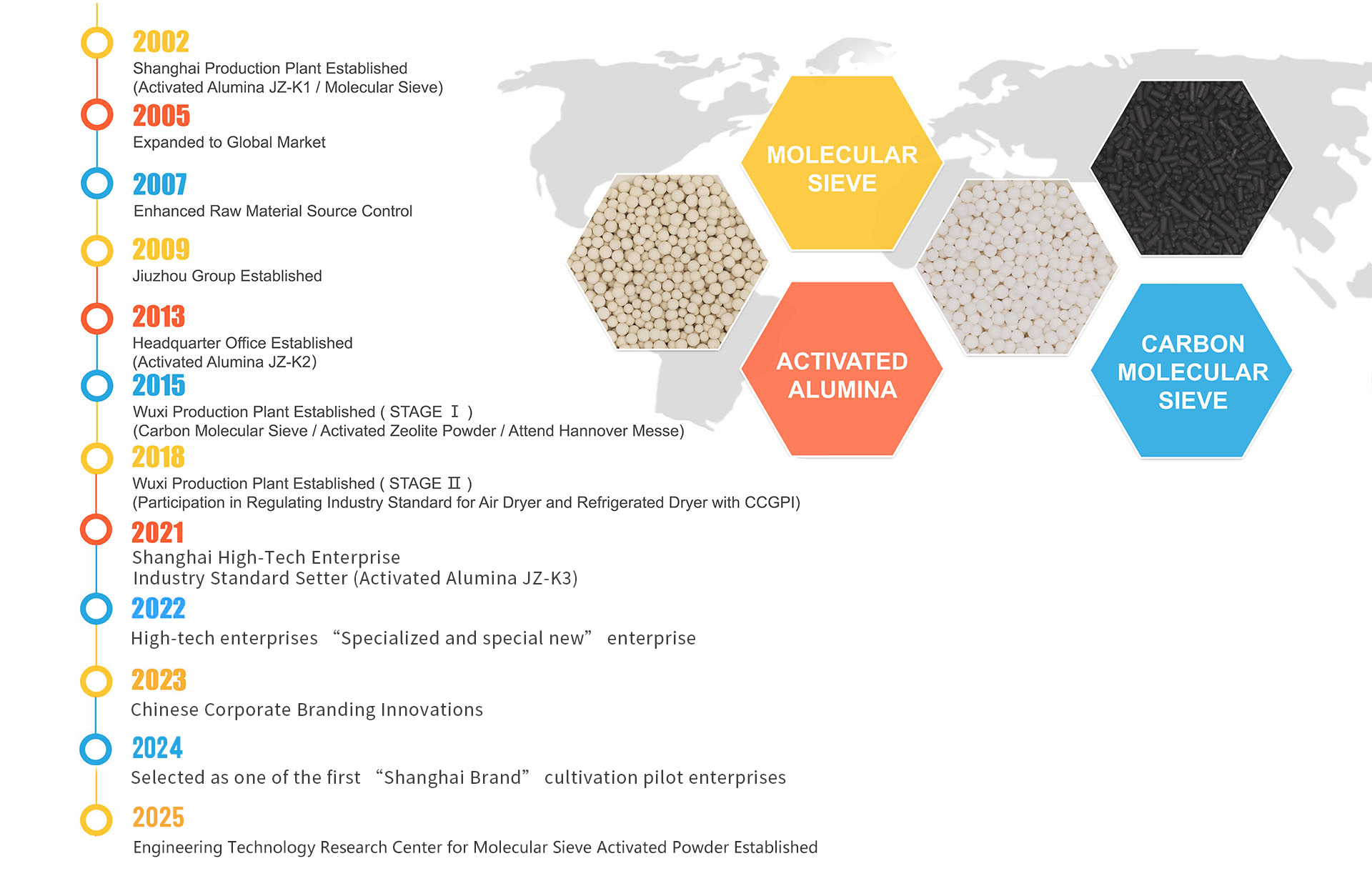
We employ automated continuous production lines and rigorous in-line sampling to maintain absolute consistency in pore size distribution, crush strength, and adsorption capacity.
Our engineering division works closely with universities and global process licensors to develop highly specific molecular structures designed for harsh chemical processing environments.
Our specialized manufacturing bases in Shanghai and Wuxi feature modern automated calcination, synthesis, and pelletizing facilities.
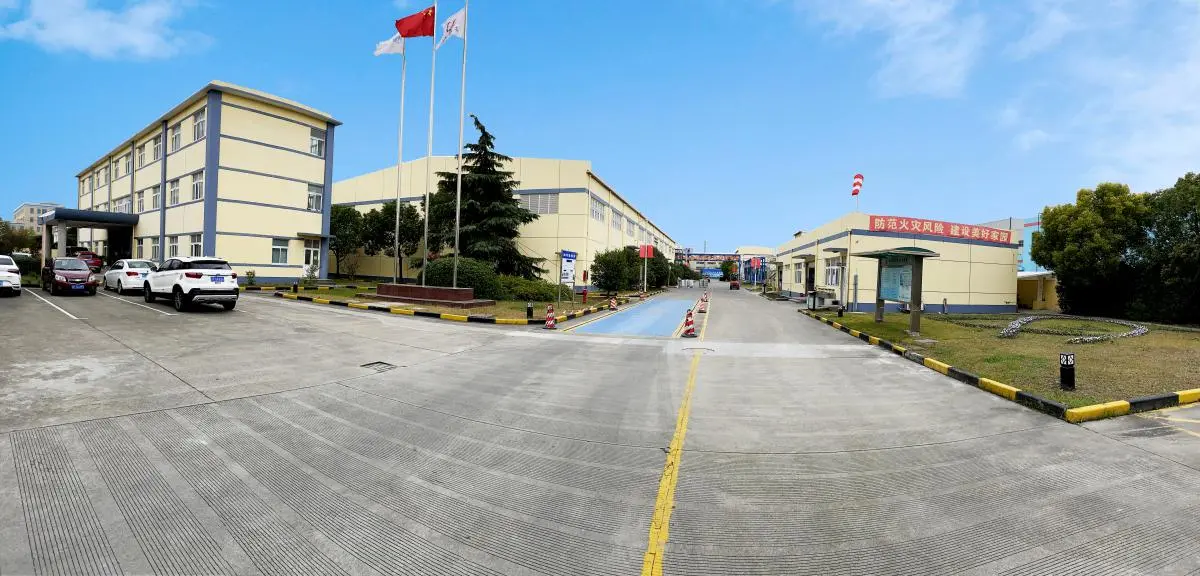
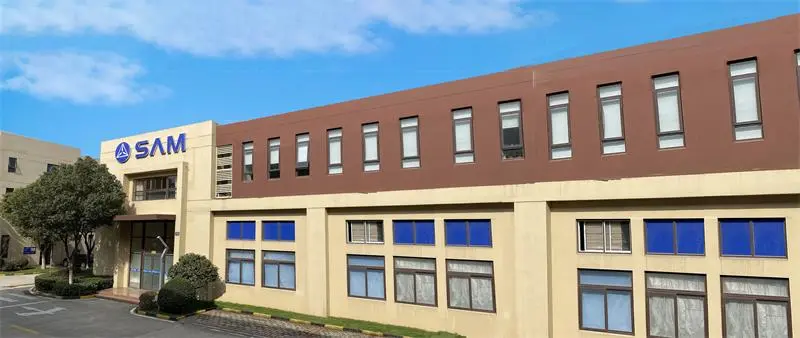
How systemic integration, advanced automation, and shipping clusters give JOOZEO an edge over international competitors.
In the field of high-performance chemical adsorbents, manufacturing efficiency is directly linked to raw material control, thermal energy management, and logistical integration. JOOZEO leverages China's industrial infrastructure to provide cost-effective, high-quality solutions to global buyers.
1. Complete Upstream Supply Chain Integration: China is home to the world's most concentrated chemical raw material industries. JOOZEO secures high-grade silicates, aluminates, and diverse precursor materials locally. This structural setup shields our clients from volatile international raw material price swings and guarantees uninterrupted supply chains.
2. Advanced High-Temperature Calcination Technology: The production of molecular sieves and activated alumina requires high-temperature activation. Our Wuxi and Shanghai factories utilize next-generation, energy-efficient rotary kilns and fluidized beds. This enables precise thermal distribution, ensuring that every batch of molecular sieve achieves optimal pore structure and mechanical strength while reducing emissions.
3. Unmatched Global Logistics & Shipping Infrastructure: Our strategically located plants in Shanghai and Wuxi allow direct access to the Port of Shanghai—the world's busiest container gateway. By minimizing inland transit times and costs, we optimize delivery schedules, lower cargo risks, and pass shipping savings directly to our global clients.
JOOZEO actively participates in defining and drafting national and industrial standards for dryers, chemical adsorbents, and air treatment systems.
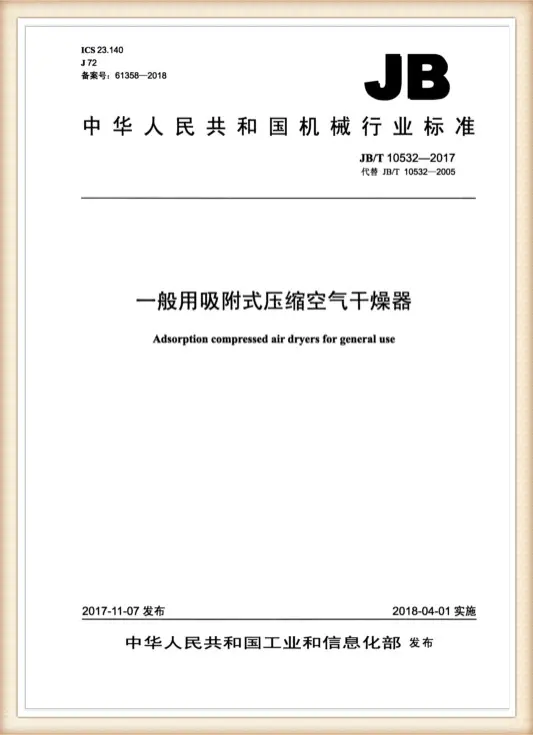
Adsorption compressed air dryers for general use.
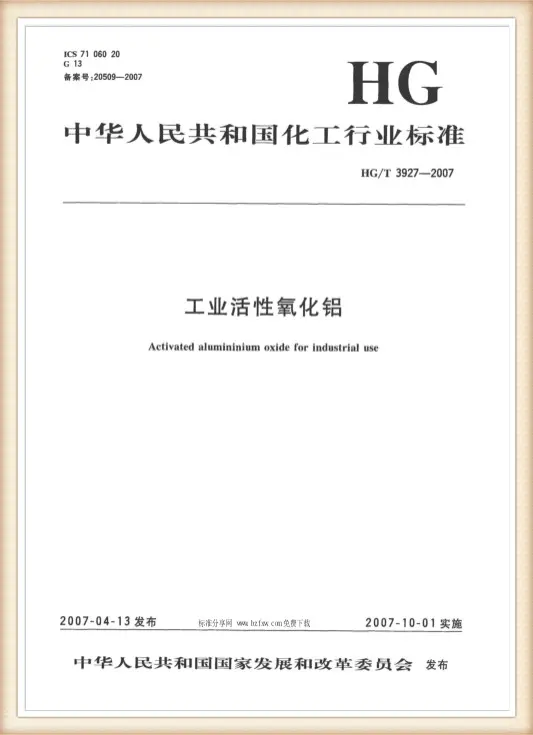
Activated aluminum oxide for industrial use.
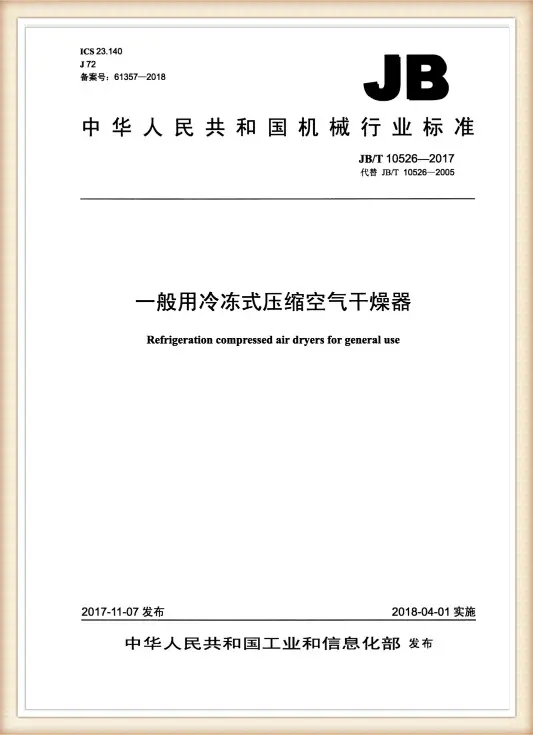
Refrigeration compressed air dryers for general use.
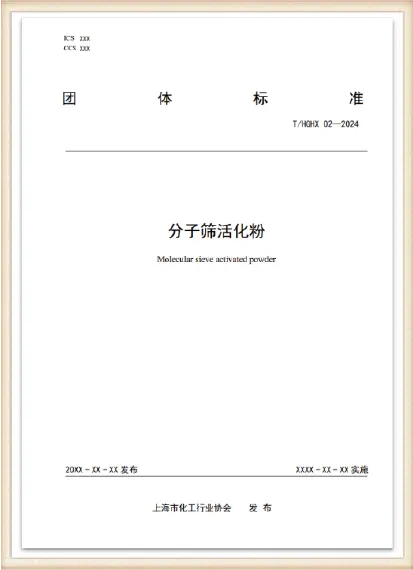
Industrial specifications for compressed gas drying.
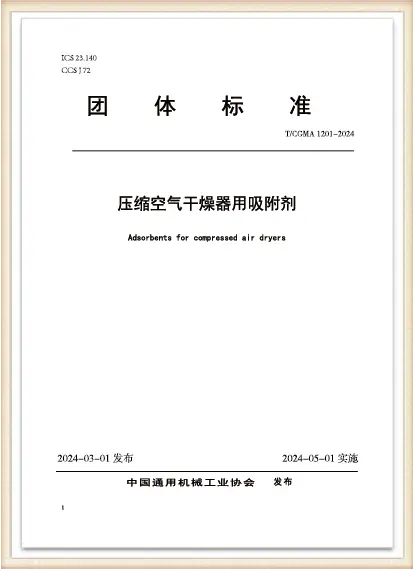
Synthetic zeolite and specialized molecular sieve standards.
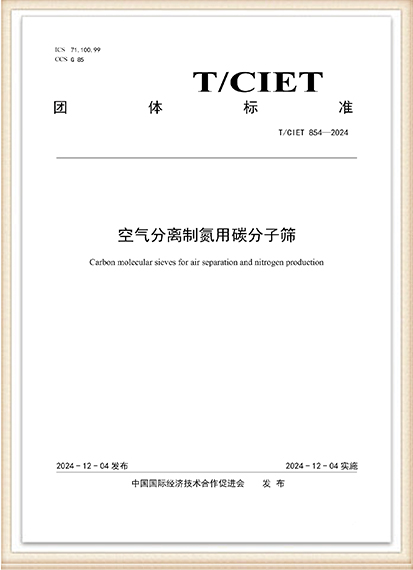
Green manufacturing & energy efficiency guidelines for adsorbents.
Our commitment to sustainability guides our production methods and matches the performance standards of our clean air solutions.
How our custom-tailored adsorption systems solve complex waste gas purification challenges across diverse industrial sectors.
No two industrial exhausts are identical. Differences in humidity, temperature, flow velocity, and particulate loading require custom-designed adsorbent configurations. JOOZEO engineers materials to match the unique operating parameters of specific plants:
In high-volume, low-concentration VOC emissions, directly treating air streams is inefficient. Modern treatment uses hydrophobic zeolite rotor wheels to concentrate the solvents. Synthetic zeolites from JOOZEO (e.g., JooSorb ZC-12) feature excellent thermal stability and clear pore openings. This design allows them to capture volatile organic solvents under high humidity and completely desorb them at high temperatures without structural degradation.
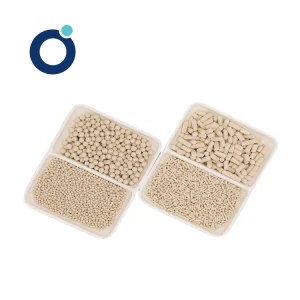
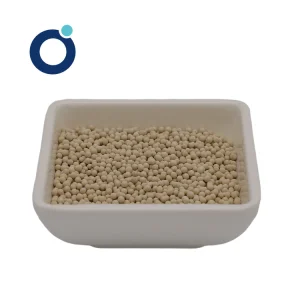
Before oxygen and nitrogen are liquefied and separated, trace moisture, carbon dioxide, and hydrocarbons (specifically acetylene) must be completely removed. The presence of even minor contaminants can block heat exchangers, presenting severe safety risks. JOOZEO's specialized molecular sieves, such as the JZ-ZMS9 and JZ-ZMS4 series, are engineered with precise pore structures and high dynamic adsorption capacities. This ensures clean feed gas reaches the cryogenic processing stages.
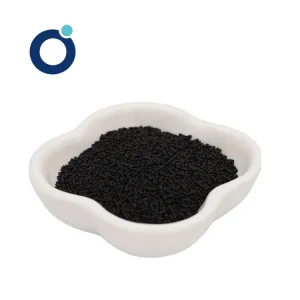
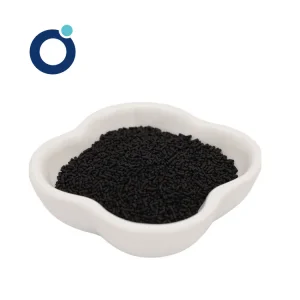
With the rise of hydrogen energy, producing high-purity hydrogen from reformate gas or industrial off-gas is critical. Pressure Swing Adsorption (PSA) uses multi-bed configurations of molecular sieves and active carbons to remove carbon monoxide, carbon dioxide, nitrogen, and methane. JOOZEO's JZ-CMS3PN and JZ-CMS2N carbon molecular sieves provide the sharp kinetic separation required to achieve 99.999% hydrogen purity.
Addressing the key requirements of international engineering firms, chemical distributors, and plant operators.
Global procurement teams prioritize more than just unit cost; they evaluate long-term performance, shipping reliability, and regulatory compliance. JOOZEO structures its manufacturing and supply chain to meet these expectations:
Expert insights on adsorbent selection, regeneration protocols, and operational optimization.
Advanced synthetic desiccants, high-density carbon molecular sieves, and catalysts engineered for challenging gas-solid separation processes.
Get in touch with our chemical engineers for tailored adsorption designs, technical specifications, and bulk volume quotes. We respond to all technical inquiries within 24 hours.
Send Request / Inquiry