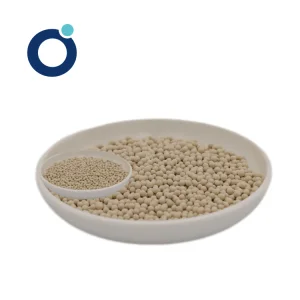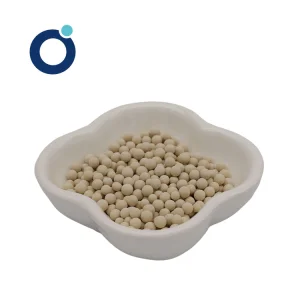
Famous Solvents Dehydration Suppliers & Quotes

Premium Desiccants, Advanced Molecular Sieves & Custom Adsorption Engineering Solutions Since 1994

1994
Established Year
80+
Trade Partner Countries
25,000㎡
Company Manufacturing Area
100%
Quality & Innovation Driven

White Paper: Global Solvent Dehydration Technologies & Commercial Dynamics

Solvent dehydration is a key industrial process across the chemical, pharmaceutical, petrochemical, and energy sectors. Removing trace water from solvents like ethanol, isopropanol (IPA), tetrahydrofuran (THF), and ethyl acetate is critical to achieving high purity, improving reaction yields, preventing catalyst poisoning, and meeting environmental regulations. Traditional distillation methods have thermodynamics limitations, particularly when handling azeotropic mixtures where water and solvents boil together at a constant composition.

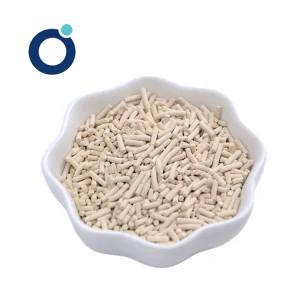
Modern industries rely on molecular sieves for dehydration. Using synthetic zeolites like 3A, 4A, and 5A type crystalline aluminosilicates, these plants separate water at a molecular level based on size exclusion and polar affinity. This white paper examines global procurement landscapes, tech paths, industrial standards, and the capabilities of Shanghai Jiuzhou Chemicals Co., Ltd. (JOOZEO) as an industry partner.

1. Macro Industry Solutions & Dehydration Architectures

Industrial solvent dehydration must balance water-removal efficiency, operational footprint, energy consumption, and product recovery rates. Modern systems use three main process architectures:

  • Thermal Swing Adsorption (TSA): The most common method for liquid-phase or vapor-phase deep dehydration. Multiple beds alternate between high-pressure/low-temperature adsorption and low-pressure/high-temperature regeneration (typically 200°C to 300°C). TSA systems can dry solvents to water concentrations below 10 ppm.
  • Pressure Swing Adsorption (PSA): Widely used for vaporized solvents like fuel ethanol. PSA operates on rapid cycle times using pressure differentials to drive adsorption and desorption, offering high energy efficiency.
  • Hybrid Pervaporation-Adsorption Systems: Used for highly corrosive or challenging solvent mixtures. Pervaporation membranes perform bulk separation, while molecular sieve polishing beds handle final purification to reach ultra-dry specs.

SEO Insight: Choosing the right pore size (e.g., 3A vs. 4A) is key to avoiding co-adsorption. A 3A molecular sieve (pore size ~0.3 nm) adsorbs water (0.28 nm) but excludes larger solvents like ethanol (0.44 nm), preventing product loss and thermal runaway during adsorption cycles.

2. Global Procurement Dynamics & Strategic Requirements

Procurement teams in the EU, Americas, and APAC prioritize specific performance metrics when sourcing solvent dehydration media:

  • Mechanical Crushing Strength: High crush strength prevents bead breakdown under cyclic pressure and thermal loads, minimizing dust formation and system pressure drops.
  • Adsorption Kinetic Profile: Rapid mass transfer rates permit smaller bed designs and reduce overall solvent holdup.
  • Thermal Stability: Reusable adsorbents must withstand hundreds of regeneration cycles without structure collapse or loss of capacity.
  • Compliance Standards: Suppliers must meet REACH (EU), GHS/OSHA guidelines, and ISO certifications.

Corporate Overview

Shanghai Jiuzhou Chemicals Co., Ltd. (JOOZEO) is a leading manufacturer of high-performance chemical adsorbents, molecular sieves, and catalysts. Headquartered in Shanghai, China, JOOZEO provides custom adsorption solutions worldwide.
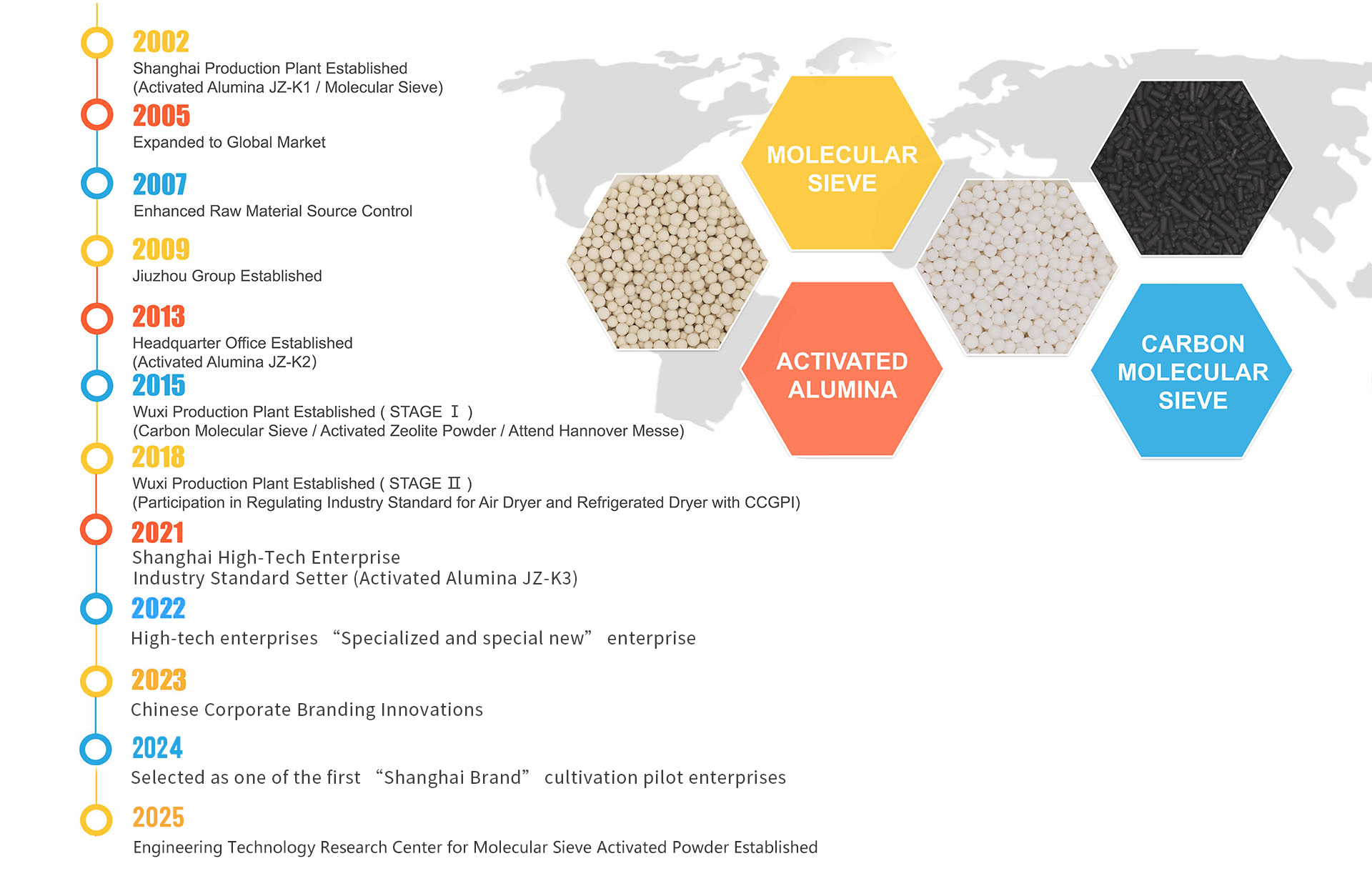
Jiuzhou Chemicals HQ

Our ISO 9001:2008, TUV, and SGS certified manufacturing processes ensure that every batch of molecular sieve powder, activated alumina, and catalyst support meets international standards.

Request Technical Specs

Production Centers & Technical Quality Standards

Operating out of Shanghai and Wuxi, our facilities deliver world-class materials built to industrial specifications.
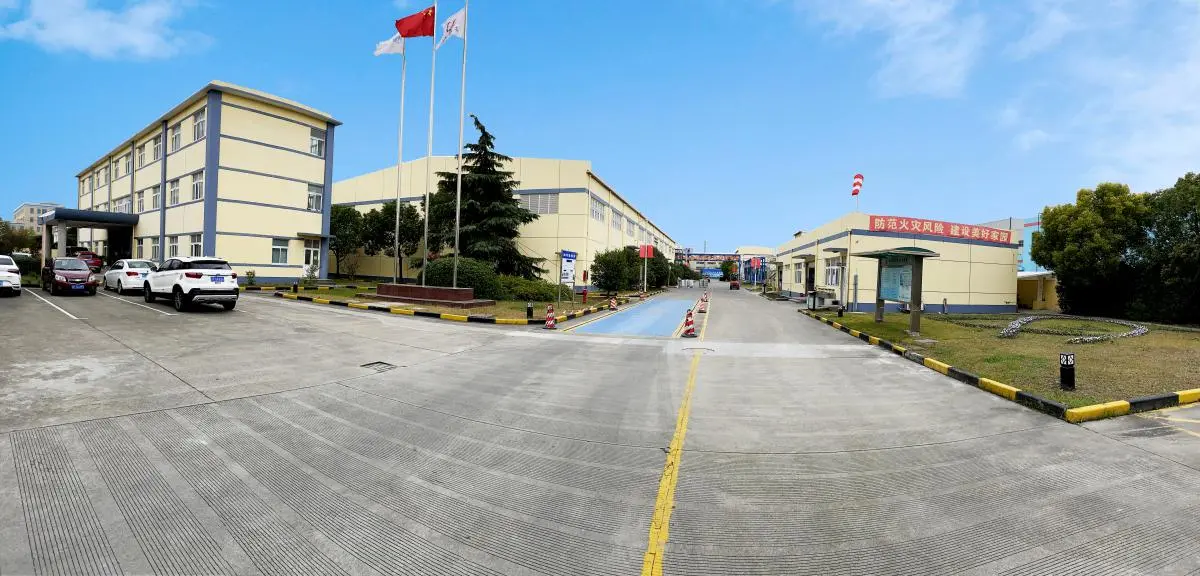

Shanghai Production Center
Wuxi Production Center
Quality Control Lab
Research Facility

Active Standards Setting

Shanghai Jiuzhou Chemicals Co., Ltd. actively contributes to industry specifications. We participate in drafting and maintaining national and industrial standards for dryers, adsorbents, and chemical testing methodologies.
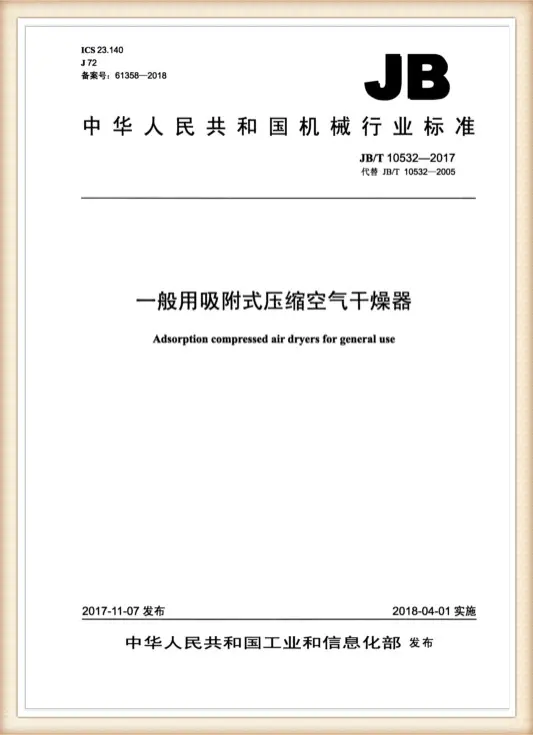
Standard JB/T 10532-2017
JB / T 10532-2017

Adsorption compressed air dryers for general use
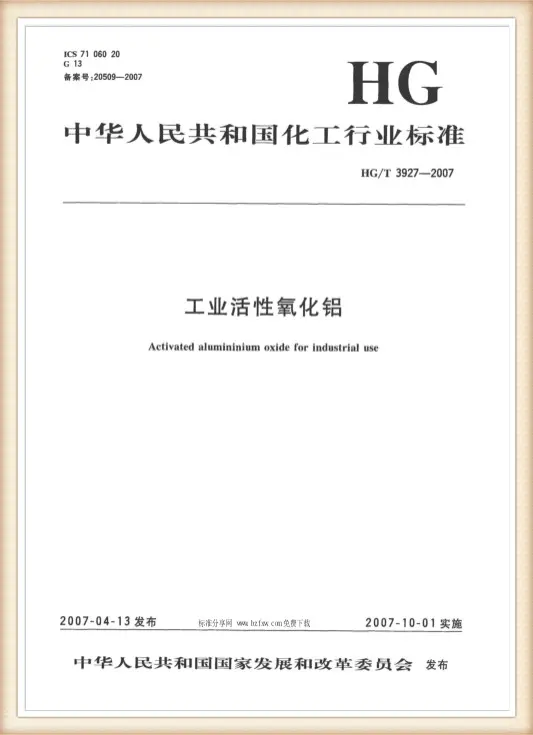
Standard HG/T 3927-2007
HG / T 3927-2007

Activated aluminum oxide for industrial use
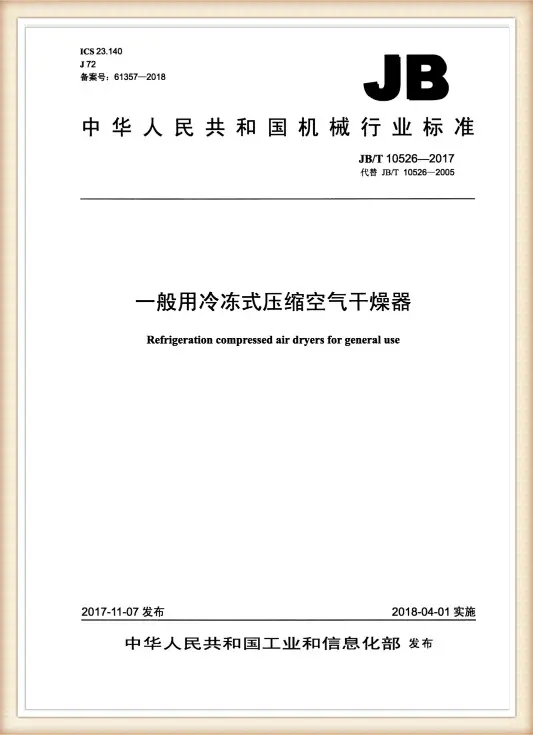
Standard JB/T 10526-2017
JB / T 10526-2017

Refrigeration compressed air dryers for general use
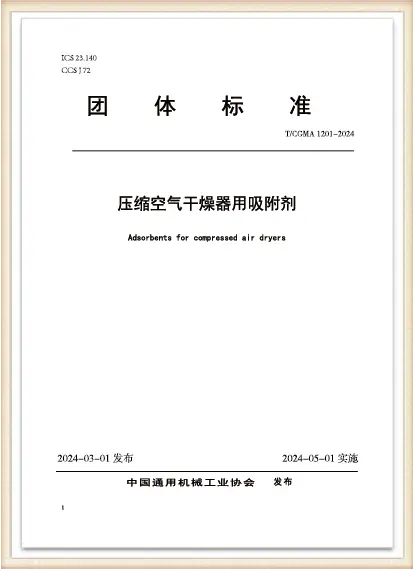
Standard T/CGMA 1201-2024
T/CGMA 1201-2024

Industrial Standards Certification

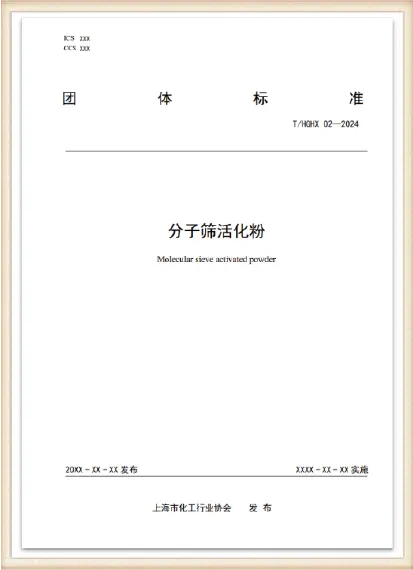
Standard T/HGHX 02-2024
T/HGHX 02-2024

Advanced Chemical Testing Protocols

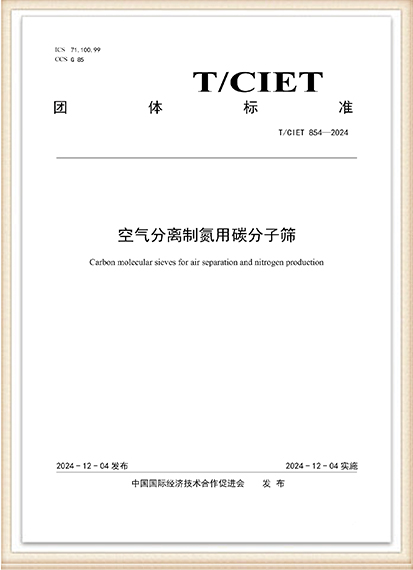
Standard T/CIET 854-2024
T/CIET 854-2024

Environmental & Sustainability Standards

3. Adsorption Dynamics & Kinetics in Solvent Drying

Understanding the physics of synthetic zeolites helps optimize solvent dehydration beds. Crystalline aluminosilicates feature regular networks of channels and cavities:

  • Framework Structure: A three-dimensional network of SiO4 and AlO4 tetrahedra, where shared oxygen atoms create pores of precise sizes. The net negative charge of the framework is balanced by cations (e.g., Na+, K+, Ca2+), which generate electrostatic fields in the cavities.
  • Dipole Interaction: Water molecules have a strong dipole moment. When they enter the pore cavity, they interact with the framework's exchangeable cations. This electrostatic attraction allows zeolites to adsorb water even at low relative humidity or trace concentrations, yielding dew points down to -70°C.
  • Steric Exclusion: Solvents like ethanol, IPA, and benzene cannot pass through 3A pores due to steric hindrance. Selecting the correct pore size ensures that only water molecules reach the active adsorption sites, maintaining solvent purity and preventing bed coking or clogging.

Zeolite 3A (K-Form)

Pore diameter of ~3 Å. Used to dehydrate polymerizable olefins, ethanol, methanol, and isopropanol without co-adsorption of organic molecules.

Zeolite 4A (Na-Form)

Pore diameter of ~4 Å. Used to dry non-reactive liquids and gases like air, carbon dioxide, hydrocarbons, and halogenated solvents.

Zeolite 5A (Ca-Form)

Pore diameter of ~5 Å. Used for drying and desulfurizing natural gas, removing normal paraffin chains from branched hydrocarbons, and PSA hydrogen purification.

4. Environmental, Social & Corporate Governance (ESG)

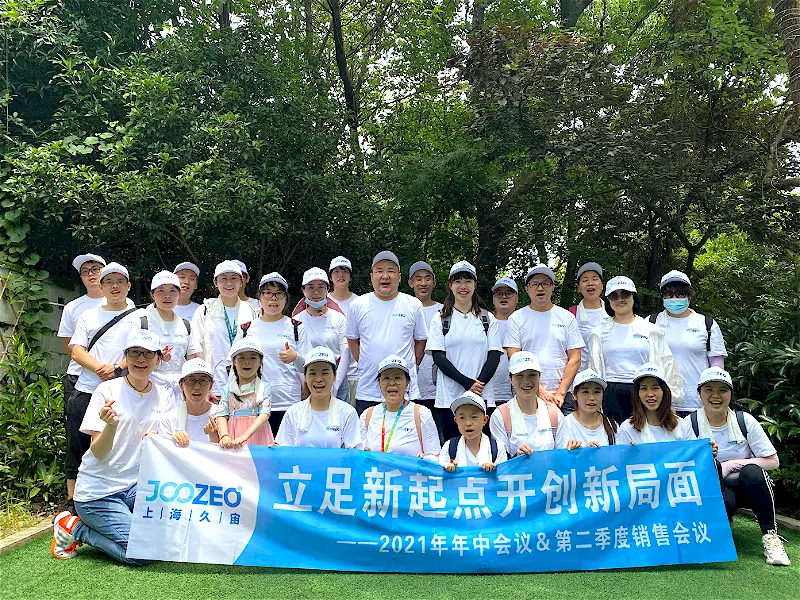
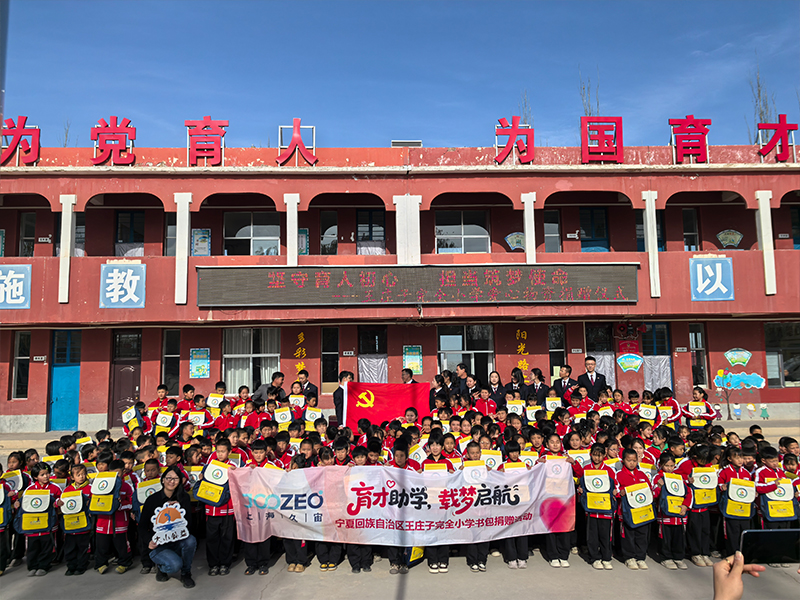
Modern chemical manufacturing demands sustainable practices. Under the guiding motto "Better air, Better life", JOOZEO develops energy-saving adsorption solutions that lower the regeneration temperatures of industrial dryers.
ESG Focus 1
ESG Focus 2
ESG Focus 3
ESG Focus 4

Our plants use low-emission processes, closed-loop water systems, and recovery protocols that reduce solid waste. By helping clients transition from energy-heavy distillation to adsorption-based solvent recovery, we support global carbon reduction goals in the chemical industry.

Industrial FAQ & Dehydration Engineering Insights

Technical guidance and sourcing advice from our engineering team.

How does pore size choice affect solvent dehydration safety and yield?
Using an incorrect pore size can cause co-adsorption. For example, if 4A molecular sieves are used to dehydrate ethanol, both water and ethanol molecules can enter the pores. This co-adsorption displaces water, reduces water-holding capacity, and generates significant heat of adsorption, which can cause thermal spikes and product degradation. Selecting a 3A molecular sieve restricts access to water only, protecting the solvent and bed.
What are the primary indicators that a molecular sieve bed needs replacement?
Key indicators include: 1) Rising moisture levels at the bed outlet (early breakthrough). 2) Increased pressure drop across the bed, which points to particle breakage or dust accumulation. 3) Decreased outlet temperatures during regeneration, indicating lost adsorption capacity. Systematic gas chromatography (GC) testing help establish optimal maintenance cycles.
How does JOOZEO ensure quality control across production batches?
Our central and dynamic testing laboratories analyze every batch for bulk density, particle size distribution, static water adsorption capacity, crushing strength, and attrition rate. We manufacture in compliance with ISO 9001:2008 and hold TUV and SGS certifications.
Can molecular sieves be regenerated on-site, and what is the typical procedure?
Yes, sieves are regenerated by thermal desorption. Typically, a dry purge gas (such as nitrogen, methane, or dry air) flows through the bed at temperatures between 200°C and 320°C. This cycle removes adsorbed water, which is vented or condensed, preparing the zeolites for reuse.
What logistics support does JOOZEO offer for international deliveries?
We provide sea, air, and rail freight options through our global shipping network. Products are packed in airtight steel drums, super sacks, or moisture-resistant bags to prevent hydration during transit. We manage export documentation, customs clearance, and compliance declarations.

Request Technical Specs & Pricing

Speak with an applications engineer about custom solutions and batch pricing. We reply within 24 hours.

Send Inquiry Email
Operational Center
Packaging Center