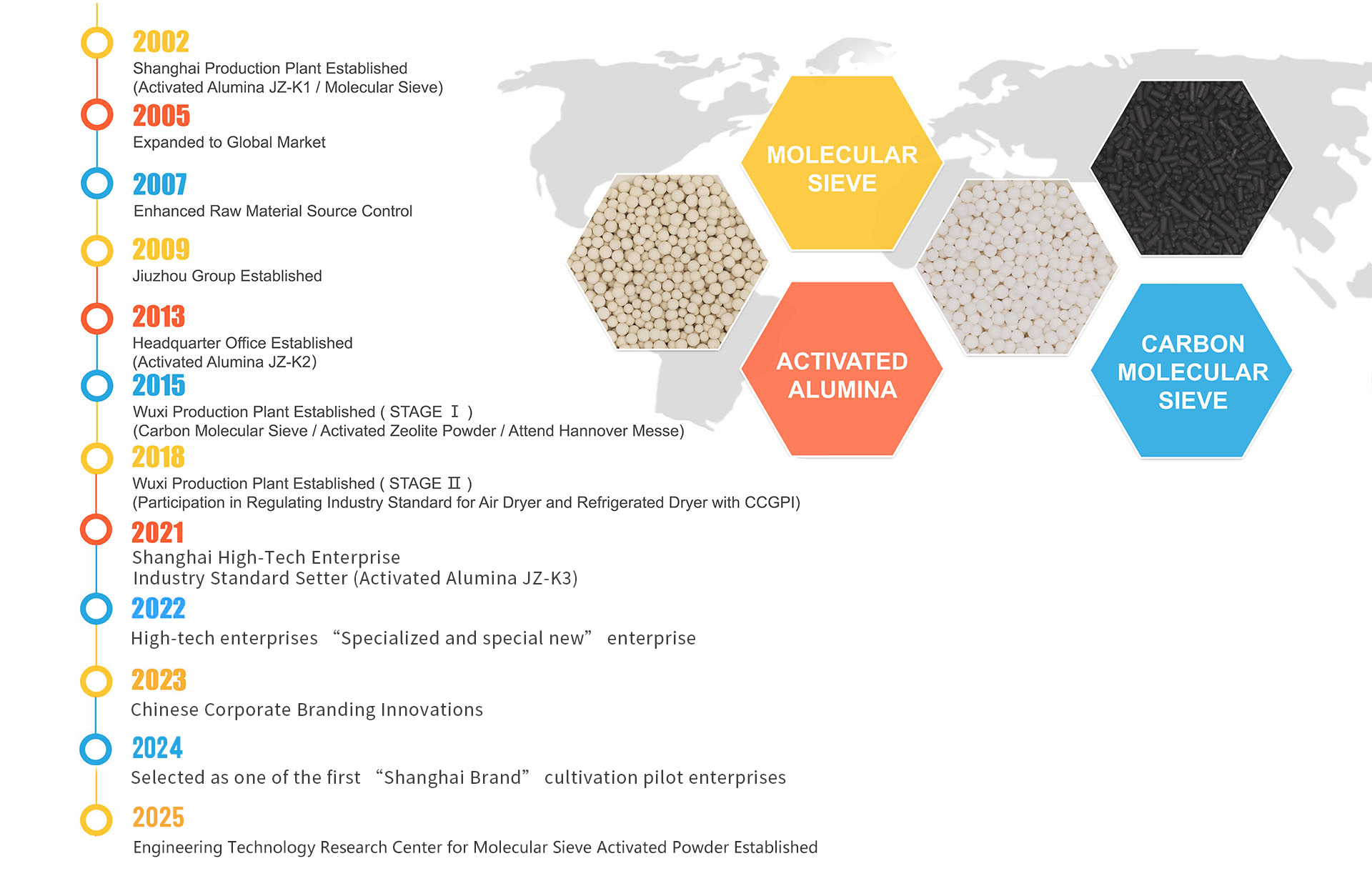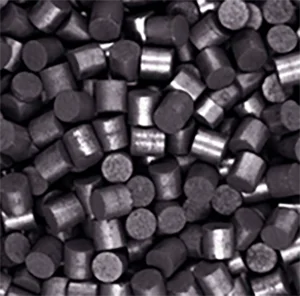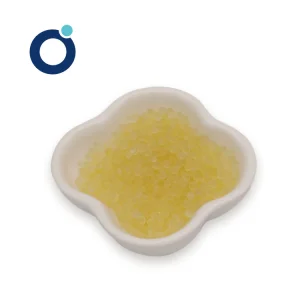
Engineered to deliver exceptional thermal stability, precise pore diameter control, and maximum nitrogen/oxygen selectivity for diverse industrial processes.
Modern gas processing, especially the extraction of high-purity oxygen from compressed air feedstocks, relies heavily on engineered porous crystalline aluminosilicates. Among the various industrial adsorbents, Lithium Zeolite Molecular Sieve represents the absolute zenith of selective nitrogen separation technology. Engineered with a low silica-to-alumina ratio (often Si/Al = 1.0) and highly exchanged with lithium ions ($Li^+$), these materials display an unprecedented capacity for selective polar chemical interactions.
At the atomic level, the zeolite framework consists of a three-dimensional network of $SiO_4$ and $AlO_4$ tetrahedra. The substitution of aluminum for silicon introduces a net negative charge, which must be compensated by extra-framework cations. In standard adsorbents, these are typically sodium ($Na^+$) or calcium ($Ca^{2+}$). However, when we exchange these cations with lithium ($Li^+$), a dramatic physical transformation occurs.
Because the ionic radius of Lithium is exceptionally small ($0.068\,\text{nm}$), the localized electrostatic field gradient within the faujasite cages (primarily the Site III' positions) becomes incredibly intense. Nitrogen molecules ($N_2$) possess a significant quadrupole moment ($1.52 \times 10^{-26}\,\text{esu}\cdot\text{cm}^2$), while oxygen ($O_2$) has a much lower quadrupole moment ($0.4 \times 10^{-26}\,\text{esu}\cdot\text{cm}^2$). The dense electrostatic fields created by the $Li^+$ ions interact strongly with the quadrupole of $N_2$, polarizing the molecule and capturing it firmly within the cage structure, while letting the oxygen pass through unhindered.
Key Metric: Lithium-exchanged Low Silica X Zeolite (Li-LSX) exhibits a nitrogen-to-oxygen selectivity ratio ($N_2/O_2$) that is 3 to 6 times higher than standard Sodium 13X molecular sieves, dramatically reducing the dynamic bed volume requirements of oxygen concentrators.
| Physical & Chemical Properties | Lithium Zeolite (Li-LSX) | Standard Sodium 13X-HP | Performance Gain (%) |
|---|---|---|---|
| $N_2$ Adsorption Capacity ($ml/g$ at 1 bar, $25^\circ C$) | $\ge 23$ to $28$ | $8$ to $12$ | $+150\%$ to $+200\%$ |
| Nitrogen/Oxygen Selectivity Ratio | $\ge 6.0$ | $2.0$ to $3.0$ | $+100\%$ to $+200\%$ |
| Lithium Exchange Degree ($Li^+$ %) | $\ge 98.5\%$ | N/A | Standard Critical Value |
| Bulk Density ($g/ml$) | $0.60$ to $0.68$ | $0.62$ to $0.70$ | Optimized Packing Factor |
| Crushing Strength ($N$ per bead, $0.4-0.8\,\text{mm}$) | $\ge 10$ (system dependent) | $\ge 8$ | Increased Bed Longevity |
As a global supply epicenter, China’s industrial ecosystem provides unparalleled structural advantages for the OEM manufacturing of advanced chemical adsorbents. Producing high-purity Lithium Zeolite requires not only access to chemical inputs but also extreme control over the crystallization and ion exchange pathways.
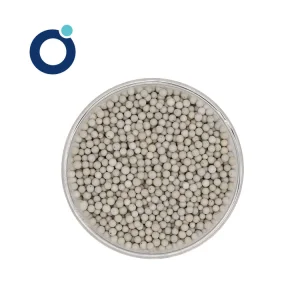
At JOOZEO, our facilities integrate advanced automation with high-efficiency lithium salt recovery systems. The raw material supply chains in China allow for cost-effective sourcing of technical-grade lithium hydroxide and high-purity sodium aluminosilicates. By leveraging automated PLC control loops, we achieve high consistency in zeolite bead sizing (from $0.4-0.8\,\text{mm}$ micro-beads for portable medical devices, up to $1.6-2.5\,\text{mm}$ beads for mega-scale industrial VPSA systems).
Furthermore, quality assurance in China has evolved into a global benchmark. Operating under rigorous systems like ISO 9001:2008 and validated by third-party testing structures (TUV, SGS), our laboratories execute dynamic simulation testing of PSA beds under real-world pressures and flow configurations. This ensures that every container exported meets international moisture protection standards, shipping with a certified Loss on Ignition (LOI) of under $0.5\%$.
The versatility of Lithium Zeolite Molecular Sieve has enabled new engineering paradigms across various geographic and industrial markets:
Integration into portable oxygen concentrators (POCs). High nitrogen capacity allows for compact bed designs, lighter devices, and battery power conservation for mobile patient care.
Industrial VPSA systems optimized with Lithium Zeolite provide massive volumes of $93\%\pm3\%$ purity oxygen for combustion enrichment, dramatically lowering carbon footprints.
Feeding ozone generators with high-purity oxygen generated on-site. Essential for municipal wastewater purification and modern land-based recirculating aquaculture systems (RAS).
B2B procurement departments sourcing Lithium Zeolite Molecular Sieve must assess technical, commercial, and logistical criteria to avoid field system failures. High-volume PSA/VPSA compressors generate heat and mechanical vibration; if the molecular sieve degrades physically, it will turn to dust, resulting in gas channeling, rapid pressure drops, and compressor breakdown.
When negotiating contracts with Chinese OEM exporters, technical directors should demand verification of three primary parameters:
The future of adsorption technology is shifting towards micro-channel molecular sieves and structural monoliths. Traditional spherical beads face mass transfer resistance and pressure drop trade-offs. Standard research is now focusing on 3D-printed structured adsorbents using Lithium Zeolite inks. This geometry minimizes gas diffusion resistance while maximizing contact surface area.
Additionally, environmental compliance is driving the development of green synthesis technologies. Producing Lithium Zeolite historically required massive amounts of water during the ion exchange stage. The next generation of manufacturing facilities—including our R&D pilot plants—is adopting closed-loop, zero-liquid-discharge (ZLD) lithium exchange systems, recycling up to $98\%$ of the process water and excess lithium salts, thereby mitigating environmental impacts.
Expert answers to the most common engineering and logistical queries regarding Lithium-based Molecular Sieves.
A global chemical pioneer dedicated to quality control, high-purity production standards, and technological innovation since 1994.
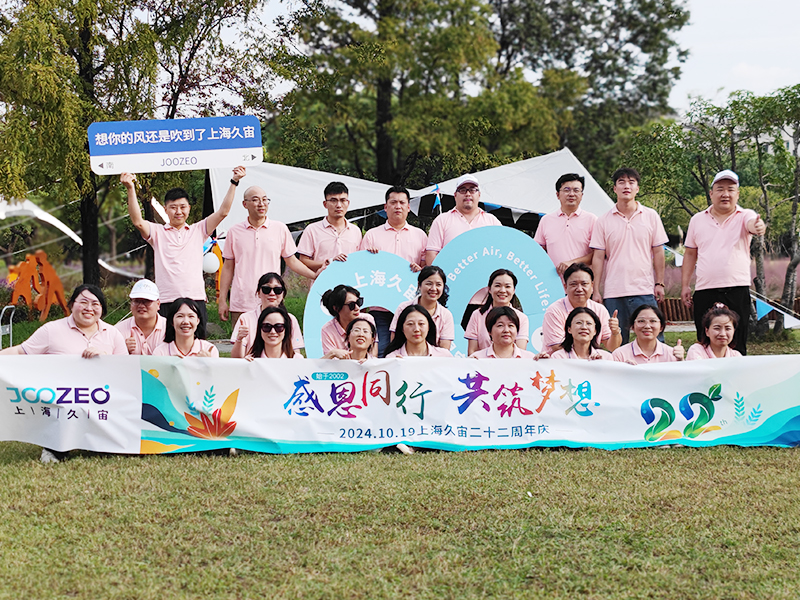
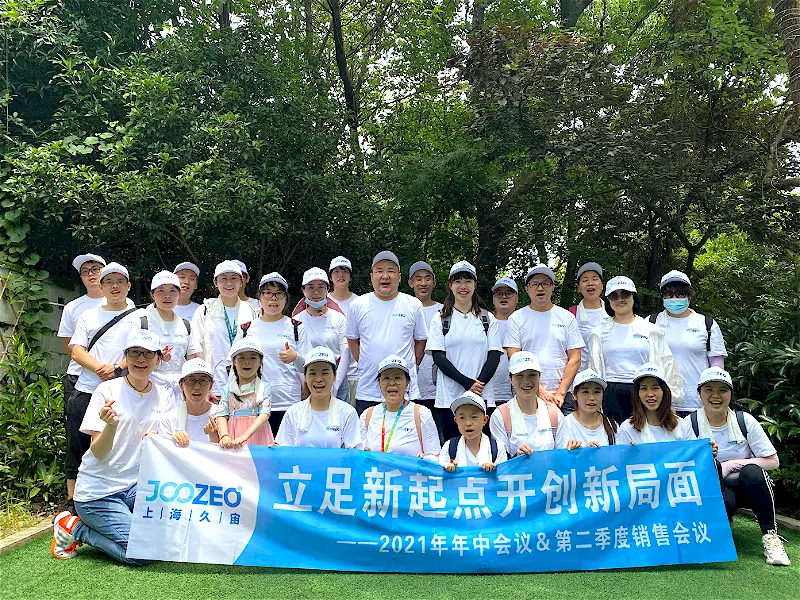
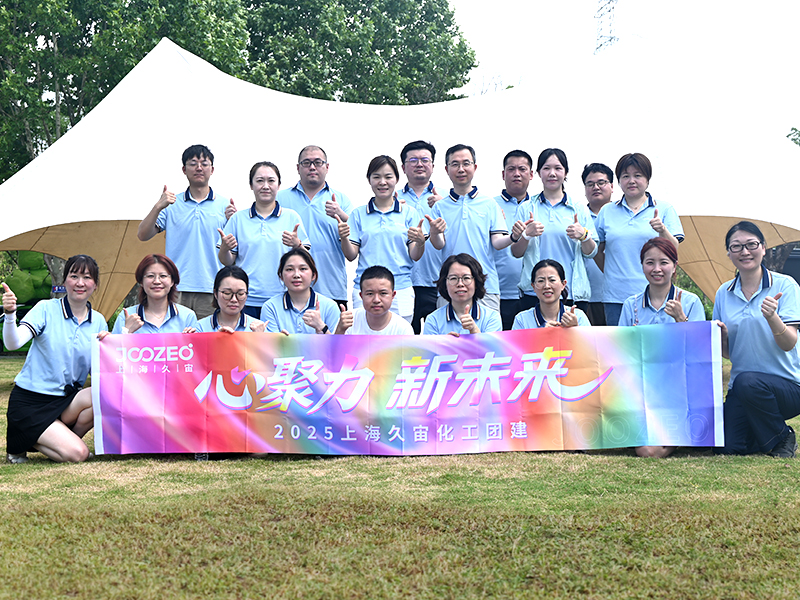
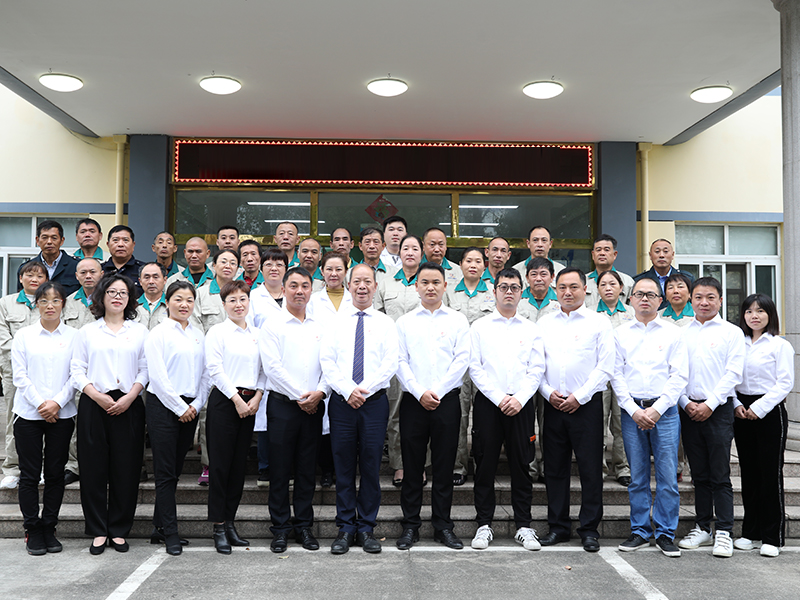
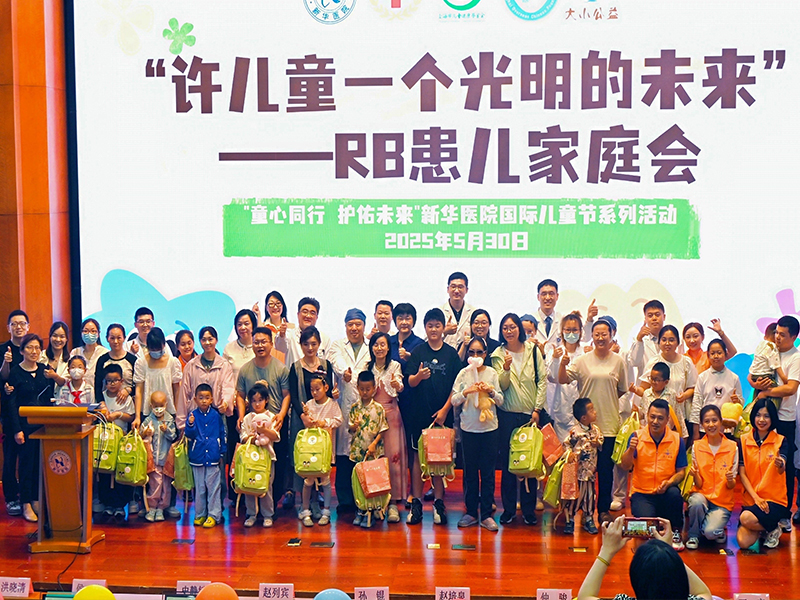
Shanghai Jiuzhou Chemicals Co., Ltd. is located in the major economic development city of Shanghai. Over the years, Jiuzhou has always adhered to the "quality control, innovation" principles, committed to the development, research, and manufacturing of high-quality innovative chemical products.
Our main products include various molecular sieve powders, molecular sieves, activated powder, activated alumina, aluminum oxide catalysts, different types of alumina packing and ceramic balls, sodium silicates, aluminum hydroxide, zeolite 4A, sodium carbonates, SLES, etc. All of our products have passed the ISO9001: 2008 quality management system certification and TUV & SGS Certification.
Jiuzhou factory features a professional, world-class research team and chemical product experts. We utilize modern international production technologies and professional manufacturing equipment, designed in line with national standards and supported by a large-scale, multi-purpose analytical instrument central laboratory.
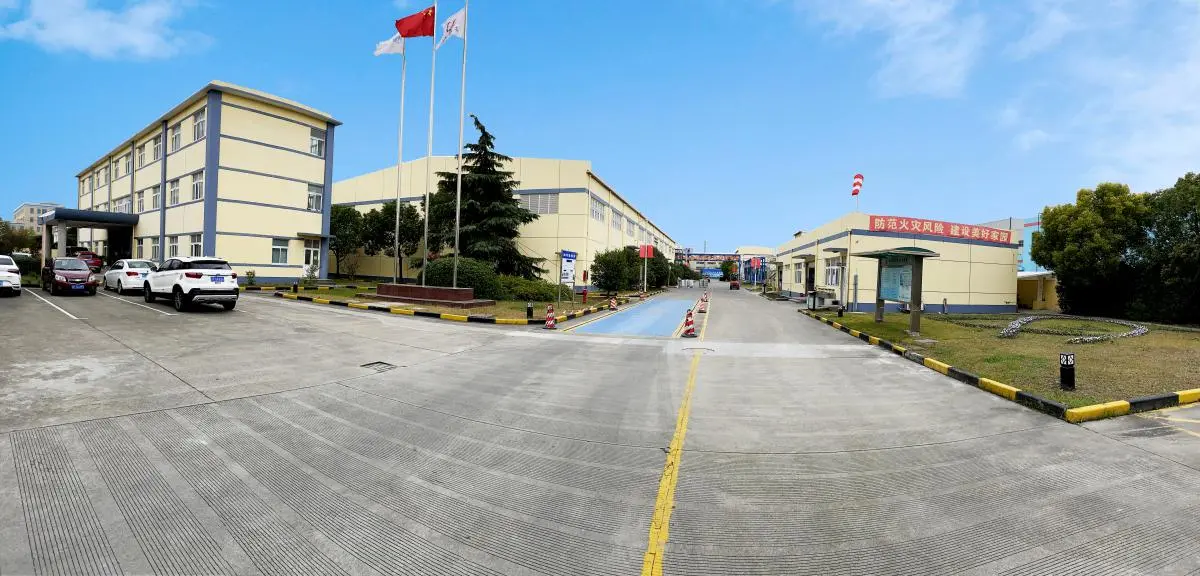
Focusing on advanced R&D, customization, testing, and micro-bead optimization for pharmaceutical and specialty gas projects.

High-capacity manufacturing hub supporting large-scale industrial runs, bulk loading, and global shipping operations.
JOOZEO acts as an authoritative standard-setting enterprise in China's industrial chemical landscape.
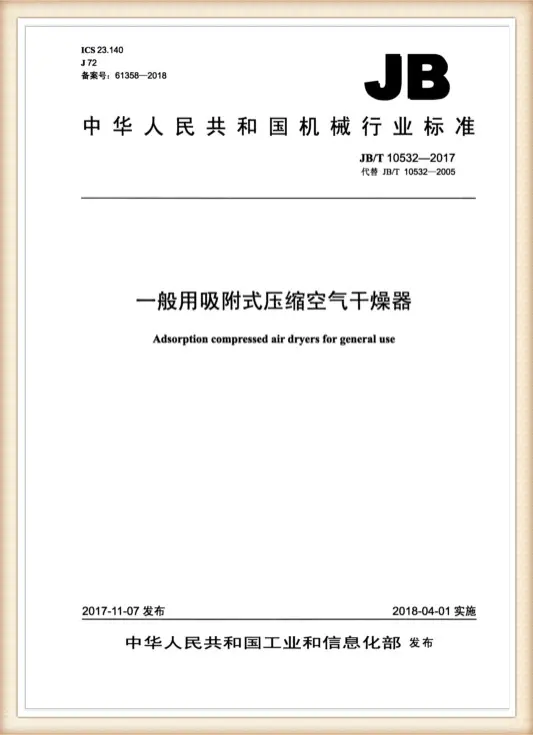
JB / T 10532-2017
Adsorption compressed air dryers for general use
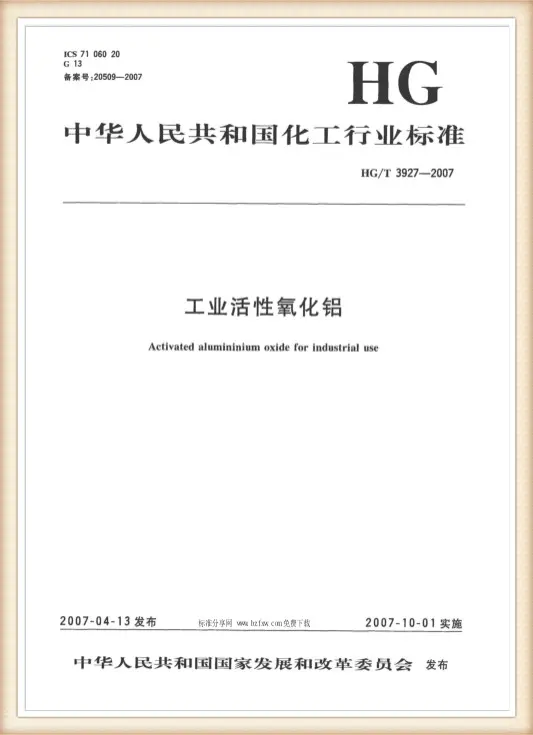
HG / T 3927-2007
Activated aluminium oxide for industrial use
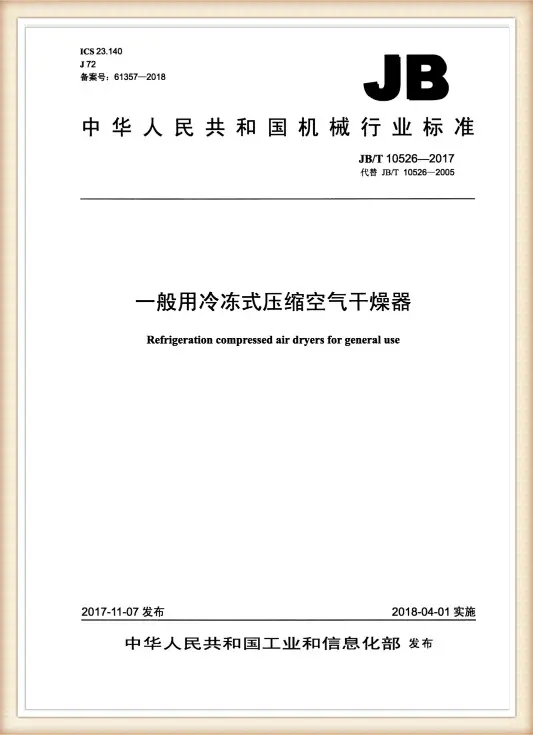
JB / T 10526-2017
Refrigeration compressed air dryers for general use
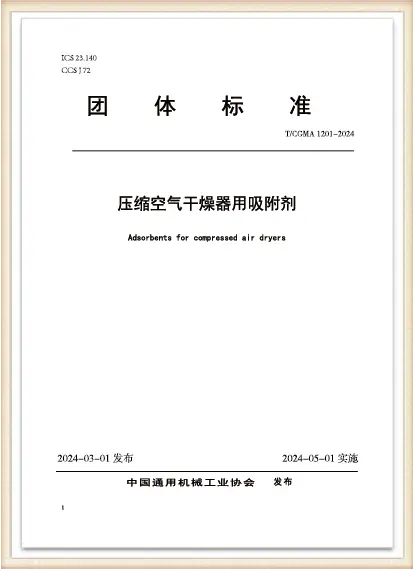
T/CGMA1201-2024
Industry quality standard association code
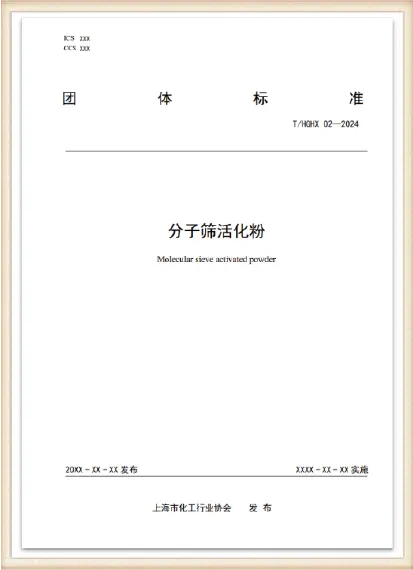
T/HGHX 02—2024
Regional chemical manufacturing compliance
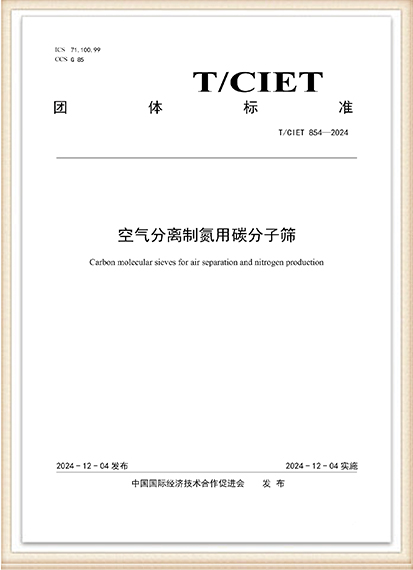
T/CIET 854-2024
Ecological industrial standard criteria
Better air, Better life — Committed to environmental remediation and green development.
Complementary high-purity chemical media to enhance performance across your absorption drying and purification units.