
Explore our premium product portfolio designed for demanding industrial purification, dry air system drying, and specialized separation workflows.
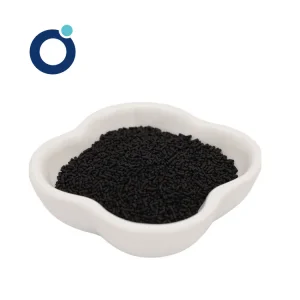
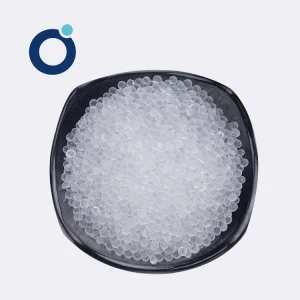
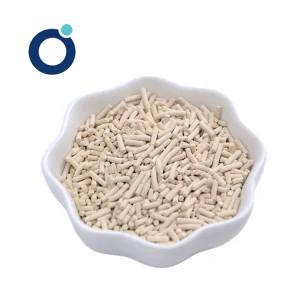
A global leader in high-performance chemical engineering, standard formulation, and advanced adsorbent solutions since 1994.
Shanghai Jiuzhou Chemicals Co., Ltd. is strategically situated in Shanghai, China's primary economic and logistical hub. For three decades, Jiuzhou has strictly adhered to the dual principles of absolute quality control and continuous technical innovation. We are committed to researching, developing, and manufacturing high-purity chemical media, industrial adsorbents, and inorganic salts.
Our expansive production catalog spans molecular sieve powders, active zeolites, activated alumina, aluminum oxide catalysts, structural ceramic packing, sodium silicates, aluminum hydroxide, Zeolite 4A, and high-density sodium carbonates (Soda Ash Dense). All facility operations are fully certified under the ISO9001:2008 Quality Management System, alongside systematic audits by TUV and SGS.
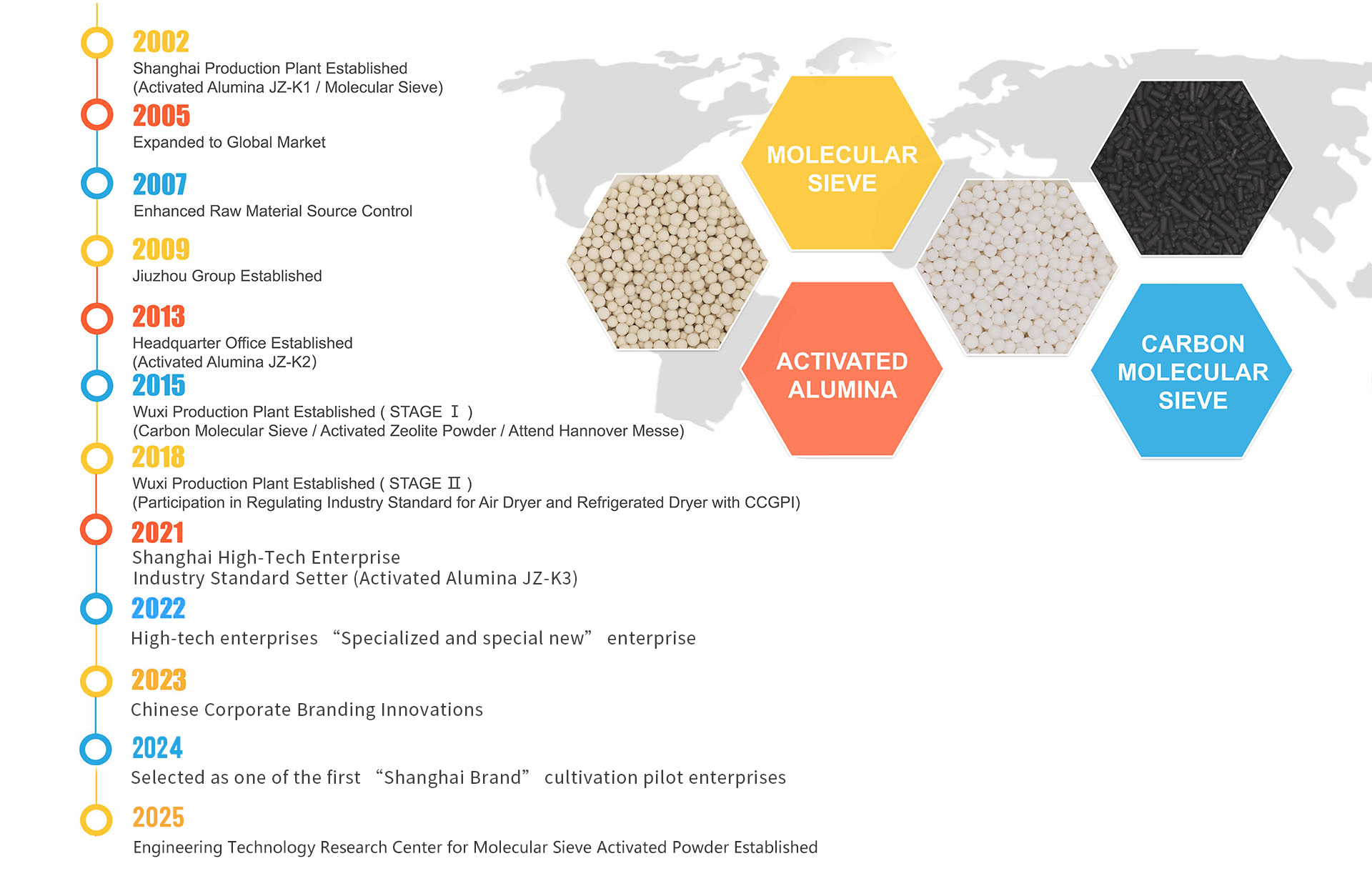
Ensuring supply security, continuous capacity scaling, and rapid logistics deployment through our advanced manufacturing plants.
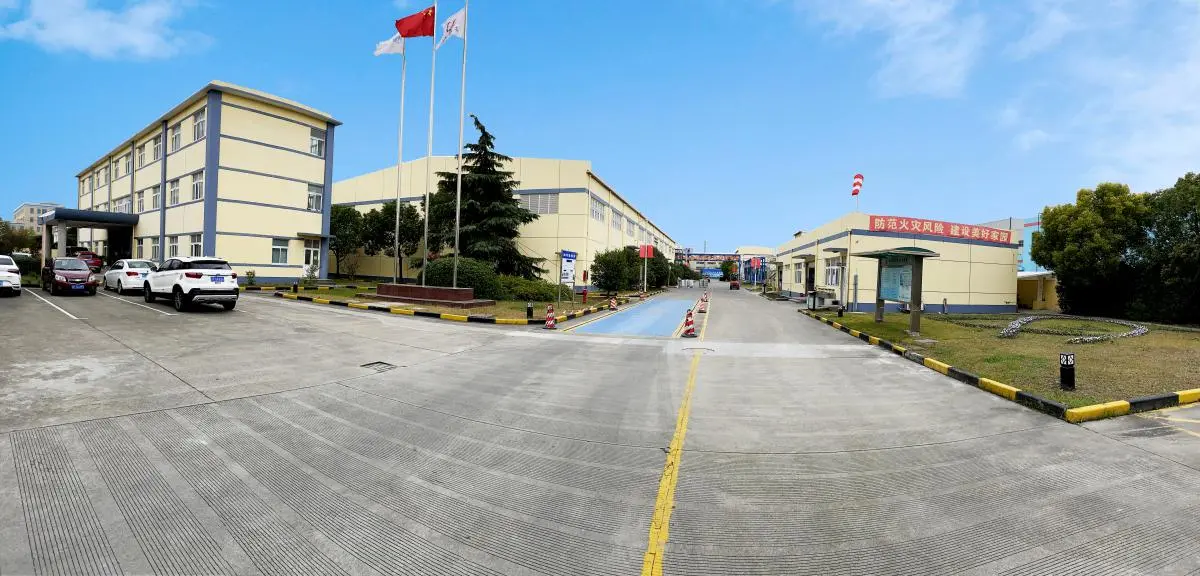
Serving as our primary scientific research headquarters and specialized functional material facility. The site houses our central dynamic adsorption laboratory, which utilizes sophisticated chromatography, particle analyzer instrumentation, and raw material purity verification suites.
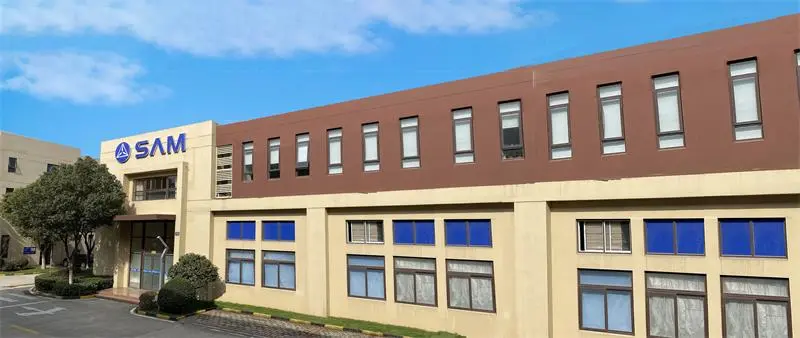
Configured for mass-scale output, automated raw material processing, and bulk packaging operations. It features high-efficiency rotary calcining systems, automated dry crushing lines, and specialized processing machinery designed to secure consistent physical properties in large batch sizes.
A comprehensive B2B briefing on Sodium Carbonate (Na2CO3) manufacturing pathways, global demand dynamics, and physical parameters control.
Soda Ash Dense (Sodium Carbonate, CAS 497-19-8) is a foundational industrial alkali, serving as the critical fluxing agent in the production of flat glass, container glass, and specialty glass. In recent years, the rapid growth of the global solar energy sector has significantly altered the market demand curve. Modern high-efficiency photovoltaic (PV) solar panels require double-glazed bifacial configurations, dramatically increasing the consumption of low-iron float glass. Because Soda Ash Dense represents approximately 20-25% of the total raw material batch weight in glass manufacturing, securing reliable OEM manufacturers with stable pricing options has become a critical strategic objective for global solar glass companies.
Concurrently, the manufacturing of lithium carbonate (Li2CO3)—a core component in lithium-ion battery chemistries—demands highly consistent sodium carbonate supplies. As energy transition policies accelerate across the European Union, North America, and the Asia-Pacific region, the demand for industrial-grade Soda Ash Dense continues to outpace supply, driving global procurement directors to transition away from spot markets and toward long-term OEM supply agreements.
Not all soda ash is created equal. The physical differences between Soda Ash Light and Soda Ash Dense are critical for downstream efficiency. While light soda ash has a lower bulk density (typically around 0.5-0.6 g/cm³), Soda Ash Dense is engineered to achieve a bulk density of 0.9 to 1.2 g/cm³. This high bulk density is achieved through controlled crystallization processes that yield larger, more resilient granules.
For glass manufacturers, particle size distribution (PSD) is the single most important parameter. If the soda ash particles are too fine, they will segregate within the batch mixer, leading to chemical inconsistency in the melt. Fine particles also tend to entrain in the furnace combustion gas, depositing on the refractory checkers and causing structural corrosion. Conversely, particles that are too large will not melt completely, causing solid defects ("stones") in the finished glass sheet. Our OEM production lines utilize advanced double-deck sifting technology to strictly limit fines (<0.18mm) and oversize granules (>1.0mm).
| Chemical/Physical Parameter | Standard Specification (GB/T 210-2011) | JOOZEO OEM Premium Grade |
|---|---|---|
| Total Alkali Content (as Na2CO3, Dry Basis) | ≥ 99.2% | ≥ 99.5% |
| Sodium Chloride Content (NaCl, Dry Basis) | ≤ 0.70% | ≤ 0.30% (Low-Chloride Glass Grade) |
| Iron Content (Fe, Dry Basis) | ≤ 0.0035% | ≤ 0.0015% (Ultra-Low Iron PV Grade) |
| Water Insoluble Matter | ≤ 0.03% | ≤ 0.01% |
| Bulk Density (g/cm³) | ≥ 0.90 | 0.96 - 1.05 (Optimized Flowability) |
From a macro manufacturing perspective, synthetic sodium carbonate is produced primarily via two processes: the Solvay (Ammonia-Soda) Process and the Hou (Combined) Process. The Solvay process utilizes salt brine and limestone to generate sodium carbonate, using ammonia as a catalyst. The Hou process, widely utilized in integrated chemical complexes, combines soda ash synthesis with ammonium chloride production by sourcing ammonia directly from nearby nitrogen fertilizer facilities.
At JOOZEO, we optimize the logistics and raw material sourcing of both routes to secure stable prices for our OEM contract customers. Through our deep industry integration, we mitigate the price fluctuations of ammonia, rock salt, and thermal coal, providing stable cost metrics that shield global procurement teams from sudden market spikes. Additionally, our factories incorporate carbon dioxide capture technology, reclaiming waste gaseous CO2 from nearby combustion processes to feed the carbonation towers, reducing the carbon footprint of our manufacturing process.
Participating in the formulation of national testing specifications, environmental compliance, and safety standards.
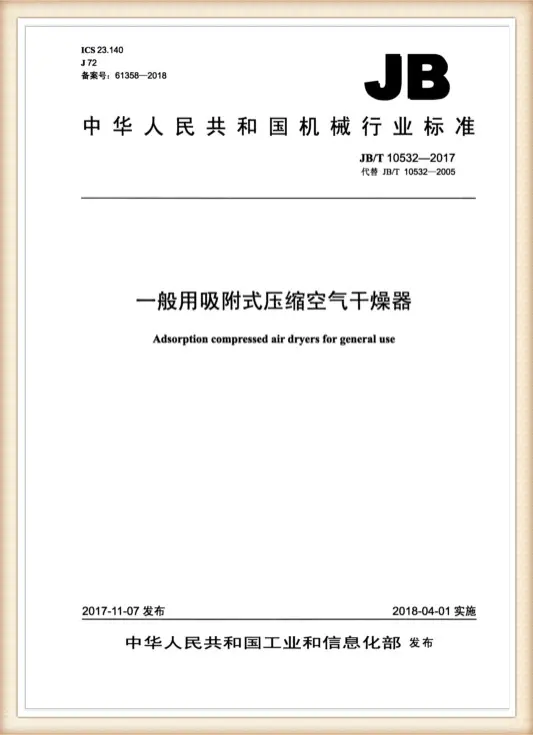
Adsorption compressed air dryers for general industrial use
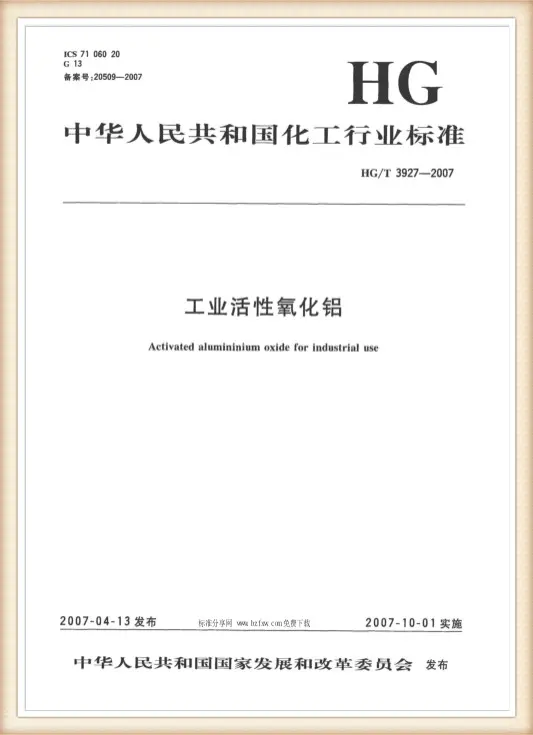
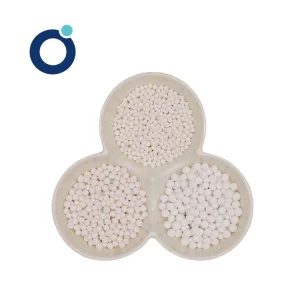
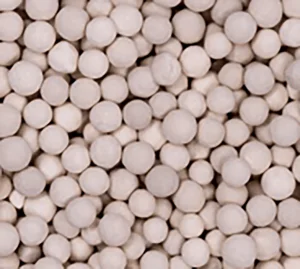
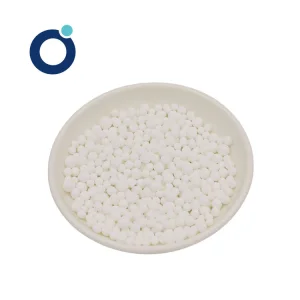
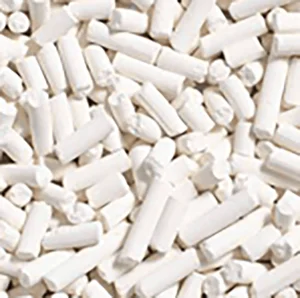
Activated aluminum oxide for industrial applications
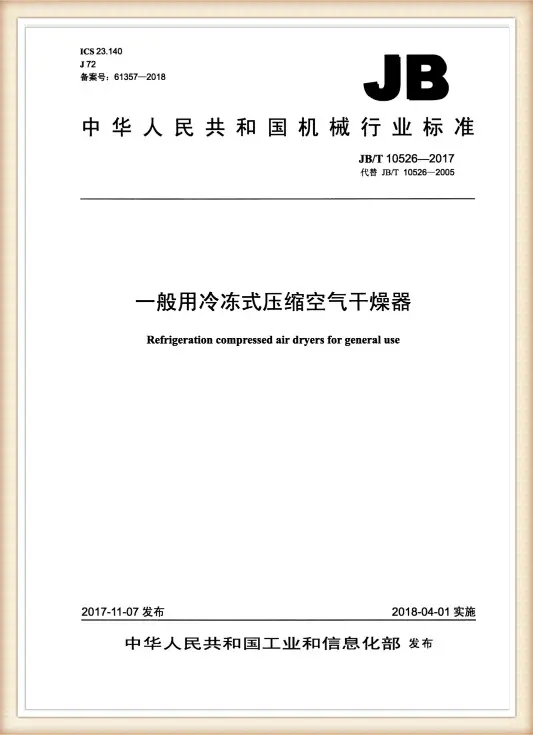
Refrigeration compressed air dryers for general industrial use
Industrial specifications for multi-functional gas drying systems
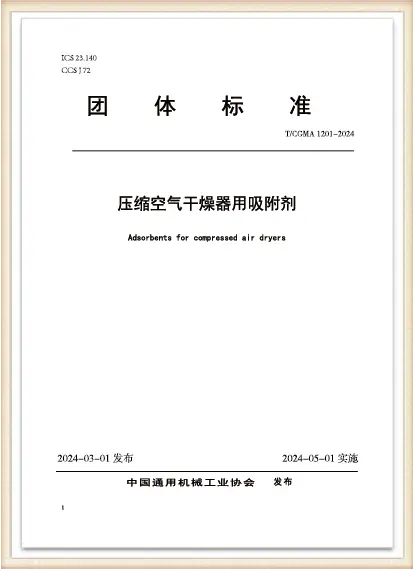
Advanced chemical purity standards for alkaline compounds
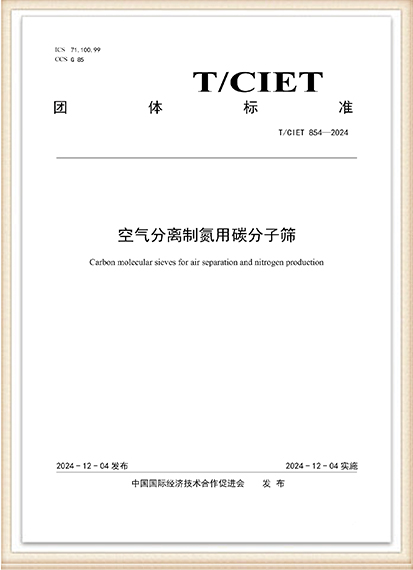
Greenhouse gas emission reduction protocols for chemical manufacturing
"Better Air, Better Life" – Implementing clean manufacturing processes, dust management, and carbon containment.
Get answers to common technical, logistics, and quality questions about Soda Ash Dense sourcing.
Chemically, both compounds consist of Sodium Carbonate (Na2CO3) with a typical target purity ≥ 99.2%. The distinction lies entirely in their physical density, particle shape, and sizing structure. Soda Ash Light has a bulk density of approximately 0.50–0.60 g/cm³, characterized by a fine, dusty powder structure. Soda Ash Dense is processed through dynamic recrystallization or monohydrate hydration to achieve a bulk density of 0.90–1.20 g/cm³. The dense granules melt more evenly in glass ovens, reduce air-path dust emissions, and optimize material flow within mixing bins.
Sodium chloride is an impurity in synthetic soda ash. In high-temperature glass melting furnaces, chloride ions easily volatilize, reacting with moisture to generate corrosive hydrogen chloride (HCl) gas. This gas corrodes furnace regenerators, metallic flue systems, and electrostatic dust collectors. For premium thin-film solar glass and high-grade float glass, manufacturers demand low-chloride Soda Ash Dense (NaCl ≤ 0.30%) to extend furnace runtimes and limit emissions.
We provide multiple flexible packaging configurations: standard 25kg PP/PE moisture-barrier bags, 50kg bags, and 1,000kg (or 1,250kg) jumbo bags with integrated bottom discharge spouts. For major industrial manufacturers, we also support direct pneumatic tanker transfers and bulk container liner installations. This system minimizes manual handling and prevents ambient moisture pickup during sea transit.
Iron oxide (Fe2O3) causes a green tint in glass, which absorbs incoming sunlight and reduces the light transmission efficiency of PV protective sheets. Solar glass manufacturers require a total batch iron content below 150 ppm (0.015%), necessitating ultra-low iron Soda Ash Dense (Fe ≤ 0.0015% or 15 ppm). JOOZEO uses clean, magnetic purification systems to keep iron trace levels well below standard limits.
Sodium carbonate is hygroscopic; it absorbs atmospheric moisture, converting into sodium carbonate monohydrate (Na2CO3·H2O), which leads to crystallization bridges and solid caking. We prevent this by cooling the material below 45°C prior to packaging, sealing it in multi-ply moisture-proof woven bags, and storing the pallets in dry, well-ventilated, climate-monitored distribution centers.
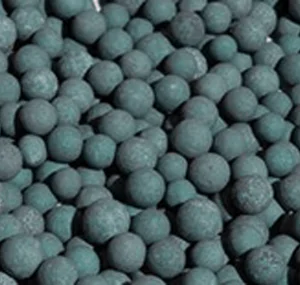
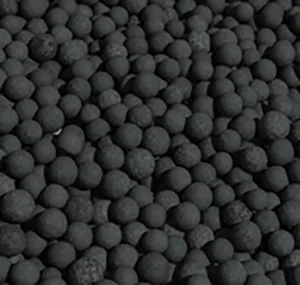
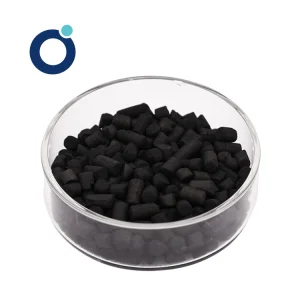
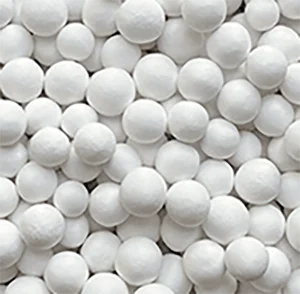
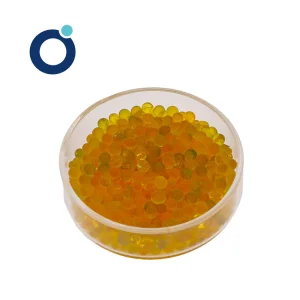
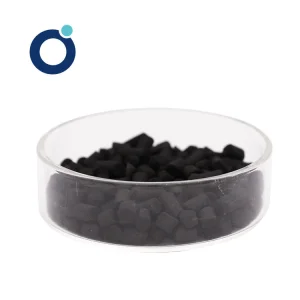
Explore our active molecular sieves, specialty desiccant beads, and high-porosity carbon media.
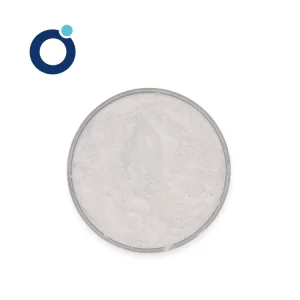
Need custom particle-size distributions, specific bulk packaging, or low-iron chemical validation? Our engineers respond with detailed pricing and technical datasheets within 24 hours.
Send OEM Request