Premium quality desiccants configured for high kinetic efficiency, gas-liquid separation, and critical industrial purification systems.
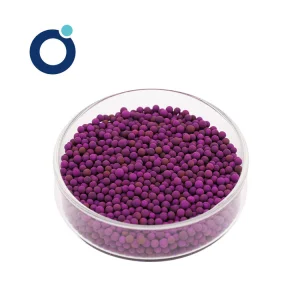
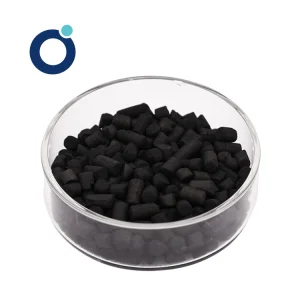
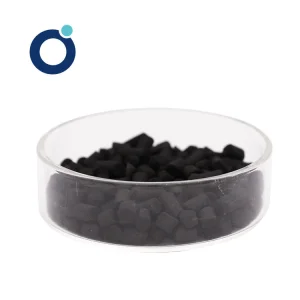
Analyzing the cross-section of tropical humidity and heavy manufacturing requirements in Greater Bangkok and the EEC zone.
As the primary economic engine of Thailand, the Greater Bangkok Area—along with the adjacent Eastern Economic Corridor (EEC)—has undergone rapid industrial evolution. Industries ranging from automotive assembly and microelectronics to petrochemical refining and food processing are growing at a steady pace. However, the region's tropical climate presents unique engineering challenges. With an average relative humidity of 70% to 85% year-round and high ambient temperatures, moisture management and atmospheric purity are critical concerns for local manufacturers.
In industrial systems, moisture is the catalyst for corrosion, catalyst poisoning, and structural degradation. Industrial purifying materials, such as molecular sieves and activated alumina, serve as the frontline defense. They ensure that compressed air systems remain dry, feed gases for polymer production are free of trace contaminants, and localized chemical processes can run without interruption. In the petrochemical hubs of Map Ta Phut and Rayong, which interface directly with Bangkok's supply chains, deep dehydration of cracked gas is mandatory to prevent hydrate formation in cryogenic separation units.
Furthermore, municipal and industrial water treatment projects along the Chao Phraya River basin increasingly rely on high-grade chemical adsorbents and neutralizing agents. The demand for premium activated carbon, liquid sodium silicates, and dense soda ash has spiked as environmental regulations tighten under the Thailand 4.0 national plan. Local manufacturers require robust materials that resist attrition, maintain high static water adsorption capacity, and deliver long operational lifetimes under taxing conditions.
On a global scale, the industrial adsorbent and catalyst carrier market is undergoing a transition driven by decarbonization, hydrogen purification, and energy-efficient process designs. Synthetic zeolites (molecular sieves) are crystalline aluminosilicates with uniform pore structures. Their ability to selectively separate molecules based on kinetic diameter and polarity makes them indispensable in modern process engineering.
For instance, in carbon capture and storage (CCS) and hydrogen purification systems (PSA), specialized molecular sieves select carbon dioxide ($CO_2$) and carbon monoxide ($CO$) over smaller hydrogen ($H_2$) molecules. This level of molecular discrimination requires precision engineering during the calcination and crystallization phases of manufacturing.
Globally, procurement departments are shifting away from low-cost, low-durability materials. System downtime caused by desiccant degradation or dusting is far more expensive than investing in high-crush-strength, optimized adsorbents. As chemical plants push for longer cycles between media replacement, the focus is squarely on thermodynamic stability and kinetic mass transfer rates.
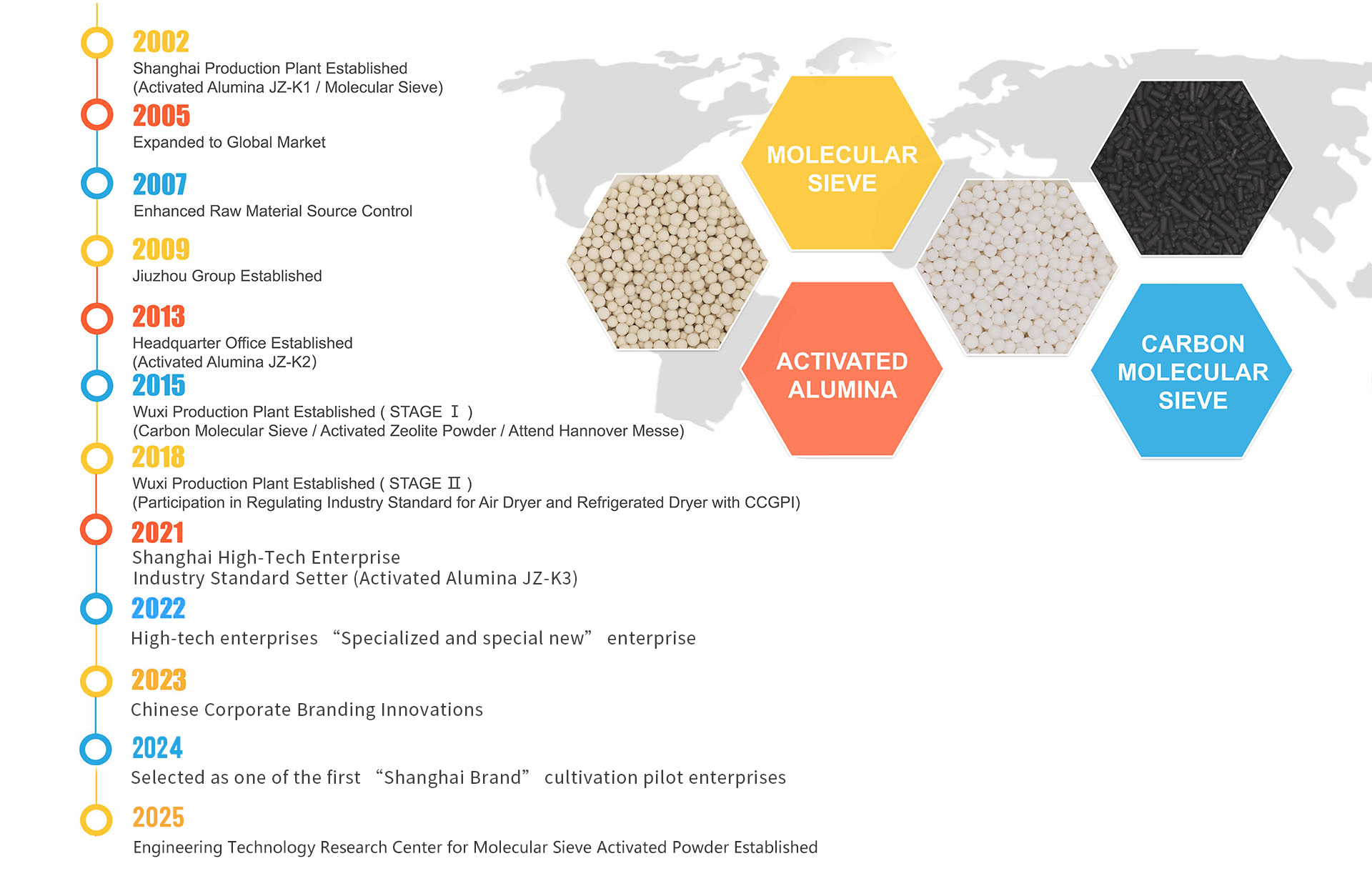
Engineered to support heavy industry, petrochemical separation, and water conditioning systems.
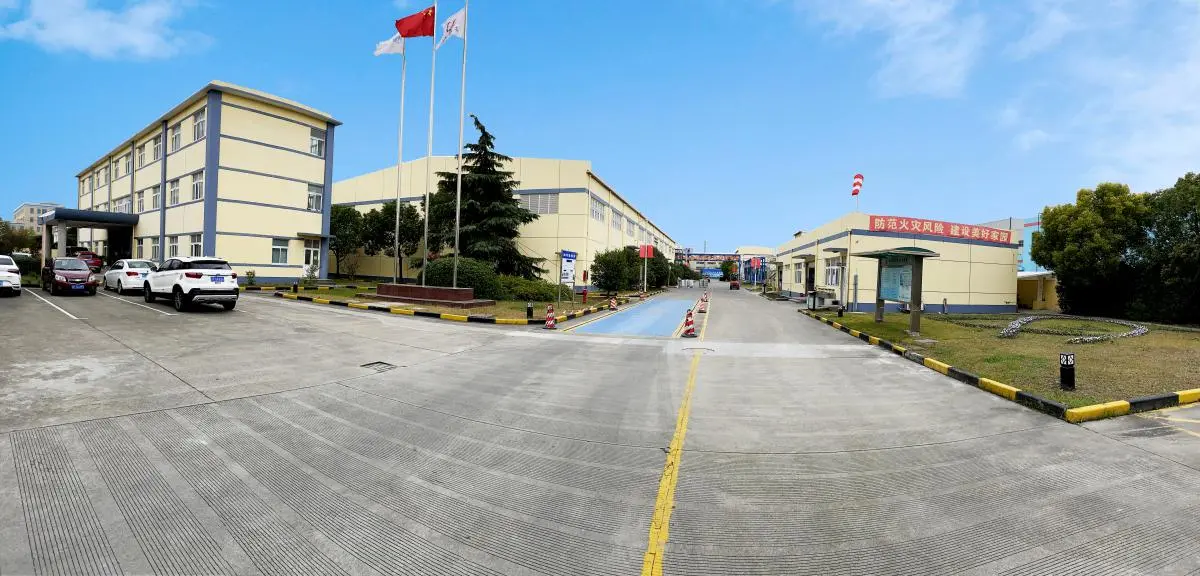
Shanghai Jiuzhou Production Facility
For industrial buyers in Bangkok, importing high-performance purifying materials from premium Chinese manufacturers offers an optimal balance of cost and performance. China’s chemical manufacturing infrastructure is built on advanced automation, vast raw material supply chains, and strict quality control systems.
Shanghai Jiuzhou Chemicals (Joozeo) leverages this ecosystem to produce high-grade adsorbents with consistent physical characteristics. By using centralized automated production lines in Shanghai and Wuxi, we minimize thermal fluctuations during the binding and crystallization phases. This results in products with high crush strength and minimal dust generation, critical factors for preventing downstream valve and compressor wear.
Furthermore, China’s close logistics networks with Thailand, including container ports linking Shanghai directly to Laem Chabang, ensure that lead times are kept to a minimum. This enables Bangkok-based operations to maintain lean inventory reserves without risking unexpected supply shortfalls.
Located in Shanghai, the largest economic development city in China, Jiuzhou has adhered to the core principles of "Quality Control & Innovation" since its establishment in 1994. Over the last three decades, the company has grown into a global supplier with active trade relations in over 80 countries, operating across a state-of-the-art facility measuring 25,000 square meters.
Jiuzhou’s technical strength and industry reputation are leading the desiccants and catalysts industry. With senior industry experts and deep technical reserves, our production relies on automated multi-functional workshops, dynamic labs, and a centralized analysis center. Our systems are certified under ISO9001:2008, TUV, and SGS, ensuring our products meet and exceed international specifications.
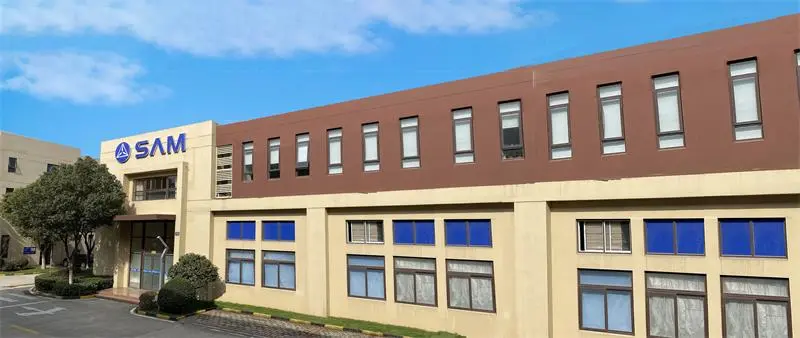
Wuxi Jiuzhou Production Facility
Joozeo's commitment to quality is reflected in our role as active participants in draft standards formulation.
A primary indicator of E-E-A-T (Experience, Expertise, Authoritativeness, and Trustworthiness) is a company's ability to drive standards in its domestic and international sectors. Shanghai Jiuzhou Chemicals is not just a manufacturer; we are standard-setters. We have contributed to formulating multiple national and industrial standards in China, representing the pinnacle of mechanical and physical performance parameters in chemical adsorbents.
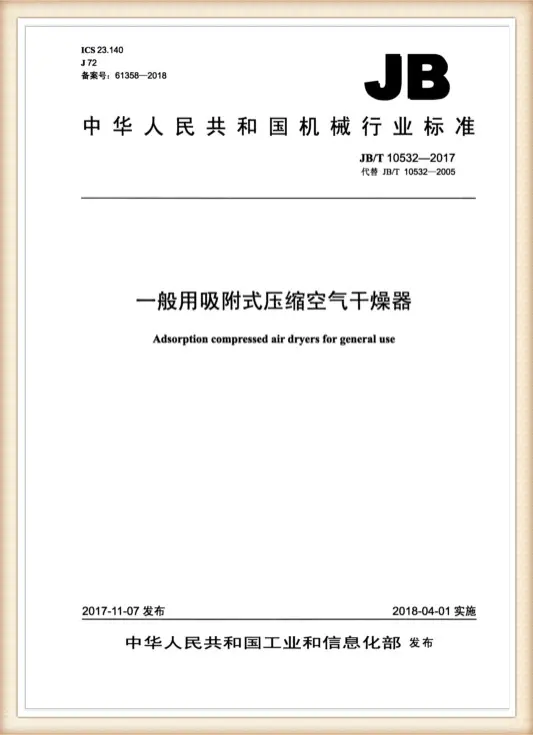
Adsorption compressed air dryers for general use. Standardizes performance benchmarks for desiccant cartridges.
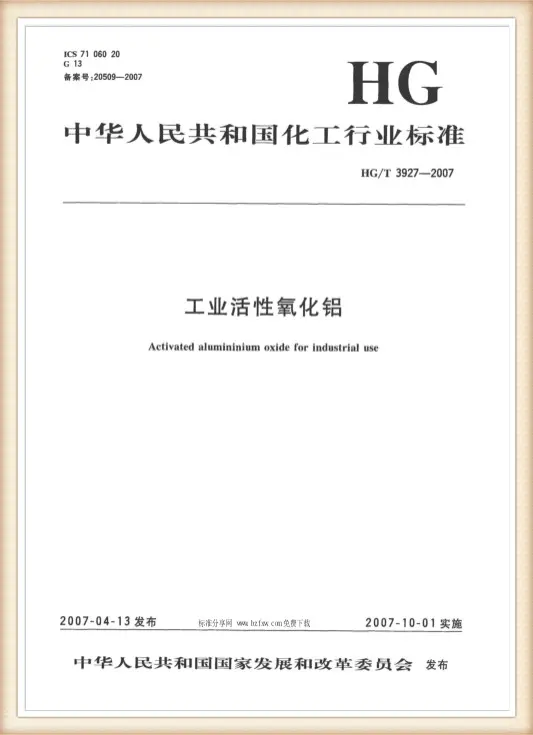
Activated aluminum oxide for industrial use. Regulates pore volume, surface area, and chemical purity specs.
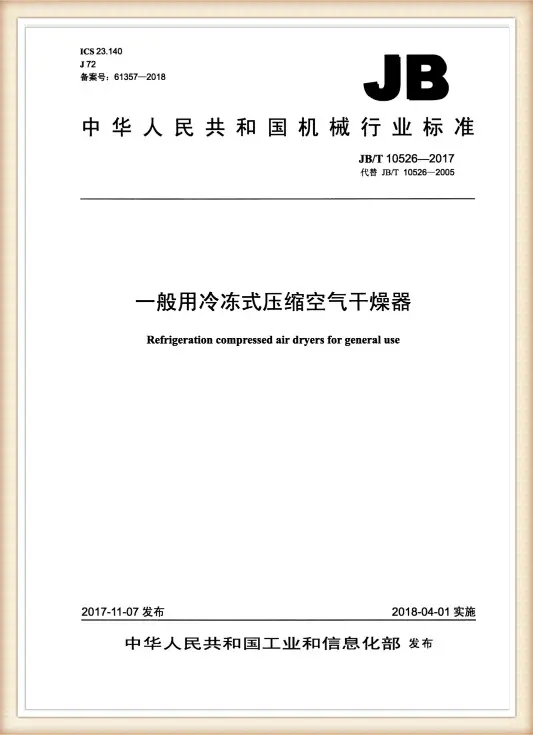
Refrigeration compressed air dryers for general use. Governs cooling-based humidity extraction configurations.
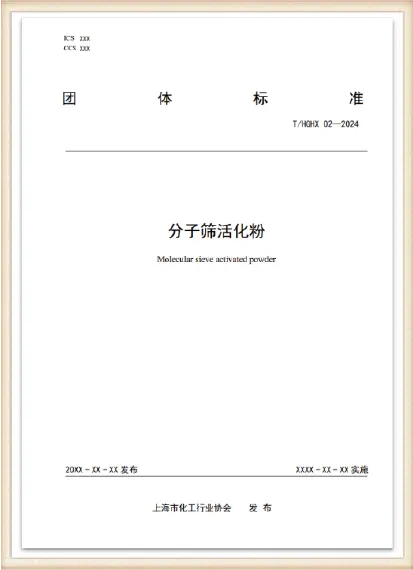
Modern guidelines for compressed gas equipment and high-efficiency purification systems.
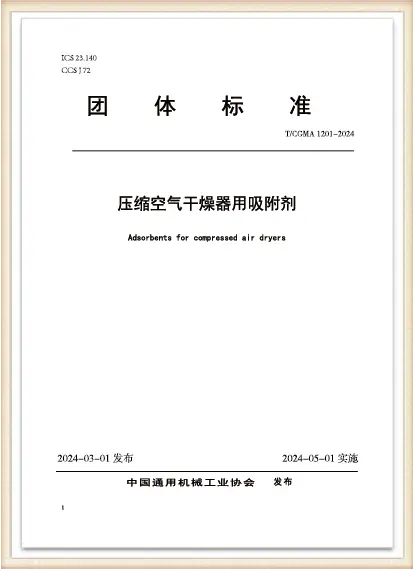
Refined industrial chemical specification rules ensuring low attrition and chemical volatility.
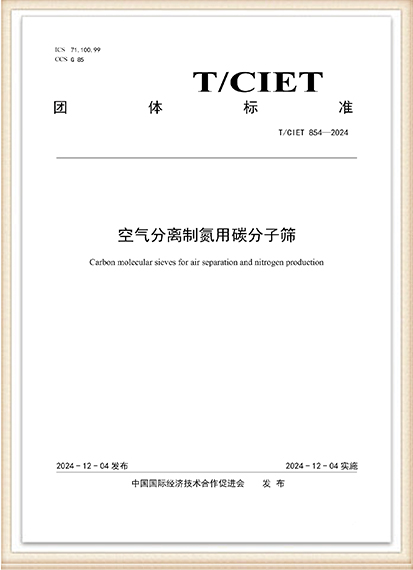
New green standards for low-carbon footprints in molecular sieve synthesis processes.
How our purifying materials resolve specific operational bottlenecks in Thai industrial operations.
"Better Air, Better Life" - Environmental Focus
Committed to environmental sustainability and industrial progress worldwide.
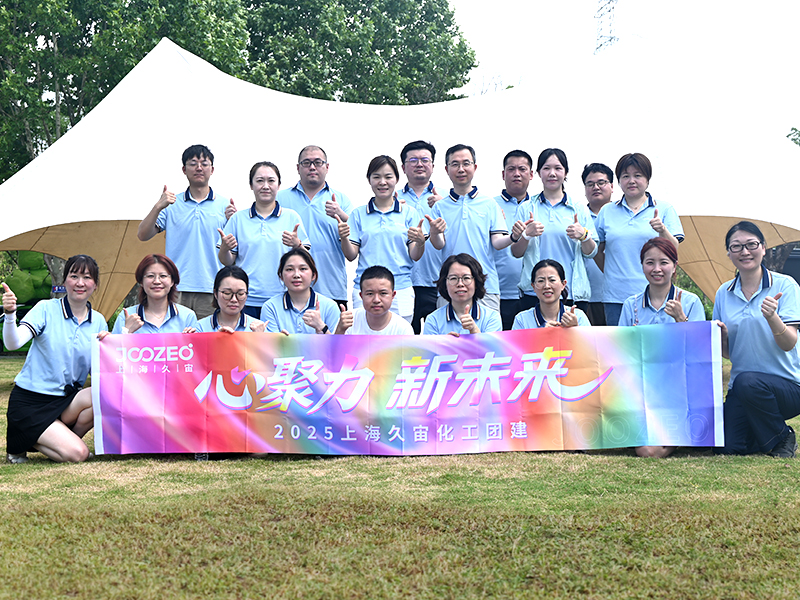
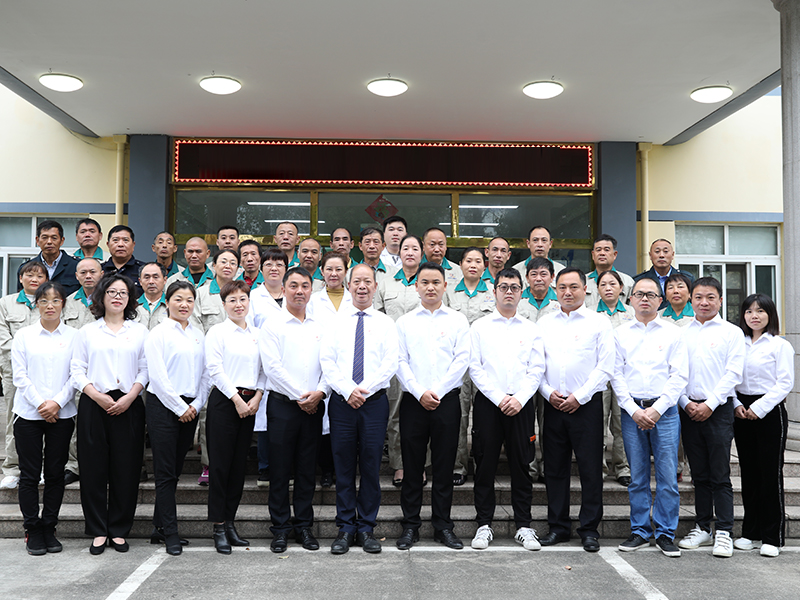
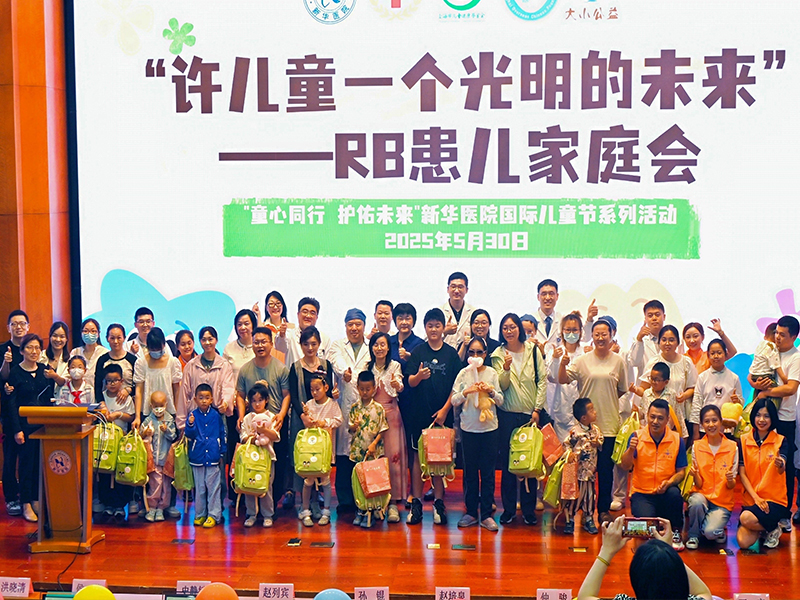
Technical criteria for international procurement managers when sourcing molecular sieves and desiccants.
Purchasing agents in multinational chemical corporations use strict criteria to audit potential suppliers. When sourcing materials for demanding applications, focus on the following key metrics:
At Joozeo, all molecular sieve batches undergo dynamic lab tests where pressure, temperature, and flow conditions mimic real-world processing plants. This rigorous testing ensures our products maintain performance in demanding settings.
Addressing common challenges in desiccant applications, performance, and life cycles.
Comprehensive product options for gas drying, catalysts, water treatment, and humidity control.