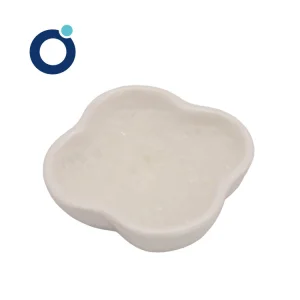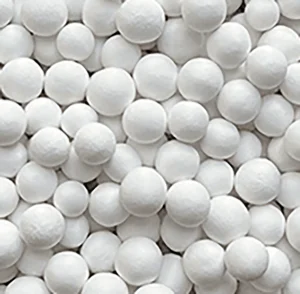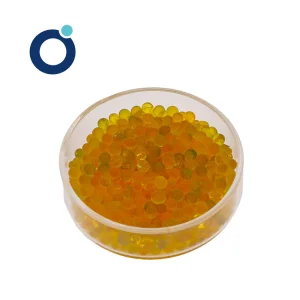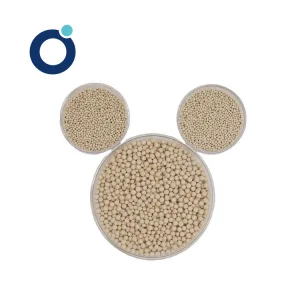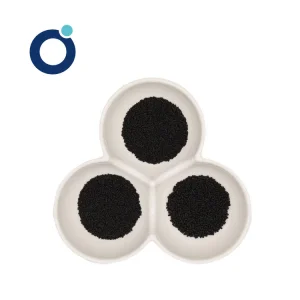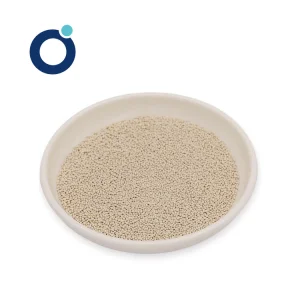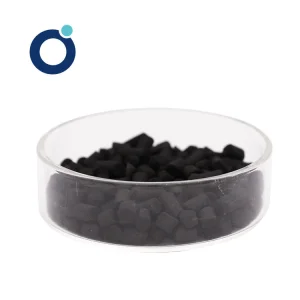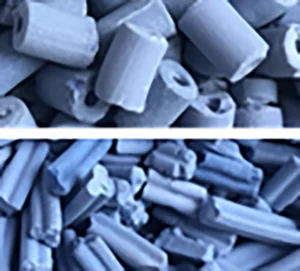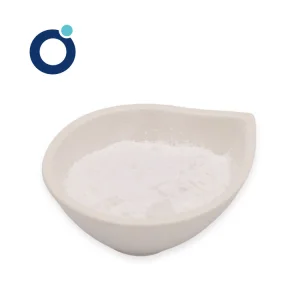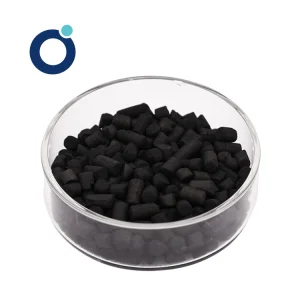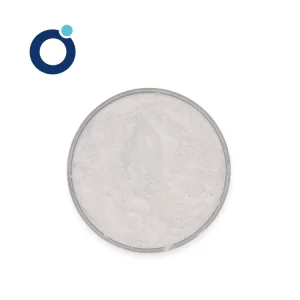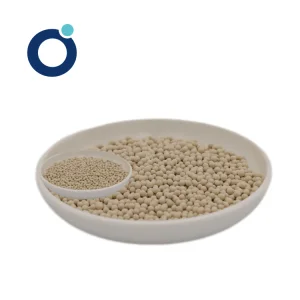
Select industrial-grade molecular sieves, silica gels, and custom chemical formulations optimized for process columns.
Industrial molecular sieve columns (or adsorption vessels) serve as the vital core of modern gas purification, petrochemical refining, and dehydration processes. By exploiting the selective adsorption properties of crystalline aluminosilicates (zeolites), these units isolate specific molecules based on size, affinity, and polarity.
Effective column performance relies on thermodynamic and kinetic parameters, including the Mass Transfer Zone (MTZ). As gas flows through the column, the adsorbent bed dynamically partitions into three zones: the equilibrium zone, the mass transfer zone, and the fresh active zone. Optimizing these zones ensures maximum working capacity prior to breakthrough.
Maximizing adsorption efficiency requires managing pressure drops, gas distribution, and regeneration thermal dynamics. Minimizing pressure drop prevents adsorbent crushing and dusting, ensuring long-term operational integrity.
Critical structural selectivities run from 3Å (for dehydration of unsaturated hydrocarbons) to 10Å (13X, for removing carbon dioxide and hydrogen sulfide). Custom loading configurations prevent premature gas bypass.
Optimized Thermal Swing Adsorption (TSA) and Pressure Swing Adsorption (PSA) processes depend on uniform heating. This minimizes heat-sink losses and prevents the dynamic aging of zeolite crystals.
Key growth drivers transforming the molecular sieve column market globally.
With global net-zero targets, CCUS (Carbon Capture, Utilization, and Storage) and blue hydrogen production depend on high-performance molecular sieve beds to efficiently isolate hydrogen and capture carbon dioxide.
Renewable Natural Gas (RNG) and LNG processing plants require cryogenic pre-treatment. Moisture levels must drop below 0.1 ppm to prevent hydrate formation in deep cryogenic stages.
Industrial medical gases, microelectronics processing, and polymer-grade ethylene production require trace impurity removal. These applications demand high crush-strength and dust-free adsorbents.
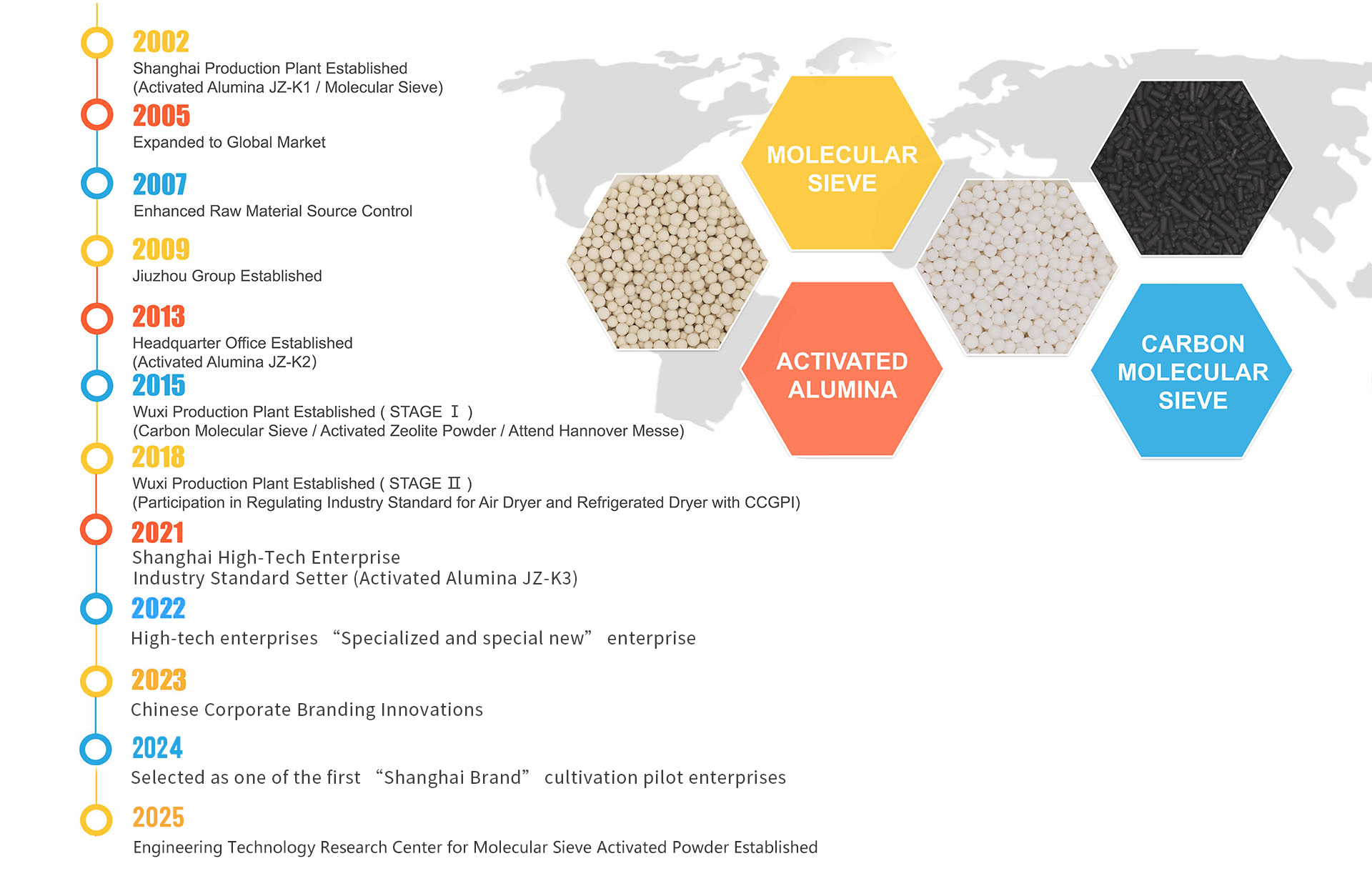
Deep chemical production expertise and technological innovation since 1994.
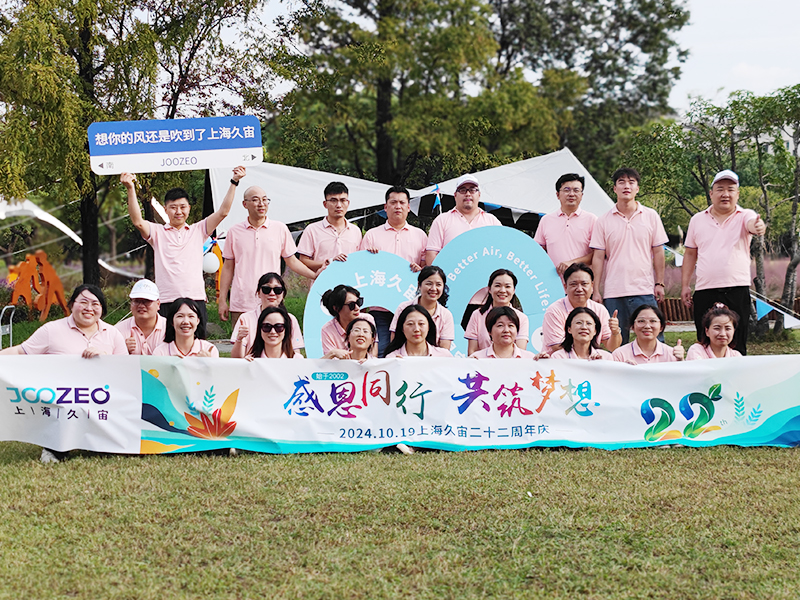
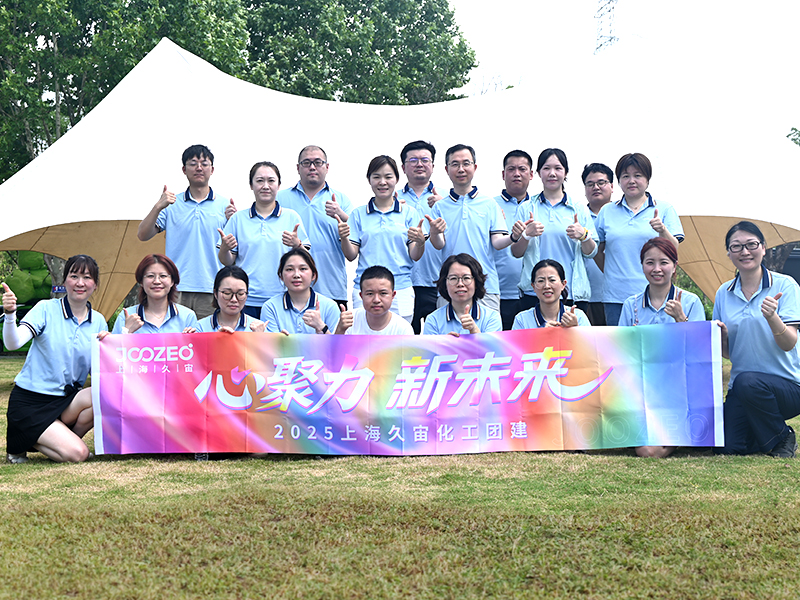
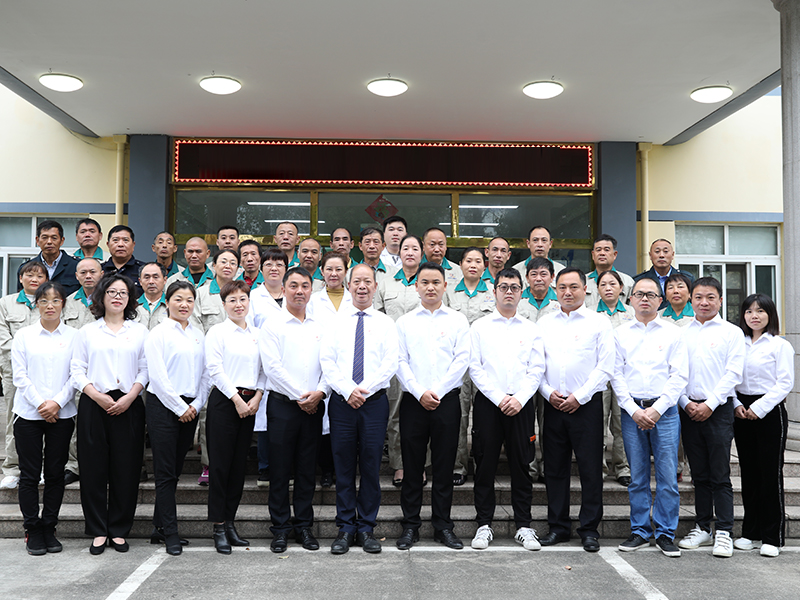
Shanghai Jiuzhou Chemicals Co., Ltd. is located in Shanghai, a leading global economic and development hub. Over the years, Jiuzhou has adhered to the principles of "quality control and innovation," dedicating itself to developing, researching, and manufacturing high-quality, innovative chemical products.
Our main product line includes molecular sieve powders, molecular sieves, activated powder, activated alumina, aluminum oxide catalysts, various alumina packing materials, ceramic balls, sodium silicates, aluminum hydroxide, zeolite 4A, sodium carbonates, and SLES. All products are certified under the ISO9001:2008 Quality Management System, TUV, and SGS.
Jiuzhou features a professional, world-class research team and chemical resources experts. We utilize advanced international production technologies and professional manufacturing equipment, operating in alignment with national standards. Our large, multi-purpose facility includes a central laboratory equipped with dynamic monitoring and analytical instrumentation.
Our technical strength and reputation lead the desiccant and chemical adsorption industry. Supported by automated production workshops and dynamic labs, we have built a comprehensive, scientific operating system. Today, Joozeo products are exported globally, with active distribution networks in the United States, Southeast Asia, Japan, Europe, North and South America, and the Middle East.
Redundant production facilities and digital logistics networks ensure consistent supply for global projects.
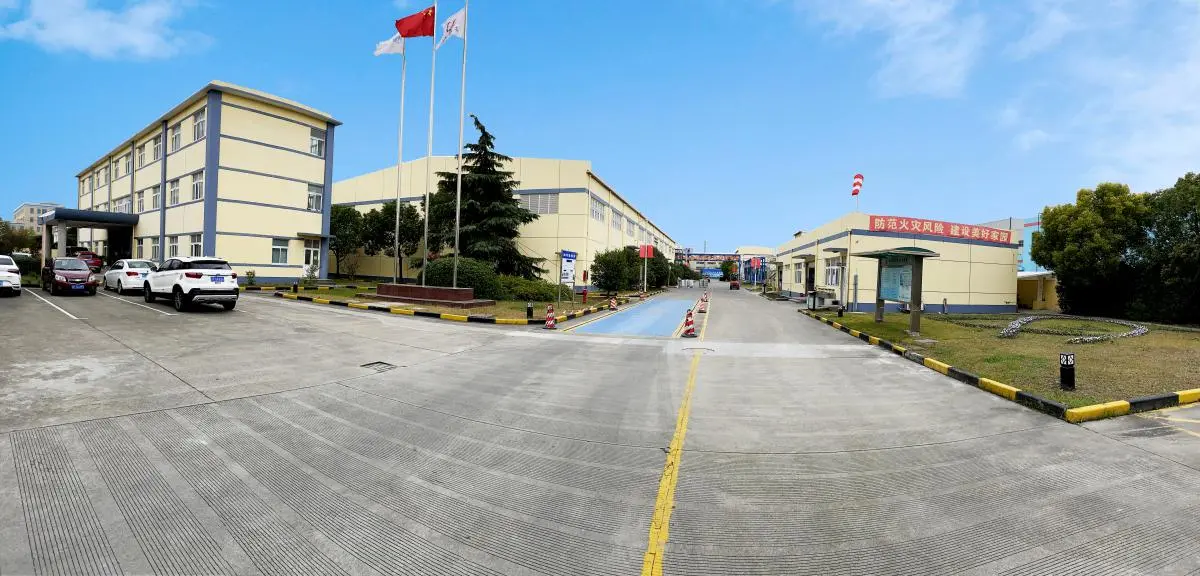
Our Shanghai facility focuses on advanced catalytic materials, automated packaging lines, and serving global logistics hubs. Its strategic location enables efficient, rapid export shipping.

Equipped with advanced rotary kilns and integrated computer-controlled dosing systems, our Wuxi site ensures high batch-to-batch consistency and precise pore-size control.
We actively shape domestic and international standards for adsorption equipment and media.
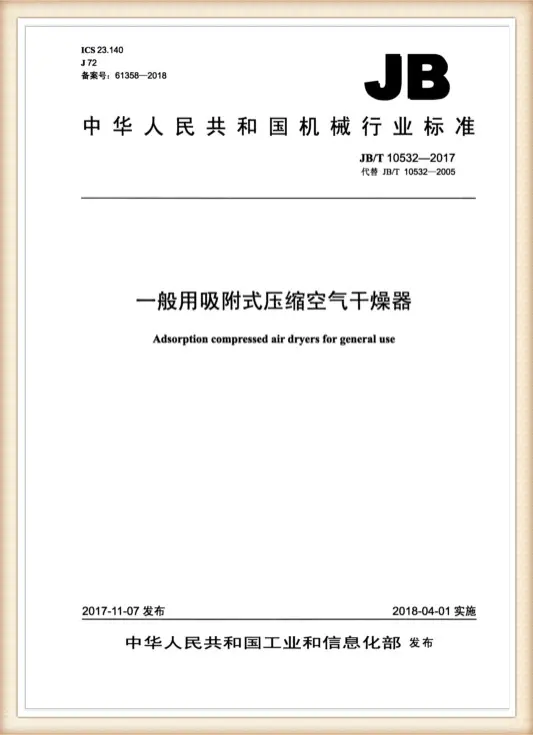
JB / T 10532-2017 Adsorption compressed air dryers for general use
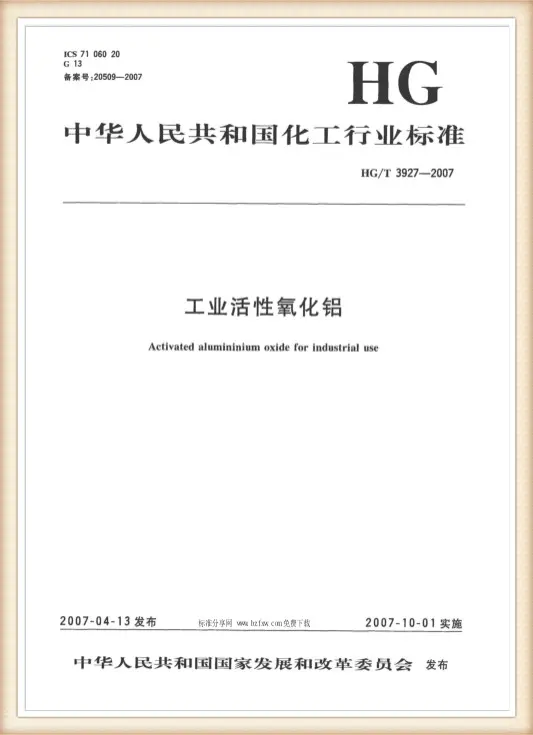
HG / T 3927-2007 Activated aluminium oxide for industrial use
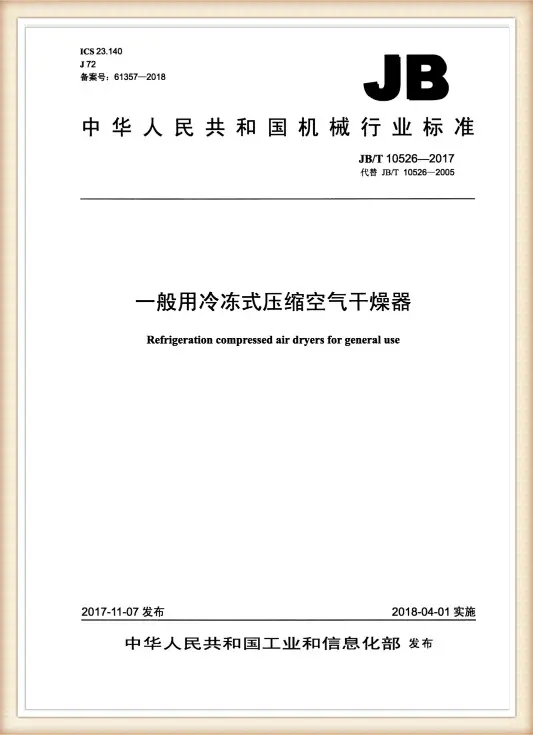
JB / T 10526-2017 Refrigeration compressed air dryers for general use
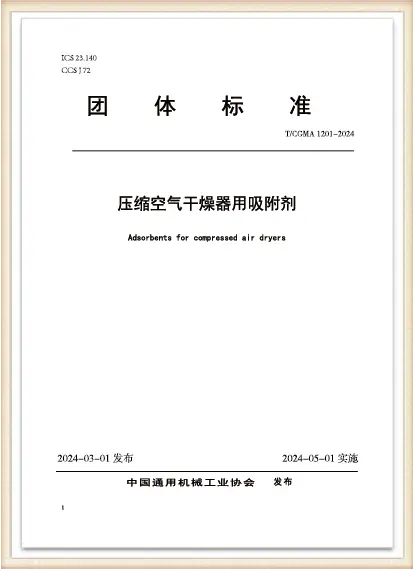
T/CGMA1201-2024 Standard for general machinery & compressed air systems
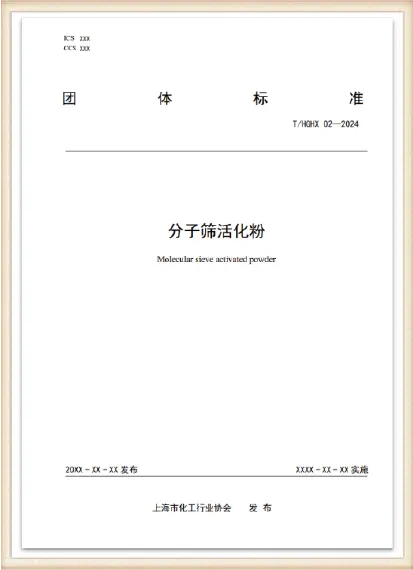
T/HGHX 02-2024 Specification for advanced molecular sieves and adsorbents
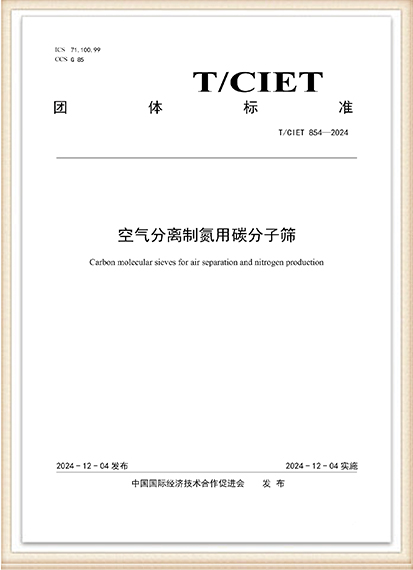
T/CIET 854-2024 Standard guidelines for green chemistry raw materials
Use this selector to align zeolite pore diameters with target molecules.
| Zeolite Base | Pore Aperture | Target Kinetic Diameter | Primary Industrial Applications |
|---|---|---|---|
| Type 3A | ~ 3 Å | < 3.0 Å | Ethylene, propylene, and bio-ethanol dehydration. Prevents co-adsorption of hydrocarbons. |
| Type 4A | ~ 4 Å | < 4.0 Å | Dehydration of air, natural gas, and polar liquids. Standard in static and dynamic systems. |
| Type 5A | ~ 5 Å | < 5.0 Å | Separation of normal/isomer paraffins, pressure swing adsorption (PSA) hydrogen purification. |
| Type 13X (HP) | ~ 10 Å | < 10.0 Å | Cryogenic air separation pre-treatment (CO2 & H2O removal), mercaptan removal, PSA oxygen production. |
| Carbon Molecular Sieve | Symmetric micro-pores | Size-selective separation | PSA nitrogen generator columns and biogas upgrading systems. |
Better Air, Better Life
We design energy-saving and environmentally friendly adsorption solutions that reduce carbon emissions, cut energy consumption during regeneration, and support global environmental sustainability.
Technical answers to key procurement, installation, and engineering questions.
Determining bed depth requires analyzing gas flow velocity, density, temperature, operating pressure, concentration of impurities, and mass transfer coefficients. Engineers must ensure the bed depth exceeds the length of the Mass Transfer Zone (MTZ) with a safety margin to prevent early breakthrough before regeneration.
Deep columns subject the bottom layers of adsorbents to high static loads. If the crushing strength is insufficient, materials can disintegrate, causing pressure drops, fluid channeling, gas bypass, and downstream dust contamination. JOOZEO products are engineered to exceed international mechanical standards to prevent dynamic attrition.
For Thermal Swing Adsorption (TSA), we recommend heating with dry purge gas at temperatures between 200°C and 320°C (depending on the zeolite grade and adsorbed species), followed by a cooling step using clean, dry process gas. This process prevents hydrothermal damage and preserves the crystal framework.
Our manufacturing and testing processes comply with standard specifications including HG/T 3927-2007 (for activated alumina), JB/T 10532-2017 (for adsorption dryers), and ISO 9001:2008. We also participate in drafting newer industry standards like T/CGMA 1201-2024 and T/CIET 854-2024.
Explore our specialized carbon, zeolite, and activated powder products designed for challenging separation requirements.
If you have any questions or require custom product configurations, please reach out. Our technical support team responds within 24 hours.