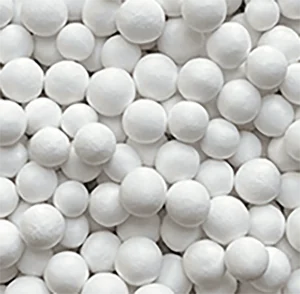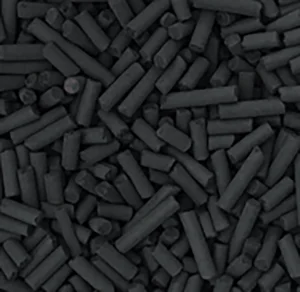
Explore our premium grade products built on rigorous quality systems, delivering high mechanical integrity and excellent performance.
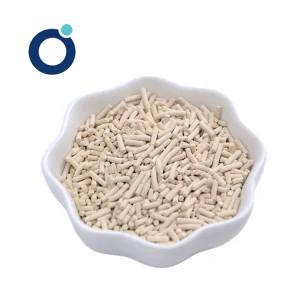
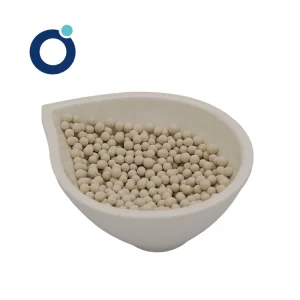
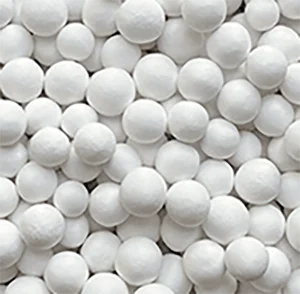
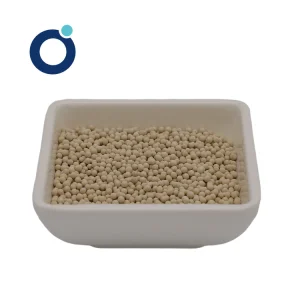
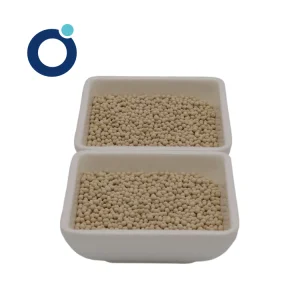
Zeolite 4A is a sodium aluminosilicate with a pore opening of approximately 4 angstroms (0.4 nm). Operating as a reliable molecular-scale filter, it selectively co-adsorbs molecules whose kinetic diameter is smaller than 4Å, such as water (H2O), carbon dioxide (CO2), hydrogen sulfide (H2S), and sulfur dioxide (SO2), while excluding larger molecules like propane, butane, and branch-chain hydrocarbons.
Internationally, the demands for molecular sieve adsorbents have surged exponentially. As modern process industries transition toward decarbonization, strict humidity limits are imposed. 4A molecular sieves form the structural backbone of adsorption air dryers, insulated glazing units, and ethylene dehydration plants. Achieving high efficiency at this scale requires precise control over raw components like high-grade sodium silicate and aluminum hydroxide, combined with advanced crystallization controls.
China is home to some of the world's most sophisticated molecular sieve manufacturing facilities. In addition to leveraging extensive regional reserves of silicates and aluminates, manufacturers like Shanghai Jiuzhou Chemicals Co., Ltd. have invested in automated rotary kilns, advanced testing systems, and dynamic labs to achieve levels of quality and consistency comparable to Western tier-1 producers.
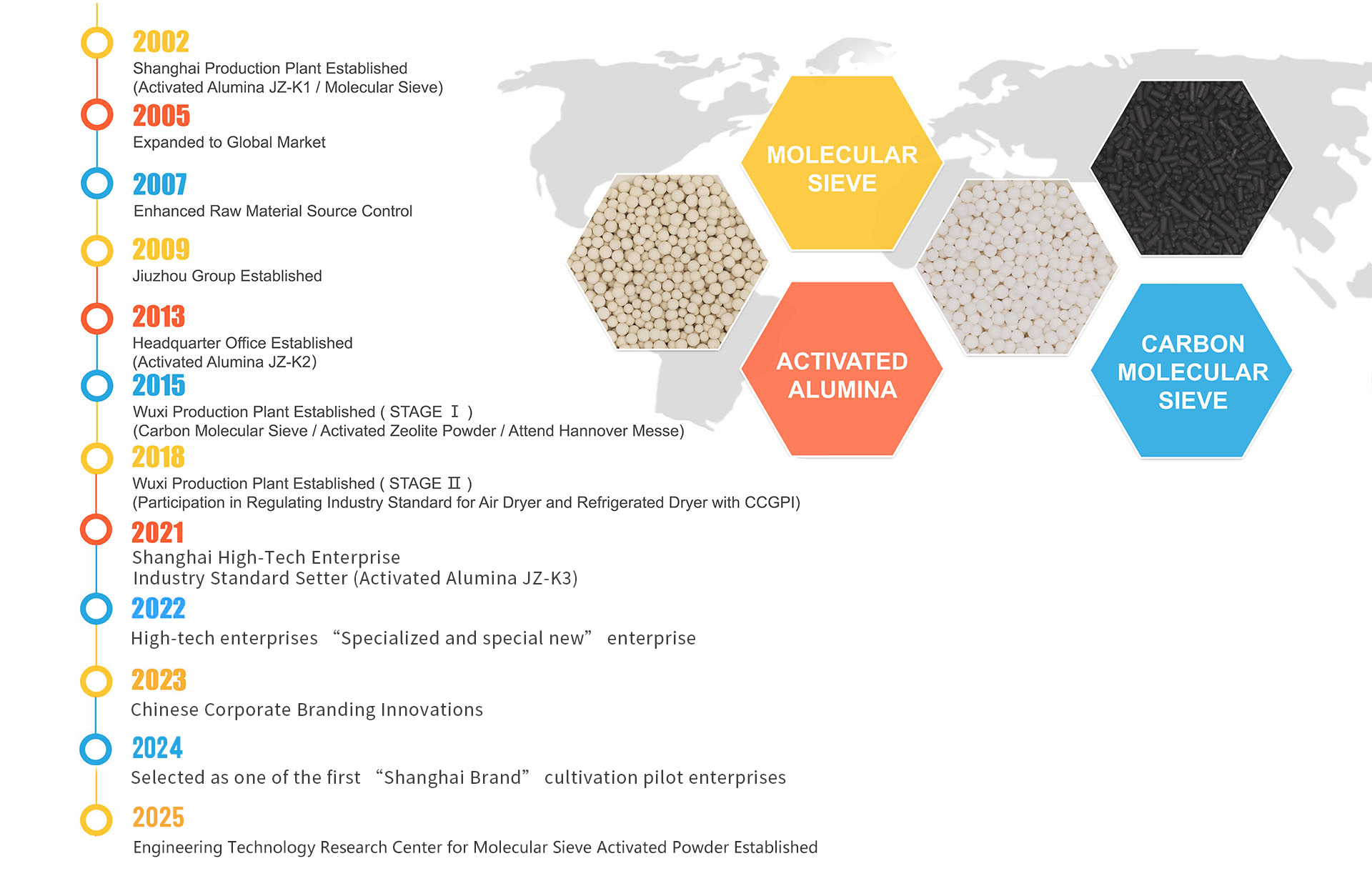
Pioneering high-capacity industrial adsorbents from Shanghai and Wuxi factories to dynamic enterprises worldwide.
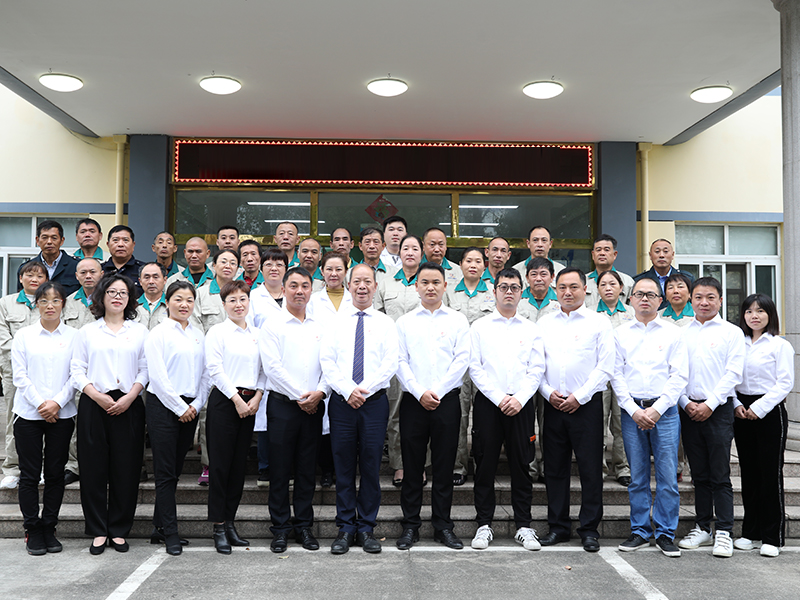
Located in Shanghai, the economic and logistical gateway of China, Shanghai Jiuzhou Chemicals Co., Ltd. (Joozeo) has operated on the twin principles of rigorous quality control and technical innovation. Our extensive product portfolio spans molecular sieve powders, synthetic molecular sieves, activated powder, activated alumina, aluminum oxide catalysts, diverse alumina structural packings, ceramic balls, sodium silicates, aluminum hydroxide, zeolite 4A, sodium carbonates, and SLES. All production centers operate under certified ISO9001:2008 Quality Management System regulations alongside TUV and SGS testing audits.
By coordinating a world-class R&D team with modern production processes, Jiuzhou operates integrated monitoring setups and analytical labs. This technical foundation allows us to maintain stable chemical properties and high mechanical integrity across our products, meeting international standards. Jiuzhou’s presence is established globally, supported by logistics networks across North America, Europe, South America, the Middle East, Southeast Asia, and Japan. We continue to offer customized solutions and energy-efficient systems designed to lower operating footprints and improve processing efficiency.
Combining the technical oversight of Shanghai and the automated capacity of Wuxi to serve global industrial markets.
Our centralized management and R&D center in Shanghai focuses on new product formulation, particle sizing, and dynamic testing protocols.
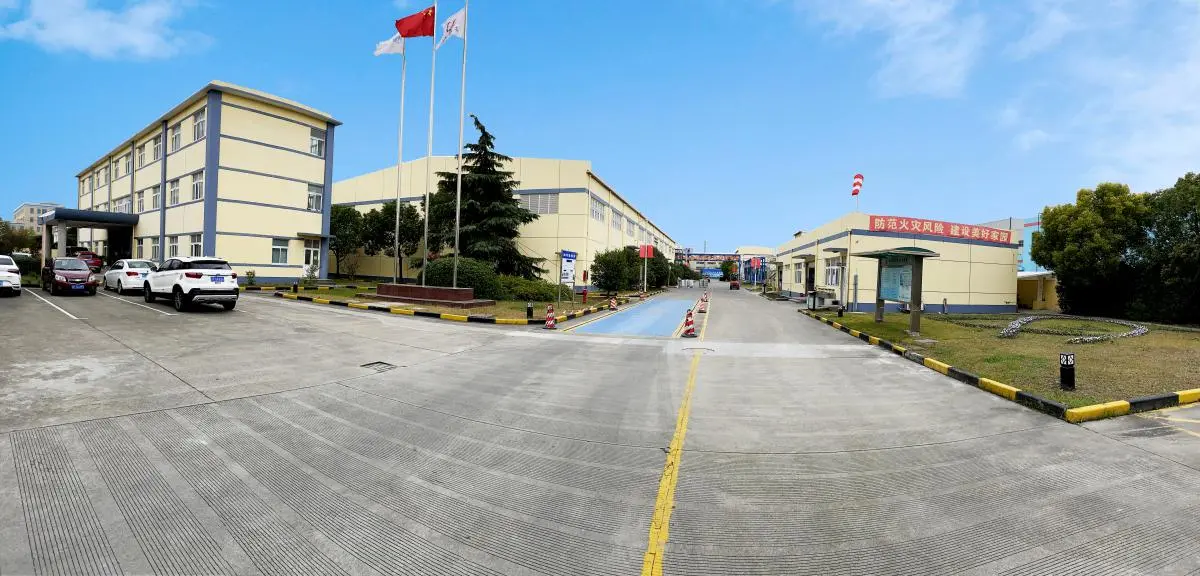
Equipped with advanced rotary kilns and bead forming technologies, our Wuxi production lines deliver uniform, high-crush-strength zeolites.

As a leading developer in the industry, Jiuzhou contributes actively to regional and industrial standardizations.
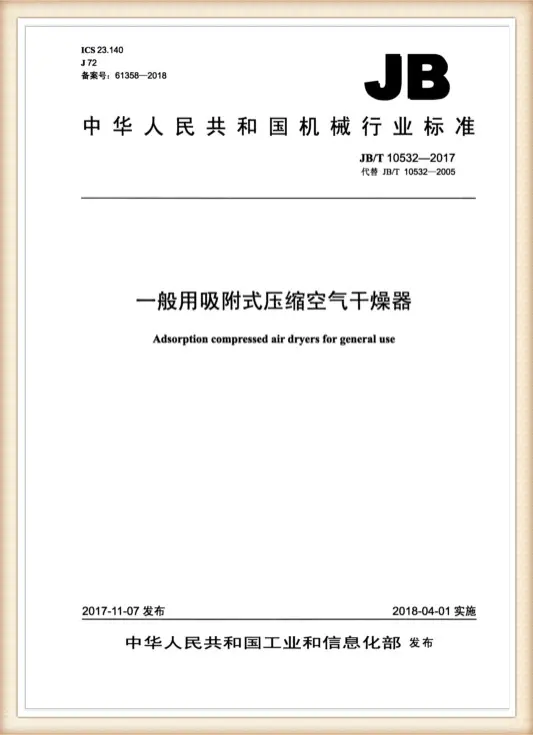
Adsorption compressed air dryers for general industrial applications.
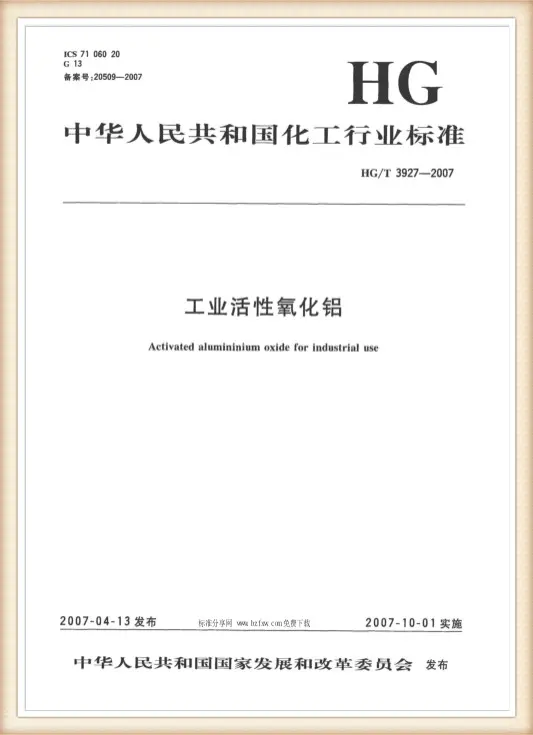
Activated aluminum oxide specifications for industrial drying systems.
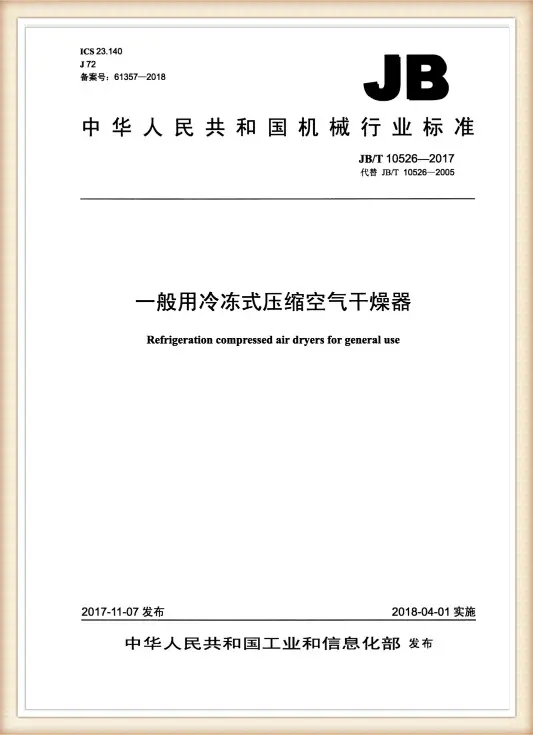
Refrigeration compressed air dryers technical and testing benchmarks.
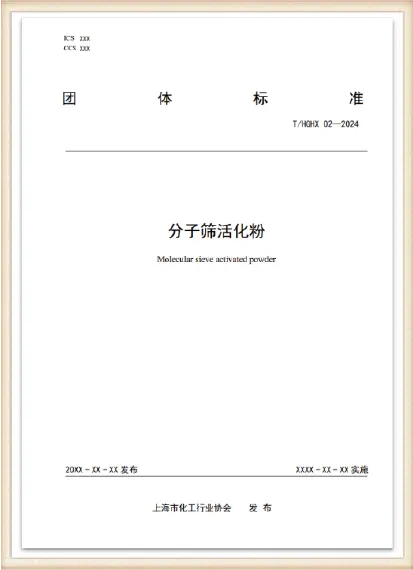
Modernized compliance standards for general machinery and air compression.
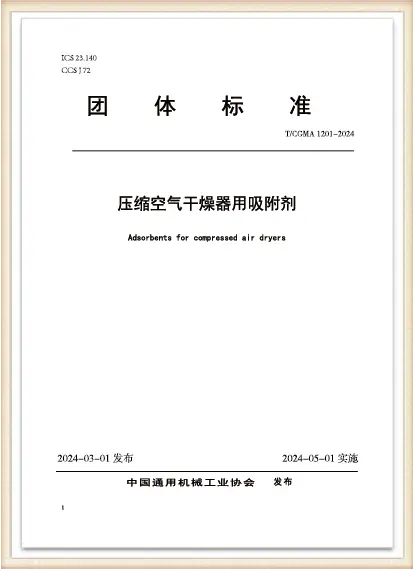
Adsorbent chemical composition standards and analytical regulations.
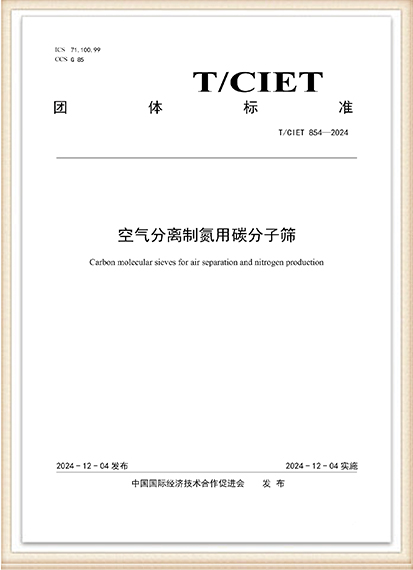
Eco-friendly manufacturing guidelines for chemical and synthetic materials.
Quality Control Commitment
Continuous Process Innovation
From industrial gas purification to structural insulation, 4A molecular sieves provide effective dehydration.
Removing moisture down to a -70°C pressure dew point in twin-tower desiccant systems, protecting pipes and automated machinery from water condensation.
Used to dehydrate cracked gas, ethylene, propylene, and natural gas streams to prevent hydrate blockages and downstream catalyst poisoning.
Injected into spacer bars of double-paned window structures to adsorb internal moisture, avoiding condensation and fogging in varying climates.
Removing trace moisture within mobile air-conditioning loops and heavy-duty air braking systems, protecting components from ice blockages and rust.
Acting as an eco-friendly ion-exchanger for calcium ions, replacing phosphates in detergents to reduce environmental eutrophication.
Serving as a scavenger to trap moisture in 2K polyurethane formulations, preventing pinholes, carbon dioxide bubbling, and structural degradation.
A typical analysis of physical properties required to withstand high-pressure processes and regeneration cycles.
| Property / Characteristic | Unit | Spherical (Beads) | Cylindrical (Pellets) | Typical Industrial Value |
|---|---|---|---|---|
| Nominal Pore Diameter | Angstrom (Å) | 4 | 4 | ~ 4 Å / 0.4nm |
| Bulk Density | g/ml | 0.70 – 0.80 | 0.65 – 0.75 | ≥ 0.72 |
| Static Water Adsorption Capacity | wt % | ≥ 21.5% | ≥ 21.0% | ≥ 22.0% (at RH 60%, 25°C) |
| Crush Strength | N / piece | ≥ 35 (size 1.6-2.5mm) | ≥ 30 (size 1.6mm) | Varies by particle diameter |
| Attrition Rate | wt % | ≤ 0.1% | ≤ 0.2% | Low-dust formulation |
| Loss on Ignition (LOI) | wt % | ≤ 1.5% | ≤ 1.5% | Shipped pre-activated |
When selecting a 4A molecular sieve supplier, technical managers and procurement professionals should prioritize dynamic performance over upfront unit pricing. A high-quality zeolite reduces operational costs by minimizing dusting, reducing early replacement cycles, and optimizing thermal regeneration energy consumption.
Key parameters for your procurement checklist include:
The global molecular sieve market is adapting to meet sustainability goals. In response to corporate carbon reduction mandates, Chinese manufacturing centers are integrating clean natural gas energy systems and recovering waste heat from kilns. Efforts are also underway to utilize alternative, mineral-rich industrial byproducts for zeolite crystallization, helping to lower carbon intensity.
Furthermore, manufacturers are working to develop next-generation 4A molecular sieves with lower regeneration energy requirements. By optimizing the crystal structure and reducing internal diffusion paths, these products allow for lower regeneration temperatures, reducing the utility costs of thermal swing adsorption (TSA) installations.
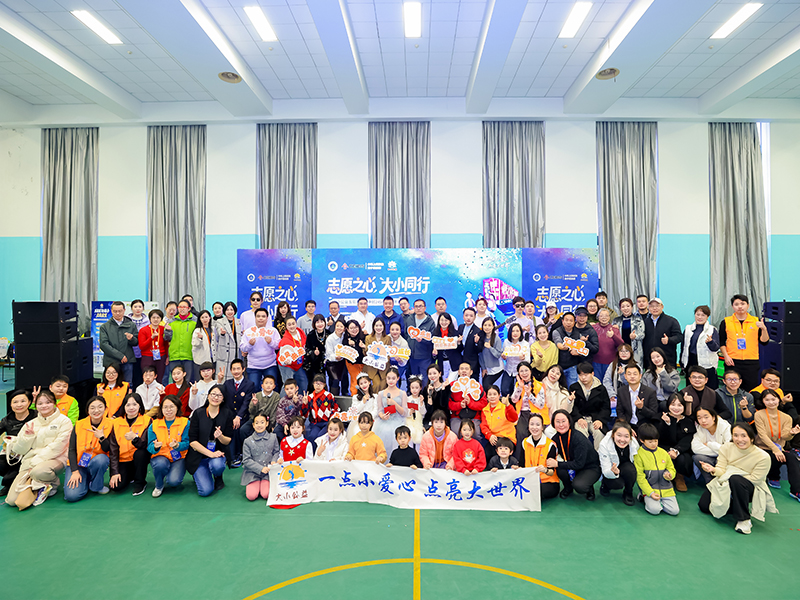
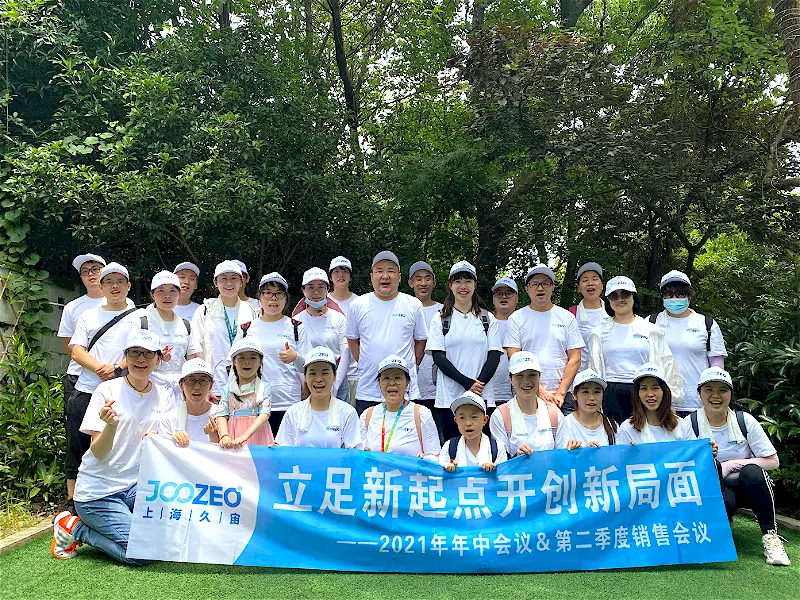
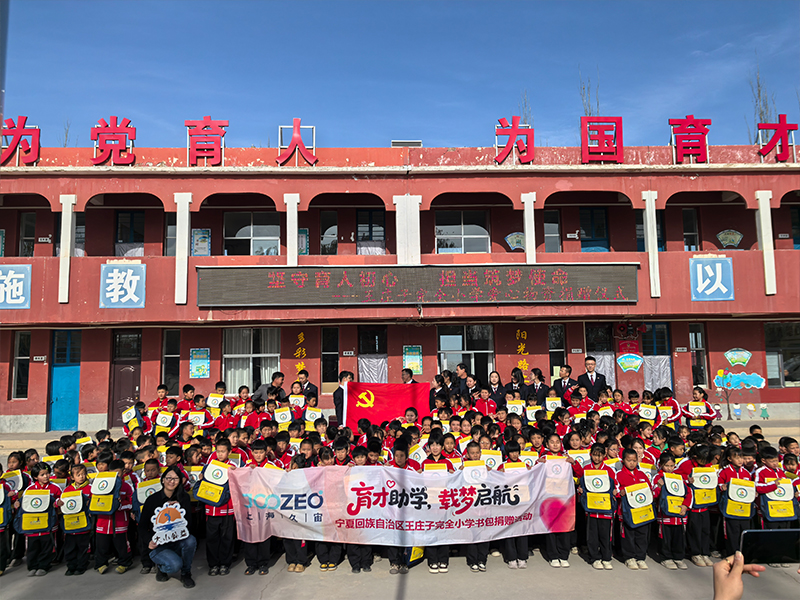
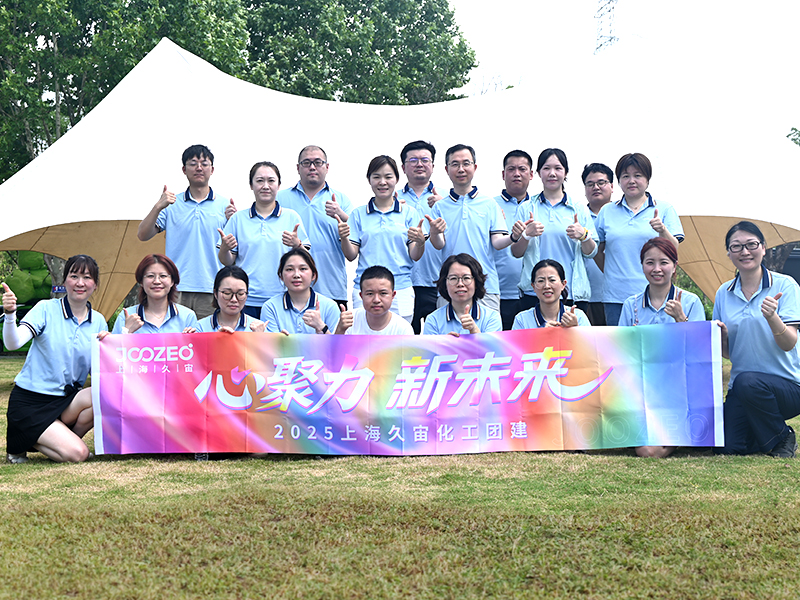
"Better air, Better life" — Our operations balance industrial output with environmental protection, social support, and employee safety.


Expert answers addressing chemistry, operations, and procurement of 4A molecular sieves.
View our additional specialized grades, engineered to meet specific gas separation and dew point requirements.
Get in touch for custom adsorbent properties, bulk packaging options, or specific chemical processing requests. Our engineering team responds within 24 hours.
Send Request