Explore our baseline molecular sieves and performance chemical formulas direct from our manufacturing sites.
A comprehensive assessment of regulatory standards, pricing factors, and manufacturing transformations.
Pricing configurations are tied to standard physical attributes: Iodine Number (mg/g), CTC values, and Ash Content percentage. The China Coconut Activated Carbon Association collaborates with key exporters like Shanghai Jiuzhou Chemicals to structure transparent pricelists that cushion raw material fluctuation and secure long-term stable pricing for global chemical processing partners.
Modern commercial industries demand ultra-pure, dust-free carbon elements. Water purification plants, VOC extraction operations, gold mining operations, and petrochemical refineries require stable pore distribution profiles. This ensures long operational life, lower flow resistance, and optimal activation characteristics in multiple environments.
By leveraging automated multi-functional production lines and IoT analytics monitoring, Chinese chemical manufacturers have optimized raw material conversion ratios. This digital structural change shields raw material procurement from volatility and maintains consistent delivery rates across 80+ trade-related countries.
The demand for top-grade coconut-shell activated carbon is expanding as regional environmental regulations and circular economy initiatives tighten globally. Raw material processing is moving toward cleaner energy structures and lower waste footprints. Standardizing technical criteria has become the association's top objective.
Iodine values (which represent micropore distribution) are closely standardized. Industrial water plants require carbon that measures between 900 mg/g to 1100 mg/g, while chemical processing operations require CTC levels of 50% to 70%. High mechanical hardness (typically >97%) prevents granular degradation during backwashing steps.
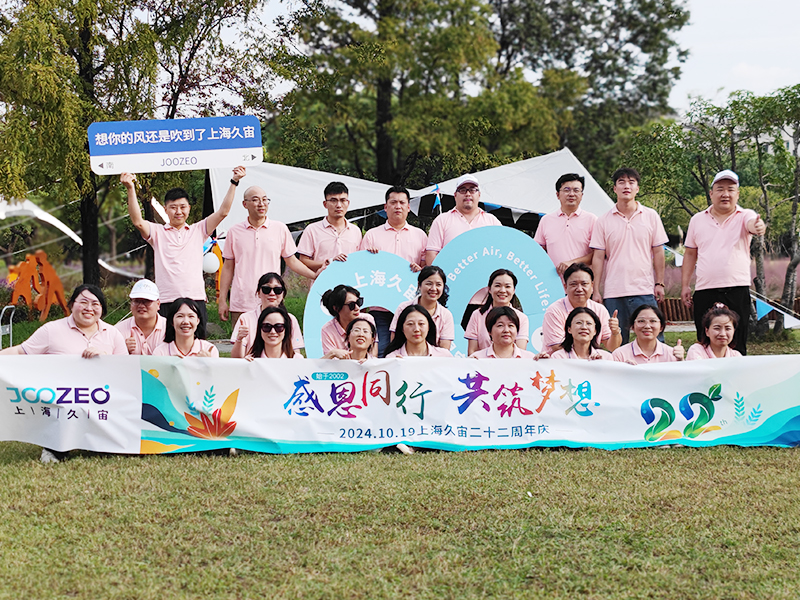
Shanghai Jiuzhou Chemicals (Joozeo) aligns closely with these association initiatives. By matching production steps to strict ISO9001 and international performance metrics, we help set benchmarks for industrial-grade desiccants and adsorbents.
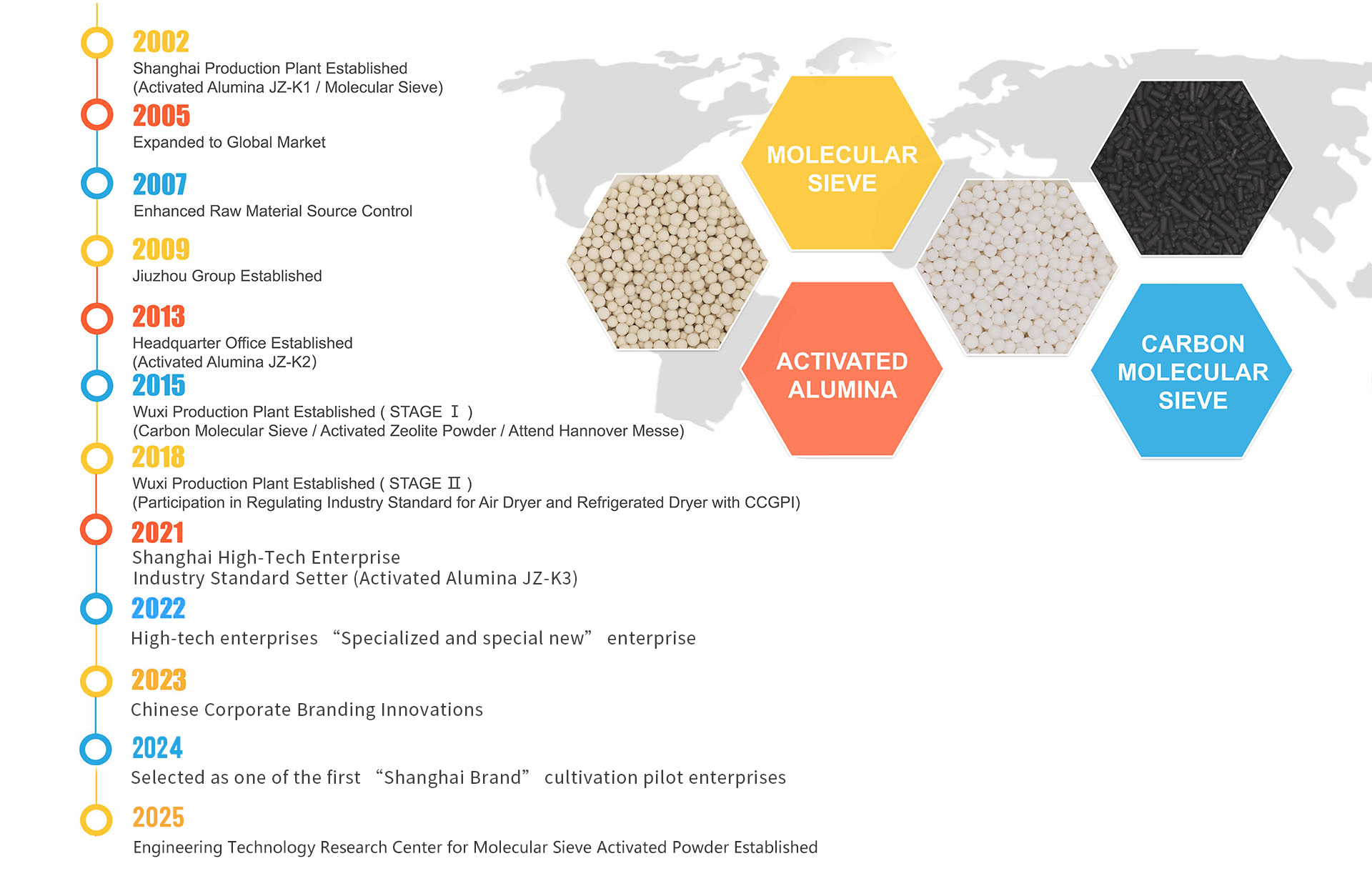
Our Shanghai and Wuxi production hubs utilize automated, multi-functional plants to run continuous production cycles. These systems monitor and adjust activation temperature, raw material feed rates, and rotary kiln pressures in real-time. This level of process control ensures high consistency across production runs.
We operate central testing facilities equipped with dynamic testing systems and advanced instruments. This infrastructure allows us to perform precise analytical steps for hardness, moisture levels, bulk density, particle sizing, and pore volume.
Through our logistics hubs, we ship custom formulations directly to global distribution systems across North America, Europe, South America, and Asia.
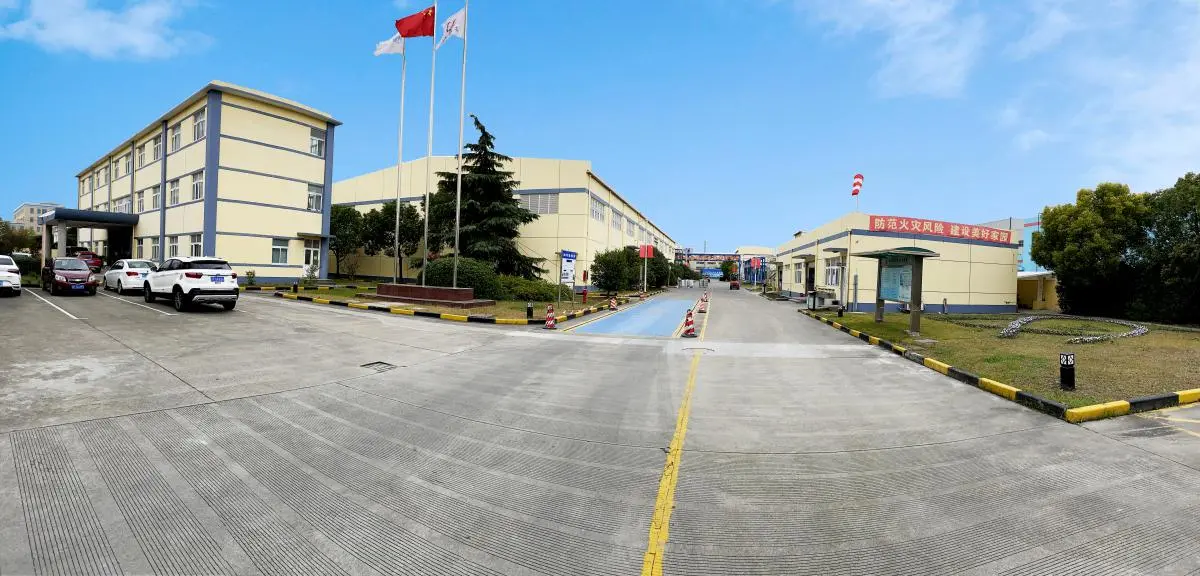
Established in 1994, standardizing the manufacturing of chemical adsorbents and custom performance materials.
Shanghai Jiuzhou Chemicals is an active contributor to Chinese industry standards. We help compile and review quality criteria for industrial drying systems and activated alumina applications.
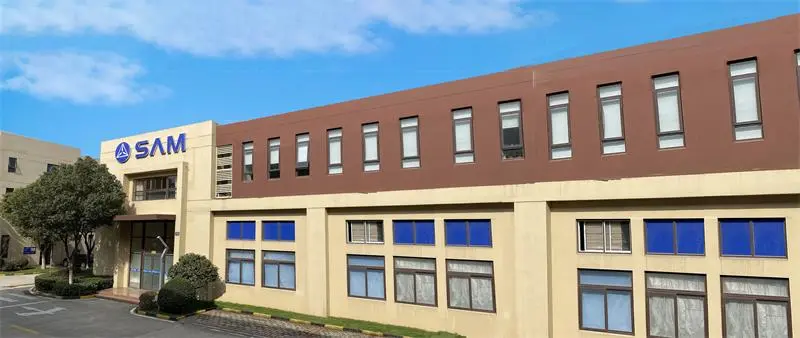
Verified regulatory documents confirming our compliance with national and international manufacturing protocols.
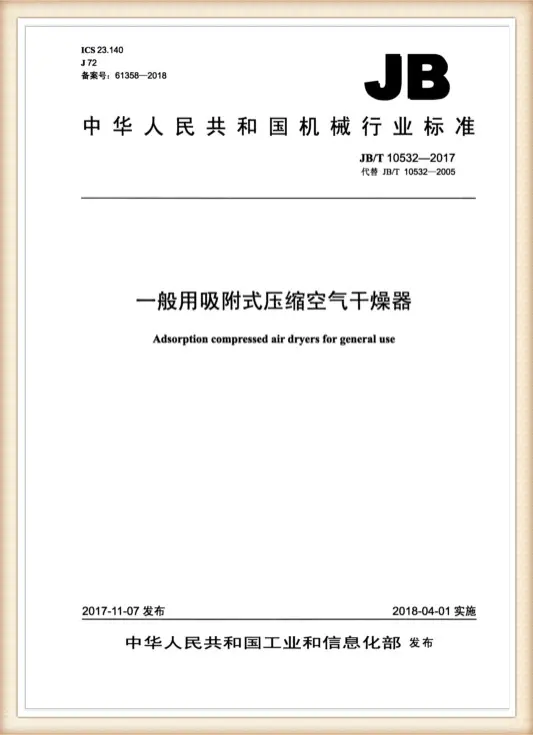
JB / T 10532-2017
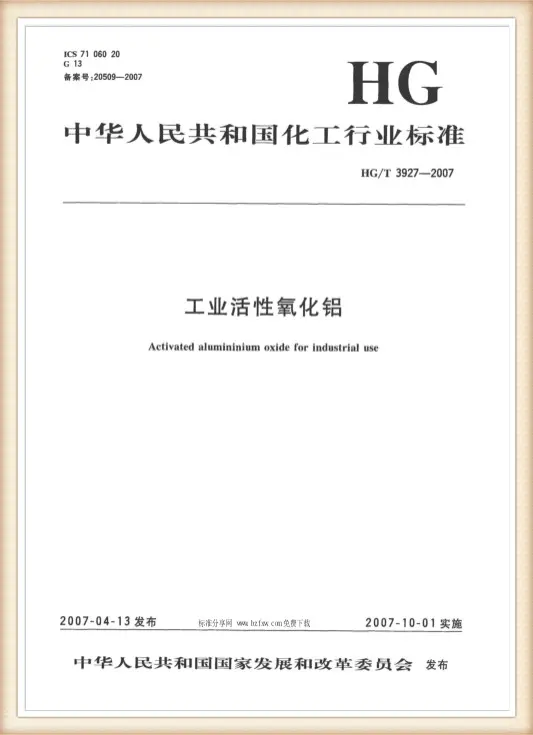
HG / T 3927-2007
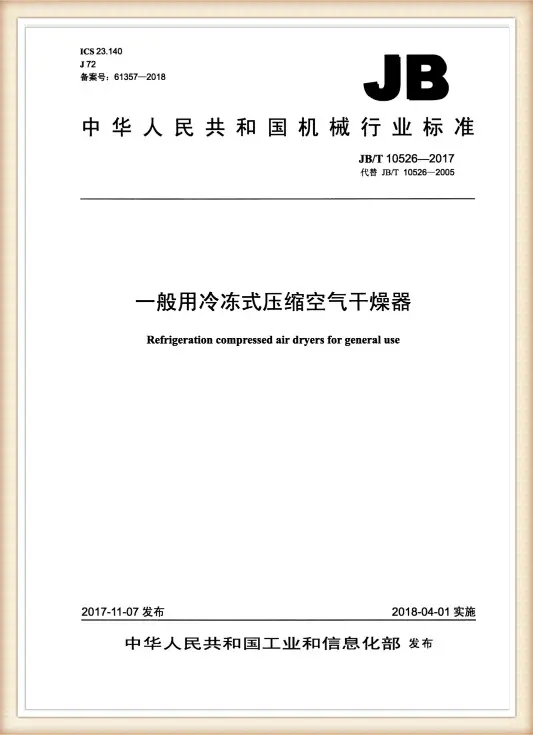
JB / T 10526-2017
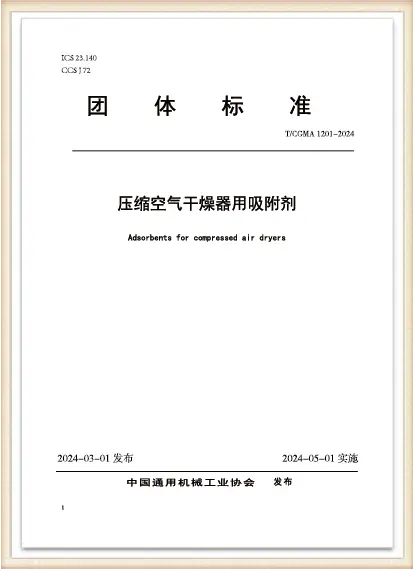
T / CGMA 1201-2024
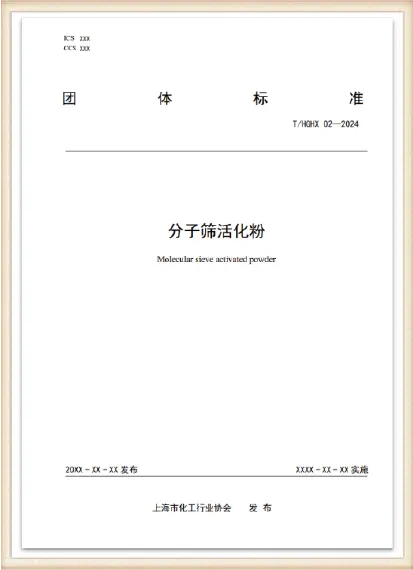
T / HGHX 02-2024
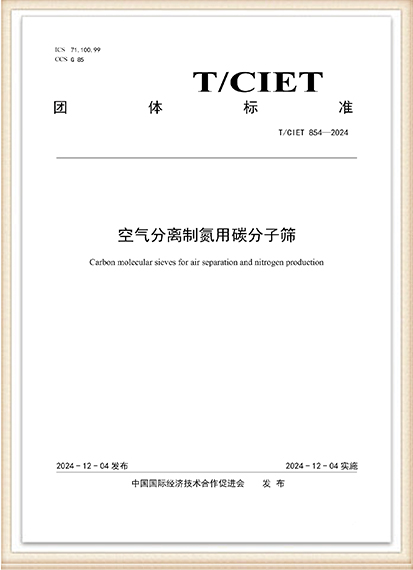
T / CIET 854-2024
Better air, Better life. We are committed to developing eco-friendly chemical products and energy-saving adsorption solutions.
Key information regarding specification analysis, custom parameter formulations, and shipping processes.
Pricing depends on the specified Iodine Value (600 to 1200 mg/g) and CTC adsorption level (40% to 70%). Base formulations typically range from USD 1,400 to USD 2,800 per metric ton FOB. High-purity, acid-washed variations require additional processing steps, which affects final pricing.
Coconut activated carbon has a higher concentration of micropores. This structures the material to adsorb low-molecular-weight organic compounds, volatile organic chemicals (VOCs), and chlorine byproducts more effectively than coal- or wood-based carbons.
Low mechanical hardness causes granules to break down into dust during backwashing, leading to filter clogging and pressure drops. Our formulations maintain a mechanical hardness above 97% to ensure durability in deep-bed water systems. We keep moisture content below 5% to maximize active adsorption capacity per shipment.
We verify iodine values using standardized test methods such as ASTM D4607, alongside domestic HG/T and GB protocols. We perform these quality checks on every production run at our central laboratories before issuing final COA certificates.
Explore our industrial molecular sieves, premium catalysts, and specialized zeolites developed for processing environments.
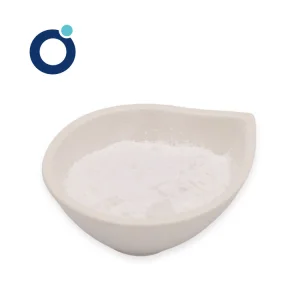
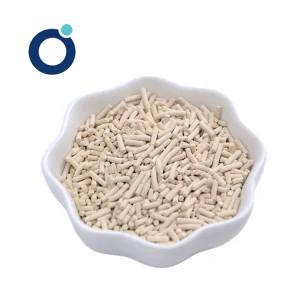
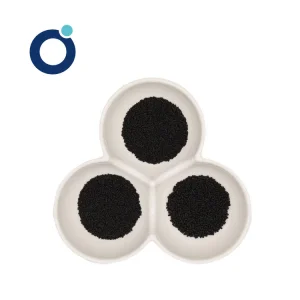
Our engineering team can assist you with product selection, parameter customization, and bulk logistics configurations. We respond within 24 hours.
Send Request