Explore our high-performance molecular sieves, catalysts, and industrial desiccant agents engineered for precision separations.
A technical examination of calcium-substituted aluminosilicates in modern industrial gas processing.
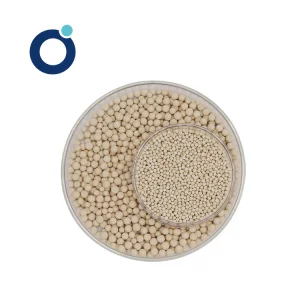
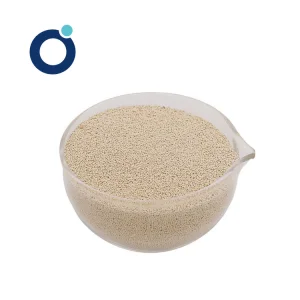
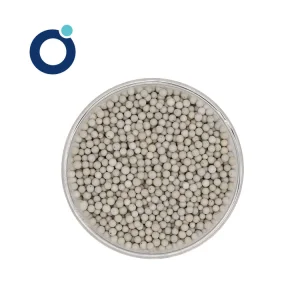
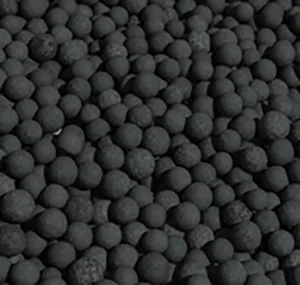
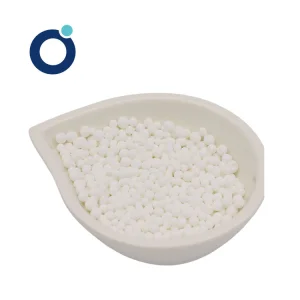
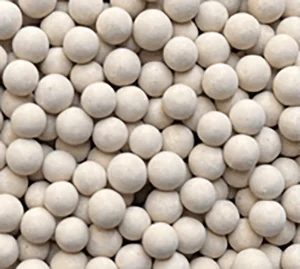
Molecular Sieve 5A is an alkali aluminosilicate crystalline mineral belonging to the type A zeolite family. Structurally, it is the calcium-exchanged form of the precursor Sodium Zeolite 4A. By replacing monovalent sodium ions (Na+) with divalent calcium ions (Ca2+), the effective pore opening is expanded from approximately 4 Ångströms to 5 Ångströms (0.5 nm). This precise sub-nanometer pore diameter is ideal for differentiating, sorting, and separating molecules based on their kinetic diameters and polar characteristics.
From a crystallographic perspective, the three-dimensional network structure consists of SiO4 and AlO4 tetrahedra, cross-linked through shared oxygen atoms. The resulting cage structures (specifically alpha-cages and beta-cages) form a highly porous matrix with immense internal surface area. The divalent calcium ions reside at specific crystalline sites within this matrix, providing a strong localized electrostatic field gradient. This high charge density enables Molecular Sieve 5A to co-adsorb polar molecules with great affinity, even under trace conditions, making it invaluable for ultra-deep purification.
For chemical procurement, understanding these parameters is crucial. When sourcing from a reputable exporter, characteristics such as mechanical crush strength, bulk density, attrition rates, and equilibrium water/hydrocarbon adsorption isotherms determine the system runtime and overall operating expenses (OPEX). High-quality China Mol Sieve 5A factories optimize the ion-exchange ratio to guarantee that the 5 Ångström threshold is consistently maintained throughout the bed's functional life.
How decarbonization, LNG exports, and green hydrogen technology are steering the market for advanced adsorbents.
As carbon neutrality mandates tighten worldwide, there is an unprecedented push for high-efficiency carbon capture, utilization, and storage (CCUS). Molecular Sieve 5A is widely employed in Pressure Swing Adsorption (PSA) systems to capture carbon dioxide from flue gases and industrial process streams, thanks to its high selectivity for polar CO2 molecules over non-polar nitrogen and methane.
To prevent hydrate formation and freezing in cryogenic heat exchangers, liquefied natural gas (LNG) processes require absolute moisture removal (down to < 0.1 ppmv) and acid gas extraction. Molecular Sieve 5A serves as a critical barrier, co-adsorbing hydrogen sulfide (H2S), carbon dioxide, and volatile organic sulfur compounds (mercaptans) in a single operational step.
With the expansion of fuel cell vehicles and clean energy networks, the demand for ultra-pure hydrogen (99.999%+) is rising. In Hydrogen PSA systems, molecular sieves remove trace carbon monoxide, nitrogen, and methane from steam methane reformer (SMR) gases or gasification processes, ensuring the downstream fuel cells are protected from catalytic poisoning.
In the petrochemical industry, Molecular Sieve 5A plays a unique role in separating straight-chain paraffins (n-paraffins) from branched-chain paraffins (iso-paraffins) and cyclic hydrocarbons. N-paraffins, which have kinetic diameters of about 4.9 Å, can enter the 5A pore network and are adsorbed, while larger iso-paraffins (typically > 5.2 Å) are excluded. This process is essential for producing high-octane gasoline blending components and generating raw materials for biodegradable detergents.
Over 30 years of commitment to quality control, dynamic product development, and global logistics service.
Shanghai Jiuzhou Chemicals Co., Ltd. is located in the key economic and technological development hub of Shanghai. Over the years, Jiuzhou has adhered to the principles of "Quality Control 100% and Innovation 100%," dedicating its resources to the research, development, and manufacturing of premium, long-lasting industrial chemical products. Our extensive portfolio includes molecular sieve powders, finished molecular sieves, activated powder, activated alumina, aluminum oxide catalysts, various alumina packing materials, ceramic balls, sodium silicates, aluminum hydroxide, zeolite 4A, and sodium carbonates.
Our facilities are fully certified under the ISO9001:2008 Quality Management System, TUV, and SGS, ensuring that every batch of material leaving our factory floor complies with strict international specifications. Backed by a world-class research team, our modern manufacturing lines utilize state-of-the-art international production technology and monitoring equipment to maintain consistent quality across all production runs.
As an industry leader, Shanghai Jiuzhou Chemicals actively shapes national and international quality benchmarks.
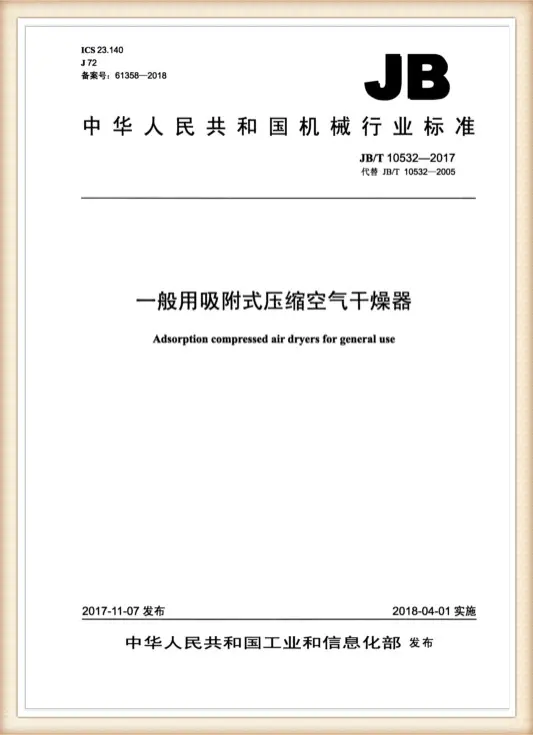 JB / T 10532-2017
Adsorption compressed air dryers for general use
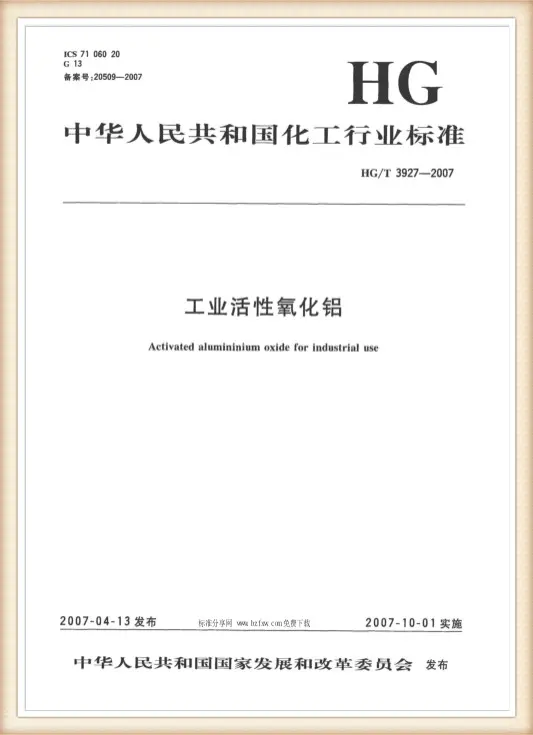 HG / T 3927-2007
Activated aluminum oxide for industrial use
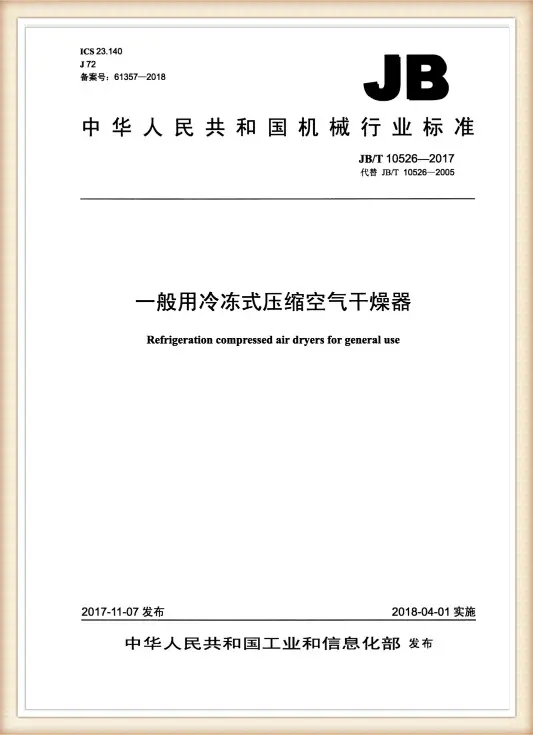 JB / T 10526-2017
Refrigeration compressed air dryers for general use
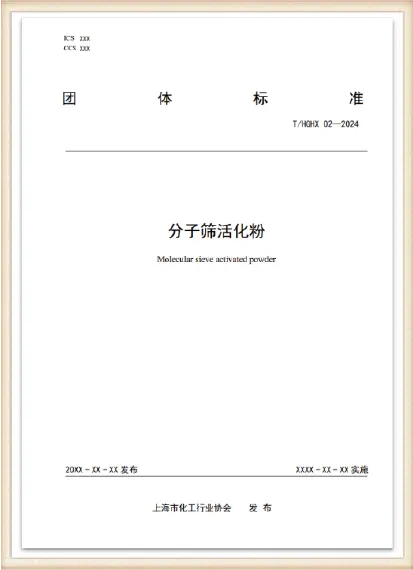 T/CGMA 1201-2024
General specifications for compressed air equipment
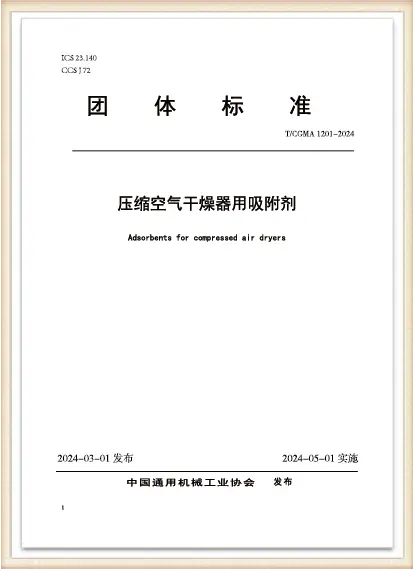 T/HGHX 02—2024
Chemical industry environmental standards
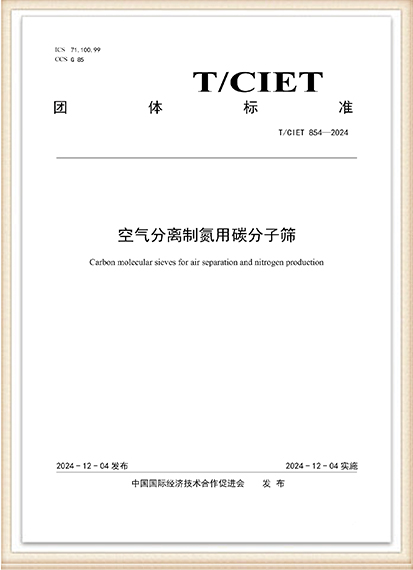 T/CIET 854-2024
Industrial green production technologies
Operating automated multi-functional workshops and advanced labs to guarantee continuous supply and performance stability.
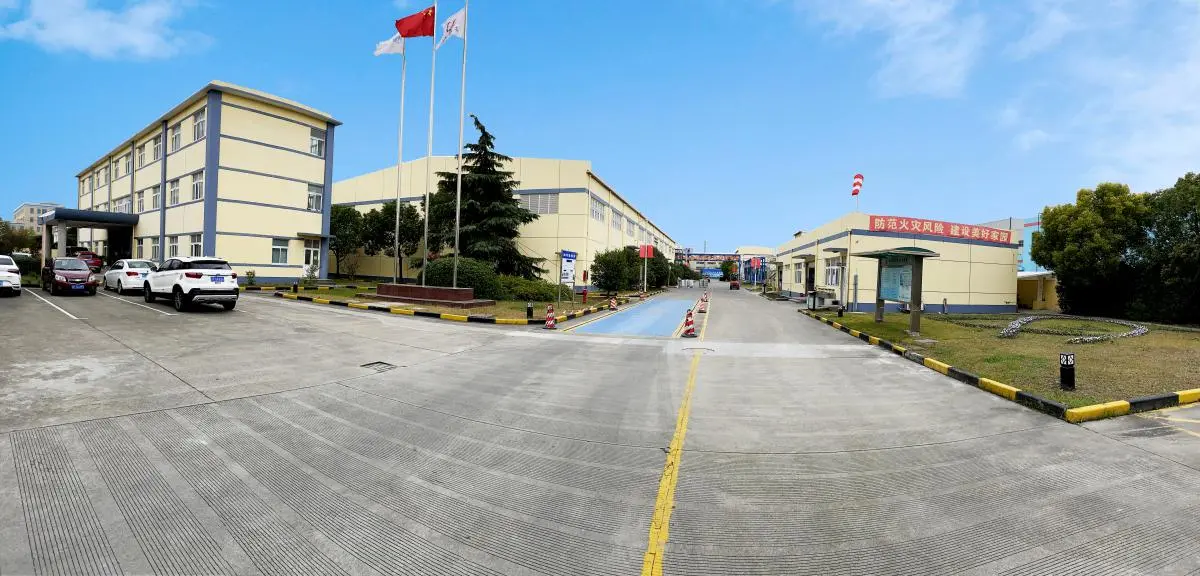
Our Shanghai facility hosts fully automated production lines designed to minimize human error and ensure uniform bead size, pore size consistency, and high mechanical crush strength. It features a central testing laboratory equipped with dynamic analytical instruments to monitor adsorption properties under real-world operating conditions.

Our Wuxi plant expands our domestic production capacity, allowing us to maintain stable pricing and buffer stock for high-volume global contracts. This dual-facility system mitigates localized utility risks and ensures year-round product availability, even during periods of heavy regional demand.
In a volatile global market, procurement managers focus heavily on supply chain reliability. JOOZEO has established structured logistics networks and regional distribution partners across North America, Europe, Southeast Asia, Japan, and the Middle East. By maintaining safety stock levels, utilizing maritime logistics pathways, and providing custom packaging designs (such as air-tight steel drums and bulk bags), we ensure that our molecular sieves arrive at your site with their active adsorption capacity fully preserved.
Environmental stewardship and resource efficiency integrated into our daily production standards.

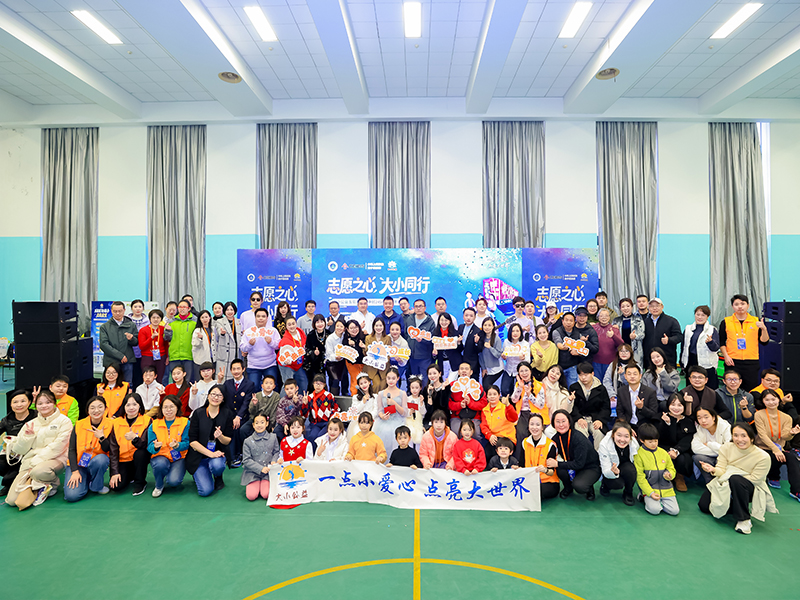
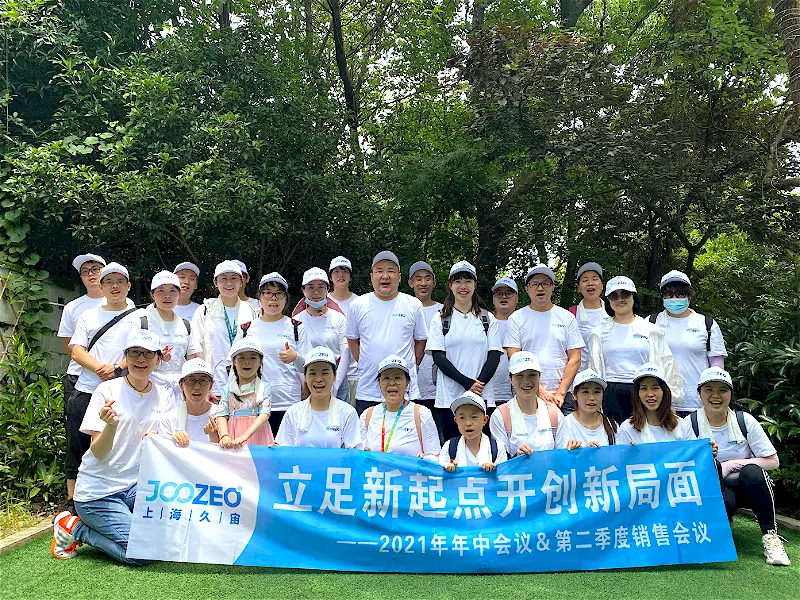
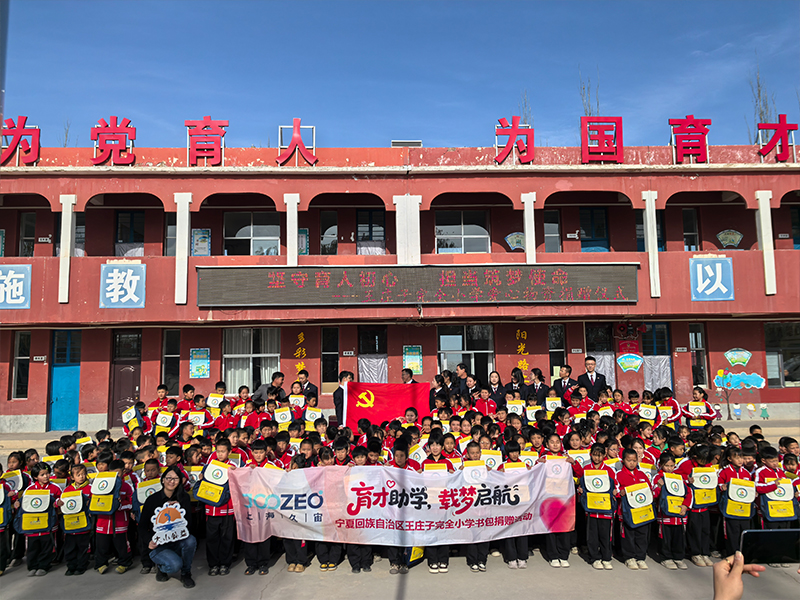
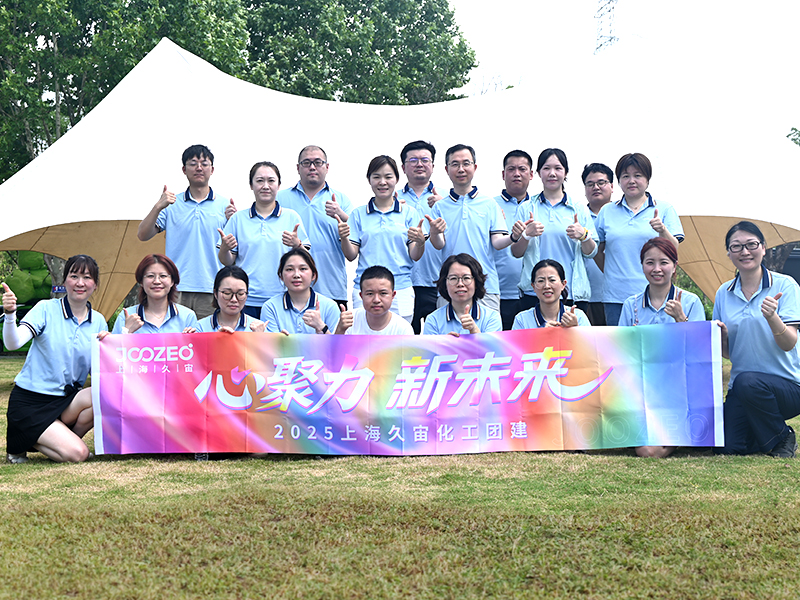
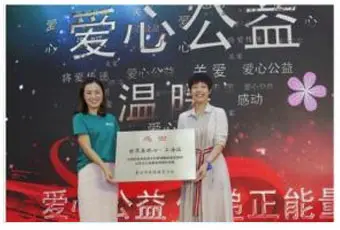
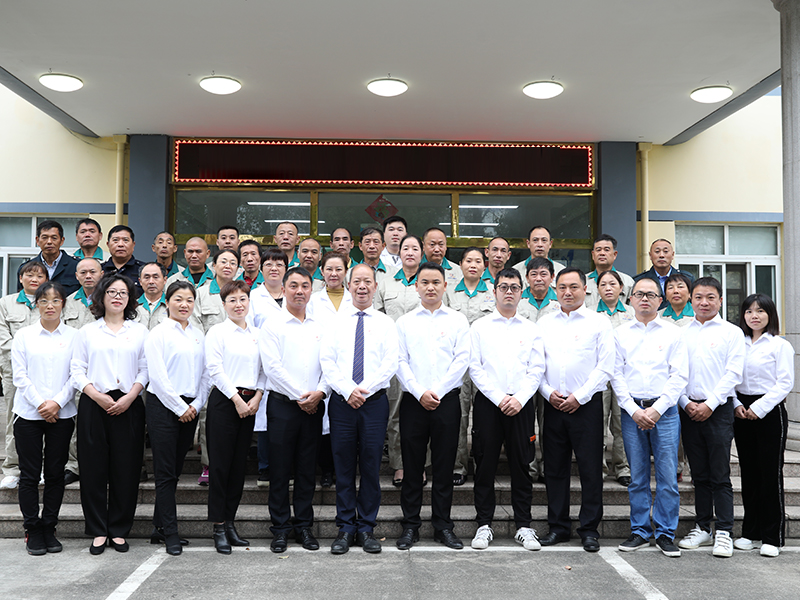

At JOOZEO, we believe that chemical manufacturing must align with sustainable environmental practices. Under our mission statement, "Better air, Better life," we have integrated energy-saving systems into our production processes. Our calcination kilns are designed to capture and reuse waste heat, significantly lowering our carbon footprint. Additionally, we run a zero-wastewater discharge program at our facilities, using closed-loop recycling loops to purify process water for reuse in initial raw material formulations.
Our commitment to CSR extends to the performance of our products. By helping our clients achieve deeper separations with lower pressure drops, our molecular sieves directly help reduce the operational energy requirements of global gas separation plants, helping to lower carbon emissions across the industry.
Technical performance configurations adapted to diverse regional conditions and system designs.
In regions like the Middle East, natural gas streams arrive at purification facilities at high temperatures, often saturated with heavy hydrocarbons, water vapor, and high ratios of acid gases (H2S and CO2). In these conditions, Molecular Sieve 5A is deployed in multi-bed systems to prevent retrogressive condensation. To prevent premature hydrothermal aging, the molecular sieve must have high hydrothermal stability. JOOZEO's 5A adsorbent is formulated to resist structural breakdown from hot steam during thermal swing regeneration (TSA), preventing bed compaction and maintaining reliable desulfurization cycles.
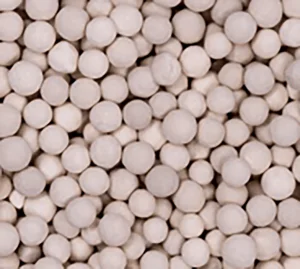
PSA-based medical oxygen systems require extremely reliable adsorbents that work efficiently at ambient room temperatures. Molecular Sieve 5A is used to extract nitrogen from air feed streams to yield high-purity oxygen. For these applications, we supply beads with precise size distributions and dust-free surfaces to prevent particulate bypass, helping to protect downstream breathing valves and medical equipment from contamination.
In steel and chemical manufacturing hubs, hydrogen-rich off-gases contain complex mixtures of carbon monoxide, nitrogen, carbon dioxide, and methane. To clean these streams for fuel-cell grade applications, companies run multi-bed Pressure Swing Adsorption (PSA) systems. By using JOOZEO 5A molecular sieves, plants benefit from rapid mass transfer rates and sharp adsorption fronts, allowing for shorter cycle times and higher hydrogen recovery rates.
Technical answers from our team of chemical engineers and application experts.
Explore our technical catalog of industrial adsorbents, specialty desiccants, and support media.