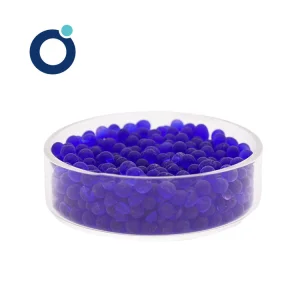
China Molecular Sieve Type 3a Suppliers & Exporter

Decentralized Energy Transition & High-Precision Gas Purification: The Ultimate Guide to Industrial Adsorption Engineered by Shanghai Jiuzhou Chemicals

Featured Desiccant & Adsorption Products

Explore our primary industrial grades engineered for critical separation, catalyst carrier protection, and moisture control applications.

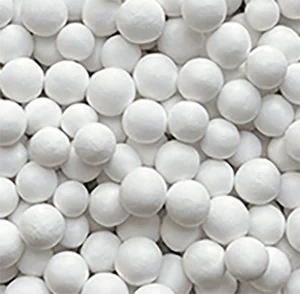
China DuraChem CAM-20S
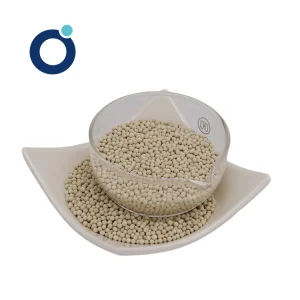
China DuraChem CAM-20S Manufacturer, Supplier
View Details
High-Quality Silica Gel JZ-ASG
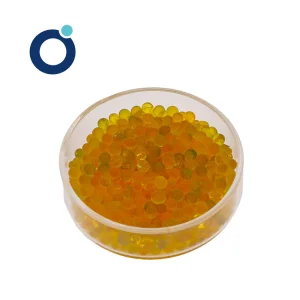
High-Quality Silica Gel JZ-ASG Suppliers, Quotes
View Details
Best Soda Ash Dense JZ-DSA-H
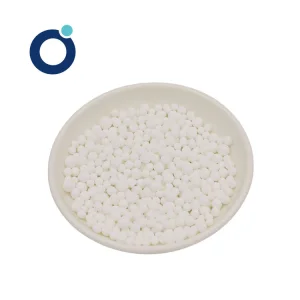
Best Soda Ash Dense JZ-DSA-H Supplier, Exporter
View Details
OEM JooSorb DS-120
OEM JooSorb DS-120 Factory, Factories
View Details
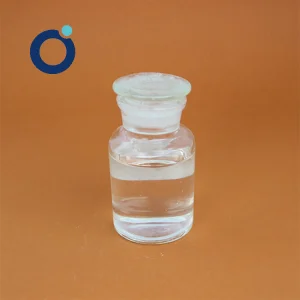
High-Quality Liquid Sodium Silicate JZ-DSS-L
High-Quality Liquid Sodium Silicate JZ-DSS-L Manufacturer, Factories
View Details
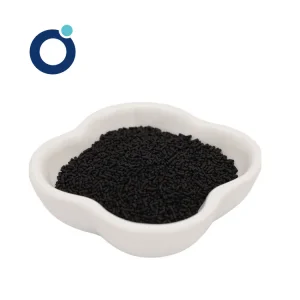
Famous Carbon Molecular Sieve JZ-CMS
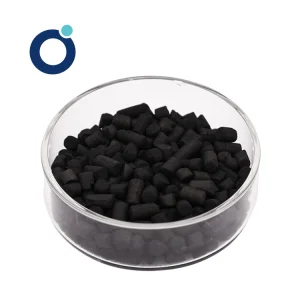
Famous Carbon Molecular Sieve JZ-CMS Quotes, Products
View Details
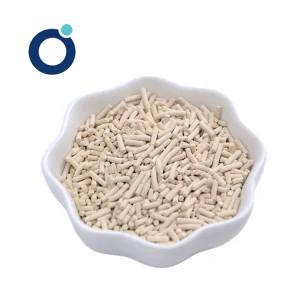
High-Quality Molecular Sieve JZ-ZHS
High-Quality Molecular Sieve JZ-ZHS Suppliers, Factories
View Details
Famous Molecular Sieve JZ-ZMS3
Famous Molecular Sieve JZ-ZMS3 Manufacturers, Products
View Details
1994
Established Year
80+
Global Trade Partner Countries
25,000
Factory Area (Square Meters)
100%
Quality & Innovation Focus

Introduction: The Crucial Role of Molecular Sieve Type 3A

In modern industrial processes, the removal of trace moisture from gas and liquid streams without co-adsorbing other chemical components is critical to operational safety, product purity, and process efficiency. Molecular Sieve Type 3A, a potassium-promoted A-type crystalline aluminosilicate zeolite, serves as the definitive standard for selective dehydration. With an effective pore opening of approximately 3 Ångstroms (0.3 nm), Type 3A molecular sieves selectively adsorb water molecules (kinetic diameter of ~2.6 Å) while completely excluding hydrocarbons, unsaturated gases, polar compounds, and larger molecules such as ethanol, ethylene, and propylene.

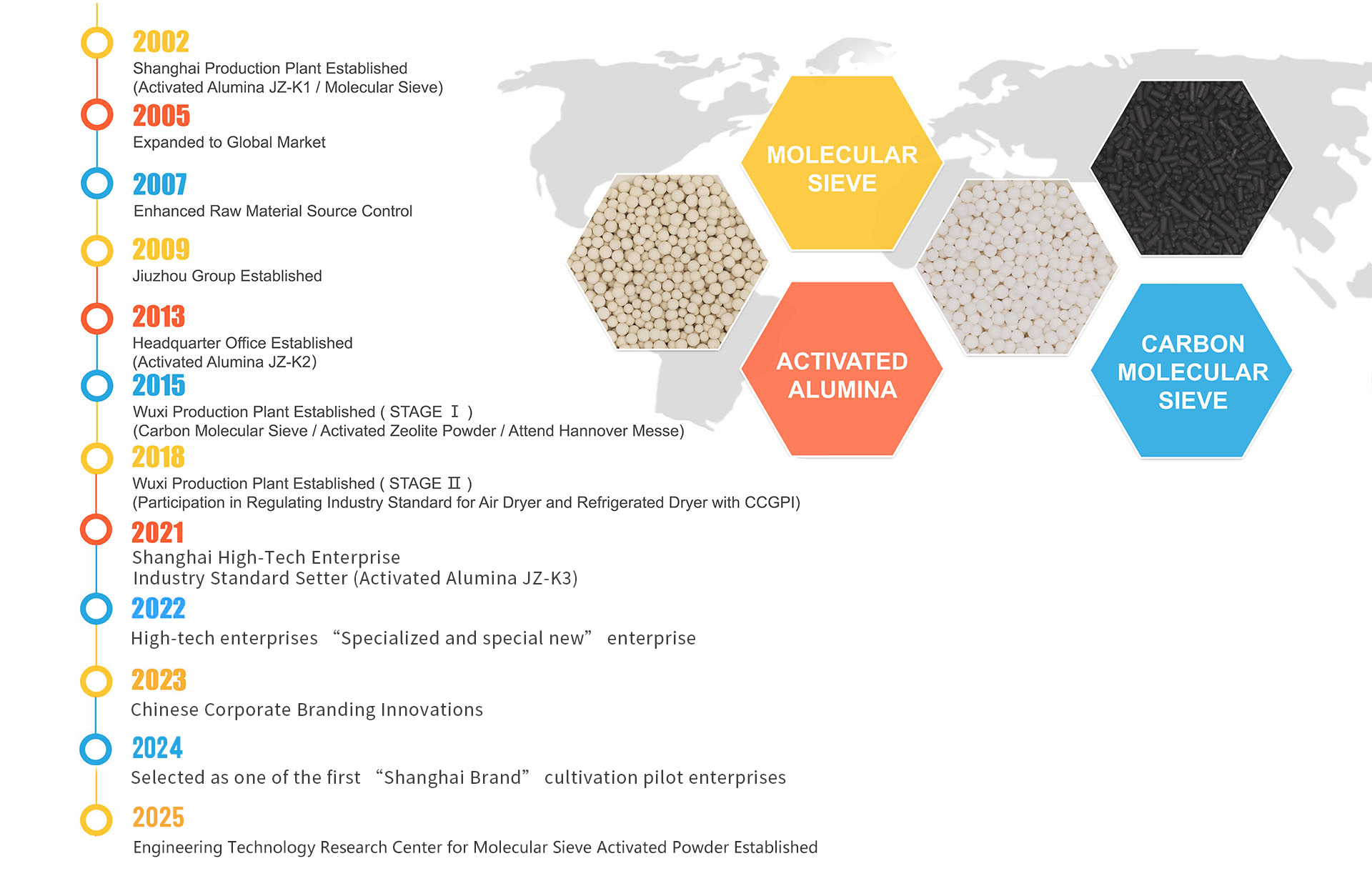
As a leading China Molecular Sieve Type 3A Supplier & Exporter, Shanghai Jiuzhou Chemicals Co., Ltd. (JOOZEO) has spearheaded the development, manufacturing, and global distribution of ultra-high-grade desiccants and catalysts. Founded in 1994 and operating across 25,000 square meters of advanced manufacturing space, our enterprise delivers high-precision adsorption solutions designed for the most demanding petrochemical, natural gas, and clean energy projects worldwide. Our integration of R&D with advanced manufacturing enables us to design molecular sieves that minimize dynamic mass transfer zones, optimize crushing strength, and offer unprecedented hydrothermal stability.

Chemical Formula & Crystal Structure

The generalized chemical formula for Molecular Sieve Type 3A is:

0.4 K2O · 0.6 Na2O · Al2O3 · 2.0 SiO2 · 4.5 H2O

The unit cell consists of a three-dimensional framework of SiO4 and AlO4 tetrahedra. By replacing sodium ions in the Type 4A structure with larger potassium ions, the aperture diameter is restricted from 4 Å to 3 Å, enabling strict thermodynamic sizing for water molecule entrapment. This structural layout prevents co-adsorption of critical feedstocks like ethylene, ensuring zero yield loss in cracked gas drying units.
JOOZEO Chemical Laboratory Research and Analysis
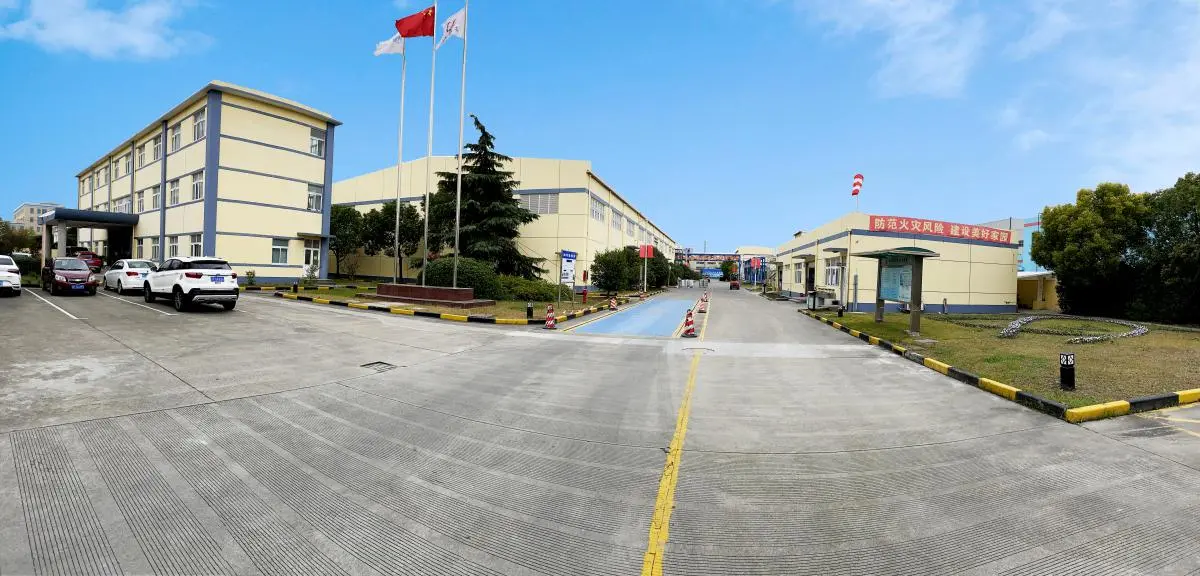
Shanghai Factory Production Facility Overview

China Factory 4.0: Supply Chain Resilience & Smart Manufacturing

Operational stability in large-scale petrochemical facilities relies heavily on the quality and mechanical integrity of the desiccant charge. At JOOZEO, our dual-production footprint—anchored by our Shanghai Factory and Wuxi Factory—is designed around the principles of Industry 4.0. We utilize automated raw material blending, continuous rotary calcination kilns, and real-time monitoring systems that control particle size distribution, sphericity, and bulk density with sub-millimeter precision.

Through our smart manufacturing systems, we address the common challenges associated with sourcing from China, such as batch-to-batch inconsistency. Every lot produced in our plants undergoes rigorous automated verification, testing for:


  • Crush Strength: High mechanical durability to withstand high-pressure beds without crumbling, which prevents pressure drop spikes in the drying towers.
  • Attrition Rate: Minimal dust generation during transport and pneumatic loading, securing downstream compressors and heat exchangers from particle fouling.
  • Package Moisture: Controlled packaging in nitrogen-purged steel drums or moisture-barrier super bags, preserving the maximum initial adsorption capacity.
Wuxi Factory Automated Production Line
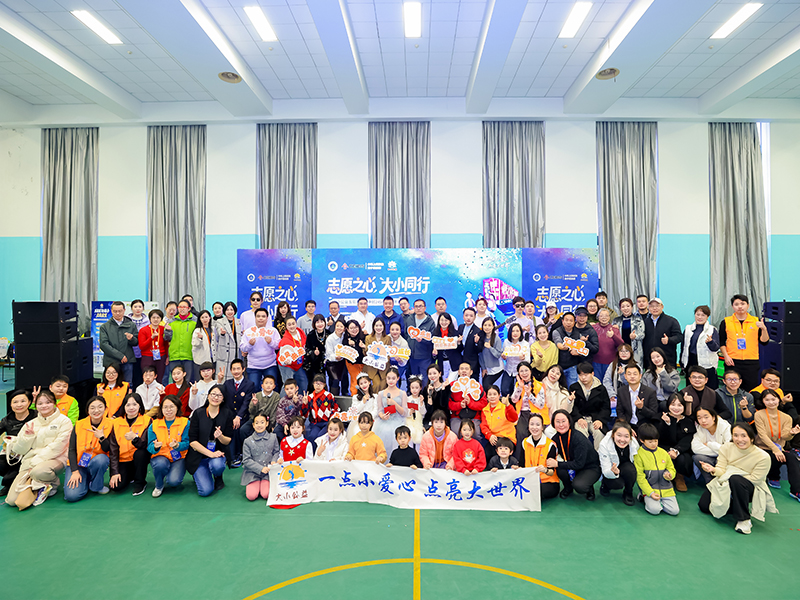
Social Responsibility and Environmental Management Focus

Technical Roadmap: Next-Gen Molecular Sieve 3A & Future Outlook

As industries target carbon neutrality, the energy consumption associated with thermal regeneration of molecular sieves is under scrutiny. The traditional Thermal Swing Adsorption (TSA) process requires heating the bed to 200°C–320°C to release adsorbed water. Our current R&D technical roadmap addresses these carbon footprints through two main initiatives:

  1. Binderless Molecular Sieve 3A: By converting the inert clay binder (which typically comprises 15–20% of the bead mass) into active zeolite crystal phase, we can boost the active capacity by up to 25%. This allows for smaller vessel designs, lower pressure drops, and reduced energy consumption during regeneration cycles.
  2. Low-Regeneration Temperature Formulations: We are refining the zeolite framework structures to optimize the hydrophilic interaction energy. This allows the water molecules to desorb at lower thermal plateaus, reducing utility consumption for steam and fuel gas heaters.

Macro-Industry Solutions: Multi-Sector Engineering Applications

Our Type 3A Molecular Sieve is customized for specialized industrial workflows, ensuring tailored performance metrics for different target streams:

Cracked Gas Drying

In ethylene and propylene cracking units, co-adsorption of unsaturated hydrocarbons leads to green oil formation and coke deposits during the regeneration cycle, destroying the zeolite framework. Our Type 3A features strict pore exclusion, keeping ethylene co-adsorption under 0.5%, prolonging bed life to over 5 years.

Ethanol Dehydration

Dehydrating fuel-grade ethanol requires breaking the water-ethanol azeotrope. JOOZEO Type 3A Molecular Sieve removes moisture down to <100 ppm while preventing the adsorption of ethanol, avoiding chemical degradation and preserving high-temperature stability during regeneration cycles.

Insulating Glass

To prevent condensation and frosting in double-glazed windows, our molecular sieves absorb water down to trace dew points (-70°C) without co-adsorbing air, preventing structural deflection under temperature fluctuations.
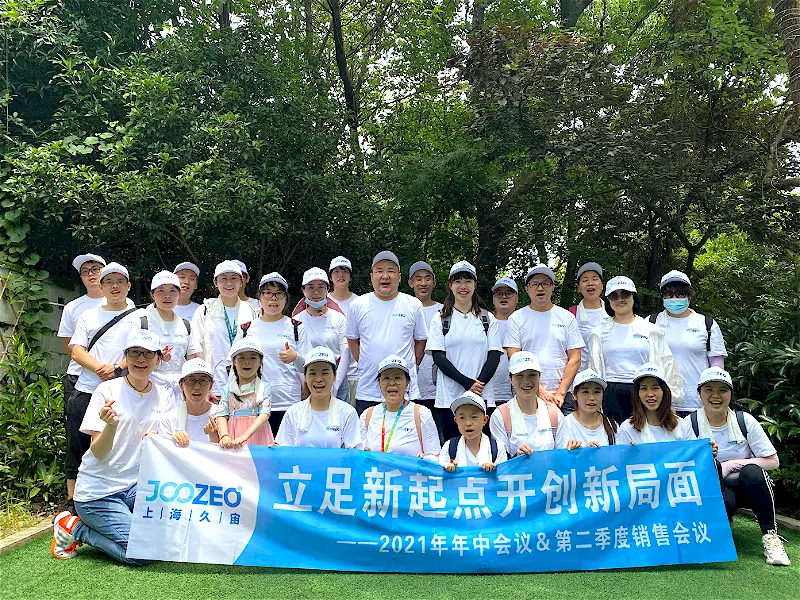
High Quality Storage Tank Solutions
JOOZEO Advanced Molecular Sieve Formulations

Standards Development, Compliance & Certifications

As an industry leader, Shanghai Jiuzhou Chemicals (JOOZEO) actively participates in drafting and defining Chinese national and industry standards for chemical desiccants and compressed air systems.
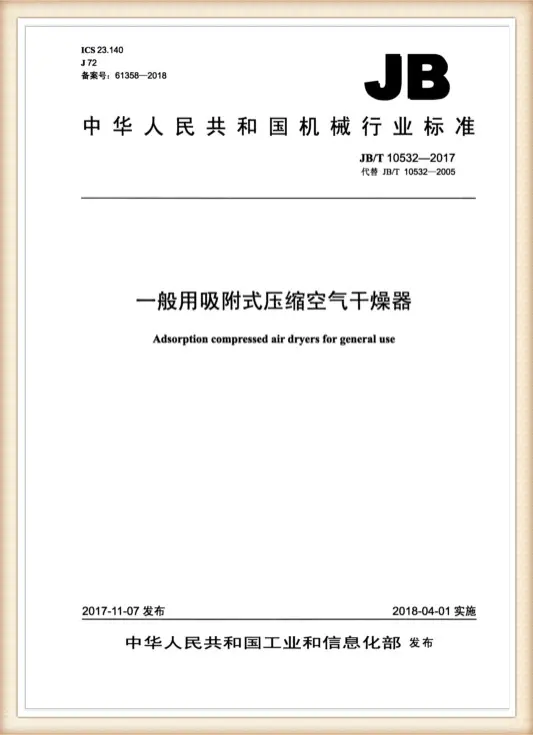
JB/T 10532-2017 Standard Doc

JB / T 10532-2017

Adsorption compressed air dryers for general industrial use.
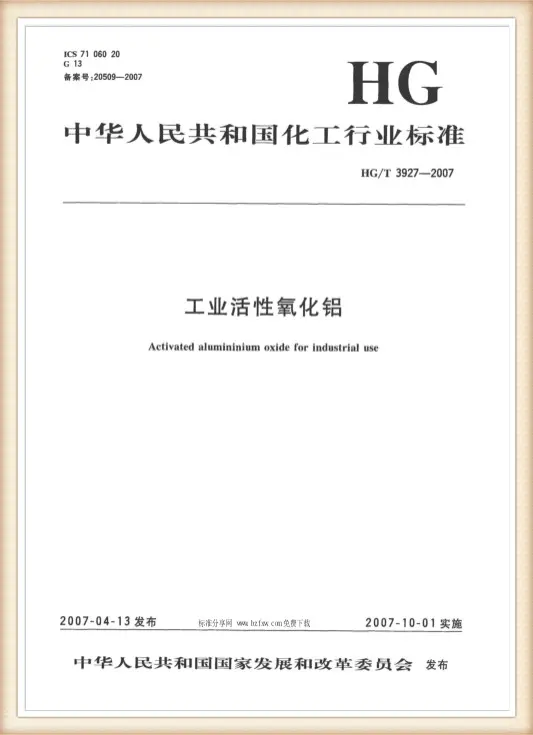
HG/T 3927-2007 Standard Doc

HG / T 3927-2007

Activated aluminium oxide for industrial dehydration systems.
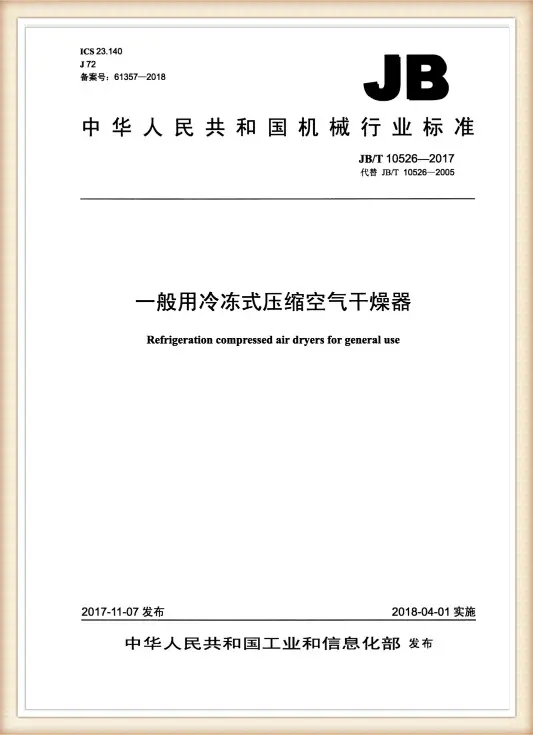
JB/T 10526-2017 Standard Doc

JB / T 10526-2017

Refrigeration compressed air dryers for general industrial use.
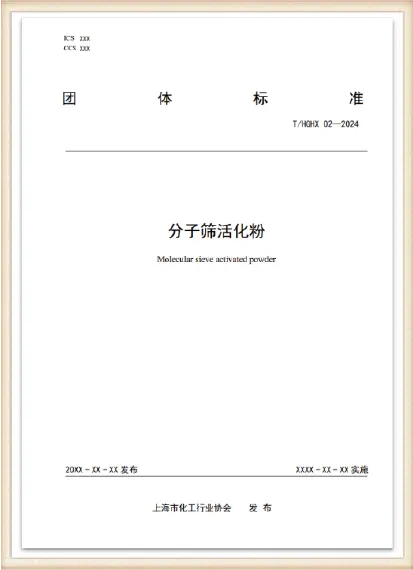
T/CGMA 1201-2024 Standard Doc

T/CGMA 1201-2024

Dynamic compression standard for modern industrial setups.
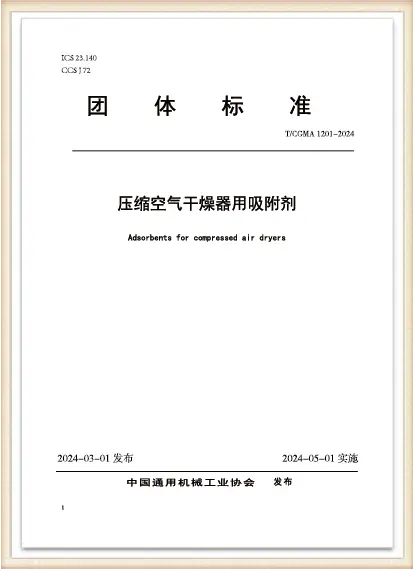
T/HGHX 02-2024 Standard Doc

T/HGHX 02—2024

Adsorbent standard for high-purity chemical processes.
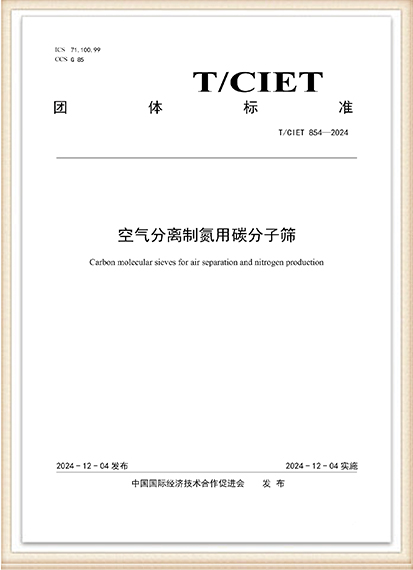
T/CIET 854-2024 Standard Doc

T/CIET 854-2024

Industrial low-carbon emission and green chemistry guidelines.
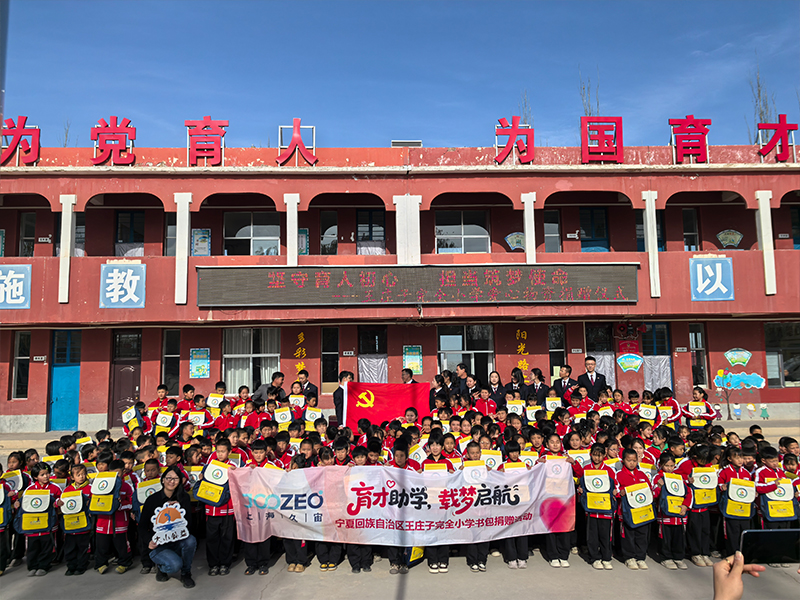
JOOZEO Research Facilities and Technical Expertise
Safety and Clean Production Standards

Global Sourcing Insights: Lowering Total Cost of Ownership (TCO)

Procuring raw materials globally involves balancing freight logistics, tariff structures, transit times, and quality control. At JOOZEO, we mitigate these variables through the following strategic initiatives:
  • Direct Shipping from Shanghai Port: Our proximity to the Port of Shanghai—the world’s busiest container gateway—ensures frequent shipping schedules, reduced port handling times, and competitive ocean freight rates.
  • Dual-Sourced Raw Material Inputs: We process sodium silicate and high-purity alumina hydrate internally and through integrated long-term contracts. This insulates our production lines from raw material price volatility and supply bottlenecks.
  • Robust Packaging Options: We offer customizable packaging choices, including 150 kg steel drums, 500 kg super bags, or airtight small containers, preserving chemical activity for up to 3 years in dry warehouse storage.
JOOZEO Warehouse Logistics and Material Handling

Technical Capabilities of the Central Laboratory & Test Fields

Our centralized testing lab monitors dynamic adsorption profiles. We simulate diverse regeneration speeds and stream compositions using specialized analytical tools:

  • dynamic dynamic dehydration test loops: Replicates industrial gas flow speeds, operating pressure, and thermal curves to determine the Mass Transfer Zone (MTZ).
  • X-ray Diffraction (XRD) Profiling: Evaluates crystal phase purity, ensuring there are no amorphous silica phases that can reduce kinetic capacity.
  • ICP-OES Metal Analysis: Verifies sodium-potassium exchange levels, maintaining the pore size at the target 3Å limit.
Precision Quality Control Lab Facilities
Chemical Processing Plant Controls

Detailed FAQ - Chemical Engineering Insight

Browse technical answers regarding the operation, regeneration, and selection of Type 3A Molecular Sieves.

How does Type 3A prevent ethylene co-adsorption compared to Type 4A?
Type 4A has a pore size of ~4 Å, which allows ethylene (kinetic diameter of 3.9 Å) to enter and be adsorbed. By exchanging sodium ions with larger potassium ions, the pore size is reduced to ~3 Å. This physical restriction prevents ethylene molecules from entering the zeolite cage, allowing only water molecules (2.6 Å) to be adsorbed.
What is the standard regeneration temperature profile for Type 3A Molecular Sieve?
Regeneration is typically conducted using a clean purge gas at temperatures between 200°C and 300°C. In gas phase systems, dry nitrogen or fuel gas is heated and passed through the bed to drive off adsorbed moisture. The bed must be cooled back to process operating temperature before being returned to the adsorption cycle.
How does attrition rate affect pressure drop in drying columns?
Desiccants with a high attrition rate crumble under high-pressure gas flows, creating fine particles that plug the voids in the bed. This restriction increases pressure drop, demanding higher compression energy and potential early shutdown. JOOZEO sieves maintain low attrition (<0.1 wt%), minimizing dust and stabilizing bed pressure.
What is the typical lifespan of JOOZEO molecular sieves in cracked gas drying?
Under standard operating conditions and proper regeneration cycles, our high-durability Type 3A Molecular Sieve typically lasts 3 to 5 years. Lifespan is highly dependent on protecting the bed from feedstock contaminants like heavy oils and polymerizing agents.

Comprehensive Industrial Catalog

Explore our extended list of advanced chemical formulations, activated carbons, and specialty zeolites.

Famous Silica Gel JZ-SG-O
Famous Silica Gel JZ-SG-O Pricelist, Products
View Details
Best Activated Carbon JZ-ACN
Best Activated Carbon JZ-ACN Supplier, Pricelist
View Details
Famous Alumina Silica Gel JZ-WSAG
Famous Alumina Silica Gel JZ-WSAG Factories, Product
View Details
Famous JooSorb AST-01
Famous JooSorb AST-01 Manufacturer, Product
View Details
Famous Molecular Sieve JZ-ZNG
Famous Molecular Sieve JZ-ZNG Suppliers, Product
View Details
China Activated Alumina JZ-K1W
China Activated Alumina JZ-K1W Pricelist, Products
View Details
Best JooSorb AC-16
Best JooSorb AC-16 Pricelist, Products
View Details
High-Quality Silica Gel JZ-SG-B
High-Quality Silica Gel JZ-SG-B Manufacturers, Factory
View Details

Optimize Your Industrial Adsorption System Today

Have technical questions about zeolite grades, operating pressures, or target dew points? Contact our engineering team for support within 24 hours.

Send Request & Consultation