High-purity desiccants and catalyst supports engineered to comply with strict international industrial parameters.
Over three decades of precision chemical engineering and industrial gas-purification solutions.
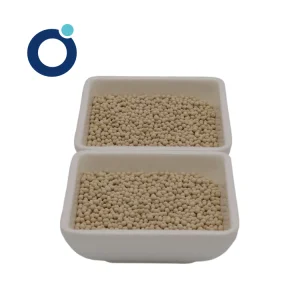
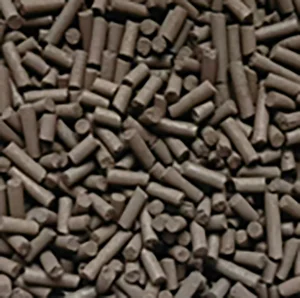
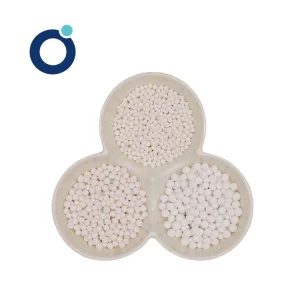
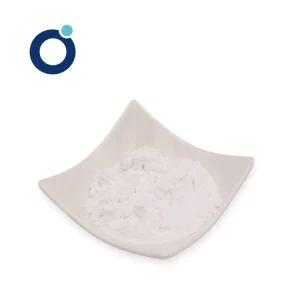
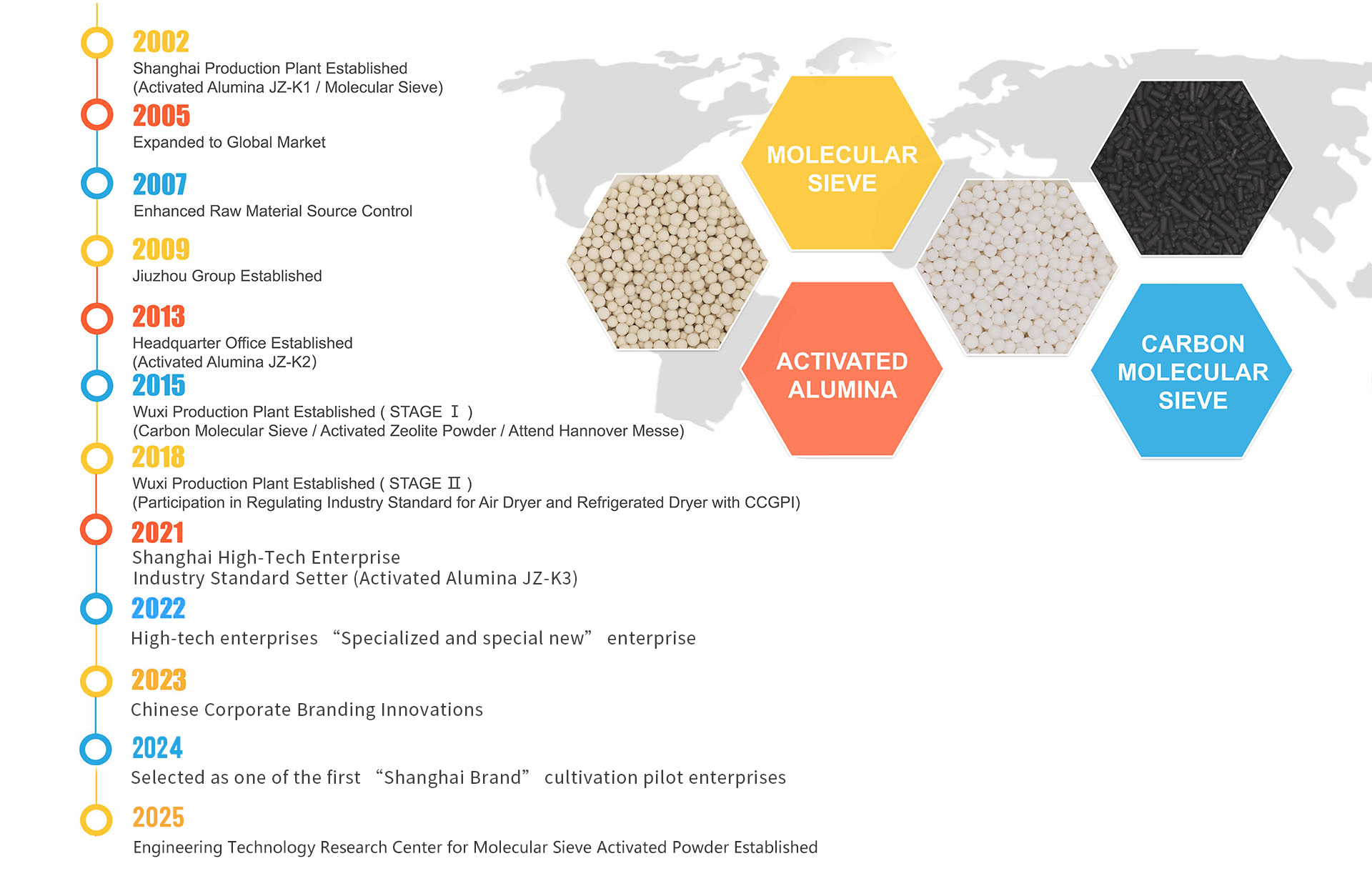
Shanghai Jiuzhou Chemicals Co., Ltd., based in Shanghai—the biggest economic and technological hub in China—operates under the core principles of uncompromising quality control and constant technological innovation. Since our inception, we have committed ourselves to researching, synthesizing, and manufacturing high-performance innovative chemical products. Our diversified portfolio spans molecular sieve powders, molecular sieves, activated powder, activated alumina, aluminum oxide catalysts, dynamic alumina packings, structured ceramic balls, sodium silicates, aluminum hydroxide, zeolite 4A, sodium carbonates, and SLES.
By using state-of-the-art international production processes, automated multi-functional workshops, and dynamic pilot laboratories equipped with large-scale monitoring and analytical instrumentation, we ensure our global partners receive consistent, cost-effective, and highly efficient adsorption solutions. All processes strictly conform to the ISO9001:2008 Quality Management System alongside comprehensive verifications by TUV and SGS.
How our molecular design and thermodynamic simulation platforms shape the next generation of industrial adsorption columns.
In modern petrochemical, natural gas, and medical oxygen industries, the Molecular Sieve Column (Molsieve Column) is the heart of gas-solid separation systems. Operating under Pressure Swing Adsorption (PSA), Temperature Swing Adsorption (TSA), or Vacuum Pressure Swing Adsorption (VPSA), the efficiency of the column is directly determined by the crystalline purity, pore size distribution, and mass-transfer kinetics of the packed zeolite material.
By engineering advanced column fillings—ranging from synthetic zeolites like 3A, 4A, 5A, to lithium-exchanged oxygen-generation sieves—JOOZEO achieves extremely low mass transfer zones (MTZ). A shorter MTZ reduces the required bed height, decreases energy consumption during regeneration cycles, and prevents premature breakthrough of contaminants such as moisture, carbon dioxide, and hydrogen sulfide.
Deploying targeted cation exchanges to tune pore sizes at the angstrom level, enabling precise gas separation (e.g., separating nitrogen from oxygen or moisture from unsaturated hydrocarbons).
Innovating low-thermal-energy regeneration structures to lower utility costs during TSA cycles, minimizing thermal shock and increasing adsorbent lifespan.
Adapting molecular sieves to carbon capture, utilization, and storage (CCUS) projects, ensuring stable CO2 desorption under high cyclical moisture loads.
Operating automated production lines in Wuxi and Shanghai to guarantee consistent quality and volume.
A major bottleneck for international EPC companies is supply chain volatility. By operating two major manufacturing hubs in Shanghai and Wuxi, JOOZEO ensures redundant production capabilities. Each facility is integrated with advanced continuous calcination kilns, automated bead formers, and real-time particle-size analytics to eliminate human error.
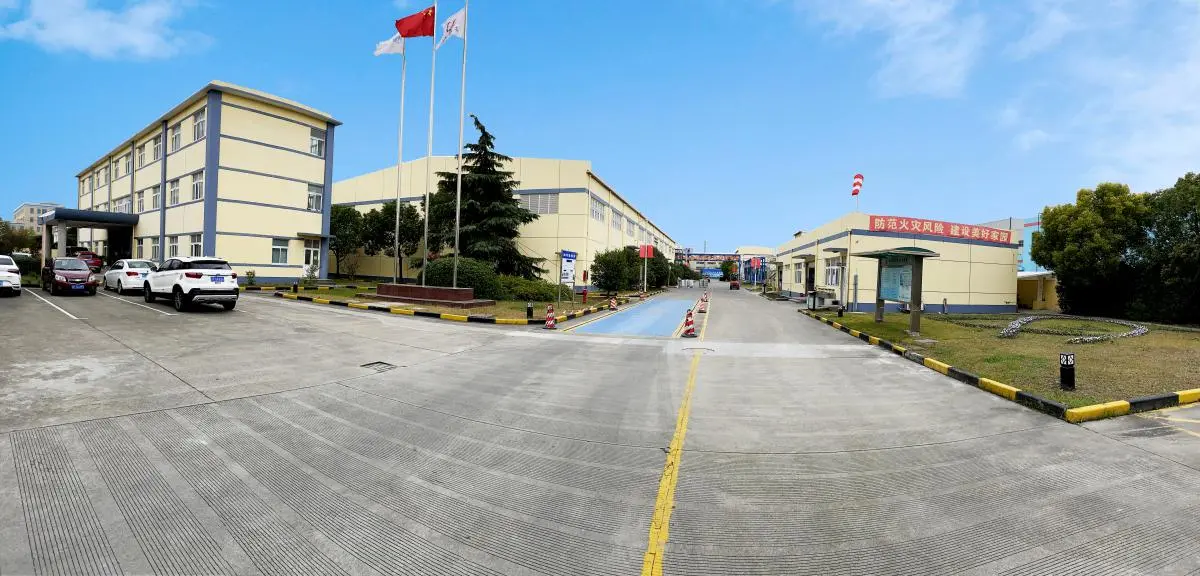
Our core R&D and chemical testing hub. Focuses on specialized synthetic zeolites, custom-engineered desiccants, and high-performance catalyst matrices.

Our large-scale mass manufacturing center. Equipped with high-output rotary kilns to supply bulk activated alumina, molecular sieves, and raw powder feedstocks.
JOOZEO has contributed to defining municipal and national quality standards for dryers and adsorbents in China.
Industrial components must comply with standardized metrics to ensure safety, gas purity, and durability. JOOZEO is proud to be a standard-setter within the Chinese chemical association. Our products conform to and exceed the parameters set by critical industrial benchmarks, ensuring reliable operation within demanding environments.
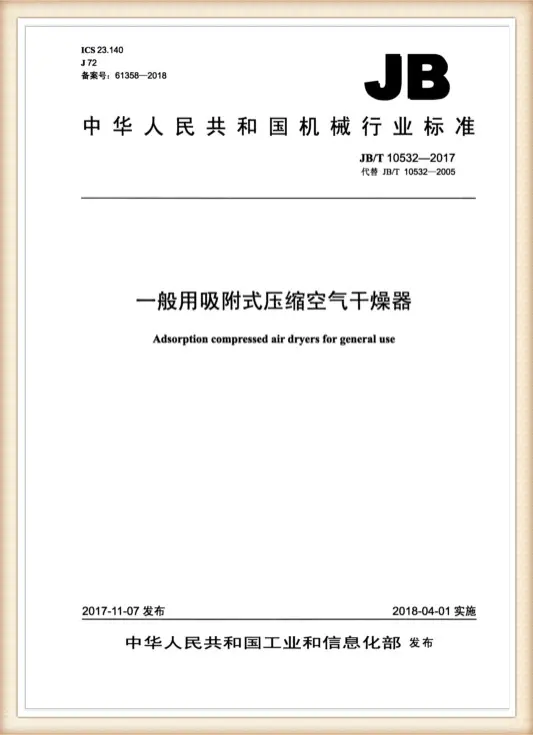
JB / T 10532-2017
Adsorption compressed air dryers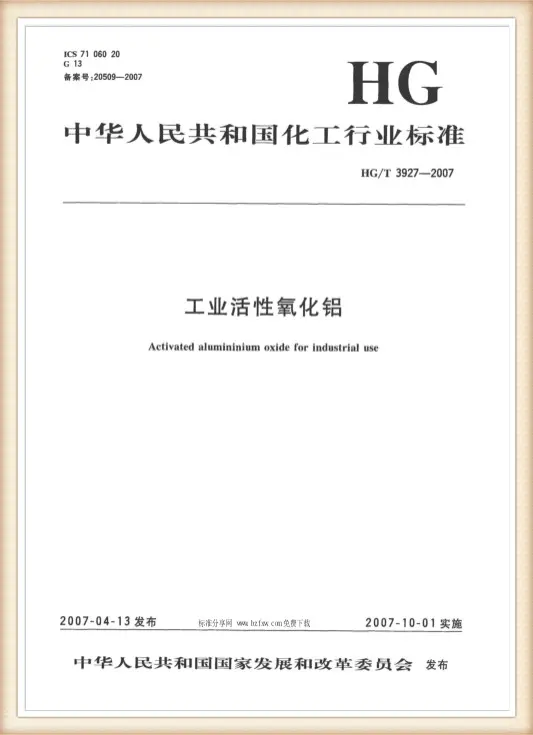
HG / T 3927-2007
Activated aluminum oxide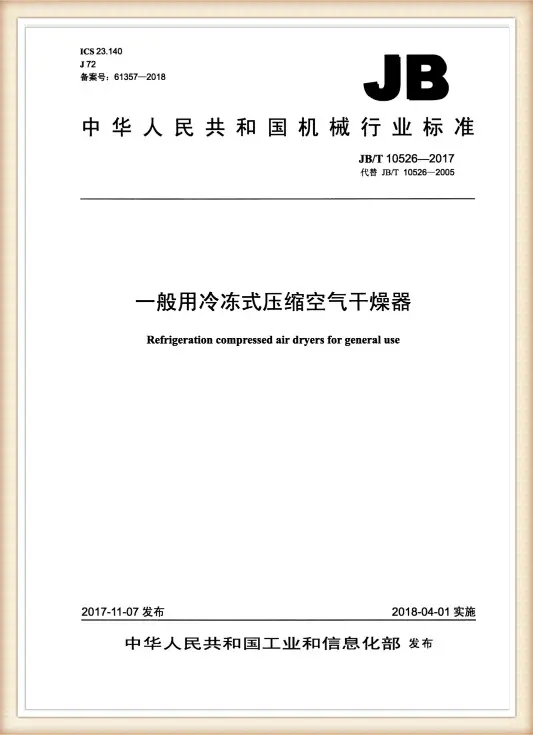
JB / T 10526-2017
Refrigeration compressed air dryers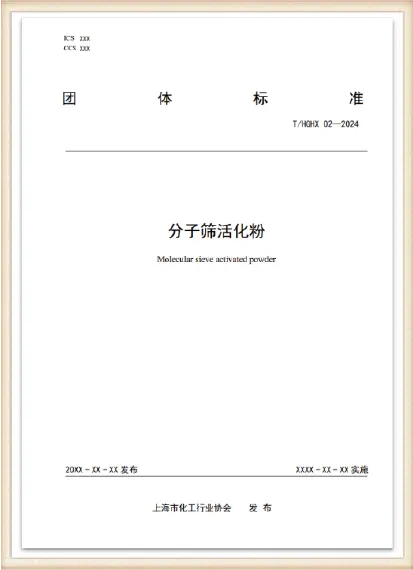
T/CGMA 1201-2024
Industrial Gas Standards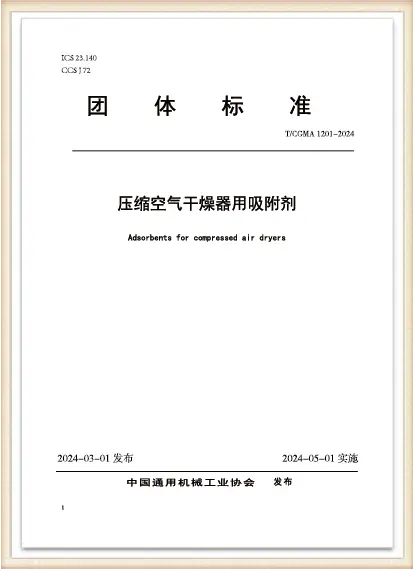
T/HGHX 02-2024
Chemical Quality Metrics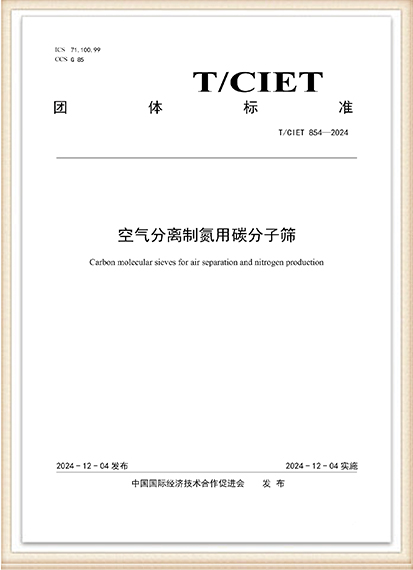
T/CIET 854-2024
Green Calcination Criteria"Better air, Better life" — A commitment to low-emission chemical manufacturing.
In addition to strict quality control, we prioritize environmental stewardship. Our factory operations rely on optimized energy loops, high-efficiency waste recovery systems, and low-waste chemical synthesis paths. Through these steps, we actively work to lower the carbon footprint of our operations, helping our global partners meet their ESG targets.


Expert technical insights to help engineers optimize adsorbent performance and extend cycle life.
Premature pressure drops are typically caused by particle attrition (breakdown of zeolites into fines under high gas velocities) or liquid water carryover, which causes molecular sieves to lose structural integrity. Selecting adsorbents with high crush strength, such as JooSorb and Duralyst series, minimizes attrition and maintains optimal gas flow.
For standard heatless or heated desiccant dryers, a combination of Activated Alumina (such as JZ-K1) at the inlet to handle bulk moisture and a Molecular Sieve (such as Zeolite 4A or JZ-ZMS4) at the outlet to achieve deep dew points (down to -70°C) is ideal.
Lithium-exchanged molecular sieves (like JZ-OM) offer significantly higher nitrogen adsorption capacity and nitrogen-to-oxygen selectivity at ambient pressures. This makes them highly efficient for VPSA and PSA medical oxygen concentrators, allowing for smaller column designs and lower power consumption.
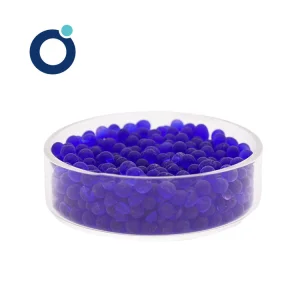
Heavy hydrocarbons can permanently clog the pore network of molecular sieves. Installing a guard bed loaded with silica gel (such as JZ-SG-B) or high-surface-area activated alumina at the column inlet helps capture heavy hydrocarbons and prevents liquid water from directly contacting the molecular sieve bed.
For 3A, 4A, and 5A molecular sieves, heating gas temperatures between 200°C and 300°C are required to effectively desorb water molecules. Temperatures should not exceed 350°C to avoid hydro-thermal degradation of the zeolite crystal lattice.
Connect with our Shanghai engineering office for customized adsorption designs, bulk pricing, and samples.
Send RequestFrom raw sodium silicate precursors to specialized oxygen concentrator sieves.