High-performance industrial desiccants, catalysts, and molecular sieve systems developed to meet global standards.
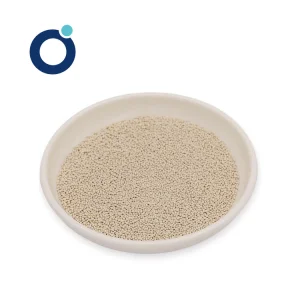
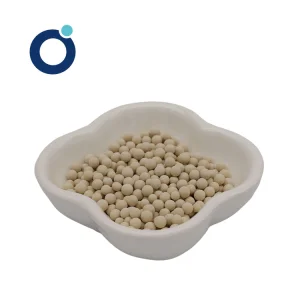
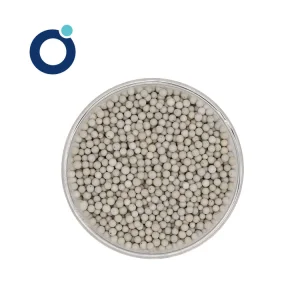
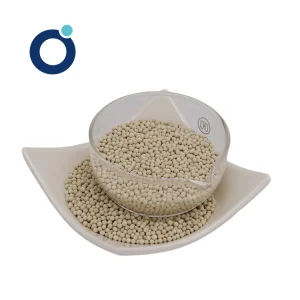
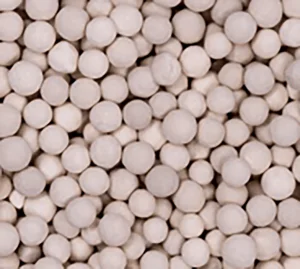
In modern industrial purification processes, selecting the correct crystalline aluminosilicate is paramount to achieving target dry gas dew points and purifying fluid channels. Molecular Sieve 4A, an alkali metal aluminosilicate, is the sodium form of the Type A crystal structure. With an effective pore opening of approximately 4 Angstroms (0.4 nm), it preferentially adsorbs molecules with kinetic diameters smaller than 4Å while excluding larger species such as propane, butane, and branched hydrocarbons.
The pore window size of 4Å is controlled precisely by the exchangeable sodium ions ($Na^+$) situated within the unit cell. This specific spatial arrangement governs the structural selectivity, allowing it to easily capture highly polar molecules like water, hydrogen sulfide, carbon dioxide, and sulfur dioxide. For engineers managing Pressure Swing Adsorption (PSA) or Temperature Swing Adsorption (TSA) units, Molecular Sieve 4A is the foundational benchmark for deep dehydration down to less than 1 ppmv moisture levels.
Understanding molecular diameter limits is crucial for preventing co-adsorption, which degrades adsorbent capacity over cycles:
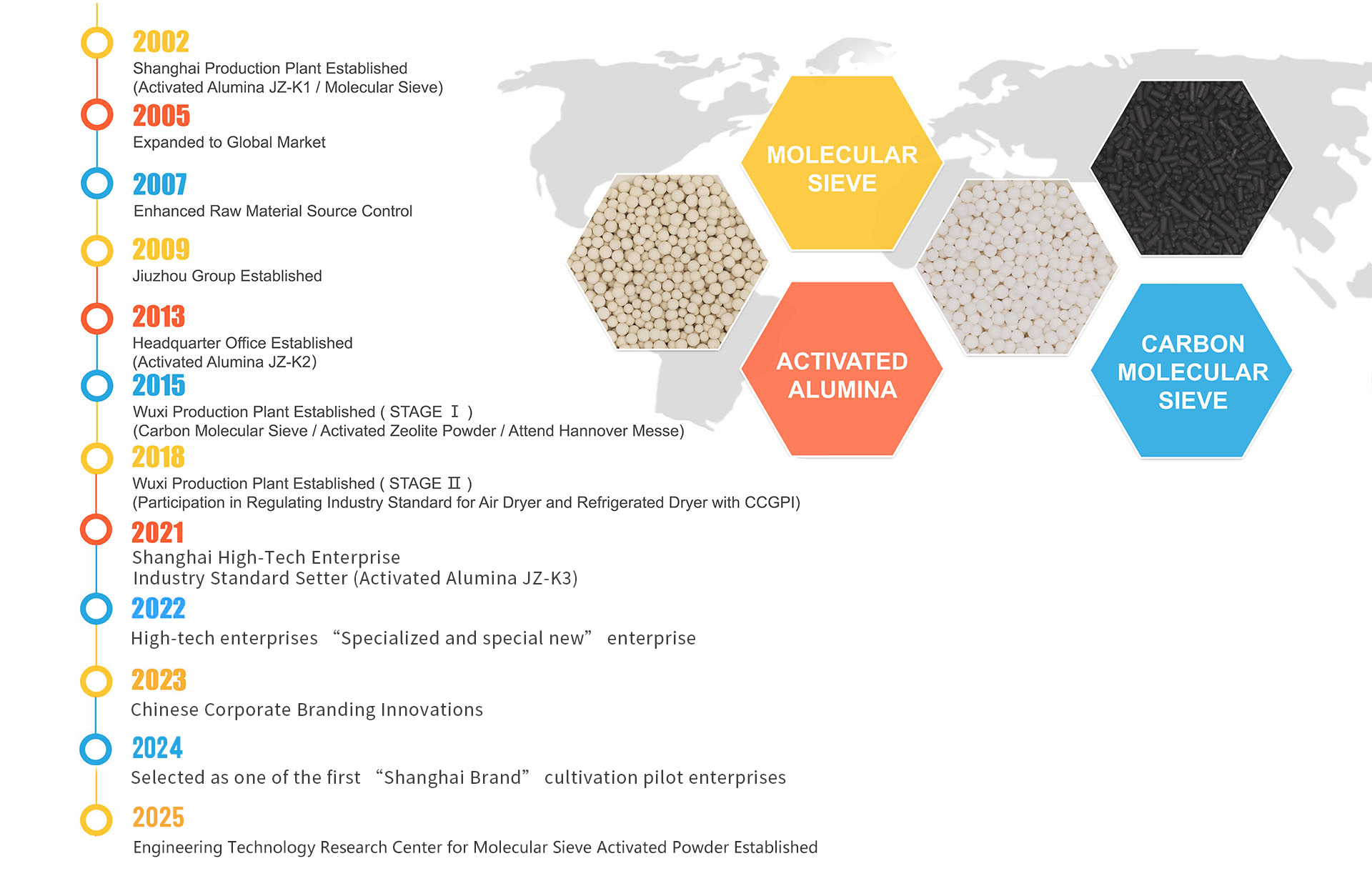
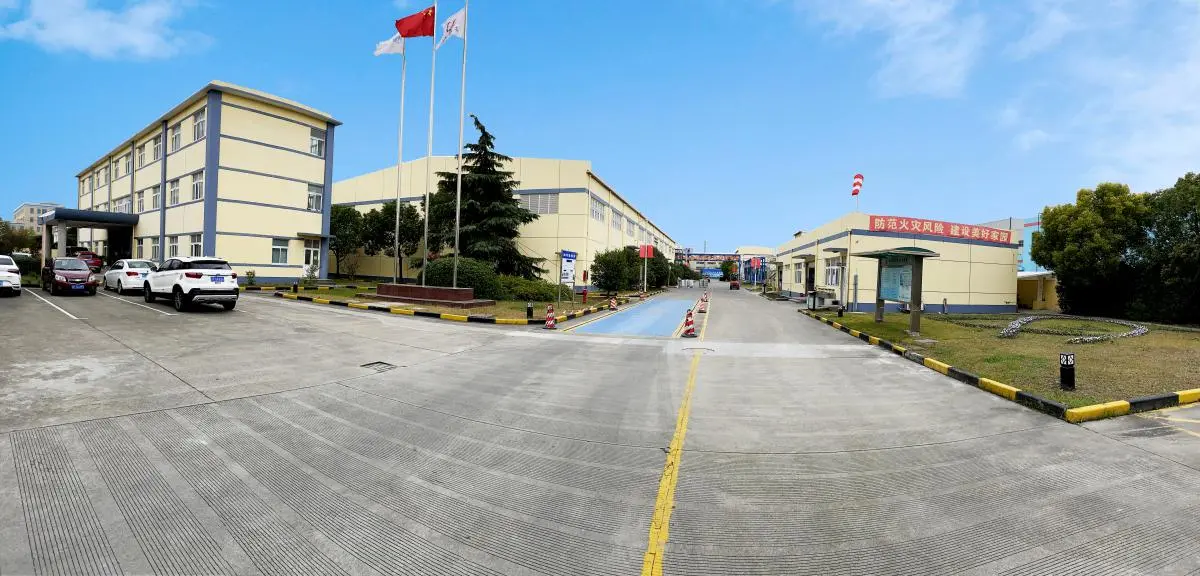
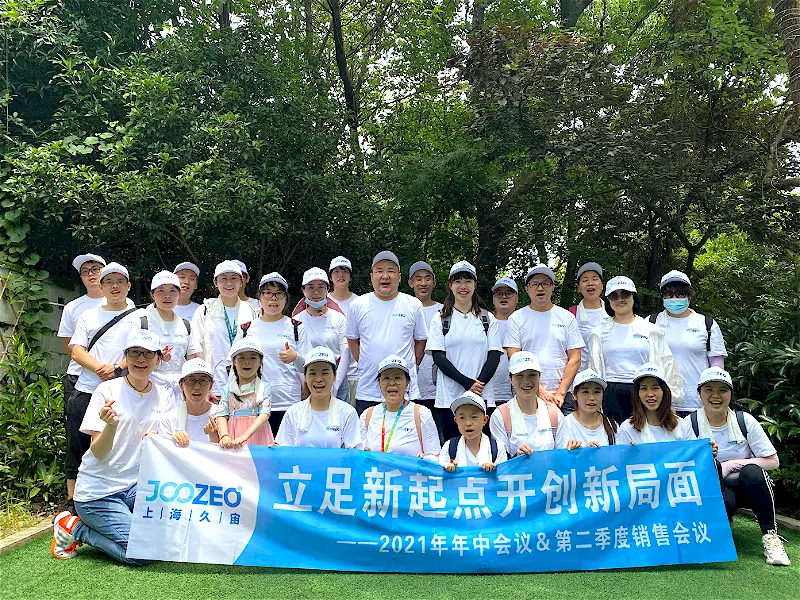
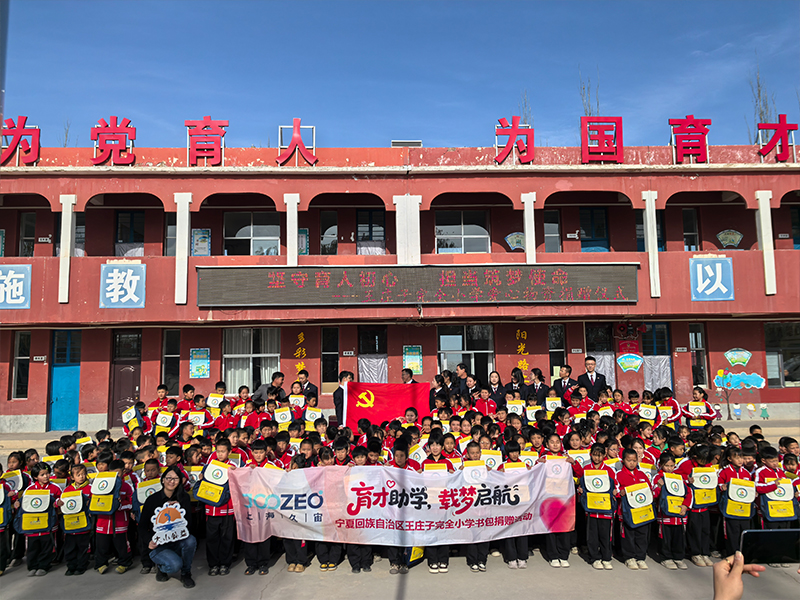
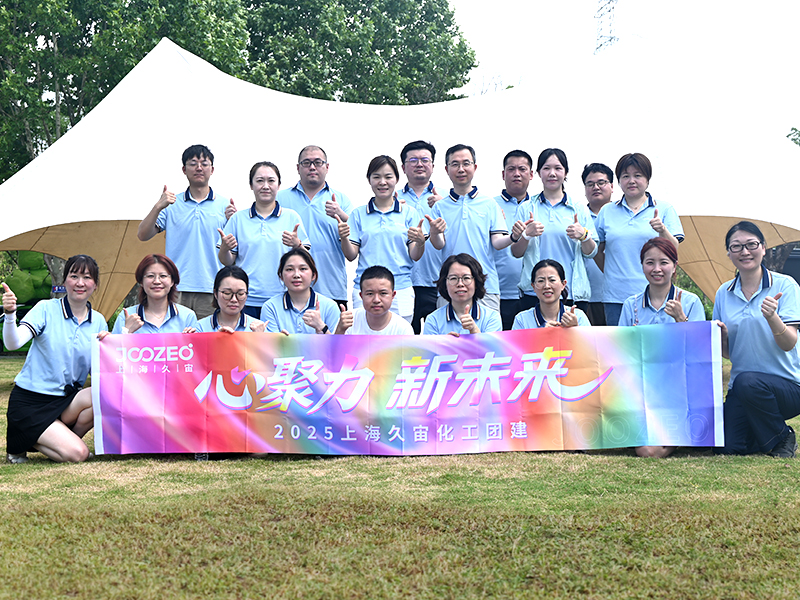
Shanghai Jiuzhou Chemicals Co., Ltd. is located in the largest economic development hub, Shanghai. Over the years, Jiuzhou has always adhered to the “quality control, innovation” principles, committed to the development, research, and manufacturing of high-quality, innovative chemical products.
Our core product portfolio includes various molecular sieve powders, molecular sieves, activated powder, activated alumina, aluminum oxide catalysts, different types of alumina packing and ceramic balls, sodium silicates, aluminum hydroxide, zeolite 4A, sodium carbonates, SLES, and more. All of our manufacturing lines and finished products have passed the ISO9001: 2008 quality management system certification, alongside international TUV & SGS certifications.
With advanced, automated multi-functional production workshops, a dynamic central laboratory, and dynamic analytical instruments, Jiuzhou maintains an industry-leading technical reserve. Our products are exported worldwide, backed by established distribution and support networks in the United States, Southeast Asia, Japan, Europe, North and South America, the Middle East, and beyond.
Industrial operators face unique environmental, mechanical, and regulatory challenges depending on their geographic location. A standard molecular sieve must perform reliably under highly variable operating parameters:
Highly active 4A molecular sieves clean the feed air in cryogenic separation units by adsorbing carbon dioxide, trace moisture, and nitrous oxides, preventing physical freeze-up of downstream heat exchangers.
Specifically used to dehydrate natural gas stream down to pipeline specifications. Resists hydrocarbon fouling and provides robust thermal cycling performance in high-flow TSA towers.
Maintains physical dew point suppression inside double-glazed structural windows, preventing condensation buildup within the air cavity under extreme temperature fluctuations.
For purchasing departments in Europe and the Americas, sourcing from China requires strong technical alignment. Jiuzhou resolves this by providing complete dynamic testing profiles: attrition loss rates, bulk density matching, initial equilibrium water capacity, and particle size optimization to ensure compatibility with domestic and international mechanical systems.
Jiuzhou operates dedicated synthesis plants in Shanghai and Wuxi, allowing strategic supply separation and high capacity backup. Our integration with regional raw material suppliers ensures a continuous, high-purity feed of sodium silicate and aluminum hydroxide.
Industrial purchasing managers need reliable delivery schedules, cost stability, and compliance with local environmental laws. Jiuzhou’s advanced calcination technology, combined with computerized packaging systems, guarantees uniform pore structure across batches.
Regulatory & Quality Standards: We maintain complete regulatory compliance with international environmental frameworks, including REACH and RoHS. Our central testing laboratory verifies the chemical and physical characteristics of every single outbound shipment, generating detailed Certificates of Analysis (COAs) for transparent traceability.


Jiuzhou has played a pivotal role in formulating industrial and national standards for adsorbents and compressed air drying systems in China, affirming our status as a trusted industry authority.
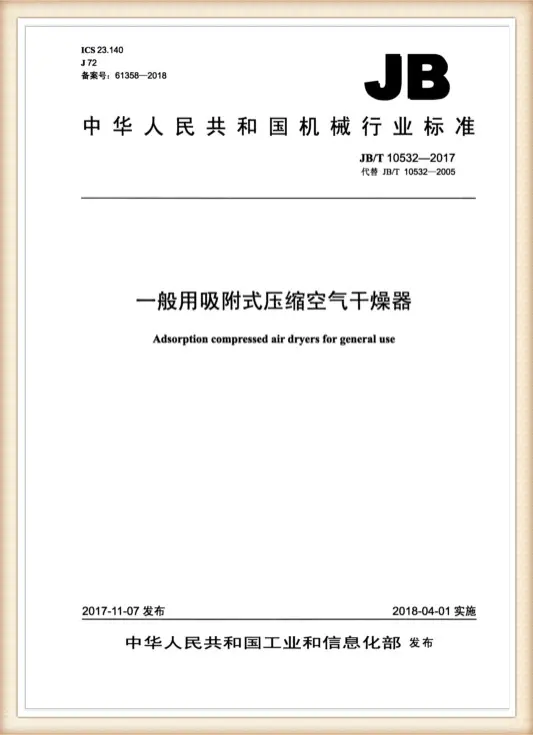
Adsorption compressed air dryers for general use
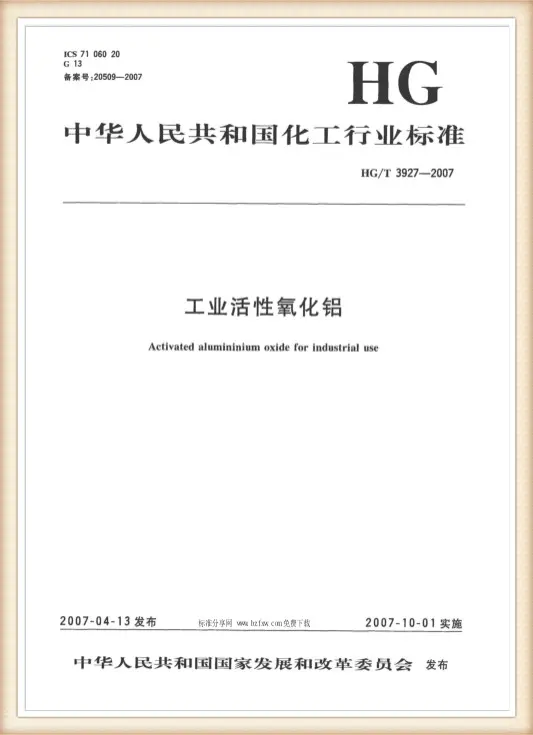
Activated alumina for industrial use
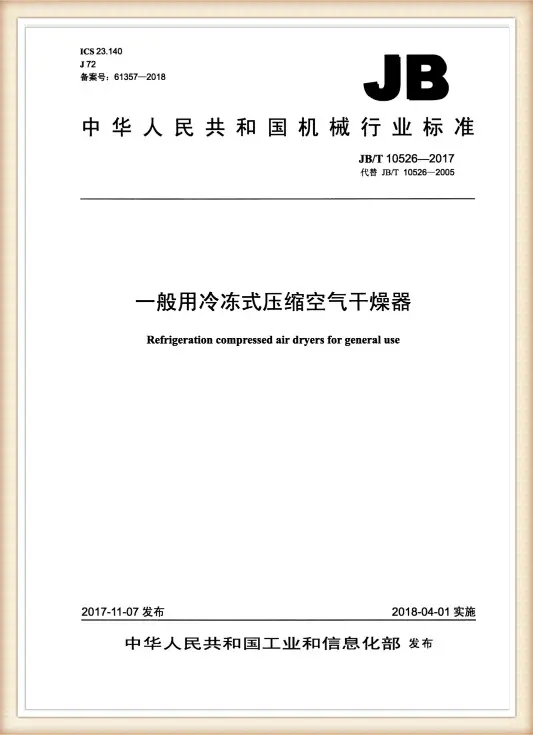
Refrigeration compressed air dryers for general use
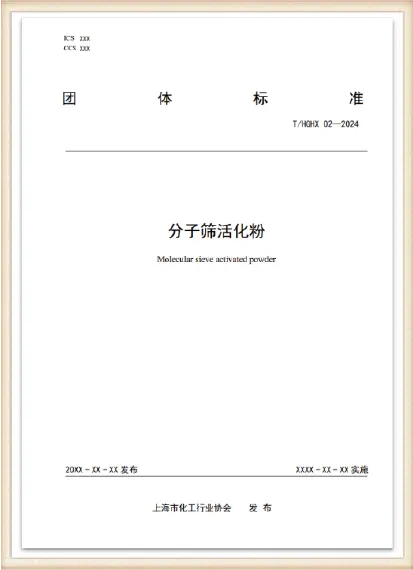
Industrial technical standards compliance certification
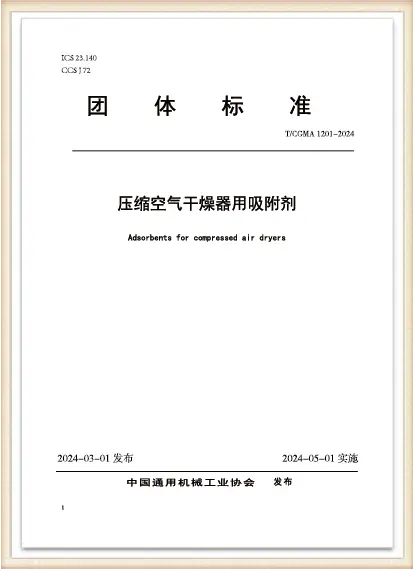
High purity chemical synthesis standards
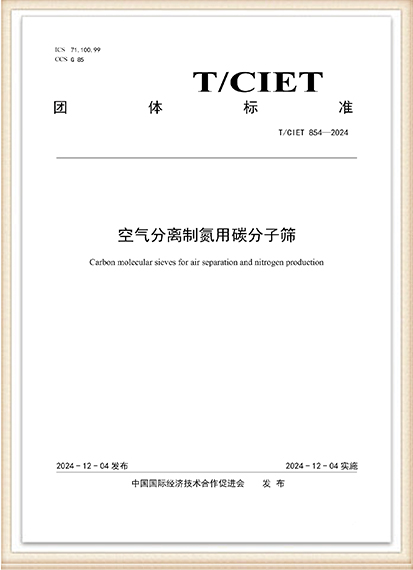
Advanced chemical engineering and material processing

Crucial engineering inquiries regarding molecular sieves, mass transfer zones, and regeneration cycles.
The Mass Transfer Zone (MTZ) is the dynamic length of the adsorbent bed where the primary adsorption takes place. In a drying column, the inlet side of the bed gets saturated first, while the outlet side remains clean. The zone in between, where the concentration of the adsorbate falls from the feed concentration to the breakthrough limit, is the MTZ. A narrow MTZ indicates faster adsorption rates and allows for a more efficient bed design.
As an exothermic process, adsorption is favored at lower temperatures. At ambient conditions (25°C), Zeolite 4A can adsorb up to 20-22% of its own weight in water. However, if the feed stream temperature increases to 50°C or higher, the equilibrium capacity drops significantly, requiring a larger volume of adsorbent to achieve the same breakthrough performance.
Regeneration is typically performed by passing a hot, dry purge gas through the bed in a counter-current direction. For thermal regeneration, the gas temperature must reach between 200°C and 300°C at the outlet. It is critical to avoid temperatures exceeding 450°C, as this can degrade the crystal framework, reducing its lifetime capacity.
Coking occurs when hydrocarbons present in the process gas crack under high regeneration temperatures, leaving carbon deposits on the active sites of the zeolite. Over time, these carbon deposits block the pore openings, which restricts molecular access and reduces the sieve's adsorption capacity.
For ethanol dehydration, Molecular Sieve 3A is the industry standard. The kinetic diameter of ethanol is approximately 4.2Å, while water is 2.65Å. While a 4A molecular sieve can adsorb water, its larger pore diameter (4Å) can allow some ethanol to enter the pores, causing co-adsorption. Using 3A avoids this, ensuring high-purity ethanol dehydration.
Liquid water can cause rapid heat generation and structural damage when it hits dry molecular sieves. Installing an upstream liquid separator or a protective layer of silica gel or activated alumina at the inlet helps adsorb bulk moisture before it reaches the main molecular sieve bed.
Direct factory pricing on specialized industrial catalyst supports, alumina balls, and zeolites.
Any technical problems or custom specifications needed? Feel free to contact our engineering team. We will respond within 24 hours.