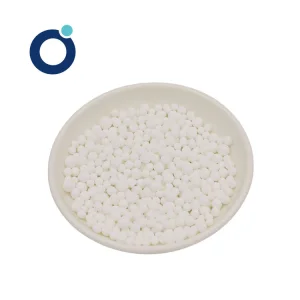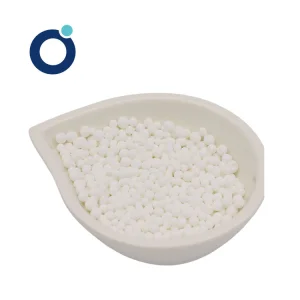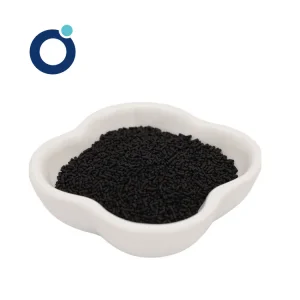
Engineered for high-selectivity moisture capture, low energy regeneration, and long-run mechanical durability.
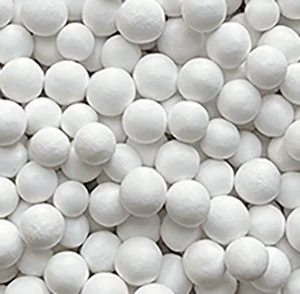
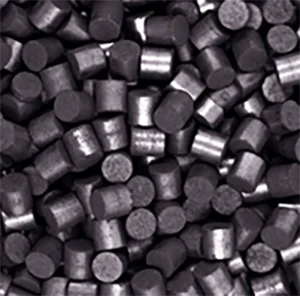
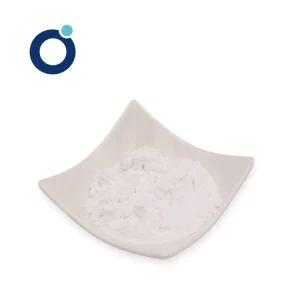
A trusted global leader in synthetic zeolites, catalysts, and custom adsorption technologies.
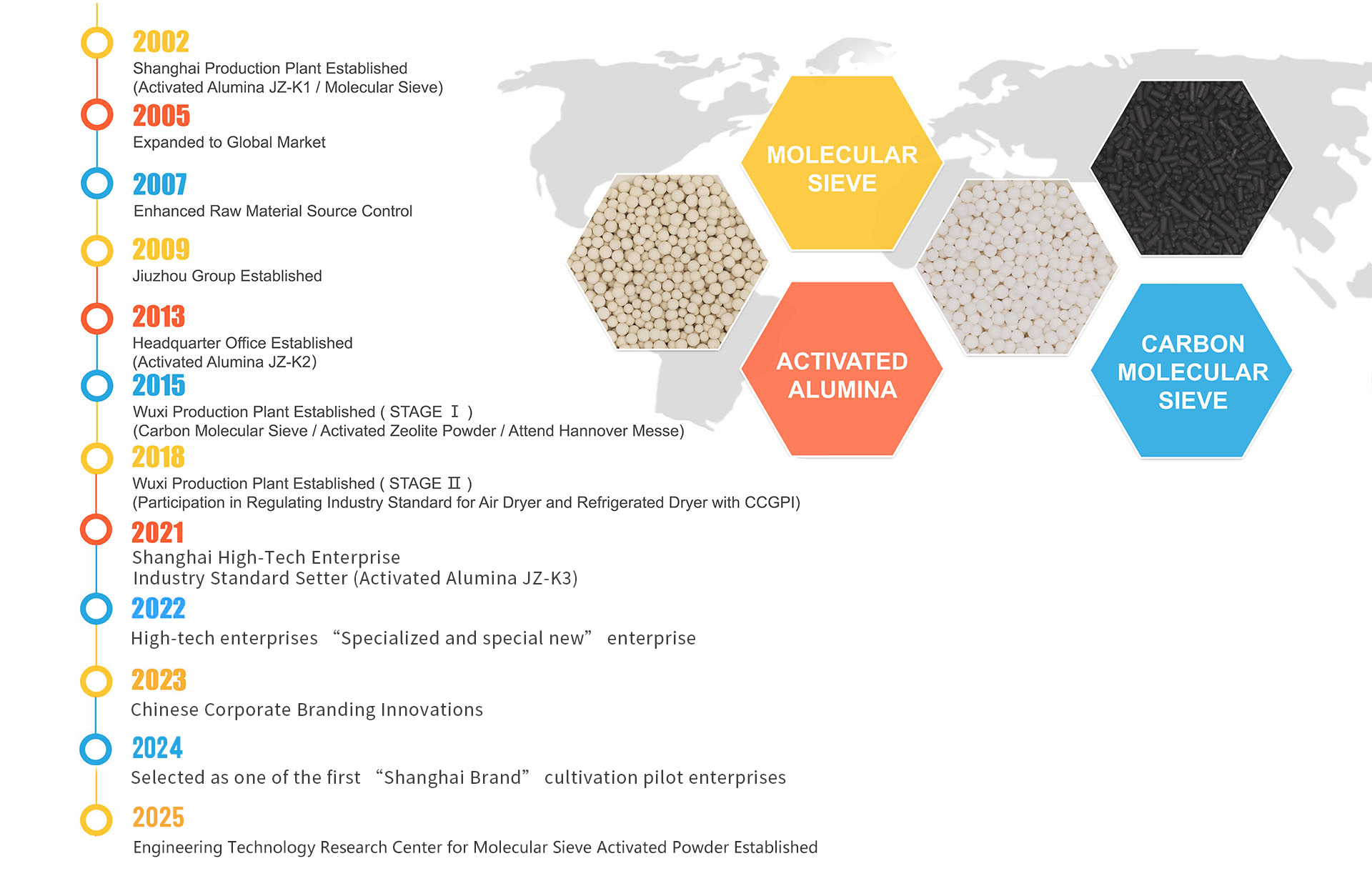
Shanghai Jiuzhou Chemicals Co., Ltd. is strategically situated in Shanghai, China's dynamic financial and technological hub. For decades, our enterprise has adhered strictly to the pillars of strict quality control and unremitting product innovation. We specialize in the R&D, structural engineering, and massive-scale manufacturing of top-tier industrial adsorbents, including synthetic molecular sieve powders, finished molecular sieves, activated powders, activated alumina, catalysts, and structural packing components.
Certified in accordance with the ISO9001:2008 standard as well as TUV & SGS audit compliance, our offerings represent the pinnacle of reliability. Through close alignment with global chemical engineering requirements, Jiuzhou operates integrated facilities hosting state-of-the-art pilot lines, dynamic test laboratories, and highly automated production workshops.
Thermodynamic models, kinetic properties, and transport mechanisms in deep ethanol-water separation processes.
In standard distillation, separating ethanol and water beyond the azeotropic limit (approximately 95.6% ethanol by weight at atmospheric pressure) is energy-intensive and typically demands hazardous entrainers. Molecular sieves circumvent these mechanical constraints via size-exclusion kinetics.
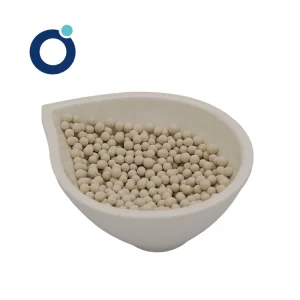
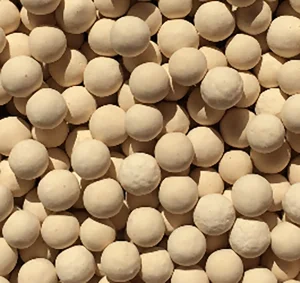
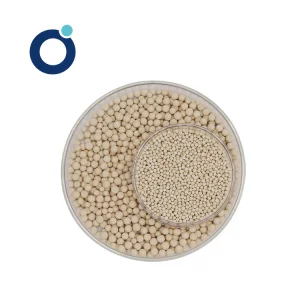
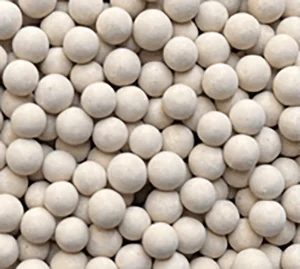
Using synthetic zeolites with precise 3A crystalline structures (typically potassium-substituted aluminosilicates), water molecules with a kinetic diameter of approximately 2.65 Å are readily adsorbed within the cage voids. Meanwhile, ethanol molecules (kinetic diameter of 4.3 Å) are completely excluded from the micropores. This yields high thermodynamic selectivity and enables the generation of anhydrous ethanol with purity levels reaching 99.9% to 99.99% (electronic grade).
Industrial dehydration units utilize two main processes depending on operational scale, downstream configurations, and heat availability:
JOOZEO acts as an active architect of standardizations in China’s national industrial chemical and dryer manufacturing sectors.
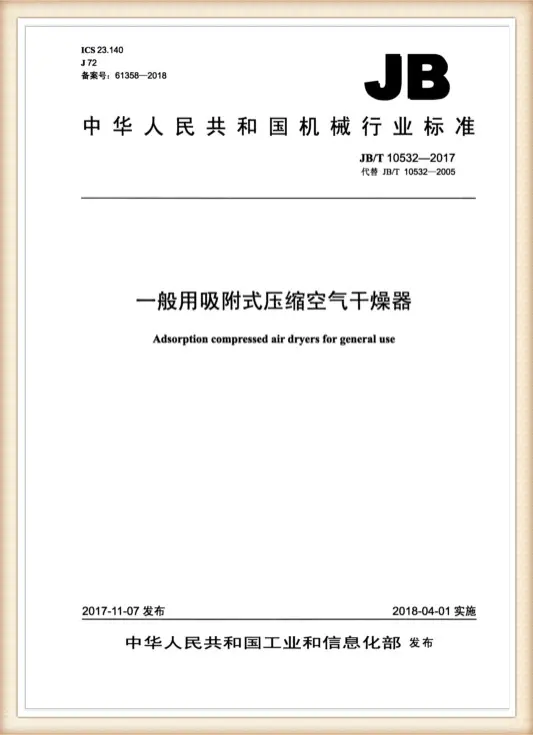
Adsorption compressed air dryers for general industrial applications.
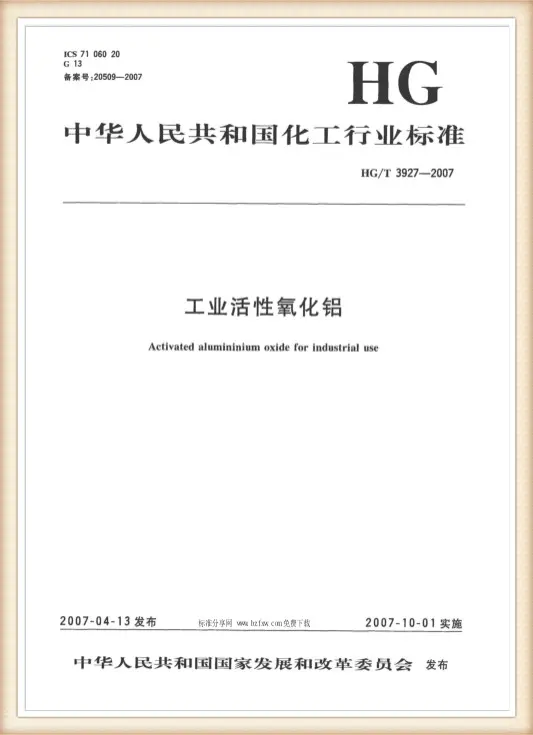
Activated aluminium oxide standards for petrochemical and industrial use.
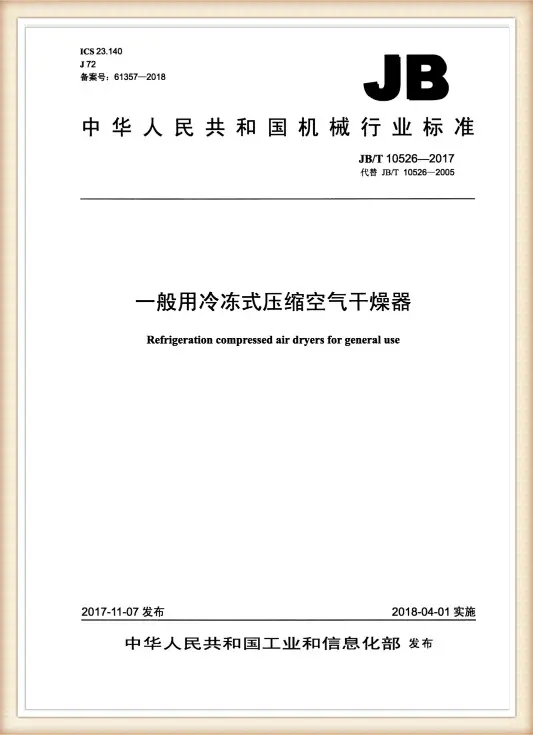
Refrigeration compressed air dryers standard guidelines.
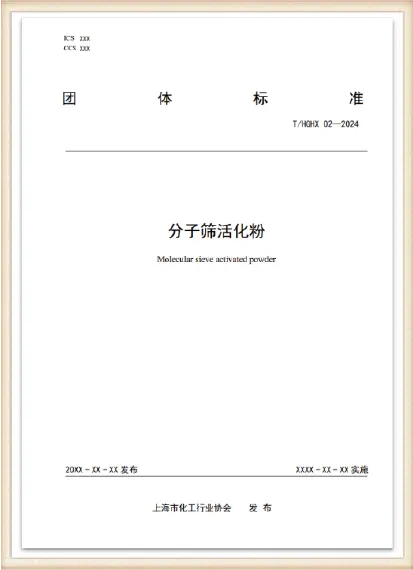
Updated specifications for compressed air treatment and energy efficiency.
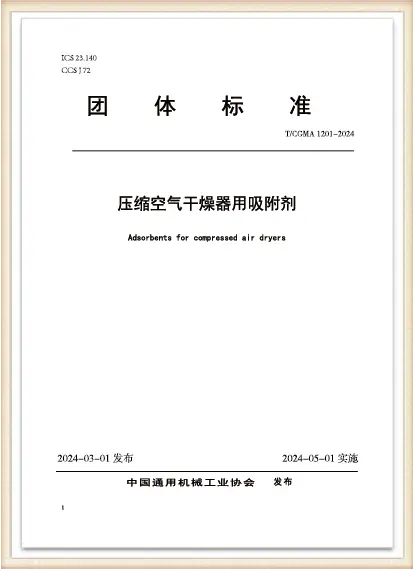
Industrial zeolite dynamic performance and testing standardization.
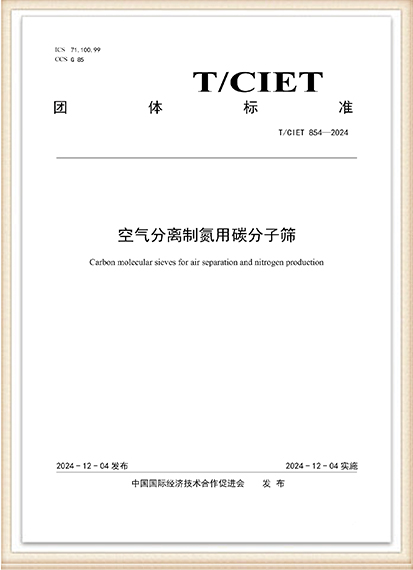
Green chemistry guidelines for industrial molecular sieves manufacturing.
Driving innovations in chemical engineering to optimize bed lifecycle and minimize energy input.
Typical molecular sieve beads suffer from physical attrition caused by high-frequency velocity changes in vapor-phase cycles. Our R&D pipeline focuses on novel binding agents to double the crush strength of 3A zeolites, reducing dust generation and pressure drop build-ups.
Desorption energy constitutes up to 40% of the cost of anhydrous ethanol production. By modifying the chemical structure of our zeolites, we are developing formulas that facilitate complete moisture release at lower thermal points, saving operational expenses.
Even minor adsorption of ethanol molecules inside the zeolitic pores causes degradation during thermal regeneration. Our strict 3A pore size verification processes guarantee zero co-adsorption of ethanol, extending the lifespan of the catalyst bed to 4–6 years.
Serving multiple global industries with customized adsorption solutions, high efficiency, and process safety.
Our large-pore 3A molecular sieves provide steady water removal capabilities for vapor-phase PSA dehydration plants. Offering consistent bulk density and thermal stability, these sieves support heavy duty bio-refineries in meeting ASTM D4806 and EN 15376 specifications with minimized downtime.
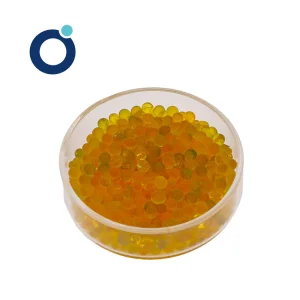
Removing trace moisture down to 10 ppm requires high-affinity adsorption beds. JOOZEO provides premium-grade molecular sieves and silica gels designed to prevent structural decomposition, ensuring consistent performance for pure pharmaceutical solvents and electronic-grade IPA/ethanol.
Advanced domestic supply chain control, modern production lines, and high-capacity manufacturing sites.
With production facilities in Shanghai and Wuxi, JOOZEO ensures uninterrupted global shipments of adsorbents. Operating under automated manufacturing protocols, our processes minimize the variation in physical shape, density, and pore structures.
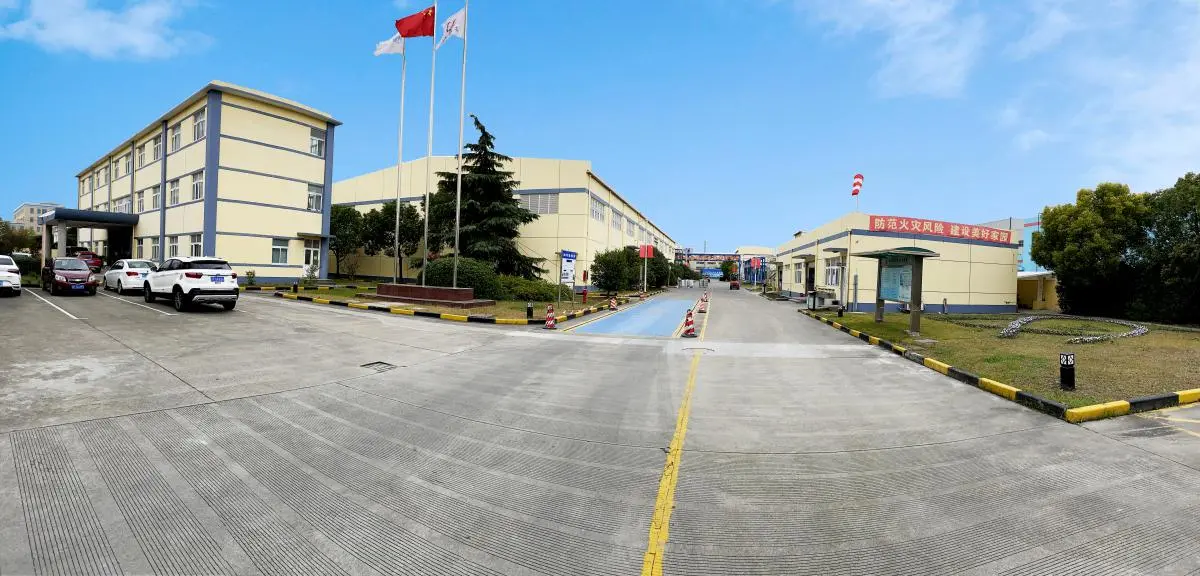
Equipped with advanced rotary calcination systems, synthetic powder batch reactors, and quality-testing labs. Focused on specialty zeolites, technical support, and global shipping logistics.

Designed for large-scale production of standard 3A, 4A, 13X zeolites, and activated alumina. Outfitted with automatic packing lines and automated dry air system controls.
Adhering to the core philosophy of "Better air, Better life" through green engineering and low-emission production systems.
We believe in manufacturing clean products inside green facilities. By installing closed-loop water treatment systems, dynamic dust collectors, and low-nitrogen burners inside our rotary kilns, JOOZEO remains committed to carbon footprint mitigation in alignment with global standardizations.

Assuring dynamic process performance, regulatory alignment, and regional logistical support.
Global engineering procurement managers evaluate molecular sieves based on critical properties. We provide detailed certificates of analysis (COA) for every batch, detailing key parameters:
Our international distribution hubs and agent networks across the United States, Southeast Asia, Japan, Europe, and the Middle East provide timely localized services. We support clients with custom engineering designs, local warehousing solutions, and post-installation analysis to help keep dehydration units operating at high efficiency.
Expert answers addressing operational issues, molecular sieve properties, and dehydration engineering questions.
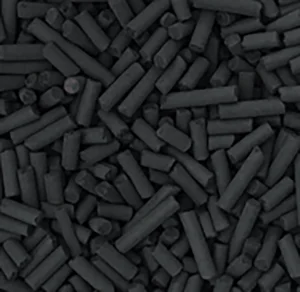
Explore our specialized range of high-capacity silica gels, carbon molecular sieves, and custom chemical formulations.