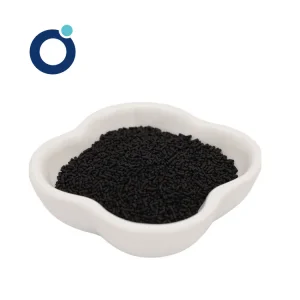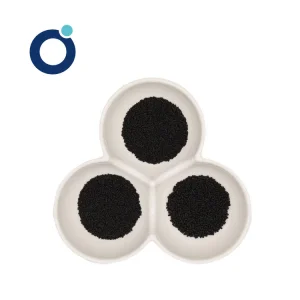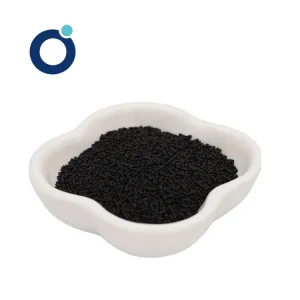
Explore our engineering-grade portfolio of Molecular Sieves, Silica Gels, and Active Alumina agents designed for harsh operational profiles.
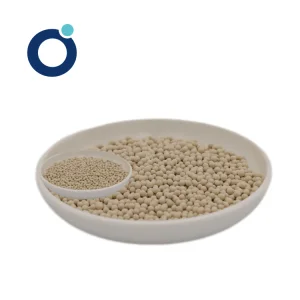
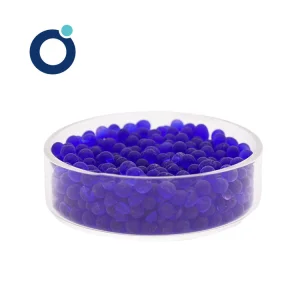
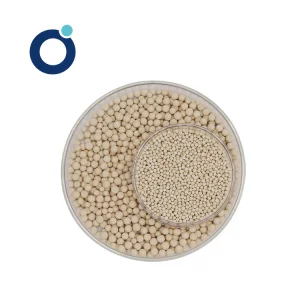
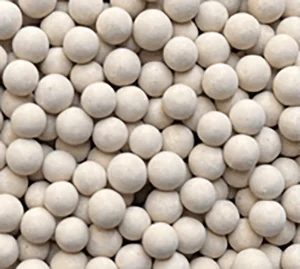
An Analysis of Market Share, Capacity Distributions, and Critical Macroeconomic Drivers
The global molecular sieve market is undergoing a seismic paradigm shift. Transitioning from traditional applications like simple air drying and petroleum refining, today’s landscape demands high-performance synthetic zeolites tailored for carbon capture, green hydrogen purification, and sophisticated environmental controls. The rise of industrialization in emerging markets, coupled with strict global emissions regulations, has pushed the market to new heights.
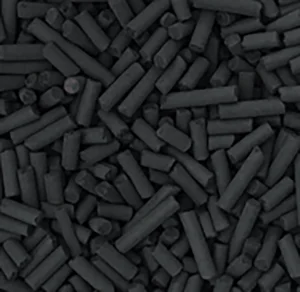
Market Share Distribution: Standard crystalline aluminosilicates (such as Type 3A, 4A, 5A, and 13X zeolites) hold the largest overall volume share. However, highly specialized grades—including Carbon Molecular Sieves (CMS) for selective Pressure Swing Adsorption (PSA) nitrogen recovery and titanium-substituted silicalites—are exhibiting the highest Compound Annual Growth Rate (CAGR).
Exporters and factories across Asia, particularly China, have consolidated their dominance in mass manufacturing efficiency. European and North American facilities remain central to proprietary, high-tier catalyst integrations and customized petrochemical process configurations.
A Thirty-Year Legacy of Precision Chemical Syntheses, R&D Leadership, and Global Trade Relations
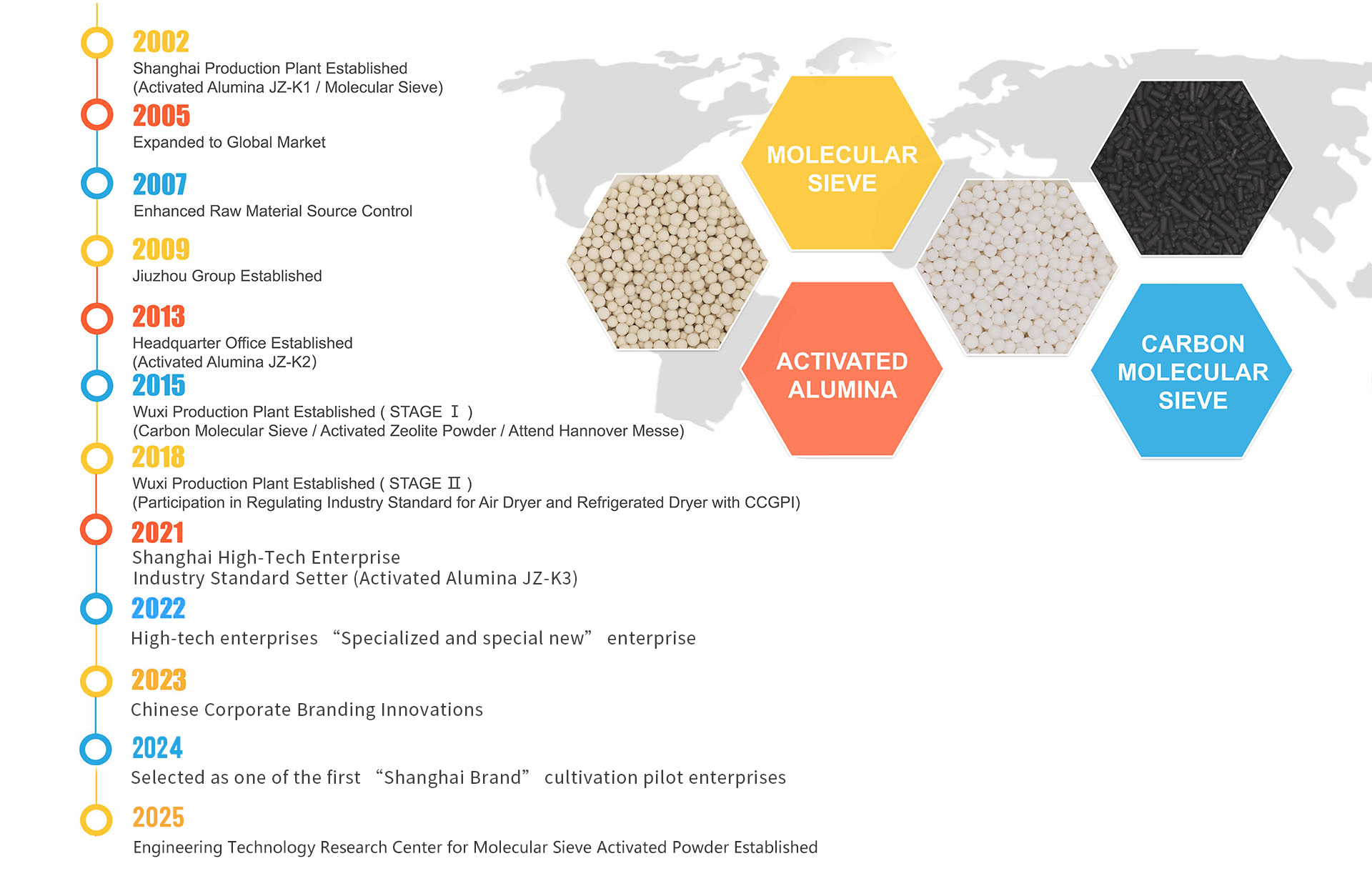
Shanghai Jiuzhou Chemicals Co., Ltd. is strategically situated in Shanghai, China's premiere center for global economic development. For decades, our enterprise has adhered to the strict principles of "100% Quality Control, 100% Innovation". We are fully committed to the end-to-end development, research, and manufacturing of high-purity, innovative industrial chemical agents.
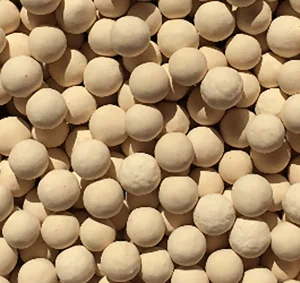
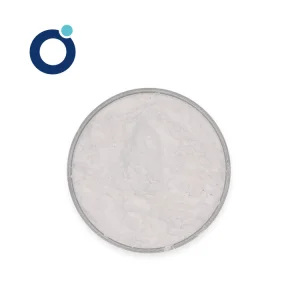
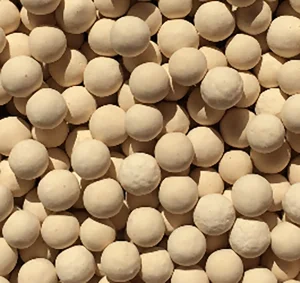
Our core portfolio encompasses a diverse array of advanced adsorbents, including: molecular sieve powders, active zeolites, activated alumina, aluminum oxide catalysts, high-strength structural ceramic balls, sodium silicates, aluminum hydroxide, zeolite 4A, sodium carbonates, and SLES. All production channels are fully aligned with ISO9001: 2008 Quality Management Systems, alongside comprehensive certifications by TUV and SGS.
Jiuzhou operates automated multi-functional manufacturing units backed by a cutting-edge Central Dynamic Testing Laboratory. Through these advanced analytical infrastructures, we monitor crystalline phase composition, pore size distributions, attrition resistances, and structural crush strengths, ensuring all products align seamlessly with stringent international specifications.
Inside our state-of-the-art factories driving scale, cost-efficiency, and quality consistency
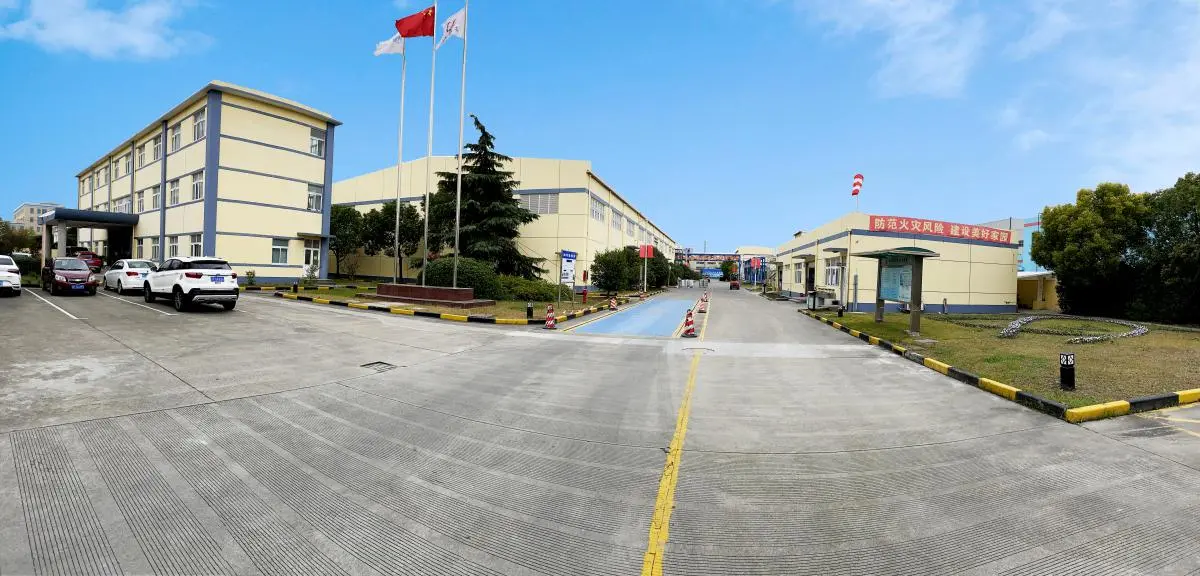
Serving as the strategic brain, Shanghai facility integrates high-level synthesis R&D, chemical engineering design, and pilot-scale trials for customized adsorbent developments.
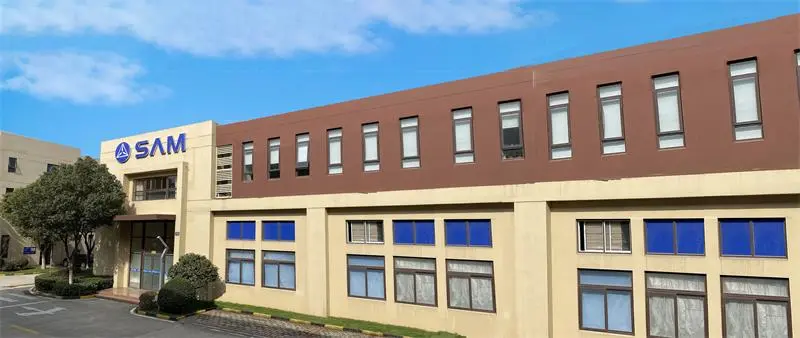
Our heavy industrial mass manufacturing site, featuring rotary kilns, ultra-high temperature activation belts, and automated packaging lines for global export orders.
Our ongoing contributions to national, regional, and industrial technical standardizations
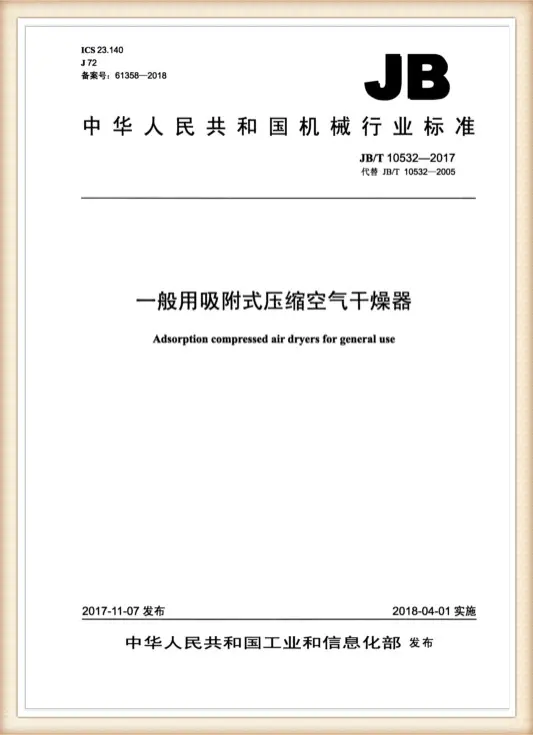 JB / T 10532-2017
Adsorption compressed air dryers for general industrial applications
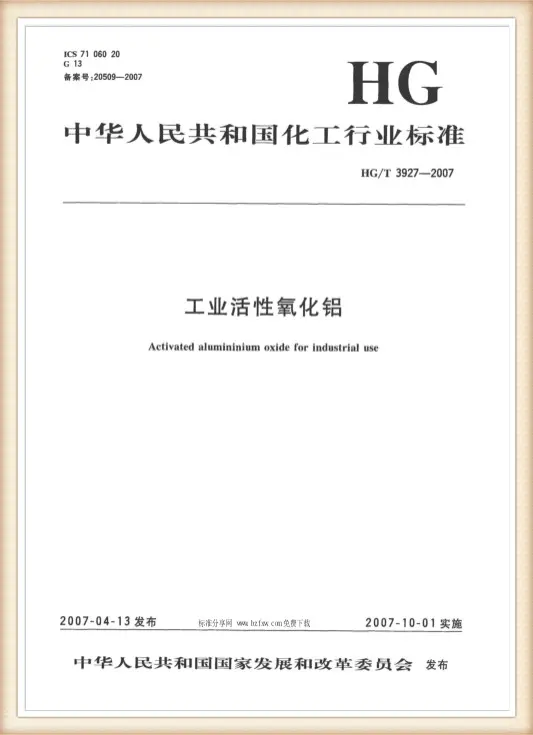 HG / T 3927-2007
Activated aluminum oxide for industrial applications
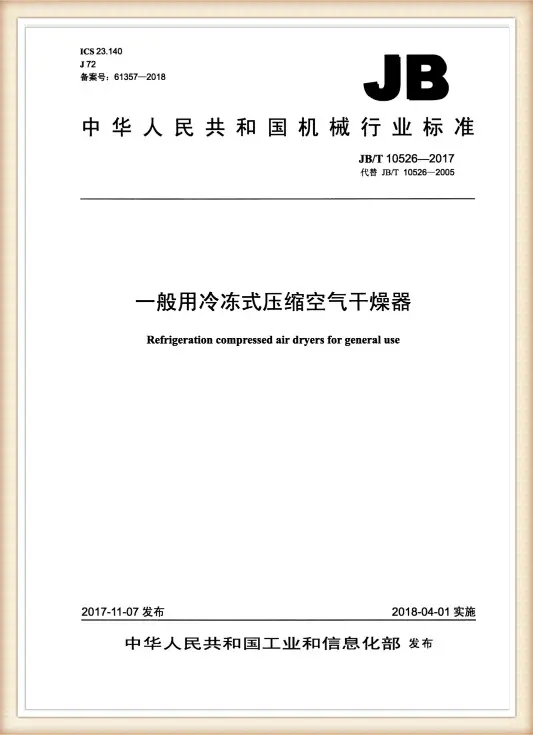 JB / T 10526-2017
Refrigeration compressed air dryers for general industrial applications
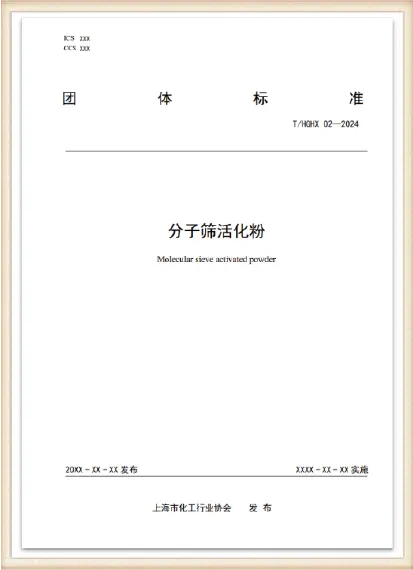 T/CGMA 1201-2024
Industrial compressed air system filtration standards and performance ratings
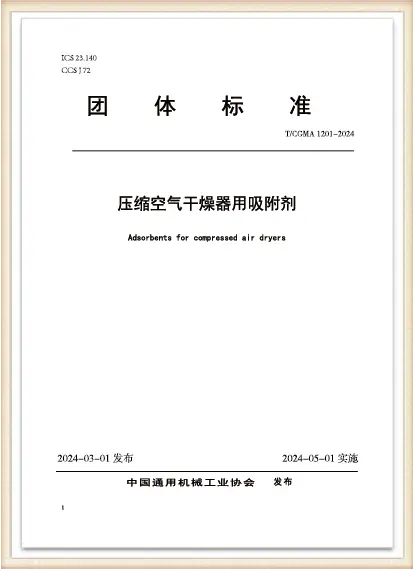 T/HGHX 02—2024
Chemical standards specifying testing methods for synthetic zeolites
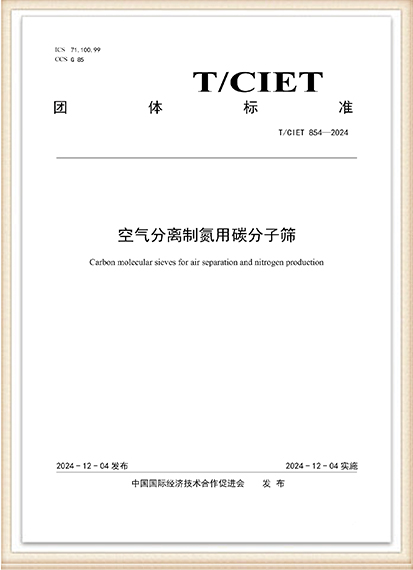 T/CIET 854-2024
Ecological manufacturing guidelines for functional chemical adsorbents
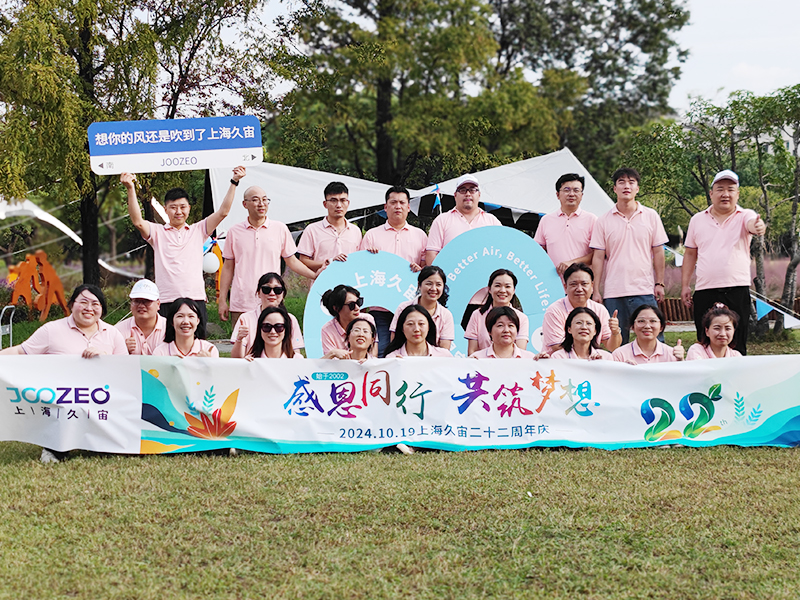
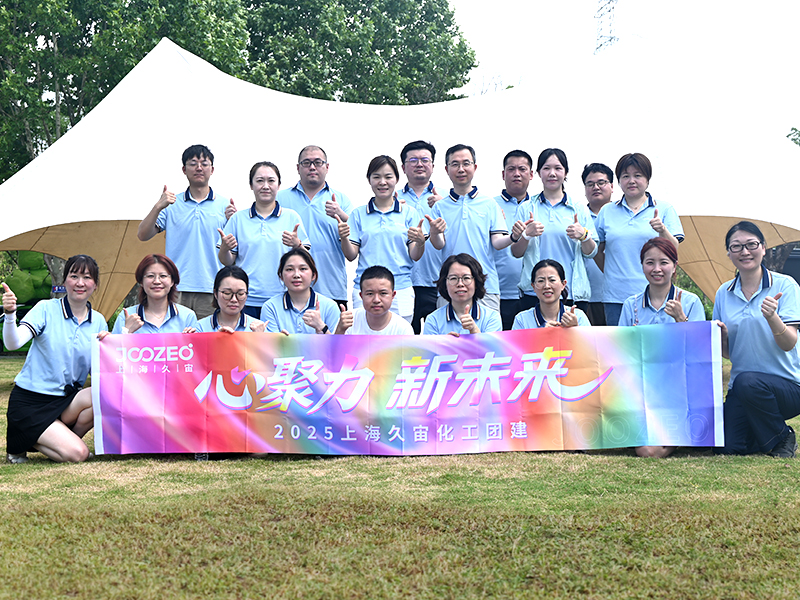
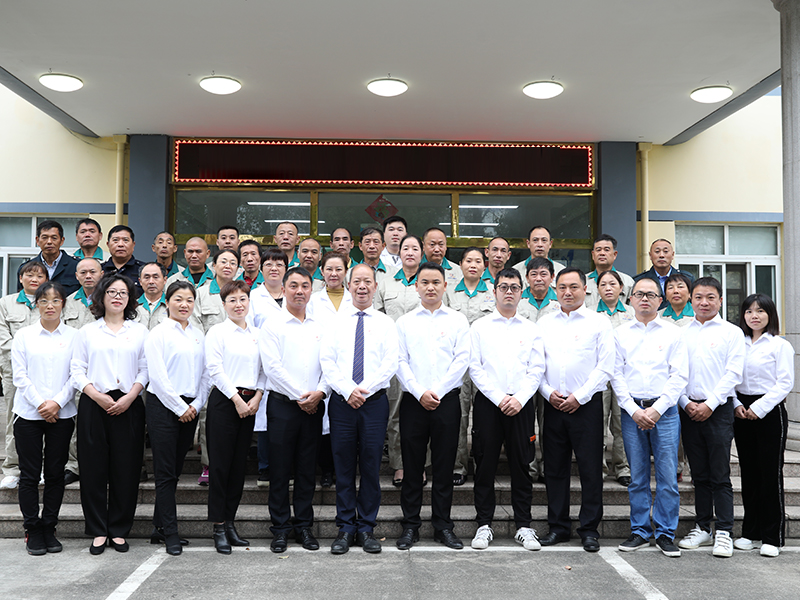
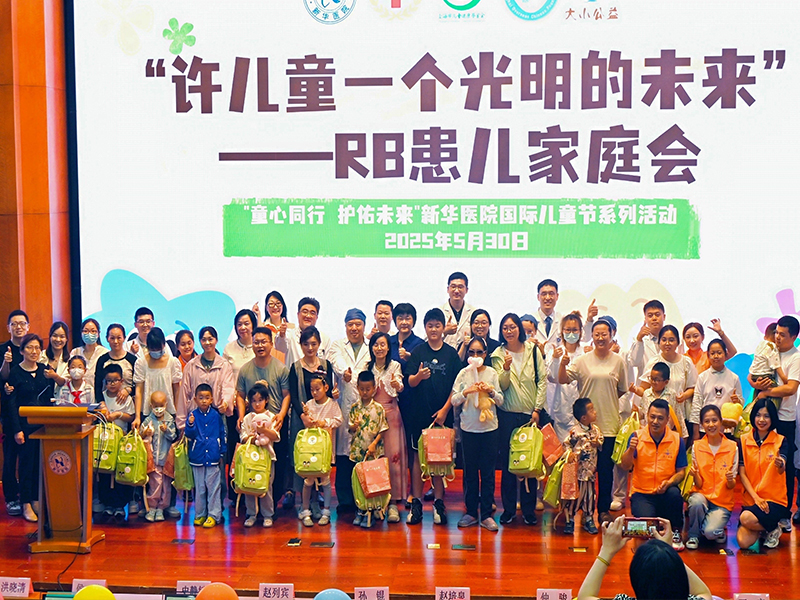
"Better air, Better life" — Safeguarding community health and optimizing industrial sustainability footprints
Charting the next generation of synthetic zeolites, carbon capture media, and zero-leak operations
Engineered zeolites demand sub-angstrom accuracy. Our laboratory is refining techniques to selectively adjust cage structures on the molecular level. This enables high-efficiency separation of molecules with extremely narrow kinetic diameters, such as oxygen/nitrogen and propylene/propane systems.
By integrating green chemical synthesis routes, we target a 25% reduction in carbon intensity during zeolite crystallization and thermal activation phases. This initiative utilizes closed-loop water systems and recycles waste thermal energy directly back into the drying chambers.
Optimizing the kinetic selectivity of molecular sieves is essential for the expansion of Carbon Capture, Utilization, and Storage (CCUS). Our developmental framework is focused on producing high-selectivity 13X and CMS configurations optimized for high-pressure CO2 capture.
Deploying advanced materials to optimize operational efficiency and minimize cost structures
Deep dehydration of liquid hydrocarbons, cracked gas feedstock, and light olefins. Our 3A and 4A crystalline structures prevent freeze-outs in cryogenic separation stages.
Enabling high-capacity PSA and VPSA systems. Our molecular sieves offer excellent nitrogen/oxygen selectivity, helping plants optimize air separation throughput.
Effective VOC mitigation, volatile gas capture, and industrial wastewater treatment. We utilize customized pore sizes to reliably capture and isolate hazardous contaminants.
Insights from Our Chemical Engineers and Application Experts
Precision-formulated chemicals engineered to perform under demanding industrial conditions.
Our application engineers are available to review your design parameters, process requirements, and delivery schedules. We typically respond within 24 hours.
Send Request