Engineered Molecular Sieves, Adsorbents, and Chemical Solutions for Advanced Performance
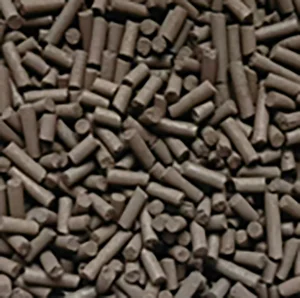
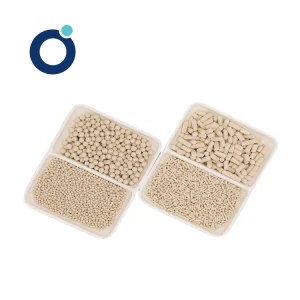
Active Alumina (Activated Aluminum Oxide) acts as a high-performance porous adsorbent in modern chemical engineering. Characterized by its thermal stability, high specific surface area (BET theory), and complex capillary structure, active alumina is essential for gas purification, water filtration, and chemical synthesis. We engineer solutions that minimize energy loss while maximizing capacity.
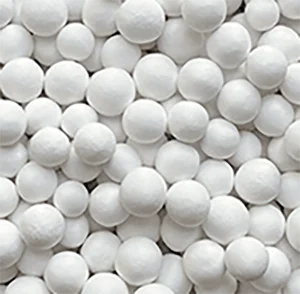
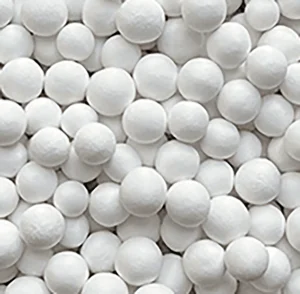
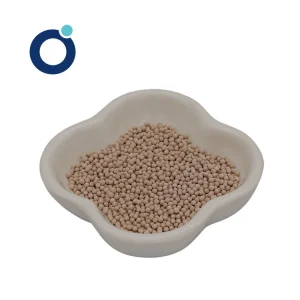
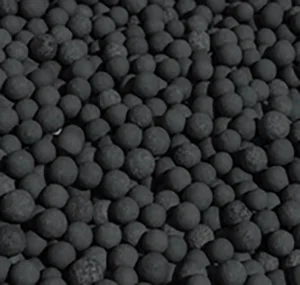
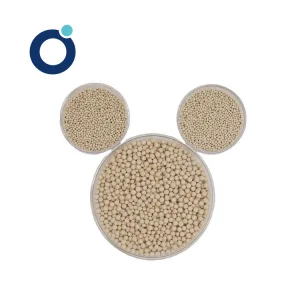
Our focus is on precise pore-size distribution. By controlling the thermodynamic calcination of aluminum hydroxide, we produce active alumina spheres that offer low pressure drop, high crush strength, and minimal dust formation. This makes them ideal for demanding chemical systems.
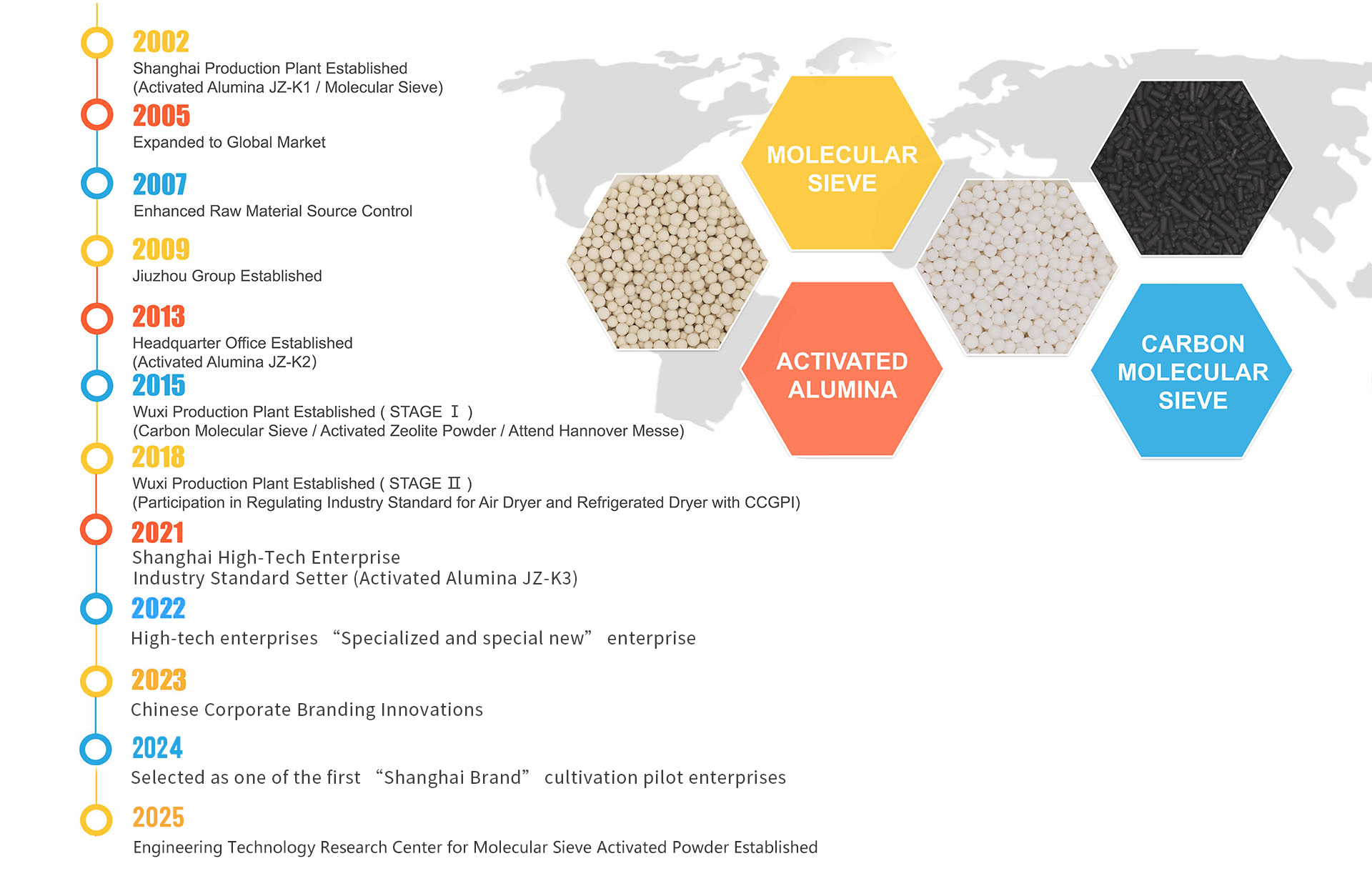
Over 30 Years of Dedicated Excellence in Chemical Synthesis & Adsorption Optimization
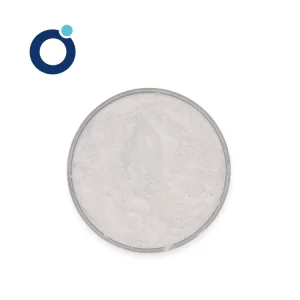
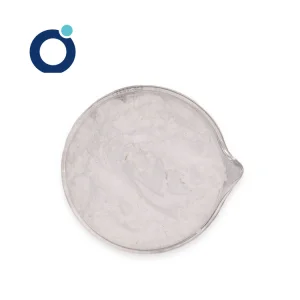
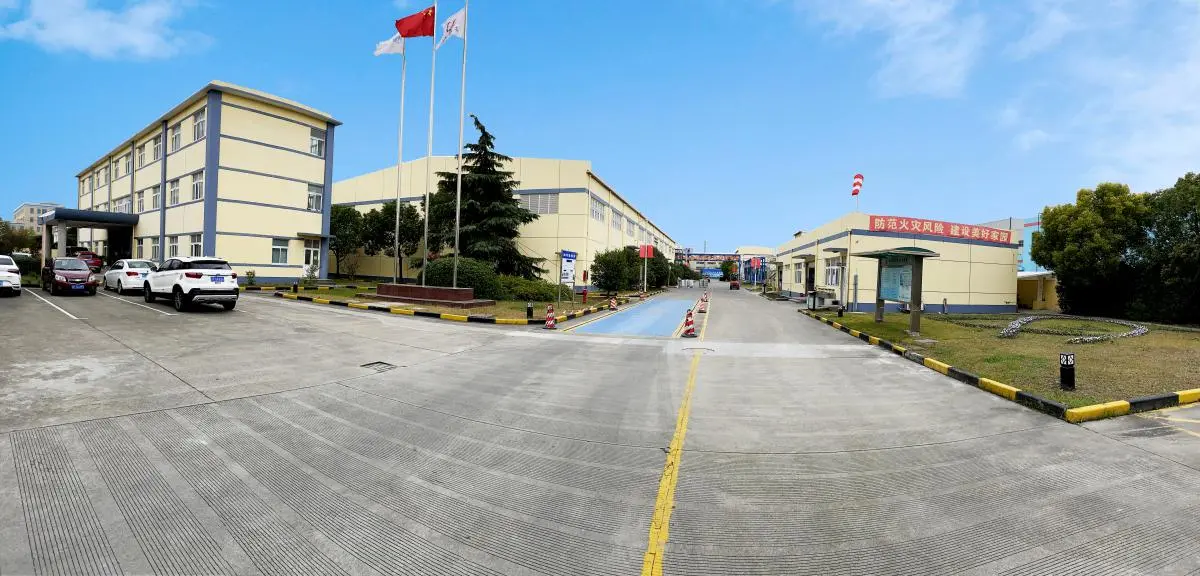
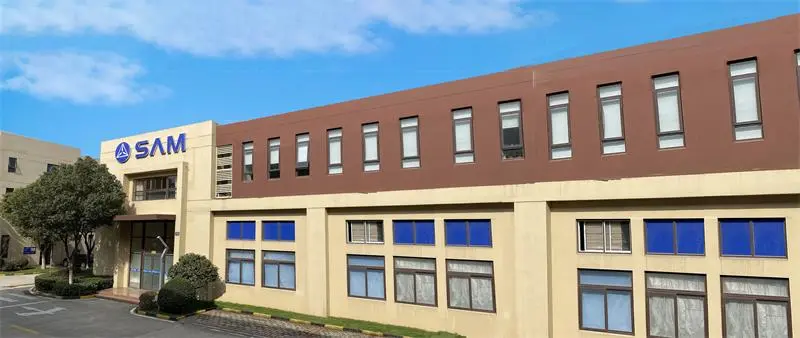
Located in Shanghai, Shanghai Jiuzhou Chemicals Co., Ltd. is built on the principles of "Quality Control & Innovation". Since our establishment in 1994, we have committed to developing, researching, and manufacturing chemical adsorbents and catalyst carriers. Our product catalog features high-performance molecular sieve powders, active alumina, aluminum oxide catalysts, silica gels, sodium silicates, and related mineral desiccants.
We maintain an automated production and quality assurance workflow. Each batch undergoes testing at our central lab, which is equipped with modern analytical instruments. This ensures our products consistently meet international specifications and standards.
We participate directly in drafting industrial and national standards for drying equipment and chemical adsorbents.
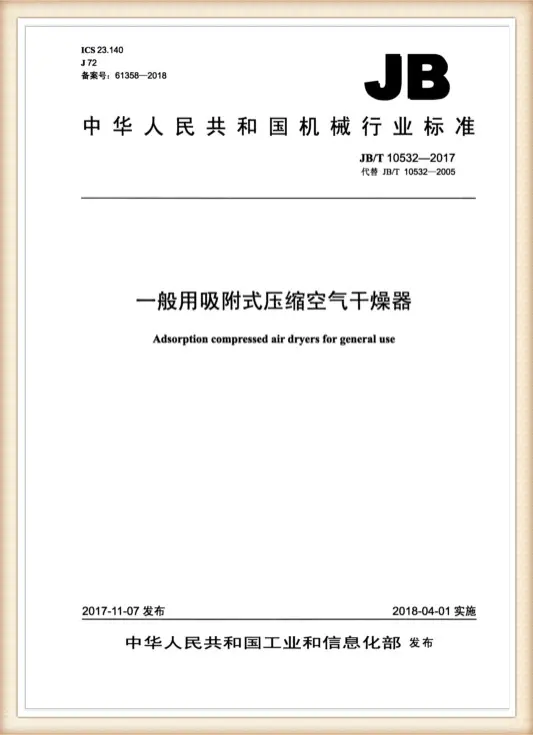
Adsorption compressed air dryers for general industrial applications.
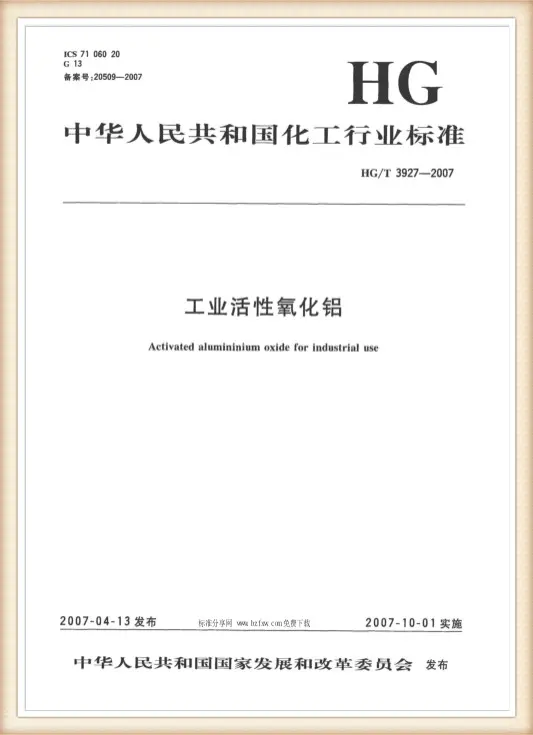
Industrial grade activated aluminum oxide specifications.
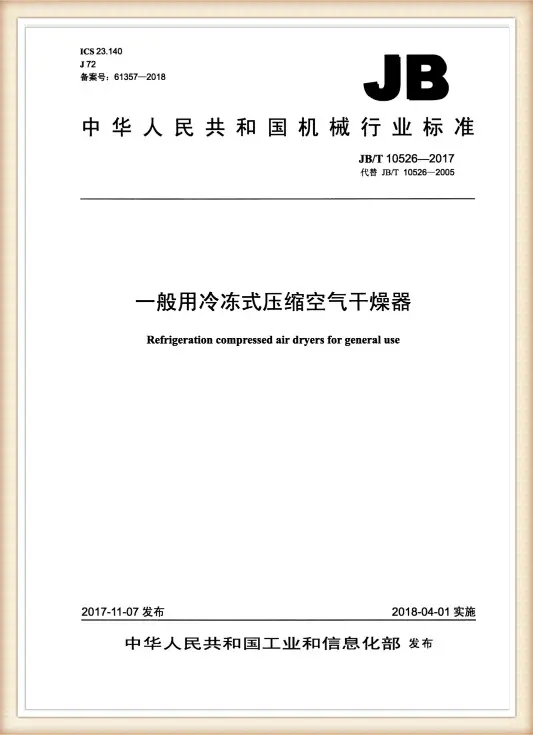
Refrigeration compressed air dryers for general industrial processes.
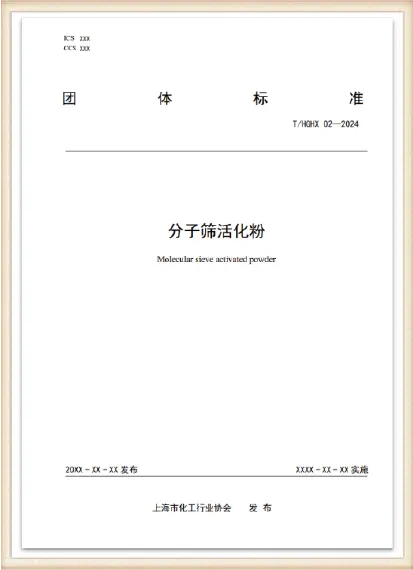
National manufacturing criteria for high-efficiency air drying systems.
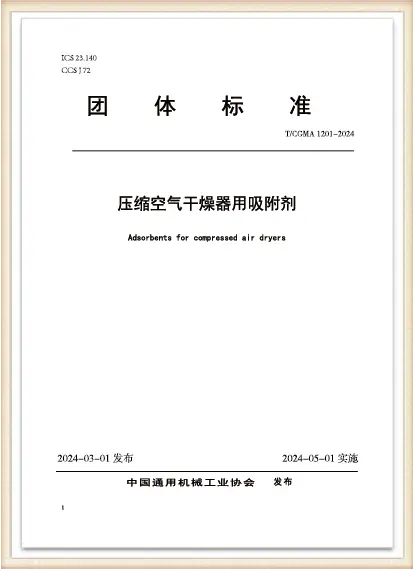
High-purity chemical adsorbents and standard test parameters.
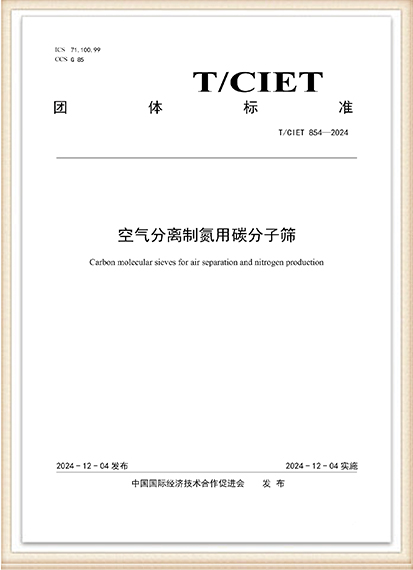
Standards for green production and low carbon footprint chemical processes.
Optimized Active Alumina performance engineered for demanding chemical, petrochemical, and municipal processes.
In natural gas processing, moisture trace removal is critical to prevent hydrate formation and corrosion. Our active alumina provides efficient deep drying, achieving dew points below -70°C. It stands up to thermal cycles and maintains high adsorption capacity, reducing operating costs in cryogenic separations.
For municipal water plants and industrial wastewater, our active alumina acts as a selective adsorbent for fluoride and heavy metals like arsenic. It offers high surface area and active sites for selective ion exchange over a wide pH range, helping utilities meet environmental safety standards.
Our activated alumina is widely used in Claus tail gas treatment units (TGTU). Its thermal stability and high pore volume facilitate the conversion of hydrogen sulfide and sulfur dioxide into elemental sulfur, supporting reliable emission compliance.
Important parameters that procurement teams evaluate for complex operations.
Low crush strength causes bead breakdown under pressure, leading to dust formation, flow restriction, and system pressure drops. Our active alumina is calcined to achieve high crush strength, ensuring long service life and minimal dust in gas systems.
Different industrial applications require specific surface properties. By adjusting our manufacturing process, we balance Lewis acid sites on the alumina surface, optimizing it for drying, defluoridation, or catalyst support.
Uniform size distribution ensures even gas and liquid flow through the bed, preventing channeling and maximizing adsorption capacity. We offer consistent sizing (e.g., 3-5mm, 4-6mm, 5-8mm) to meet specific process requirements.
For operations to be cost-effective, desiccants must withstand repeated thermal regeneration cycles. Our active alumina is designed to release adsorbed water efficiently, maintaining performance over long operational lifespans.
Developing sustainable chemical processing technologies for the future.
Integrating structured channels to reduce diffusion resistance and improve adsorption rates in high-velocity gas systems.
Deploying energy-recovery calcination kilns to decrease carbon emissions in our production facilities.
Combining active alumina with molecular sieve frameworks to create multi-functional beds that remove trace impurities in a single pass.
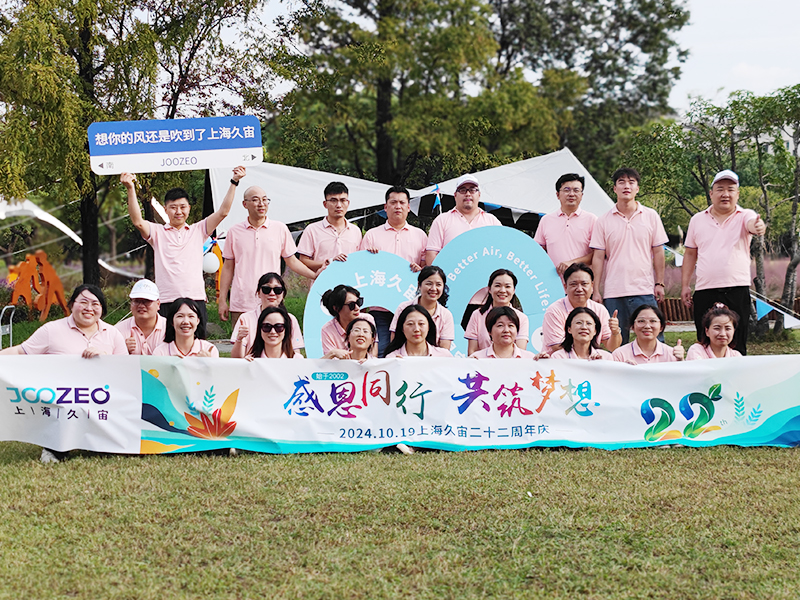
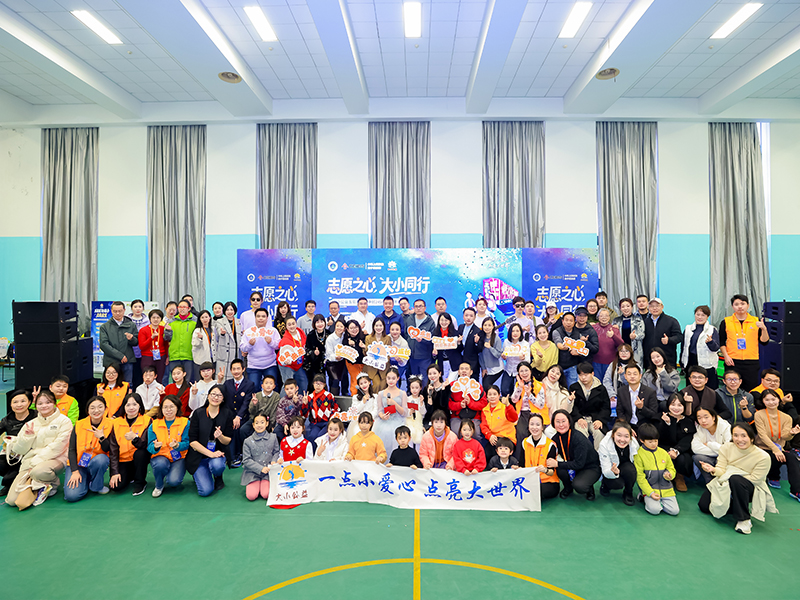
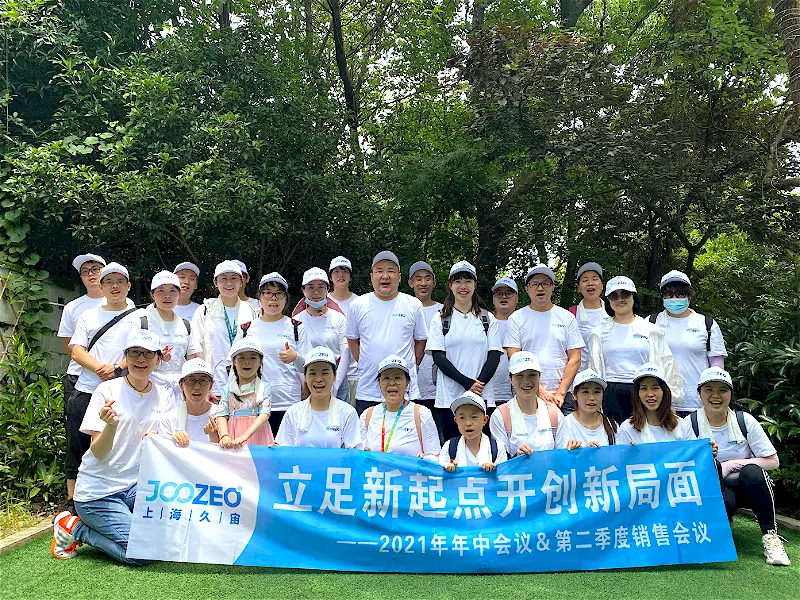
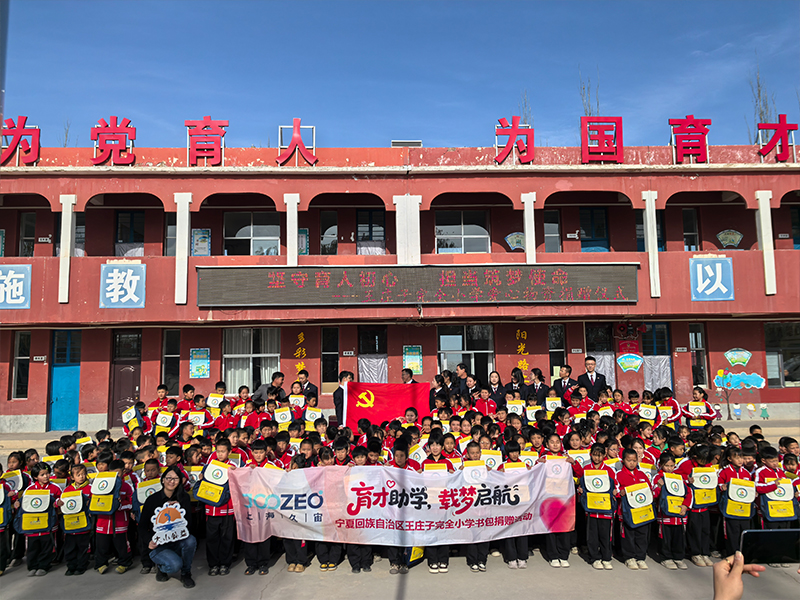
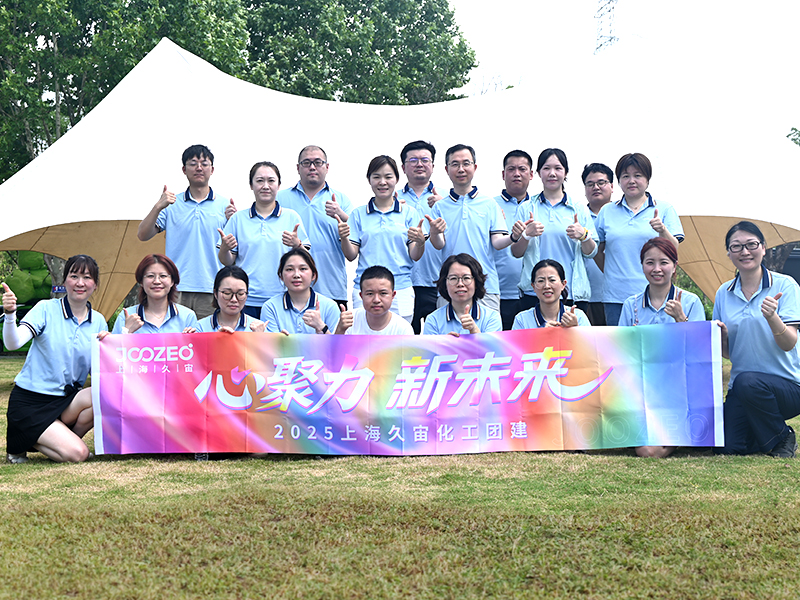
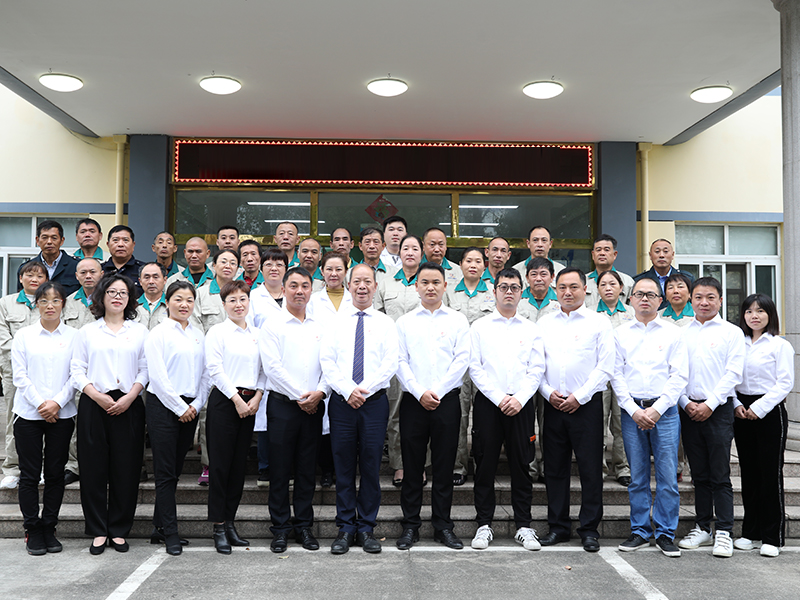
We are committed to sustainable practices, safe working conditions, and positive community engagement.
Answers to technical and engineering questions regarding active alumina applications.
Typically, active alumina desiccants are regenerated at temperatures between 150°C and 250°C. For heating systems, dry gas purge is used to sweep away desorbed moisture. It is important to avoid temperatures above 350°C during thermal regeneration to prevent phase transformation to low-surface-area alpha-alumina.
Active alumina is an amorphous adsorbent with a broad range of pore sizes, providing high capacity for bulk water removal and stability when exposed to liquid water. Molecular sieves possess crystalline structures with precise pore openings (e.g., 3Å, 4Å, 10Å), allowing them to dry gases to very low dew points (-100°C) and selectively separate molecules by size.
Fluoride removal is highly dependent on pH, inlet fluoride concentration, contact time (EBCT), and competing ions like silica and bicarbonate. An acidic to neutral pH range (5.5 - 6.5) typically yields the highest adsorption rates, and periodic regeneration with sodium hydroxide (NaOH) followed by acid neutralization is common practice.
Under standard operating conditions, active alumina lasts between 2 and 5 years. Performance lifespan depends on feed air quality, specifically oil carryover from upstream compressors, which can coat the pores (oil poisoning) and reduce adsorption capacity.
Tailored industrial adsorbents and chemical compounds for global distribution
Have a question about technical parameters, bulk pricing, or custom formulation requirements? Our specialists respond within 24 hours.
Send Technical Request