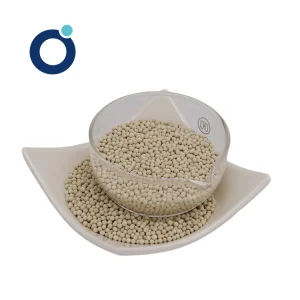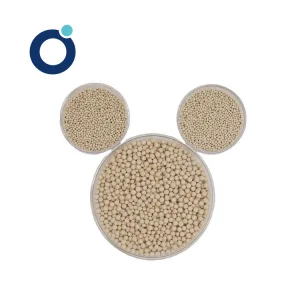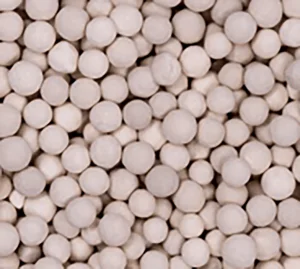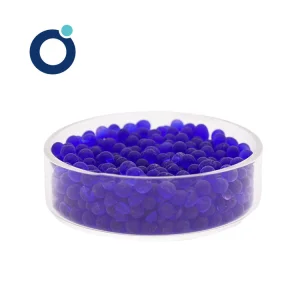
Explore our flagship catalog engineered for extreme purity gas separation, industrial drying, and catalytic processing.
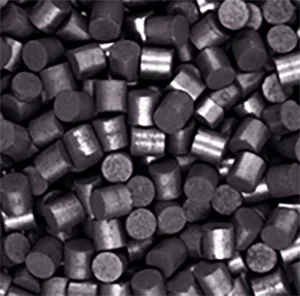
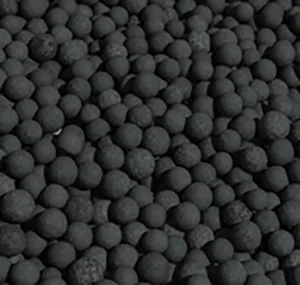
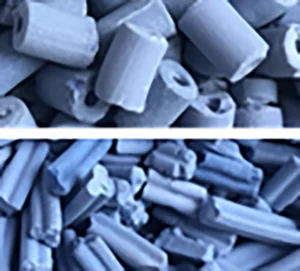
Carbon Molecular Sieves (CMS) represent the pinnacle of porous carbonaceous materials engineered specifically for kinetic gas separation. Unlike traditional zeolites that separate molecules based on thermodynamic affinity or size exclusion, CMS works primarily on a kinetic level. By exploiting the subtle differences in molecular sizes—where oxygen (molecular diameter 3.46 Å) diffuses significantly faster through the narrow pore channels than nitrogen (molecular diameter 3.64 Å)—CMS allows nitrogen gas to be enriched at high pressures under Pressure Swing Adsorption (PSA) cycles.
As a key industrial material, the quality of a Carbon Molecular Sieve determines the yield, purity, and energy consumption of PSA nitrogen generators. Selecting a premium manufacturer is critical for guaranteeing long-term physical durability, high N2 recovery rates, and resistance to environmental contaminants.
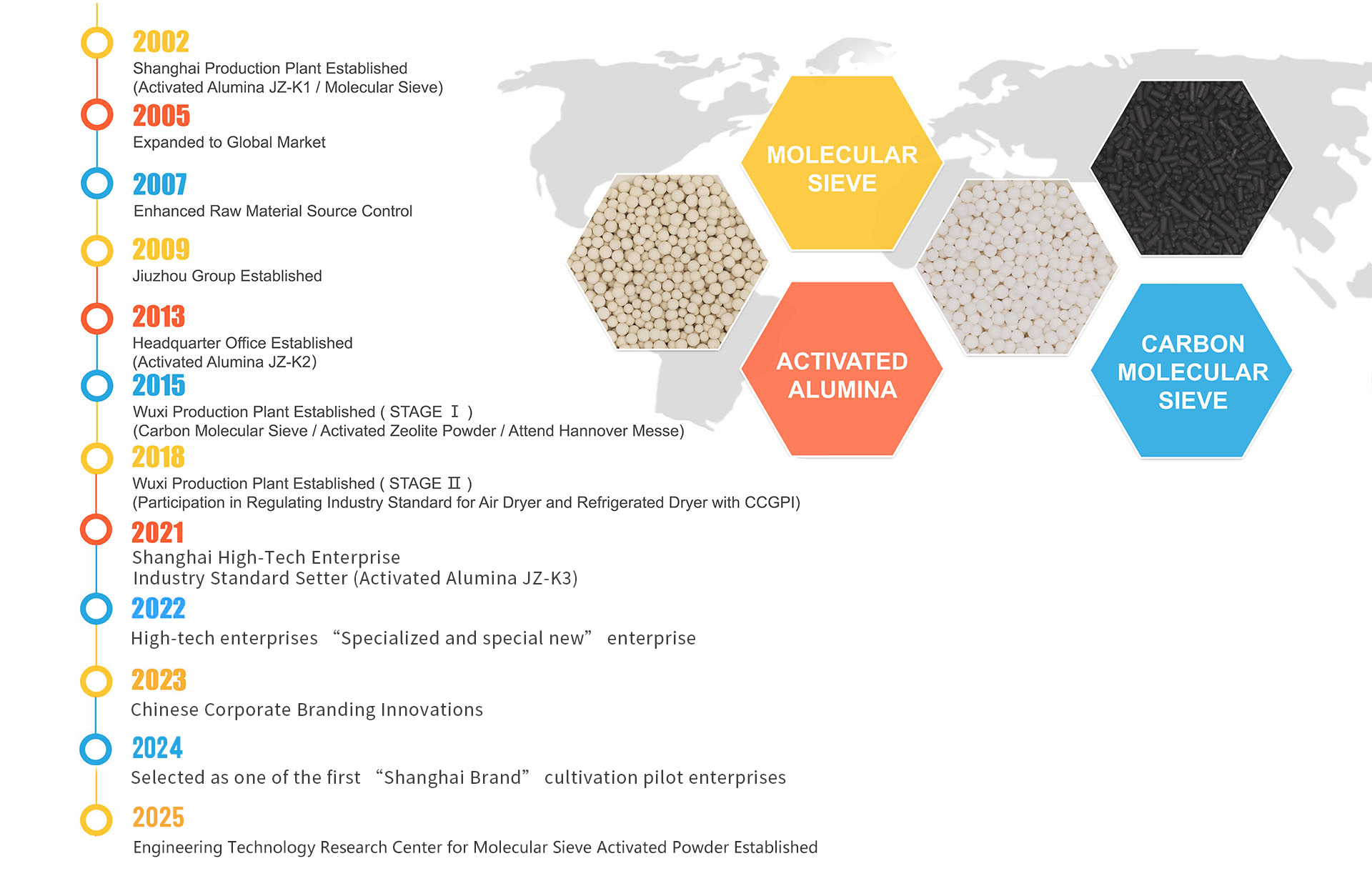
Over three decades of manufacturing excellence, setting national standards, and pioneering gas purification technologies.
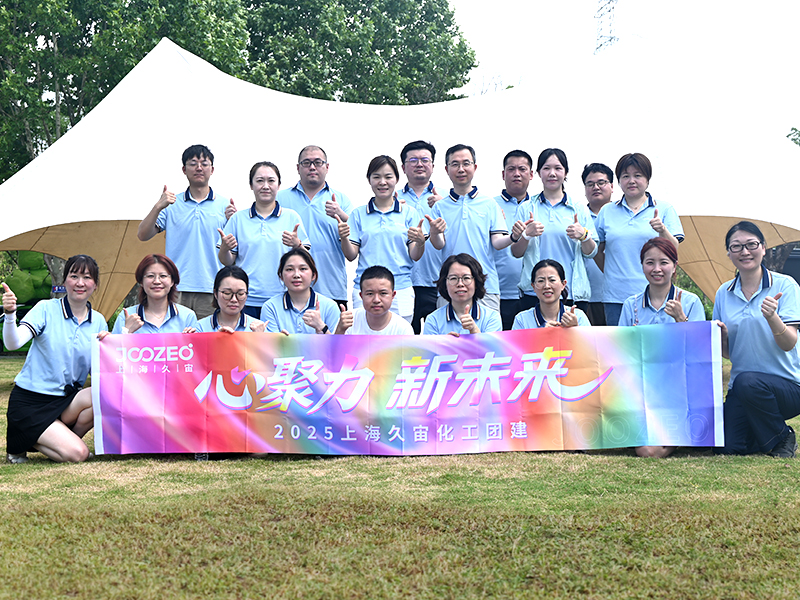
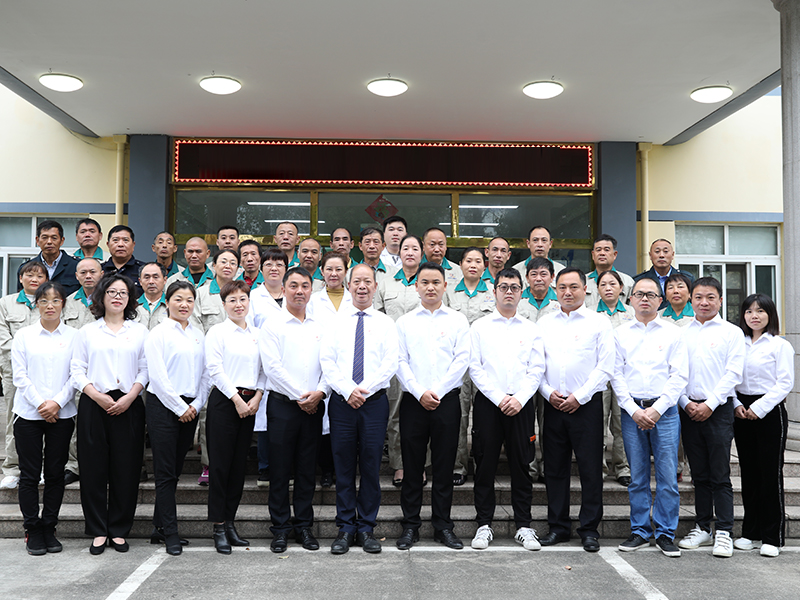
Shanghai Jiuzhou Chemicals Co., Ltd. is located in the key economic and manufacturing hub of Shanghai. Since our inception, we have steadfastly adhered to the principles of "Quality Control 100%" and "Innovation 100%", committing ourselves to the rigorous development, research, and manufacturing of high-quality innovative chemical adsorbents and catalysts. Our extensive catalog includes various molecular sieve powders, synthetic molecular sieves, activated powder, activated alumina, aluminum oxide catalysts, high-performance ceramic balls, alumina structured packing, sodium silicates, aluminum hydroxide, zeolite 4A, sodium carbonates, and SLES.
All our manufacturing processes and products are certified under the ISO 9001:2008 Quality Management System, TUV, and SGS audits, guaranteeing complete reliability for industrial plant operators worldwide.
Operating dedicated, highly automated production lines in Shanghai and Wuxi to ensure uninterrupted global supply.
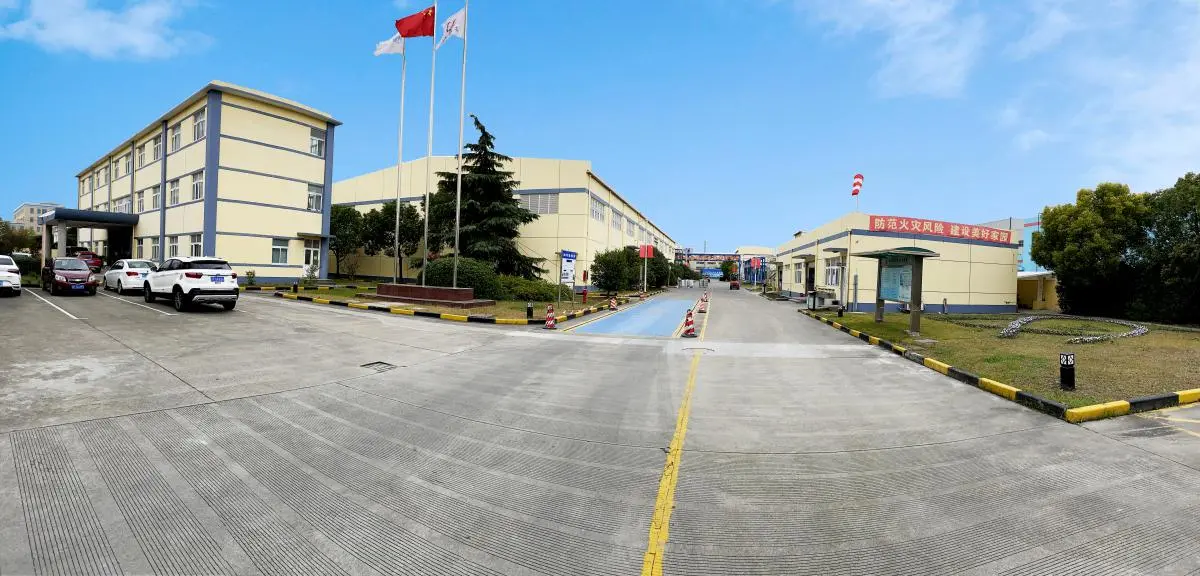
Our main Shanghai headquarters coordinates world-class R&D labs, advanced dynamic pilot testing systems, and large-scale manufacturing lines compliance-audited by international standard committees.
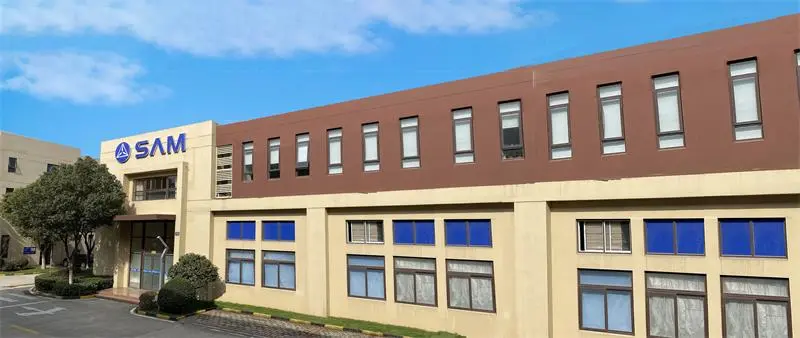
Our Wuxi facility expands our industrial output, housing bulk synthetic processes and specialized heat-treatment kilns configured for precise activation of carbonaceous materials and aluminas.
By blending advanced carbon chemistry with computerized pore-size deposition control, JOOZEO develops Carbon Molecular Sieves that yield unparalleled recovery indexes, ensuring that clients consume less compressed air to generate identical volumes of high-purity nitrogen.
JOOZEO acts as a pioneer in formulating national and industrial benchmarks for adsorption technology.
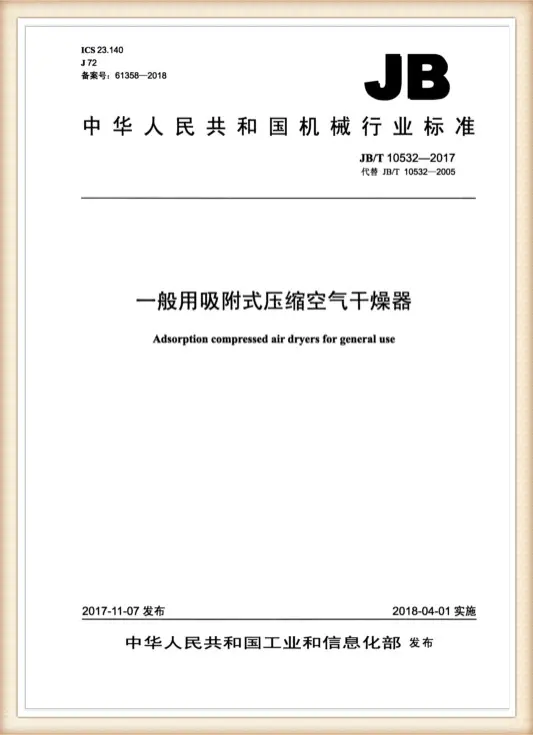
Adsorption compressed air dryers for general use.
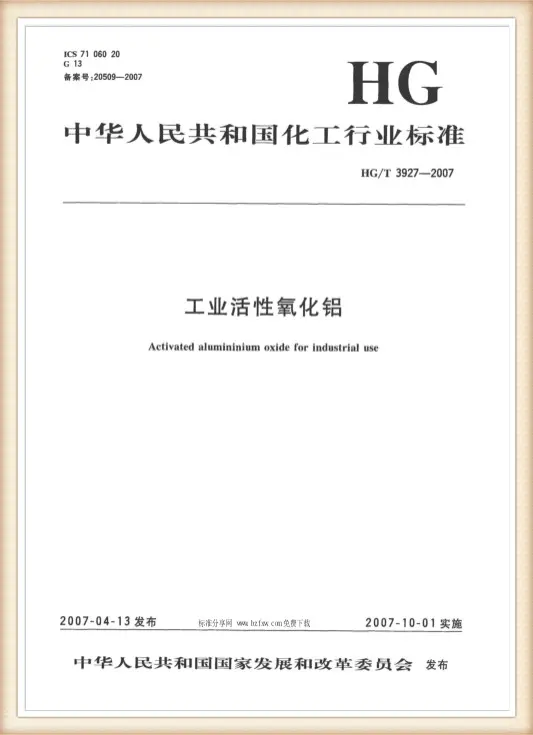
Activated aluminium oxide for industrial use.
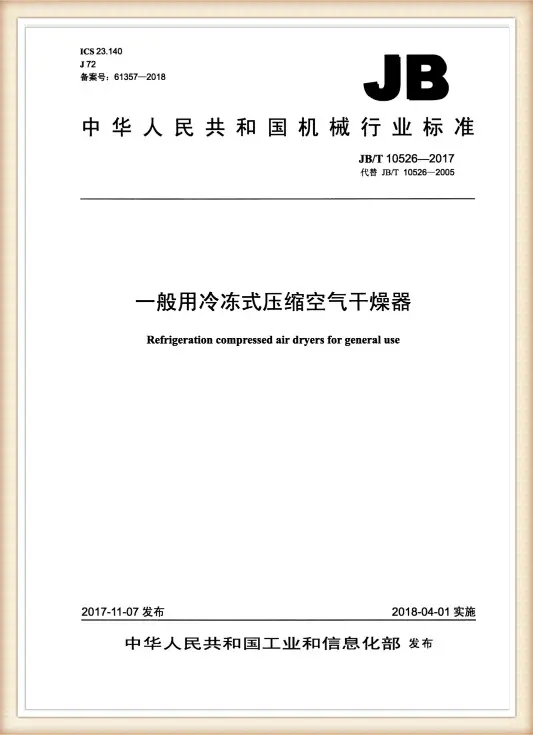
Refrigeration compressed air dryers for general use.
Standardizing industry practices in gas compressors and dryer technologies.
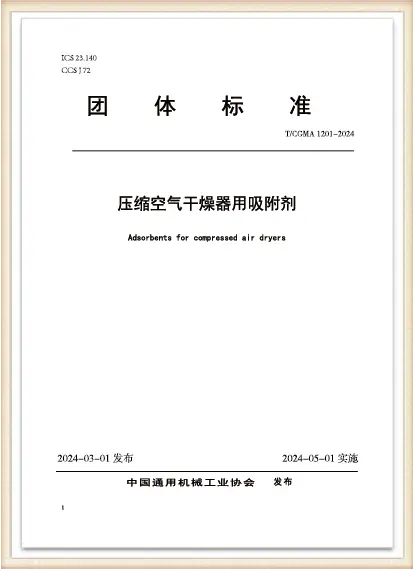
Establishing analytical criteria for chemical adsorption media.
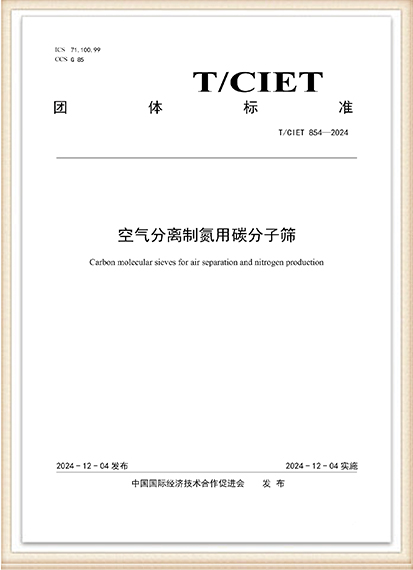
Coordinating environmental safety benchmarks for chemical adsorbents.
How high-purity nitrogen and gas separation technologies are reshaping global production lines.
With the rise of high-density interconnect PCBs and sub-micron packaging, lead-free reflow soldering must happen in inert environments. Our CMS systems supply high-volume, 99.999% purity nitrogen that reduces dross formation and component oxidation, cutting processing costs globally.
From cargo holds carrying flammable hydrocarbons to onshore storage tanks, avoiding explosive atmospheres is vital. Nitrogen generated via PSA systems utilizing JOOZEO CMS prevents flame fronts, blankets chemical reagents, and sweeps catalytic reactors during shutdowns.
Global food logistics depend on packaging containing adjusted levels of carbon dioxide, oxygen, and nitrogen to slow biological decay. CMS units operating inside packaging lines remove moisture and trace oxygen, helping food processors maintain fresh qualities without chemical additives.
A global network delivering engineered reliability, tailored technical service, and strict compliance assurance.
With storage points in key industrial markets like Southeast Asia, North America, and Europe, JOOZEO keeps inventory close. We significantly shorten transit cycles, shielding customers from long supply-chain disruptions.
All materials produced by Shanghai Jiuzhou Chemicals meet international standards including REACH, RoHS, and local chemical inventory mandates. We minimize toxic emission loads throughout our advanced carbonization and chemical vapor deposition processes.
Our process engineering team conducts system audits to assist customers in identifying inefficiencies. Whether troubleshooting dewpoint fluctuations, molecular sieve dusting, or carbon bed contamination, our experts deliver reliable diagnoses.
Our strategic development plan for next-generation Carbon Molecular Sieves (2025–2030).
Perfecting Chemical Vapor Deposition (CVD) processes to customize pore mouth diameters with sub-Ångström precision (e.g., 3.1 to 3.3 Å). This increases kinetic selectivity, delivering 99.999% purity N2 with less feed air pressure.
Replacing traditional coal-based precursors with sustainable, bio-sourced carbon matrices (such as coconut husk derivatives and synthetic biopolymers). This shifts our carbon molecular sieve production toward a carbon-neutral footprint.
Developing advanced chemical binders to increase mechanical crushing strength by over 25%. This prevents bed fluidization, dusting, and channel attrition in fast-cycle PSA systems operating up to 10 bars.
"Better air, Better life" is not just a slogan. We design processes that lower industrial emissions and clean up global air quality.
In-depth responses to questions from process engineers and industrial plant managers.
Explore our secondary catalog of premium synthetic zeolites, catalysts, and engineered active silica matrices.
Whether you require a direct price quote, custom chemical specs, or dynamic bed optimization, our engineers will respond within 24 hours.
Send Request