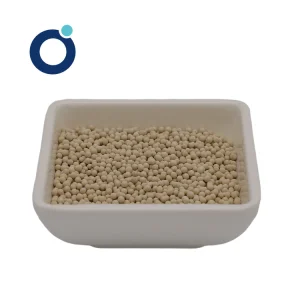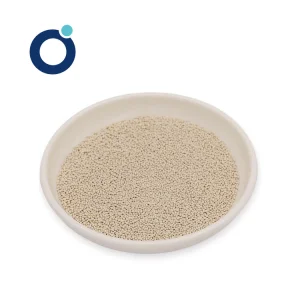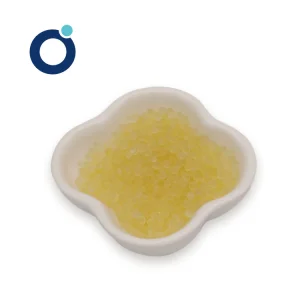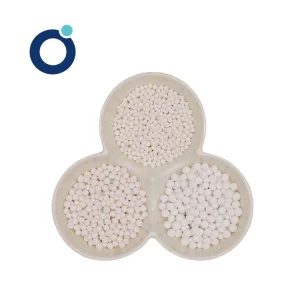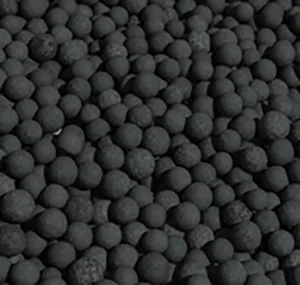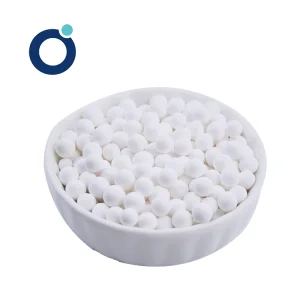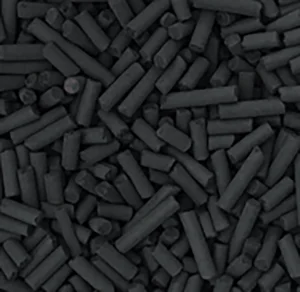
Pioneering solutions for molecular separation and purification. Discover our top-tier industrial desiccants engineered for performance.
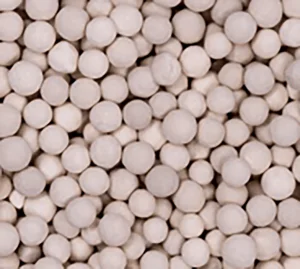
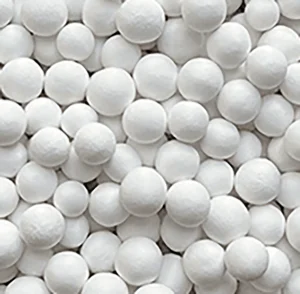
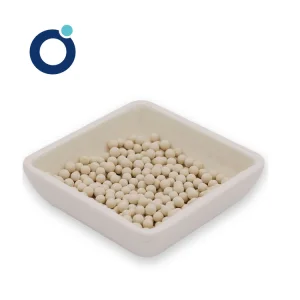
Molecular Sieve 3A, a potassium-substituted aluminosilicate of the Type A crystal structure, represents a vital technological pillar in modern chemical engineering. Defined by its precise pore opening of approximately 3 Angstroms (0.3 nm), it is custom-engineered to adsorb water molecules while strictly excluding larger molecules, such as unsaturated hydrocarbons, alcohols, and refrigerants. This selective adsorption mechanism makes it the global standard for deep dehydration across highly sensitive industrial streams.
From the petro-refining hubs in the Middle East and North America to the rapidly growing biofuel refineries in South America and the Asia-Pacific region, the demand for high-performance Molecular Sieve 3A continues to surge. In the ethylene industry, the exclusion of hydrocarbons from the adsorbent pores is critical to prevent catalytic co-adsorption and green oil formation, ensuring long runtimes and minimal pressure drops. As global industrial processes move toward stricter emission limits and higher energy efficiency, the thermodynamic and kinetic properties of synthetic zeolites have become key factors in process optimization.
How advanced chemical synthesis and materials science are redefining adsorption efficiency and longevity.
Modern production techniques focus on preserving the crystalline structure of zeolites under extreme temperature swing adsorption (TSA) cycles. By modifying the silicon-to-aluminum ratio and optimizing potassium exchange rates, manufacturers achieve superior hydrothermal stability. This significantly reduces structure collapse, minimizes dust formation, and extends the operational lifetime of the bed, ensuring reliable performance over years of continuous operation.
Precise control over the pore structure is essential. The exact 3 Angstrom pore size must be maintained uniformly. Any deviation that allows co-adsorption of molecules like ethylene or ethanol can cause exothermic reactions inside the bed, leading to thermal degradation. Modern manufacturing utilizes automated crystallization controls to guarantee that only water is adsorbed, safeguarding downstream operations and maximizing process yields.
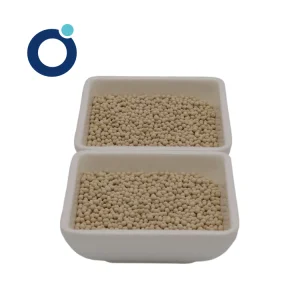
Industrial applications subject molecular sieve beads to intense physical stress and gas velocities. A high mechanical crush strength prevents premature degradation and pressure drop increases. Using advanced binders, modern 3A molecular sieves maintain physical integrity during loading and cycling. This minimizes dust generation, protecting valves, compressor components, and downstream instrumentation from damage.
Tailored adsorption configurations engineered for specific regional challenges and heavy industrial sectors.
In cracker plants, cracked gas containing significant amounts of ethylene and propylene must be dried to less than 1 ppm water content before cryogenic fractionation. Standard desiccants run the risk of co-adsorption, which causes polymer buildup (green oil) inside the pores. This blocks the active sites and reduces the desiccant's capacity. Utilizing a premium Molecular Sieve 3A ensures that hydrocarbons are completely excluded, maintaining maximum water adsorption capacity and optimizing run cycles.
The production of fuel-grade anhydrous ethanol requires drying past the azeotropic point (95.6% purity). Molecular Sieve 3A is the industry standard for vapor-phase adsorption processes. It selectively removes water without co-adsorbing ethanol vapor. The key to economic feasibility lies in the thermal shock resistance of the molecular sieve, which must withstand rapid pressure swings and high temperatures during regeneration cycles without loss of structural integrity.
In architectural glass applications, moisture inside the sealed double-glazing space causes condensation and reduces insulation efficiency. Molecular Sieve 3A beads designed for insulating glass adsorb water vapor deeply and maintain an ultra-low dew point inside the air gap. Crucially, they exclude nitrogen and oxygen, preventing structural deflection of the glass panels due to pressure changes under seasonal temperature variations.
A global standard-setter in adsorption technology, bringing quality control and technological innovation to the forefront since 1994.
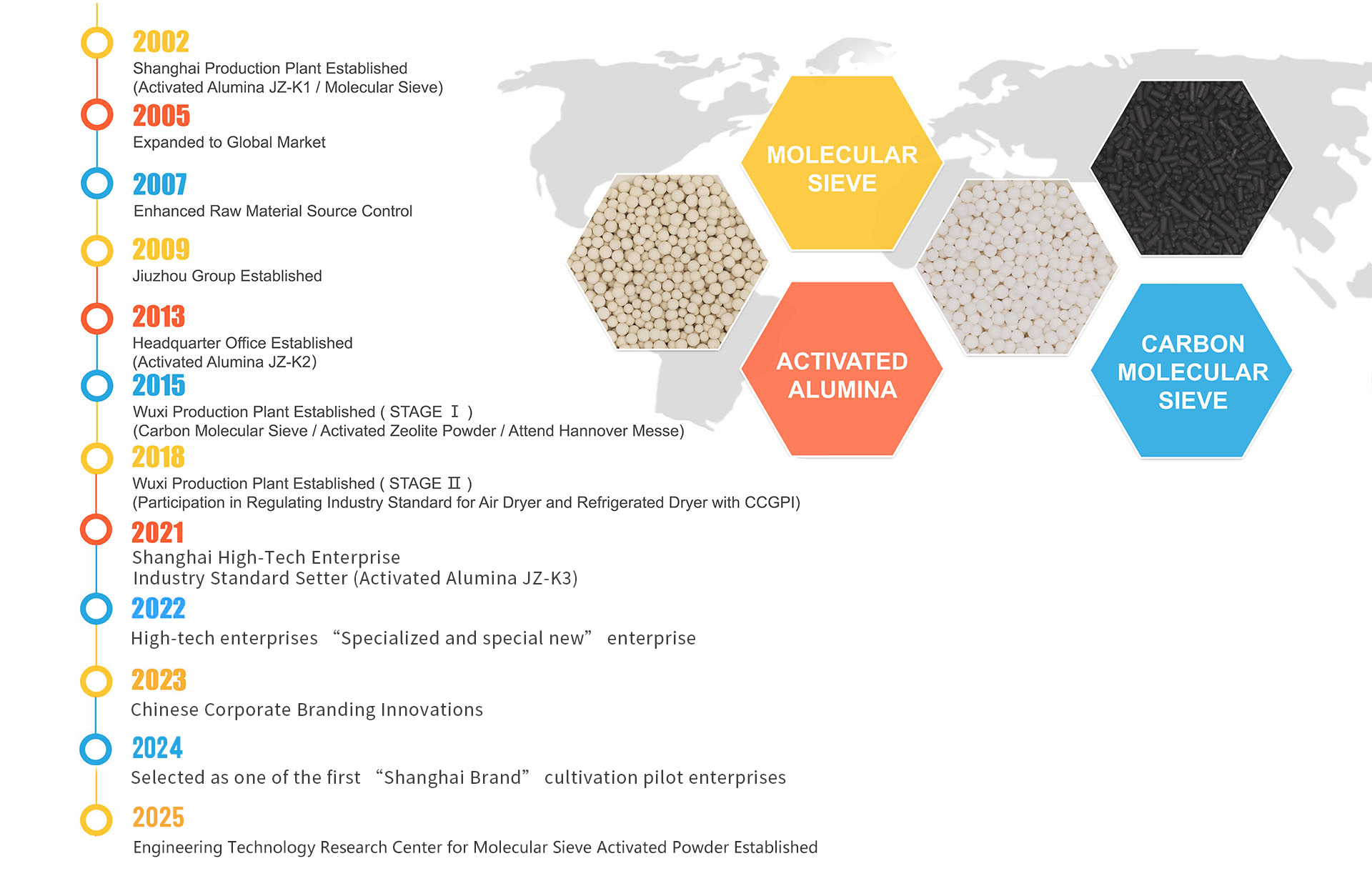
Shanghai Jiuzhou Chemicals Co., Ltd. is strategically located in Shanghai, China's premier economic development and industrial hub. Over decades of operation, Jiuzhou has strictly adhered to its core principles of "Quality Control & Continuous Innovation," committing itself to the development, scientific research, and manufacturing of high-quality chemical agents. Our comprehensive product portfolio includes various molecular sieve powders, molecular sieves, activated powder, activated alumina, aluminum oxide catalysts, various alumina packing materials, ceramic balls, sodium silicates, aluminum hydroxide, zeolite 4A, sodium carbonates, and SLES.
All Jiuzhou products have passed the rigorous ISO9001:2008 quality management system certification, alongside TUV and SGS international verification standards. Operating with advanced automated multi-functional production workshops, Jiuzhou utilizes state-of-the-art international production technologies and analytical equipment. Our central and dynamic laboratories support real-time monitoring and analysis, ensuring that each batch of materials shipped conforms strictly to global quality benchmarks.
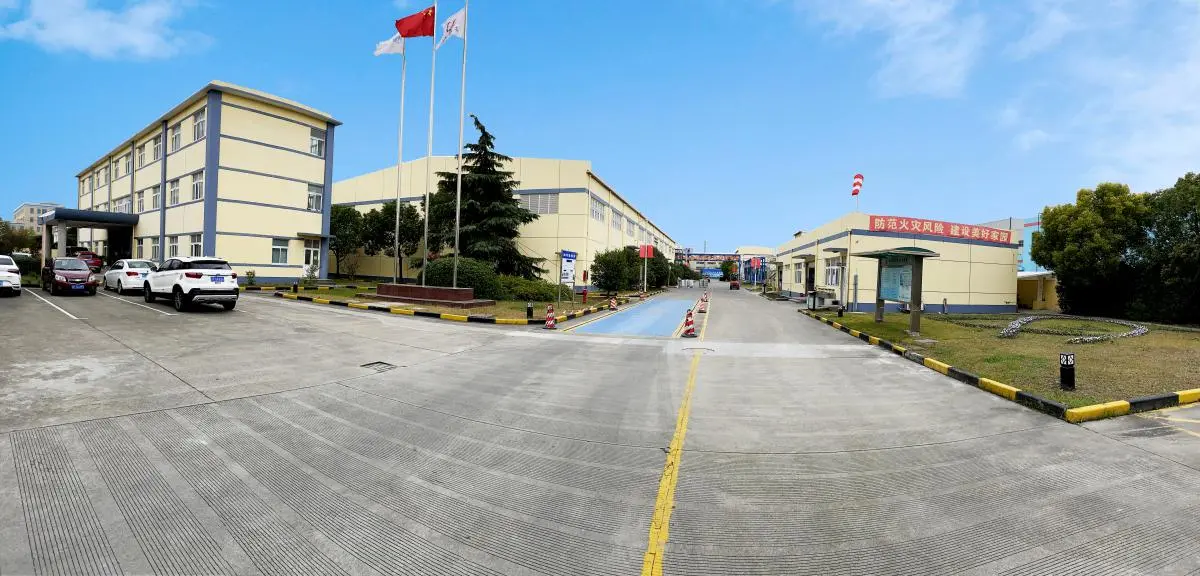
Our centralized management and research center, driving synthetic process development and domestic client operations.

Large-scale dynamic industrial base supporting mass production, warehousing, and worldwide logistic operations.

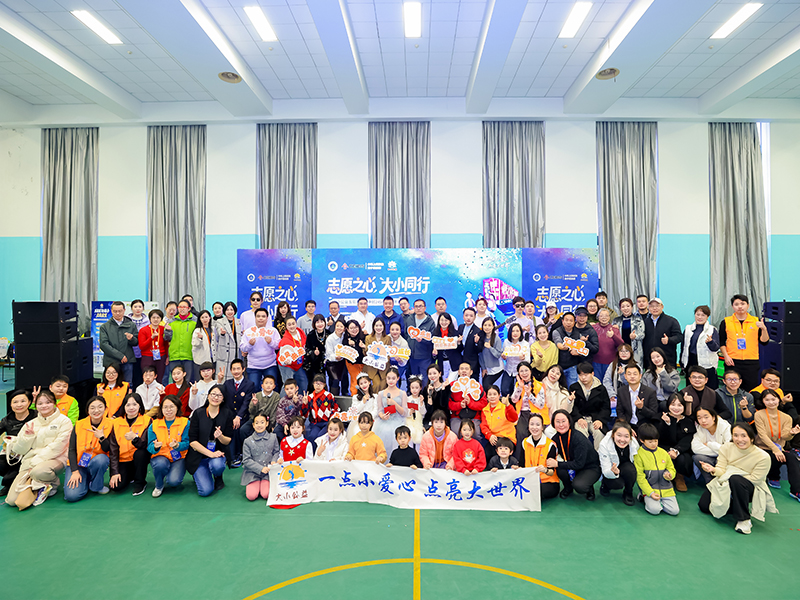
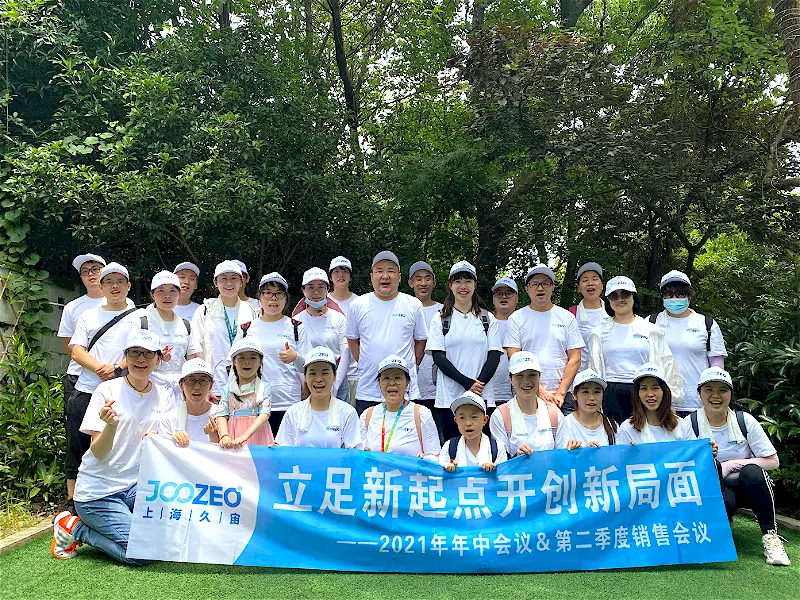
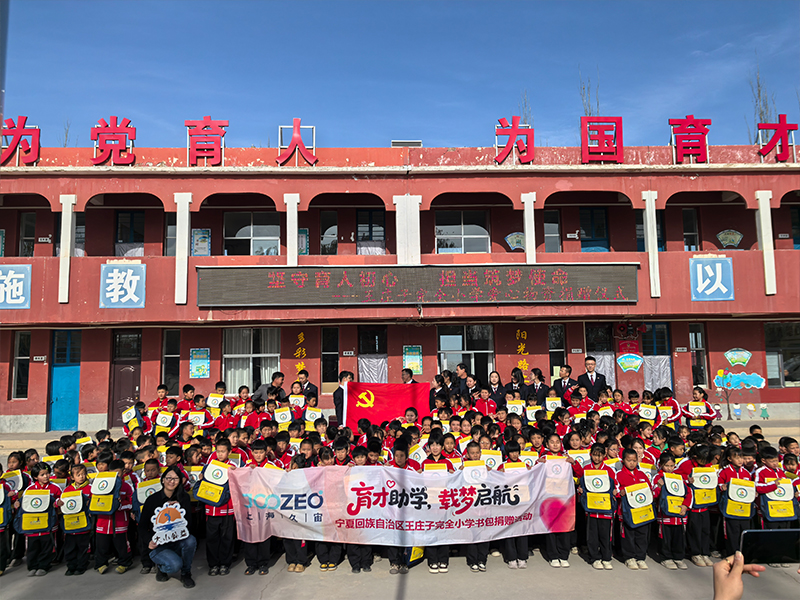
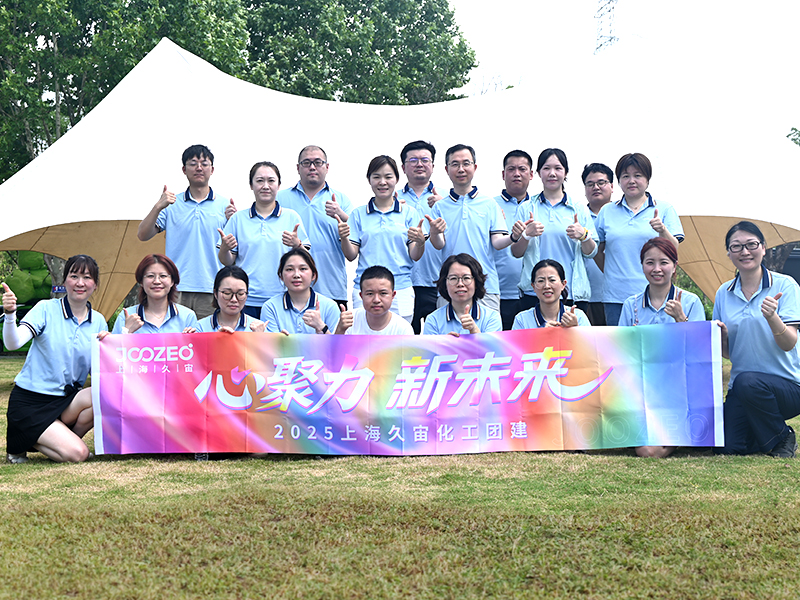
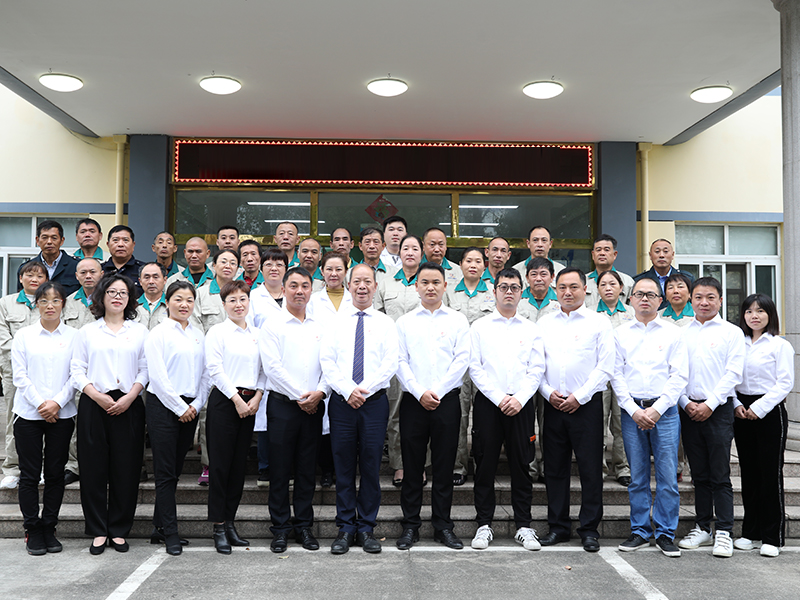

Jiuzhou Chemicals participates actively in formulating national and industrial chemical quality standards.
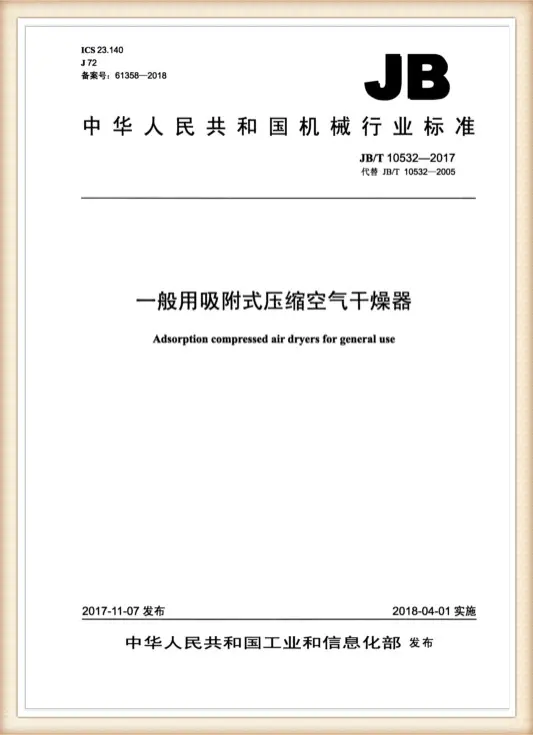
JB / T 10532-2017
Adsorption compressed air dryers for general use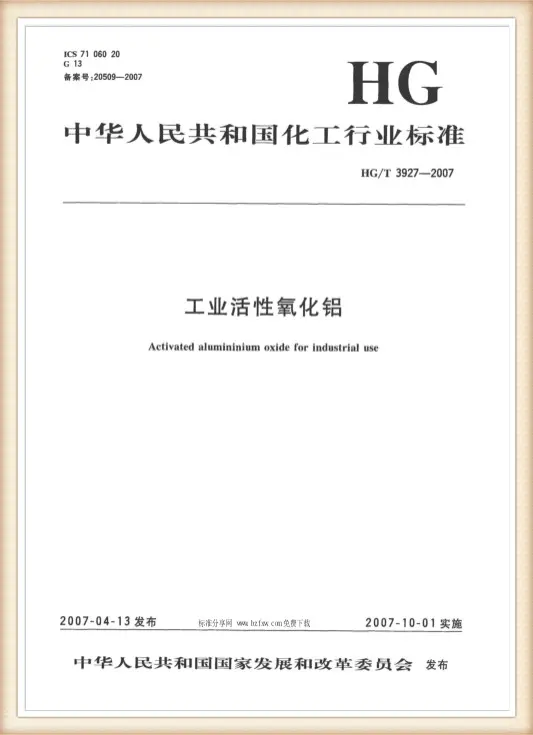
HG / T 3927-2007
Activated aluminium oxide for industrial use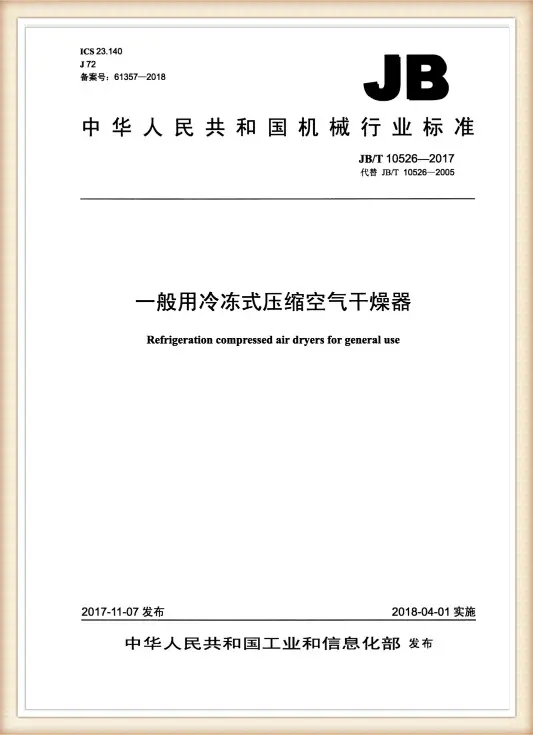
JB / T 10526-2017
Refrigeration compressed air dryers for general use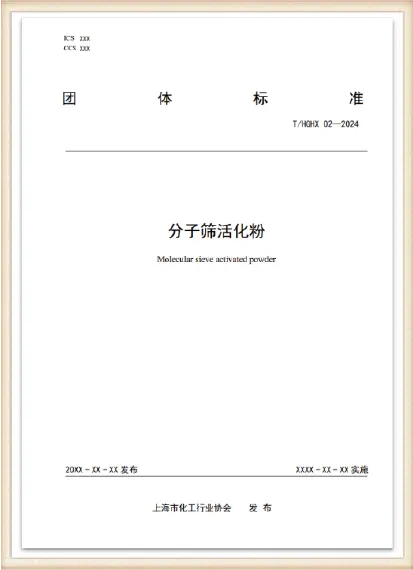
T/CGMA 1201-2024
Association Quality Guideline Standard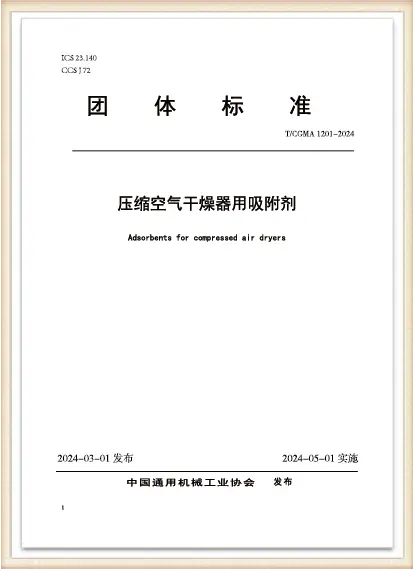
T/HGHX 02-2024
Industry Chemical Standard Framework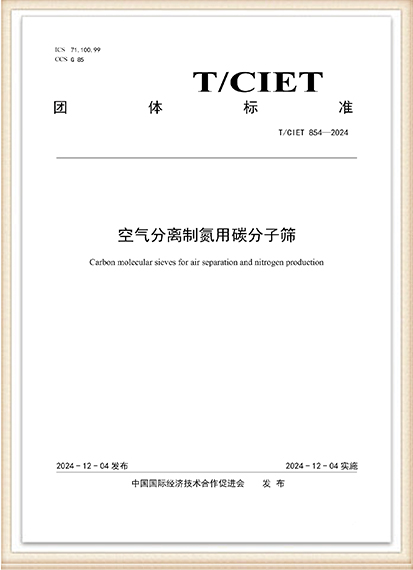
T/CIET 854-2024
Green Product Certification StandardCrucial technical answers regarding chemical properties, performance, and best practices for molecular sieve operation.
Deepen your processes with specialized industrial adsorbents formulated for harsh operational environments.