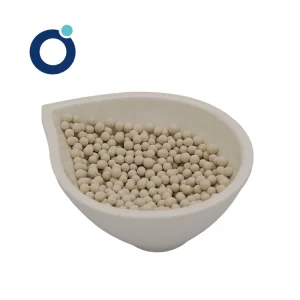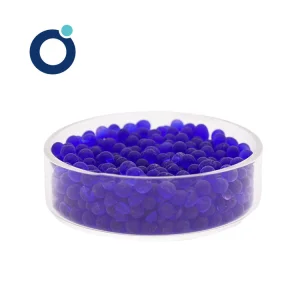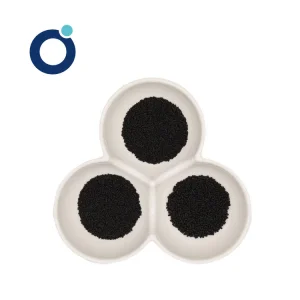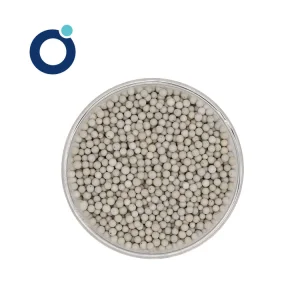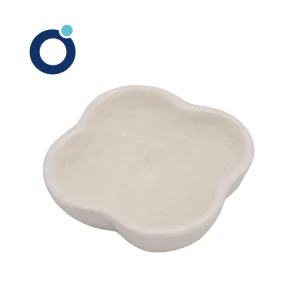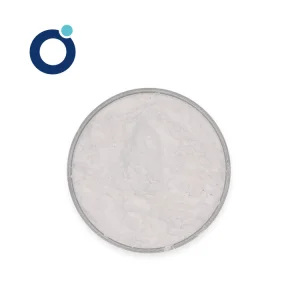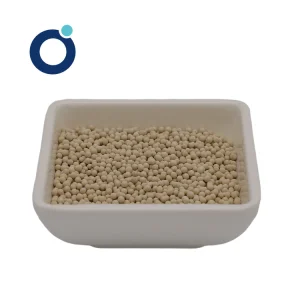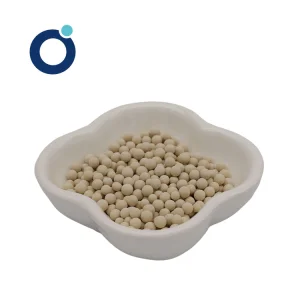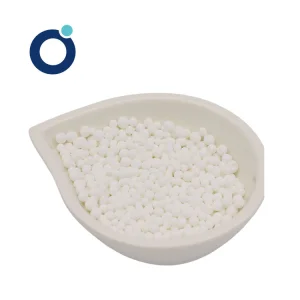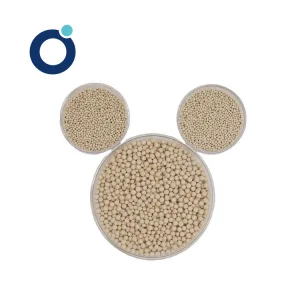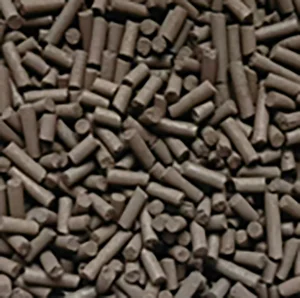
Explore our premium product line, engineered to meet international standards for gas purification, dehydration, and chemical treatment.
Located in the largest economic development hub, Shanghai, Shanghai Jiuzhou Chemicals Co., Ltd. (Joozeo) has persistently adhered to the core philosophies of "Quality Control 100%" and "Innovation 100%". Over three decades of hard work, we have evolved into a global scientific leader in the development, research, and fabrication of top-tier adsorption agents.
Our comprehensive portfolio includes advanced molecular sieve powders, molecular sieves, activated powder, activated alumina, aluminum oxide catalysts, various alumina packing materials, ceramic balls, sodium silicates, aluminum hydroxide, zeolite 4A, sodium carbonates, and SLES. All of our production processes are certified under the ISO 9001:2008 Quality Management System, alongside rigorous verifications from TUV and SGS.
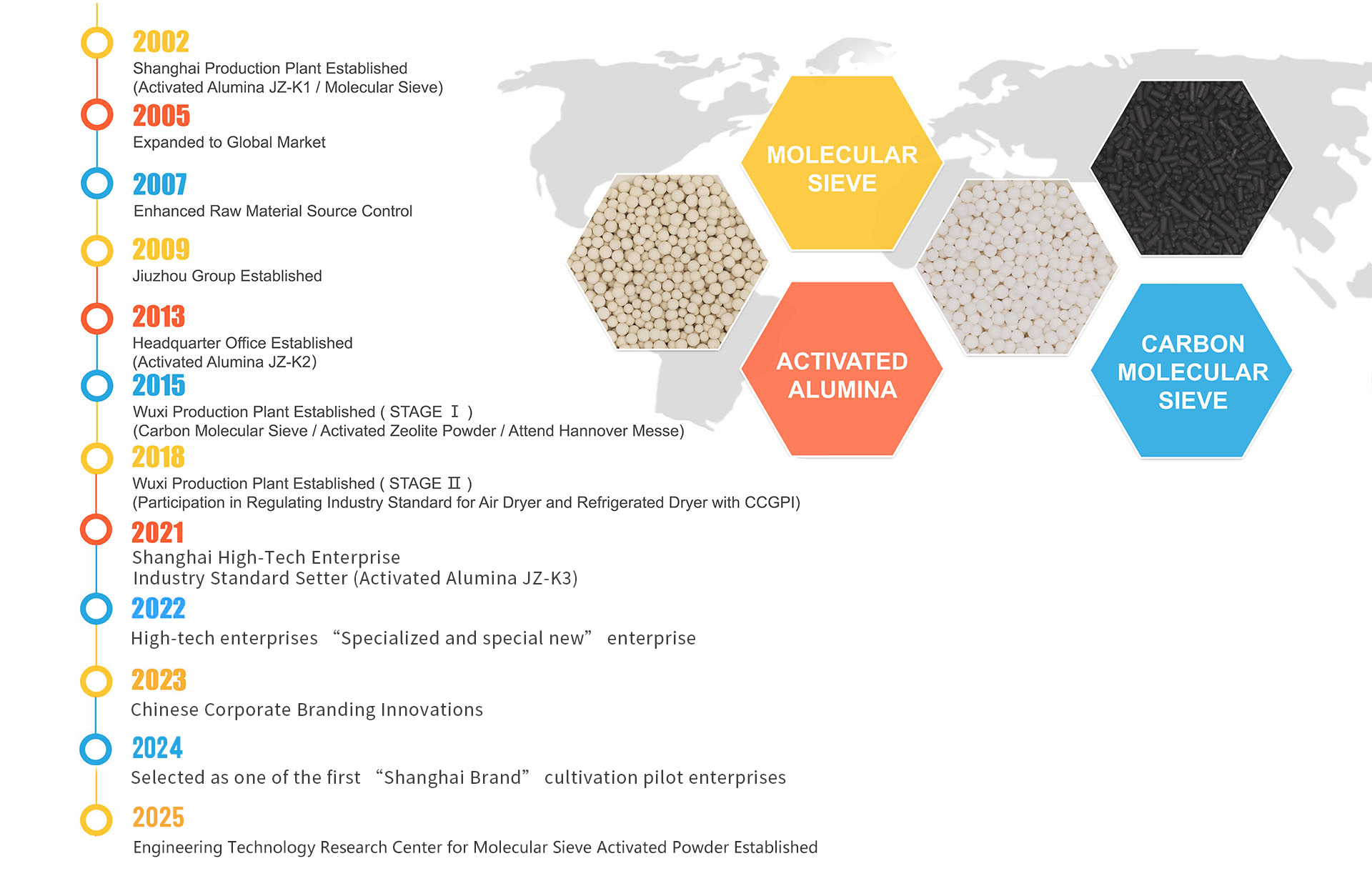
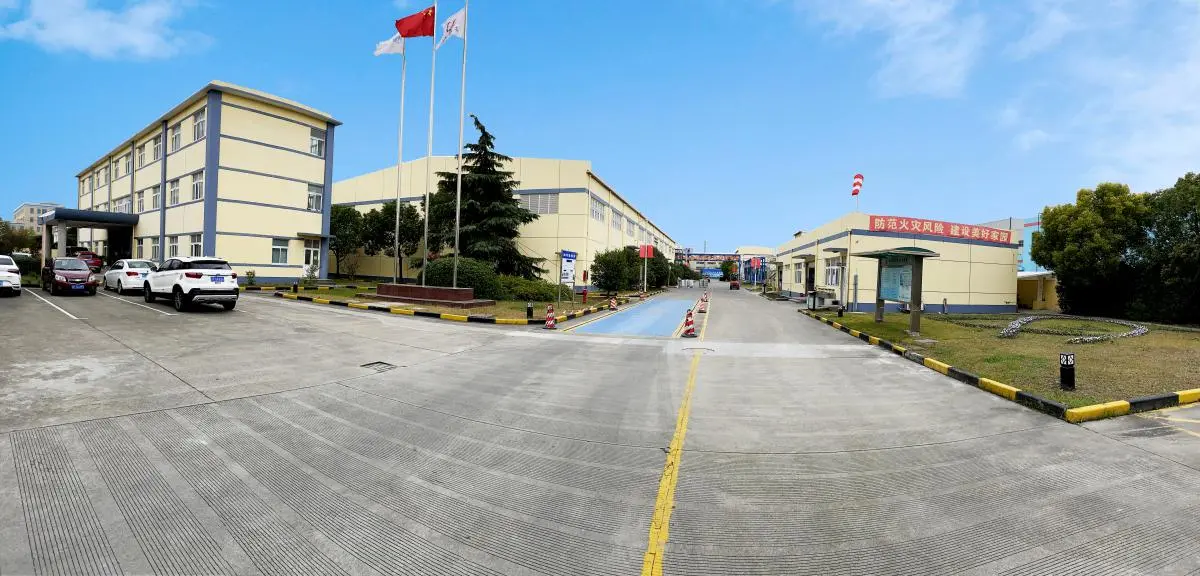
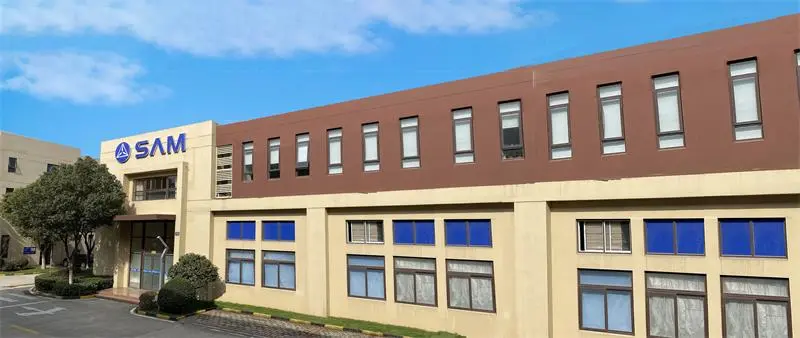
Ensuring uninterrupted global supply chains through state-of-the-art facilities in Shanghai and Wuxi.
Serving as our major customization center, our Shanghai plant hosts senior research experts and runs dynamic laboratories that simulate live air separation streams.
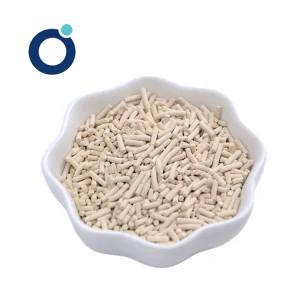
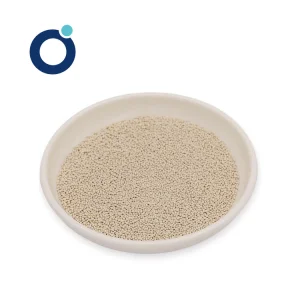
Optimized for high-volume automated production, Wuxi processes raw synthetic aluminosilicate zeolites into final beads, extrudates, and powders with ultra-low dust margins.
Every batch we process goes through a series of testing protocols, guaranteeing zero defects and maximum life span under hard thermal conditions.
How modern industrial separation and environmental demands are reshaping the requirements for synthetic crystalline zeolites.
Molecular Sieve 4A is an alkali metal aluminosilicate containing a crystalline structure with an effective pore opening of approximately 4 Angstroms (0.4 nm). Chemically formulated as Na₂O·Al₂O₃·2SiO₂·xH₂O, it acts as a selective adsorbent designed to trap molecules with critical diameters smaller than its pore boundaries, such as water, methanol, ethanol, sulfureted hydrogen, sulfur dioxide, carbon dioxide, ethylene, and propylene.
In recent years, the raw material processing of synthetic zeolites has experienced a fundamental shift. Previously, batch manufacturing led to deviations in crystalline purity and pore size uniformity. Today's global chemical projects demand precision-engineered zeolites that limit the adsorption of larger molecules (like ethane, propane, or heavier hydrocarbons) while maximizing moisture retention.
As global energy markets shift toward natural gas, hydrogen, and carbon capture solutions, the performance parameters of adsorbents are closely scrutinized. High-quality 4A molecular sieves play an indispensable role in cryogenic air separation units (ASUs) and clean energy generation. Unwanted bypass or physical breakdown of zeolite beads can contaminate catalyst beds downstream, costing operators millions in maintenance fees.
Modern plant managers demand thermal swing adsorption (TSA) setups that require lower energy input to strip water molecules, extending operational runtimes.
Mechanical attrition is a common operational bottleneck. The latest binder innovations ensure high crush strength and virtually zero dust generation.
By transforming inert clay binders into active zeolite structures, modern 4A factories achieve 20-30% higher active capacity compared to conventional media.
A comprehensive checklist of physical and chemical parameters for industrial buyers sourcing high-grade molecular sieves.
| Technical Parameter | Standard Specifications (4A) | Industrial Significance | Joozeo Quality Standard |
|---|---|---|---|
| Pore Size Definition | ~ 4.0 Angstroms | Determines sizing separation cutoff margins. | Strictly < 4.0 Å |
| Bulk Density | ≥ 0.72 g/ml | Dictates bed fill mass and structural stability. | 0.72 - 0.78 g/ml |
| Static Water Adsorption | ≥ 21.0 % (at 25°C, RH 60%) | Measures total capacity for vapor trapping. | ≥ 22.5 % |
| Crush Strength (Beads) | ≥ 35 N (for Φ 1.6-2.5mm spheres) | Prevents mechanical breakage under deep gas pressure. | ≥ 45 N |
| Attrition Rate | ≤ 0.1 % (by mass) | Minimizes dusting issues inside the dryer. | ≤ 0.05 % |
When evaluating suppliers, corporate procurement teams must look past unit costs and calculate total cost of ownership (TCO). A cheap adsorbent that breaks down early can lead to expensive production halts, premature replacement costs, and lost productivity.
How our Molecular Sieve 4A delivers performance across core processing industries globally.
Operating according to standards like JB/T 10532-2017, our 4A molecular sieves provide steady pressure dew points of -40°C to -70°C. They protect sophisticated pneumatic machinery, downstream tools, and instrument components from moisture condensation and freezing.
Specifically designed for gas streams where co-adsorption of hydrocarbons must be strictly avoided. The uniform 4A pore structure isolates moisture without trapping valuable olefins or heavy molecules, optimizing stream quality and product yields.
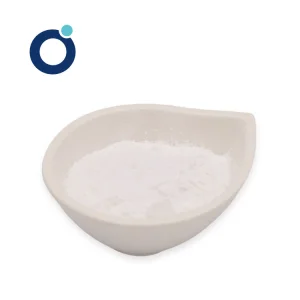
Using our ultra-fine activated molecular sieve powders, polymer formulation teams can eliminate trace moisture from polyurethane coatings, sealants, and adhesive systems, preventing bubbling and structural failure.
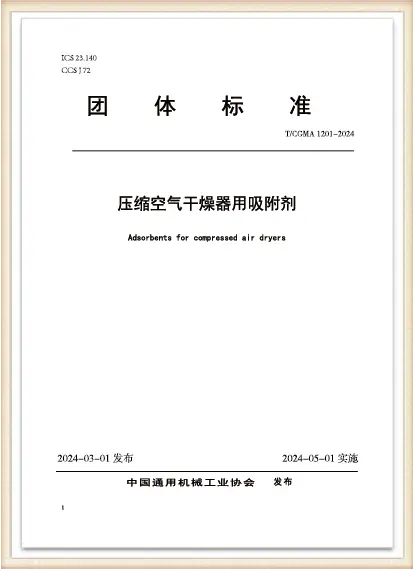
Shanghai Jiuzhou Chemical Co., Ltd. is proud to be a primary contributor to several national and industrial manufacturing standards.
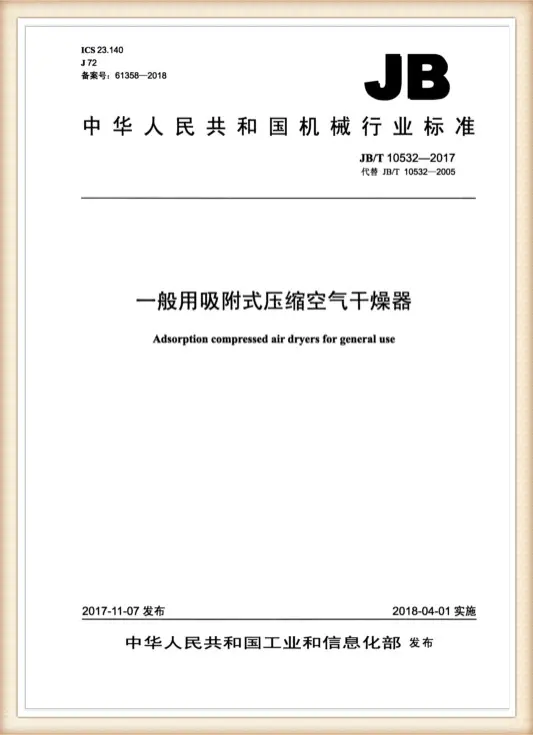
Adsorption compressed air dryers for general use
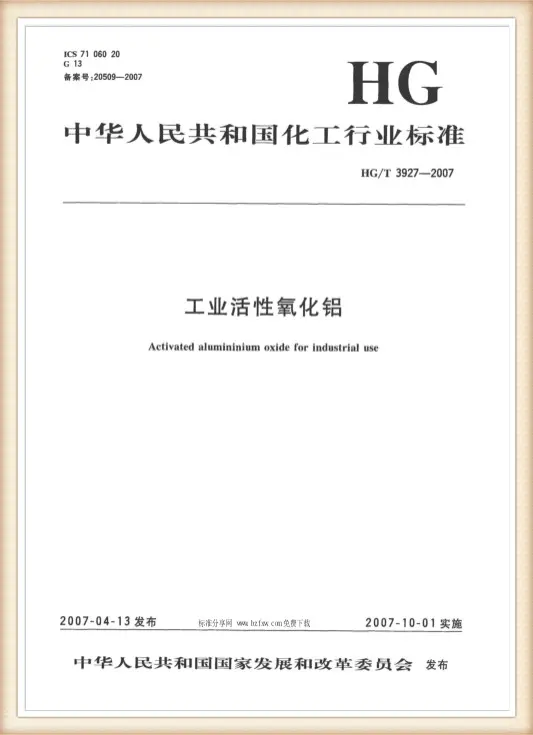
Activated aluminum oxide for industrial use
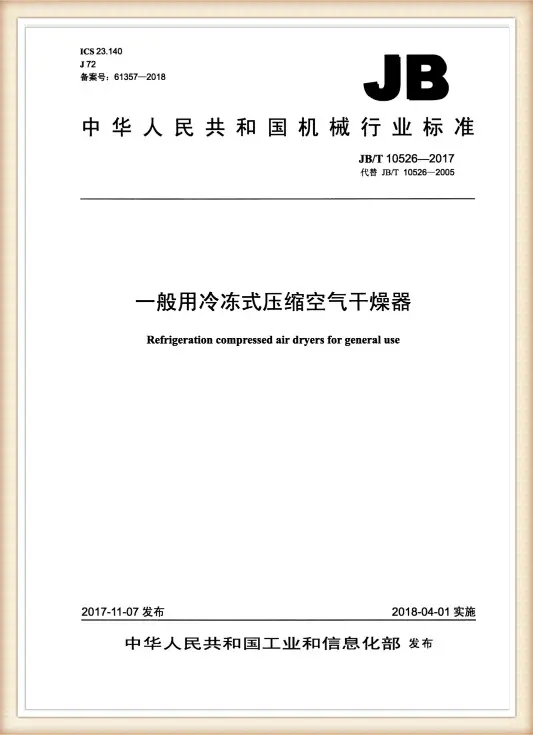
Refrigeration compressed air dryers for general use
Compressed air system quality verification guidelines
Zeolite adsorbents environmental footprint indicators
Carbon footprint calculation for inorganic chemical desiccants
How Shanghai Jiuzhou blends heavy chemical engineering with environmental consciousness and social responsibility.
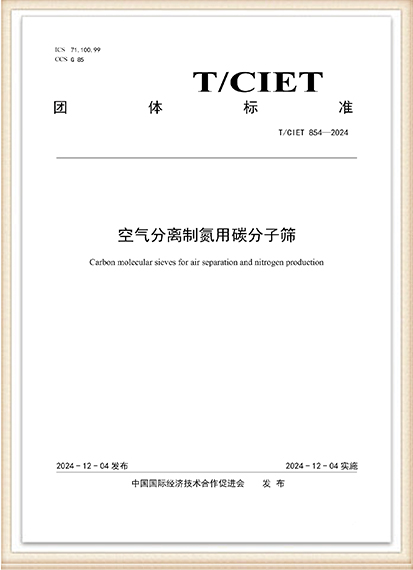
At Jiuzhou, our corporate mission statement is simple yet impactful: "Better air, Better life." We develop adsorption products designed to make manufacturing processes more energy-efficient and eco-friendly. By using optimized manufacturing techniques, we reduce the carbon intensity of the calcination and thermal activation stages, aligning our methods with international standards like T/CIET 854-2024.
Our plants are equipped with closed-loop water treatment systems and emissions filtering units to protect local air quality. We believe industrial expansion must go hand-in-hand with environmental responsibility.

Pioneering the future of selective separation with next-generation synthetic zeolite structures.
Reducing the mass transfer zone (MTZ) length within molecular sieve beds. This optimization allows dryer systems to run smaller bed geometries while maintaining high purification efficiency.
Merging carbon molecular sieves, alumina compounds, and type A/X zeolites into layered structures to allow single-vessel removal of moisture, carbon dioxide, and sulfur trace elements.
Providing virtual dry-run simulations using automated analysis instruments in our central labs, helping industrial plants design optimal desiccant loading structures.
Technical answers to common questions about molecular sieves, selection, and logistics.
Browse our selection of specialized oxygen concentrators, silica gels, and molecular sieve formulations.
Need custom desiccant configurations or have technical questions? Our engineering team responds within 24 hours.
Send Request