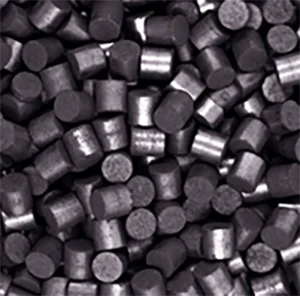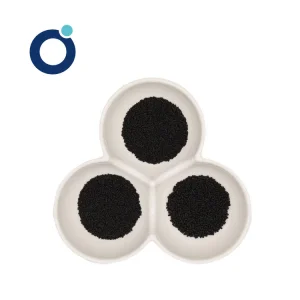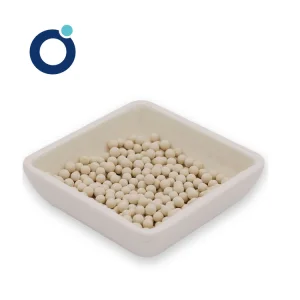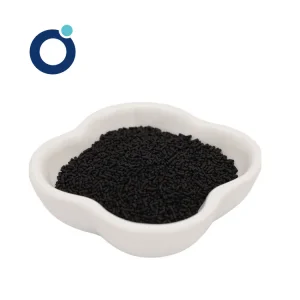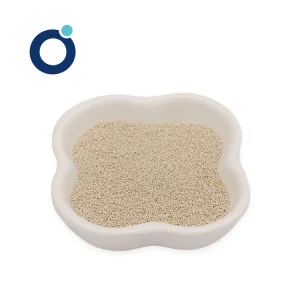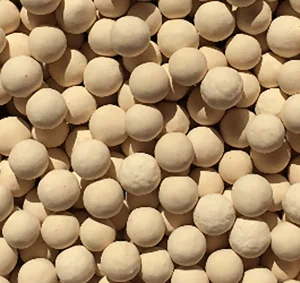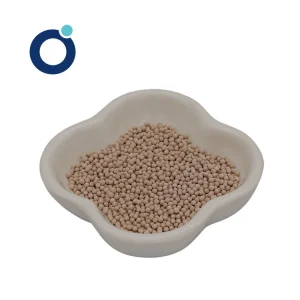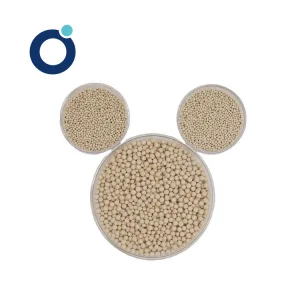
Explore our industrial-grade, certified zeolites engineered for highly selective moisture and molecule co-adsorption.
A trusted leader in professional-grade desiccants, catalysts, and synthetic zeolites.
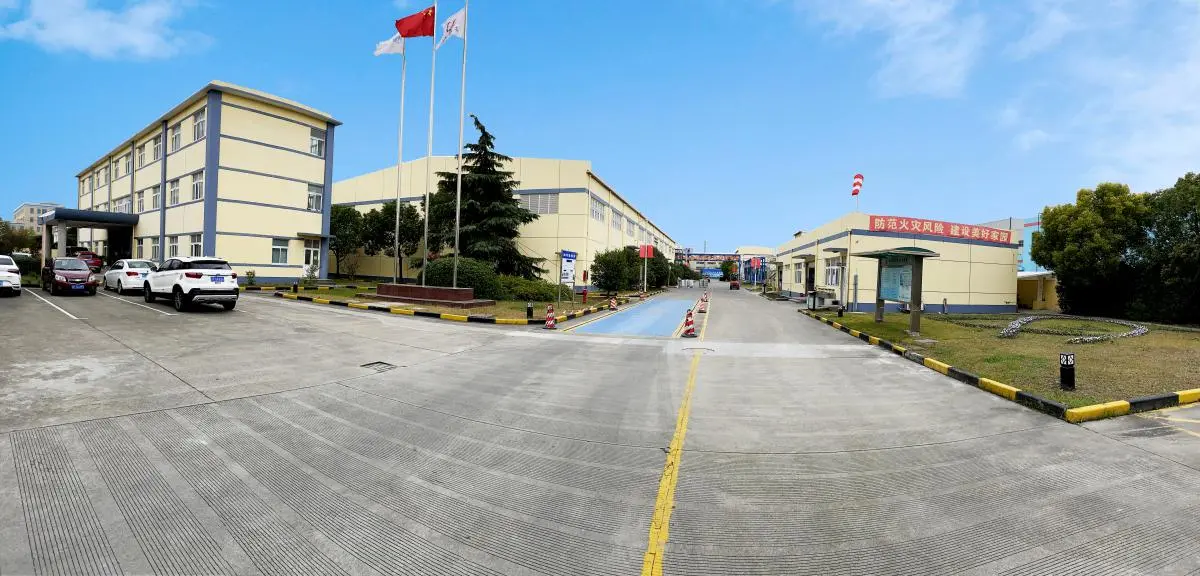
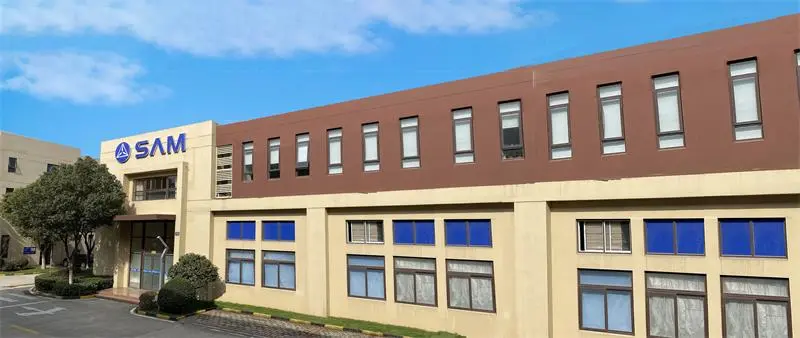
Shanghai Jiuzhou Chemicals Co., Ltd. is strategically situated in Shanghai, China's premier economic hub. Over the past three decades, Jiuzhou has consistently prioritized quality control and continuous scientific innovation. We are committed to the research, development, and high-standard manufacturing of innovative chemical adsorbents.
Our expansive product portfolio encompasses premium molecular sieve powders, synthetic molecular sieves, activated powders, activated alumina, aluminum oxide catalysts, various alumina packing materials, ceramic balls, sodium silicates, aluminum hydroxide, zeolite 4A, sodium carbonates, and SLES. Demonstrating our operational excellence, all our manufacturing and management systems are fully certified under ISO 9001:2008, alongside globally recognized validations from TUV and SGS.
By leveraging advanced international production configurations, multi-functional automated workshops, and an analytical central laboratory, Jiuzhou ensures that every batch meets rigorous global industrial standards. This commitment has positioned us as the preferred partner for energy, petrochemical, and manufacturing enterprises in the United States, Southeast Asia, Japan, Europe, and the Middle East.
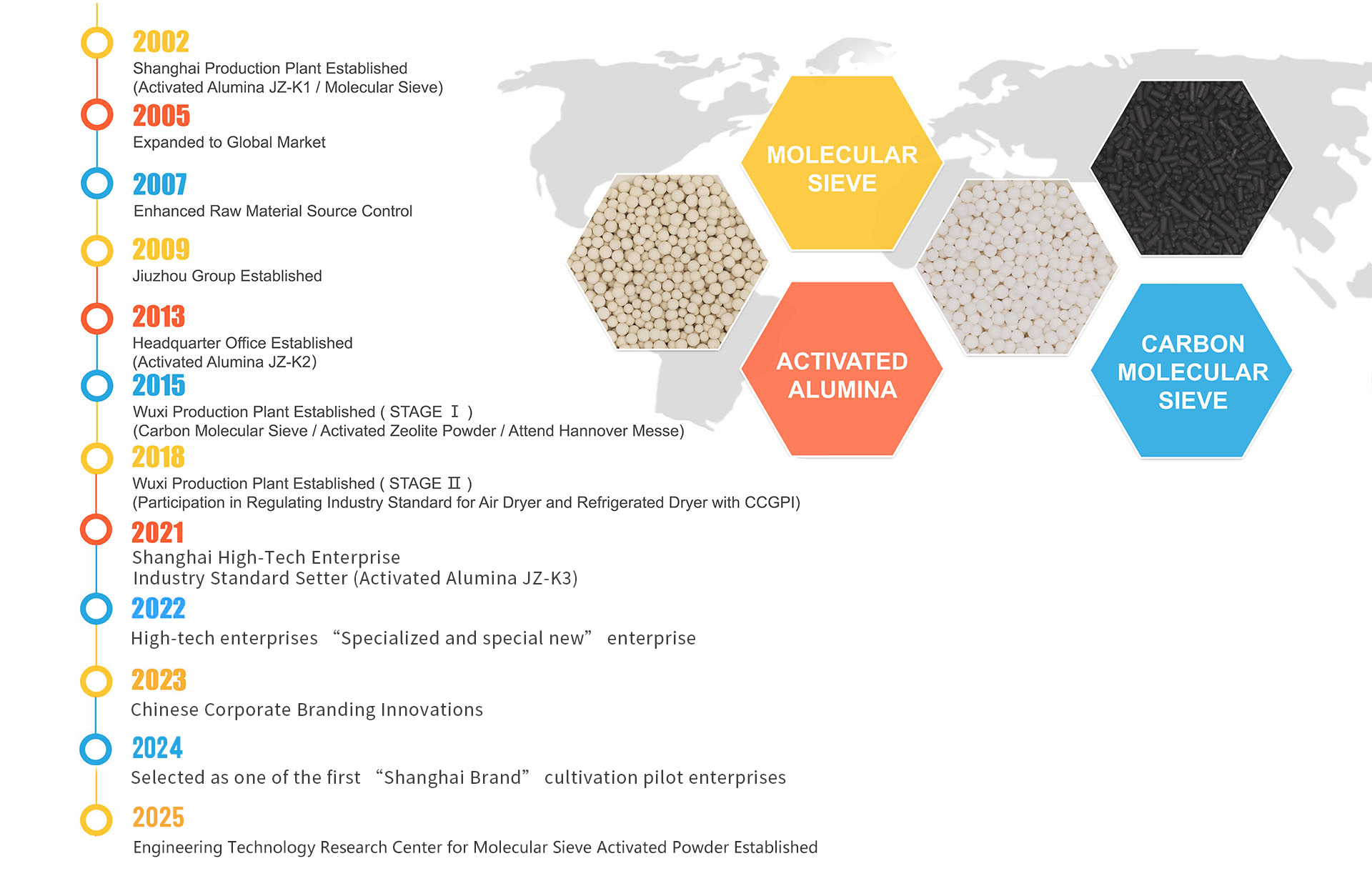
Our rigorous quality management protocol begins at the raw material selection phase and extends to final packaging. Every production run undergoes structural mineral analysis, pore size validation, and mechanical crash testing to prevent in-tower attrition or dusting.
Collaborating with leading research universities, our dedicated R&D team continuously refines synthesis pathways. We optimize hydrothermal crystallizing parameters to produce molecular sieves with enhanced gas selectivity and lower regeneration temperatures.
Jiuzhou is actively defining national standards for industrial dryers and adsorption media.
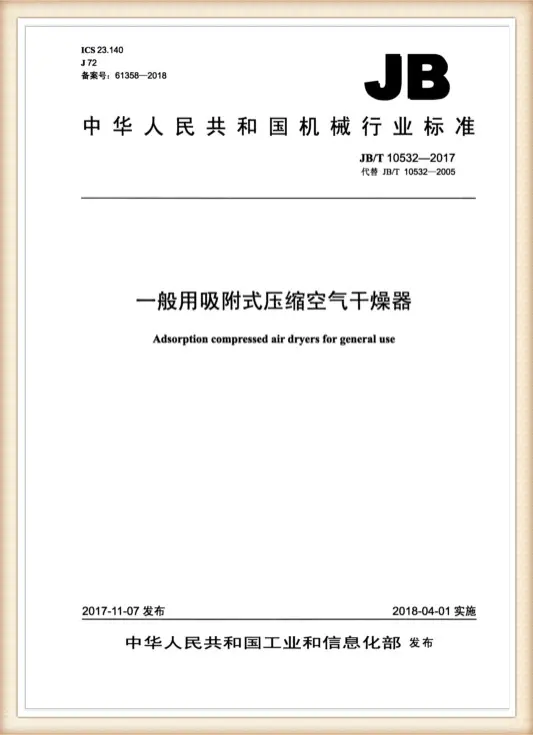
Adsorption compressed air dryers for general use - Standardizing quality, structural design, and energy efficiency parameters.
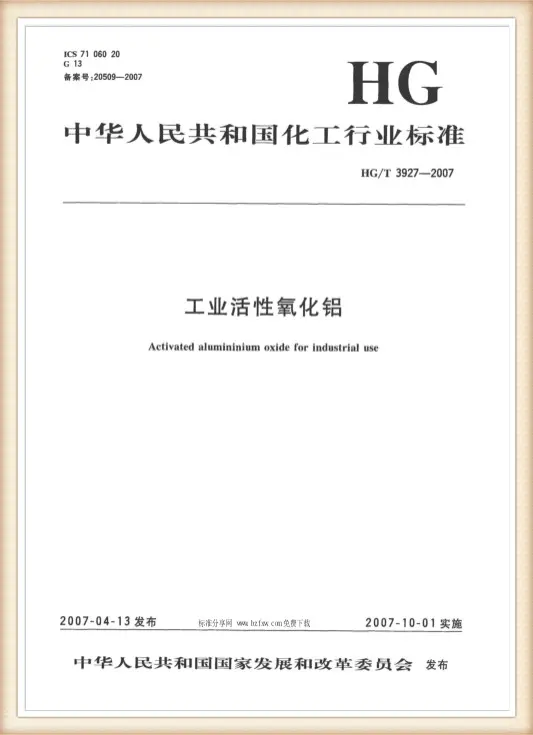
Activated aluminum oxide for industrial use - Specifying mechanical crush, active surface area, and pore volume indicators.
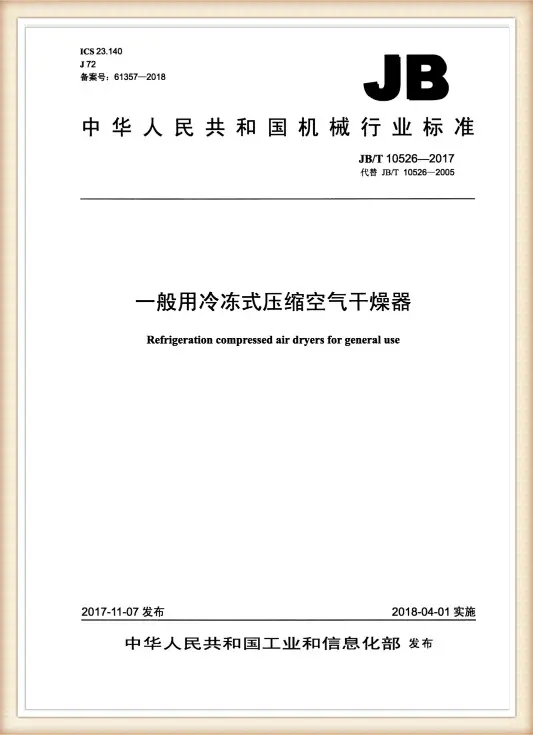
Refrigeration compressed air dryers for general industrial processes - Guiding thermal load and refrigerant selection.
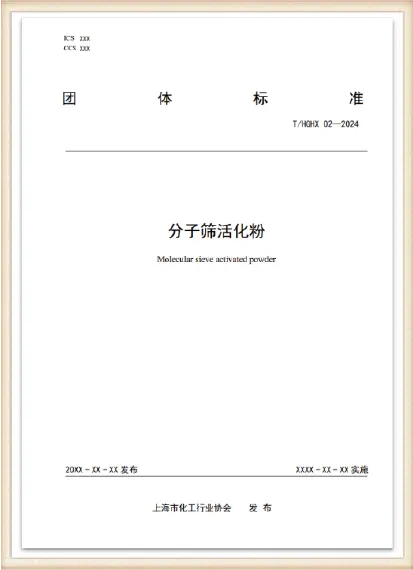
Machinery Group Standard - Dictating dynamic performance metrics for modern dry air machinery.
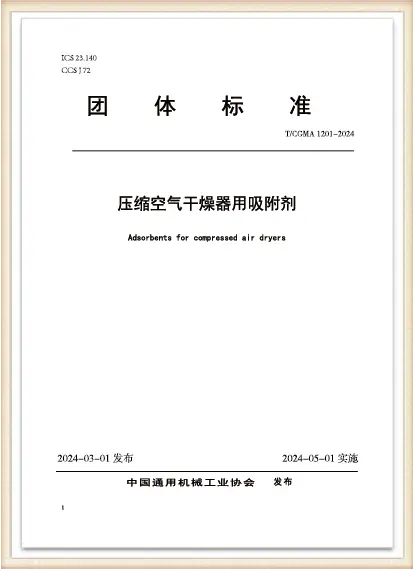
Chemical Industry Standard - Establishing composition testing rules for synthetic zeolites.
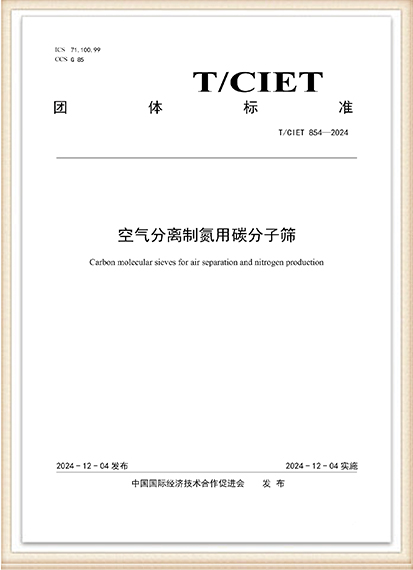
Technology Promotion Standard - Advocating carbon reduction technologies using advanced desiccants.
Industrial adsorption processes rely on highly selective materials. Zeolite molecular sieves represent the pinnacle of gas and liquid purification systems, acting as crystalline aluminosilicates with uniform pore structures. As global industries transition toward energy-efficient, low-carbon footprints, the demand for highly optimized adsorbents has expanded. This whitepaper analyzes the core commercial drivers, structural properties, and application maps shaping the global market.
The global molecular sieves market size has experienced significant expansion. This growth is driven by rising demand in natural gas processing, petroleum refining, green hydrogen production, and carbon capture infrastructure. Regulatory pressures to reduce VOC emissions and improve moisture control in industrial environments have made high-performance adsorbents essential.
From a procurement perspective, global buyers are shifting their focus. Rather than viewing molecular sieves as commodity items, procurement teams look at long-term operating costs. Key selection criteria include:
As a leading manufacturer, Shanghai Jiuzhou Chemicals delivers engineered solutions tailored to specific operating conditions:
The science of adsorption relies on synthetic zeolites with defined pore diameters. These materials are formed by sharing oxygen atoms in tetrahedral frameworks of silicon and aluminum, creating uniform micropores.
Our research focuses on three main areas:
Operating a global supply chain requires strict compliance with international standards. At Jiuzhou, our products conform to REACH, RoHS, and regional environmental standards. Our distribution networks in the Americas, Europe, and Asia-Pacific allow us to provide timely local support. We assist engineering partners with bed sizing calculations, loading supervision, and spent desiccant analysis, helping plants maintain optimal processing conditions.
"Better air, Better life" — Implementing environmentally friendly manufacturing processes.

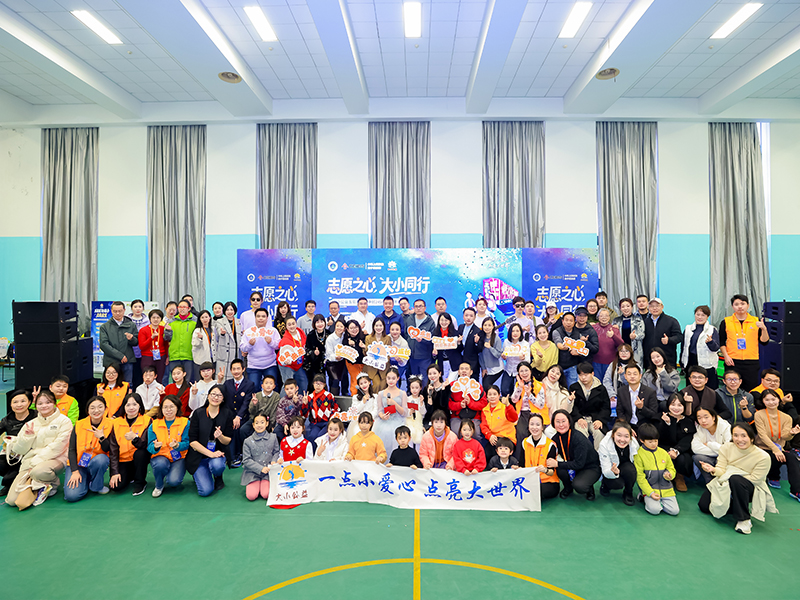
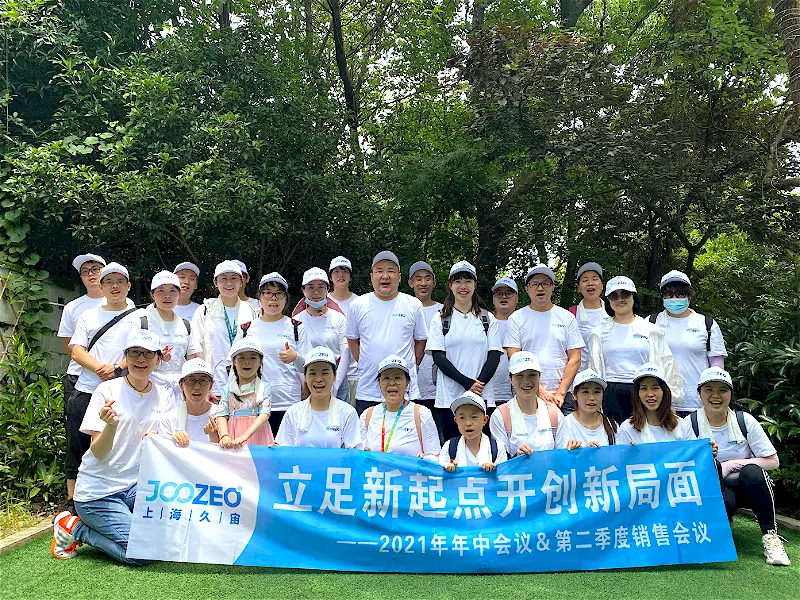
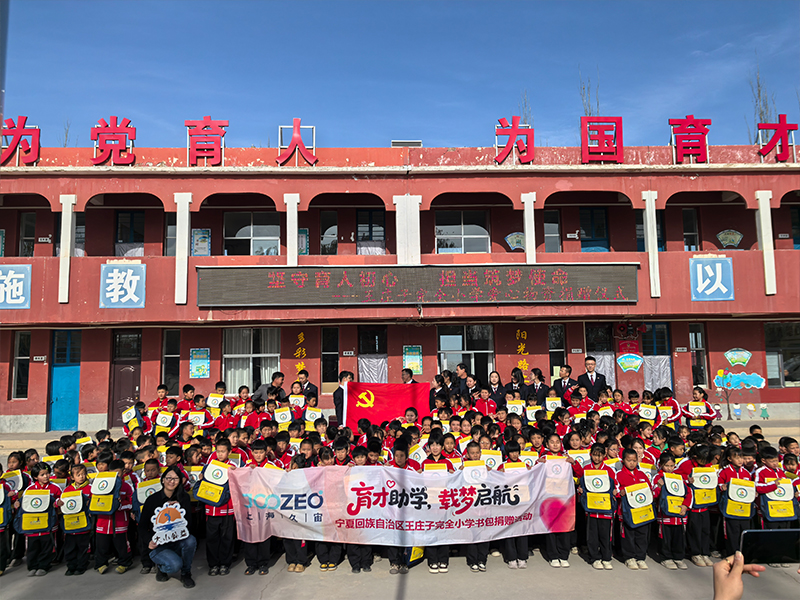

Technical guidance on molecular sieve selection, regeneration, and lifecycle management.
These designations refer to the nominal pore opening size in Angstroms (10⁻¹⁰ meters). 3A (Potassium Zeolite A) has a pore opening of approximately 3 Å, making it ideal for drying unsaturated hydrocarbons and polar compounds like ethanol, as it excludes larger molecules. 4A (Sodium Zeolite A) has a 4 Å pore size and is widely used for static dehydration in closed gas or liquid systems. 5A (Calcium Zeolite A) has a 5 Å pore size, which allows the adsorption of normal paraffins while excluding branched hydrocarbons. 13X (Sodium Zeolite X) features a larger pore size of about 10 Å, making it suitable for co-adsorbing moisture, carbon dioxide, and trace impurities from gas feedstocks.
The operating life of molecular sieves typically ranges from 3 to 5 years, depending on process conditions. Key factors that reduce longevity include: Coking/Fouling: Heavy hydrocarbons depositing on the active site surfaces. Hydrothermal degradation: Steam exposure during high-temperature regeneration can gradually breakdown the crystalline zeolite structure. Acid attack: Acidic contaminants in the feed stream can compromise the binder framework.
While both are selective adsorbents, their materials and separation mechanisms differ. Zeolite molecular sieves are crystalline aluminosilicates with polar ionic frameworks, separating molecules based on size and polarity. Carbon Molecular Sieves (CMS) are amorphous carbon materials with narrow micropores. They separate gases (such as nitrogen from oxygen) using kinetic rates; oxygen molecules diffuse into the CMS pores much faster than nitrogen molecules, allowing for effective air separation.
For Thermal Swing Adsorption (TSA) systems, regeneration typically requires heating the bed to between 200°C and 320°C. A dry purge gas must flow through the bed during this cycle to carry away desorbed moisture. Insufficient heating can lead to incomplete regeneration, while overheating above 350°C can cause thermal degradation of the zeolite structure.
Conventional molecular sieves require 15% to 20% clay binder to hold the active zeolite crystals together in bead or pellet form. Binder-free molecular sieves undergo chemical treatment that converts this clay binder into active zeolite crystals. This increases the total adsorption capacity per unit volume, allowing for smaller vessel designs or longer cycle times.
Yes. Zeolite 13X is commonly used to remove H₂S, mercaptans, and CO₂ from natural gas streams. By adjusting bed depth, flow velocities, and regeneration cycles, operators can optimize systems to selectively target these compounds.
Dusting occurs when the mechanical strength of the molecular sieve particles is insufficient to withstand the forces of gas velocity and bed compaction. Attrition breaks down the beads into fine powder, which can cause pressure drops and downstream blockages. To prevent this, operators should select molecular sieves with high crush strength and ensure proper bed-packing techniques are used.
In properly designed industrial dehydrators, high-quality molecular sieves can dry gases to a water content of less than 1 ppm, corresponding to an operating dew point of -70°C to -100°C. This level of dehydration is essential for preventing ice formation in cryogenic processing plants.
Discover our range of industrial active materials, custom-formulated for challenging processing environments.
Connect with our engineering team for sizing calculations, customized formulations, or price quotes. We respond to all technical inquiries within 24 hours.
Send Request