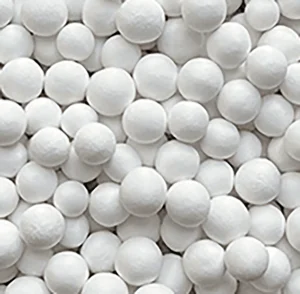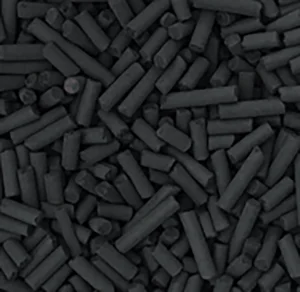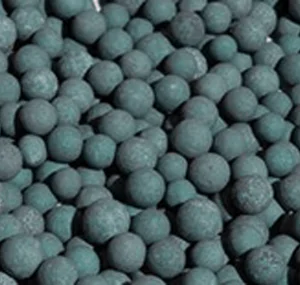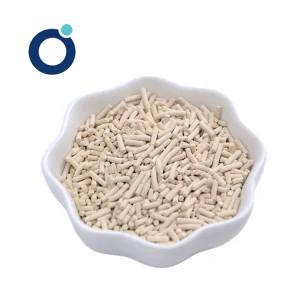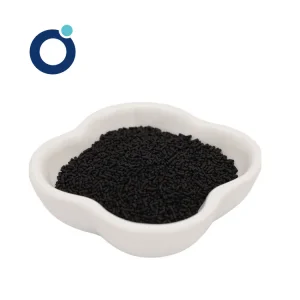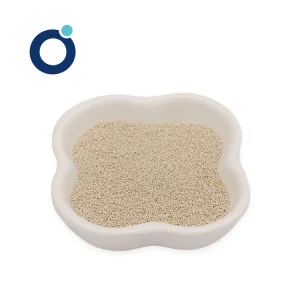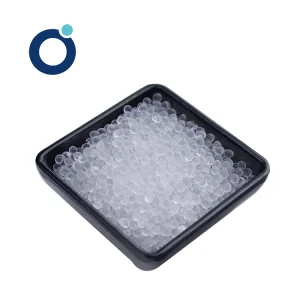
Explore our premium grade molecular sieves, silica gels, and active powders engineered for demanding industrial processes.
The global demand for synthetic zeolite molecular sieve powders has escalated rapidly, driven by strict environmental regulations and the surging need for energy-efficient purification systems. Synthetic crystalline aluminosilicates, with their highly ordered three-dimensional framework, serve as the backbone for modern desiccation, gas separation, and catalysis.
As carbon neutrality initiatives reshape chemical processing, industries are shifting from conventional thermal drying methods to advanced pressure swing adsorption (PSA) and temperature swing adsorption (TSA) technologies. This shift has placed zeolite molecular sieve powders at the center of the global green transition.
Today, these materials are essential in green hydrogen purification, natural gas sweetening, insulated glass production, and solvent-free polyurethane formulations. The global synthetic zeolite market is expanding at a steady CAGR of over 5.2%, with Asia-Pacific leading both production capacity and technology developments.
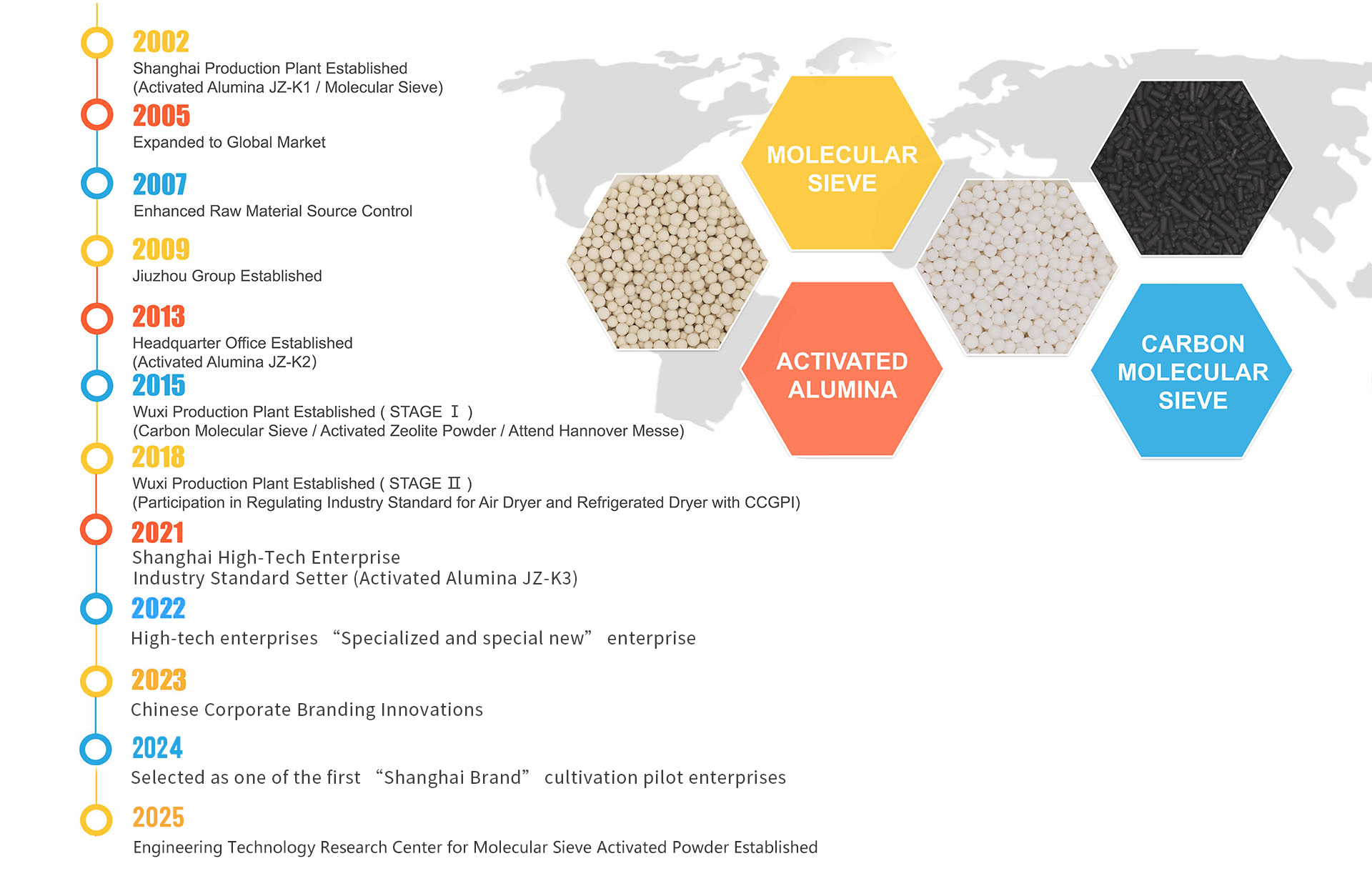
Understanding the micro-structure and crystalline thermodynamics of synthetic zeolites.
At the atomic scale, zeolite molecular sieve powder is an open, crystalline framework composed of tetrahedral $SiO_4$ and $AlO_4$ structures linked by shared oxygen atoms. This configuration generates a network of uniform pores and internal cavities. The net negative charge of the framework is balanced by exchangeable cations (such as $Na^+$, $K^+$, or $Ca^{2+}$), which can be tuned to modify the effective pore diameter.
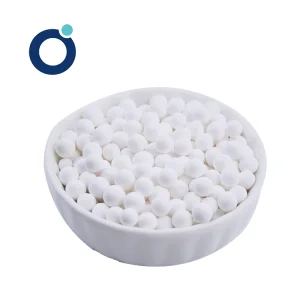
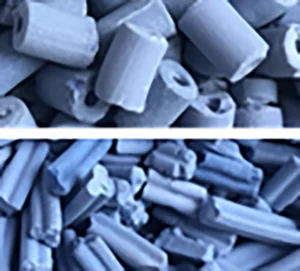
Potassium-exchanged sodium aluminosilicate. Principally used to adsorb water molecules while excluding larger molecules like hydrocarbons. Essential for cracked gas drying, ethanol dehydration, and insulated glass sealants.
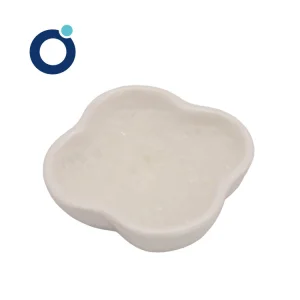
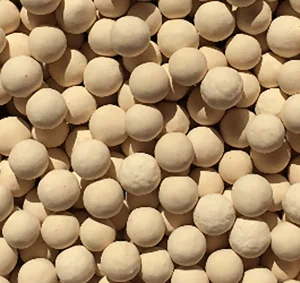
Sodium aluminosilicate framework. Effectively adsorbs water, carbon dioxide, hydrogen sulfide, and sulfur dioxide. Highly utilized in closed-circuit air drying systems, polyurethane paint moisture scavenging, and static desiccation.
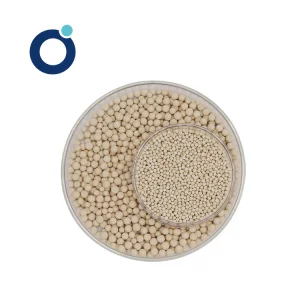
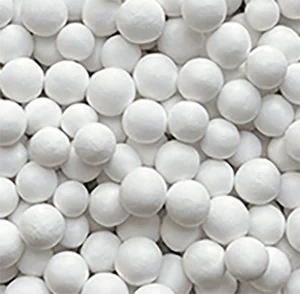
Calcium-exchanged (5A) and sodium Faujasite (13X) structures. 5A is ideal for normal-isoparaffin separation and PSA hydrogen purification. 13X targets larger molecules, serving as a catalyst support and co-adsorbent for water and carbon dioxide.
A transparent breakdown of cost structures, industrial variables, and buying models.
Determining the cost of industrial zeolite molecular sieve powder involves assessing raw material purity, thermal activation protocols, and logistic requirements. In bulk procurement, prices vary based on chemical composition (3A, 4A, 5A, or 13X) and specific surface areas.
The table below outlines current global price ranges, typical application fields, and parameters that impact pricing.
| Zeolite Type | Pore Size (Å) | Static Water Adsorption (%) | Bulk Price Range (USD/Ton) | Primary Industrial Drivers |
|---|---|---|---|---|
| Type 3A Powder | 3 Å | ≥ 21.5% | $1,400 - $2,200 | Potassium ion exchange ratio, moisture control, pore consistency |
| Type 4A Powder | 4 Å | ≥ 22.0% | $1,100 - $1,800 | Sodium content, particle size distribution ($D_{50}$ values) |
| Type 5A Powder | 5 Å | ≥ 21.5% | $1,600 - $2,500 | Calcium exchange efficiency, bulk density, crushing strength compatibility |
| Type 13X Powder | 10 Å | ≥ 24.0% | $1,800 - $2,900 | Alumina-to-silica ratio, catalytic support properties, co-adsorption capacity |
| Activated Powder | Various | N/A (Activated) | $1,500 - $2,600 | Residual moisture content (<1%), calcination temperature curves |
Additionally, processing steps like ultrafine milling, customized $D_{50}$ distributions, and specialized packaging (such as steel drums with vacuum-sealed bags) can impact final pricing. Standard industrial bulk orders in super sacks (typically 500kg or 1000kg) remain the most cost-effective packaging option.
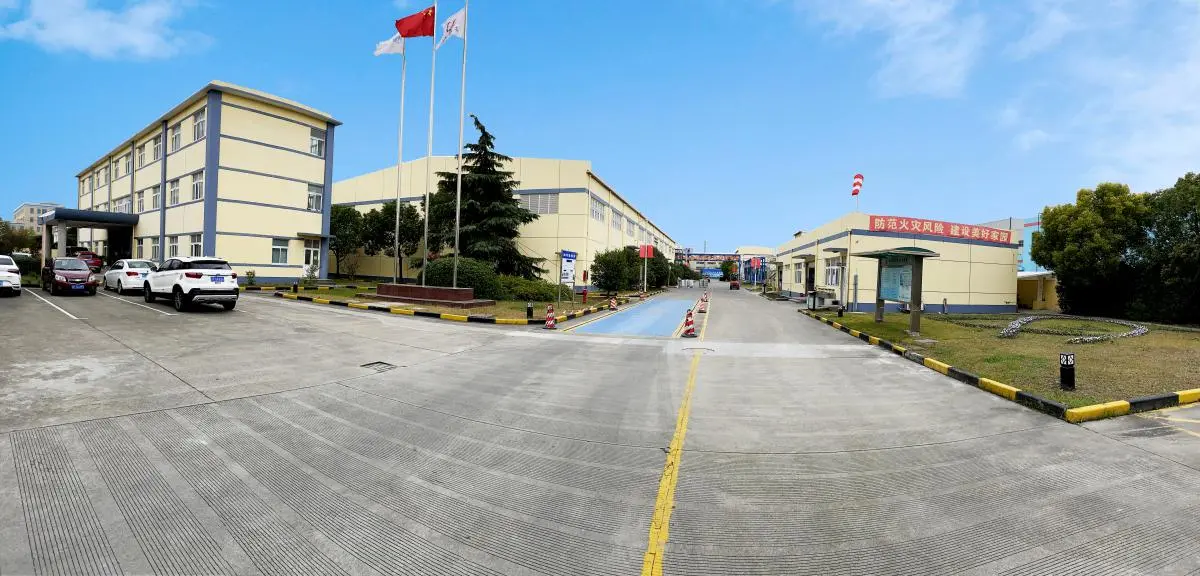
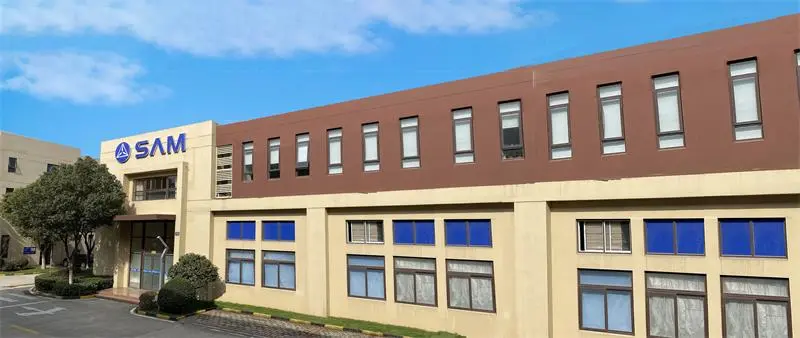
Established in 1994, Shanghai Jiuzhou Chemicals Co., Ltd. (JOOZEO) is located in Shanghai, China's largest economic hub. We focus on quality control and technical innovation, and specialize in the research, development, and manufacturing of high-purity chemical adsorbents.
Our product line includes various molecular sieve powders, molecular sieves, activated powder, activated alumina, aluminum oxide catalysts, alumina packing, ceramic balls, sodium silicates, aluminum hydroxide, zeolite 4A, and sodium carbonates.
Our operations comply with the ISO9001: 2008 quality management system and hold third-party certifications from TUV and SGS. Our automated manufacturing plants in Shanghai and Wuxi feature a central analysis laboratory equipped with high-precision monitoring instruments. This facility helps ensure consistent chemical properties and stable physical characteristics across all production runs.
Demonstrating technical leadership and regulatory compliance through participation in industry standards.
Shanghai Jiuzhou Chemicals Co., Ltd. (JOOZEO) actively contributes to setting national and group standards for the industrial desiccants and adsorbents sector in China. This direct involvement helps ensure that our products consistently meet or exceed regulatory requirements.
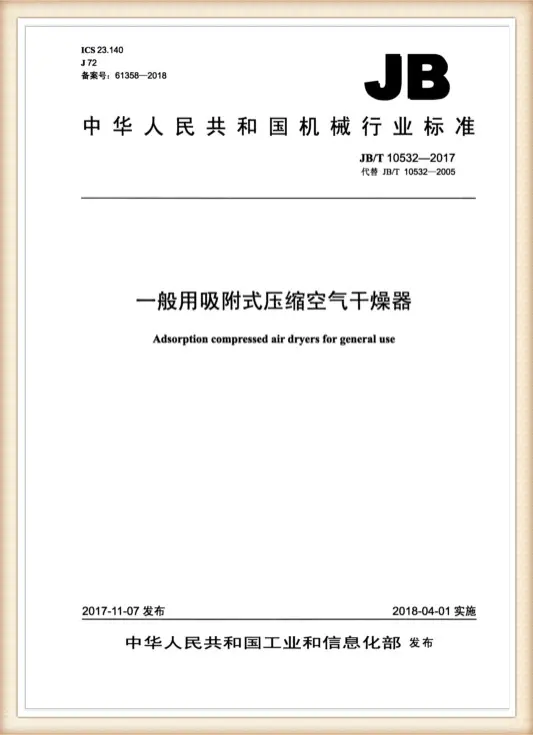
Adsorption compressed air dryers for general industrial applications.
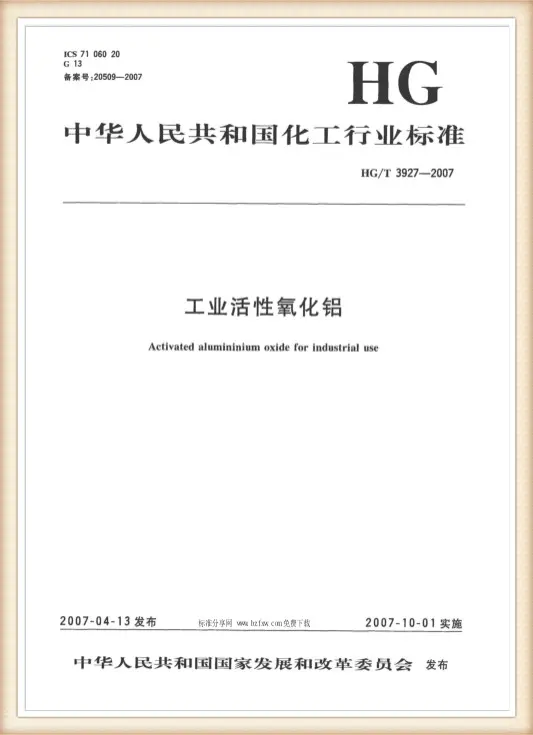
Activated aluminum oxide specifications for industrial applications.
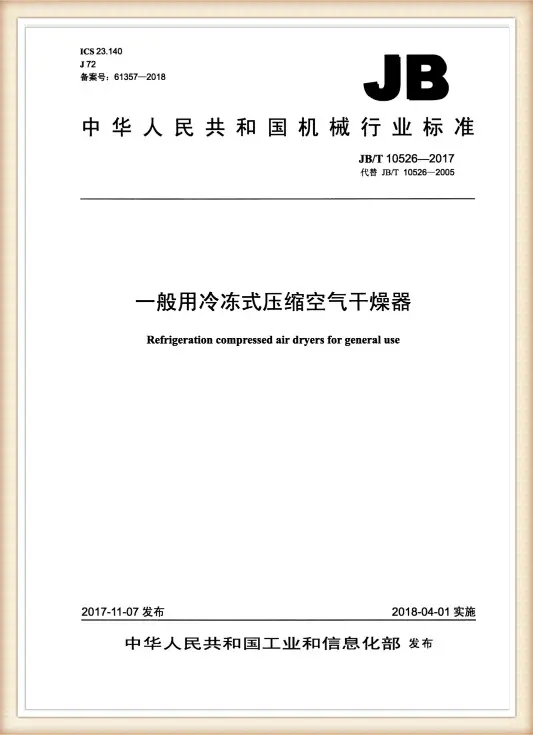
Refrigeration compressed air dryers for general industrial processes.
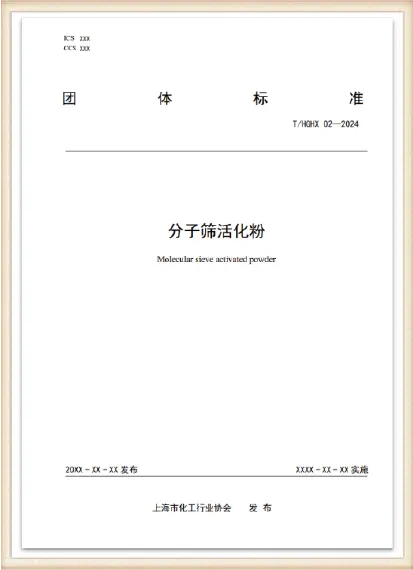
Group standard outlining technical parameters for gas dryer efficiency.
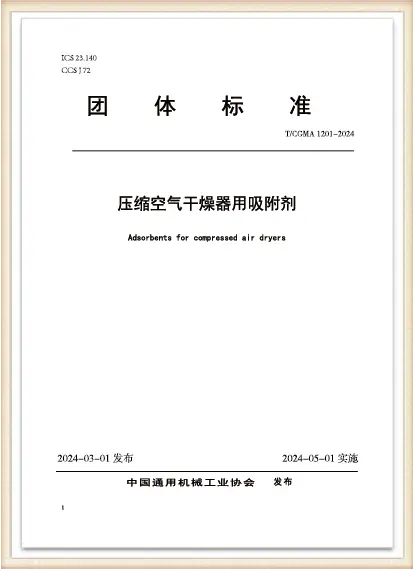
Group standard defining testing methodologies for chemical adsorbents.
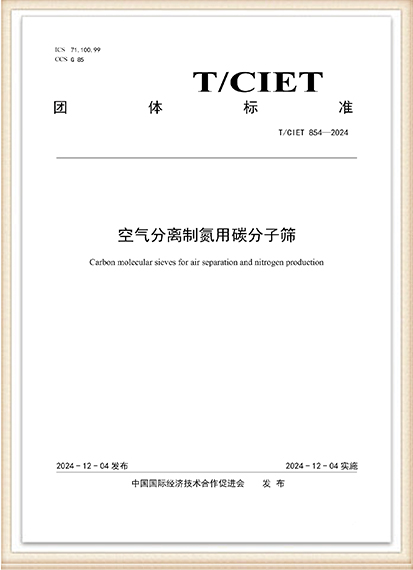
Green design standards and manufacturing guidelines for synthetic zeolites.
At JOOZEO, we integrate environmental stewardship into our core manufacturing processes. Our mission, "Better air, Better life," drives our commitment to developing energy-efficient and low-emission chemical products.
Our factories use closed-loop calcination systems that reduce energy consumption by up to 15% compared to conventional manufacturing setups. In addition, we utilize advanced particulate collection systems to prevent dust emissions during the packaging of our synthetic zeolites.
By working with local and global partners, we supply customized adsorption solutions designed to lower emissions, capture greenhouse gases, and support clean air initiatives in industrial environments.
How synthetic zeolites solve complex adsorption challenges in diverse industries.
Synthetic zeolite molecular sieve powders are utilized across a wide range of industries where moisture and volatile impurities can affect product quality or system safety. Key applications include:
Strategic goals and development paths for synthetic zeolite frameworks.
The development of synthetic zeolites is shifting toward materials with lower environmental impact and improved adsorption characteristics. JOOZEO is actively researching next-generation adsorbent frameworks, focusing on:
Hierarchical Pore Structuring: Developing zeolites that integrate both micro- and mesoporous networks. This design reduces diffusion limitations, enabling faster adsorption and desorption cycles in high-throughput PSA systems.
Template-Free Synthesis: Moving away from organic structure-directing agents (SDAs) to reduce volatile organic compound emissions and lower production costs during the crystallization process.
Composite Formulations: Combining synthetic zeolites with carbon molecular sieves or metal-organic frameworks (MOFs) to create hybrid materials optimized for selective gas separation in carbon capture applications.
Detailed answers to common questions about industrial zeolite molecular sieve powders.
What is the difference between activated zeolite powder and raw zeolite powder?
Raw zeolite powder contains structural water within its crystal lattice. Activated zeolite powder undergoes high-temperature calcination to remove this moisture, opening up its pore network for adsorption.
How does pore size select molecular species for adsorption?
Adsorption is based on kinetic diameters. For example, zeolite 3A (0.3 nm) adsorbs water (0.26 nm) but excludes larger molecules like ethanol (0.44 nm), making it suitable for selective dehydration processes.
Why is 3A molecular sieve powder preferred for insulated glass?
It selectively adsorbs water vapor while excluding air components like nitrogen and oxygen. This prevents pressure fluctuations within the double-pane window, reducing the risk of glass distortion or failure.
How should activated molecular sieve powder be stored?
It must be kept in airtight, vacuum-sealed packaging, such as double-bagged super sacks or steel drums, and stored in a dry environment to prevent premature moisture absorption.
What are the main factors that influence the price of zeolite powder?
Key cost drivers include the type of ion exchange required (e.g., potassium for 3A), raw material purity, energy costs during thermal activation, particle size processing, and bulk order volumes.
How does particle size distribution (D50) impact performance?
A narrower particle size distribution improves dispersion in polymer matrices like polyurethanes, helping prevent settling and ensuring consistent moisture scavenging.
Are JOOZEO molecular sieves compatible with global environmental regulations?
Yes, our products comply with REACH and RoHS regulations, and our manufacturing processes are audited according to ISO9001 and TUV standards.
Can zeolite molecular sieve powder be regenerated?
Yes, the adsorption process is reversible. The powder can be regenerated by heating it to temperatures between 200°C and 350°C, depending on the specific application and system setup.
What is the typical shelf life of vacuum-packed zeolite powder?
When kept in its original, undamaged vacuum packaging in a dry warehouse, it typically has a shelf life of 12 to 24 months.
How do I request a custom formulation or pricing quote?
You can contact our sales team using the inquiry form below. We provide technical consultations and custom quotes within 24 hours.
Explore our specialized range of molecular sieves, silica gels, and custom catalyst formulations.
Get in touch with our team for technical datasheets and custom quotes. Responses are typically sent within 24 hours.