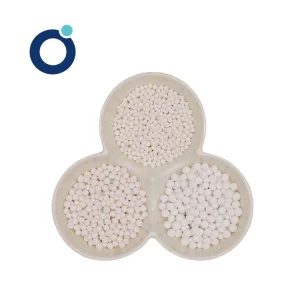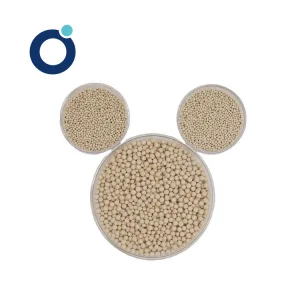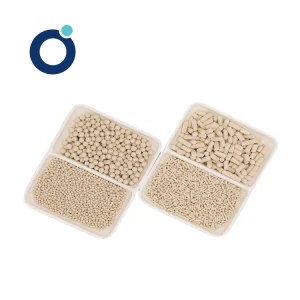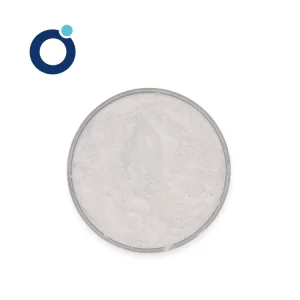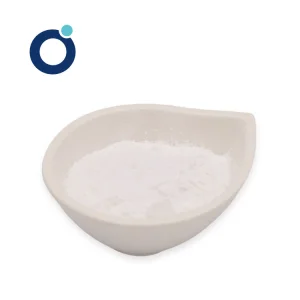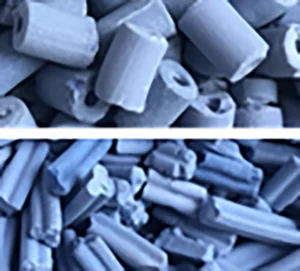
Explore our top-performing selection of molecular sieve formulations, activated alumina catalysts, and industrial chemical solutions engineered for critical dehydration loops.
In modern industrial process engineering, gas and liquid dehydration stands as a vital cornerstone. Molecular sieve dryers utilize synthetic aluminosilicates (zeolites) characterized by precisely defined, uniform pore structures to isolate moisture down to the parts-per-billion (ppb) level.
Global demand is rapidly shifting towards extreme dew points (-40°C to -70°C Pressure Dew Point, or PDP) to support cleanroom automation, microelectronics manufacturing, and clean-energy infrastructure. Dryers that once relied purely on silica gel are transitioning to multi-layered molecular sieve beds, providing superior adsorption capacities under high-temperature fluctuations.
Energy efficiency is now a major parameter in purchasing calculations. Plant operators are actively adopting Heat-of-Compression (HOC) and Zero-Purge desiccant dryer configurations. Integrating advanced molecular sieves with high thermal stability minimizes regeneration heat requirements, translating directly to reduced carbon emissions and lowered operational expenditure (OPEX).
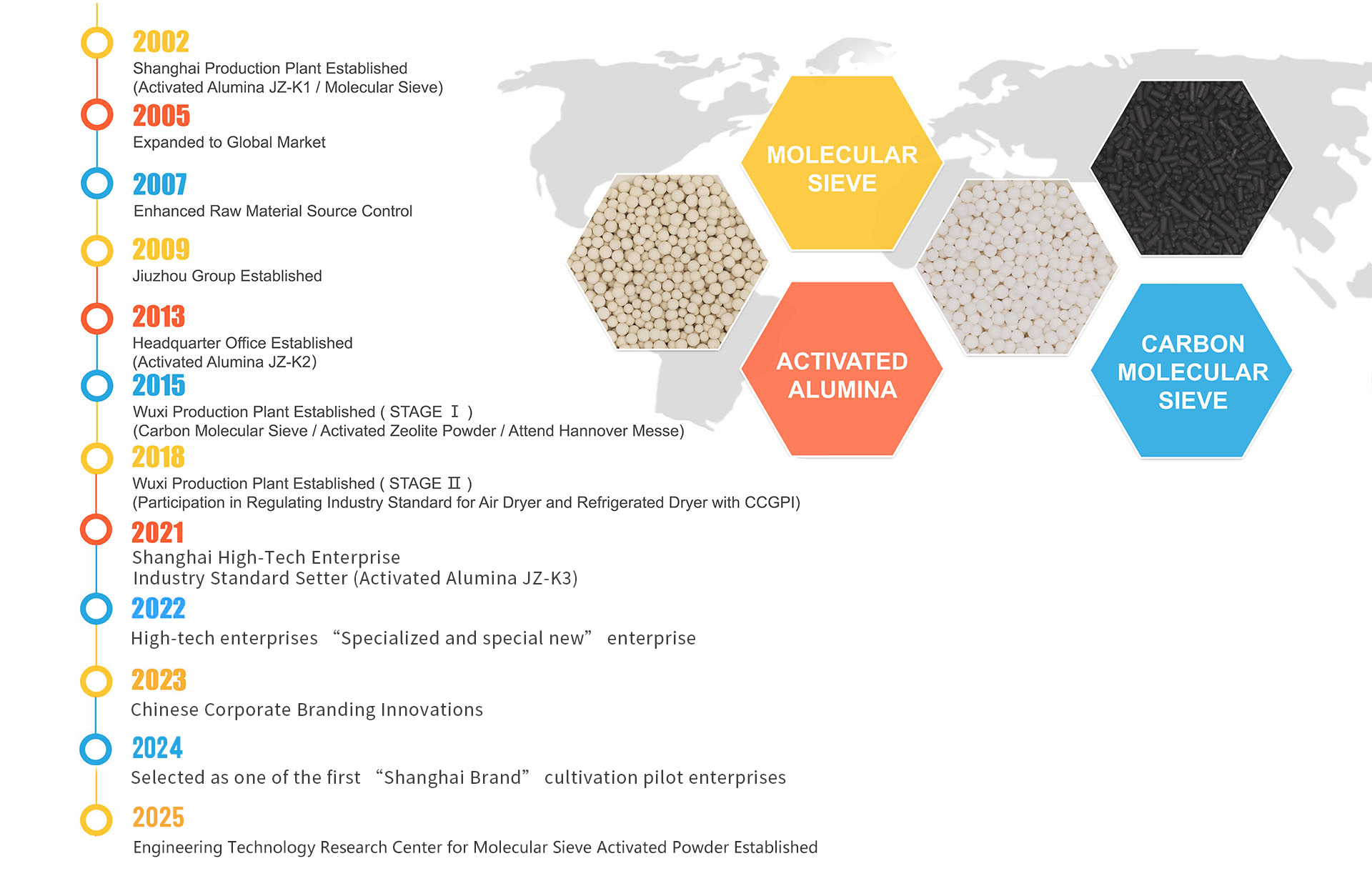
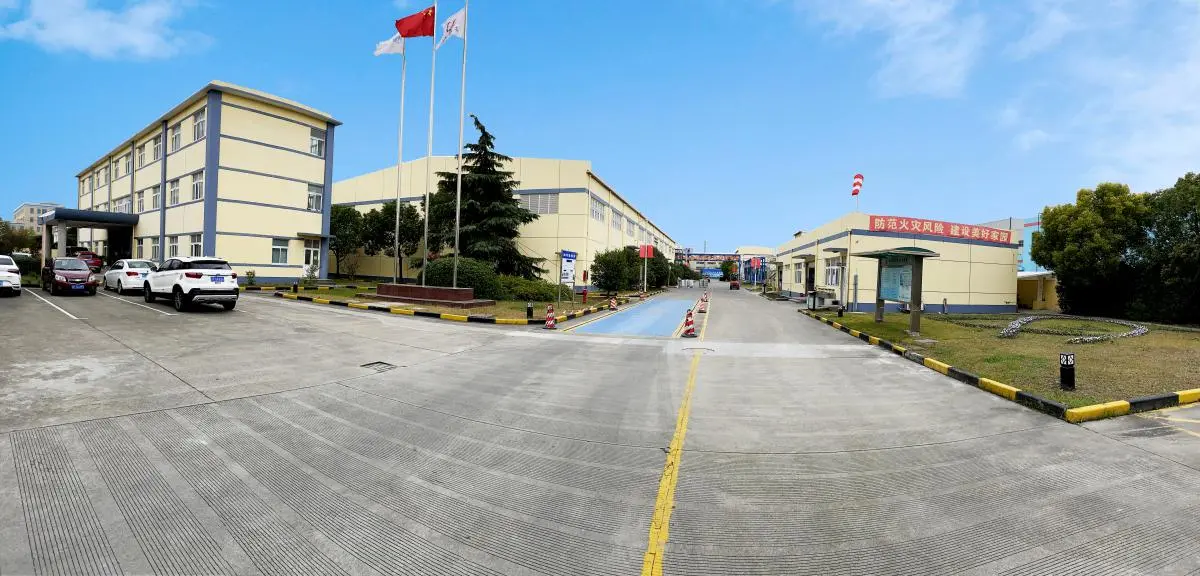
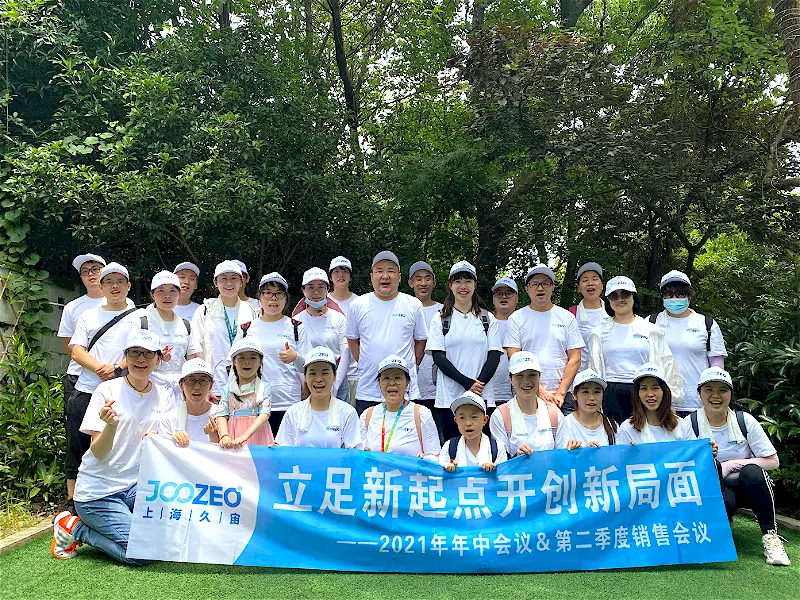
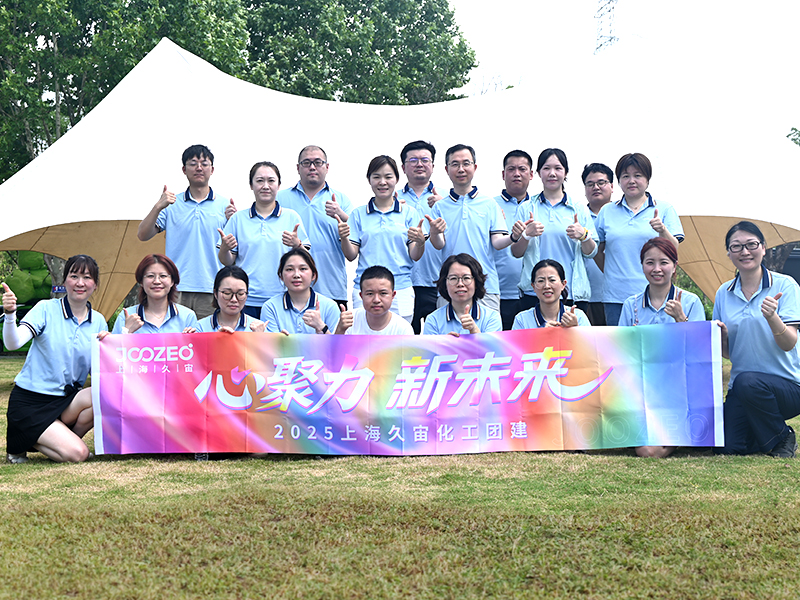
Shanghai Jiuzhou Chemicals Co., Ltd. is strategically situated in Shanghai, China's core commercial hub. Guided by the core tenets of strict Quality Control and continuous innovation, we develop and manufacture premium desiccants and catalysts for global enterprises.
Jiuzhou utilizes internationally recognized production technology and professional equipment matching strict national specifications. Our core laboratory hosts highly sophisticated monitoring and analytical instruments, enabling precise quality evaluation of every batch. As an industry pioneer, we take pride in participating directly in drafting Chinese national and industrial manufacturing standards for compressed air dryers and chemical adsorbents.
Our comprehensive certifications include ISO9001:2008 Quality Management System, alongside third-party verifications by TUV and SGS. We maintain a distribution network across North America, Europe, Southeast Asia, and the Middle East, guaranteeing robust logistic processing and on-time technical support.

For procurement managers and engineering consulting firms, buying adsorbents for desiccant air dryers involves far more than comparing price lists. Calculating Total Cost of Ownership (TCO) requires analyzing several performance metrics:
Low mechanical strength leads to rapid particulate dusting under cyclic pressure fluctuations. Selecting materials with a low attrition rate prevents filter clogging and downstream pipe contamination, avoiding costly early replacement cycles.
Determines how long a molecular sieve bed can sustain target dew points before requiring regeneration heat. High adsorption capacity translates directly into longer cycle times and lower energy usage.
During the thermal regeneration cycles of TSA dryers (often reaching 200°C to 300°C), zeolite structures face structural stress. Excellent hydrothermal stability ensures the material maintains its crystalline lattice over thousands of heating cycles.
Our modern manufacturing facilities utilize advanced automation systems to streamline production, maintain quality consistency, and secure the supply chain for our global clientele.
By using fully automated batching, continuous mixing, and digital temperature-controlled calcination tunnels, Jiuzhou minimizes variance across manufacturing runs. Each batch features consistent bulk density, pore size dispersion, and moisture content.
Located in the Yangtze River Delta industrial zone, we maintain stable access to raw inputs like sodium silicate and aluminum hydroxide. This geographic and supply chain integration insulates us from global raw material spikes, letting us offer predictable, competitive pricing structures.
Whether you require unique pellet dimensions (e.g., 1.6mm vs 3.2mm), tailored bead sizes, or specific binder formulations for acidic gases, our Factory 4.0 setup can adapt production lines quickly to accommodate customized OEM/ODM specifications.
Our technical authority is demonstrated by our contribution to defining and drafting critical national and group standards for the chemical and dryer industries:
| Standard Reference Number | Standard Title & Definition | Application Scope |
|---|---|---|
| JB / T 10532-2017 | Adsorption compressed air dryers for general use | Defines design, manufacturing, and performance thresholds for industrial twin-tower desiccant air dryers. |
| HG / T 3927-2007 | Activated aluminium oxide for industrial use | Specifies physical property measurement protocols, chemical purities, and wear resistance requirements for industrial alumina. |
| JB / T 10526-2017 | Refrigeration compressed air dryers for general use | Sets standards for pre-cooling/reheating stages in combined adsorption-refrigerated dry air packages. |
| T/CGMA1201-2024 | Group Standard for High Efficiency Purification Equipment | Specifies energy efficiency parameters, pressure drop criteria, and carbon footprint reduction parameters. |
| T/HGHX 02—2024 | Adsorbent Testing Methodology and Standards | Standardizes measuring methods for dynamic water absorption capacity under high-velocity air streams. |
| T/CIET 854-2024 | Green Manufacturing Guidelines for Inorganic Adsorbents | Outlines green manufacturing protocols, waste recycling loops, and energy consumption thresholds. |
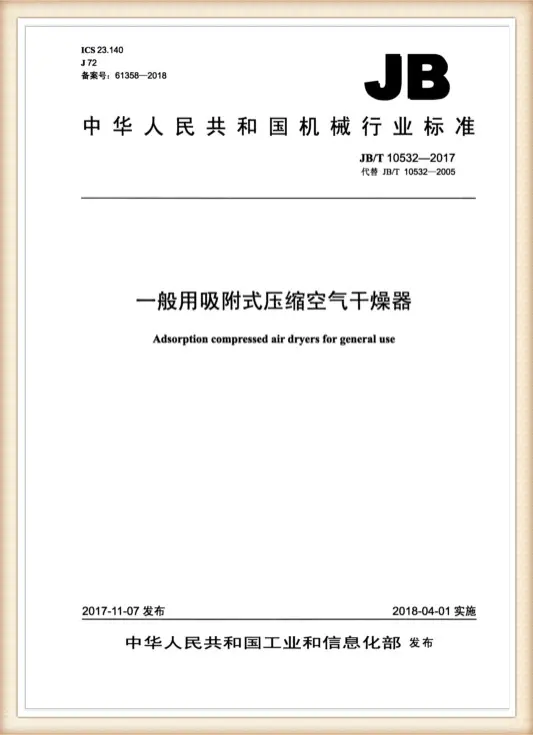
JB / T 10532-2017
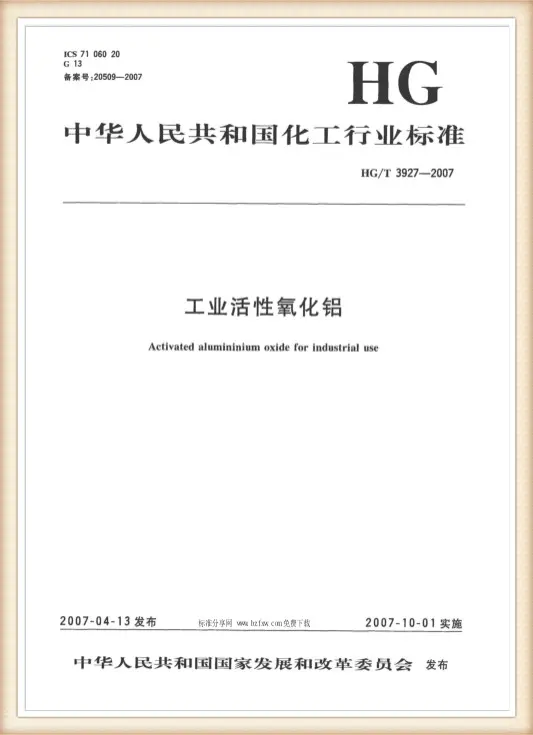
HG / T 3927-2007
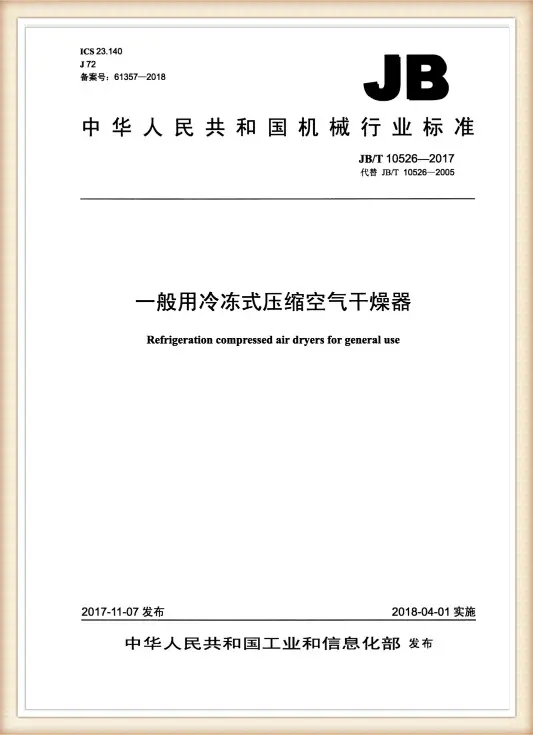
JB / T 10526-2017
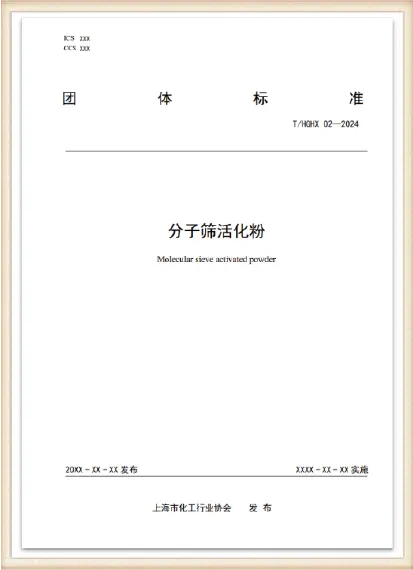
T/CGMA1201-2024
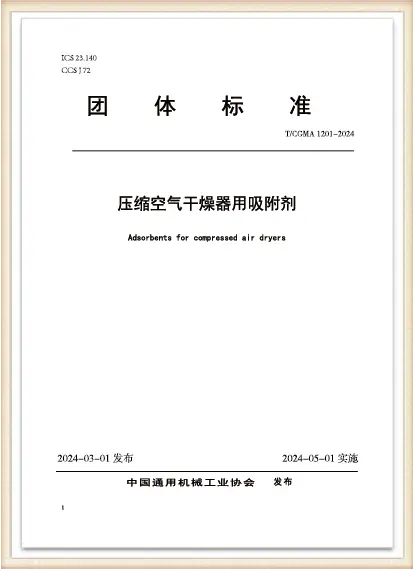
T/HGHX 02—2024
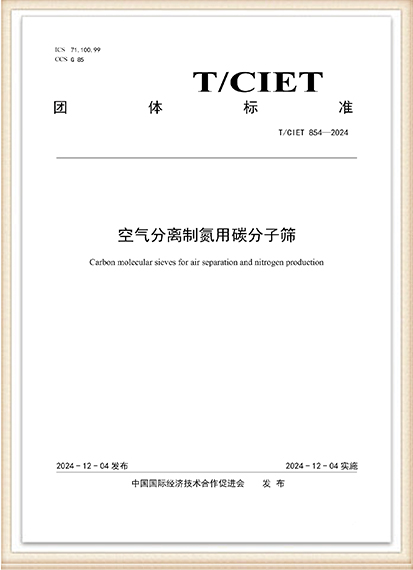
T/CIET 854-2024
Molecular sieve dryers serve critical functions across several core industries, each requiring specific configurations to operate efficiently:
Prior to cryogenic distillation, atmospheric air must be thoroughly stripped of carbon dioxide (CO2) and trace moisture. Multi-bed adsorption systems filled with 13X Molecular Sieves prevent carbon dioxide ice blockages inside cold boxes.
LNG liquefaction demands deep moisture extraction to sub-ppm levels (dew point -100°C) to prevent gas hydrates from crystallizing. Our 3A and 4A Molecular Sieves are optimized for selective moisture removal, without co-adsorbing hydrocarbons like methane or ethane.
In heavy duty freight logistics, moisture freezing inside brake line pneumatic valves represents a critical safety risk. High-capacity molecular sieve cartridges continuously capture moisture, ensuring smooth braking action in sub-zero winter temperatures.
We prioritize clean air and industrial safety, matching our engineering solutions with an active focus on reducing environmental impact.




Find technical explanations regarding product choice, operational optimization, and molecular sieve dryer maintenance:
Review the second half of our catalog, featuring specialty zeolites, silica gels, and custom formulations designed to protect downstream processing equipment.
Connect directly with our engineering team to request custom specifications, physical data sheets, pricing, or dynamic adsorption modeling analysis. Our staff will respond within 24 hours.
Send Request