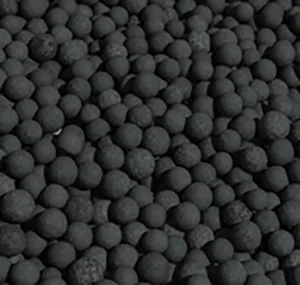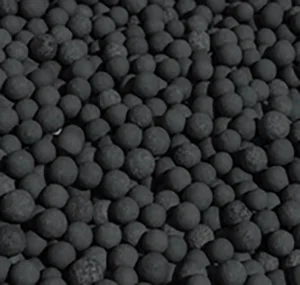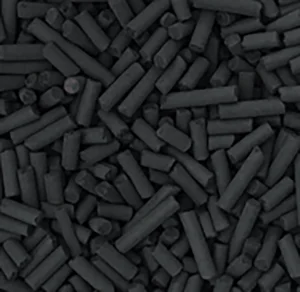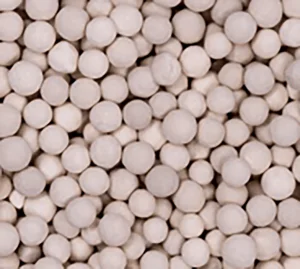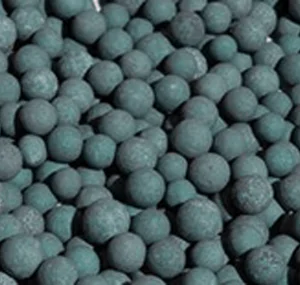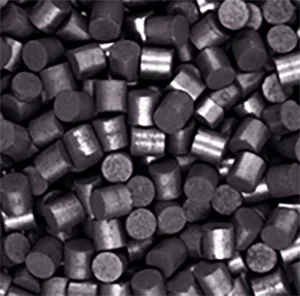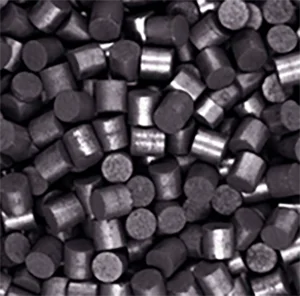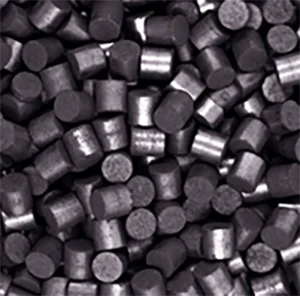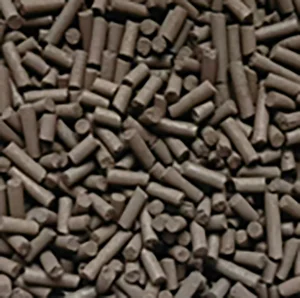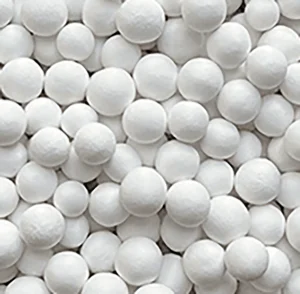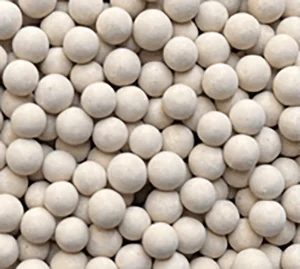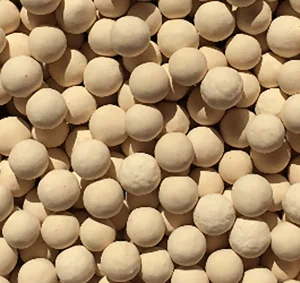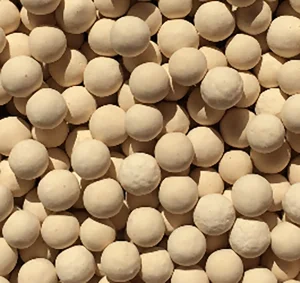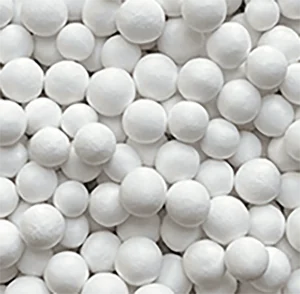
High-capacity crystalline aluminosilicates optimized for low-dewpoint gas drying, cryogenic air separation, and natural gas treatment in Rotterdam maritime infrastructure.
The Netherlands occupies a paramount position in the European chemical industry. As the home of the Port of Rotterdam—the largest deepwater port in Europe—and major integrated chemical hubs like Chemelot in Geleen and the Delfzijl cluster, the country is a primary nexus for petrochemical processing, gas refining, and logistics. Under the European Green Deal and Dutch national sustainability policies, the regional processing sector is undergoing a profound structural shift toward decarbonization, circular economy frameworks, and green hydrogen integration.
This transition places extreme technical demands on purification processes. Molecular sieves, acting as highly selective synthetic zeolites, serve as the backbone for these systems. Whether separating moisture from feedstocks to prevent freezing in cryogenic air separation units (ASUs) or sweetening natural gas streams by removing mercaptans and carbon dioxide, the performance of the adsorbent directly dictates the energy efficiency of the entire industrial process. For Dutch engineers, selecting a molecular sieve manufacturer is no longer just a procurement task—it is a critical process engineering decision affecting downstream reliability and carbon footprints.
As Western European processing plants face rising energy overheads and logistics challenges, partnering with a Chinese supplier offers a strategic advantage. Shanghai Jiuzhou Chemicals Co., Ltd. (Joozeo) provides a compelling model that bridges the gap between high-volume manufacturing efficiency and rigorous European quality control standards.
By owning production capacity from synthetic raw materials to finished bead and extrudate forms, Chinese manufacturers eliminate intermediary markups. Our Shanghai and Wuxi factories operate state-of-the-art automated rotary kilns and shaping units that ensure uniform particle sizing, optimal pore volume distribution, and high mechanical crush strength.
Our molecular sieves and active powders are engineered in strict alignment with major international codes and Chinese industrial standards (such as JB/T 10532-2017 and HG/T 3927-2007). This ensures that replacement cycles in existing desiccant beds (originally filled with European or American brands) require zero changes to process design parameters.
Modern process design centers on optimizing energy efficiency. Traditional thermal swing adsorption (TSA) cycles demand considerable thermal energy during the regeneration phase. Next-generation molecular sieves address this constraint through enhanced mass transfer kinetics and optimized binder compositions, reducing the energy needed for desorption.
Additionally, the global push toward Carbon Capture, Utilization, and Storage (CCUS) has expanded the role of specialized zeolites. Modifying the framework cation structure (such as exchanging sodium for lithium or calcium) allows molecular sieves to selectively trap CO2 from flue gas and synthesis gas streams. This technology is critical for Dutch emission abatement projects under development in industrial clusters like Rotterdam and Delfzijl.
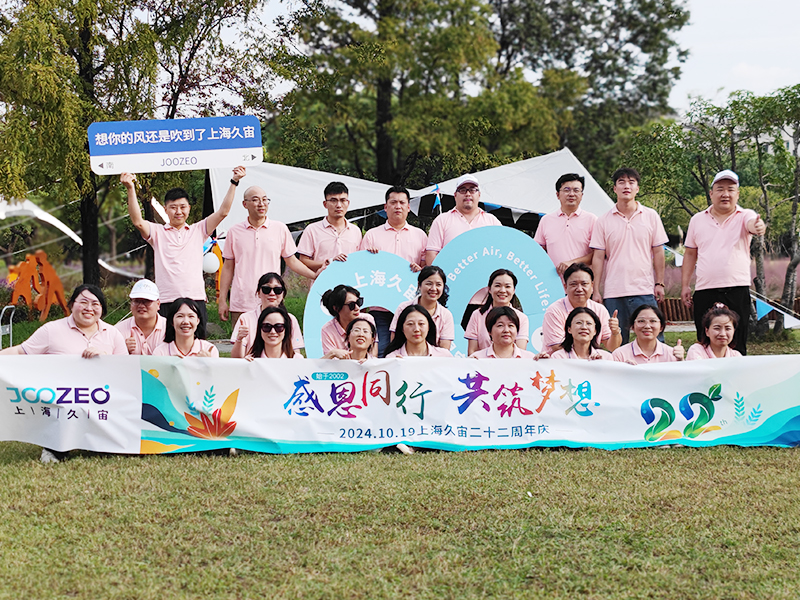
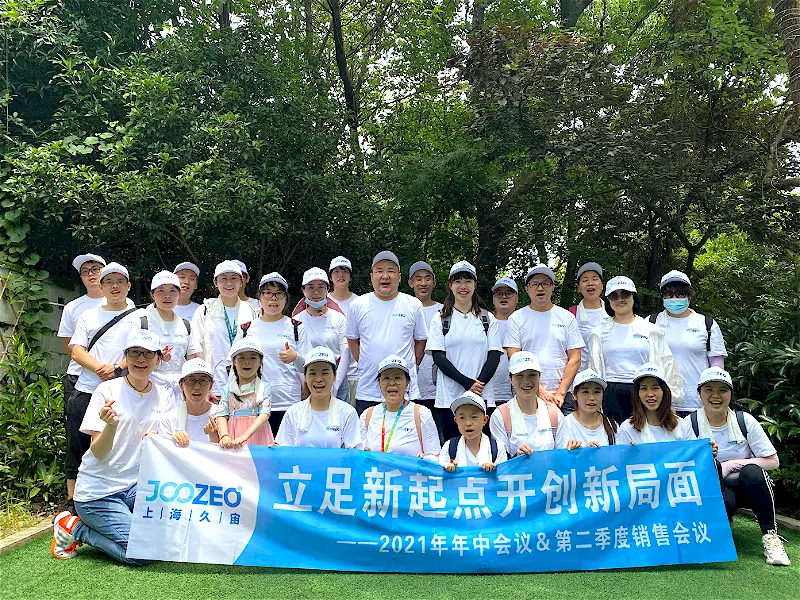
Shanghai Jiuzhou Chemicals Co., Ltd. is located in the largest economic development city, Shanghai. Over the years, Jiuzhou has always adhered to the "quality control, innovation" principles, remaining committed to the development, research, and manufacturing of high-quality innovative chemical products. Our core product portfolio includes various molecular sieve powders, molecular sieves, activated powder, activated alumina, aluminum oxide catalysts, different types of alumina packing, ceramic balls, sodium silicates, aluminum hydroxide, zeolite 4A, sodium carbonates, and SLES.
Our production processes and finished materials are certified under the ISO9001:2008 quality management system, with additional audits and certifications from TUV and SGS. Our dynamic central laboratory integrates advanced testing instruments to analyze crush strength, water adsorption capacity, attrition rate, and pore structural integrity, guaranteeing that every shipment meets international benchmarks.
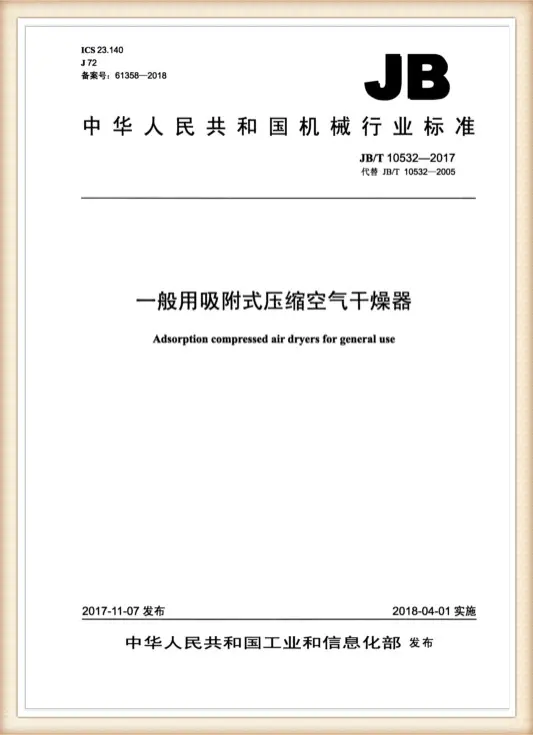
JB / T 10532-2017
Compressed Air Dryers
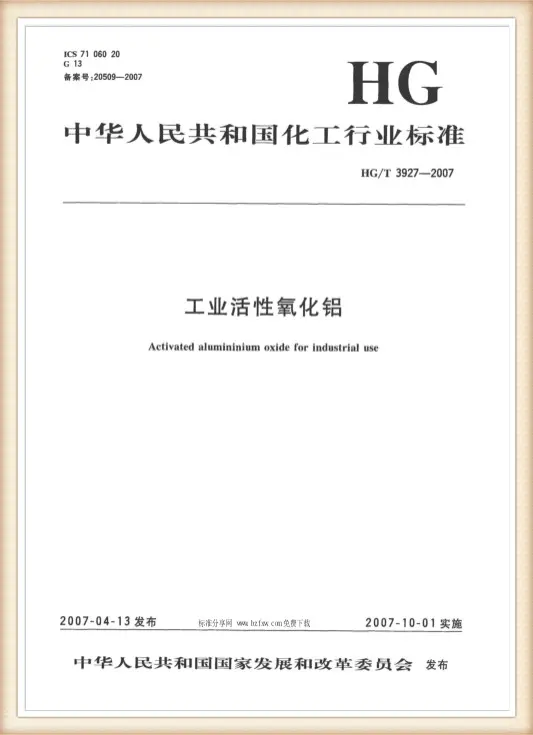
HG / T 3927-2007
Industrial Activated Alumina
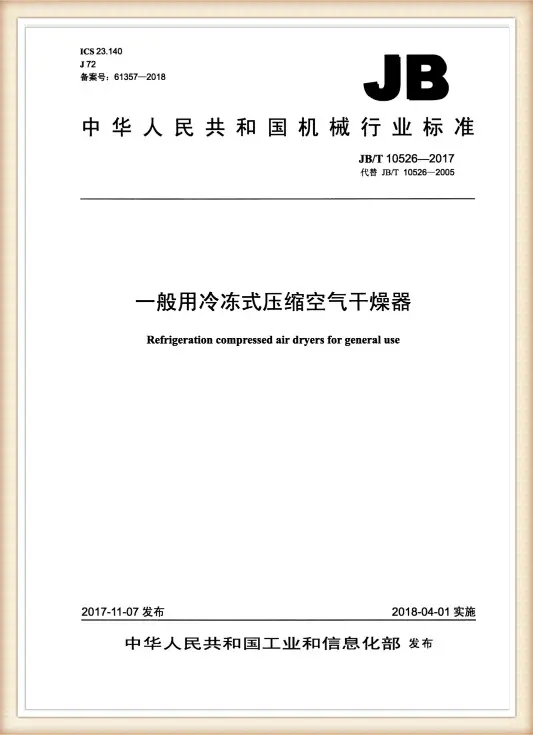
JB / T 10526-2017
Refrigeration Air Dryers
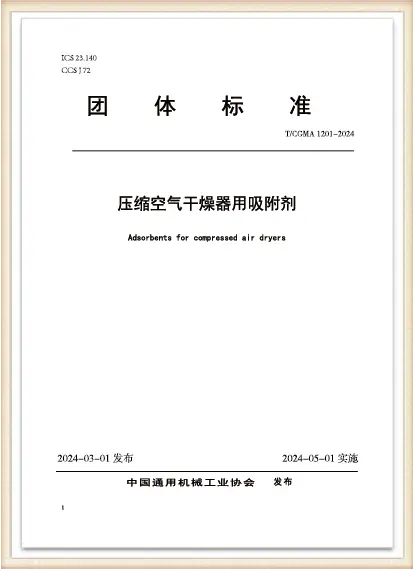
T/CGMA 1201-2024
T/HGHX 02-2024
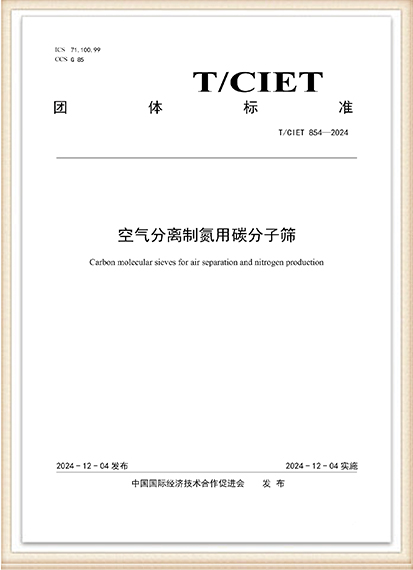
T/CIET 854-2024
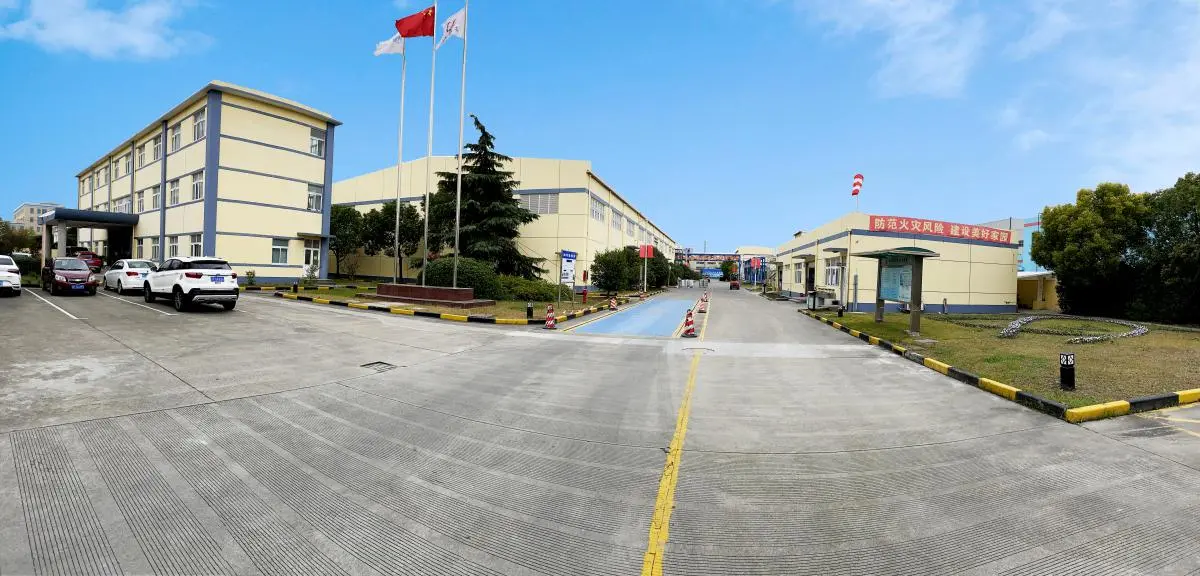
Advanced synthesis and processing center.
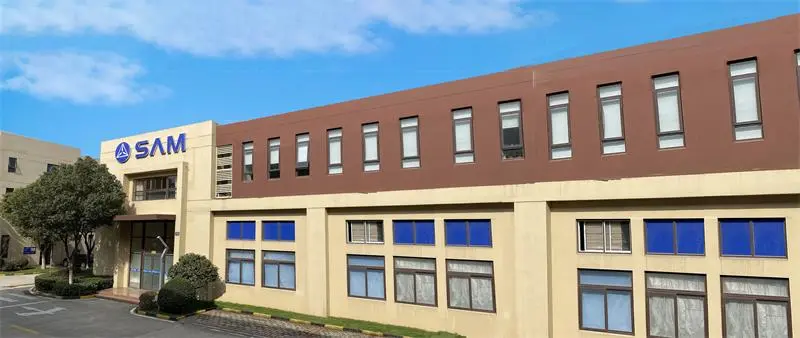
High-volume automated calcination & sizing line.
"Better air, Better life"
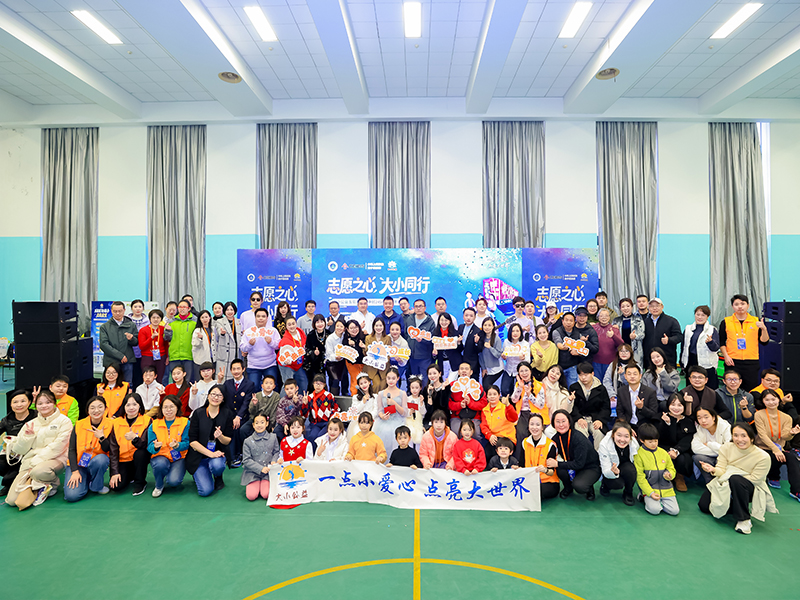
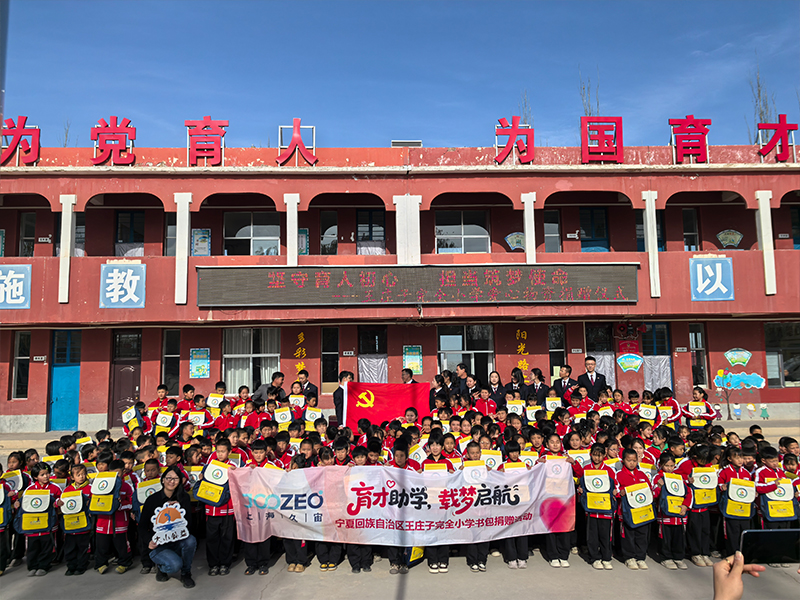
JOOZEO targets sustainable manufacturing processes, ensuring low-waste synthesis and eco-friendly recovery paths for spent molecular sieve materials.
Engineered options including standard zeolites, custom-doped spheres, and chemical catalysts for clean fuel initiatives and air-separation upgrades in Europe.
Practical engineering advice and logistical solutions for gas purification and industrial applications.
Typically, standard regeneration temperatures range between 200°C and 350°C. Specifically, 3A molecular sieves (often used in olefin drying) regenerate efficiently between 200°C and 220°C, while 4A and 13X structures require temperatures up to 250°C–320°C. Exceeding 350°C for extended periods can cause hydrothermal degradation of the crystal structure, reducing the overall lifespan of the adsorbent bed.
We use high-purity clay binders coupled with optimized calcination programs. Our products undergo rigorous testing according to standards like HG/T 3927-2007 to ensure high crush strength (typically above 80 N for 3.2mm beads). This reduces attrition, preventing downstream filter clogging and pressure drops in natural gas and air separation systems.
Yes. Our 13X molecular sieves (such as the DuraChem CAM and JooSorb lines) feature an expanded pore opening of approximately 10 Å, which selectively adsorbs CO2, H2S, and moisture while excluding larger hydrocarbon complexes. For specific processes like biomethane upgrading, custom modifications can be applied to optimize selectivity under Pressure Swing Adsorption (PSA) conditions.
From our factories in Shanghai and Wuxi, standard shipping to the Port of Rotterdam takes approximately 30 to 35 days. All products are vacuum-packed in steel drums (with airtight inner PE liners) or heavy-duty super sacks to protect against humidity during transport, ensuring they arrive ready for immediate installation.
Get in touch with our engineering team for customized specifications, free laboratory testing data, and competitive pricing for bulk delivery across Europe.
Send Inquiry Now