
Engineered to deliver high mechanical strength, optimized pore structures, and outstanding kinetic performance across global petrochemical and industrial gas workflows.
Modern industrial processing requires unprecedented levels of purity, moisture control, and selective trace-component extraction. Standard commercial desiccant technologies often fall short when subjected to high thermal fluctuations, acid gas contamination, and physical degradation. That is where synthetic zeolites and high-activity activated alumina play a crucial role.
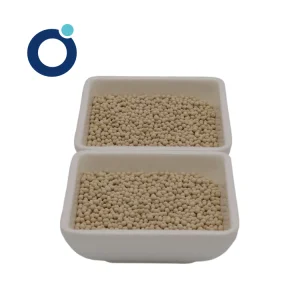
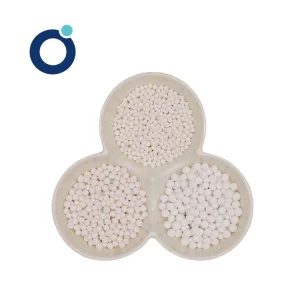
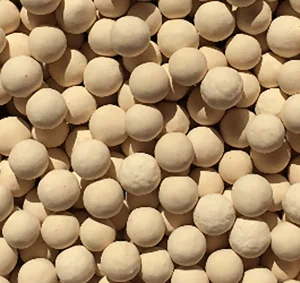
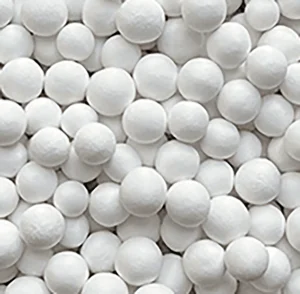
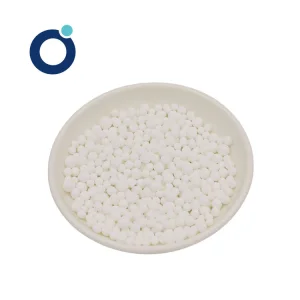
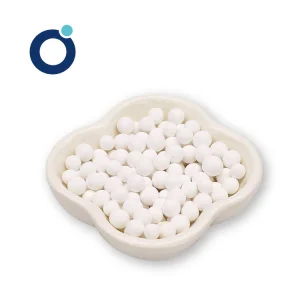
Activated Alumina is a highly porous form of aluminum oxide (Al2O3) exhibiting a massive surface-to-mass ratio—often exceeding 350 m²/g. The surface is populated by hydroxyl groups, creating a highly polar environment that selectively attracts polar compounds, especially water molecules. Its primary strength lies in its high physical integrity, chemical inertness, and resistance to thermal degradation, making it the preferred media for compressed air desiccant dryers, fluoride removal in potable water systems, and acid scavenging in ester fluids and alkylation processes.
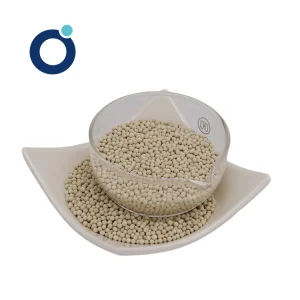
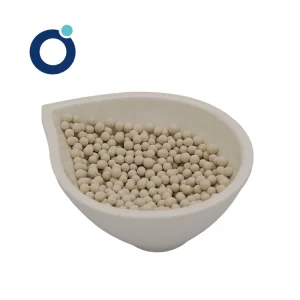
In contrast, Molecular Sieves (synthetic zeolites) feature a crystalline aluminosilicate framework. This structure provides uniform, micro-engineered pore sizes (ranging from 3Å to 10Å). This precision enables separation based on steric effects (molecular size exclusion) alongside electrostatic attraction. By selecting the correct crystalline pore aperture, operators can selectively capture compounds like H2O, H2S, CO2, and mercaptans, without co-adsorbing larger hydrocarbon streams. This white paper highlights the engineering parameters that drive optimized performance in today's demanding processing facilities.
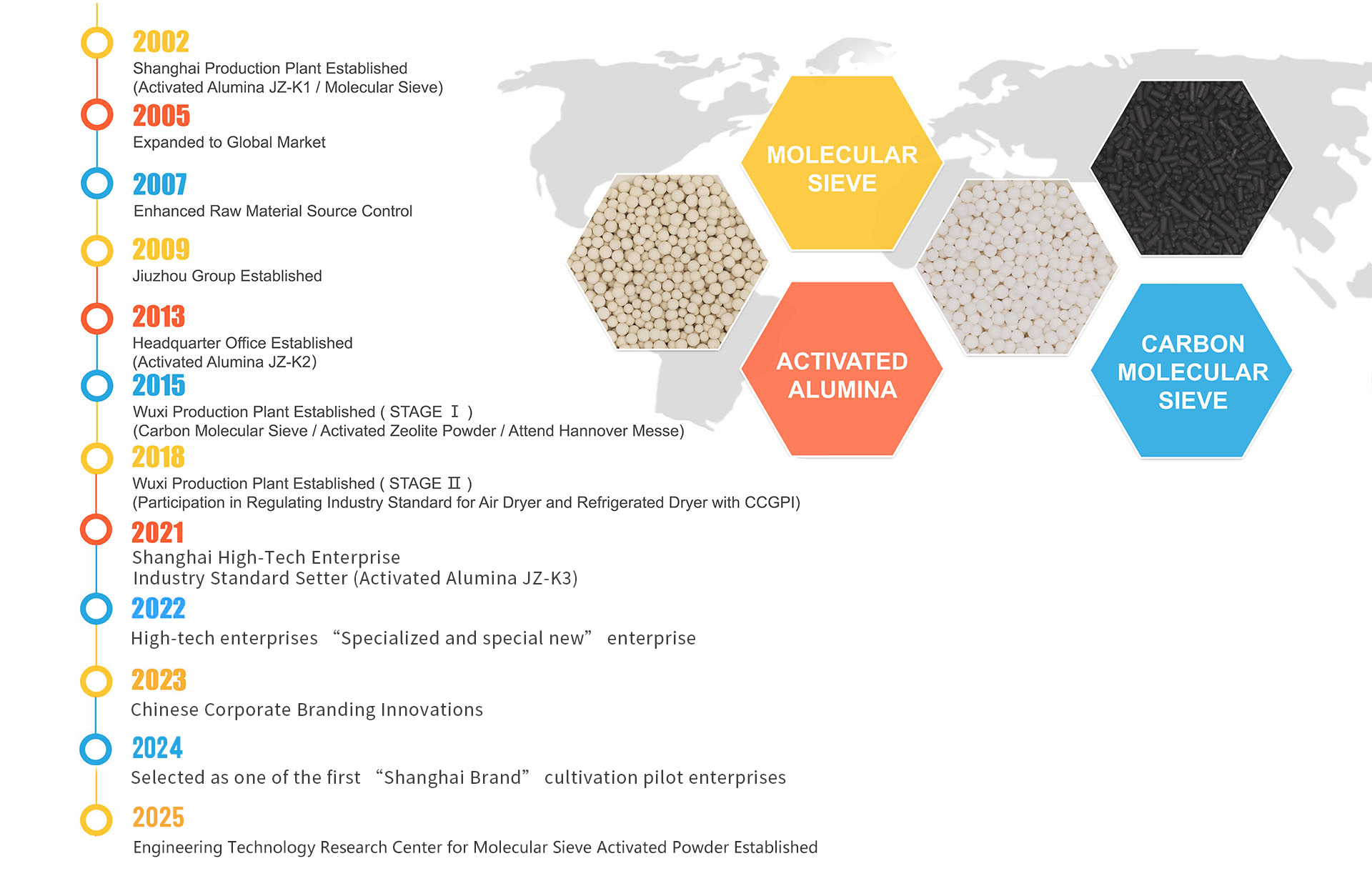
Combining three decades of chemical fabrication expertise with world-class quality systems and specialized research capabilities.
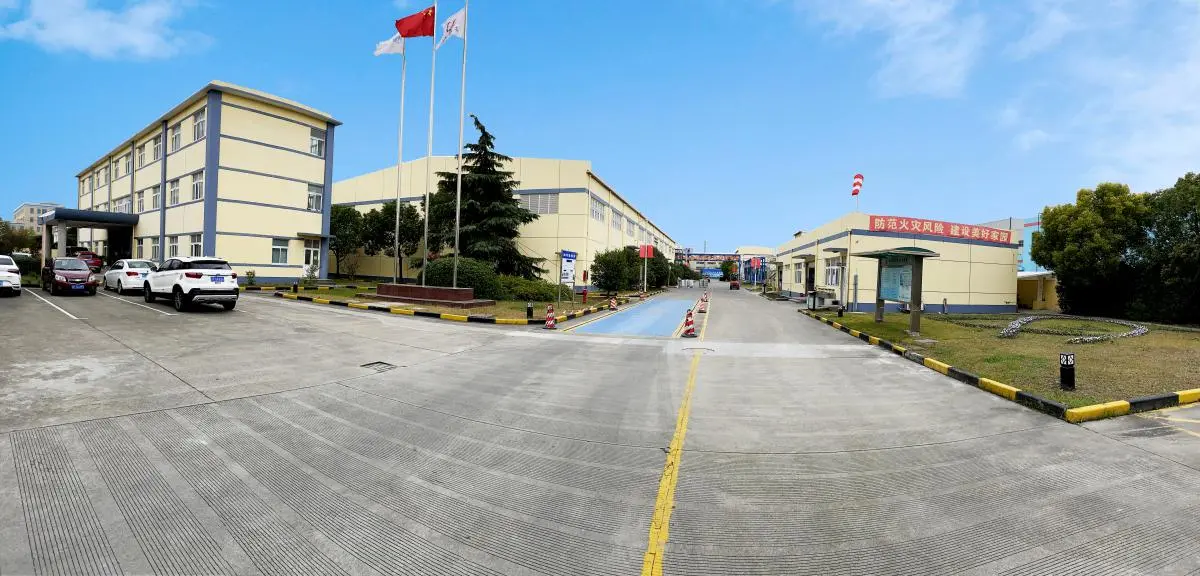
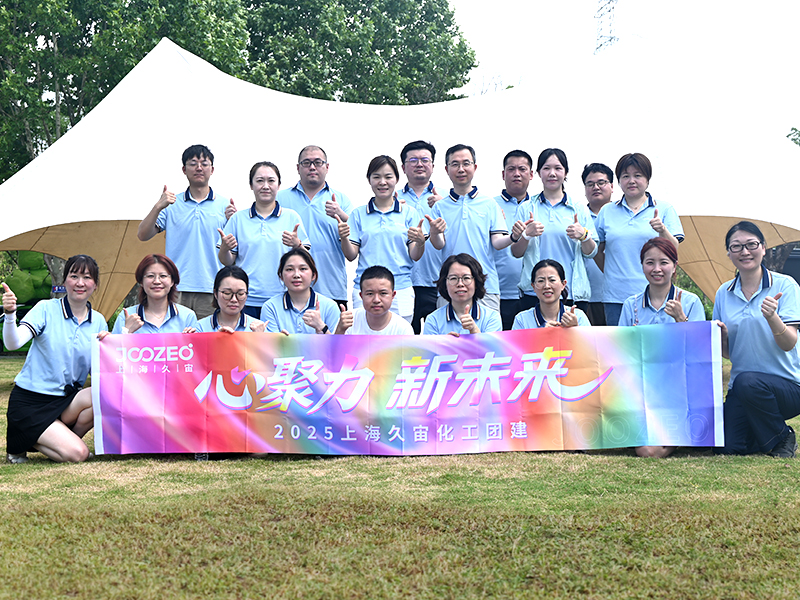
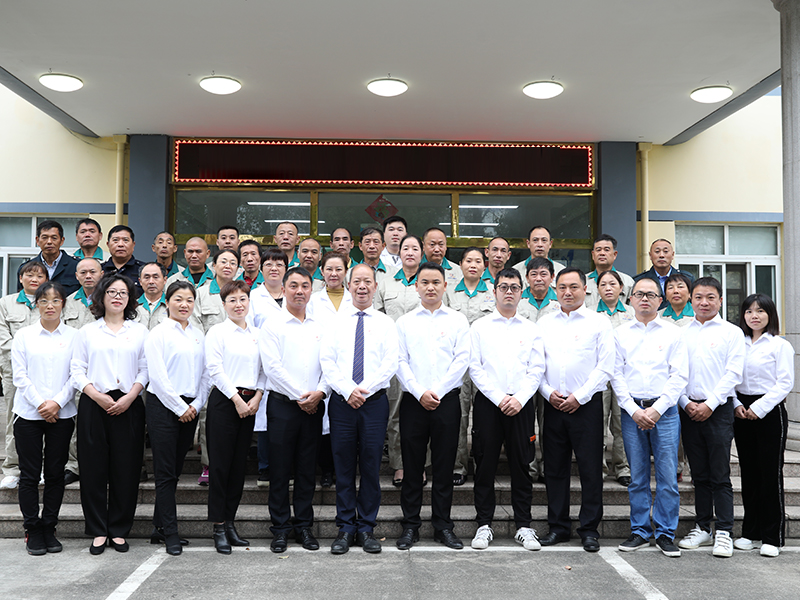
Headquartered in Shanghai, the economic heart of China, Shanghai Jiuzhou Chemicals Co., Ltd. (JOOZEO) has built a global reputation for manufacturing excellence and innovative development in the specialty chemicals sector. Operating since 1994, we have committed ourselves to engineering high-performance adsorbents, synthetic zeolites, catalysts, and support balls that meet the rigorous demands of modern supply chains.
Our infrastructure covers over 25,000 square meters, split between our primary production base in Shanghai and our specialized factory in Wuxi. Each plant features automated, multi-functional calcination kilns, high-speed pelletizers, and advanced monitoring systems. This integration ensures consistent bead size distribution, high crushing strength, and low dust levels, which directly translates to minimal pressure drops in industrial columns.
To ensure global compatibility, all JOOZEO products are manufactured under strict compliance with ISO9001:2008 quality management standards, backed by third-party validations from TUV and SGS. We do not just sell materials; we design optimized mass-transfer systems to help our partners reduce energy consumption, extend bed lifecycles, and meet environmental compliance standards.
JOOZEO has contributed to defining industrial guidelines, validating our status as a trusted authority in chemical adsorbents and compressed air drying systems.
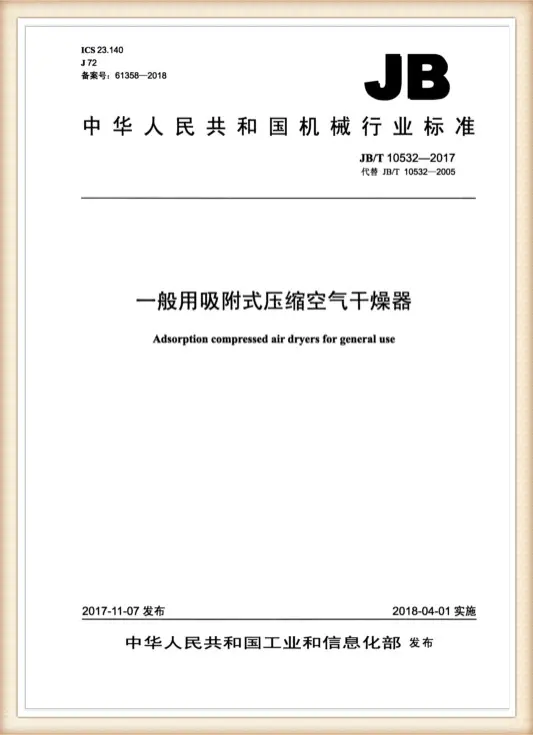
JB / T 10532-2017
Adsorption compressed air dryers for general use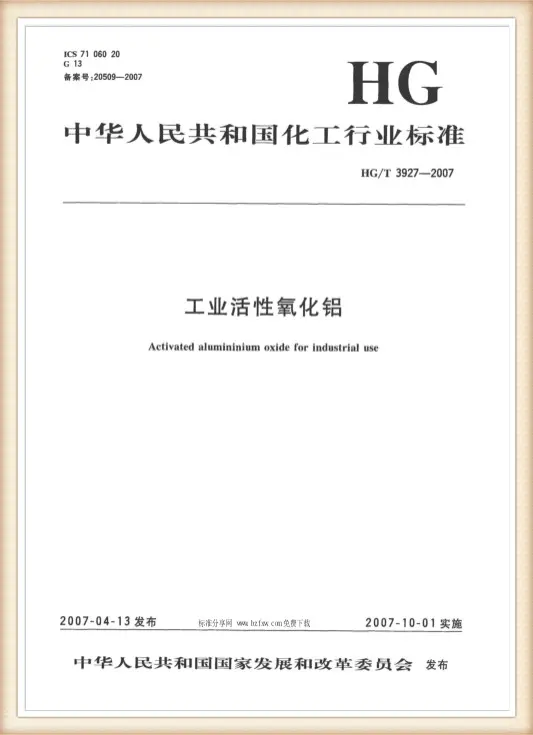
HG / T 3927-2007
Activated alumina for industrial use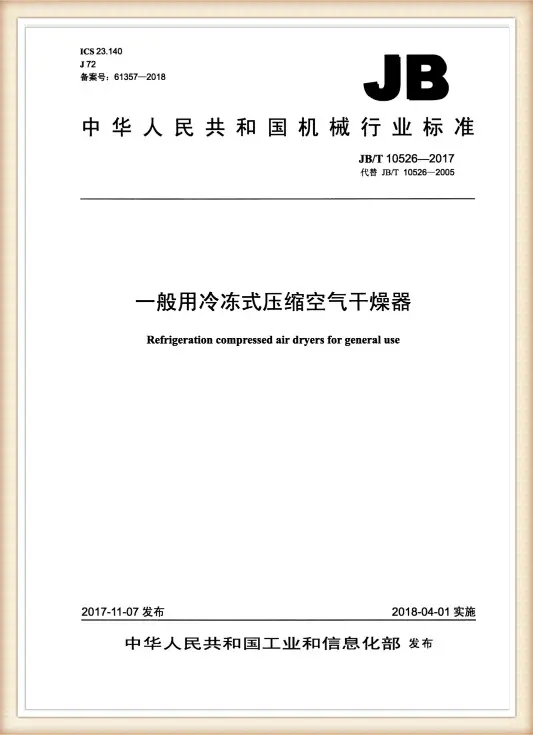
JB / T 10526-2017
Refrigeration compressed air dryers for general use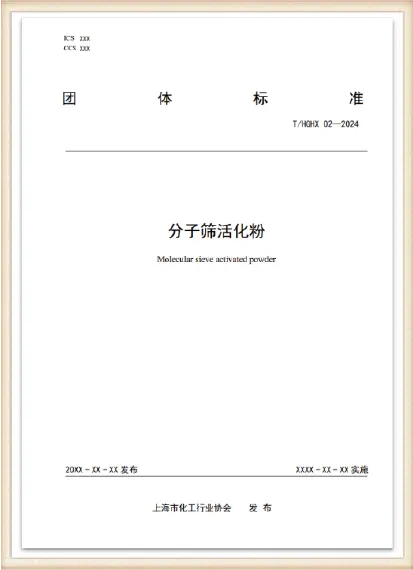
T/CGMA1201-2024
Compressed Air Dynamic Performance Standards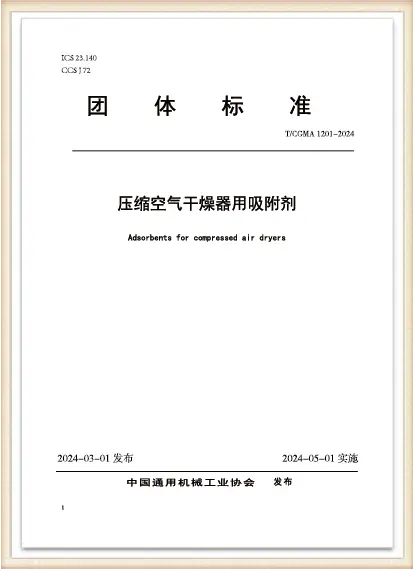
T/HGHX 02—2024
Chemical Adsorbent Specifications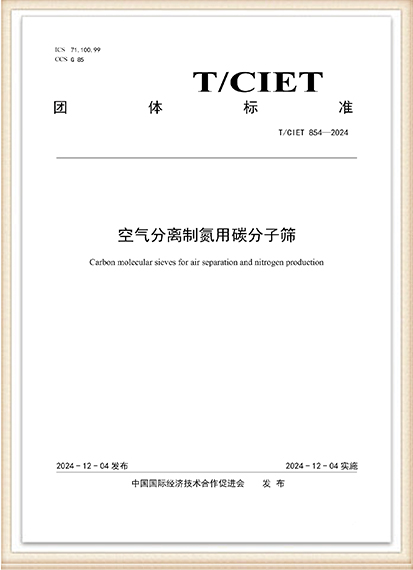
T/CIET 854-2024
Industrial Catalyst Environmental ManagementAnalyzing key market drivers, regional regulatory landscapes, and the operational demands shaping the modern chemical sector.
Industrial operations face mounting pressure to reduce greenhouse gas emissions. Activated alumina and molecular sieves serve as critical media in carbon capture, utilization, and storage (CCUS) systems, purifying process gas streams before cryo-separation processes.
Hydrogen distribution networks and fuel cell operations demand dry feed gases down to sub-ppm moisture levels. JOOZEO specialized 3A zeolites and activated aluminas perform reliably in pressure swing adsorption (PSA) setups, preventing compressor wear and downstream corrosion.
In refining and polymer fabrication, impurities like acetylene, carbon dioxide, and sulfur species can poison expensive precious-metal catalysts. Our molecular sieves help operators protect downstream assets and maintain production yields.
The global demand for high-grade activated alumina is driven by three main sectors: compressed air management, heavy industrial air separation plants (ASU), and petrochemical processing. Over the past decade, the rapid expansion of gas exploration and processing has created a need for advanced desiccant beds that can handle fluctuating pressure levels and corrosive gas blends.
Additionally, modern environmental guidelines require stricter controls on wastewater discharge. In response, municipal water treatment facilities and petrochemical sites are using activated alumina to remove fluoride, arsenic, and selenium from effluent flows. These setups rely on the material's strong chemical stability to withstand acidic backwashing steps, ensuring long-term operation without significant media loss.
How engineering groups apply JOOZEO adsorbents to resolve critical operation bottlenecks across different climates and processes.
Offshore gas platforms in hot, humid climates face extreme moisture challenges. High ambient temperatures raise feed gas water saturation levels, putting heavy demand on dry beds. Liquid carryover can compromise standard adsorbents, leading to premature bed cracking and pressure drop issues.
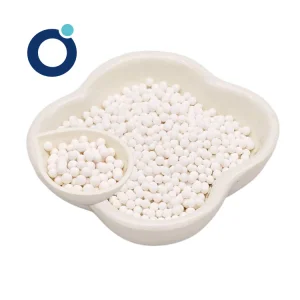
The Solution: By combining an upper layer of JOOZEO high-resistance silica gel (JZ-WSAG) with a lower bed of molecular sieve (JZ-ZMS4), operators create a dual-zone drying system. The top layer handles bulk moisture and guards against liquid spikes, while the molecular sieve polishes the stream to meet pipeline dew-point specifications. This setup helps prevent bed cracking and extends the system's operational life.
Cryogenic air separation units chill air down to temperatures below -150°C. At these extreme temperatures, trace moisture and CO2 can freeze, forming ice blockages in heat exchangers and columns. This can lead to unscheduled shutdowns and safety concerns.
The Solution: Operators use JOOZEO 13X-class zeolites and activated alumina beds upstream of the cold box. This system reduces CO2 levels below 1 ppm and moisture levels below -70°C dewpoint, protecting heat exchangers and ensuring continuous plant operation.

| Adsorbent Code | Main Chemical Phase | Target Pore Size | Primary Application | Crushing Strength (N) | Bulk Density (g/ml) |
|---|---|---|---|---|---|
| JZ-K1 / JZ-K1W | Active Al2O3 | ~50 Å - 100 Å | Instrument Compressed Air Dryers | >140 N (4-6mm) | 0.68 - 0.72 |
| JZ-ZMS3 | K-A Zeolite | 3 Å | Ethanol Dehydration, Olefin Gas Drying | >80 N (1.6-2.5mm) | 0.62 - 0.68 |
| JZ-ZMS4 | Na-A Zeolite | 4 Å | Natural Gas Dehydration, ASU Air Purification | >85 N (1.6-2.5mm) | 0.64 - 0.70 |
| JZ-WSAG | Silica Alumina Gel | ~60 Å | Buffer Bed Protector, Liquid Water Guard | >120 N | 0.70 - 0.75 |
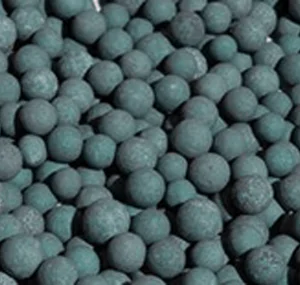
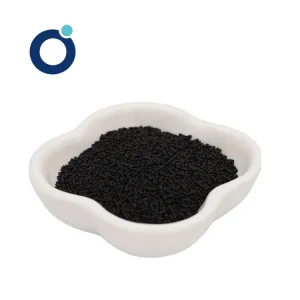
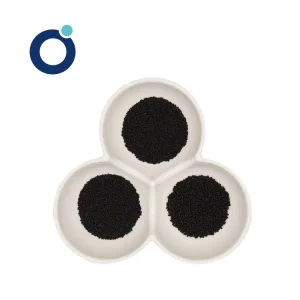
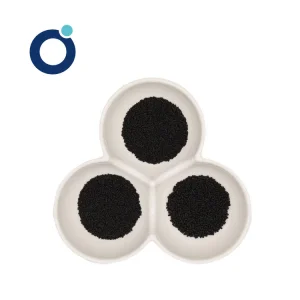
| JZ-CMS3PN | Carbon Sieve | ~3 Å (Kinetic) | PSA Nitrogen Generators (High Purity) | >45 N/bead | 0.66 - 0.69 |
Exploring next-generation materials, production improvements, and sustainable manufacturing practices at JOOZEO.
Traditional calcination processes require heating kilns up to 600°C, consuming significant fuel. JOOZEO is testing clean, catalyst-promoted, low-temperature activation methods. These techniques aim to reduce carbon emissions during manufacturing by up to 25% while maintaining the adsorbent's pore structure.
To address volatile organic compounds (VOCs) and complex industrial gas blends, our research team is developing hybrid aluminosilicate structures. By functionalizing pore surfaces with specific organic groups, these materials can target and capture select hydrocarbons in petrochemical feedstocks.
We are deploying inline optical scanners and automated particle size analyzers across our production lines. This allows us to track bead sphericity and size distribution in real-time, helping to prevent dust formation and guarantee highly consistent batch runs.
At JOOZEO, we believe our responsibility extends beyond production efficiency. We are dedicated to supporting cleaner industrial operations worldwide. Our environmental initiatives focus on optimizing heat recovery from our calcination kilns to power auxiliary systems, reducing overall fuel demand.
Additionally, we work closely with partners in the nitrogen and hydrogen generation sectors, developing specialized molecular sieves that help reduce energy consumption in PSA gas separation processes. By improving gas purification efficiency, we help industrial facilities minimize energy waste and lower their carbon footprint.
Detailed technical answers to common questions about selecting, operating, and regenerating molecular sieves and activated alumina.
The choice depends on your target dew point. For typical instrument air systems requiring a dew point of -40°C, activated alumina is the industry standard. It offers high water-adsorption capacity and holds up well against liquid water carryover.
For demanding applications requiring dew points down to -70°C, a molecular sieve (typically 4A) is required. In many high-performance systems, engineers use a split bed: a bottom layer of activated alumina to handle bulk moisture, followed by a top layer of molecular sieve to polish the air down to the target dew point.
Molecular sieve degradation is usually caused by hydrothermal damage, contamination, or mechanical crush stresses. High-temperature regeneration in the presence of moisture can degrade the zeolite's crystalline framework over time, reducing its overall capacity.
To maximize bed life, ensure your system has proper liquid separators upstream, run steady heating ramp-ups during regeneration cycles, and choose high-strength beads like JOOZEO JZ-ZMS series to prevent dusting and pressure drops.
Yes. Activated alumina has a polar surface with active sites that can adsorb acidic compounds (like soluble organic acids and inorganic acids) from synthetic lubricants, transformer oils, and fire-resistant heat transfer fluids. This acid scavenging helps protect system components from corrosion and extends fluid lifecycles.
In high-pressure dehydration towers, the lower layers of the bed must support the weight of the material above them while withstanding the forces of high-velocity gas flows. If the media lacks sufficient crush strength, the beads can break down and form dust.
This dust blockages the gas distribution pathways, increases pressure drops, and can carry over into downstream piping, potentially damaging valves and compressors. JOOZEO tests and certifies our activated alumina to exceed standard crush-strength requirements, ensuring reliable long-term performance.
Explore our advanced range of carbon molecular sieves, alumina-silica gels, and customized petrochemical process catalysts.
Need custom bead sizing, pore tuning, or price quotes? Our engineering support team typically responds with technical details and pricing within 24 hours.
Send Request