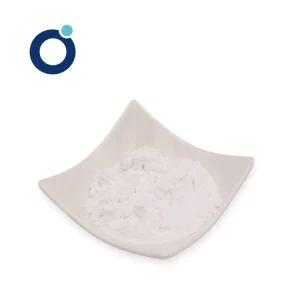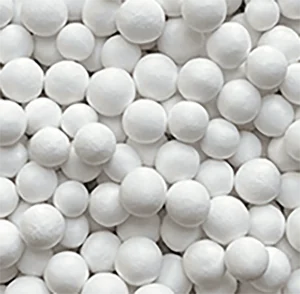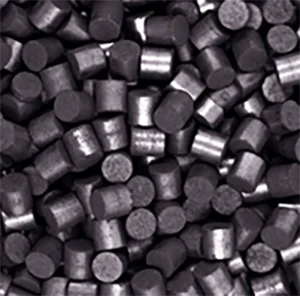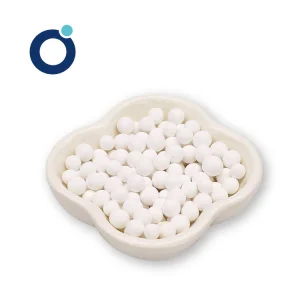
Engineered for extreme reliability, industrial performance, and compliant dynamic processing systems.
In modern industrial purification, overcoming the ethanol-water azeotropic limit is a major milestone. Traditional distillation can only concentrate ethanol to approximately 95.6% by weight, as the liquid phase and vapor phase reach identical compositions. To achieve fuel-grade anhydrous ethanol (>99.5%) or high-purity pharmaceutical-grade solvents (>99.9%), industrial plants rely on pressure swing adsorption (PSA) systems utilizing specialized 3A zeolite molecular sieves.
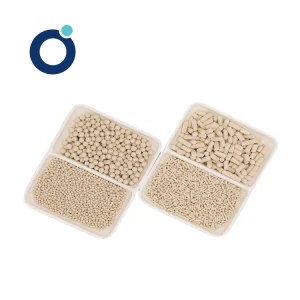
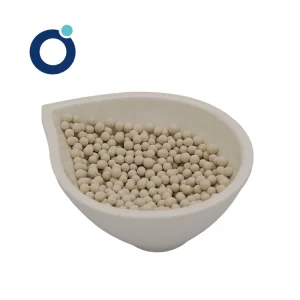
As a leading global exporter of ethanol molecular sieves, Shanghai Jiuzhou Chemicals manufactures advanced synthetic zeolites engineered to capture water molecules with high selectivity. With a critical pore diameter of approximately 3 Å (3 Angstroms), these crystalline aluminosilicates exclude the larger ethanol molecules (kinetic diameter of 4.3 Å) while admitting water molecules (kinetic diameter of 2.65 Å). This ensures minimal co-adsorption of the solvent, maximizing ethanol yield while reducing energy usage during thermal regeneration.
The global push for renewable energy fuels the demand for anhydrous ethanol. The implementation of E10, E15, and E85 biofuel mandates in the Americas, Europe, and Asia-Pacific regions has established ethanol dehydration as a key step in regional refining complexes. Beyond fuel blending, high-purity ethanol serves as a core solvent in pharmaceutical formulation, chemical synthesis, cosmetics, and electronics manufacturing.
Operating a multi-ton ethanol dehydration plant requires strict cost control. The molecular sieve charge is a critical process component. Choosing a sub-par product can lead to premature structural collapse, severe dust generation, and high pressure drops across the adsorption bed. Plant operators choose Shanghai Jiuzhou Chemicals because our 3A molecular sieves provide the mechanical integrity, thermal stability, and low attrition rates needed to handle continuous pressure and temperature swings.
Year of Establishment
Countries with Trade Relations
Company Area (Square Meters)
Procuring raw materials for large chemical complexes involves several technical and logistical evaluations. When purchasing ethanol molecular sieves, global procurement directors look beyond unit price to assess the Total Cost of Ownership (TCO). This involves managing key operational challenges:
Repeated regeneration cycles at 200°C to 300°C can degrade the crystalline structure of zeolites. Our formulation preserves framework crystallinity over thousands of cycles, extending bed lifespan.
Weak beads wear down under high gas velocities, creating dust that clogs downstream filters. Our advanced binder technology provides high crush strength to keep dust levels low.
If pore sizes are inconsistent, ethanol can enter the zeolite cages, causing carbon deposits (coking) during regeneration. Precise pore control prevents this, protecting active capacity.
Shanghai Jiuzhou Chemicals addresses these concerns with customized zeolite formulations. We maintain close technical communication with engineering, procurement, and construction (EPC) companies and plant operators to ensure smooth plant startups, optimized cycle times, and minimal utility consumption.
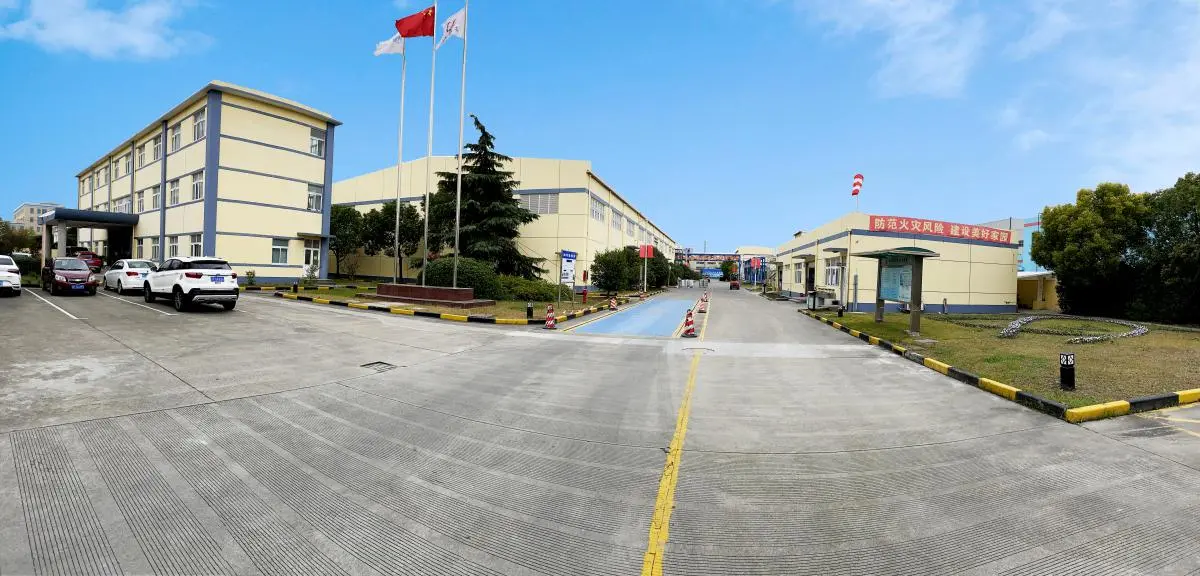
Shanghai Factory Production Hub
The core of our high-performance 3A molecular sieve lies in the potassium exchange process. Synthetic Type A zeolites are initially synthesized in the sodium form (4A molecular sieve, pore size ~4 Å). By carefully replacing sodium ions with larger potassium ions through liquid-phase ion exchange, we reduce the effective pore window to 3 Å.
Our manufacturing chemistry focuses on achieving uniform ion exchange. This prevents oversized pores that could let ethanol molecules enter the structure. Our modern production lines feature automated slurry mixing, extrusion, rounding, and high-temperature rotary calcination. This level of process control ensures consistent mass transfer zones (MTZ), letting plants run at higher feed velocities while maintaining target water ppm levels.
Looking Forward: As biofuel producers target net-zero carbon footprints, our R&D team is developing next-generation binderless molecular sieves. By converting inert clay binders into active zeolite structures, we can increase water-adsorption capacity by up to 20%, reducing regeneration energy consumption and supporting sustainable industrial practices.
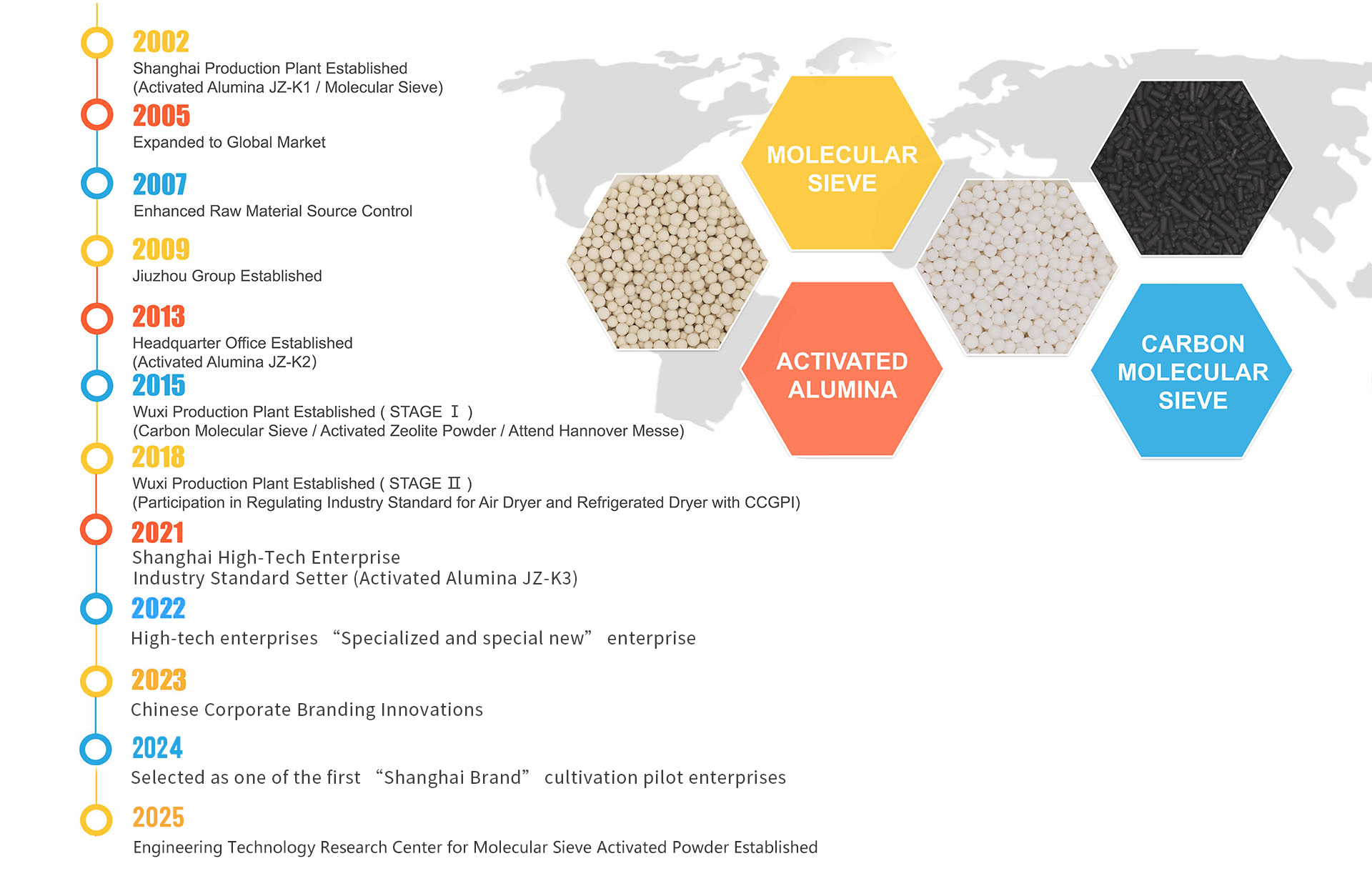
Shanghai Jiuzhou Chemicals Co., Ltd. is located in Shanghai, a major economic development center. Over the years, Jiuzhou has adhered to the principles of "quality control, innovation" and remains committed to the development, research, and manufacturing of high-quality chemical products.
Our core product line includes various molecular sieve powders, molecular sieves, activated powder, activated alumina, aluminum oxide catalysts, different types of alumina packing and ceramic balls, sodium silicates, aluminum hydroxide, zeolite 4A, sodium carbonates, and SLES. All of our products have passed ISO9001:2008 quality management system certification, as well as TUV and SGS certifications.

Wuxi Factory Production Hub
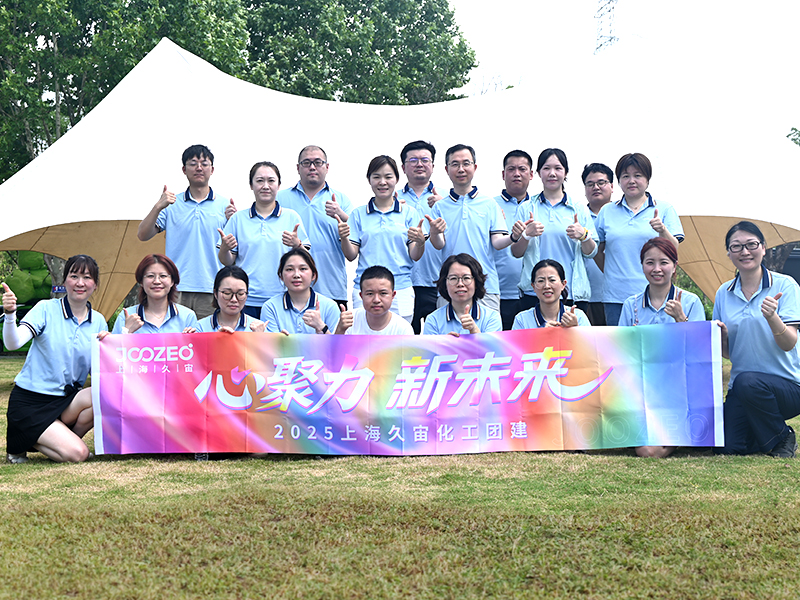
Jiuzhou features a professional research team and chemical product specialists. We utilize international production technologies and professional manufacturing equipment, built in line with national standards. Our facilities include a large, multi-purpose plant monitoring and analysis instrument central laboratory to ensure all products meet international requirements.
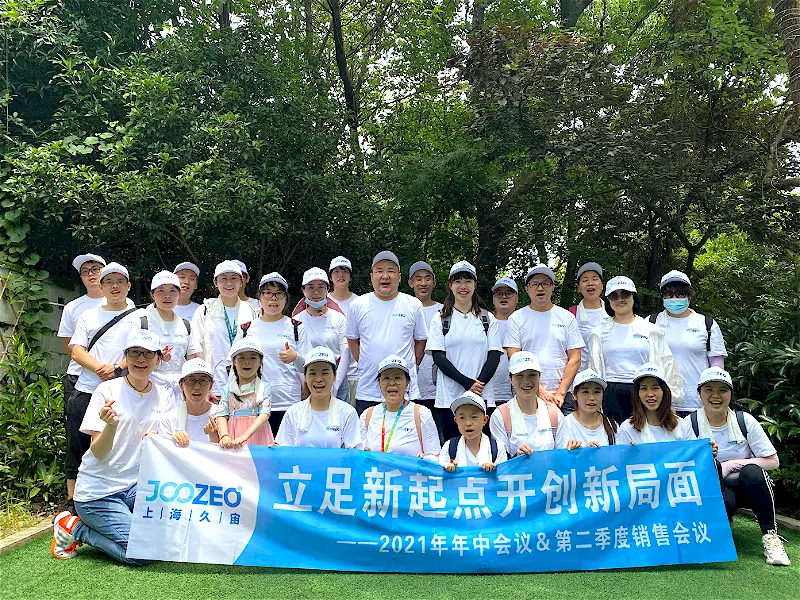
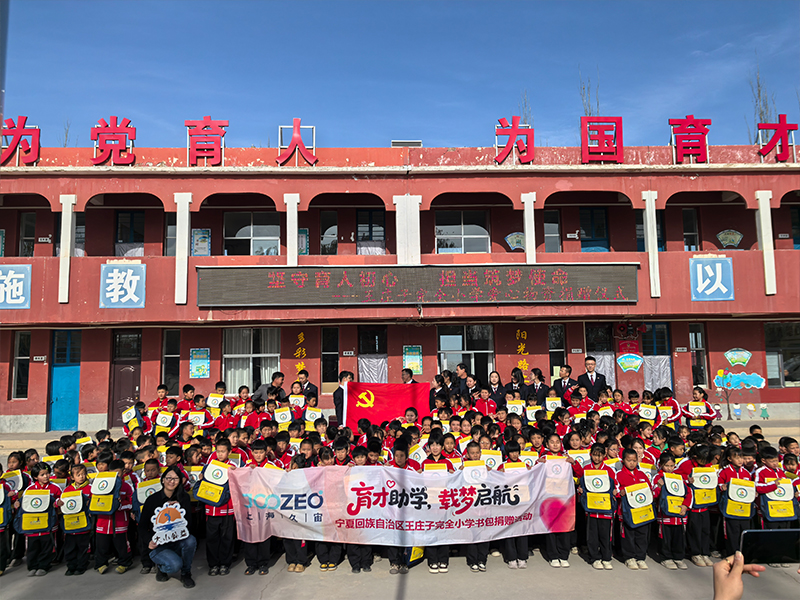
With senior technical experts, automated production workshops, and a dynamic testing lab, Jiuzhou has established a structured operating system for quality control and customer support. Joozeo products are exported worldwide, supported by distribution networks in the United States, Southeast Asia, Japan, Europe, North and South America, and the Middle East. We provide partners with high-quality products, custom configurations, and energy-saving adsorption solutions.
We believe in sustainable chemical production. By reducing emissions, optimizing energy use during manufacturing, and developing products that lower the carbon footprint of biofuel production, we contribute to global environmental protection.
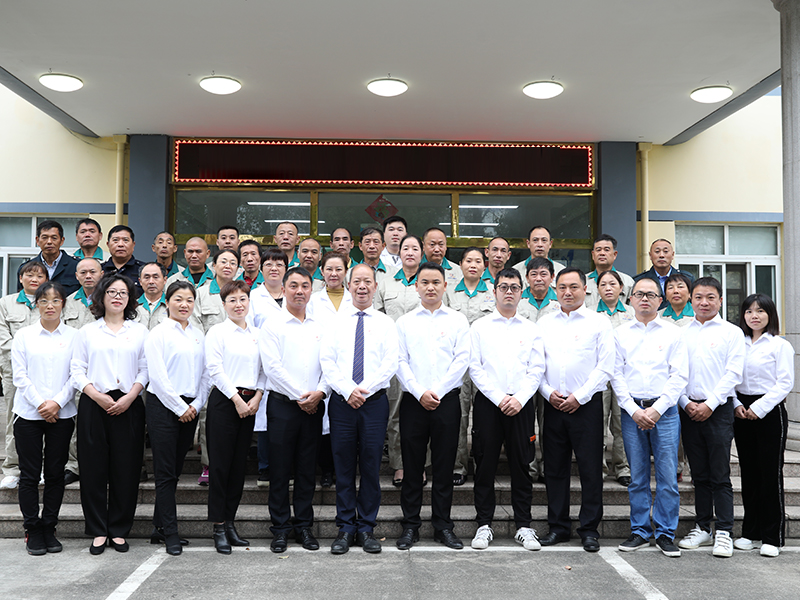

Shanghai Jiuzhou Chemicals is a key participant in drafting national and industrial standards for desiccants and adsorption technology, demonstrating our technical depth and market leadership.
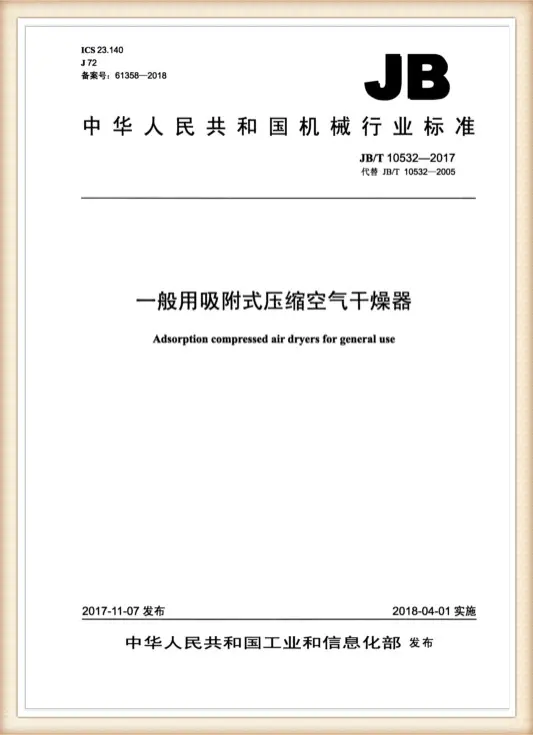
Adsorption compressed air dryers for general use
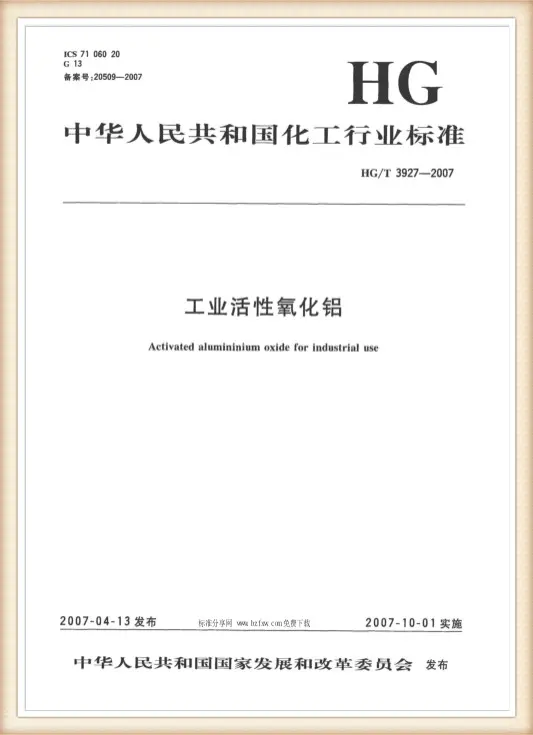
Activated aluminum oxide for industrial use
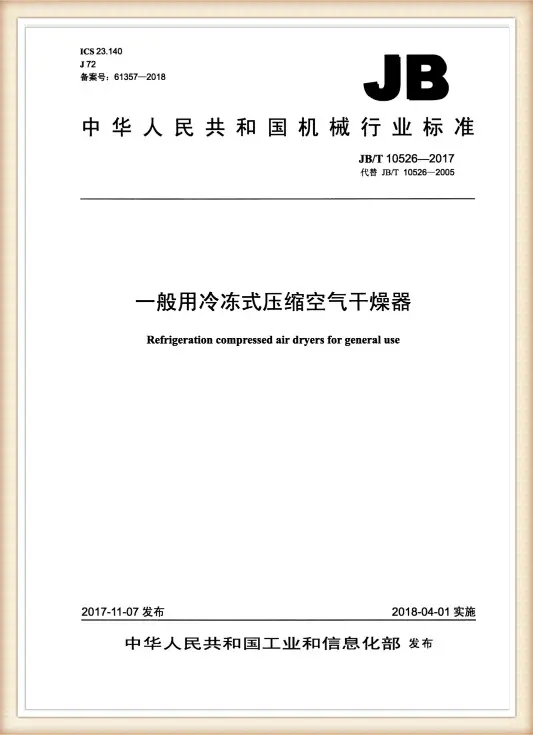
Refrigeration compressed air dryers for general use
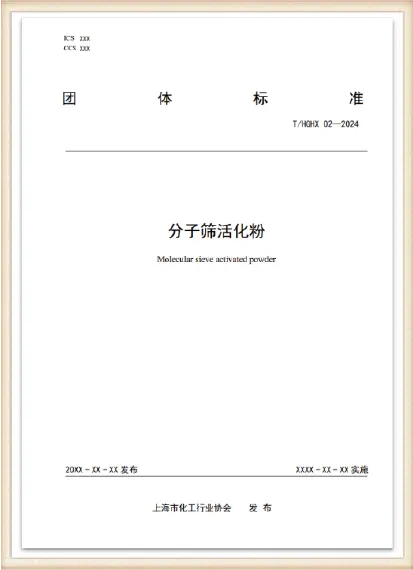
General specifications for gas purification machinery
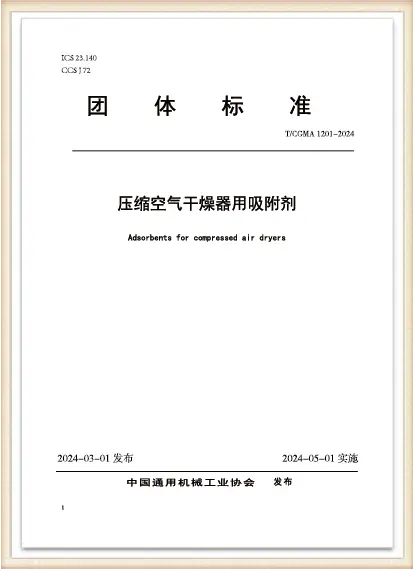
Advanced chemical adsorbent industrial rules
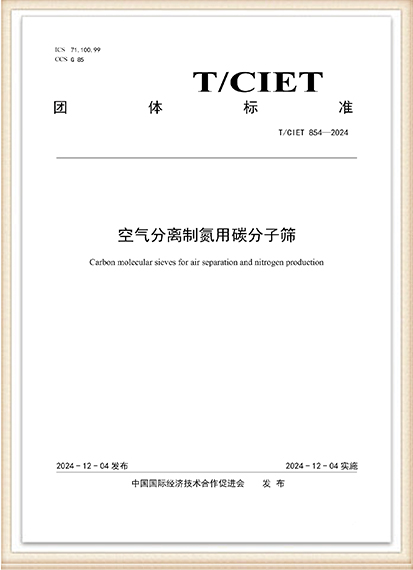
Green technology and environmental rating for drying agents
Detailed technical answers for process engineers, procurement leads, and plant managers.
A 3A molecular sieve has a pore size of approximately 3 Å (3 Angstroms). The kinetic diameter of a water molecule is 2.65 Å, while that of ethanol is 4.3 Å. The 3 Å pore size allows water to enter and be adsorbed while excluding ethanol. A 4A molecular sieve (pore size ~4 Å) would co-adsorb ethanol, leading to hydrocarbon retention, coking during thermal regeneration, loss of active capacity, and lower ethanol yields.
Key factors include hydrothermal stability, mechanical crush strength, regeneration temperature control, and feed purity. Repeated thermal regeneration in the presence of moisture can gradually degrade the zeolite crystal framework. Impurities in the feed, such as fusel oils, organic acids, or heavy hydrocarbons, can cause organic fouling (coking) on the bed. Under normal operating conditions with high-quality sieves, the media typically lasts between 3 to 5 years.
We use high-purity clay binders and a proprietary consolidation process during shaping and calcination. Our QA/QC team tests each production batch for bulk crush strength and attrition resistance using ASTM standards. This ensures the beads can withstand high gas flow velocities and mechanical stresses, preventing breakdown and maintaining low pressure drops.
To optimize a system, we need to know the feed ethanol flow rate, inlet water concentration (typically 5-8 wt% after distillation), operating pressure and temperature during adsorption, target outlet moisture (typically <0.5 wt% for fuel, <0.1 wt% for industrial solvents), regeneration gas source, and cycle times. Our technical team uses this data to recommend optimal bed sizing and operating parameters.
A broad selection of adsorbents engineered for gas purification, petrochemical processing, and air drying.
Contact our technical support and chemical engineering teams for system analysis, sample evaluation, and quotation support.
Send Inquiry Request