
Explore our leading industrial-grade molecular sieves, catalysts, and silicate-based compounds engineered for maximum mass-transfer kinetics.
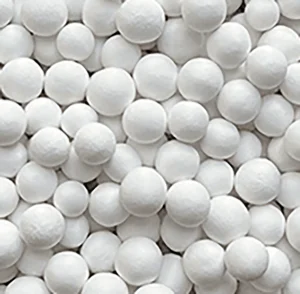
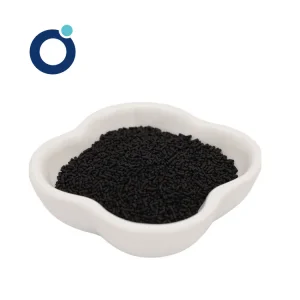
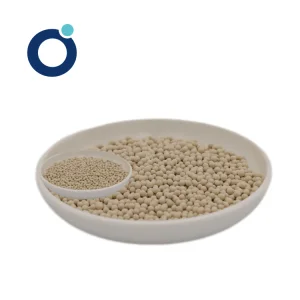
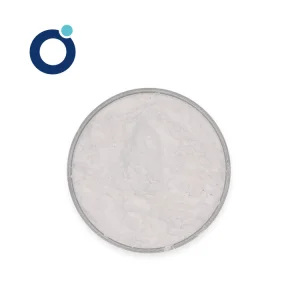
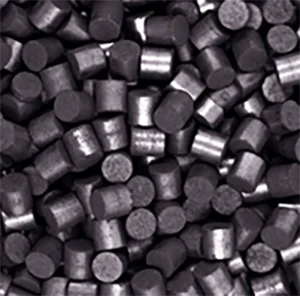
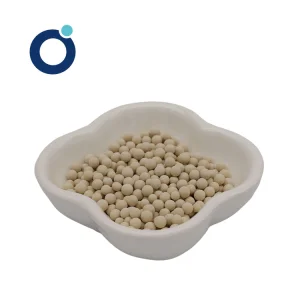
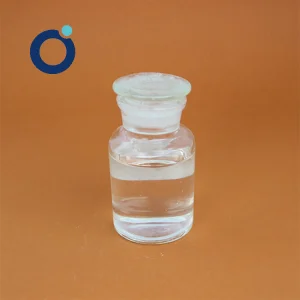
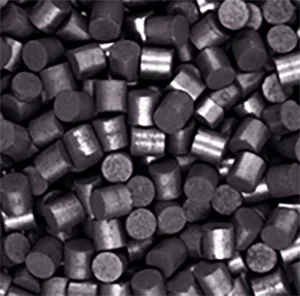
Modern industrial facilities run on continuity and precision. As carbon emission regulations tighten globally, the demand for high-selectivity gas separation materials has reached unprecedented heights. Global procurement networks are actively seeking heavy-duty molecular sieves for sale that possess not only high static water adsorption but also supreme mechanical crush strength to resist high-pressure environments inside massive adsorption towers.
Industrial applications—spanning natural gas dehydration, petrochemical purification, ethanol dehydration, and medical PSA systems—require custom pore structures tailored to fractional Angstrom levels. By choosing a manufacturer that commands the synthesis of precise crystal frameworks, enterprises can minimize regeneration temperature thresholds, thereby cutting operational expenditure (OPEX) by up to 25% annually.
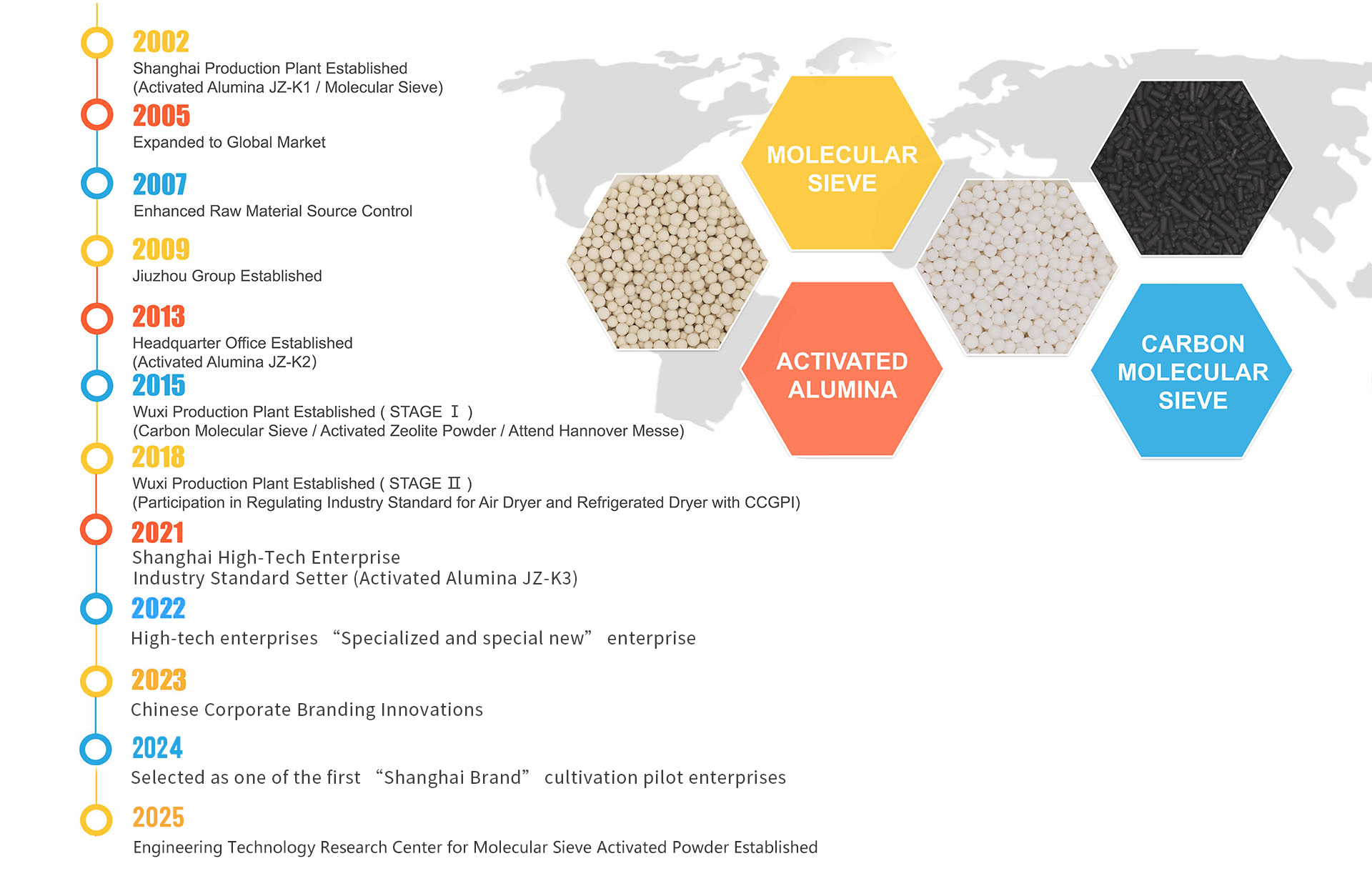
Over three decades of precision formulation, quality assurance, and sustainable chemistry development.
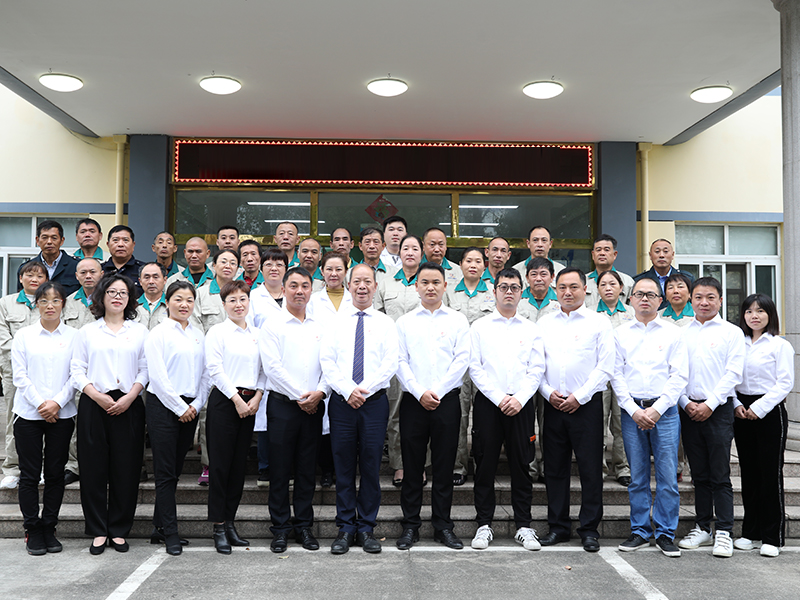
Shanghai Jiuzhou Chemicals Co., Ltd. is strategically situated in Shanghai, China's economic and chemical science powerhouse. Grounded in the core operational parameters of "Quality Control & Continuous Innovation," Jiuzhou has expanded into a globally recognized producer of molecular sieve powders, active powders, activated alumina, catalysts, packing media, and sodium silicates.
All chemical products conform strictly to ISO9001:2008 and hold official verifications from TUV and SGS. Our multi-functional automated plants are equipped with central dynamic research laboratories designed to simulate critical industrial flow rates, gas feeds, and cyclical temperature changes, ensuring performance replication under extreme operational pressures.
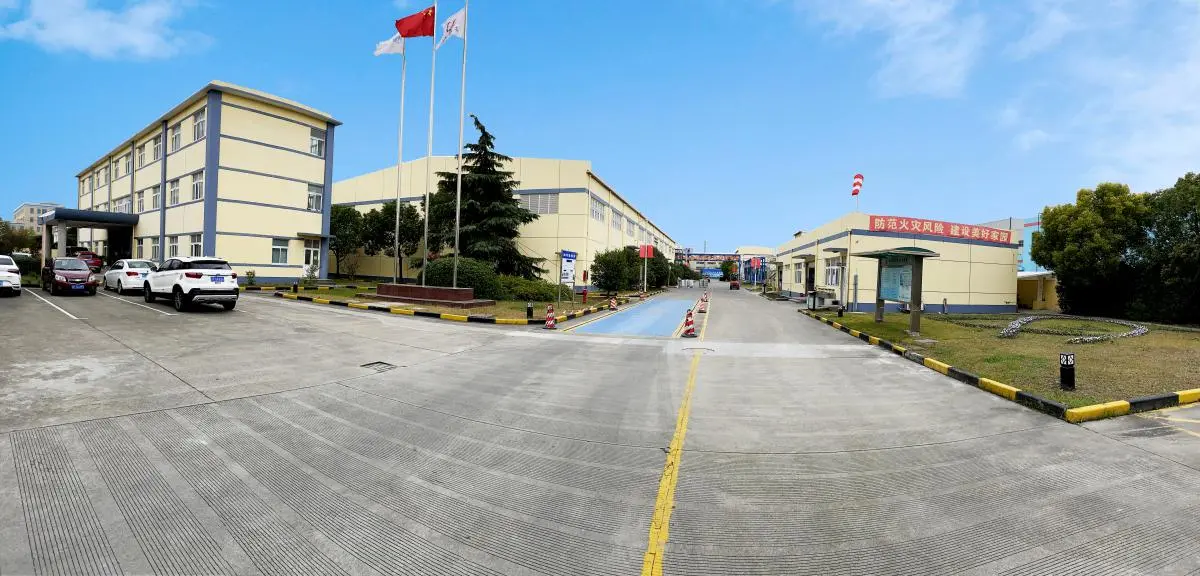

Our State-Of-The-Art Manufacturing Units: Shanghai Factory (Left) & Wuxi Factory (Right)
Every single batch undergoes automated X-ray diffraction, pore distribution mapping, and attrition testing.
In-house dynamic laboratories develop high-efficiency zeolites targeting lower energy regeneration thresholds.
Aligning molecular size configurations with targeted industrial adsorption pathways.
| Zeolite Type | Pore Diameter (Å) | Primary Industrial Applications | Target Molecules Adsorbed | Adsorption Mechanics |
|---|---|---|---|---|
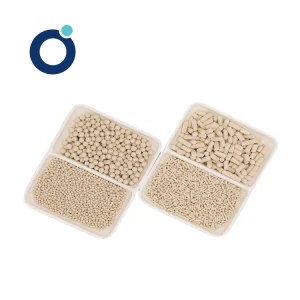
| Type 3A | ~ 3 Å | Cracked Gas Dehydration, Ethylene & Methanol Drying | H₂O, NH₃ | Steric exclusion of larger hydrocarbons |
| Type 4A | ~ 4 Å | Refrigeration Systems, Air Compressors, Closed Loop Drying | H₂O, CO₂, SO₂, H₂S | Electrostatic interaction with polar molecules |
| Type 5A | ~ 5 Å | PSA Oxygen Generation, Paraffin Separation, Hydrogen Purifying | Normal Paraffins, light alcohols, CO | Divalent calcium ion configuration selectivity |
| Type 13X (HP) | ~ 10 Å | Air Separation Cryogenic Units (ASU), High Oxygen Flow PSA | N₂, H₂O, Volatile organic compounds (VOCs) | High nitrogen adsorption capacity via lithium/sodium exchange |
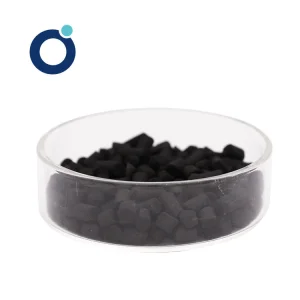
| CMS (Carbon) | Adjustable | PSA Nitrogen Generators, Inert Atmosphere Systems | O₂, Ar (allows N₂ enrichment) | Kinetic adsorption speed differential (O₂ diffuses faster) |
Choosing the correct pore configuration prevents co-adsorption. In dehydration of unsaturated hydrocarbon streams, utilizing Type 3A instead of Type 4A ensures that larger molecules like ethylene are not co-adsorbed and subsequently lost or polymerized during regeneration cycles.
Delivering engineered adsorption solutions to meet high-volume technical needs.
Our low-leakage 3A molecular sieves optimize cracked gas and liquid ethylene treatment units, preventing hydration blockages and corrosion in cryogenic separation processes.
Specially formulated lithium-exchanged and carbon molecular sieves (JZ-ZMS & JZ-CMS) enable continuous PSA plants to deliver high-purity nitrogen and oxygen on demand.
Removal of H₂O, H₂S, and CO₂ down to parts-per-billion (ppb) specifications, safeguarding pipeline transport corridors and preventing catalyst poisoning downstream.
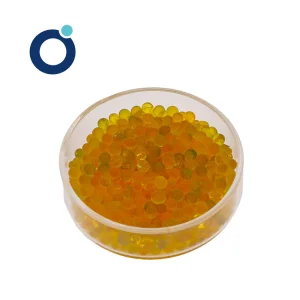
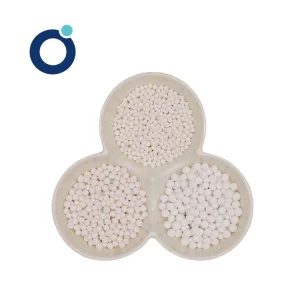
Integrating activated alumina (JZ-K1, JZ-K1W) and silica gel structures inside adsorption-type compressed air dryers to guarantee deep dew point operations (-40°C to -70°C).
Production of high-grade anhydrous fuel ethanol by removing moisture beyond the azeotropic limit via customized vapor-phase adsorption systems.
Porous zeolite crystal frameworks utilized as functional supports for acid-catalyzed processes, organic synthesis, and environmental VOC mitigation.
Shanghai Jiuzhou Chemicals leads standard drafting committees to guide global adsorbent manufacturing benchmarks.
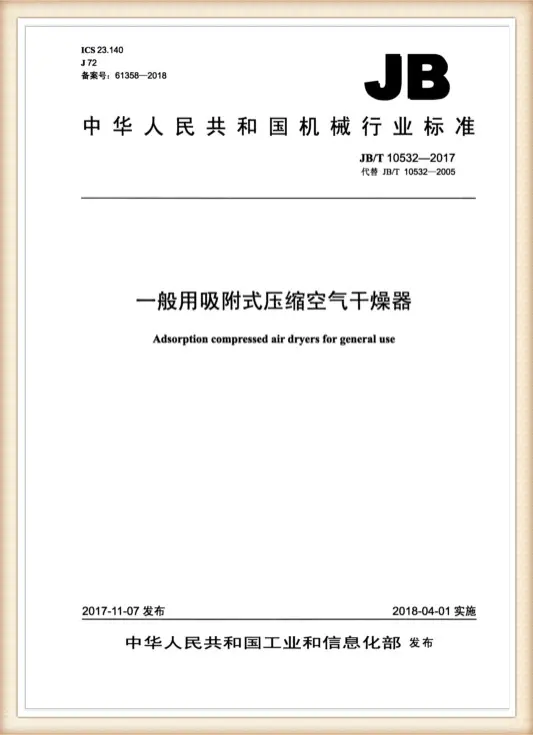
Adsorption compressed air dryers for general use
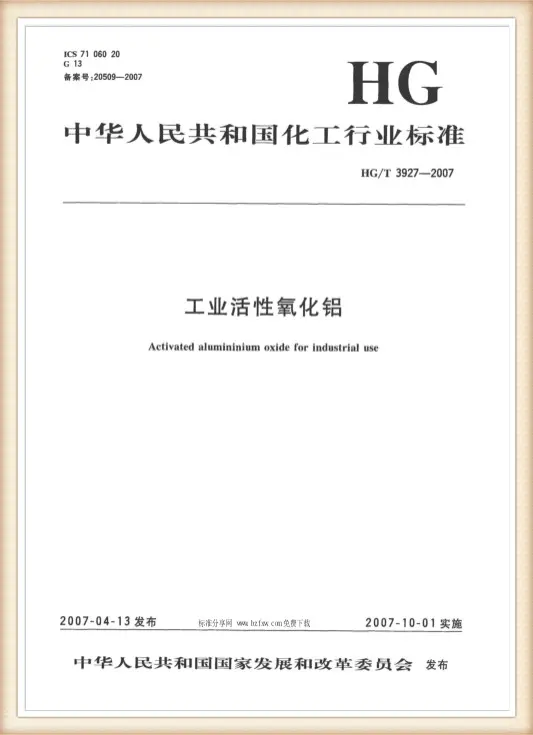
Activated aluminium oxide for industrial use
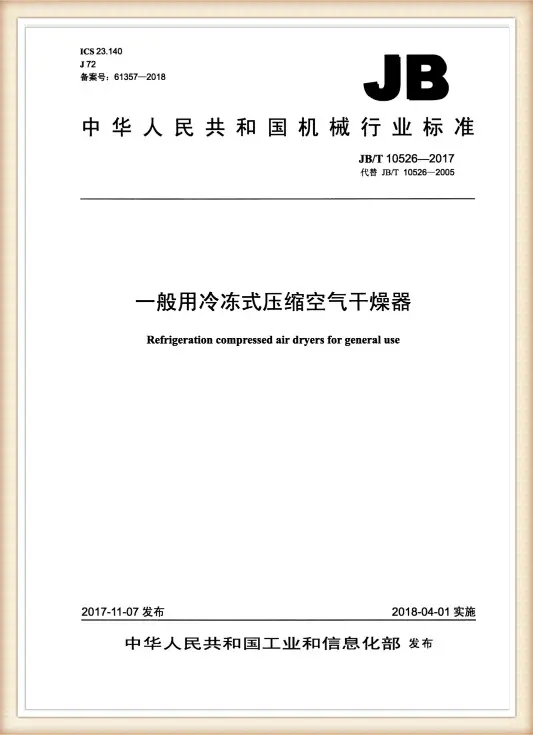
Refrigeration compressed air dryers for general use
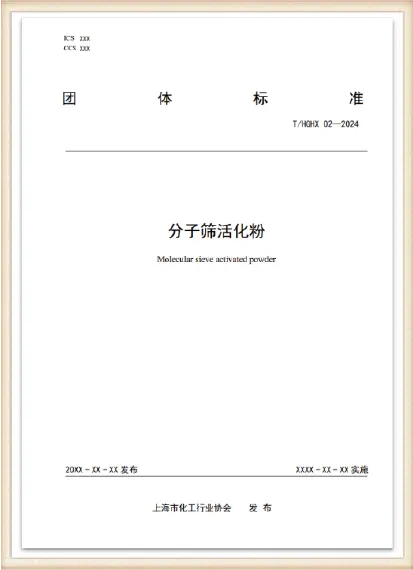
Industrial desiccant and air dryer efficiency standard
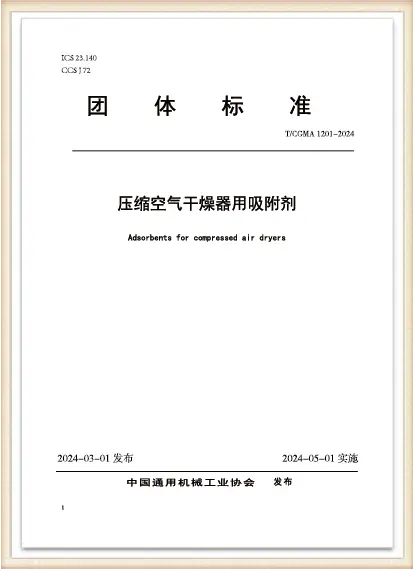
Chemical adsorption materials testing parameters
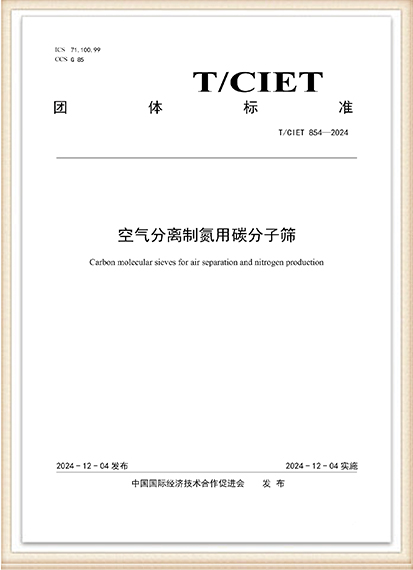
Green manufacturing protocols for silica & alumina adsorbents
Our environmental, social, and governance (ESG) pathways drive sustainable chemistry.
Jiuzhou Chemicals is committed to clean manufacturing processes. By upgrading our rotary calcination kilns to high-efficiency low-emission combustion systems and designing modular wastewater recycling networks, we decrease our overall environmental footprint. Our goal is to achieve an energy consumption reduction of 30% per metric ton of molecular sieve produced by 2030, supporting our corporate mission: "Better air, Better life".


Addressing the common questions raised by procurement managers, process engineers, and chemical distributors.
Procurement departments should evaluate a manufacturer based on three main metrics: mechanical crush strength (vital for resisting load weight and high flow pressures in large vertical beds), adsorption capacity/selectivity (measured by static and dynamic water/gas adsorption testing), and bulk density stability. Certifications such as ISO9001, SGS, and TUV ensure batch-to-batch consistency and trace raw materials origins.
Type 3A has an effective pore size of approximately 3 Angstroms (Å), which allows water molecules (~2.6 Å) to enter and be adsorbed while excluding larger hydrocarbons like ethylene (~3.9 Å) or propylene. Using a Type 4A molecular sieve (~4 Å pore size) in such applications would result in the co-adsorption of these hydrocarbons, leading to catalytic polymerization (coking) inside the zeolite pores, reducing bed lifespan and lowering product yield.
For Temperature Swing Adsorption (TSA) systems, regeneration typically requires heating the molecular sieve bed to a temperature of 200°C to 300°C. An excessive regeneration temperature (above 350°C) can cause thermal degradation of the crystal framework (hydrothermal aging), while temperatures that are too low will fail to desorb water molecules completely, reducing the working capacity of the subsequent cycle.
Zeolite molecular sieves (crystalline aluminosilicates) separate gases primarily based on thermodynamic affinities and molecular size exclusion. In contrast, Carbon Molecular Sieves (CMS) operate on kinetic separation principles. Oxygen molecules, being slightly smaller and diffusing faster than nitrogen molecules, enter the micro-pores of CMS at a much higher rate, allowing high-purity nitrogen to pass through PSA generation systems.
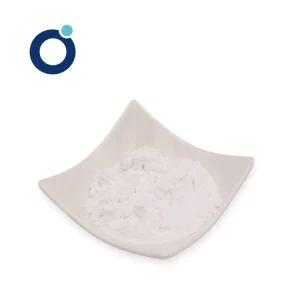
Active molecular sieve powders are dehydrated synthetic zeolite powders. They are blended directly into plastics, polyurethane paint formulations, sealants, and adhesive coatings to permanently trap moisture. This prevents bubbling, foaming, and surface defects that occur when trace water reacts with isocyanates or metallic additives.
Complete your supply matrix with high-purity activated carbons, silicates, and specialty catalysts.
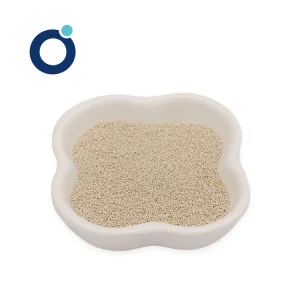
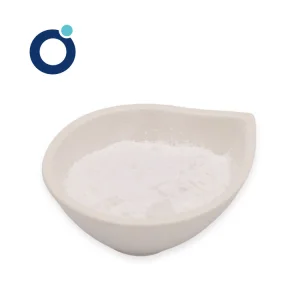
Consult with Jiuzhou's chemical engineering team to customize grain sizes, pore distributions, or mechanical specifications. Receive detailed pricing and material samples within 24 hours.
Send Request