
Premium molecular sieves, functionalized activated alumina, and select synthetic adsorbents manufactured under strict ISO quality standards.
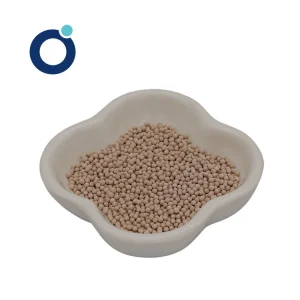
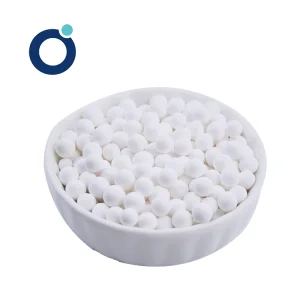
In modern chemical synthesis, petrochemical processing, and bio-fuel refining, removing water down to trace levels (often < 10 ppm) from solvents is a critical process constraint. Organic solvents like ethanol, isopropanol, acetonitrile, and tetrahydrofuran form minimum-boiling azeotropes with water, preventing complete isolation through traditional thermal distillation.
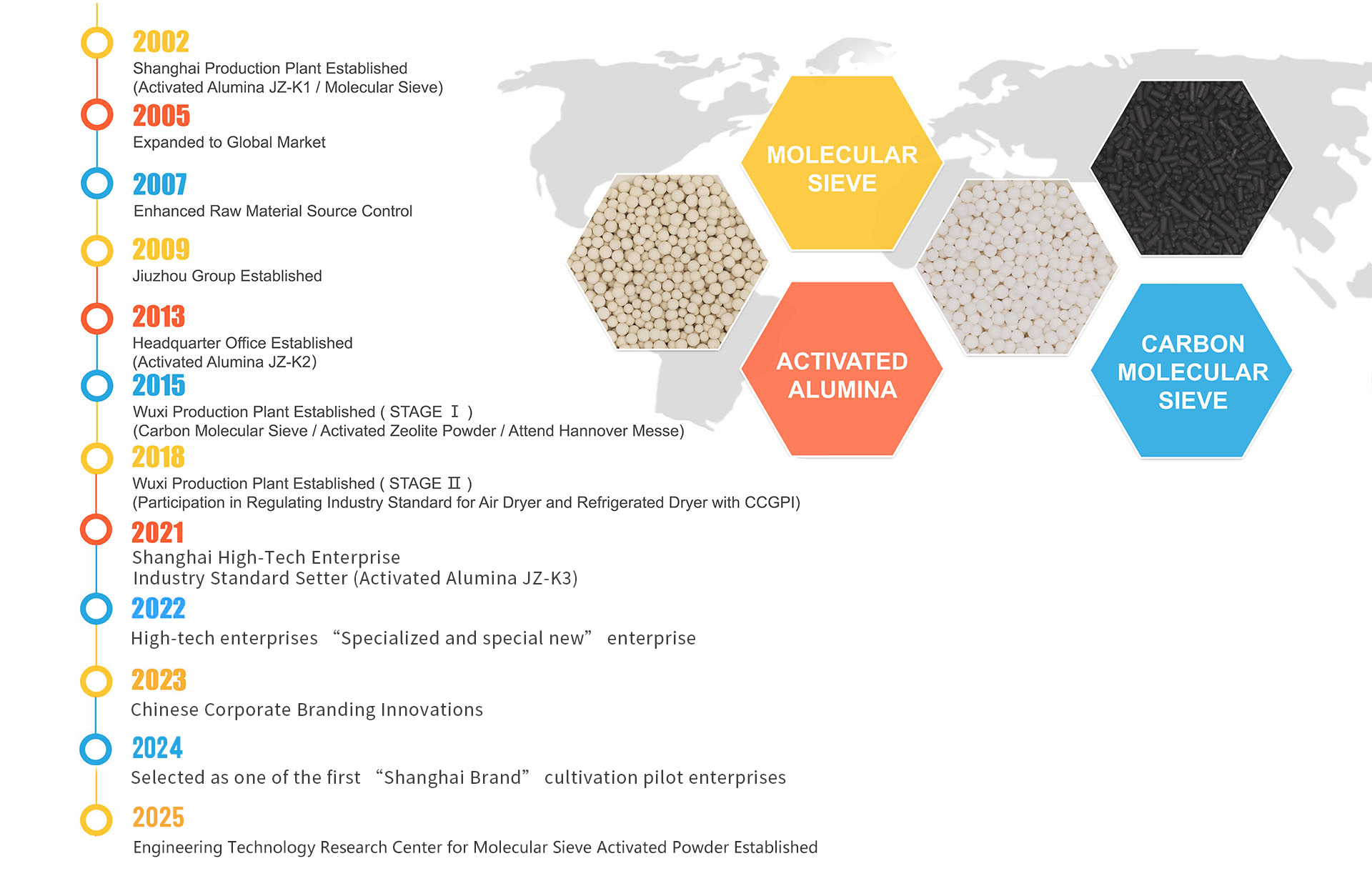
Shanghai Jiuzhou Chemicals Co., Ltd. (JOOZEO) has spearheaded molecular sieve and structural adsorbent technology for nearly three decades. By tailoring the pore diameters of crystalline aluminosilicates (synthetic zeolites) and structural activated aluminas, we manipulate kinetic diameters and adsorption isotherms. This ensures high selectivities for water molecules (kinetic diameter of 2.65 Å) over organic solvent molecules.
Our core manufacturing philosophy matches specialized crystalline frameworks—such as 3A (K-LTA) and 4A (Na-LTA) zeolites—with customized physical forms (spheres, pellets, and powders). This guarantees minimal attrition loss, high bulk densities, and optimized mass transfer kinetics in continuous Pressure Swing Adsorption (PSA) and Temperature Swing Adsorption (TSA) installations globally.
How decarbonization targets, green solvents, and high-performance crystalline matrices are shaping the future of industrial separation.
Traditional azeotropic distillation relying on toxic entrainers (like benzene or cyclohexane) is rapidly being replaced by solid-state molecular sieve adsorption systems to reduce heat consumption and emissions.
The rapid growth of the lithium battery industry has created a massive demand for ultra-dry solvents (NMP, organic carbonates). This requires specialized molecular sieve beds that can consistently deliver moisture levels below 1-5 ppm.
Modern plants demand engineered materials with pore structures controlled to a sub-angstrom level. This ensures that water is selectively adsorbed while leaving larger molecules like ethanol or feed hydrocarbons untouched.
Technical specifications for our main product classes under different operating criteria.
| Adsorbent Class / Grade | Effective Pore Aperture | Bulk Density (g/mL) | Crushing Strength (N) | Primary Industrial Applications |
|---|---|---|---|---|
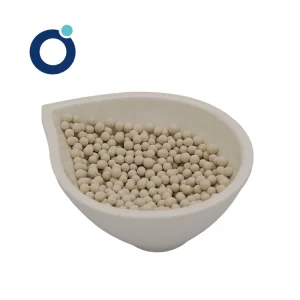
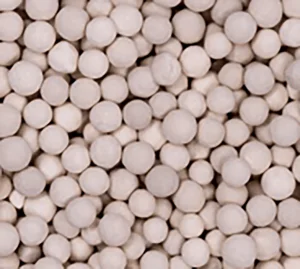
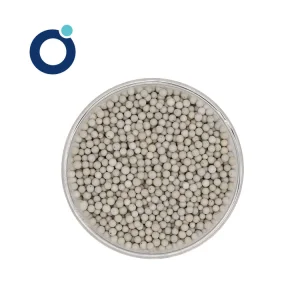
| Molecular Sieve JZ-ZRF | ~3.0 Å | 0.68 - 0.74 | ≥ 45 (1.6-2.5mm spheres) | Azeotropic ethanol, methanol & isopropanol purification |
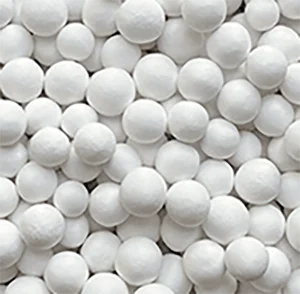
| Activated Alumina JZ-E | Mesoporous (variable) | 0.70 - 0.78 | ≥ 120 (3-5mm spheres) | Compressed air drying, acid scrubbing in alkylation feeds |
| JooSorb AST-01 | Custom Composite | 0.72 - 0.80 | ≥ 70 (beaded) | Trace moisture capture in polymer-grade olefin streams |
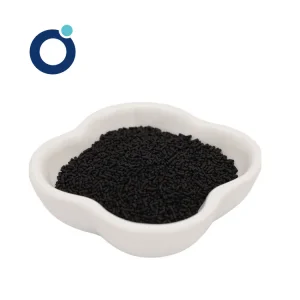
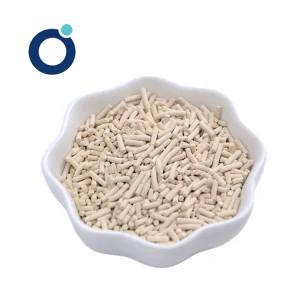
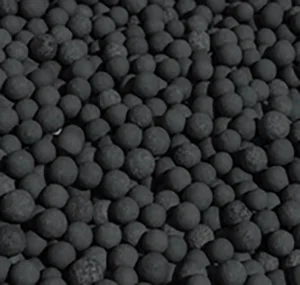
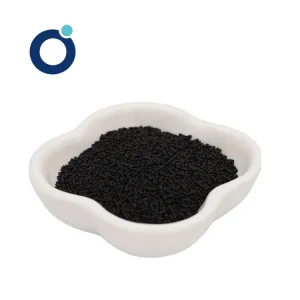
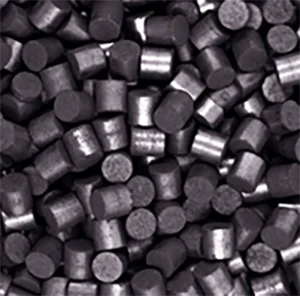
| Carbon Molecular Sieve JZ-CMS | ~4.0 Å (slit-like) | 0.64 - 0.68 | ≥ 35 (pellets) | Inert nitrogen gas generation for blanket tank systems |
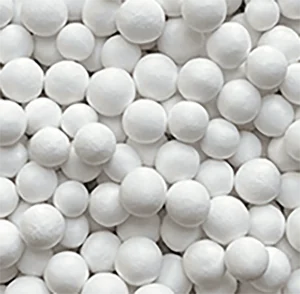
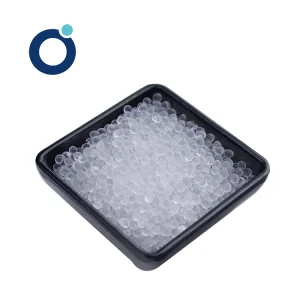
| Silica Gel JZ-BSG | Custom Amorphous | 0.70 - 0.76 | ≥ 80 (spheres) | Static humidity control & low-temperature gas dehydration |
Chemical process engineers and global procurement directors look at more than just initial material costs. Operating expenses are heavily impacted by bed lifetime, regeneration temperatures, pressure drops, and chemical compatibility.
Low-quality zeolites often suffer from rapid binder degradation under cyclic thermal stress (TSA), leading to channel dust and bed compaction. JOOZEO addresses this by using advanced clay-bound synthesis techniques. This guarantees high crush strength and lower attrition rates during high-velocity gas and liquid flows.
Furthermore, our manufacturing plants in Shanghai and Wuxi maintain dynamic test chambers. These facilities simulate chemical feeds, enabling us to estimate equilibrium isotherms and mass transfer zone parameters. This provides engineers with reliable data before loading the vessel.
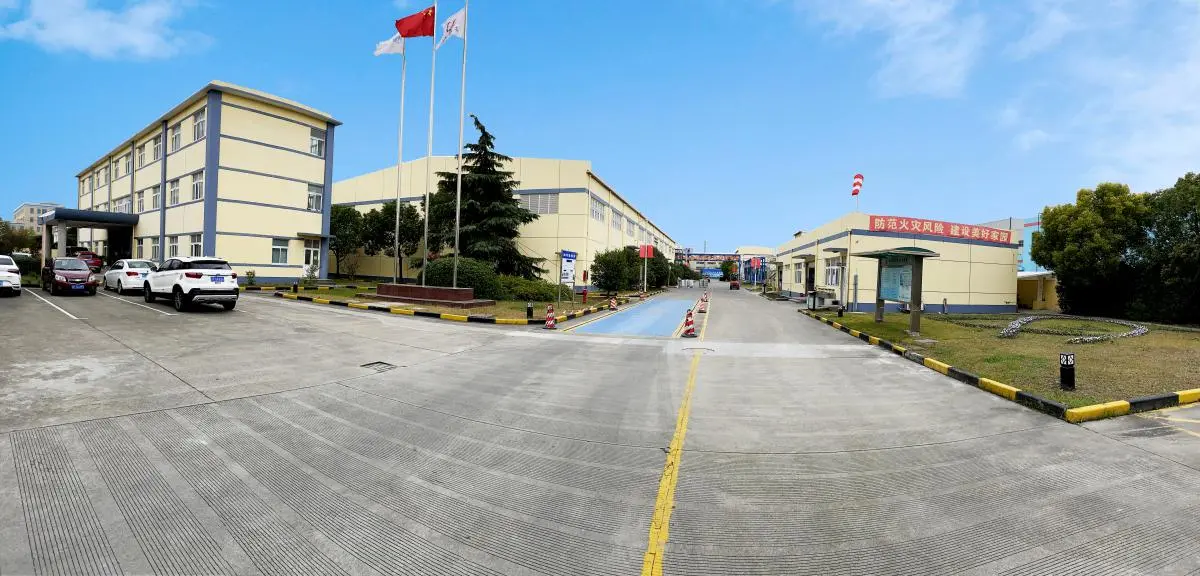
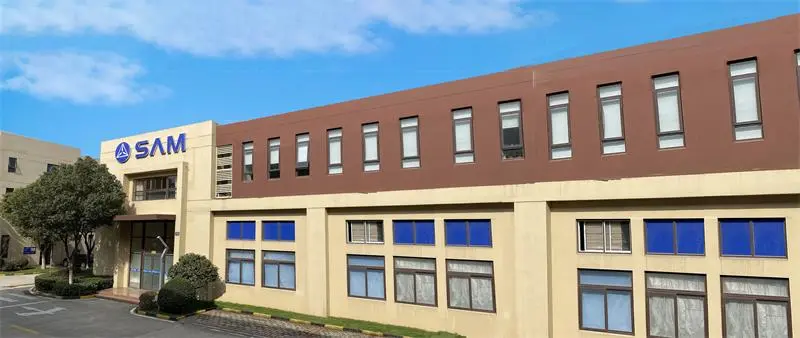
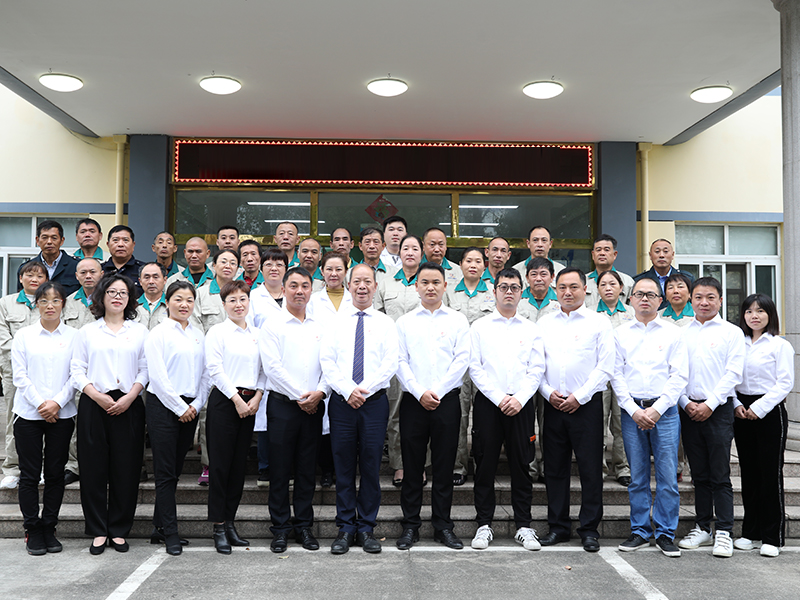
By managing two dedicated production complexes in Shanghai and Wuxi, JOOZEO ensures supply chain resilience. Our facilities handle raw zeolite synthesis, clay blending, extruding, forming, calcination, and vacuum packaging.
The Shanghai factory coordinates international logistics and technical validation. Meanwhile, the Wuxi plant manages large-scale, automated production of activated alumina, molecular sieves, and support media. Together, they output tens of thousands of metric tons of high-grade desiccants annually. This volume is backed by a global network of agents and distributors spanning the United States, Southeast Asia, Europe, and the Middle East.
JOOZEO does not just meet current standards; we co-draft them. Our team actively participates in defining national and industrial standards for desiccants and separation equipment.
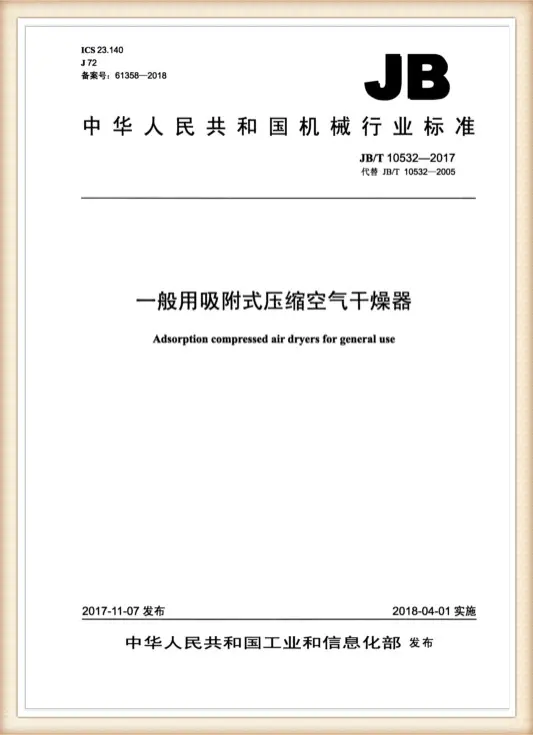
Adsorption compressed air dryers for general use.
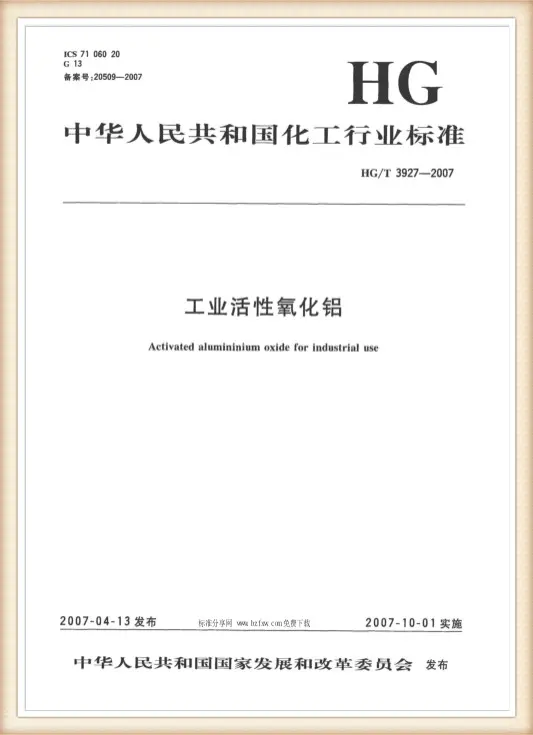
Activated alumina for industrial use.
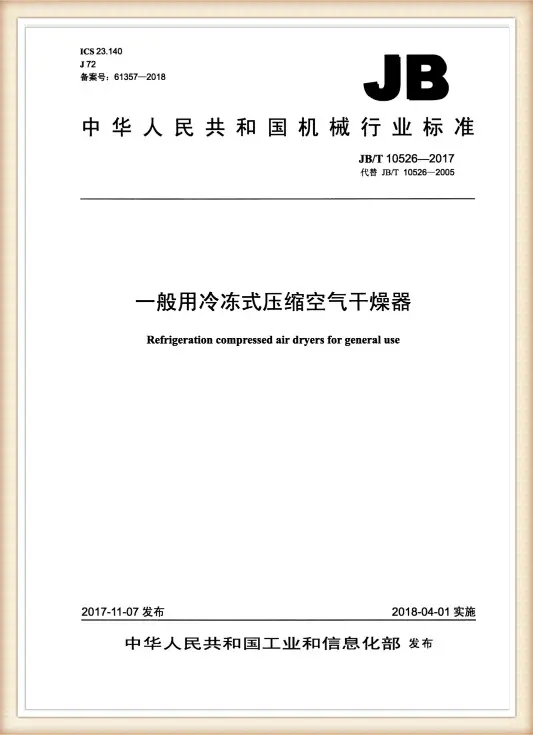
Refrigeration compressed air dryers for general use.
Group standard certification for gas compression machinery.
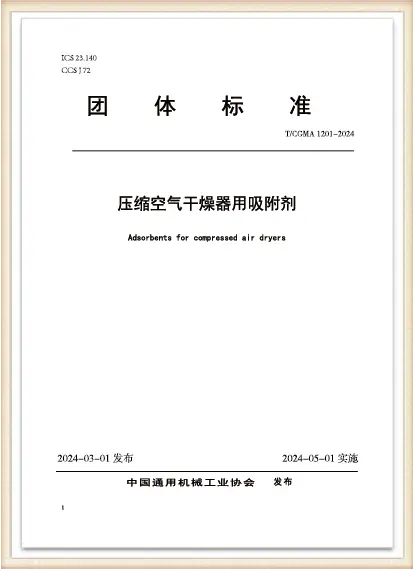
Standard compliance for advanced purification media.
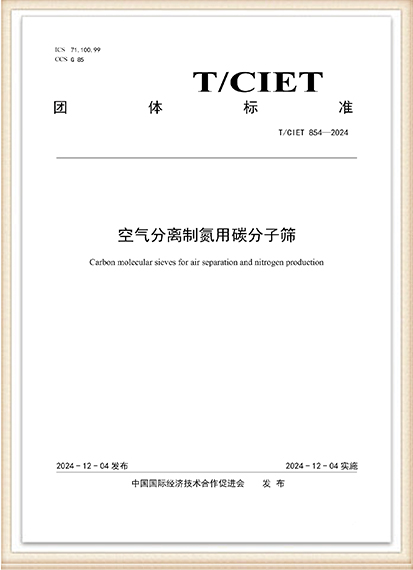
Industrial environmental emission reduction standards.
JOOZEO has spent decades working to lower emissions and waste in chemical manufacturing processes. We design products that reduce thermal loads during regeneration cycles.
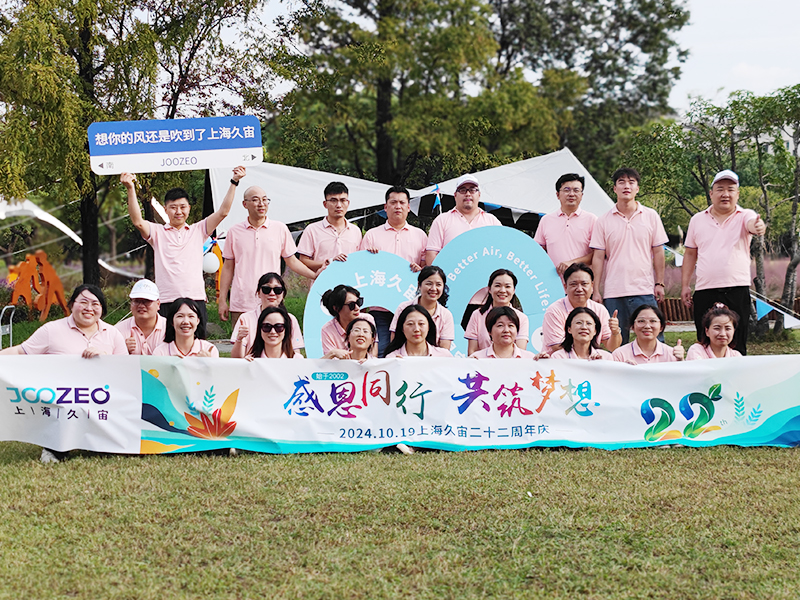
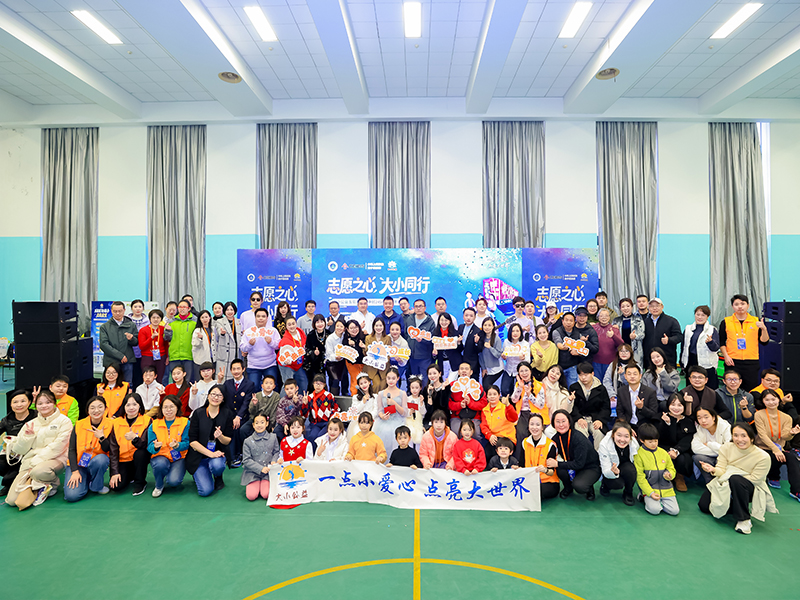
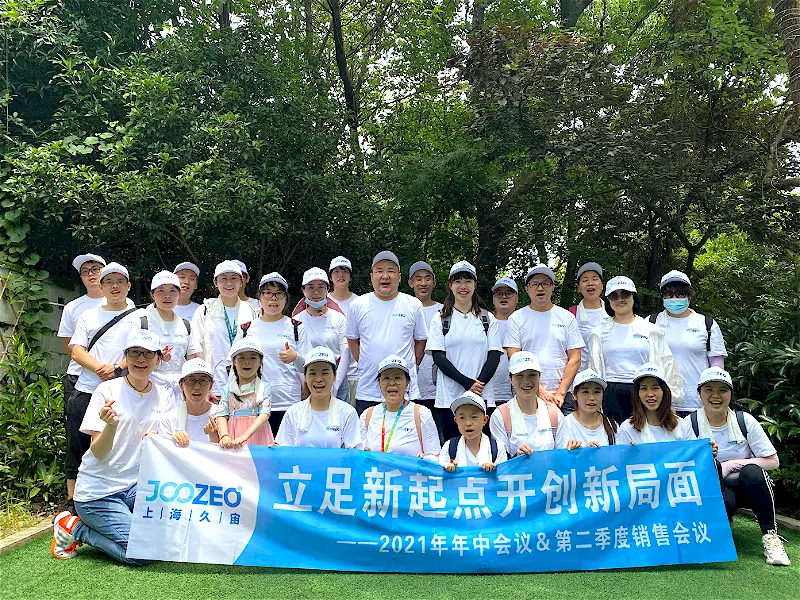
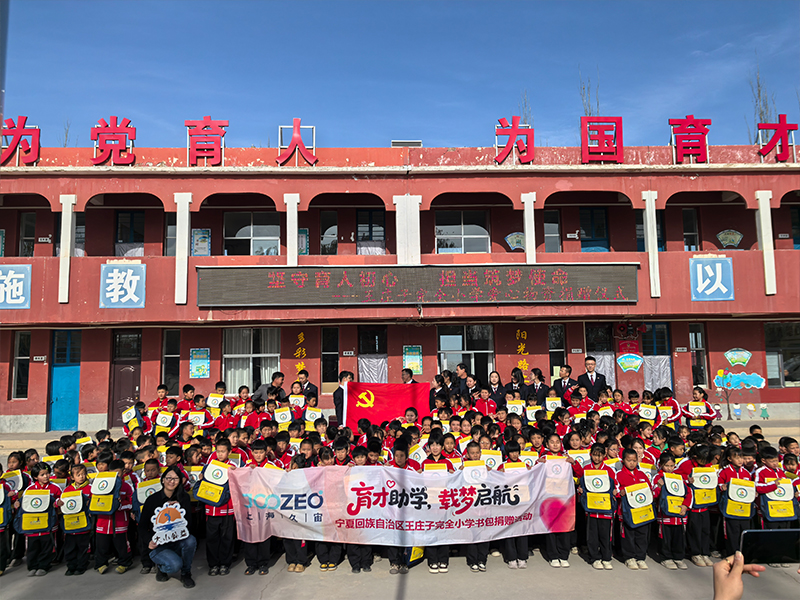
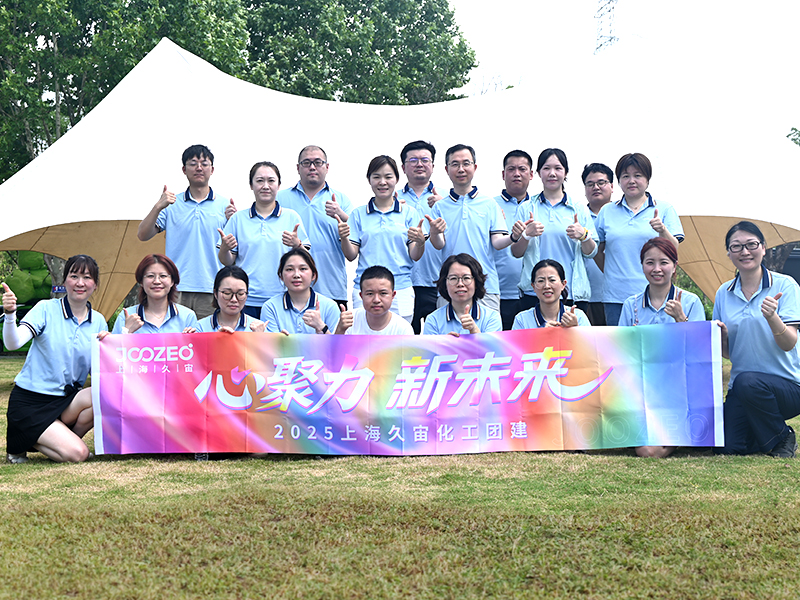
Looking forward, solvent dehydration must align with global green chemistry initiatives. Traditional thermal regeneration cycles demand significant energy. In response, our research division is focusing on two main areas:
1. Zeolite Membrane Configurations: Integrating vapor permeation membranes with molecular sieve polishing beds. This approach bypasses thermal regeneration steps entirely, cutting operational energy requirements by up to 40%.
2. Ultra-low Temperature Desorption: Modifying the cation framework (K-Na exchanges) of our molecular sieve formulations to lower the thermal energy barrier needed to release captured water molecules. This allows for regeneration using low-grade industrial waste heat (140°C - 160°C).
Expert answers from JOOZEO's engineering team on design, selection, and troubleshooting of dehydration beds.
Specialty silica materials, chemical support balls, and high-strength molecular sieves for industrial adsorption beds.
Need assistance sizing a dehydration bed or matching chemical compatibility requirements? Contact our technical support team for custom configurations. We respond within 24 hours.
Send Request