Explore our leading industrial performance adsorbents engineered for gas purification, dehydration, and separation systems worldwide.
Shanghai Jiuzhou Chemicals Co., Ltd., operating globally under the brand JOOZEO, is established in China's largest economic hub, Shanghai. Over several decades of strategic growth, Jiuzhou has consistently adhered to our core operating philosophy: "Quality Control, Innovation". We remain dedicated to the design, synthesis, pilot testing, and commercial manufacturing of premium adsorption agents, molecular sieves, and catalysts.
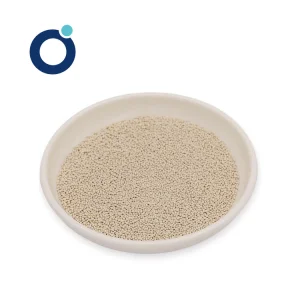
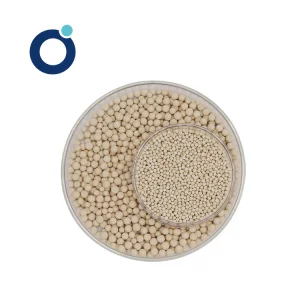
Our expansive product portfolio features specialized molecular sieve powders, synthetic molecular sieves, activated powder, activated alumina, aluminum oxide catalysts, various engineering ceramic balls, sodium silicates, aluminum hydroxide, zeolite 4A, sodium carbonates, and surfactant compounds (SLES). Each production phase meets or exceeds the requirements of the ISO9001:2008 quality management framework, validated through authoritative external audits by TUV and SGS.
Equipped with automatic multi-functional synthesis lines, custom dynamic simulation testing rooms, and central analysis labs, we develop environmental solutions that help global industries decrease operating expenses while achieving decarbonization objectives.
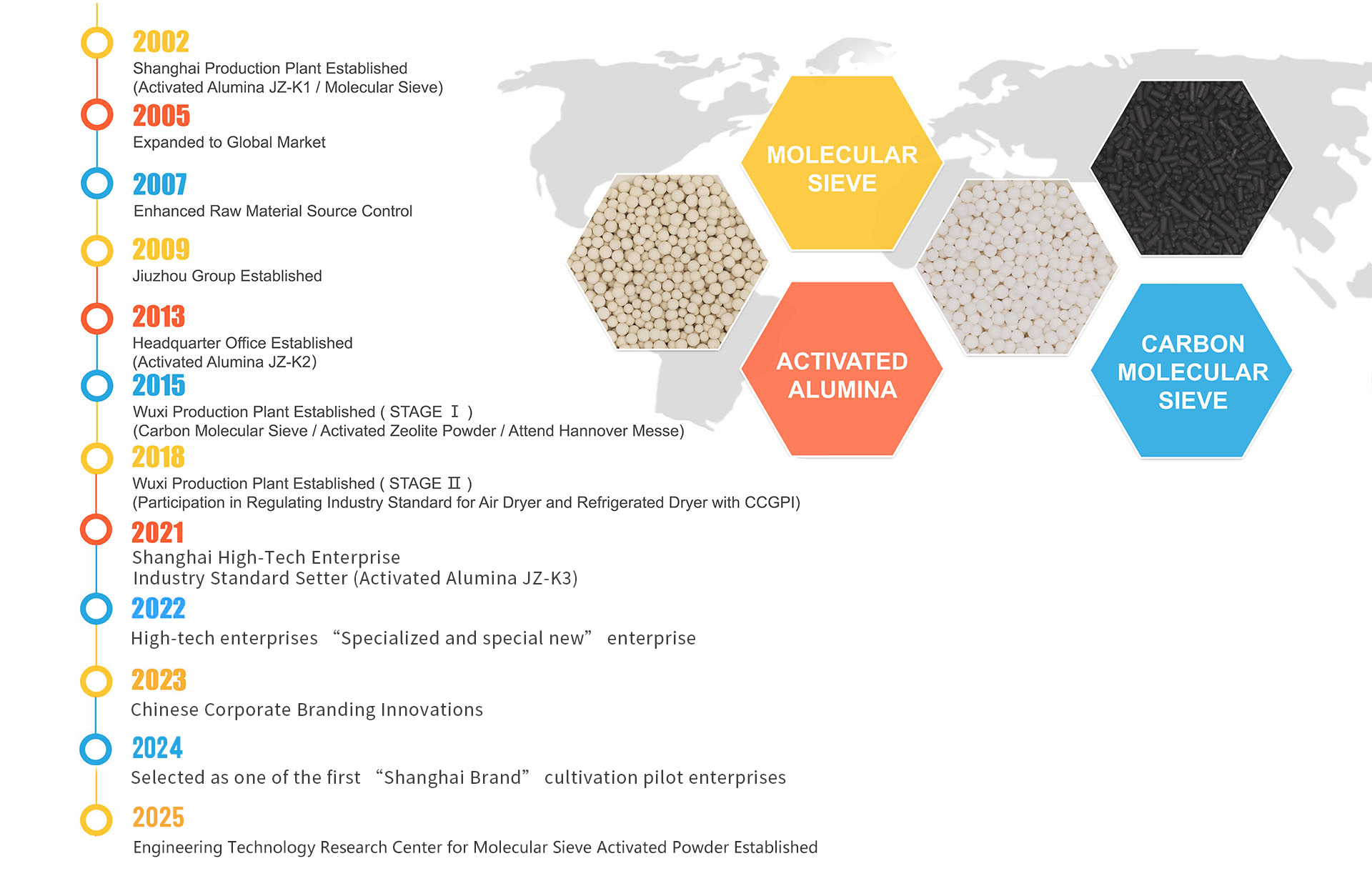
A comprehensive analysis of kinetic separation chemistry, process efficiency, and physical-chemical performance indicators.
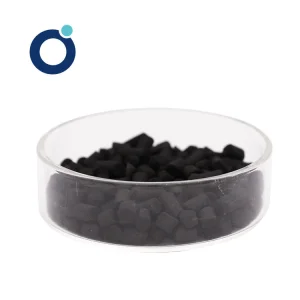
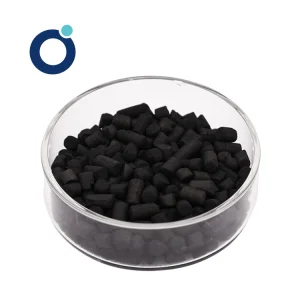
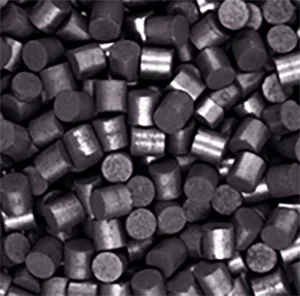
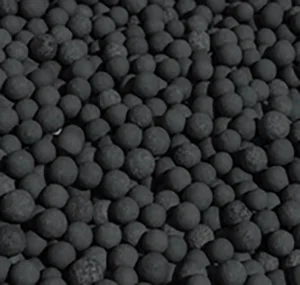
Carbon Molecular Sieve (CMS) is the foundational adsorbent utilized in Pressure Swing Adsorption (PSA) nitrogen generator packages. Unlike conventional crystalline aluminosilicate zeolites, CMS consists of amorphous coal-derived or coconut-shell carbon matrix structures. The material exhibits a highly developed, micro-porous network with mean pore aperture sizes of approximately 4 Å (0.4 nanometers). The kinetic separation of air is based on the differential diffusion rates of gas molecules: oxygen molecules, which possess a smaller kinetic diameter (3.46 Å), diffuse into the micro-pores of the CMS matrix significantly faster than nitrogen molecules, which exhibit a larger kinetic diameter (3.64 Å).
During the adsorption phase of a PSA cycle, high-pressure feed air (typically 0.7 to 1.0 MPa) passes through the CMS column. The oxygen, carbon dioxide, and water vapor are selectively captured within the molecular pore channel structure, while enriched product nitrogen flows out from the top discharge manifold. The regeneration phase is accomplished by venting the pressure to atmospheric conditions, which triggers the rapid desorption of the captured oxygen molecules. This dynamic adsorption-desorption cycle requires high mechanical strength, chemical stability, and narrow pore size distribution in the CMS to ensure a system lifespan exceeding 8 to 10 years without significant dust formation or performance loss.
Precisely controlled pore openings of 0.28 to 0.4 nm ensure high selectivity, separating kinetic molecules with size variances under 0.02 nm.
High mechanical hardness parameters prevent structural breakdown, preserving packing integrity under high cyclic pressure variations.
Improved kinetic yield lowers structural air consumption, reducing compressional energy requirements for global industrial plants.
The evolution of carbon molecular sieve manufacturing has progressed from early thermal decomposition models to advanced nanotech pore adjustment techniques.
Initial coal pulverization combined with standard tar binders, carbonization at medium temperatures, and basic acid washing to remove inorganic ash elements.
Implementation of precise CVD hydrocarbon cracking inside nitrogen carrier streams, enabling modification of surface micropore diameters at the angstrom level.
Developing ultra-pure coconut matrices blended with specialty phenolic resins to optimize density, maximize recovery rates, and lower CO2 emissions during manufacturing.
How high-grade CMS-based nitrogen generation satisfies demanding operating standards across various global industries.
Provides continuous, ultra-pure nitrogen gas (up to 99.999% purity) for lead-free wave reflow soldering processes, protective nitrogen blanketing in silicon wafer stockers, and chemical vapor deposition chambers to eliminate trace oxygen contaminants.
Displaces ambient oxygen within food and beverage packaging lines, preventing lipid oxidation, microbial growth, and structural container collapse in retail food bags, commercial coffee containers, and premium wine storage tanks.
Maintains inert conditions within chemical transfer tanks, offshore marine vessels, and high-pressure chemical reactors, reducing the risk of explosive vapor mixtures forming during hydrocarbons transport and storage.
Supports pharmaceutical ingredient drying, powder conveying systems, and sterile vial filling operations under cGMP rules, where strict moisture limits and inert atmospheres are essential for product stability.
Prevents surface oxidation during high-temperature metal processing, including annealing, sintering, and laser cutting, helping producers achieve clean metal finishes without post-heat-treatment pickling.
Provides consistent high-pressure nitrogen gas to prevent polymer oxidation inside mold cavities, ensuring cosmetic surface finishes and mechanical stability for automotive components and consumer electronics enclosures.
Combining automated production, rigorous raw material selection, and extensive chemical laboratory testing capabilities.
Our Shanghai facility features advanced multi-functional production lines, raw material screening processes, and central testing equipment. This site manages core material testing, research programs, and global distribution operations.
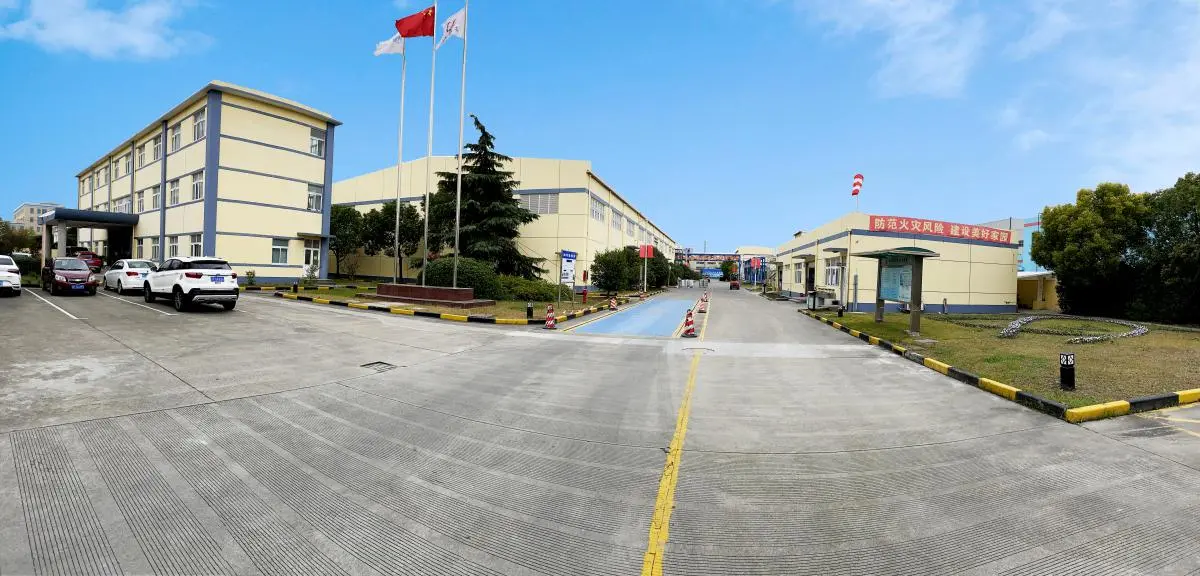
Located near regional logistics hubs, the Wuxi plant handles large-scale raw material processing, carbonization, activation, and bulk product packaging, ensuring consistent capacity for global demands.

Our quality assurance framework guarantees consistency from raw material inputs to final packaged deliverables. Standardized testing protocols ensure that each batch meets performance specifications before shipping.
Engaged in developing energy-efficient adsorption solutions that help reduce operational emissions across international industrial sites.

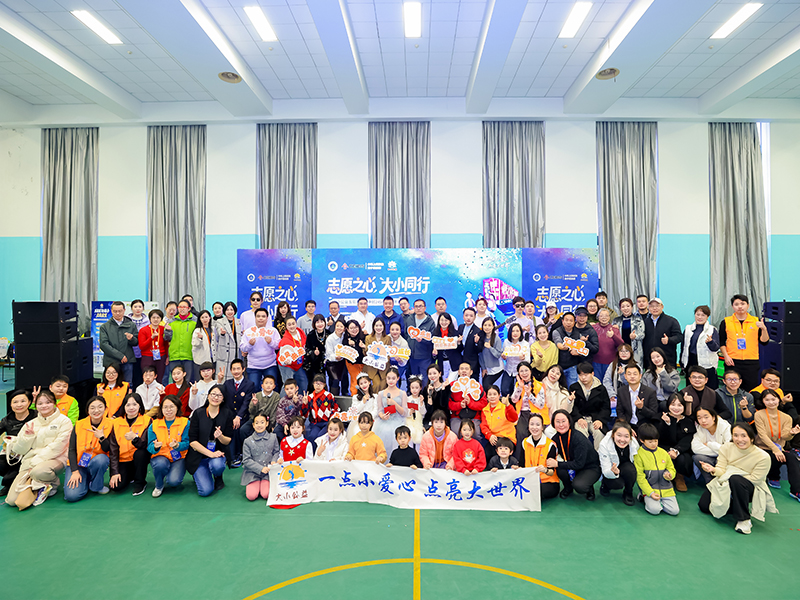
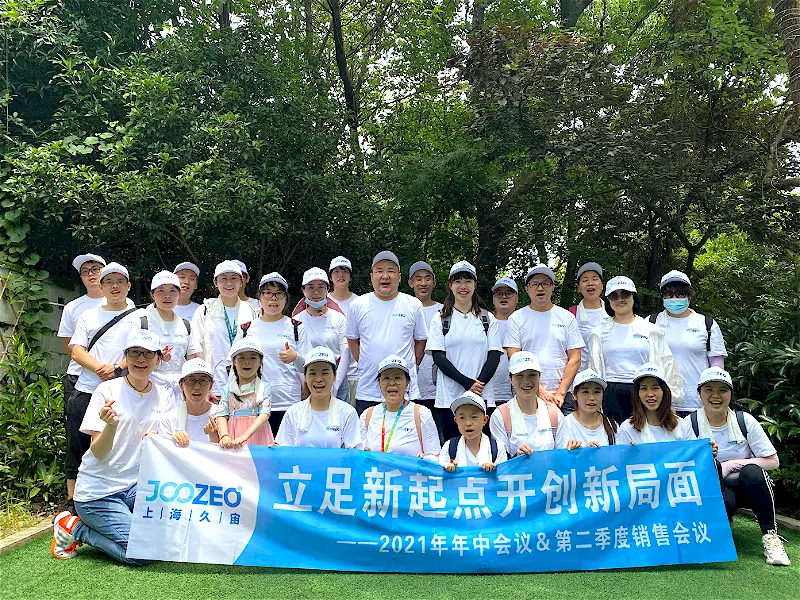
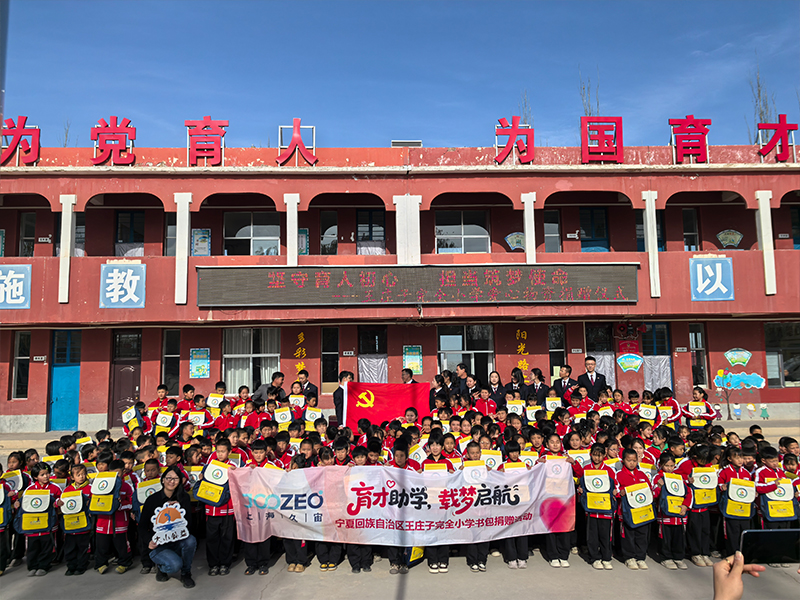
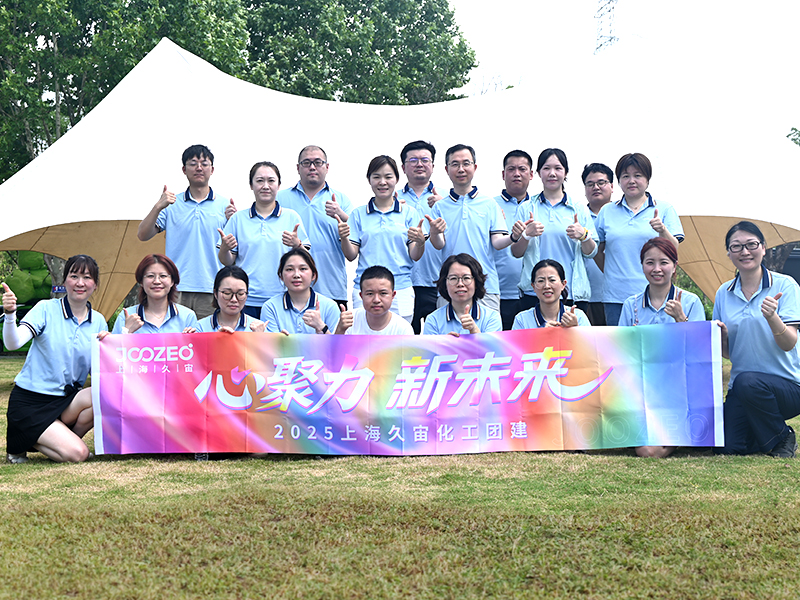
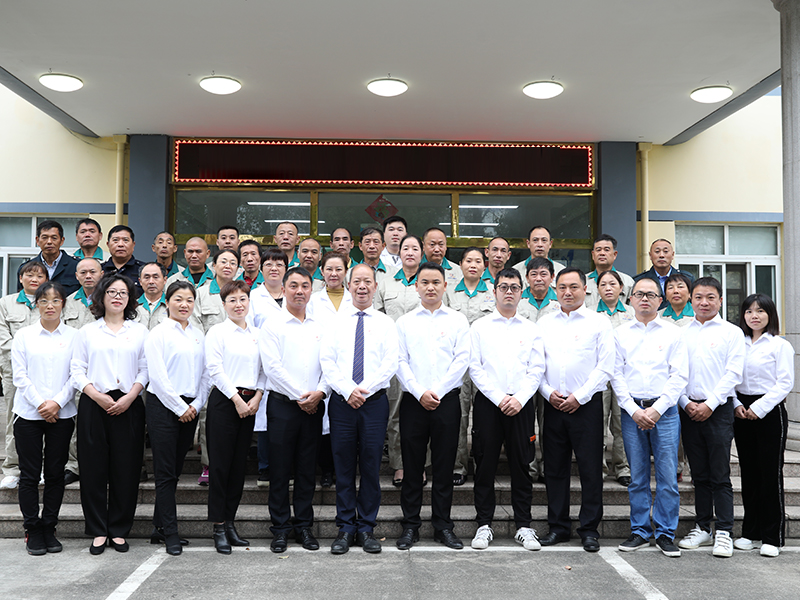

A trusted manufacturing partner participating in the development of Chinese national and industrial chemical standards.
Global supply chains require consistent performance and reliable logistics. JOOZEO integrates raw material procurement with direct shipping access near the Port of Shanghai to ensure stable lead times. By selecting local high-purity minerals and maintaining redundant processing lines in Shanghai and Wuxi, we reduce supply disruption risks for our global clients.
JOOZEO's technical team has contributed to formulating several standard guidelines for compressed gas purification and drying systems, helping establish benchmarks for industrial desiccants and adsorbents.
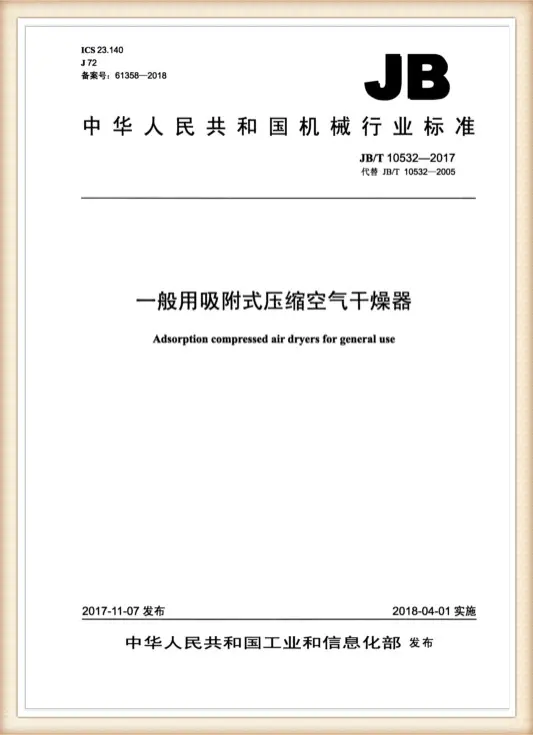
JB / T 10532-2017
Adsorption compressed air dryers for general industrial applications
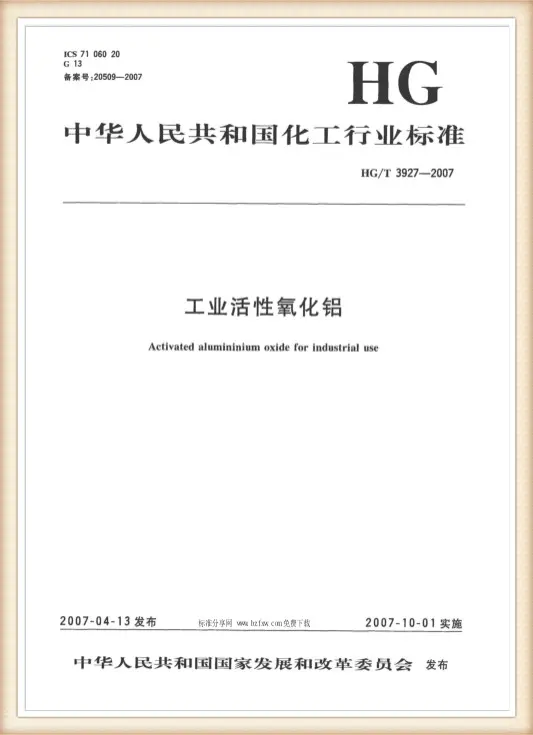
HG / T 3927-2007
Activated aluminum oxide for industrial applications
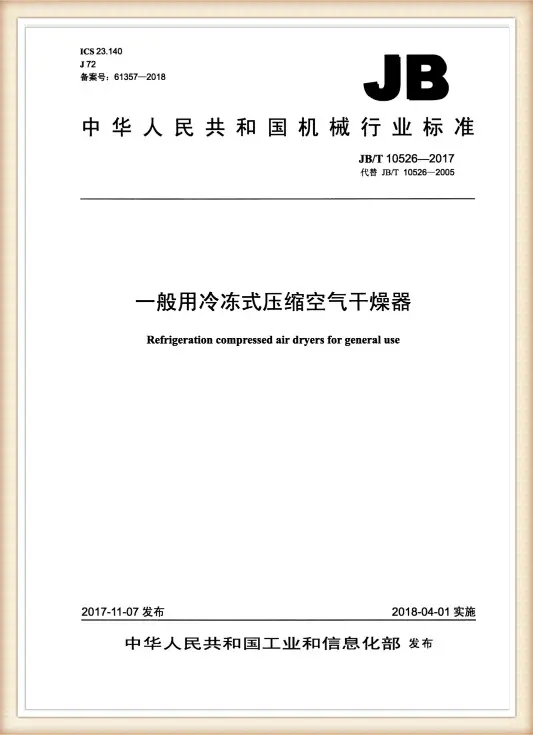
JB / T 10526-2017
Refrigeration compressed air dryers for general industrial applications
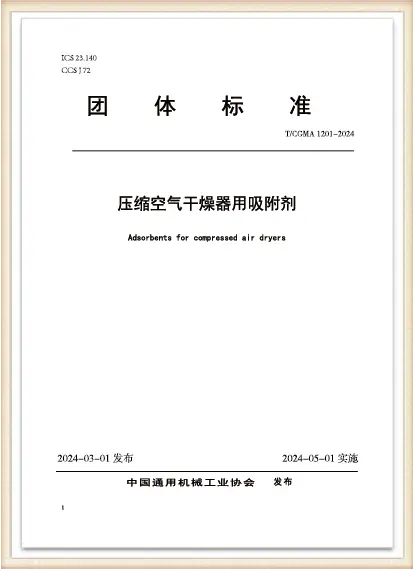
T/CGMA1201-2024
Compressed air system compliance and optimization standards
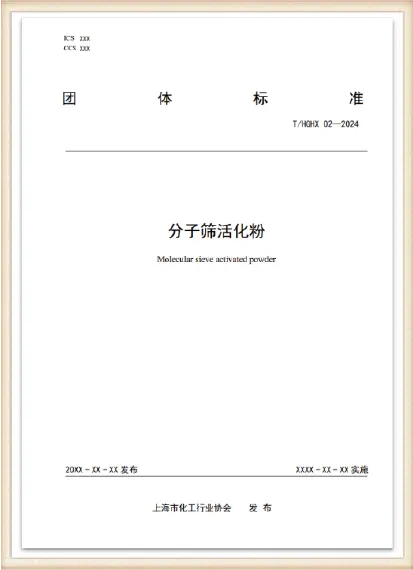
T/HGHX 02—2024
Industrial adsorption desiccants test methodology & specifications
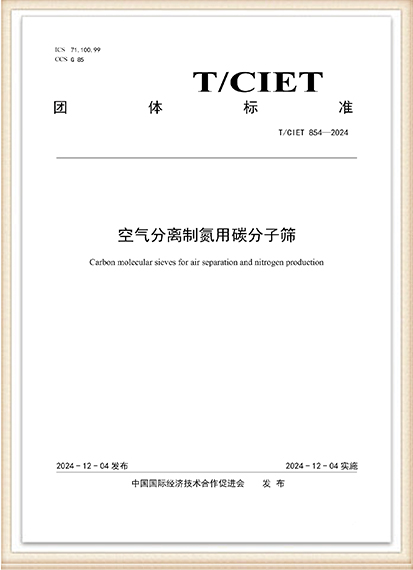
T/CIET 854-2024
Greenhouse gas management and low carbon emission standards
Engineered for high performance, mechanical stability, and low energy loss in demanding processing environments.
Professional engineering answers addressing Carbon Molecular Sieve installation, design criteria, and maintenance best practices.
If you have technical questions or require customized pricing, contact our engineering team. We respond within 24 hours.
Send Request