

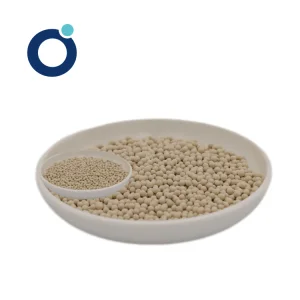
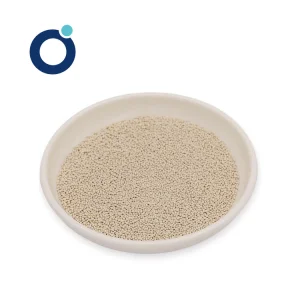
In modern chemical processing, the presence of carbon dioxide (CO2) poses substantial operational and environmental challenges. Industrial gas processing plants, hydrocarbon purification units, and cryogenic separation technologies rely heavily on specialized CO2 molecular sieves to dynamically isolate CO2 from mixed process flows.
As a synthetic crystalline aluminosilicate with uniform pore structures, molecular sieves—specifically the 13X zeolite structure—are highly valued for their high selectivity for CO2. The strong electrostatic interaction fields within the zeolitic crystalline cages attract polar and polarizable molecules. Because CO2 possesses a significant quadrupole moment ($4.3 \times 10^{-26} \text{ esu cm}^2$), it is preferentially adsorbed over non-polar components like methane ($CH_4$) and nitrogen ($N_2$). This property is crucial in preventing downstream equipment corrosion, catalyst poisoning, and solid blockages in cryogenic heat exchangers.
Zeolite molecular sieves take advantage of pore geometry and surface cation concentration. The presence of sodium ($Na^+$) or calcium ($Ca^{2+}$) cations creates intense local electric fields, maximizing the selective capture of CO2 molecules under high pressures and varying temperatures.
Industrial purification plants must design their systems based on the specific co-adsorption of moisture and CO2. Below are the key applications where CO2 molecular sieves play a central role:
Prior to liquefaction and cryogenic distillation, air must be stripped of moisture and CO2. At temperatures as low as -196°C, trace levels of CO2 will freeze out as a solid, leading to blockages in cold box piping. Systems use dual-bed thermal swing adsorption (TSA) filled with high-capacity 13X APG molecular sieves to achieve CO2 levels below 1 ppm.
In LNG plants, carbon dioxide must be removed to prevent freezing and satisfy strict pipeline sales specifications. CO2 molecular sieves are deployed in PSA or TSA systems to selectively extract high concentrations of CO2 from sour gas streams, protecting transportation pipelines from corrosive carbonic acid formation.
To convert raw biogas into high-quality biomethane for grid injection or vehicle fuel, CO2 must be separated from methane. Through Vacuum Pressure Swing Adsorption (VPSA), our engineered molecular sieves selectively adsorb CO2, yielding a methane recovery rate of over 98% with minimal methane loss.
To assist project engineers and procurement managers, this table outlines the physical and chemical characteristics of key adsorbents used in commercial gas separation processes.
| Adsorbent Type | Primary Zeolite/Structure | Kinetic Pore Aperture | CO2 Adsorption Capacity (wt%) | Typical Regeneration Temp (°C) | Primary Application Fields |
|---|---|---|---|---|---|
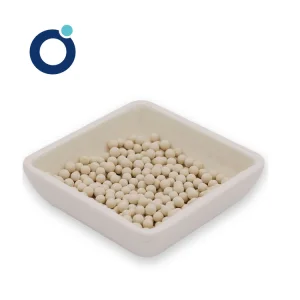
| Molecular Sieve 13X APG | Faujasite (Type X) | ~9.0 Å | 18 - 23 wt% | 250 - 320 °C | Air Separation pre-purification, industrial decarbonization |
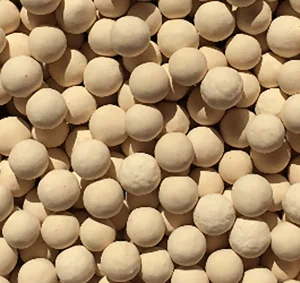
| Molecular Sieve 5A | Linde Type A (Calcium) | ~5.0 Å | 12 - 16 wt% | 200 - 300 °C | PSA hydrogen purification, normal/isoparaffin separation |
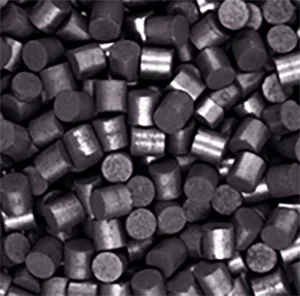
| Carbon Molecular Sieve (CMS) | Carbonaceous framework | 3.0 - 5.0 Å | Selective kinetic capture | Pressure drop dependent | PSA Nitrogen generators, biogas purification |
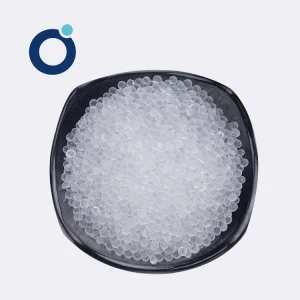
| Silica Gel JZ-PSG | Amorphous Silica | 2.0 - 6.0 nm | Water-vapor preferred | 120 - 180 °C | Gas drying, heavy hydrocarbon extraction |
| Activated Alumina | Transition Alumina | Variable microporous | Low CO2 selectivity | 180 - 250 °C | Instrument air drying, acid removal in oils |
As global demands for carbon capture increase, securing a stable supply chain of high-performance molecular sieves is critical. China's chemical manufacturing sector offers major advantages in scale, raw material vertical integration, and technological refinement.
1. Vertical Supply Chain Integration: Chinese factories utilize local sources of high-grade sodium aluminate and silica sol, ensuring steady pricing and reliable production schedules even during global market fluctuations.
2. Advanced Synthesis Technologies: Modern facilities employ automated crystallization control and continuous rotary activation kilns. This guarantees consistent pore size distribution, higher mechanical crush strength, and minimal dust formation, which prevents downstream valve damage.
3. Scaled Production & Cost Efficiencies: High-volume automated production lines reduce manufacturing overheads. This allows us to offer premium, industrial-grade molecular sieves at highly competitive price points.
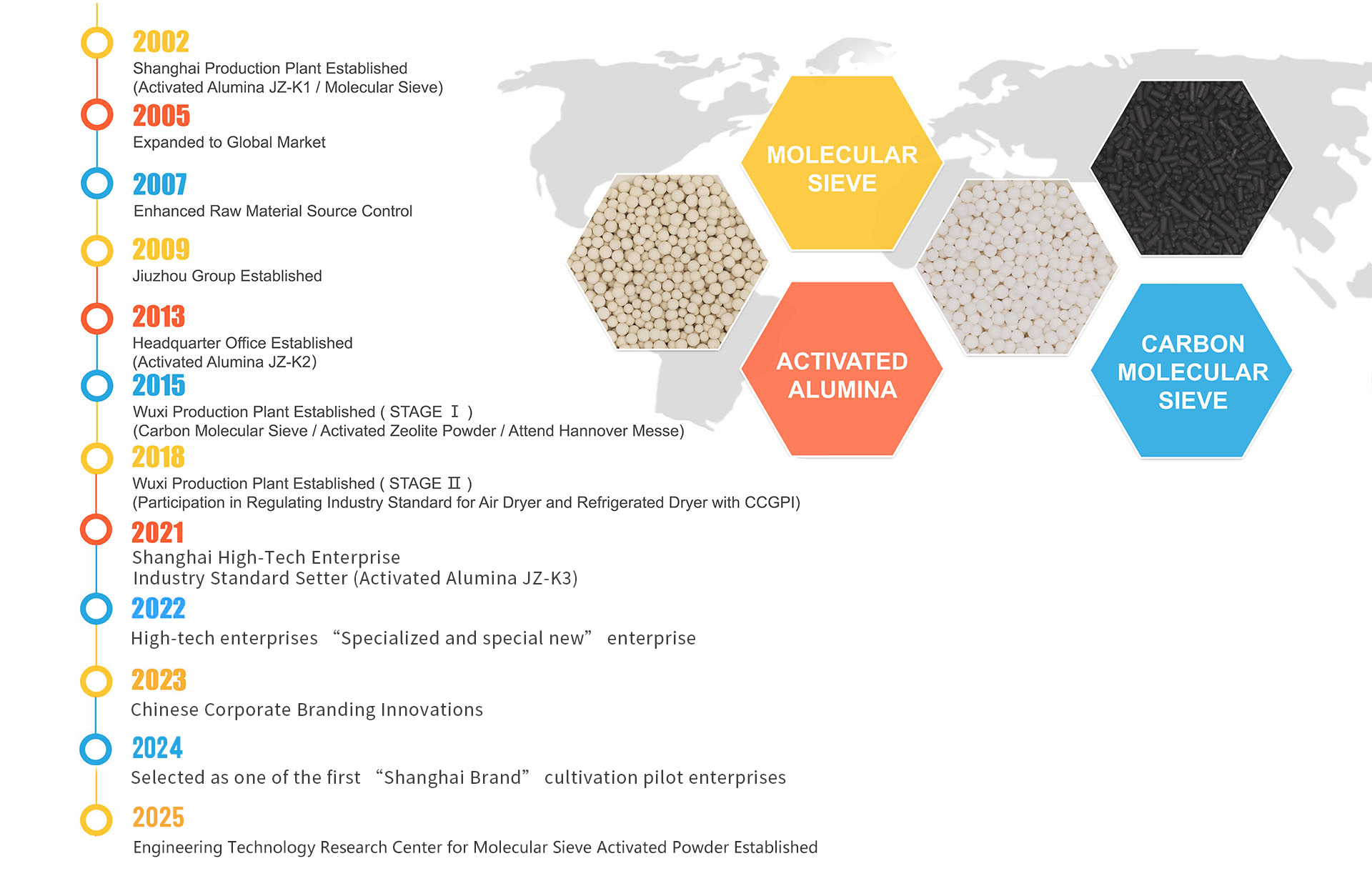
Shanghai Jiuzhou Chemicals Co., Ltd. is located in Shanghai, a key economic and industrial hub. Over the years, Jiuzhou has adhered to the principles of "Quality Control & Continuous Innovation," committing itself to the research, development, and manufacturing of high-quality chemical adsorbents and catalysts. Our product line includes various molecular sieve powders, molecular sieves, activated powder, activated alumina, aluminum oxide catalysts, alumina packing, ceramic balls, sodium silicates, aluminum hydroxide, zeolite 4A, sodium carbonates, and SLES. All products are certified under the ISO9001:2008 quality management system, TUV, and SGS.
Our professional R&D team and chemical resource experts leverage international production technologies and specialized equipment. We operate a large multi-purpose plant monitoring system and a central laboratory equipped with advanced analytical instruments to ensure all products comply with international standards.
Jiuzhou's technical expertise and industry reputation make us a trusted partner in the desiccant and adsorbent fields. We offer automated multi-functional workshops, a dynamic laboratory, and a complete operating system. Our products are exported worldwide, supported by a distribution network in the United States, Southeast Asia, Japan, Europe, North and South America, and the Middle East, delivering high-performance, energy-saving, and environmentally friendly adsorption solutions.
Every batch of molecular sieves undergoes rigorous quality checks, including tests for static water adsorption, crush strength, bulk density, attrition loss, and crystal purity, ensuring reliable performance in demanding environments.
Our dedicated R&D center works to improve zeolite structures, focusing on increasing adsorption capacity, reducing regeneration temperatures, and developing binderless formulations.
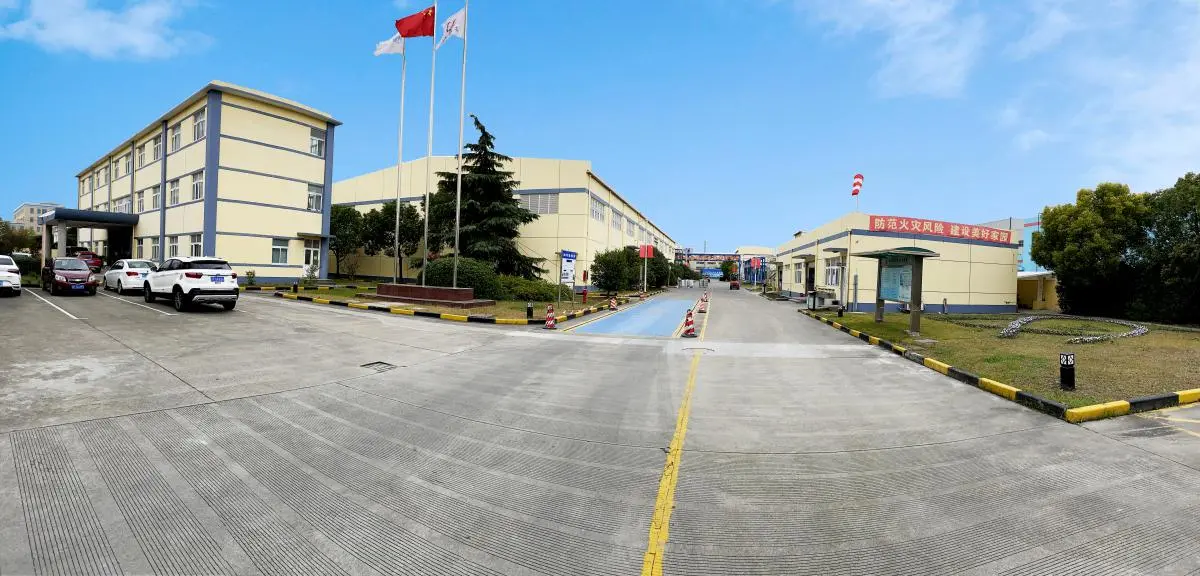
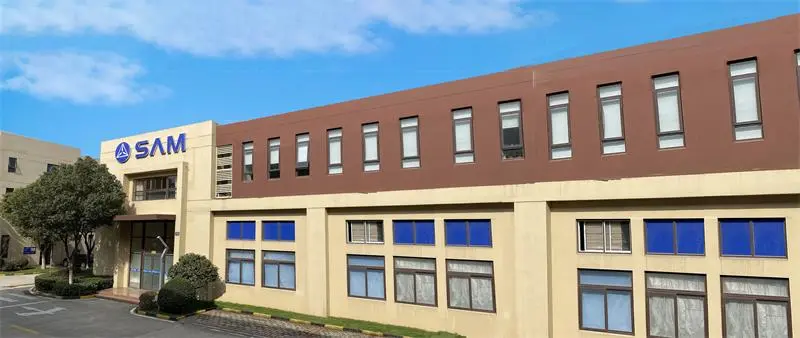
JOOZEO has contributed to drafting multiple national and industrial standards in China, reflecting our expertise in gas purification and desiccant materials. We actively participate in setting industry benchmarks to maintain high quality across the sector.
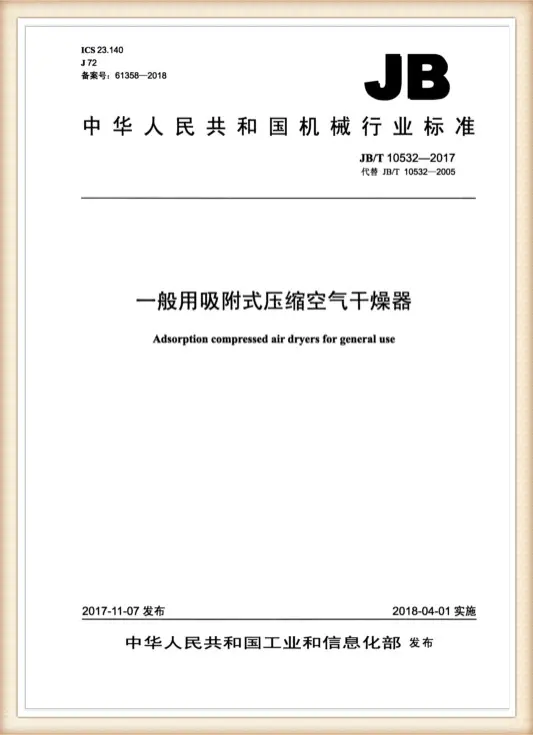
Adsorption compressed air dryers for general use.
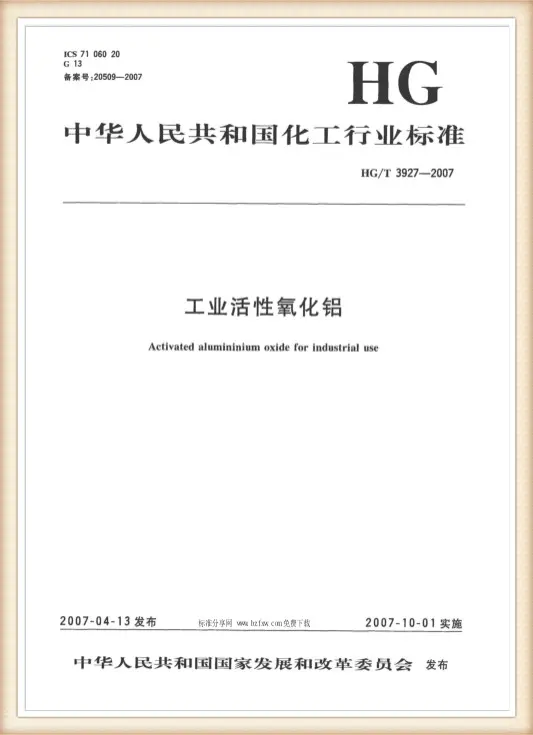
Activated aluminum oxide for industrial use.
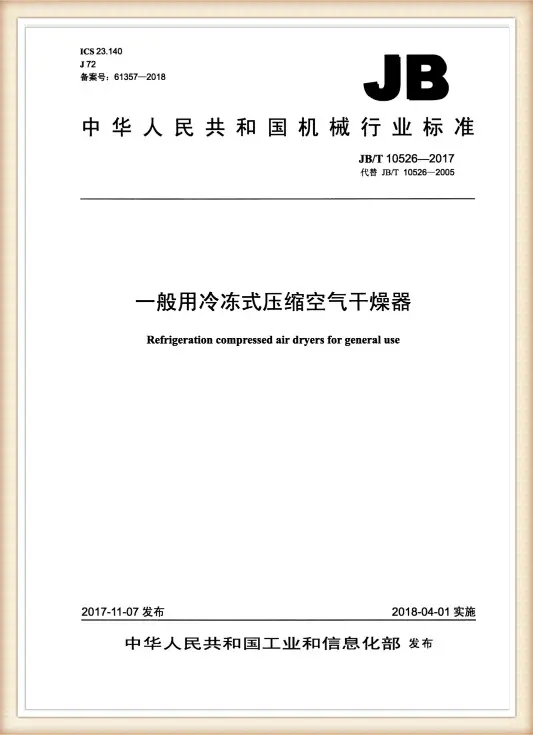
Refrigeration compressed air dryers for general use.
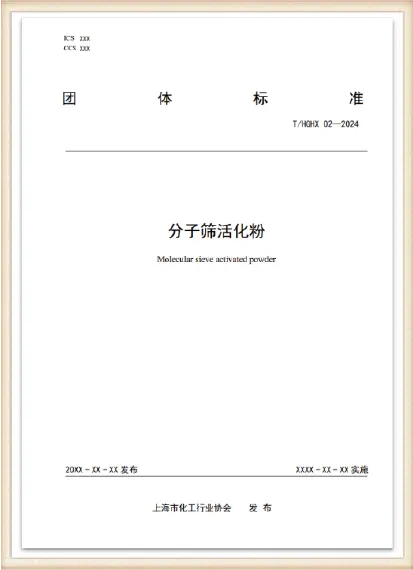
National Compressed Air Association guidelines.
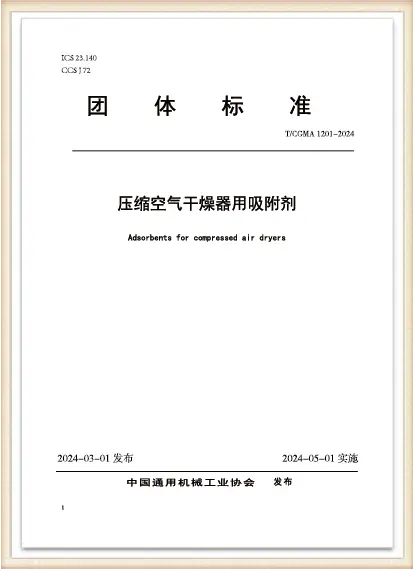
Industrial Chemical Association standards.
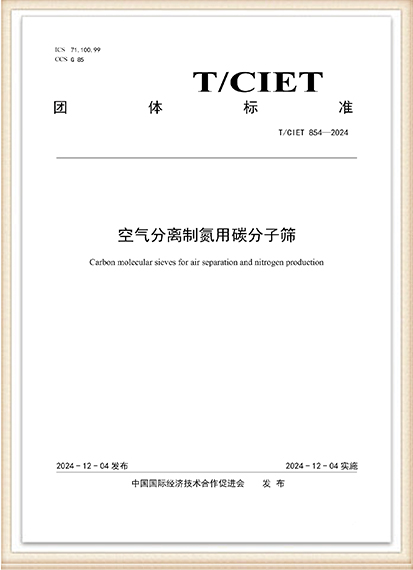
National standard for advanced eco-adsorbents.
"Better air, Better life" is the core mission that drives our production processes. We strive to reduce environmental impact by refining our manufacturing methods, minimizing waste, and designing energy-efficient adsorption solutions that help global industries lower their carbon footprint.

The global transition toward carbon neutrality is driving technological advances in adsorbent materials. Key industry trends include:
Standard molecular sieves contain 15% to 20% inert clay binders, which reduces total adsorption capacity. The development of binderless molecular sieves converts these binder materials into active crystalline structures, increasing adsorption capacity by up to 25% and reducing vessel footprints.
Regenerating molecular sieves typically requires heating the gas stream to 250°C–320°C. New research focuses on modifying framework cations to lower the heat of adsorption for CO2, helping to reduce energy use in PSA/TSA processes.
Combining silica gel, activated alumina, and synthetic zeolites into layered beds helps prevent contamination. The bottom layers handle bulk moisture removal, allowing the top molecular sieve layers to selectively target trace CO2 and volatile organic compounds (VOCs).
Here are common technical questions regarding the selection, application, and maintenance of molecular sieves in industrial systems.
Contact our sales and engineering team for assistance with product selection, price quotes, and technical specifications for molecular sieves.
Send Request