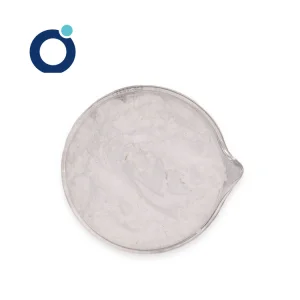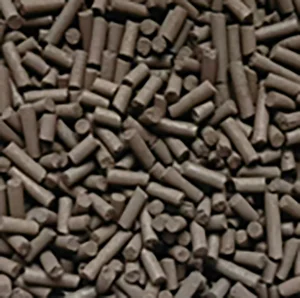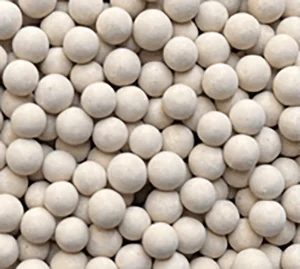
Explore our advanced high-performance adsorbents engineered to combat humidity, optimize petrochemical processes, and protect localized dynamic industrial systems. Maintain critical dry air parameters in high-moisture zones such as Central Florida.
Humidity control is one of the most critical elements in modern industrial engineering. In subtropical regions such as Orlando, Florida, ambient relative humidity frequently spikes, posing severe challenges to precision manufacturing, electronics assembly, aerospace instrumentation, and energy generation. The thermodynamics of moisture removal demand robust, specialized material science solutions. Shanghai Jiuzhou Chemicals Co., Ltd., a premier global desiccant manufacturer since 1994, supplies these high-capacity materials to meet stringent international operational standards.
The global demand for high-capacity desiccants has experienced exponential growth due to the expansion of microelectronics packaging, advanced lithium-ion battery manufacturing, and precise pharmaceutical production lines. From an organic chemistry perspective, moisture acts as an unwanted catalyst, causing oxidation, polymer degradation, and electrochemical failure.
In regions like Orlando, Florida, the challenges are intensified by the humid subtropical climate. High temperatures combined with coastal wind patterns maintain elevated dew points year-round. Commercial HVAC installations, cleanrooms, and food and beverage storage units cannot rely solely on mechanical refrigeration to reduce moisture loads. Desiccant air drying systems (both rotary wheels and dual-tower pressure-swing systems) are essential to lower absolute humidity levels. Shanghai Jiuzhou Chemicals bridge this gap by manufacturing top-tier molecular sieves, silica gels, and activated alumina that excel under high ambient temperatures.
Adsorption is a surface phenomenon where molecules adhere to the pore surfaces of a solid material. Understanding the physical chemistry of the adsorbent is vital for matching the correct product to the application:
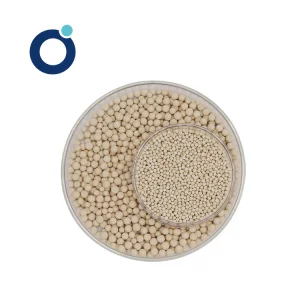
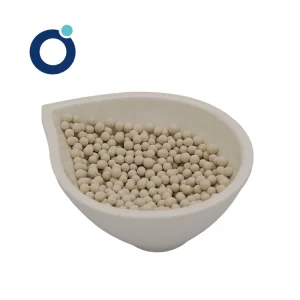
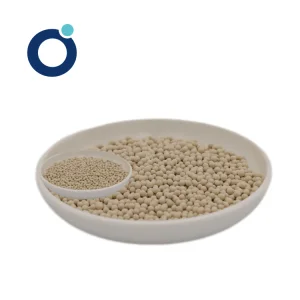
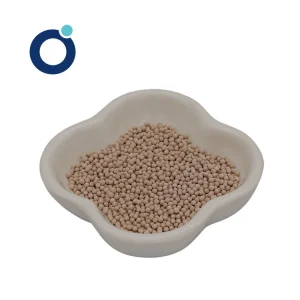
These crystalline aluminosilicates have highly uniform pore structures (ranging from 3Å to 10Å). Our molecular sieves, such as the JZ-3ZAS, target water molecules (approx 2.8Å) while excluding larger hydrocarbon molecules, ensuring selective adsorption in gas streams.
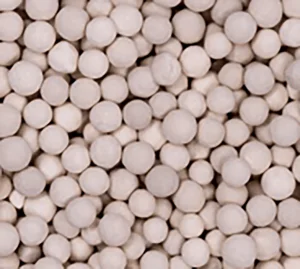
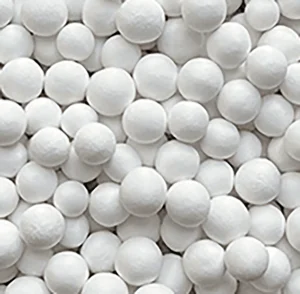
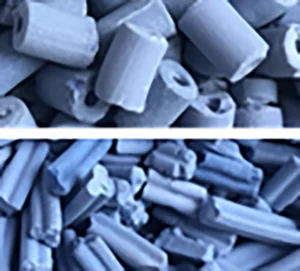
A highly porous form of aluminum oxide, activated alumina features a high surface-area-to-mass ratio. It is primarily used in heated or pressure-swing air dryers due to its thermal stability and resistance to liquid water entrainment.
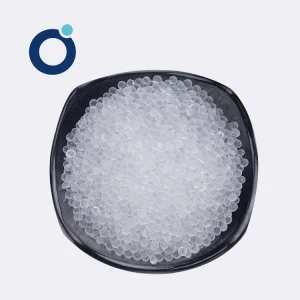
An amorphous form of silicon dioxide, silica gel (like our JZ-CSG) is highly effective for static packaging environments. Its capillary structure allows for high moisture adsorption capacity at high relative humidity levels.
Orlando's diverse economy spans multiple industries, each with unique moisture-control requirements:
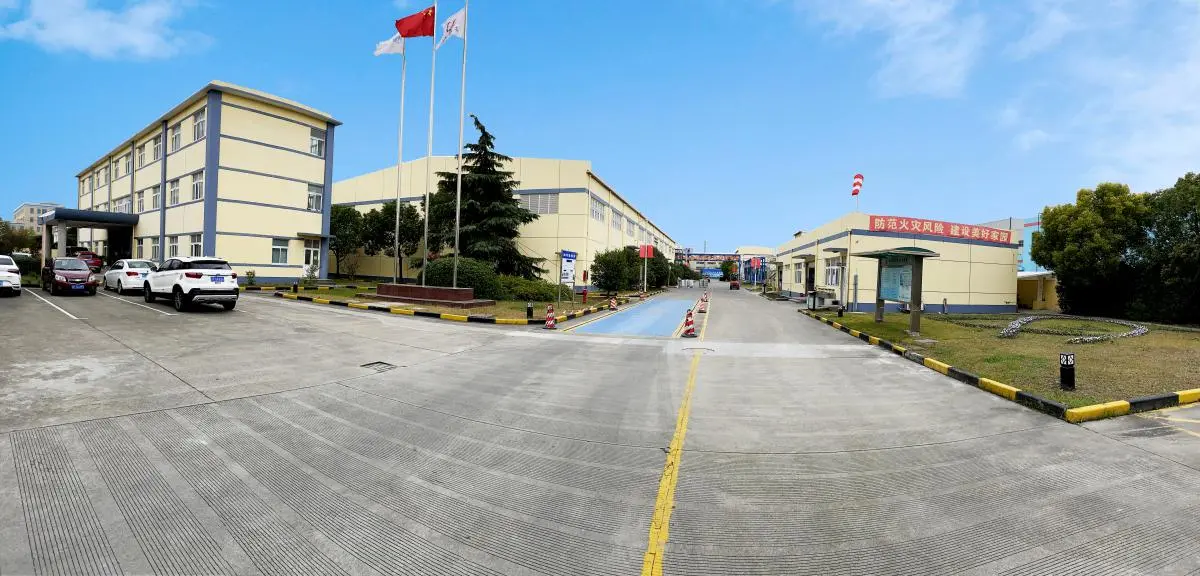
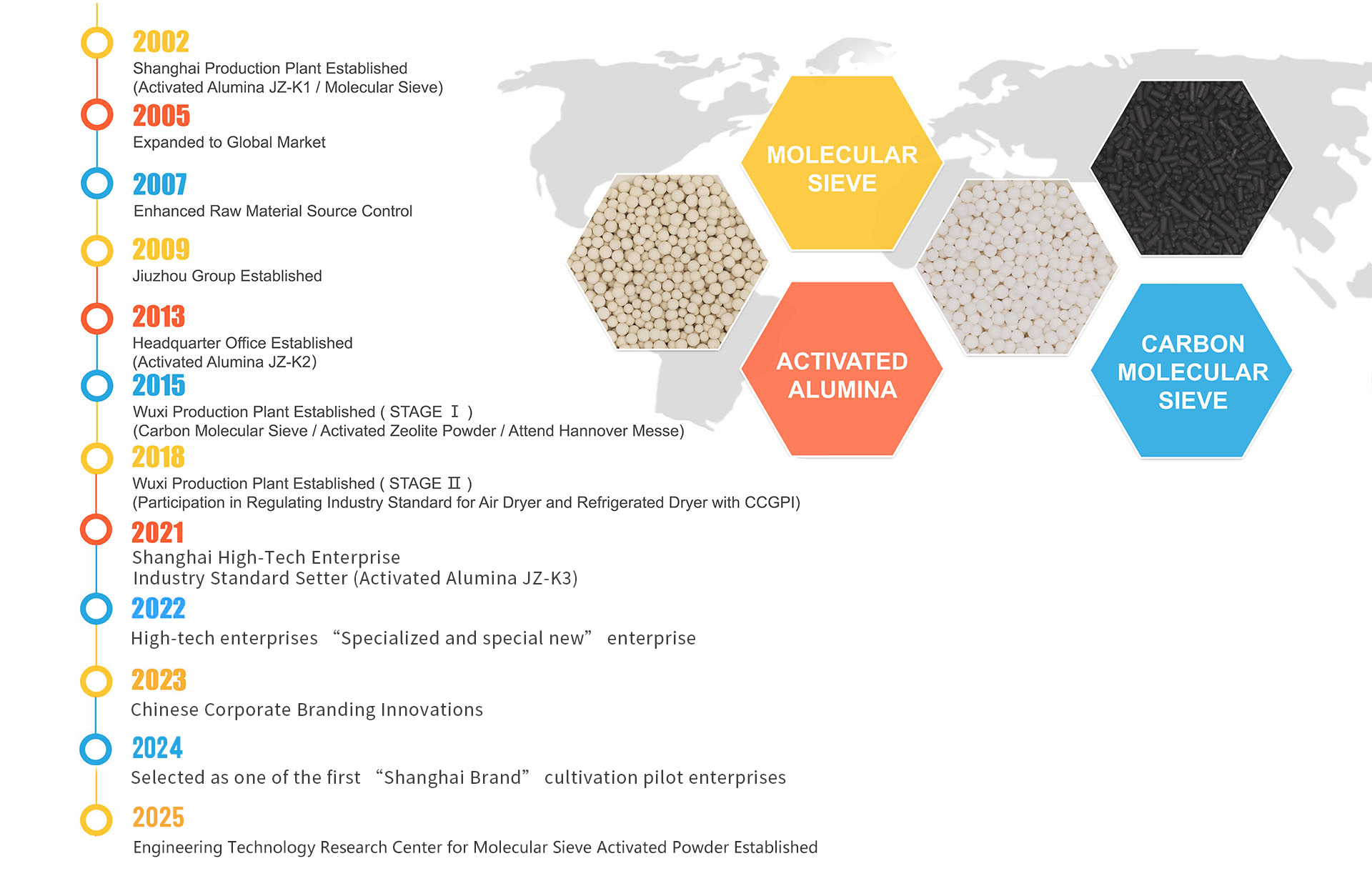
Shanghai Jiuzhou Chemicals Co., Ltd. operates with a strict quality-first philosophy. Our manufacturing facilities in Shanghai and Wuxi utilize advanced thermal activation and automated pelletizing processes, certified by ISO9001:2008, TUV, and SGS.
We actively contribute to the establishment of quality standards for industrial desiccants and compressed air drying systems. Our materials are verified to meet and exceed:
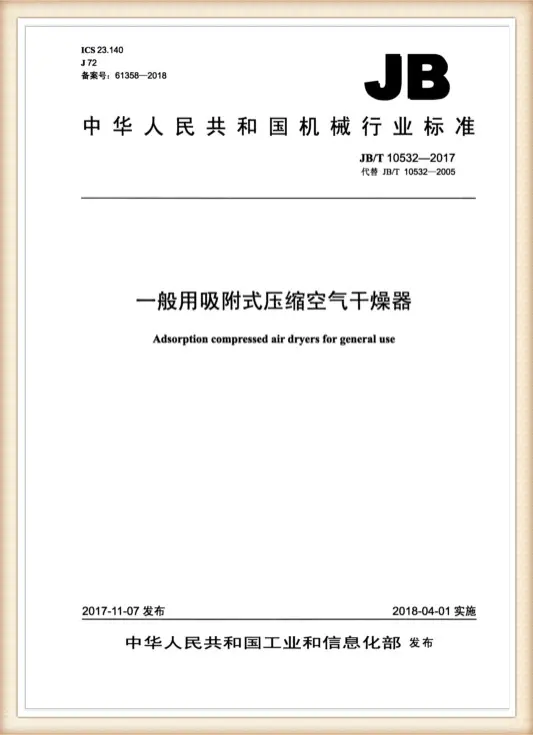
JB / T 10532-2017
Adsorption compressed air dryers for general use
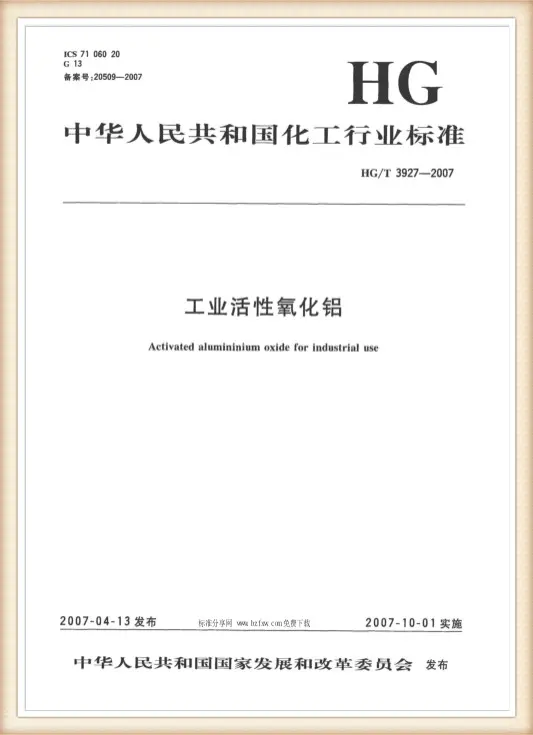
HG / T 3927-2007
Activated aluminum oxide for industrial use
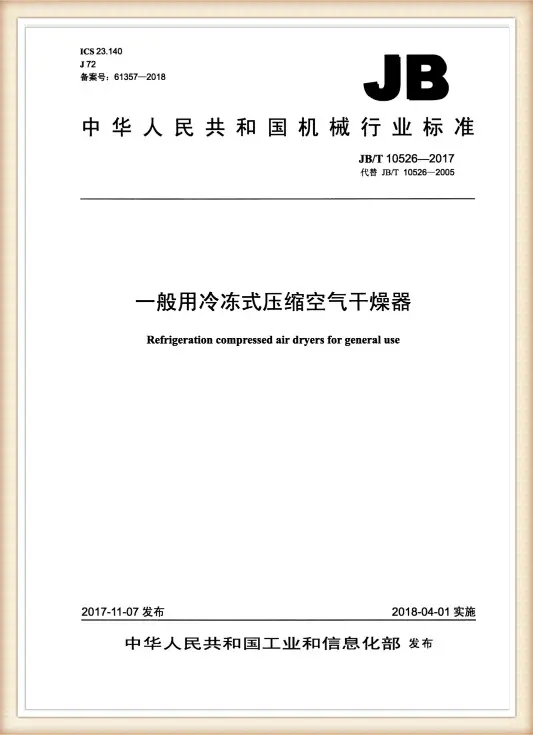
JB / T 10526-2017
Refrigeration compressed air dryers for general use
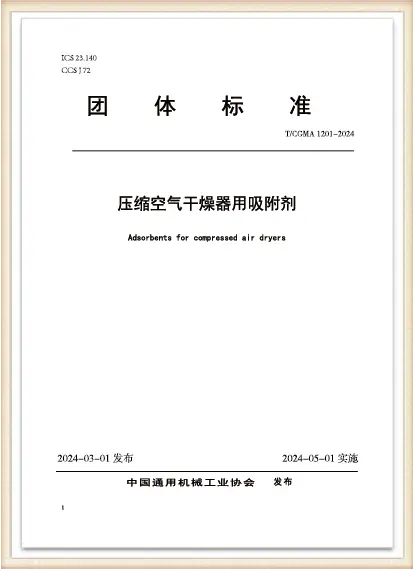
T/CGMA1201-2024
Industry Group Standard
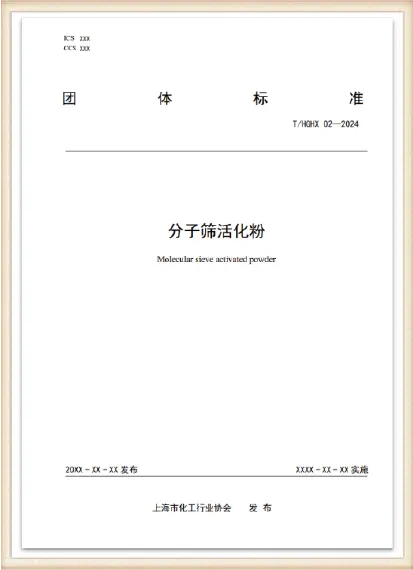
T/HGHX 02—2024
Chemical Association Standard
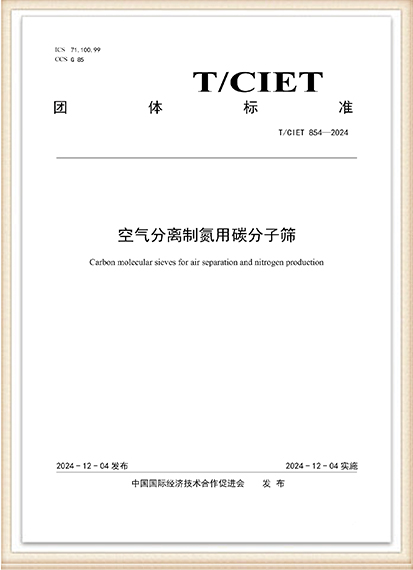
T/CIET 854-2024
Technology & Environmental Protection standard
With large-scale facilities in Shanghai and Wuxi, Jiuzhou maintains massive production reserves and state-of-the-art labs equipped with dynamic dynamic testing systems to analyze adsorption breakthrough curves.
"Better air, Better life" represents our ongoing commitment to reducing industrial emissions, improving green carbon capture utilizing modified zeolites, and supplying energy-saving adsorption materials that lower regeneration temperatures in drying systems.

As industries push towards carbon neutrality, the energy required to regenerate desiccants is under intense scrutiny. Traditional thermal regeneration cycles (TSA) consume significant electricity to heat the beds to temperatures of 200°C to 300°C.
Common technical queries resolved by our senior chemical engineers regarding the selection and sourcing of high-performance desiccants.
Browse our second set of high-performance molecular sieves, premium catalyst carriers, and specialized chemical agents.
Do you have technical questions regarding adsorption parameters, customized particle sizing, or dynamic supply configurations for the Orlando region? Contact our technical team today. We reply within 24 hours.
Send Request