
Industrial White Paper: Desiccant Molecular Sieve Technology & Global Procurement
A comprehensive analysis of structural classifications, engineering selection metrics, and supply chain strategies in modern process industries.
1. Executive Overview & Crystalline Classifications
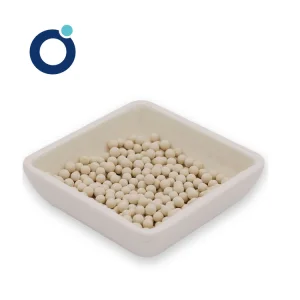
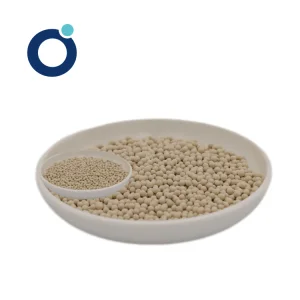
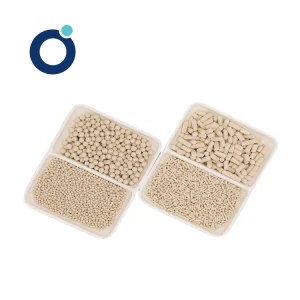
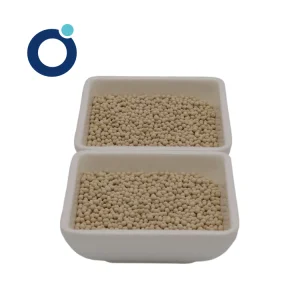
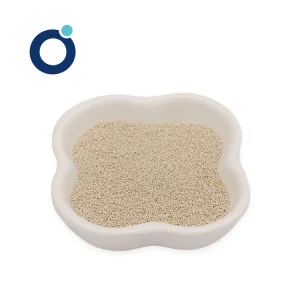
Molecular sieves represent a class of highly structured crystalline aluminosilicates characterized by uniform pore structures. Unlike simple amorphous desiccants such as silica gel, molecular sieves achieve drying and separation through size exclusion and preferential adsorption of polar molecules. The basic framework of a zeolite molecular sieve comprises tetrahedral units of SiO4 and AlO4, crosslinked via shared oxygen atoms to form three-dimensional cage networks. This framework carries a net negative charge, balanced by counter-cations (such as sodium, potassium, or calcium) located within the internal channels. These cations, combined with the vast internal surface area, generate high-intensity electrostatic fields that strongly attract polar molecules, most notably water.
Depending on the crystal framework type and the specific counter-cation, the effective pore diameter of the molecular sieve is precisely controlled to meet industrial specifications:
| Type | Chemical Formula (Typical) | Pore Size | Primary Applications |
|---|---|---|---|
| Molecular Sieve 3A | 0.4K2O · 0.6Na2O · Al2O3 · 2.0SiO2 · 4.5H2O | ~3 Å | Ethanol dehydration, cracked gas drying, unsaturated hydrocarbon processing. |
| Molecular Sieve 4A | Na2O · Al2O3 · 2.0SiO2 · 4.5H2O | ~4 Å | Air compressor dehydration, closed-loop static gas drying, polyurethane paint systems. |
| Molecular Sieve 5A | 0.8CaO · 0.2Na2O · Al2O3 · 2.0SiO2 · 4.5H2O | ~5 Å | PSA oxygen production, hydrogen purification, normal-isoparaffin separation. |
| Molecular Sieve 13X | Na2O · Al2O3 · 2.8SiO2 · 6H2O | ~10 Å | Cryogenic air separation prep (CO2 and H2O removal), desulfurization, sour gas sweetening. |
2. Global Market Dynamics & Industry Trends
The global demand for synthetic zeolite molecular sieves is undergoing significant growth, driven by key developments in process engineering:
- Green Hydrogen Dehydration: As green hydrogen generation projects expand globally, low-temperature PSA units require ultra-low moisture limits (<0.1 ppmv) to prevent downstream equipment degradation and hydrogen embrittlement.
- Carbon Capture, Utilization & Storage (CCUS): Flue gas and industrial carbon dioxide emissions must be dried and purified of pollutants prior to liquefaction. High-capacity molecular sieves like 13X are key components in this carbon extraction phase.
- Cryogenic Separation Units: Modern Air Separation Units (ASUs) demand high-reliability molecular sieves with excellent thermal stability to avoid trace gas bypass (such as carbon dioxide and nitrous oxide) which can solidify in sub-zero heat exchangers.
3. Global Procurement Challenges & Selection Criteria
Procurement departments must balance raw pricing metrics with long-term operating costs (OPEX). Key criteria for selecting high-performance molecular sieves include:
- Attrition Resistance & Crush Strength: High gas flow velocities in dynamic adsorption towers subject molecular sieve beads to physical wear. Weak beads generate dust, which plugs nozzles and increases system pressure drop.
- Adsorption Kinetics & Mass Transfer Zones: Fast mass transfer rates reduce the required length of the adsorption bed, optimizing vessel sizing and reducing initial capital expenditure (CAPEX).
- Thermal Regeneration Recovery: A well-formulated binder system ensures the crystal structure survives thousands of thermal regeneration cycles (typically at 200°C to 300°C) without losing crystalline pore volume.
4. China Factory 4.0: Supply Chain Resilience & Modern Production
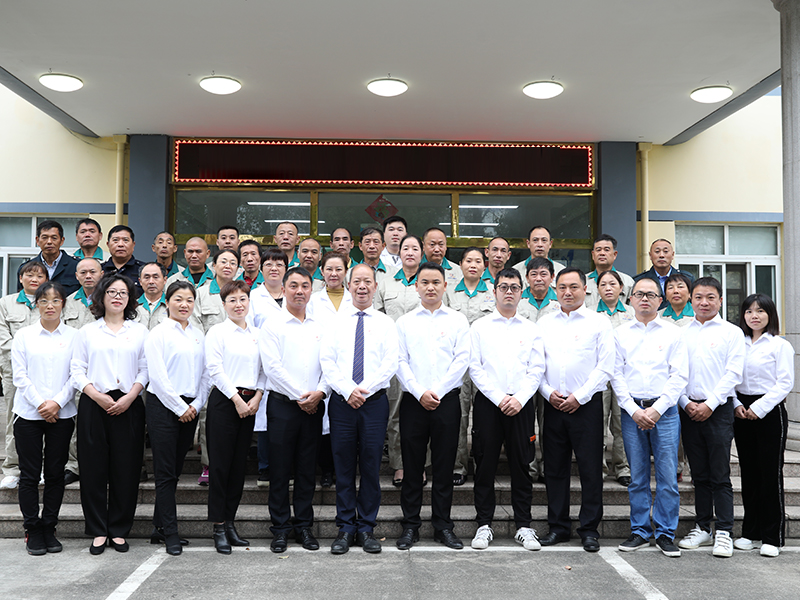
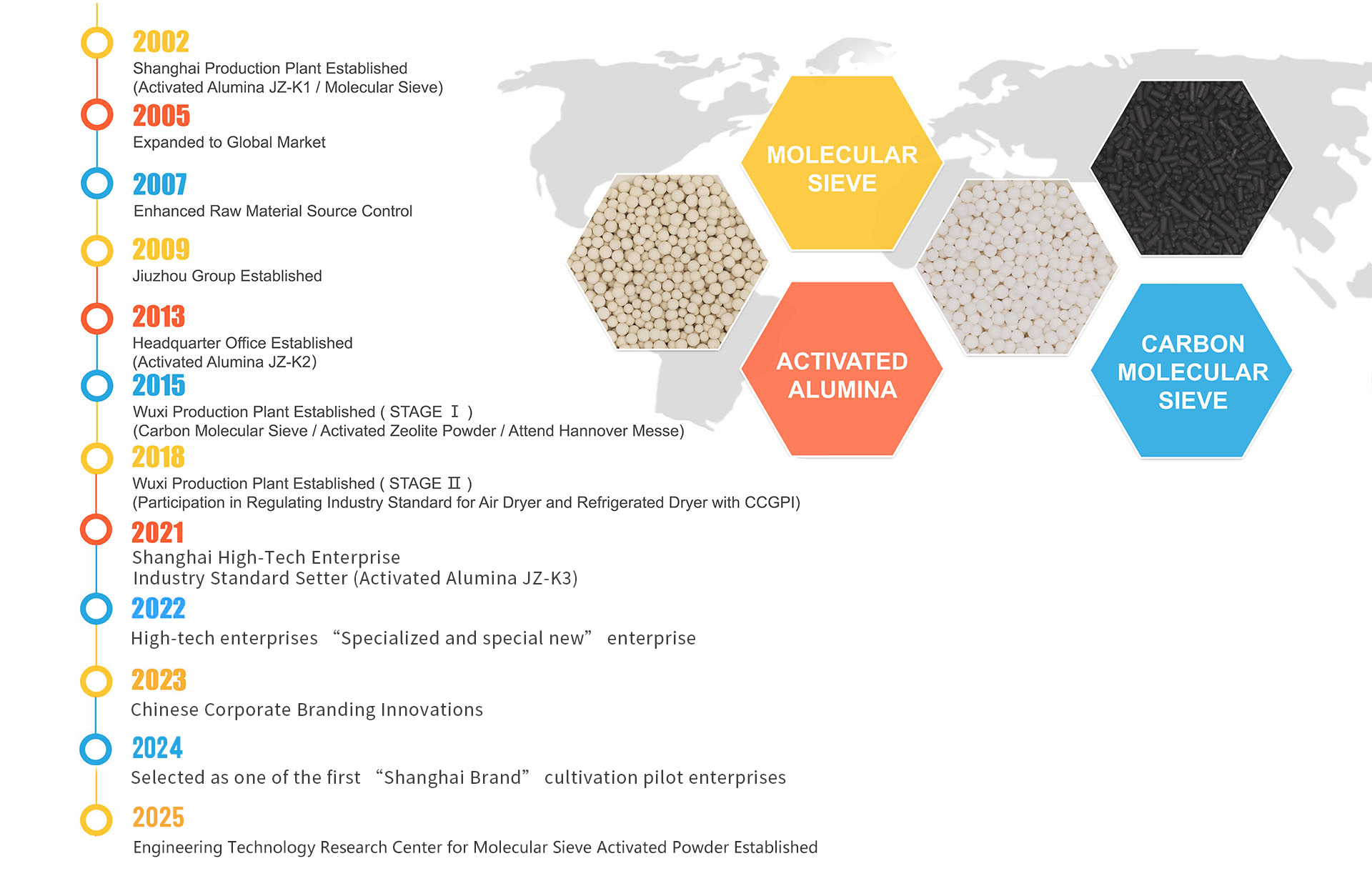
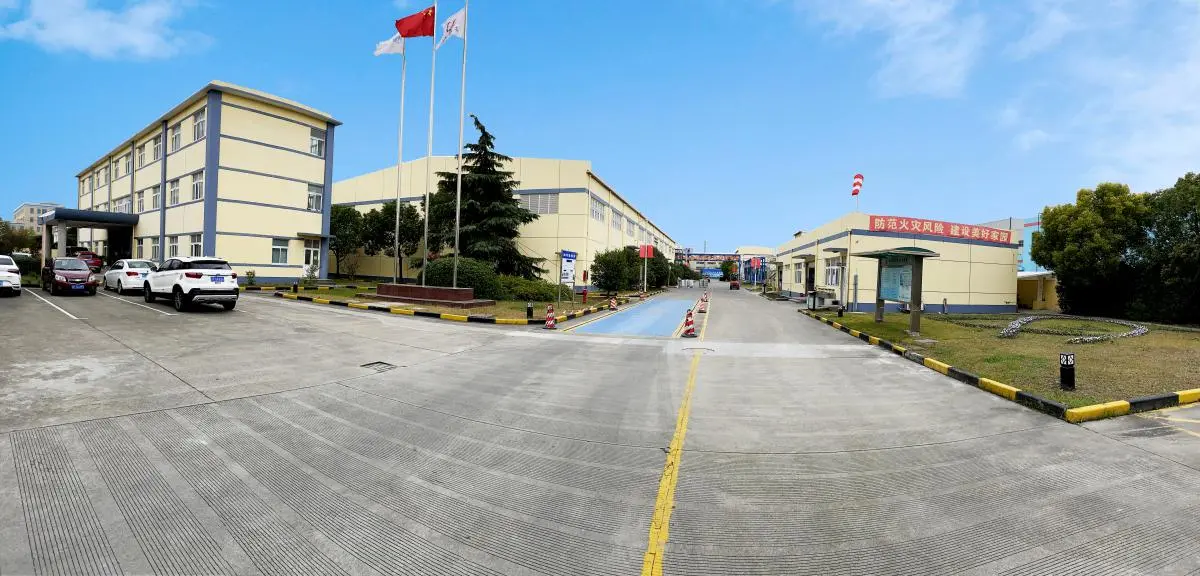
At JOOZEO (Shanghai Jiuzhou Chemicals), we address global supply chain risks through automated manufacturing and integrated production. By operating dual facilities in Shanghai and Wuxi, we manage the entire production chain—from raw sodium aluminate and silica sol synthesis to automated pellet extrusion, calcination, and final quality control. Our integrated manufacturing model provides several key benefits for industrial buyers:
Integrated Quality Assurance: Automated raw material batching guarantees consistent crystal cell structures, minimizing batch-to-batch variation. Our laboratory performs automated gas adsorption isotherms and physical crush testing on every batch to verify mechanical integrity.
Robust Raw Material Channels: Our close integration with major regional mineral suppliers ensures a stable supply of high-grade raw clays and binding materials, shielding our production schedules and pricing from global raw material volatility.